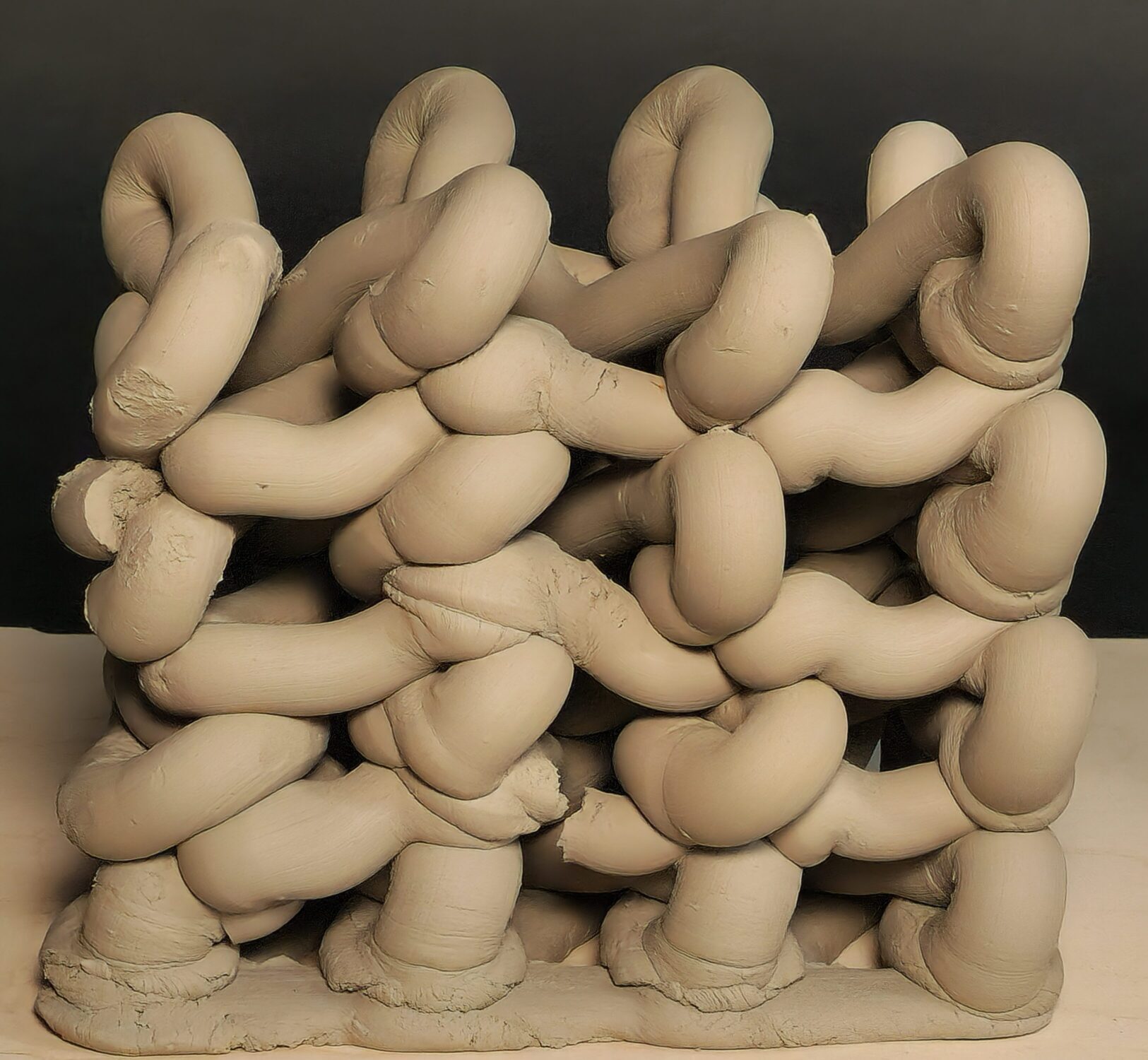
SYNFORM I

Non Planar Strategies for Robotic Polymer 3D Printing: Translating Digital Realms into Large-Scale Architectural Elements to Reimagine Ornament and Material Expression.

Targeted toward students’ future careers in Academia, Start-up, or Industry, the second year of the Master in Robotics and Advanced Construction offers the opportunity to develop a thesis project with the support of IAAC infrastructure, experts and network.
The development of the project will be supported by advanced seminars in Technology, Theory, and Business to bring the proposal state of the art research that can really impact the construction industry.
In parallel to the development of the Thesis Project Studio, the second year of the Master in Robotics and Advanced Construction offers a series of seminars enhancing the theoretical, practical, and digital skills of the students. Students will also have the occasion to join cross-disciplinary workshops to build large prototypes and installations.
Non Planar Strategies for Robotic Polymer 3D Printing: Translating Digital Realms into Large-Scale Architectural Elements to Reimagine Ornament and Material Expression.
SYNFORM is a design-to-fabrication studio that fabricates luxury scenography and architectural surfaces that are parametric, modular and reconfigurable through large-scale 3D printing using recyclable plastics. Market Context According to Precedence Research, the global 3D printing market is estimated at around USD 29.29 billion in 2025 and is projected to grow to USD 134.58 billion by … Read more

Supply Chain Opportunity to Solve The immense volume of organic waste generated by Brazil’s agricultural and food industries, including residues from cocoa, açaí, Brazil nuts, passion fruit, cupuaçu, buriti, and murumuru, represents a significant untapped resource. These byproducts, often discarded without proper utilization, contribute to environmental challenges and economic losses. Many of the companies highlighted, … Read more
Context Is additive manufacturing going to change the way we fabricate? Certainly it is, additive manufacturing has an immense growth potential with a 22% annual growth as it has offers mass customization and reduced waste. One of the challenges in additive manufacturing is to improve the precision and reliability of the manufacturing process. This can … Read more
Mechanical Inserts for 3D printed Clay Due to land scarcity, the construction industry pushes architecture to shift its focus towards the entire life cycle of the final construction, considering its various phases, from its sourced material and manufacture, to its utilization and eventual end of life. Minimizing material usage and construction time has provoked the … Read more
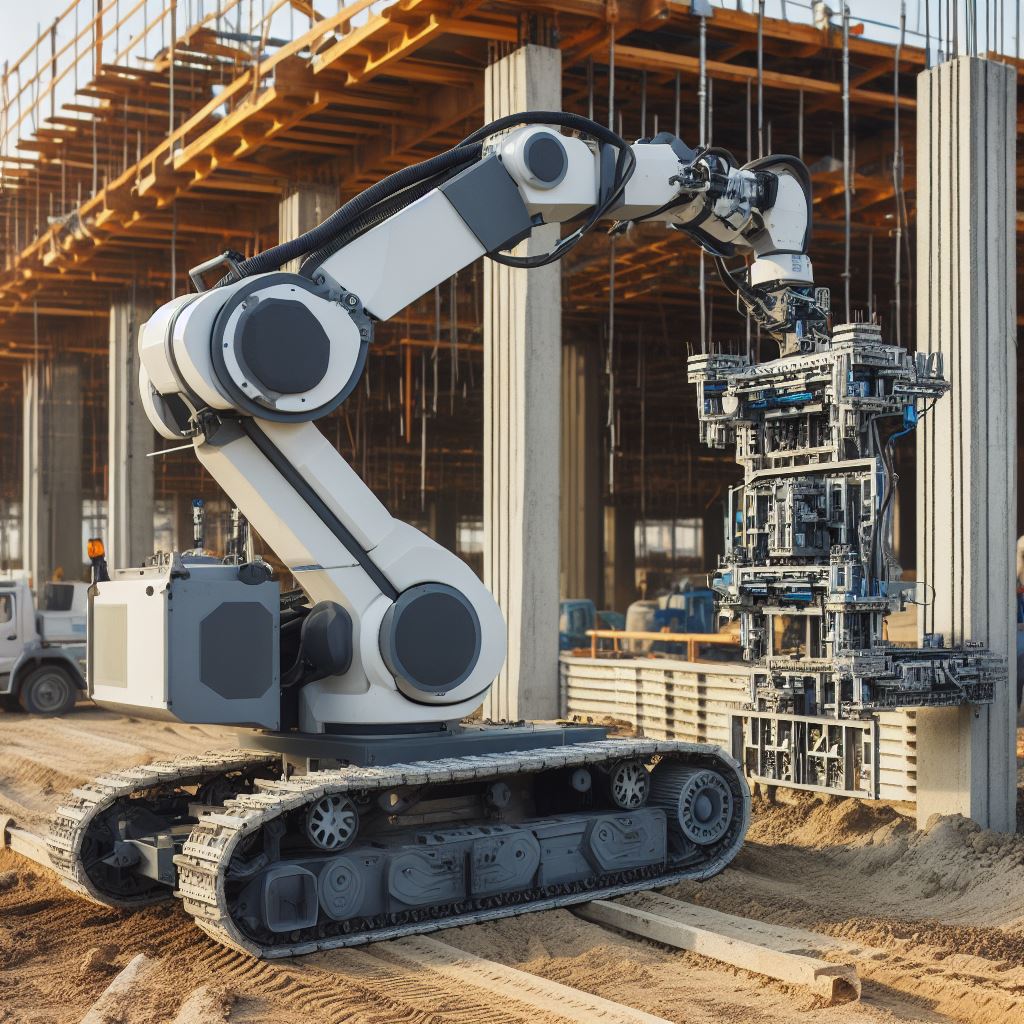
Rapid urbanization demands more efficient construction methods: Labor shortage in the construction industry: It is important to note the type of machinery being used by these two companies for 3D printing. Tvasta uses a robotic arm equipped with an extruder for printing concrete and L&T uses a gantry system, which is a big framework inside … Read more
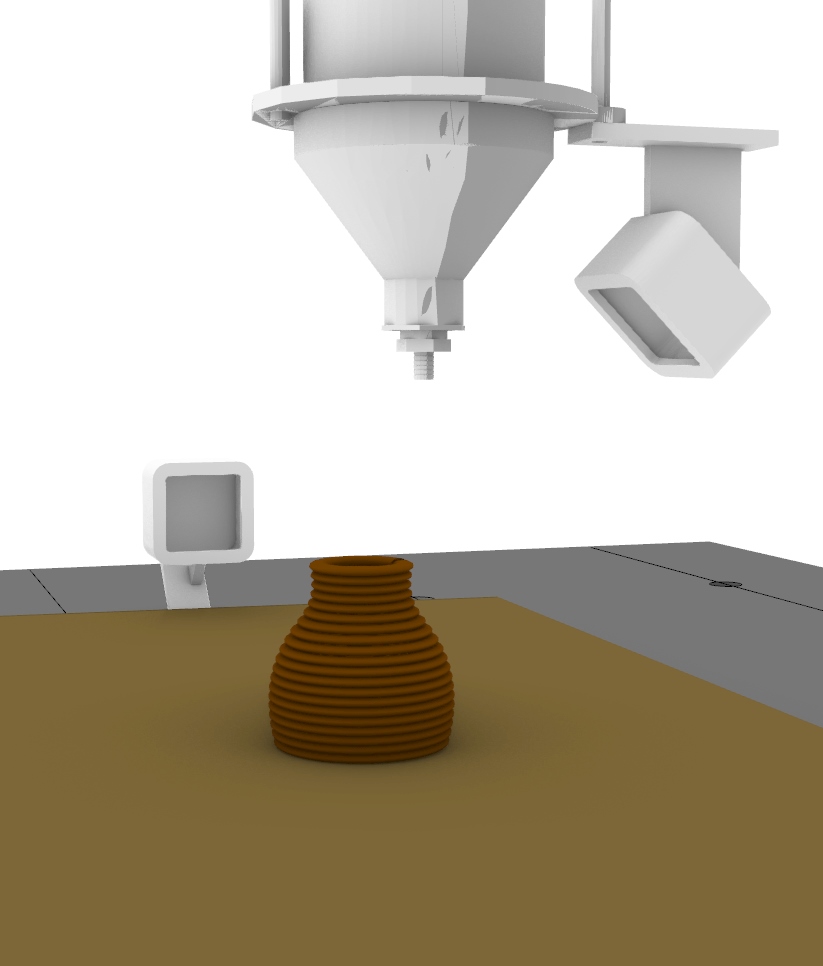
How can we improve the additive manufacturing process? According to a panel of experts, this process is not perfect. There are several issues on it, like the time that they normally spend prototyping to have “the perfect piece”. This involves different parameters like speed, pressure, Material Consistency, the calibration of the robot, etc. In most … Read more
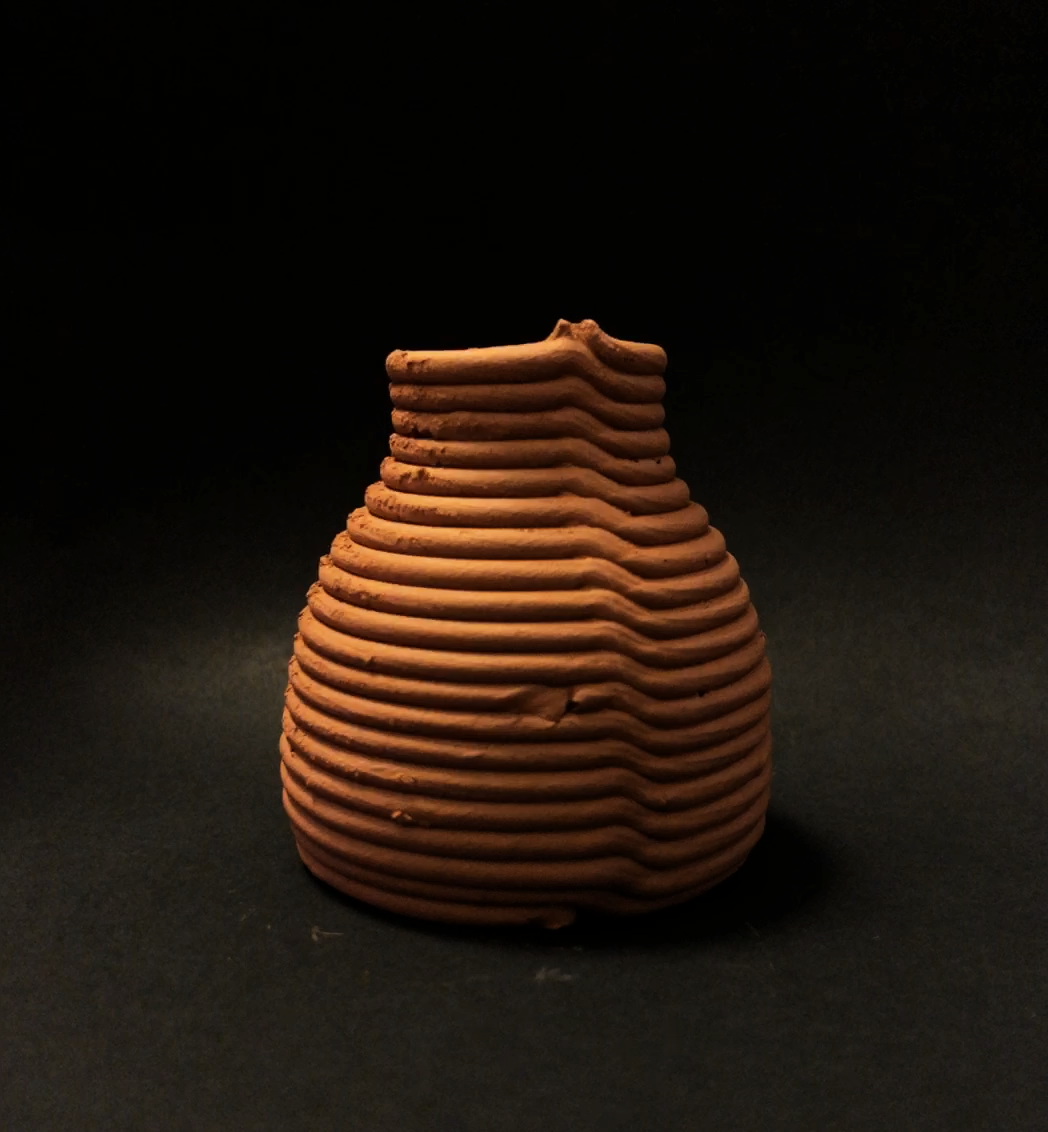
The annual construction waste is expected to reach 2.2 billion tons gobally by 2025, to try to solve this kind of problems in this sector we can use the Additive Manufacturing fot the optimization of Fabrication and construction. Key advantages of AM By 2020, the AM sector will grow up to a €13.4 billion industry … Read more
This research thesis seeks for an opportunity to introduce specific human actions in the additive manufacturing robotic process to generate custom and adaptive fabrication flows based on local needs and conditions and set in a cyber-physical working environment that will scan and verify the results before and after every intervention. 1. Framework According to UN, … Read more
The goal of this project is to present a Case Study about an adaptive additive manufacturing toolpath with a robotic arm. The process of printing sometimes brings variations or corrections on its way. The experiment seeks to 3d print a cylinder in clay where in the middle of the process, two pieces of PVC pipe … Read more