
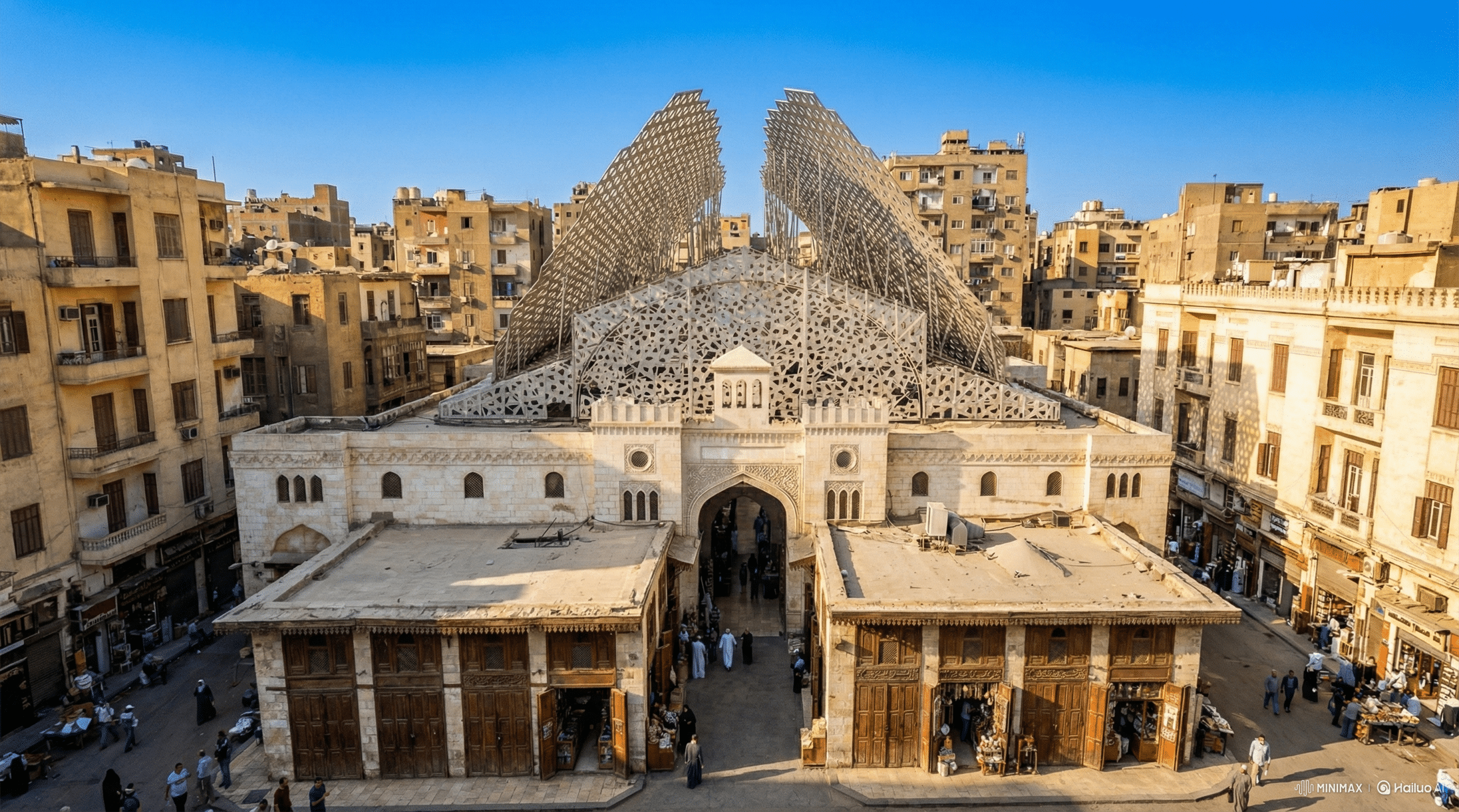
I am excited to share The Veil of Bab Al-Luq, an architectural intervention designed by Sushmitha Ravi that reimagines the historic Bab Al-Luq Market in Downtown Cairo. The project seeks to restore the vibrancy of this iconic urban space by actively addressing its most urgent environmental challenge—the intense heat of Cairo’s hot, dry climate—through integrated environmental control systems and responsive architectural strategies.
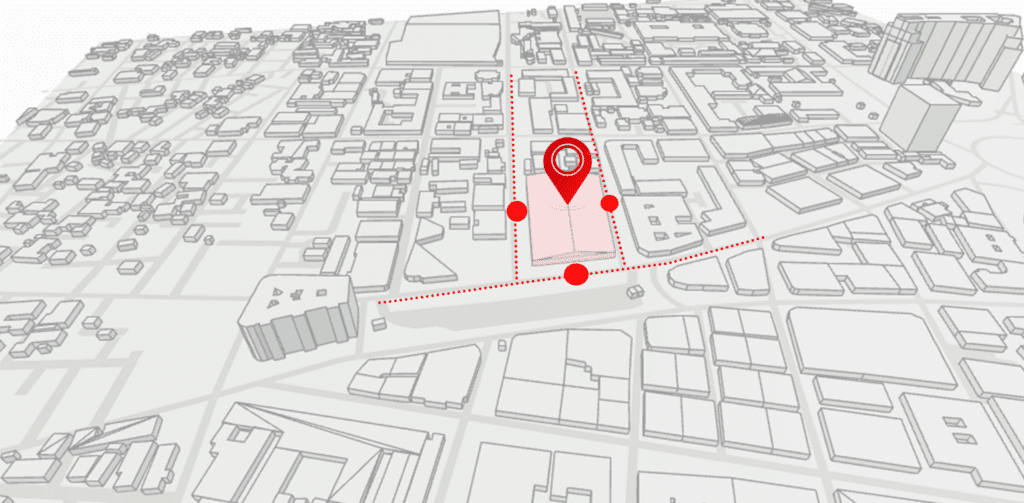
cityweft map
CONCEPT: DESIGNING WITH INSOLATION, SHADOW, AND MOVEMENT
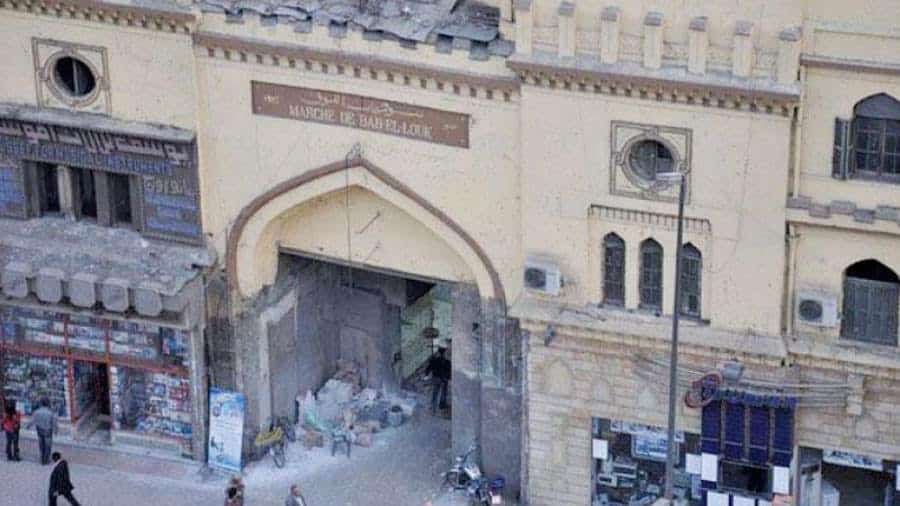
The roof’s shape is inspired not only by environmental needs but also by the market’s historic main arched entrance. Its distinctive geometry becomes a key formal reference, shaping the curvature, orientation, and spatial expression of the new parametric roof and ensuring the intervention remains visually connected to the original building.
The overall design concept is grounded in environmental performance and guided by three core principles:
Insolation · Pattern · Shadow.
Shadow—both direct and patterned—is used as an active design tool to create a cooler, more comfortable microclimate throughout the market. Beyond environmental control, the proposal also enhances the functional organization of the space:
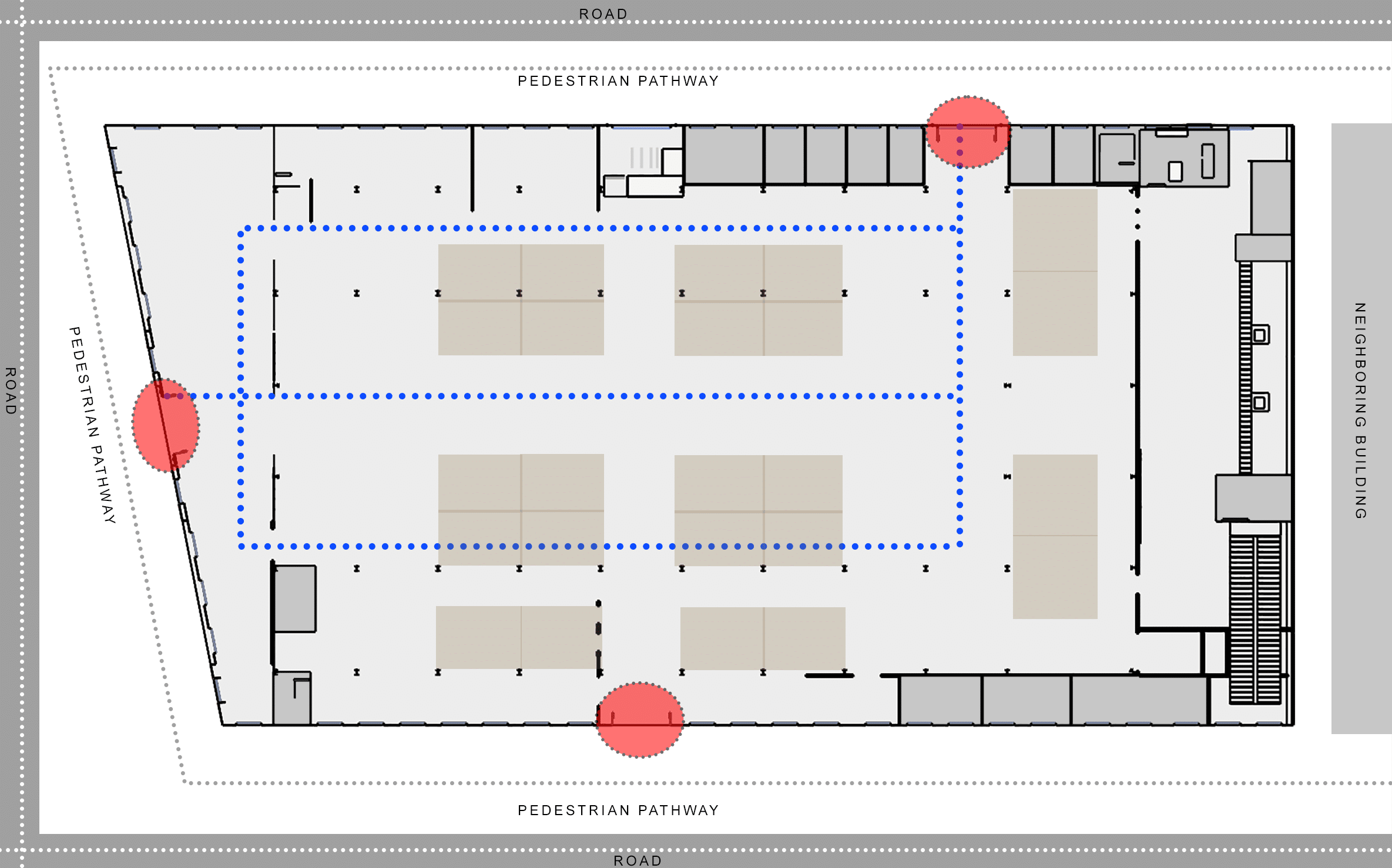
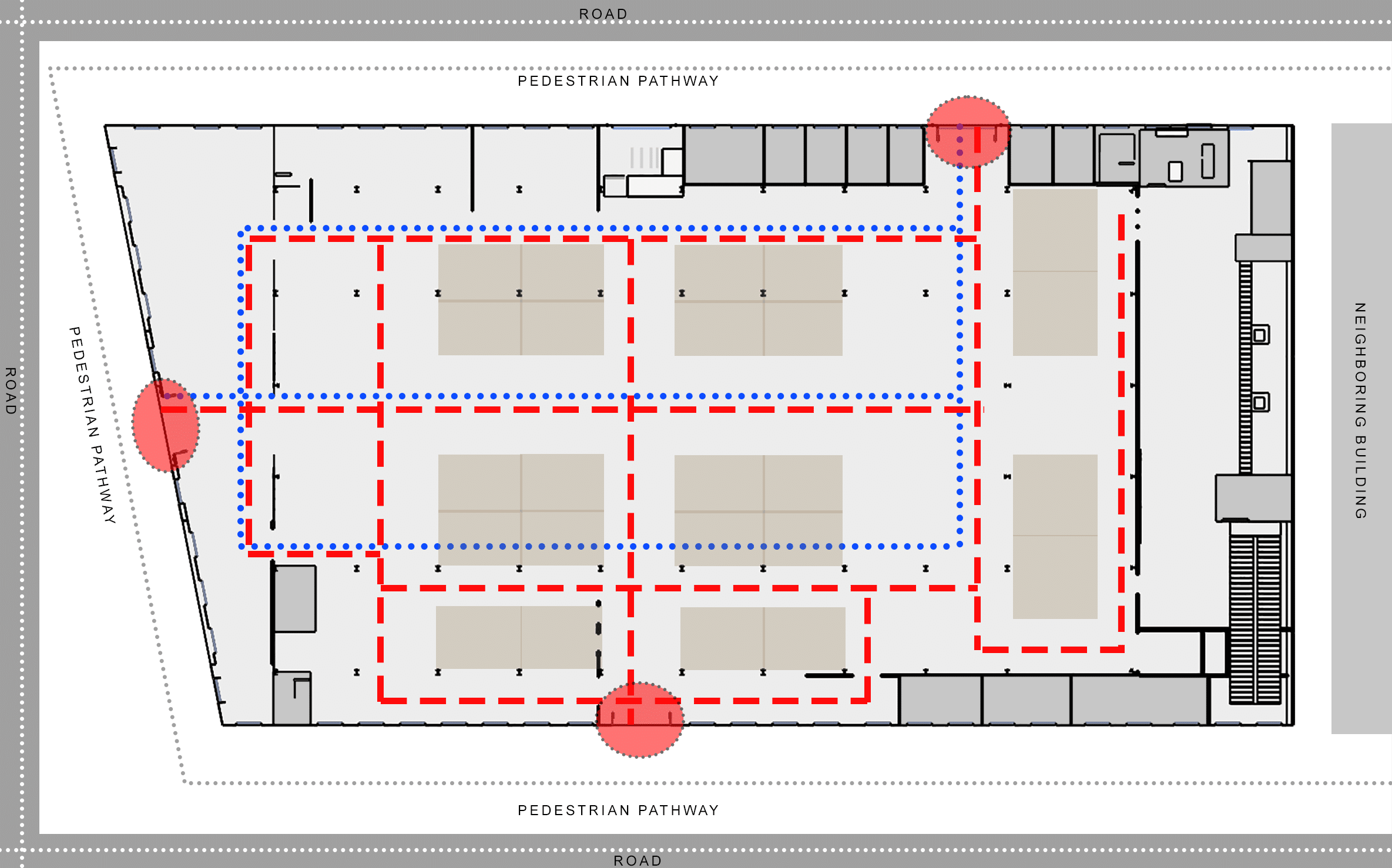
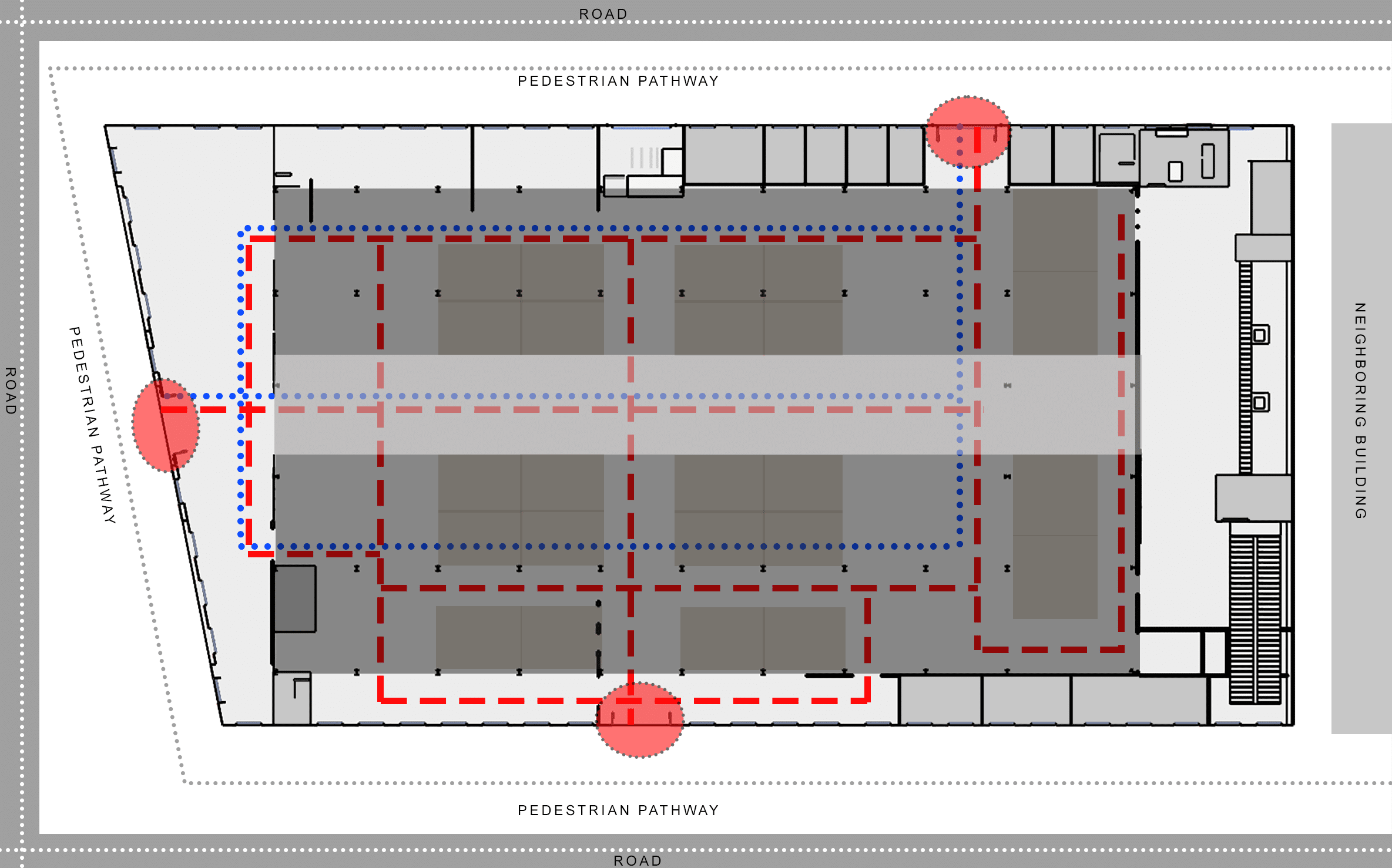
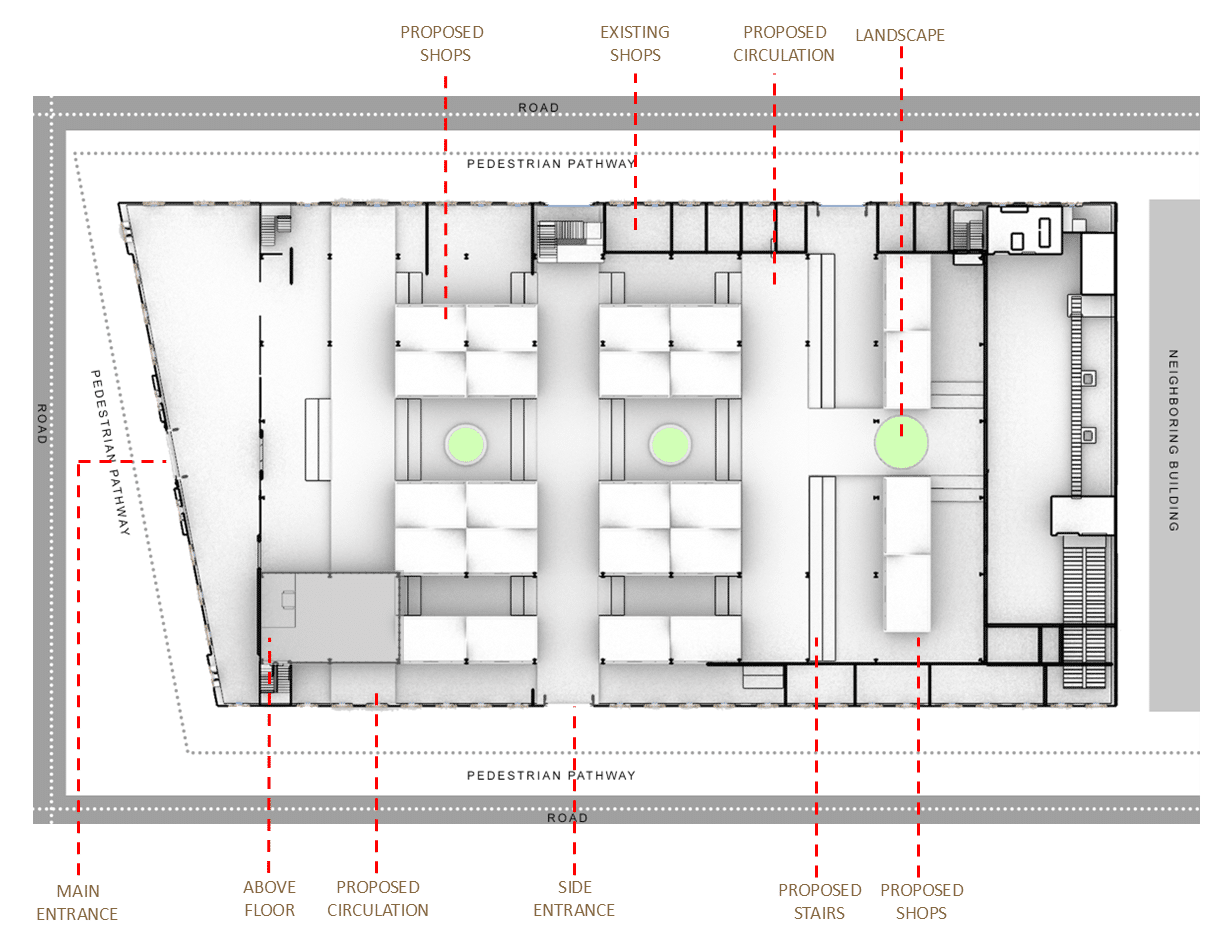
- Revised Circulation Network: A clearly defined pedestrian circulation system actively organized and guided by the newly proposed shop blocks, improving movement, legibility, and spatial flow within the market.
- Market Program: An actively curated integration of proposed shop blocks, existing retail units, and new landscape elements that enhances spatial performance, supports market activity, and enriches the overall public experience.
PROPOSED PLAN

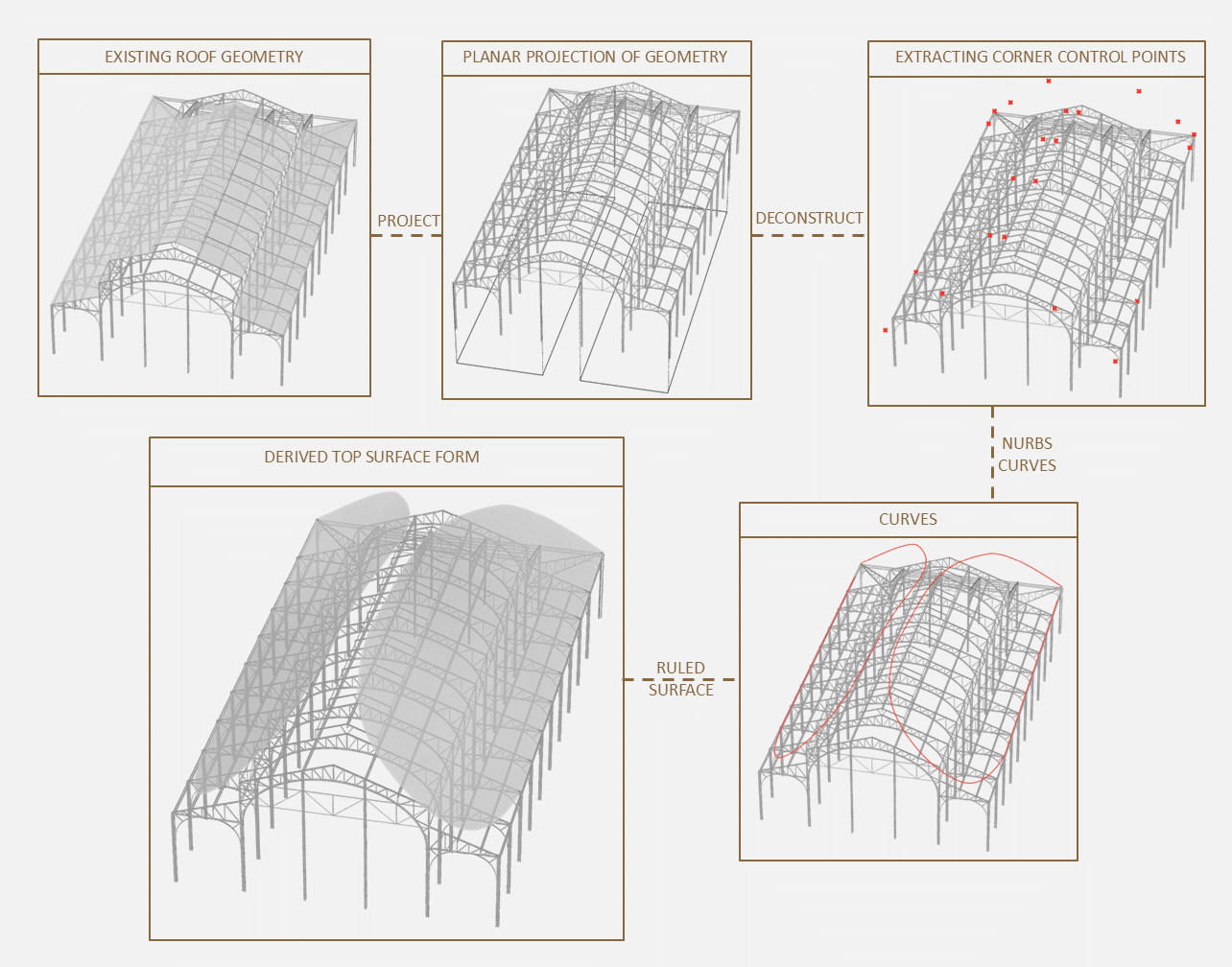
FORM FINDING
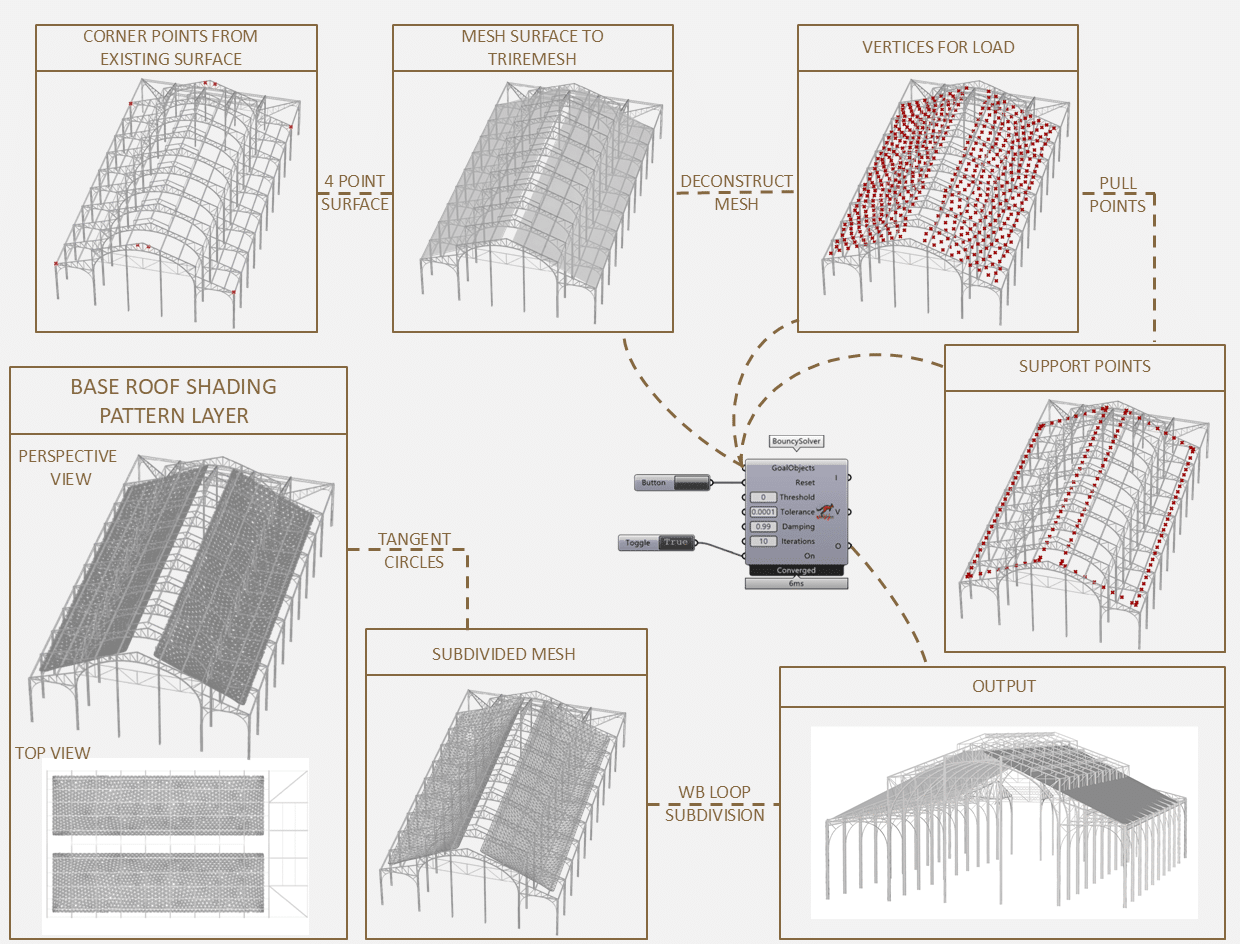
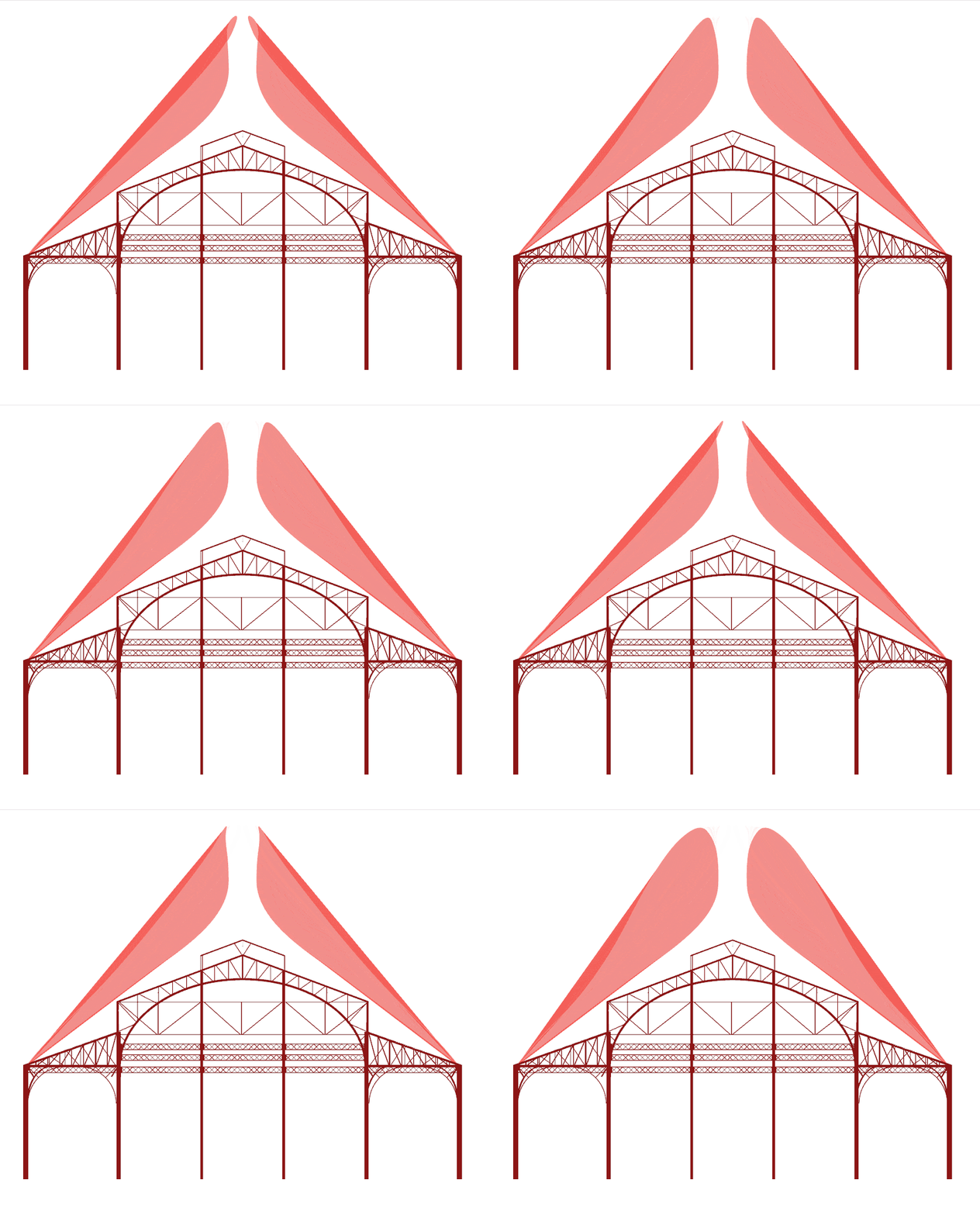
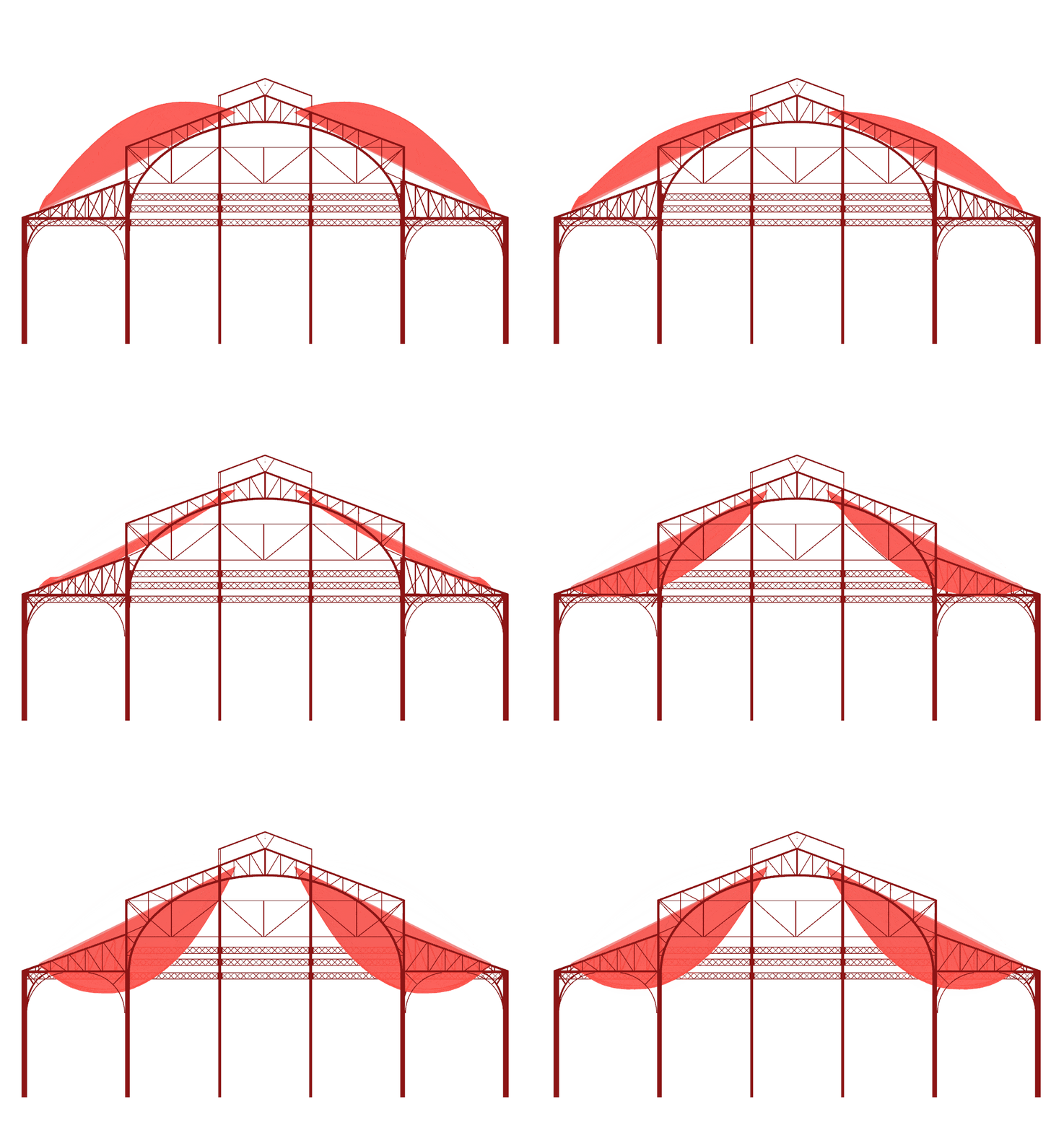
The geometry of the new roof emerges directly from the existing market architecture. Using planar projection, corner control points were extracted from the current roof and used to generate the new form.
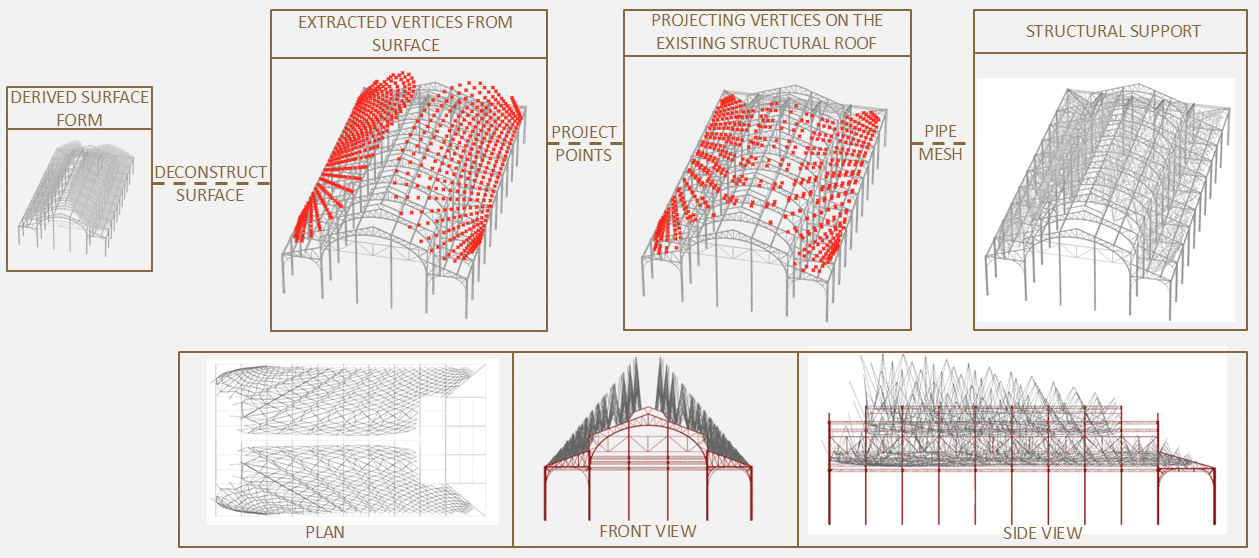
STRUCTURAL DEVELOPMENT
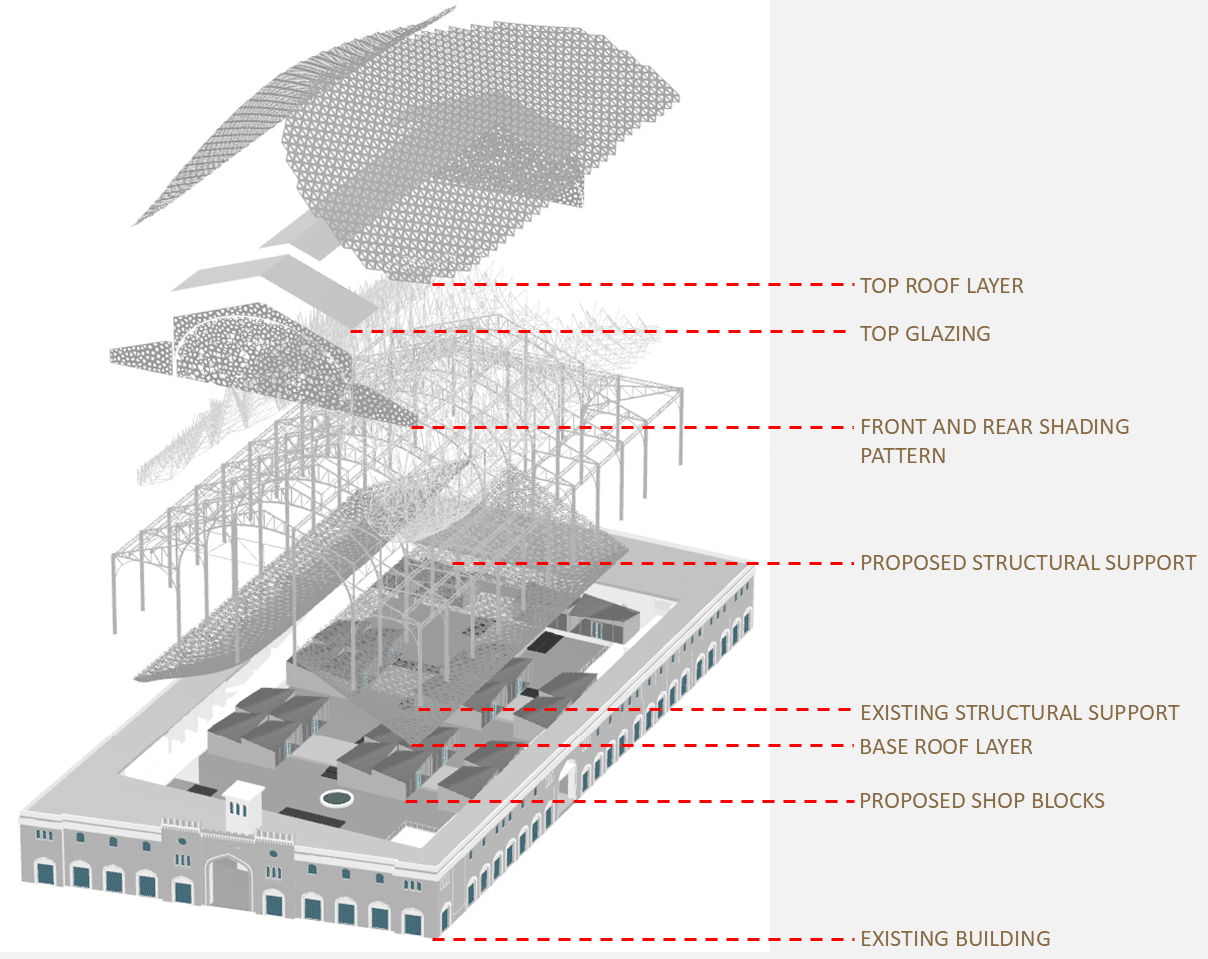
The system actively constructs the support framework by mapping surface vertices onto the existing roof grid, producing a parametric structural network.
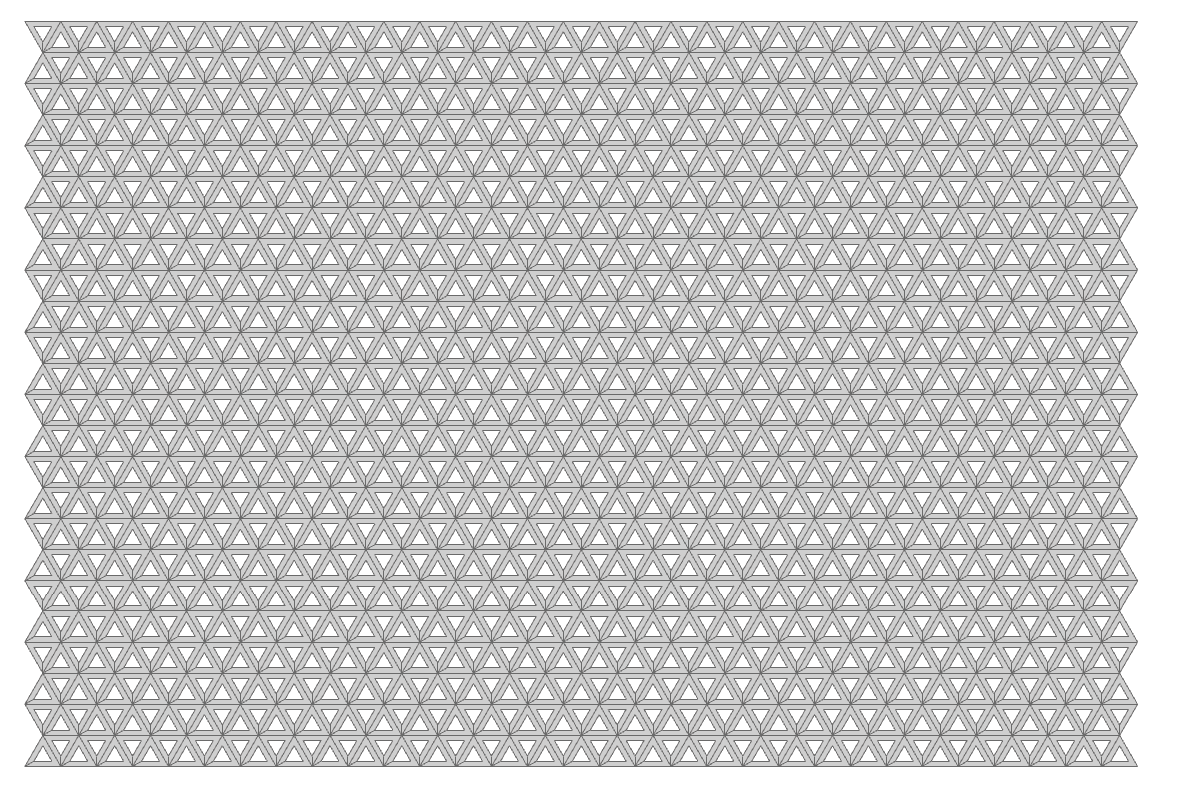
SHADING PATTERN
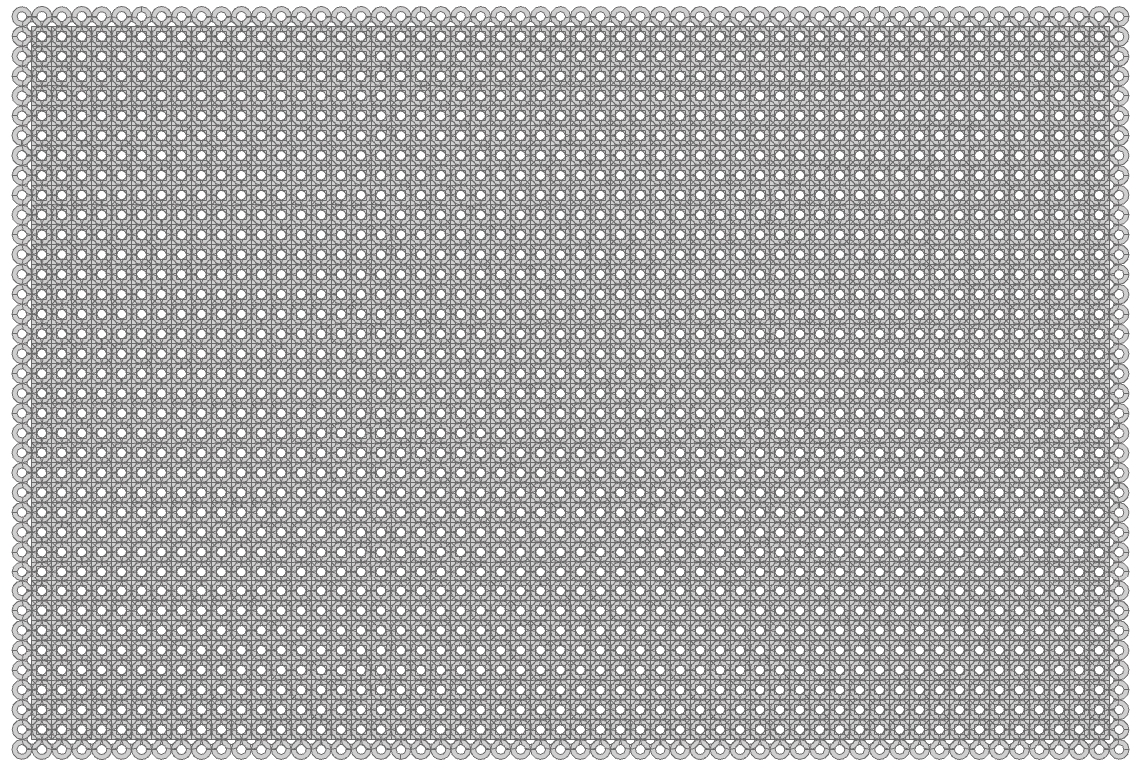
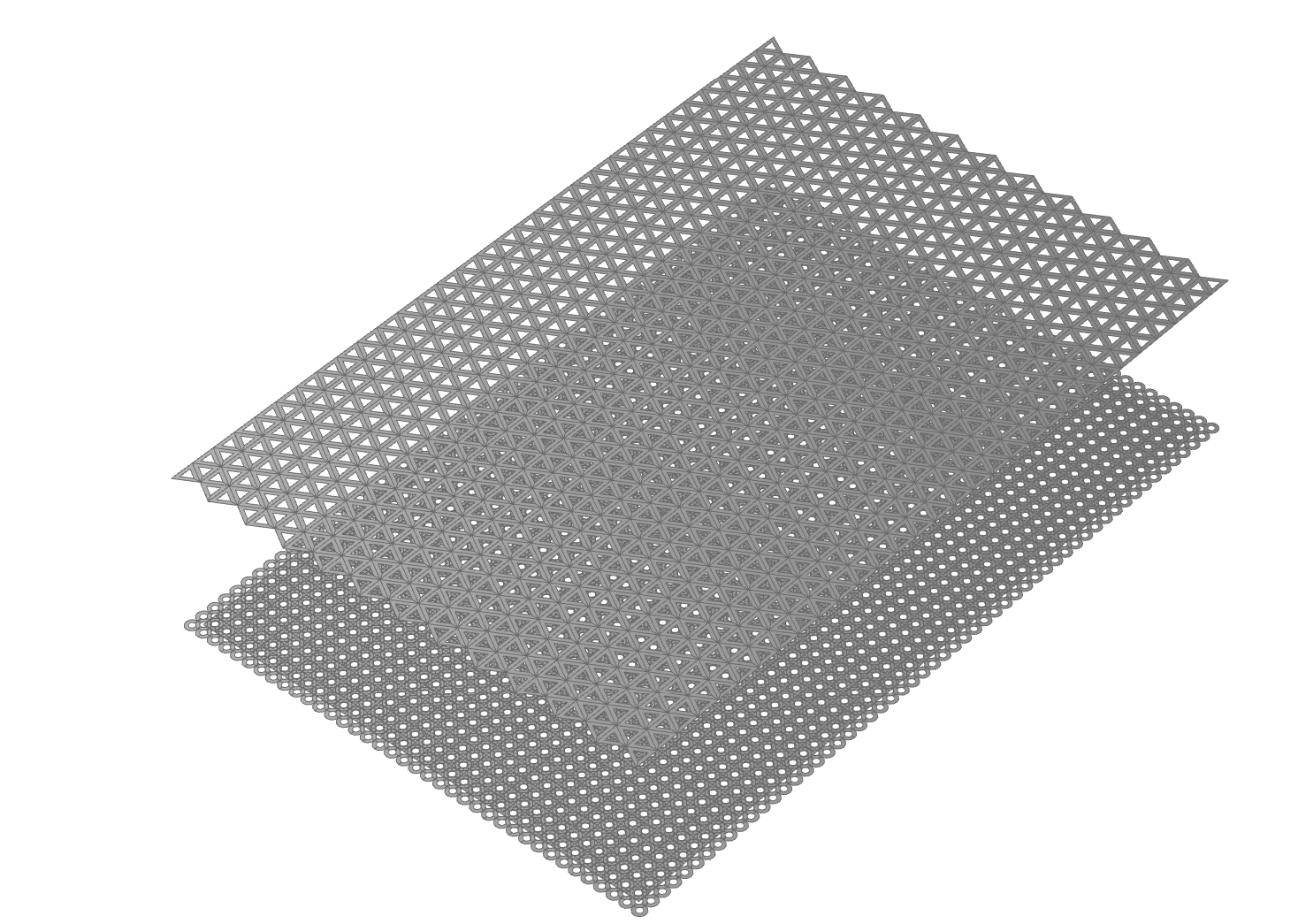
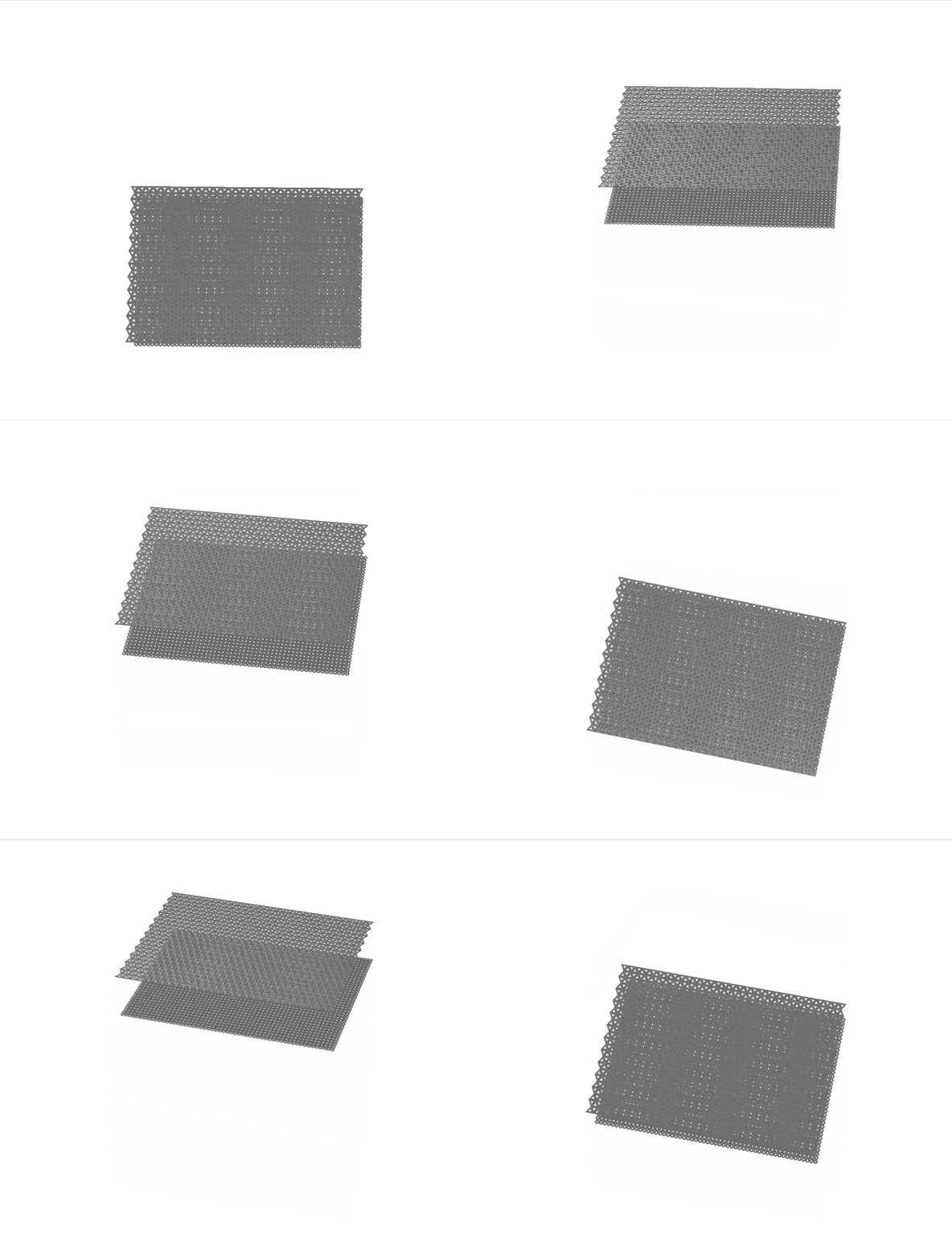
For the shading pattern, the top and bottom roof layers work together to filter sunlight, allowing soft natural light to enter while reducing heat and creating comfortable, dynamic shadow patterns inside the market.
TOP ROOF LAYER
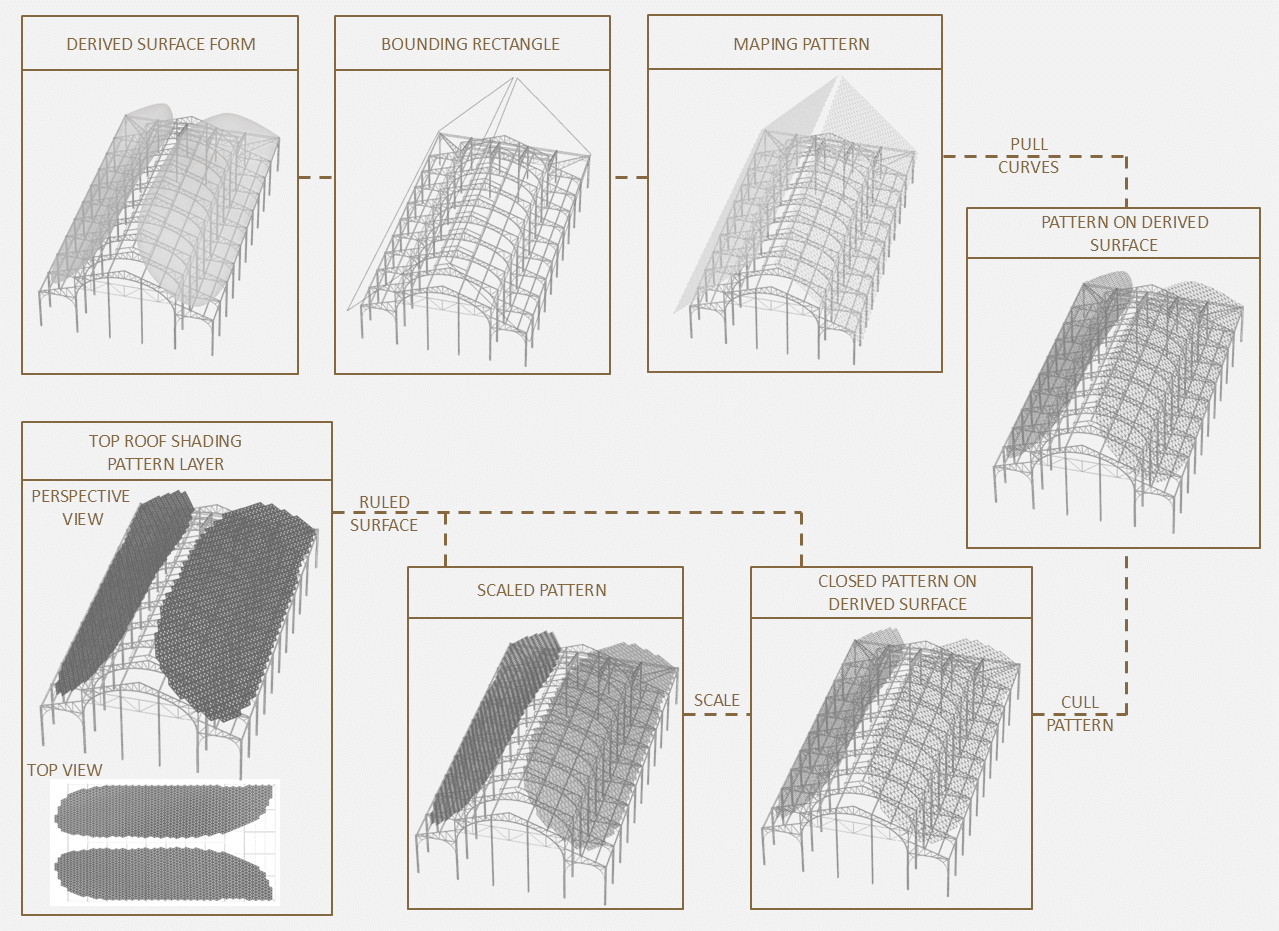
This below workflow illustrates the process of deriving the roof surface, generating a bounding geometry, and mapping the shading pattern onto it. The pattern is then scaled, closed, and culled to create the final shading layer integrated with the roof form.
BASE ROOF LAYER
The base roof shading layer is generated by extracting corner points, converting the roof form into a tri-mesh, and preparing load vertices. The mesh is then subdivided, tangent circles are applied, and support points are defined to produce the final structural output.
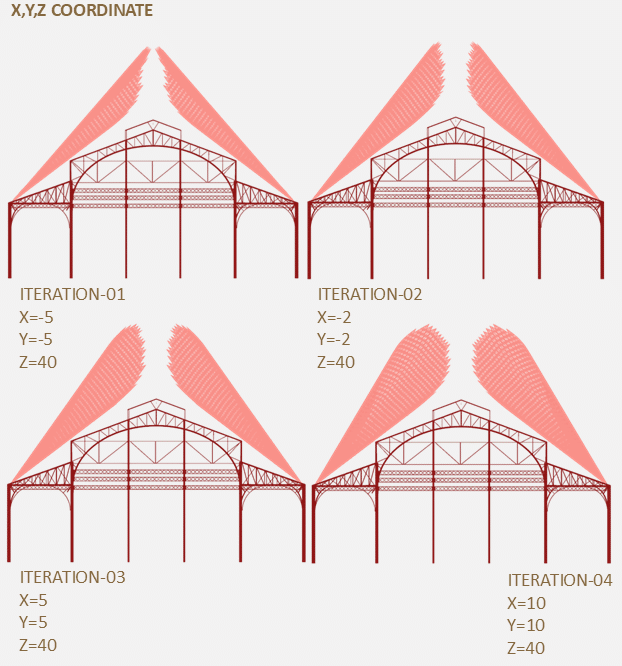
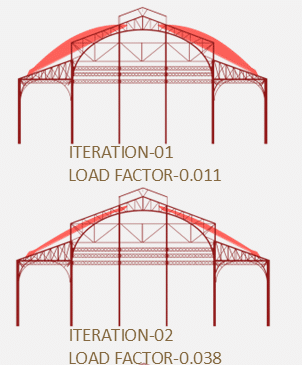
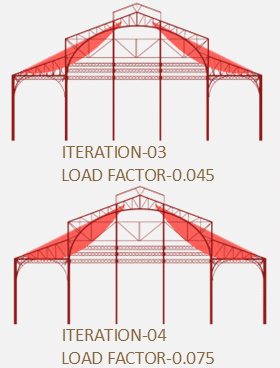
SOME ITERATIONS
PLAN
The proposed plan introduces landscape elements along the aisles to create a cooler, more comfortable microclimate and enrich the spatial experience. By reorganizing circulation and strategically placing new shop blocks, the layout strengthens pedestrian flow and creates thoughtful moments of pause within the market.
SECTIONS
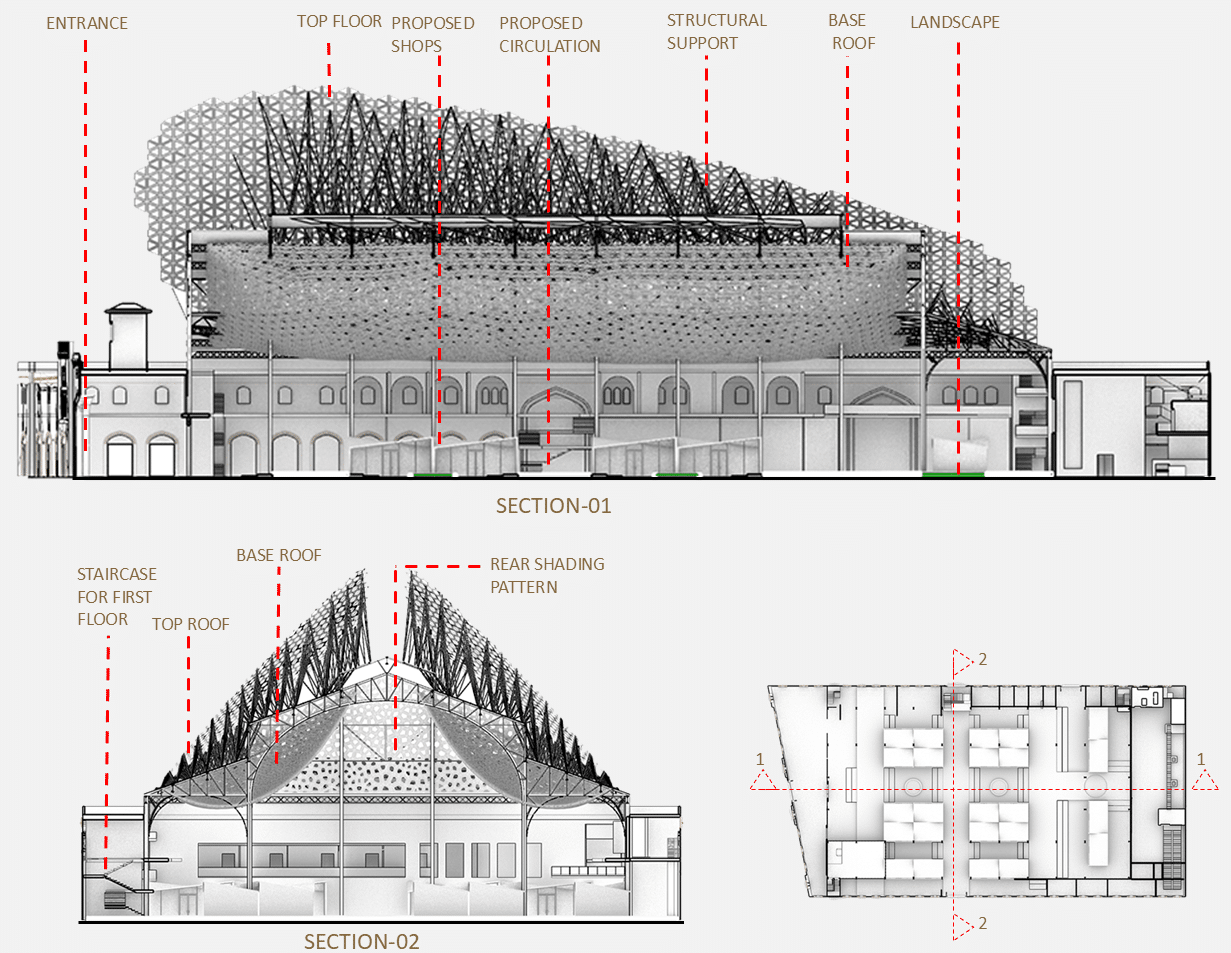
The sections reveal the full vertical layering of the proposal—from the original structure to the base roof, top shading layer, and supporting framework—while also illustrating how the design connects circulation and spatial experiences across different floors and to the exterior.
EXPLODED VIEW
VIEWS
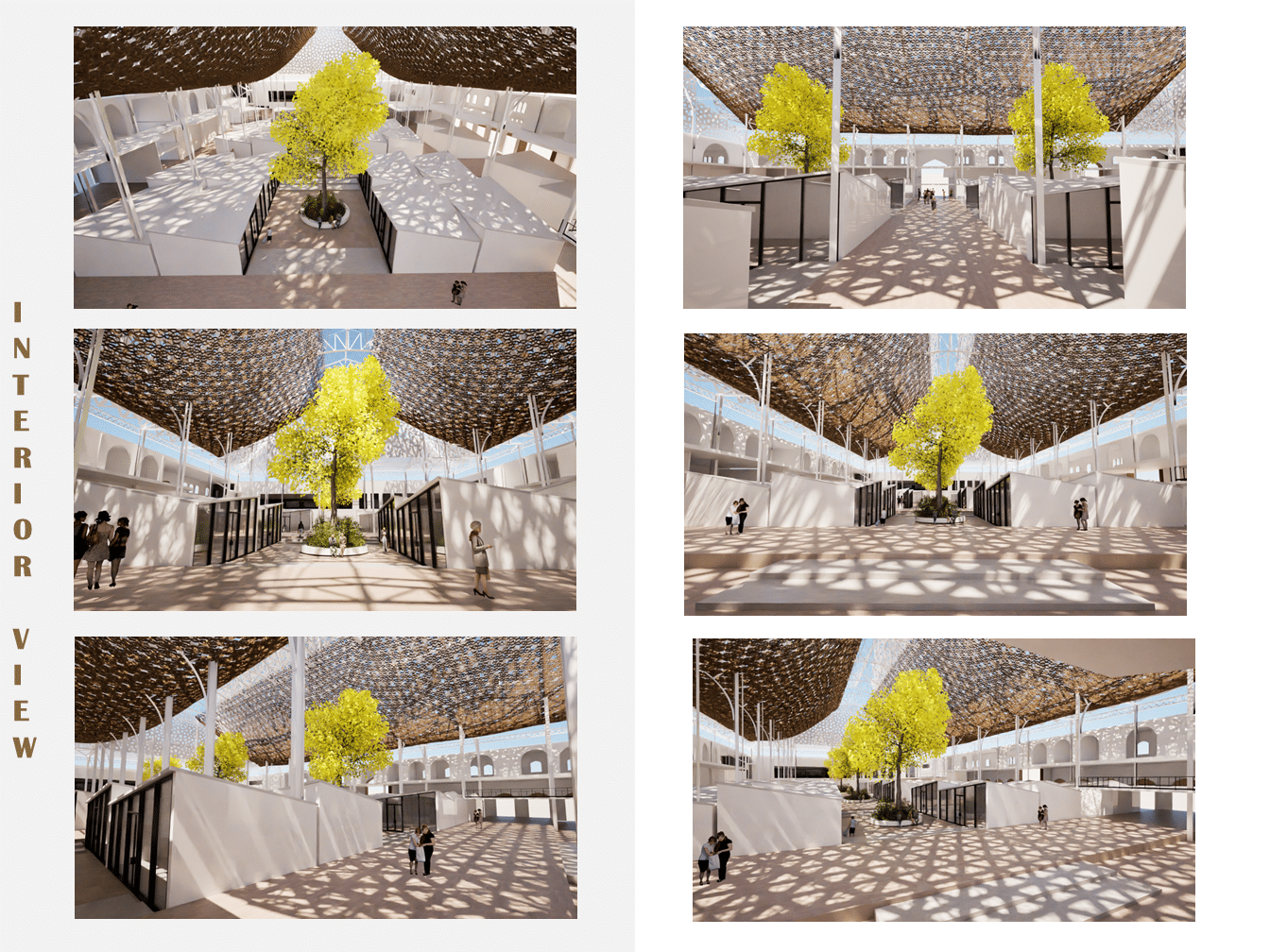
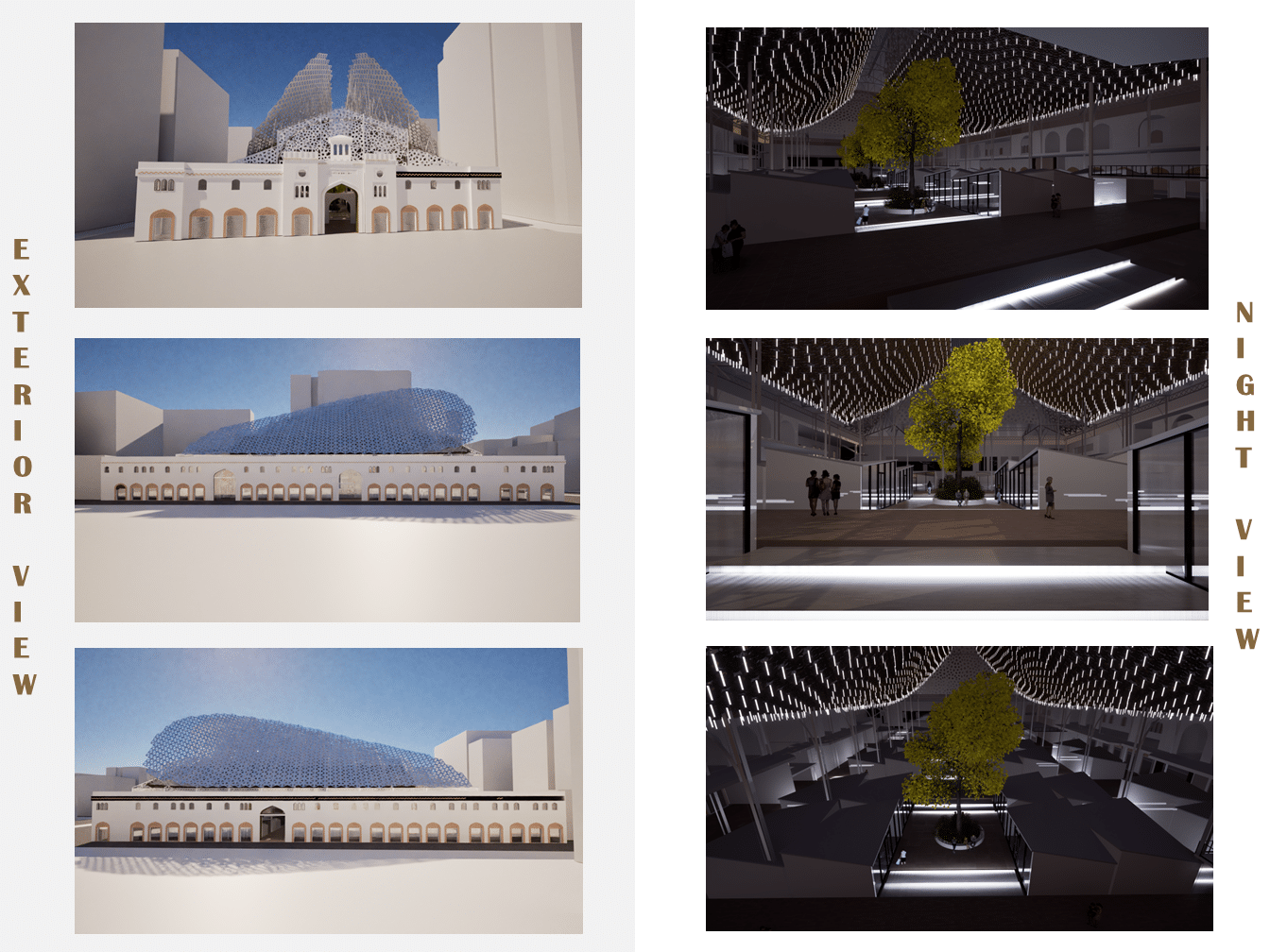
Inside, the patterned roof scatters a dance of shifting shadows, while the central greenery breathes coolness and quiet life into the market. The revived historic façade meets a delicate, wing-like roof that opens the space to daylight, then turns it into a softly glowing courtyard as night falls.
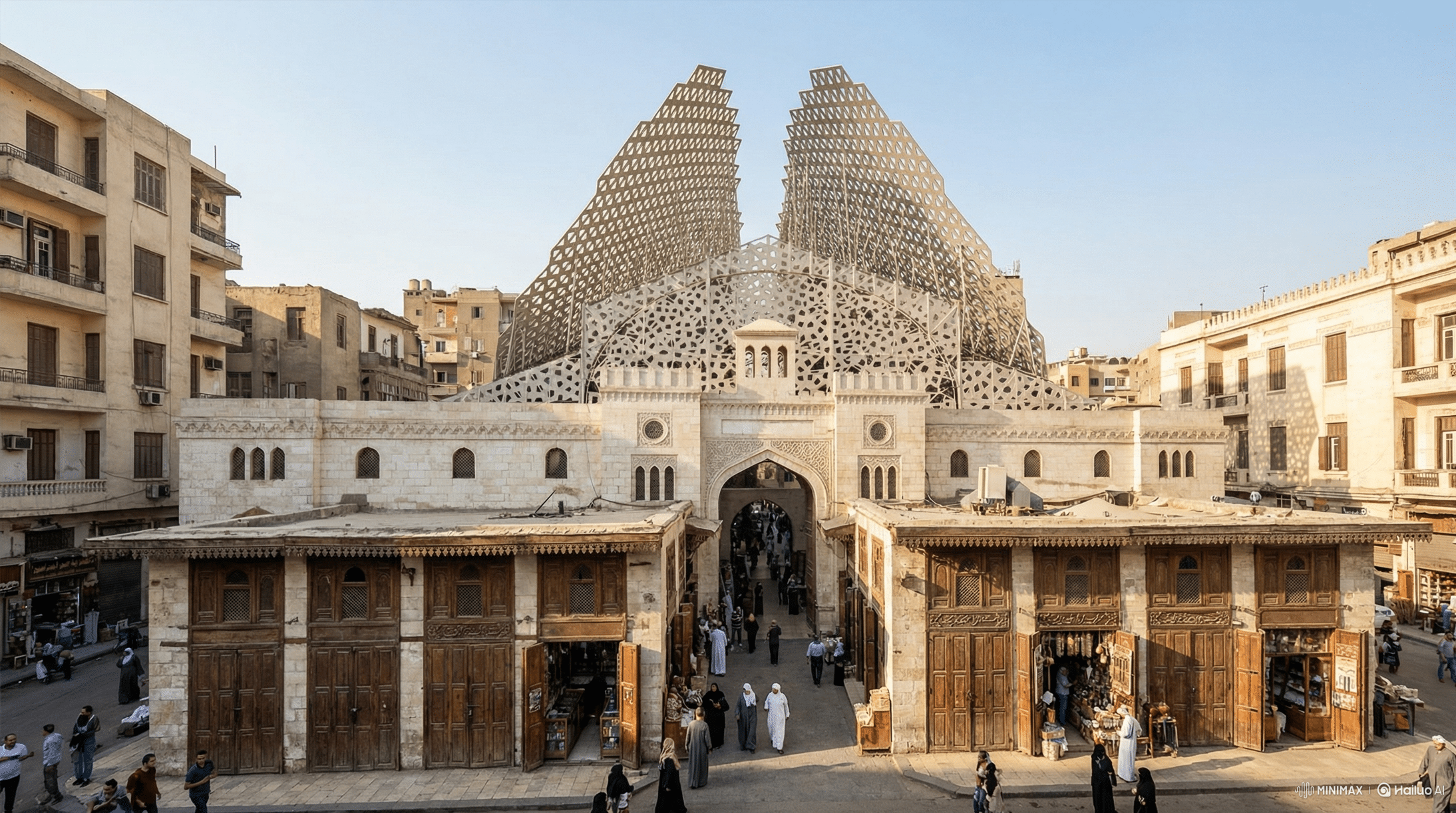
Below AI-generated images that visualize the design in its real context.
walk through
