
Rule-Based BIM Systems for Multi-Storey Residential Blocks in Vietnam
Using rule-based BIM master models to automate repetitive social housing design in Vietnam, while addressing real-world challenges of coordination, adoption, and collaboration across large-scale public projects.
//CONTEXT
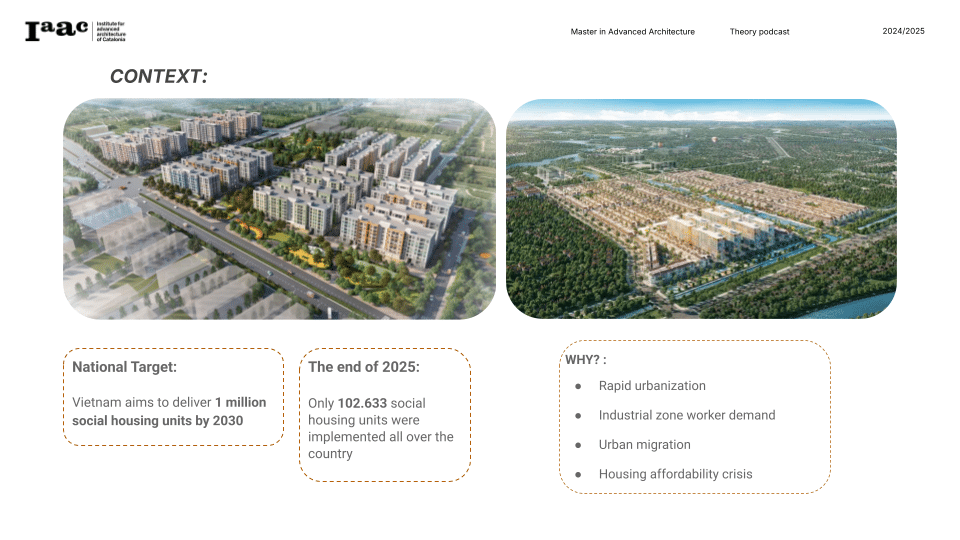
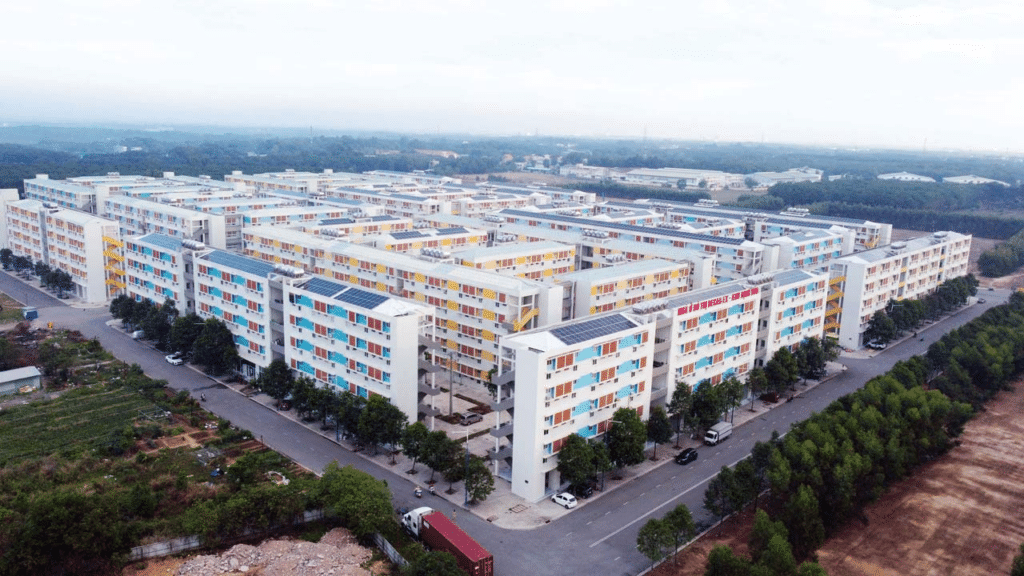
Vietnam currently has an ambitious national target to build one million social housing units by 2030. However, progress so far shows how challenging this goal is. By the end of 2025, only 102,633 social housing units had been implemented nationwide, which is 10% compared to the national goal, highlighting a significant gap between policy ambition and construction reality.
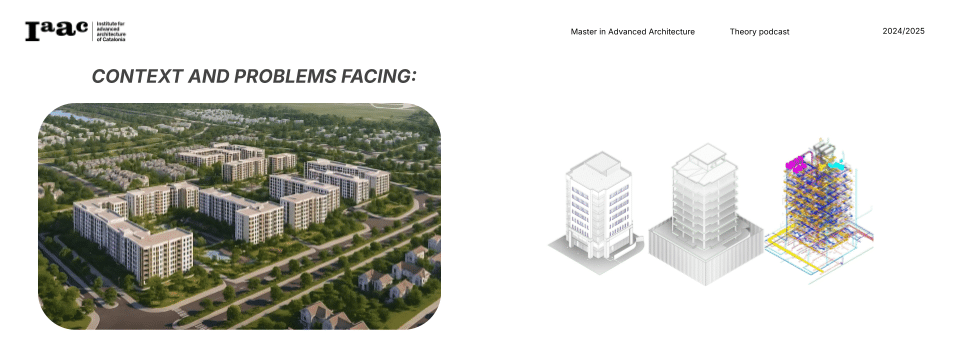
Part of this challenge lies in the architectural and construction workflows behind these projects, which still rely heavily on manual repetition, fragmented data, and limited automation.
In my podcast, we’ll explore whether rule-based BIM master models and knowledge-driven design systems could help address these challenges, enabling more efficient design coordination and potentially supporting the rapid delivery of large-scale housing.

//GUEST
I’m very pleased to be joined by Trinh Quoc Bao, Head of Gradient Lab, an R&D laboratory focused on computational design, BIM automation, and Rhino. Inside workflows. Bao is also an IAAC alumnus and is currently researching how architectural knowledge and computational systems can reshape contemporary design workflows.
Bao’s research thesis: ‘ Agentic Architectural Intelligence: Multimodal Reasoning for Early-Stage Design Knowledge’. The central concept in the research is the development of agentic AI systems that can participate in architectural workflows. Instead of simply generating design outputs, these AI agents would be capable of reasoning about schematic architectural models, evaluating constraints, proposing design alternatives, and interacting with architects during the design process. These systems operate primarily at the early design stage, typically around LOD200 schematic models, where spatial logic, typology, and massing strategies are still flexible and open to exploration.
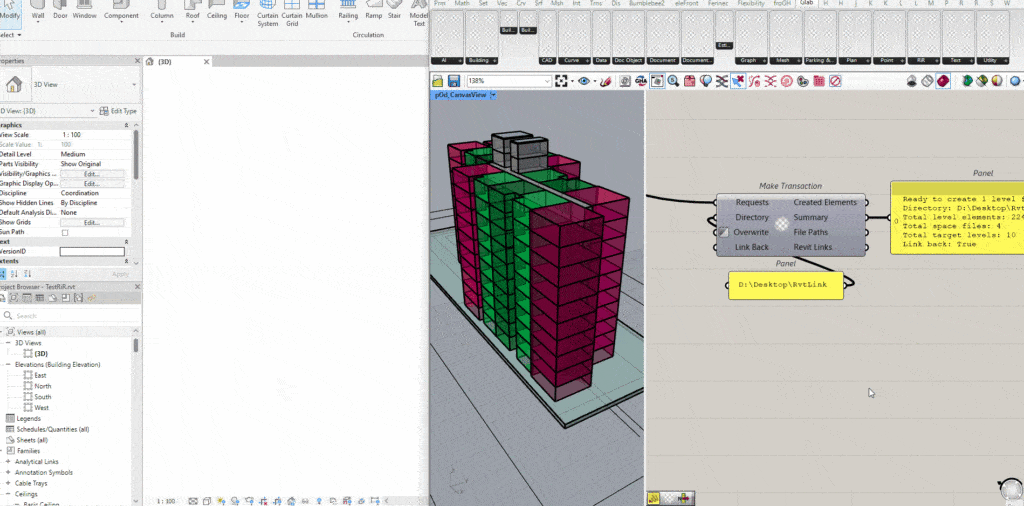
//GIFs are Gradient Lab’s research
//QUESTION 1
‘You have worked with BIM in large-scale residential projects in Vietnam. From your experience, what are the main limitations of current BIM workflows when dealing with repetitive housing buildings such as social housing towers?‘
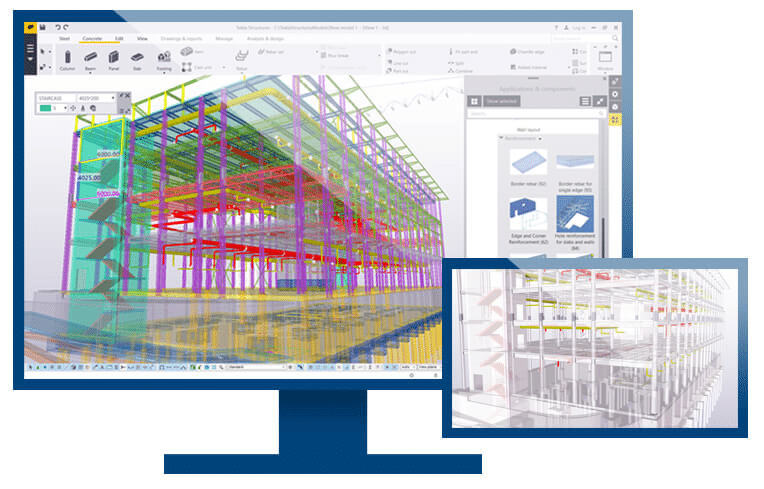
Bao explains that although BIM is widely used in large residential projects in Vietnam, it is often applied in a basic “BIM 1.0” manner focused on object-based modeling. In this approach, architects assemble predefined elements like walls, doors, and slabs, which works well for documentation, quantity takeoffs, and coordination but does not capture the underlying design logic of the building.
He notes that this limitation becomes clear in repetitive housing projects, where apartment unit layouts strongly influence circulation, structure, and façade organization. When unit configurations change, many related building elements must often be manually adjusted because these relationships are not fully parametric.
Bao also highlights fragmentation between architectural, structural, and MEP models, which are frequently exchanged as static files rather than integrated systems. As a result, BIM often functions mainly as a documentation tool, while important design knowledge—such as typology rules, structural constraints, and regulatory logic—remains outside the model. This gap is where knowledge-based BIM systems become particularly important.
//QUESTION 2
Vietnam plans to deliver around one million social housing units by 2030. From a design and technology perspective, what challenges does this scale of production introduce for architectural workflows?
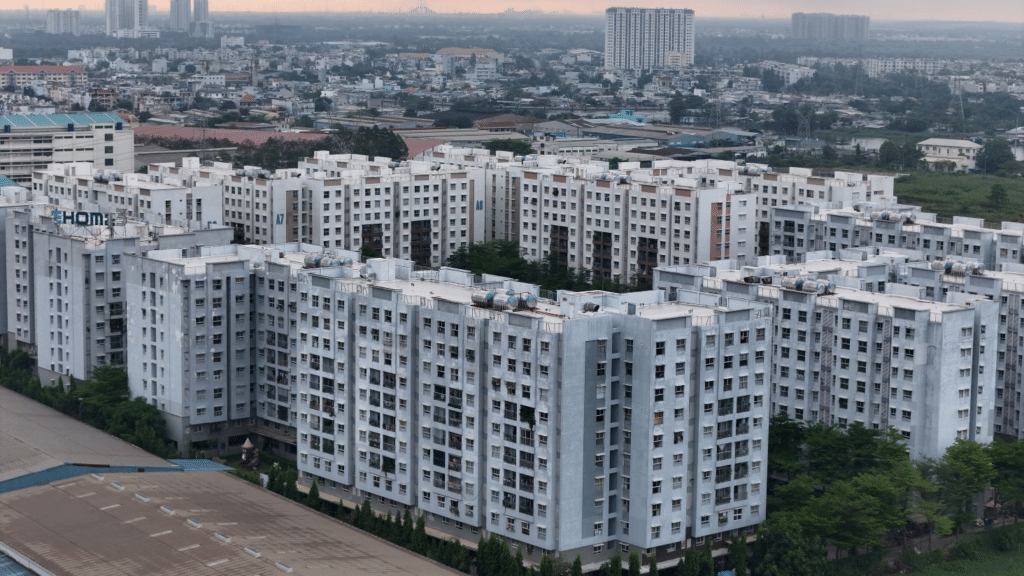
Bao explains that the challenge becomes much larger when housing projects scale from designing a single tower to producing hundreds or thousands of buildings. At this level, the issue shifts from individual architectural design to systematic production.
He notes that design consistency is a major difficulty. When multiple design teams work across different sites, typologies may be interpreted differently, leading to variations in layout efficiency, structural coordination, and regulatory compliance.
Another challenge is speed, as traditional architectural workflows are designed for unique buildings rather than large-scale housing programs. Bao suggests that architects therefore need tools that allow them to reuse typologies, apply consistent design rules, and quickly generate variations based on site conditions.
He also highlights the increasing complexity of coordination among architects, structural engineers, MEP engineers, and contractors. Without automation, teams often spend significant time resolving repetitive modeling tasks and coordination issues instead of improving design quality.
According to Bao, this is where computational workflows and parametric design systems become valuable, as they enable architects to treat housing design as adaptable systems of spatial rules and typologies rather than isolated buildings.
//QUESTION 3
Many BIM models today focus on representing building elements such as walls, doors, and slabs. You often describe BIM evolving toward knowledge-based modelling. What does this shift mean in practice?
//GIFs are Gradient Lab’s research
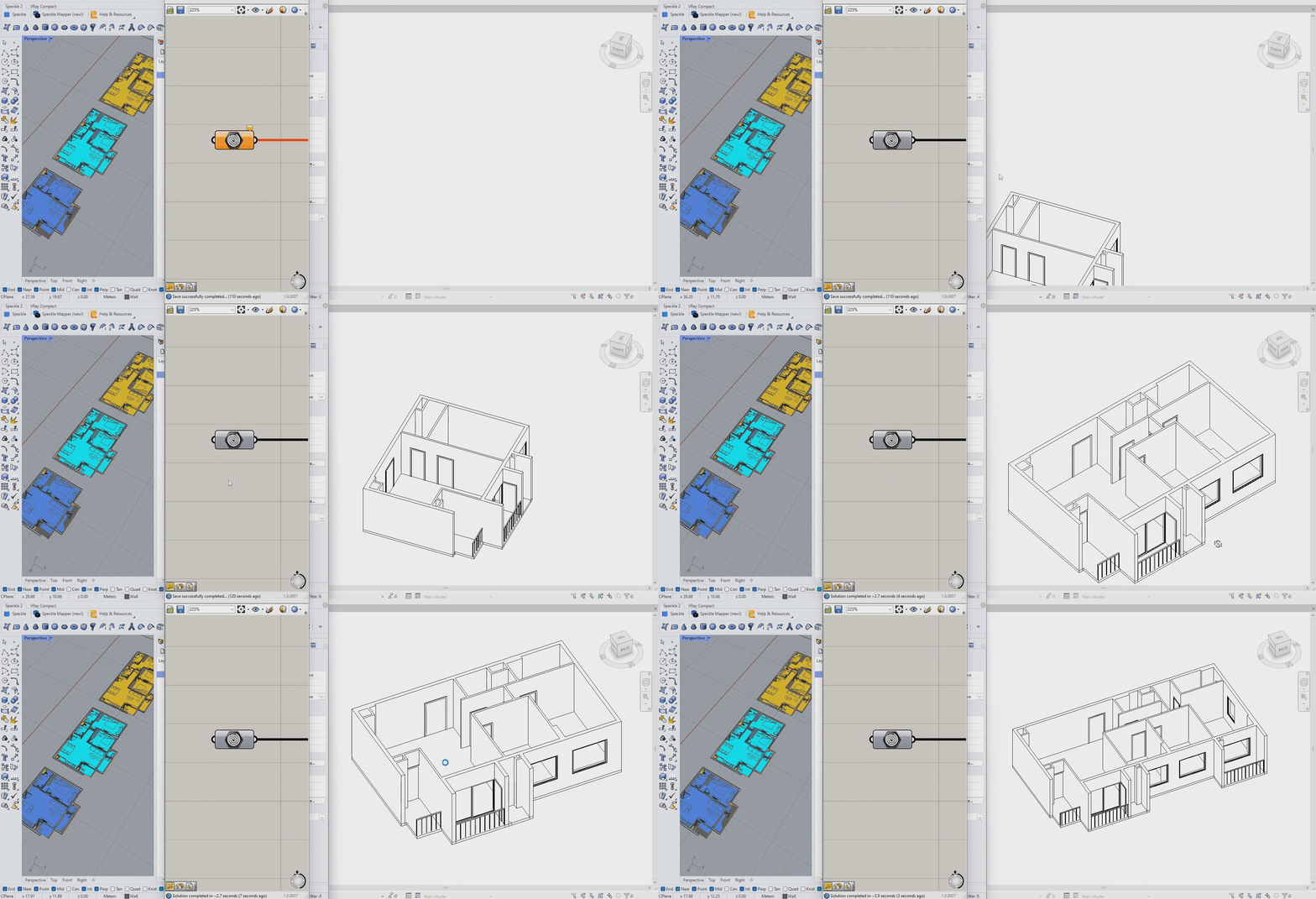
Bao describes this concept as “BIM 2.0,” which represents a shift from object-based modeling to structured knowledge modeling. He explains that traditional BIM models focus on physical elements such as walls, floors, and windows, which describe what a building is made of but not the reasoning behind its spatial organization.
In BIM 2.0, Bao proposes encoding spatial relationships, constraints, and design logic as structured data. For example, instead of simply modeling a corridor, the system could include rules about how many units it connects to a circulation core and the maximum travel distance required by fire safety regulations. By embedding such rules, the model can begin to reason about spatial relationships rather than only representing geometry.
Bao notes that this structured representation is especially important for AI applications in architecture. While AI can generate images or layouts, it often fails to account for architectural constraints because current data representations are not designed for reasoning. His interest in this topic emerged while developing knowledge-graph-based regulatory tools, where he observed that geometry and rule-checking could be modeled, but early-stage design logic—such as spatial hierarchy and procedural intent—remained implicit.
He therefore frames the central research question as how architectural knowledge can be structured so computational systems can reason about design rather than simply verify it.
//QUESTION 4
Something I found particularly interesting in your research is the idea that computational tools already contain layers of architectural knowledge, but that knowledge often remains implicit within scripts and workflows. Do you see computational systems as a way to externalize and reuse this knowledge across multiple housing projects?
//GIFs are Gradient Lab’s research
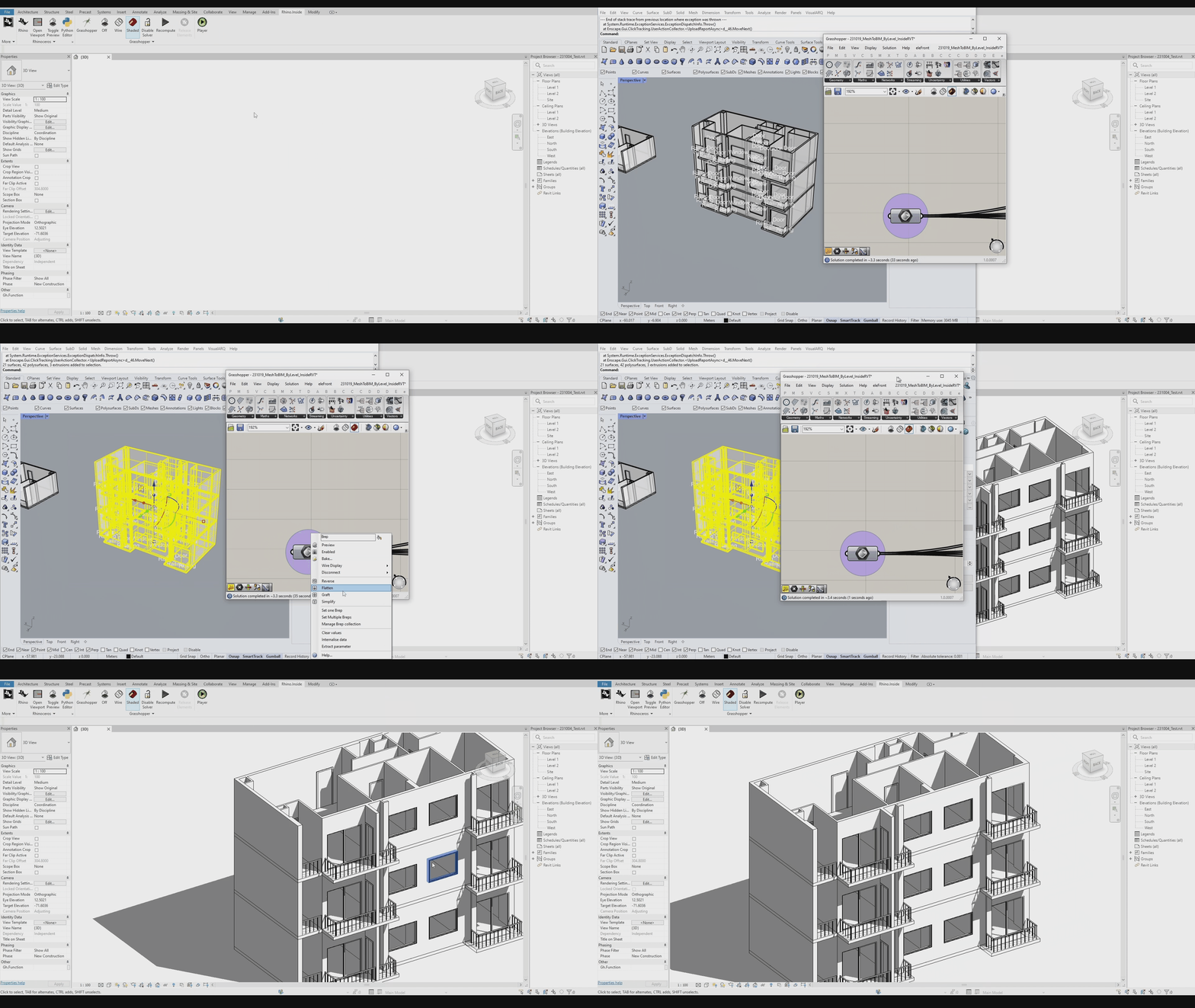
Bao explains that architects already encode significant design knowledge within parametric design environments such as Grasshopper. In these environments, scripts often define elements like structural grids, apartment unit modules, circulation patterns, façade repetition, and daylight constraints, all of which represent forms of architectural intelligence.
However, he notes that these scripts are typically project-specific and difficult to reuse or understand across teams. Because of this, much of the embedded knowledge remains isolated within individual projects. Bao suggests that the key challenge is extracting and structuring this knowledge so it can be reused across multiple projects.
One proposed approach is the development of rule-based BIM master models. In this workflow, a parametric system defines the core spatial logic of a building typology and connects it to BIM platforms such as Autodesk Revit using tools like Rhino.Inside or Dynamo.
Bao explains that such a system could generate apartment layouts automatically based on parameters like structural grid spacing, floor area targets, daylight requirements, and circulation efficiency. Once these rules are defined, the model can produce multiple building variations while maintaining regulatory compliance.
He concludes that this approach is particularly valuable for social housing, where many projects share similar typologies. Instead of redesigning each building individually, architects can develop design systems capable of generating multiple buildings from a single parametric model.
//QUESTION 5
Many firms attempt to introduce automation into their BIM workflows, but these initiatives often struggle. From your experience, what are the main barriers —Is it technological, organizational, or cultural?

Bao explains that the main barriers to implementing advanced computational BIM workflows are not technological but organizational and cultural. He notes that the necessary tools already exist, such as Rhino.Inside, Dynamo, and Grasshopper, which allow computational design systems to connect directly with BIM environments.
However, Bao points out that many architecture offices still operate with traditional workflows, where designers rely on manual modeling and may lack training in computational methods. He also highlights a gap between design teams and BIM specialists, noting that computational workflows require closer collaboration among architects, BIM experts, and sometimes software developers.
Another issue is the lack of industry standardization. When different offices, consultants, and contractors use incompatible workflows, integrating automated systems becomes difficult.
Bao adds that in Vietnam, tight project schedules and delivery structures often push teams to prioritize immediate deadlines rather than investing time in building reusable design systems. As a result, he concludes that implementing automation requires organizational change and long-term strategic thinking, not just new technology.
//QUESTION 6
Your research proposes a shift toward multimodal architectural knowledge models and even agentic AI systems that can reason about early-stage design. How likely is it that architectural knowledge can be structured in this way, and how might it change the way architects collaborate with computational tools?
//GIFs are Gradient Lab’s research
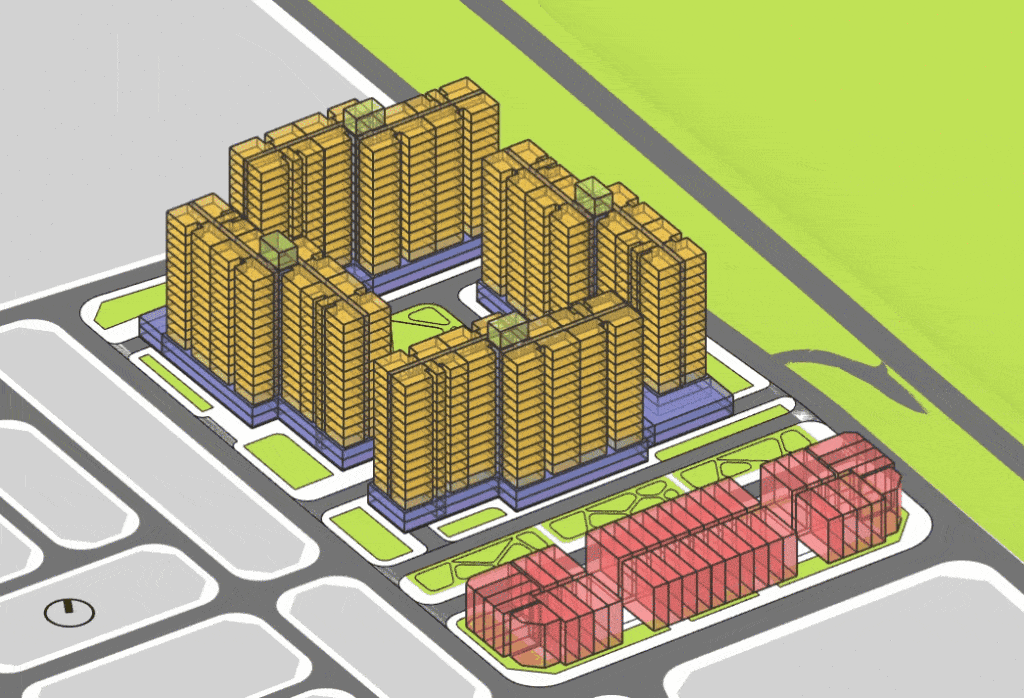
Bao describes the future integration of AI and architecture as a particularly important research direction. He explains that most current AI systems are capable of generating visual outputs, but they do not understand architectural reasoning. His research therefore focuses on structuring architectural knowledge so AI can meaningfully participate in the design process.
Bao suggests that instead of randomly generating building forms, AI systems could function as specialized design agents. For instance, one agent could analyze spatial relationships, another could evaluate regulatory constraints, and another could generate alternative design configurations. In this framework, the architect remains the decision-maker, while AI assists in exploring design options more efficiently.
He emphasizes that the main challenge lies in how design information is represented. Effective systems would need to integrate multiple types of data, including geometry, spatial relationships, typologies, environmental data, parametric rules, and even conversational exchanges between architects and between architects and AI agents.
According to Bao, when these different layers of information are structured within a unified model, computational systems can begin to reason about architectural decisions rather than simply visualize them, potentially expanding the role of computational tools in architectural design.
//QUESITON 7
Looking ahead, how do you see BIM evolving in the next decade, particularly in the context of large-scale housing production especially in Vietnam?
Bao suggests that BIM will gradually evolve from a modeling environment into a knowledge environment. Rather than only representing the physical components of buildings, future BIM systems could capture and organize design knowledge accumulated across multiple projects.
He explains that for large-scale housing production, this evolution could enable the development of shared libraries containing housing typologies, regulatory logic, and construction systems. Such structured knowledge systems could support faster design processes and improve coordination between different projects and teams.
Bao notes that AI will likely contribute to this transformation, but emphasizes that the key factor will be how architects structure and share their design knowledge. In his view, the future of Building Information Modeling is therefore not only about technological advancement, but also about how architectural intelligence is organized within digital systems.
//CONCLUSION
The podcast discussion with Trinh Quoc Bao helped evaluate the feasibility of the proposed rule-based BIM master model and provided valuable insights for this research. Bao confirmed that such systems are technically achievable using tools like Autodesk Revit, Dynamo, and Rhino.Inside, but also highlighted practical barriers such as organizational workflows, skill gaps, and limited industry standardization.
The discussion clarified key technical aspects, including parametric control of building layouts and the integration of computational design with BIM environments. It also addressed interoperability challenges and emphasized the importance of reusable design systems for large-scale housing production.
Overall, the podcast moved beyond theory and helped refine the thesis by showing how BIM can evolve from a documentation tool into a system that structures and reuses architectural knowledge.
