Within the current global context of rapid change, integrated with the potentials of digital technologies, IAAC’s Master in Advanced Architecture (MAA) is committed to the generation of new ideas and applications for Urban Design, Self Sufficiency, Digital Manufacturing Techniques and Advanced Interaction.

In this context IAAC works with a multidisciplinary approach, facing the challenges posed by our environment and the future development of cities, architecture and buildings, through a virtuous combination of technology, biology, computational design, digital and robotic fabrication, pushing innovation beyond the boundaries of a more traditional architectural approach.

Filters
Course

Machine Learning Strategies for Adaptive Multi-Objective Optimization in Recursive Architecture
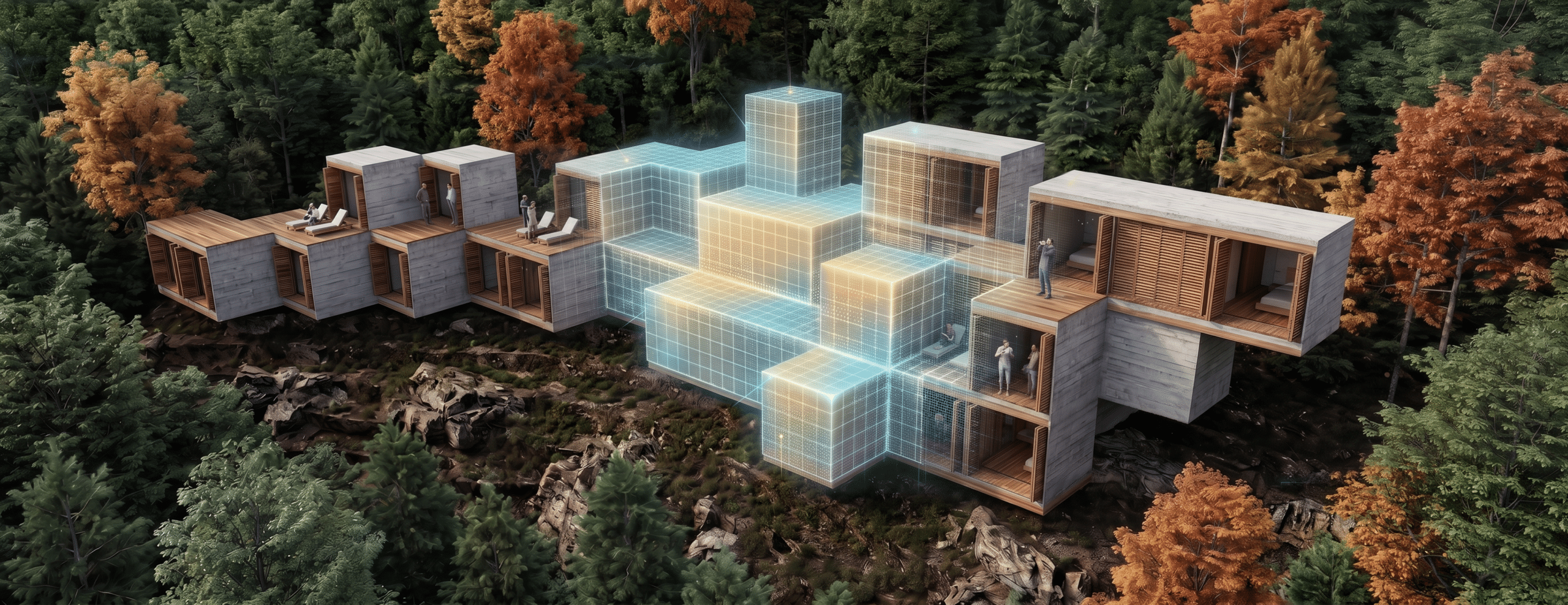
The objective of this project was to compare the effectiveness of different machine learning strategies applied into the exploration of a recursive model using the exercise worked on in the assembled architecture course as a proof of concept. .Recursive Processes in Architecture But this approach has left us with a question: is it possible to … Read more
Weathered Form

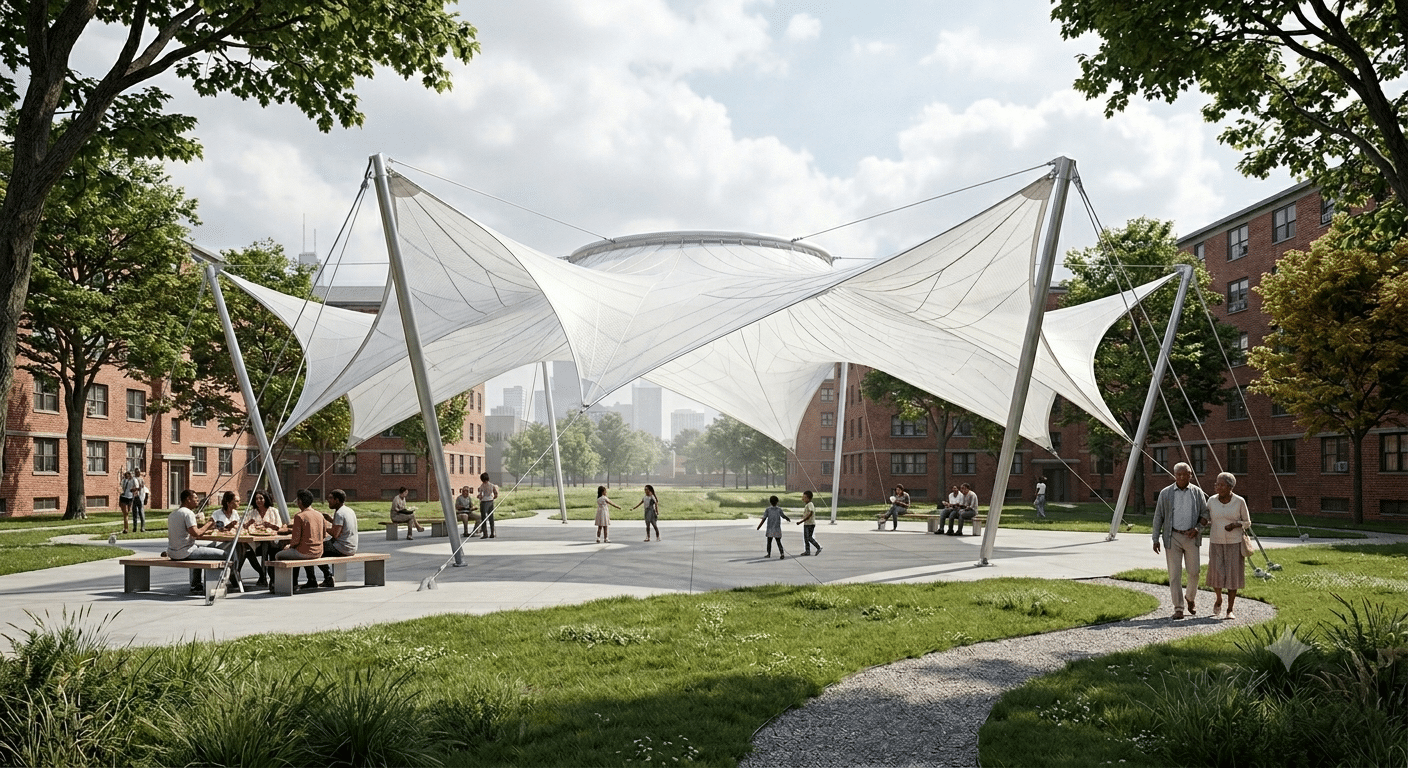
This project turns wind and snow into design tools. Instead of starting with a fixed form, environmental forces drive the geometry, generating adaptive architectures that evolve through performance. Project Description The site spans 39 acres and consists of two adjacent properties: Trumbull Park Homes, established in 1938 and owned and operated by the Chicago Housing Authority (CHA), occupies 21 acres and contains 454 housing units; … Read more

Osteomorphic optimization

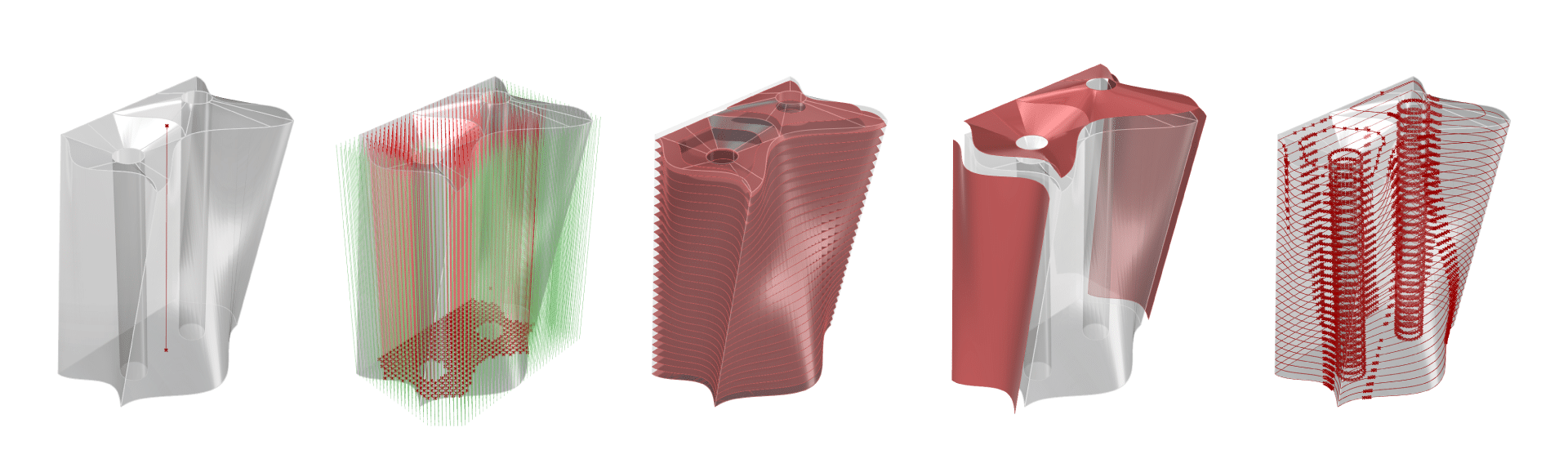
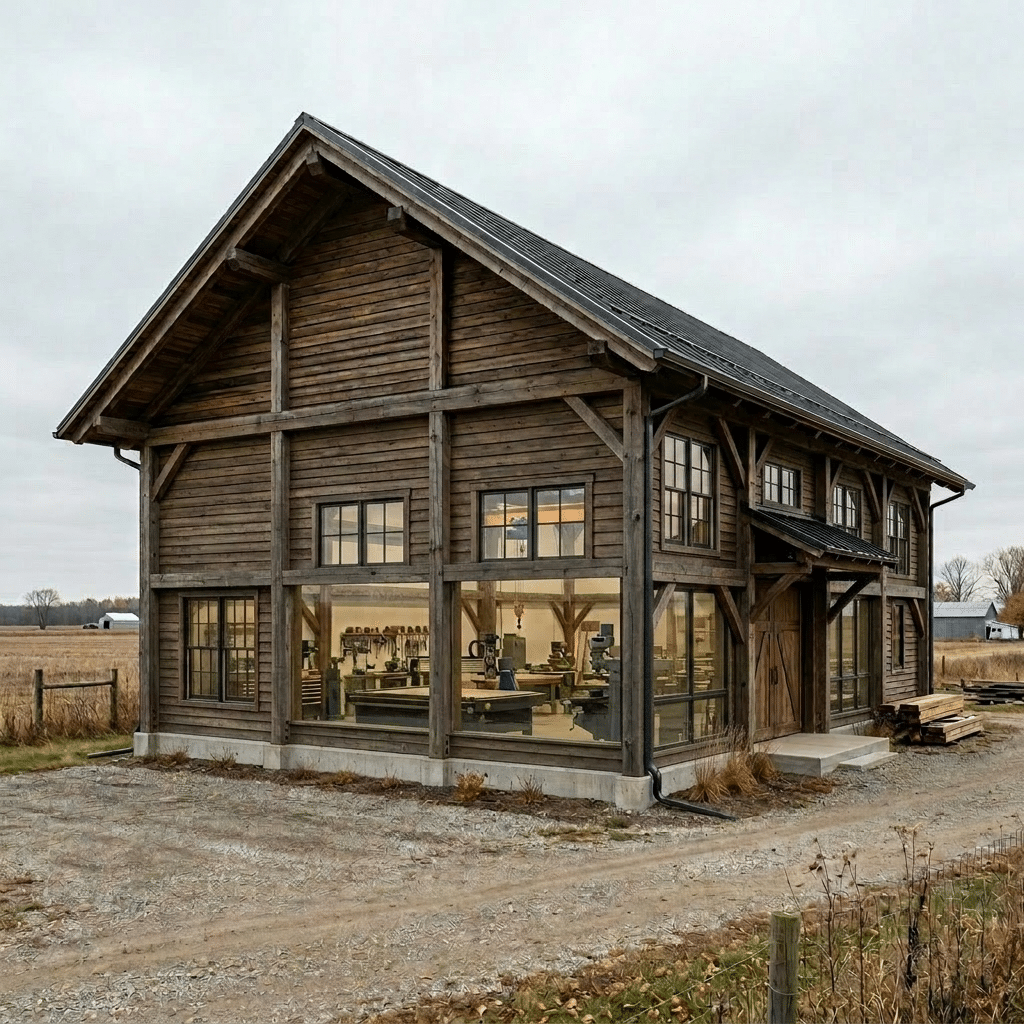
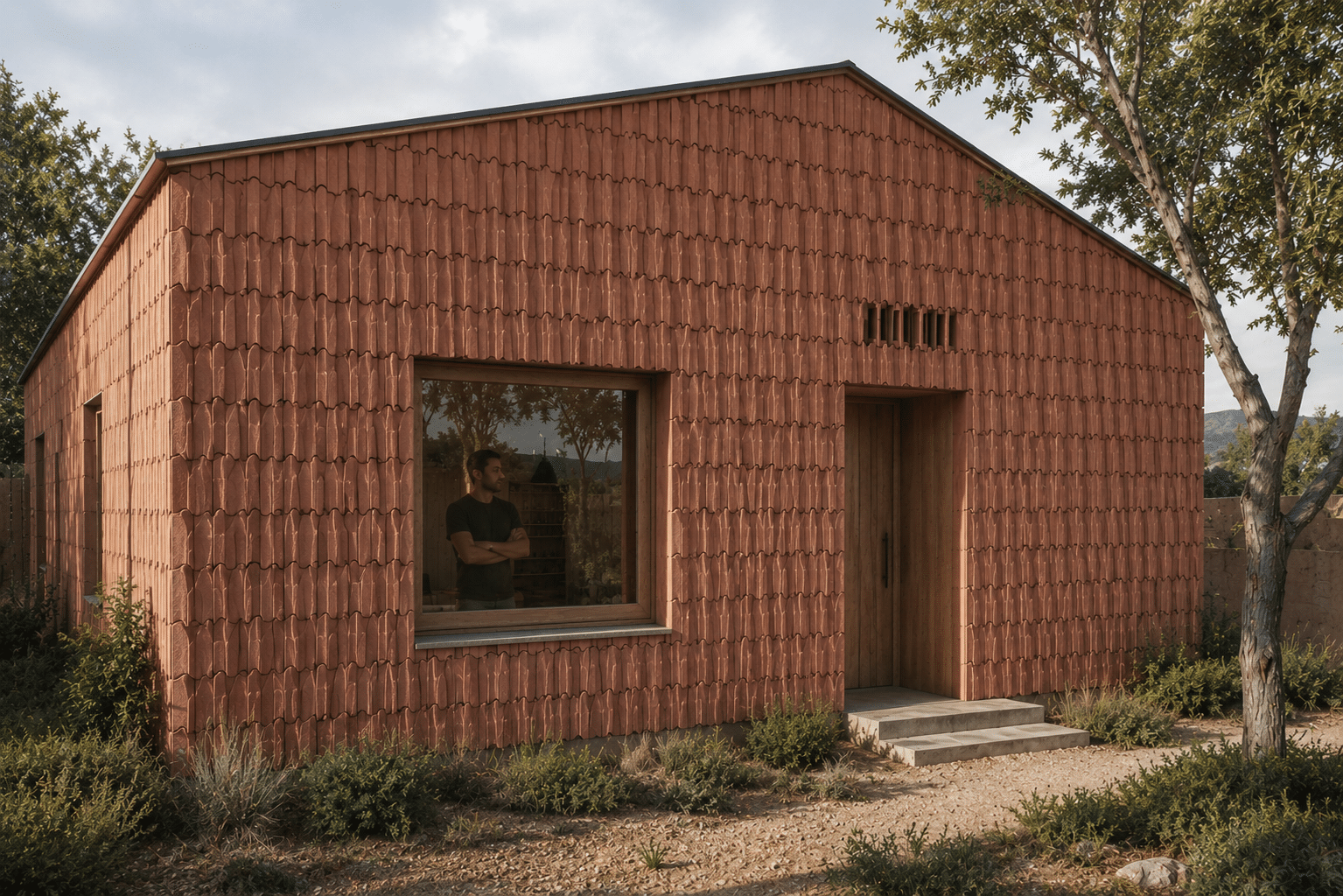
A TerraFormed production CONTEXT TerraFormed is an ongoing project developed within Digital Matter Studio 2026 that implements osteomorphic blocks as a standardizable and industry-compatible approach for producing a novel geopolymer material within a sustainable construction framework. DESIGN OBJECTIVES Osteomorphic blocks are primarily governed by the parameters of the sine curve that defines their geometry. This … Read more

TerraFORMED Optimization

Abstract This project uses parametric design and multi-objective optimization to develop an interlocking masonry brick. A Grasshopper workflow generated brick geometries by varying sinusoidal width, depth, and cavity parameters. The designs were evaluated using structural and geometric performance criteria, including load transfer, web thickness, horizontal area, volume, and interlocking capacity. An evolutionary optimization process identified … Read more

Optimized Reciprocal

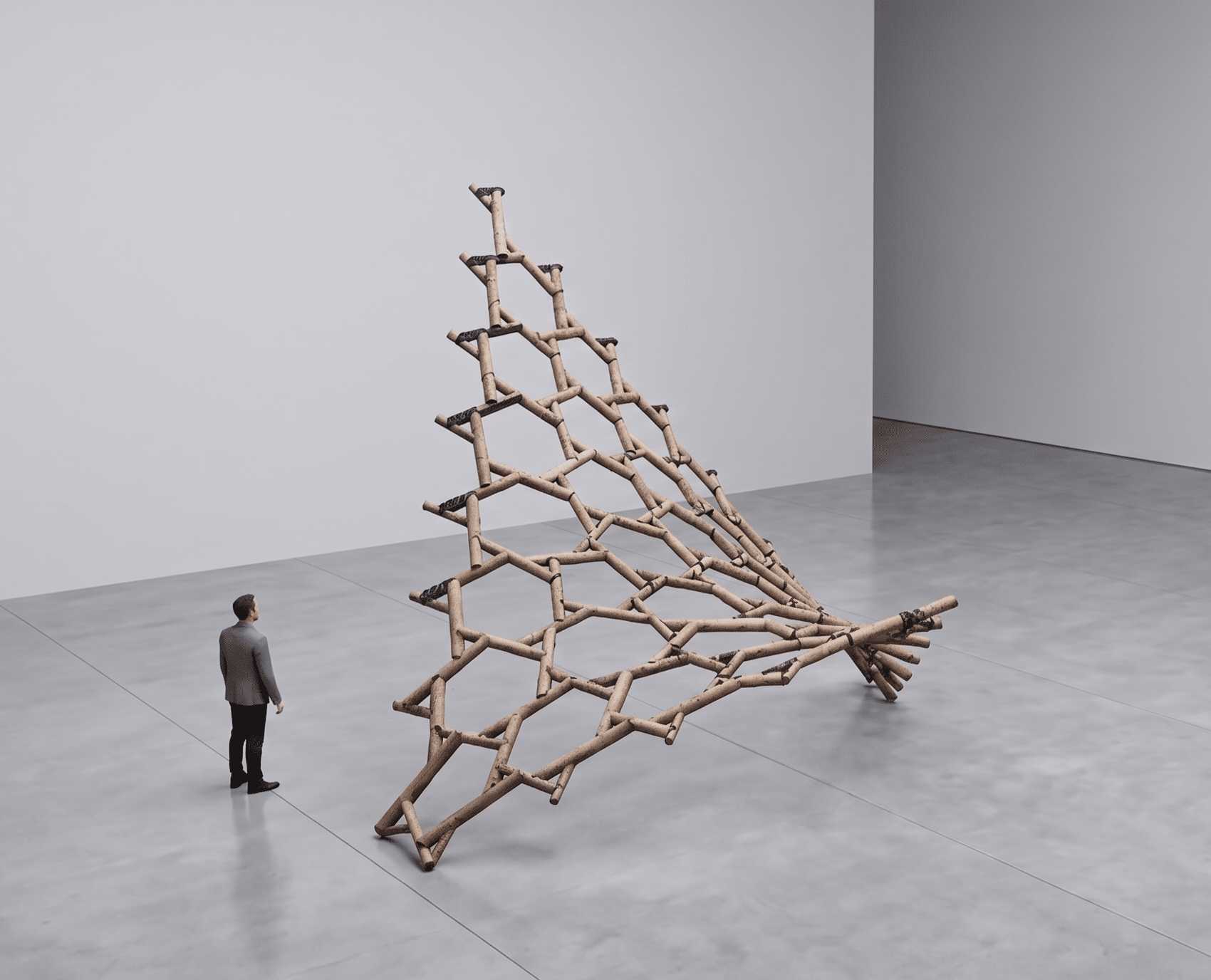
Reciprocal Frames Reciprocal frames are self-supporting 3D structures. They consist of three or more sloping beams arranged in a closed circuit. Each beam rests on the preceding one and supports the next, creating a completely interdependent grid. This design eliminates the need for a central pillar or column. Traditionally these frames were made of wood, … Read more

MORPHOLOGIES OF SHADE: A Computationally Optimized Pavilion for the IAAC Rooftop.

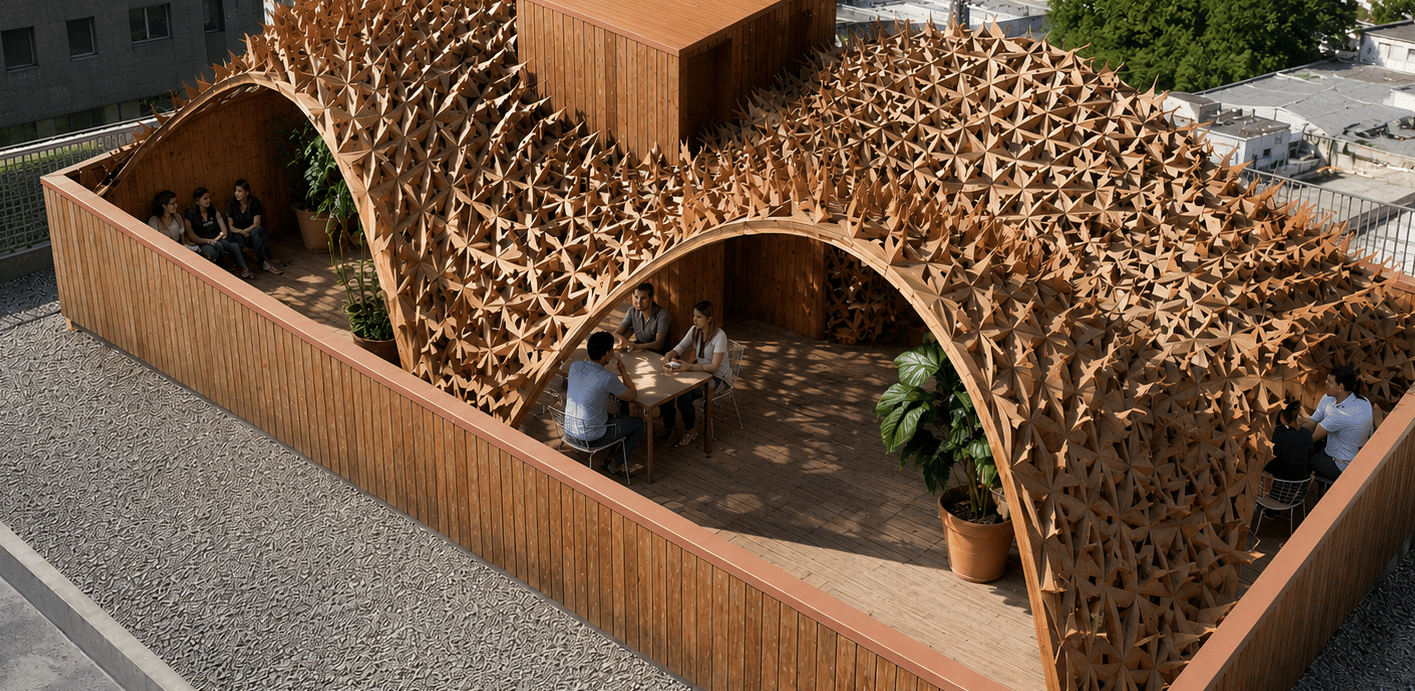
Abstract Morphologies of Shade explores the design of a computationally optimized pavilion for the rooftop of the Institute for Advanced Architecture of Catalonia (IAAC) in Barcelona. The project responds to the environmental challenges of excessive solar exposure and strong wind conditions that limit the usability of the rooftop throughout the day. Inspired by natural canopy … Read more

rePack

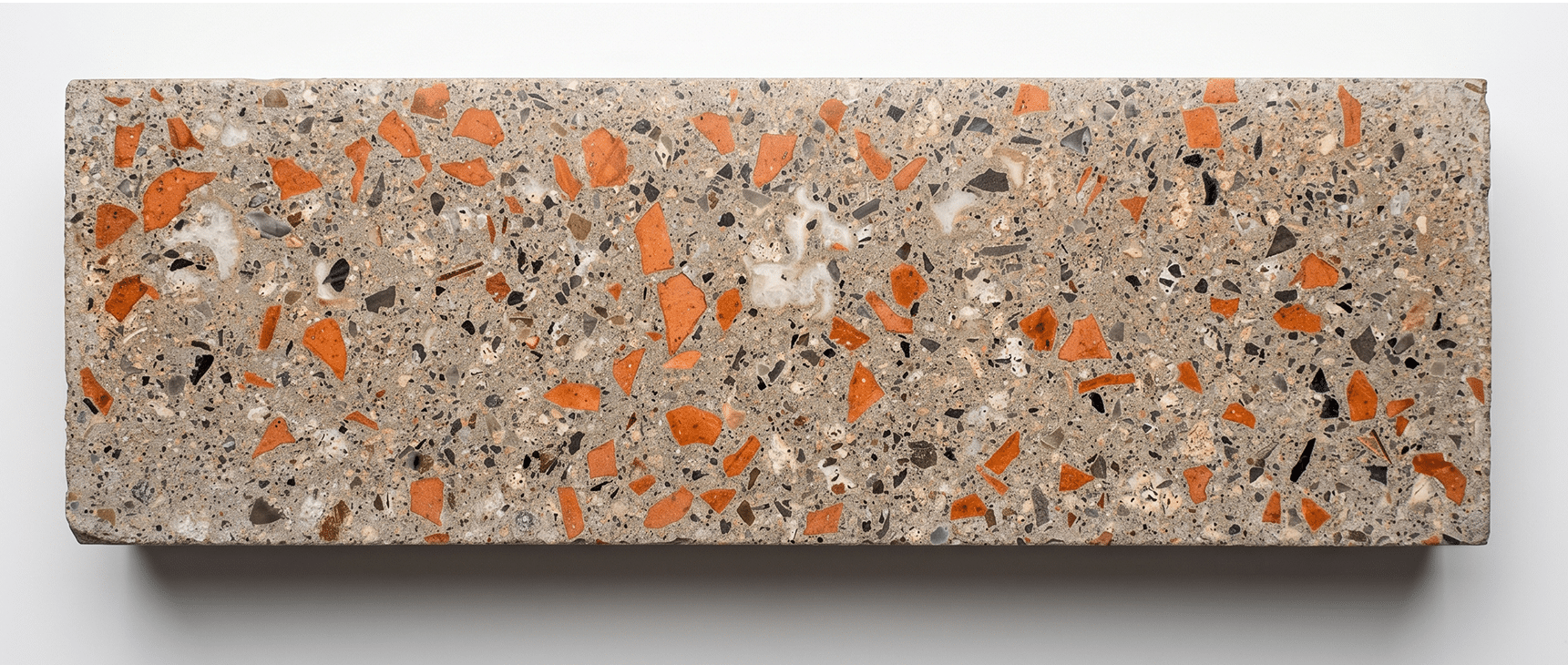
This project investigates the use of construction and demolition waste (CDW) as a primary material resource for the development of prefabricated concrete slabs. It combines computational design, material optimization, evolutionary algorithms, and physical simulation to explore how reclaimed concrete and ceramic aggregates can be systematically incorporated into new construction products. A parametric workflow was developed … Read more

Project Michigan

Using climate clustering, vernacular precedent research, and evolutionary optimisation to create climate-responsive design typologies when no established local precedent exists Overview Lovingly named after the very first test location, Project Michigan is a tool that provides climate-responsive design guidelines when no local vernacular precedent exists. Through scraping climate data and global vernacular information, it helps … Read more