Within the current global context of rapid change, integrated with the potentials of digital technologies, IAAC’s Master in Advanced Architecture (MAA) is committed to the generation of new ideas and applications for Urban Design, Self Sufficiency, Digital Manufacturing Techniques and Advanced Interaction.

In this context IAAC works with a multidisciplinary approach, facing the challenges posed by our environment and the future development of cities, architecture and buildings, through a virtuous combination of technology, biology, computational design, digital and robotic fabrication, pushing innovation beyond the boundaries of a more traditional architectural approach.

Filters
Course

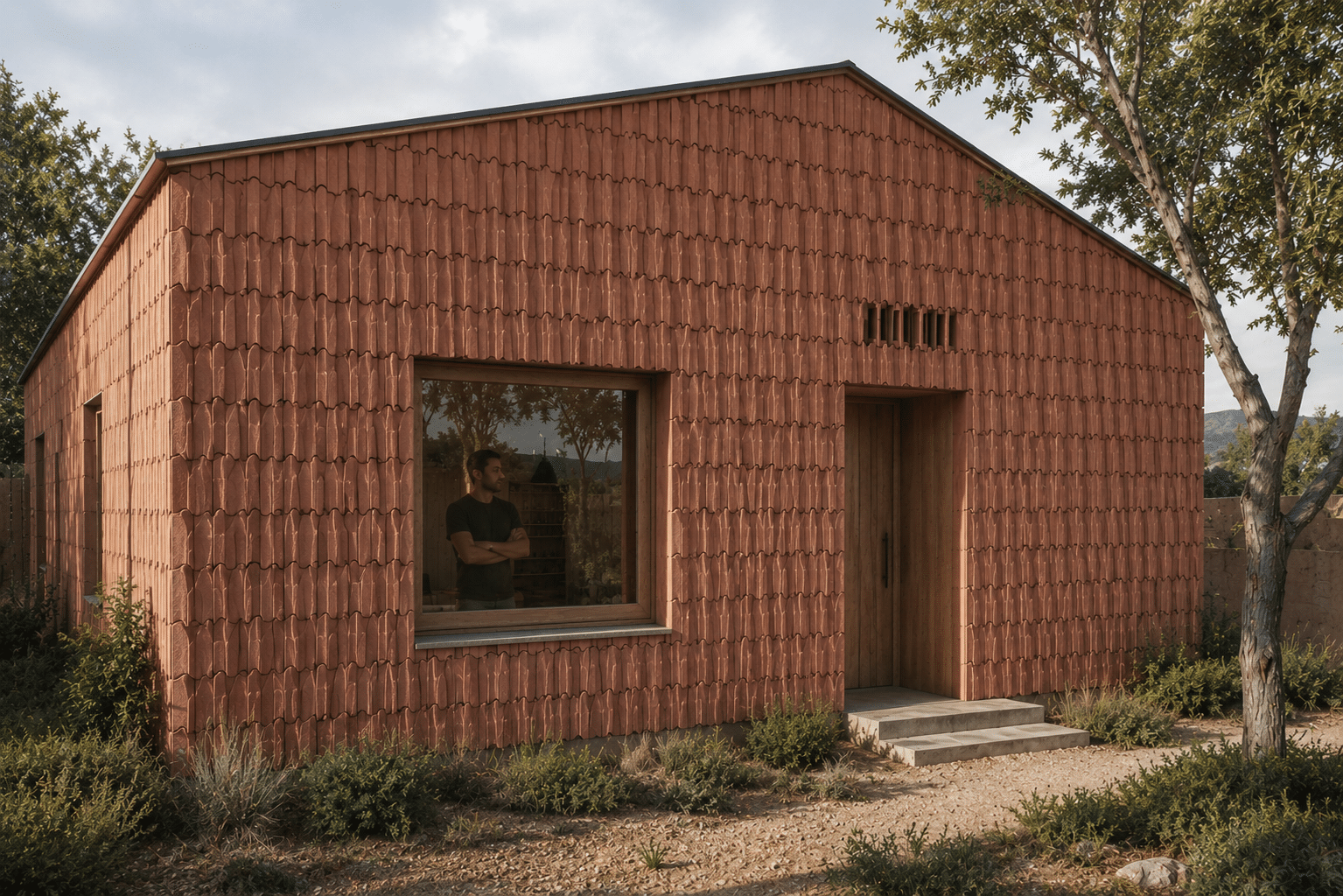
TerraFORMED Optimization

Abstract This project uses parametric design and multi-objective optimization to develop an interlocking masonry brick. A Grasshopper workflow generated brick geometries by varying sinusoidal width, depth, and cavity parameters. The designs were evaluated using structural and geometric performance criteria, including load transfer, web thickness, horizontal area, volume, and interlocking capacity. An evolutionary optimization process identified … Read more

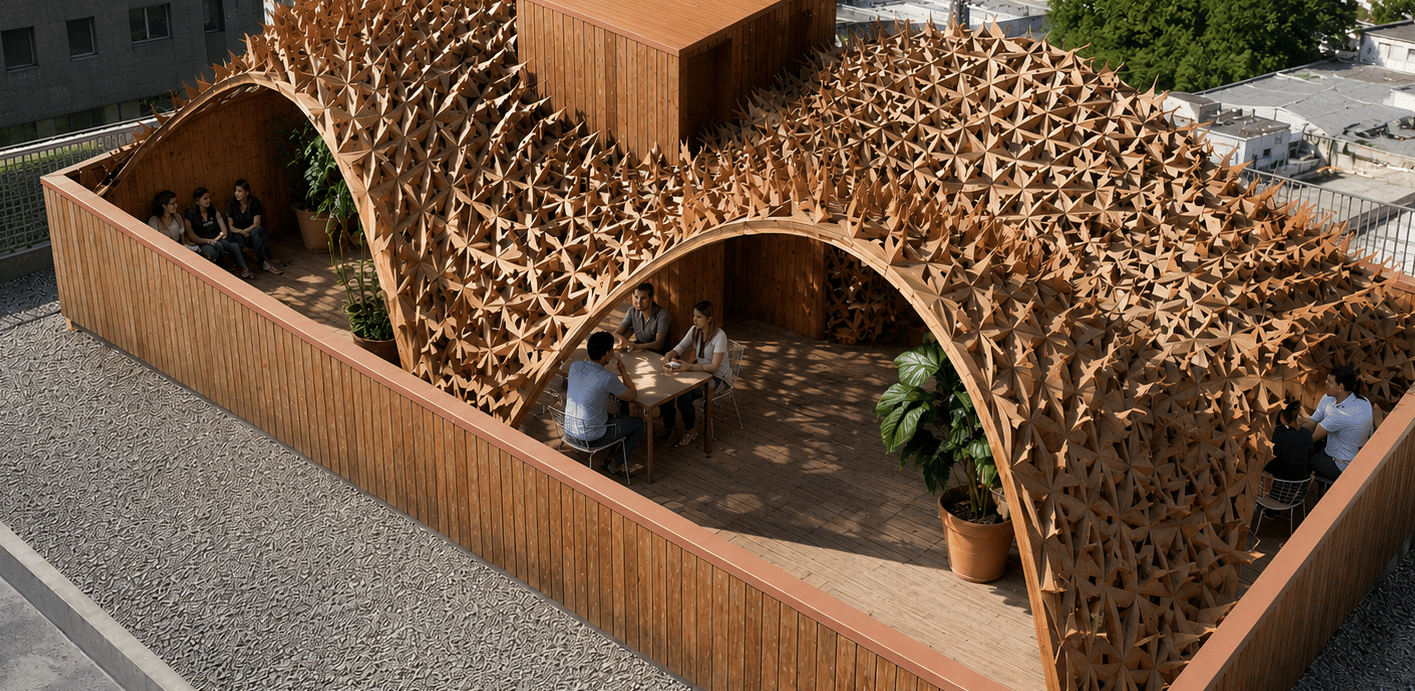
Optimized Reciprocal

Reciprocal Frames Reciprocal frames are self-supporting 3D structures. They consist of three or more sloping beams arranged in a closed circuit. Each beam rests on the preceding one and supports the next, creating a completely interdependent grid. This design eliminates the need for a central pillar or column. Traditionally these frames were made of wood, … Read more

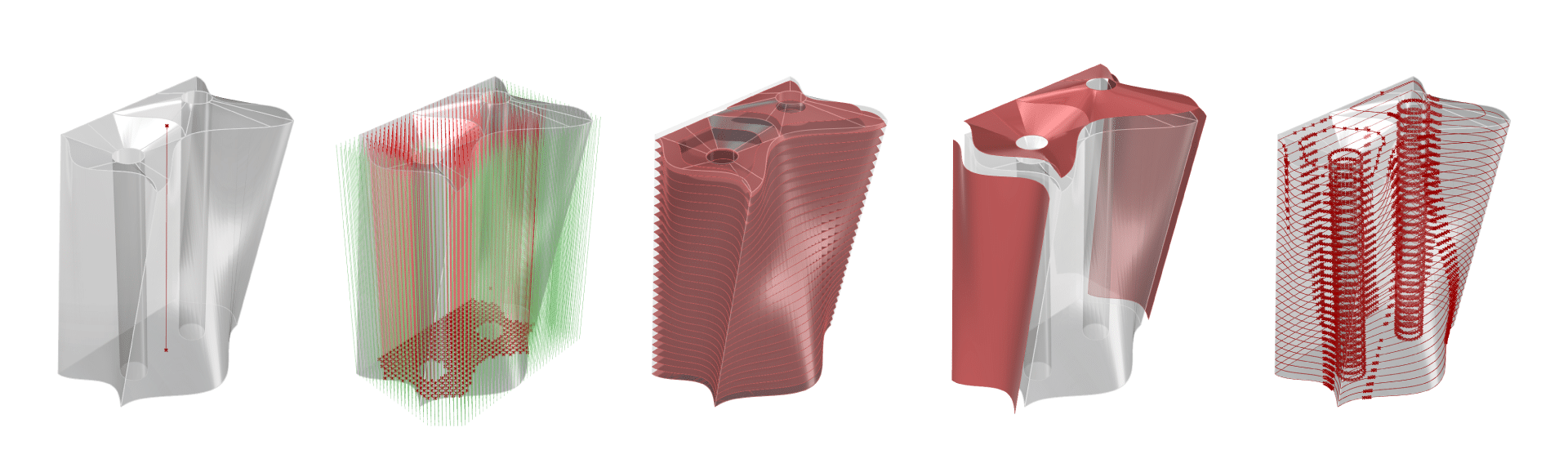
rePack

DESIGN PROJECT DESIGN PROBLEM COMPUTATIONAL METHODS INPUT, GENES + FIXED PARAMETERS PERFORMANCE METRICS MATHEMATICAL LOGIC PSEUDOCODE WORK-FLOW DIAGRAM WALLACEI RUN SUMMARY FITNESS CRITERIA BEHAVIOR REPRESENTATIVE SOLUTIONS PARETO FRONT + CLUSTERING OPTIMISATION WORKFLOW RECIPE CATALOGUE VISUALIZATION

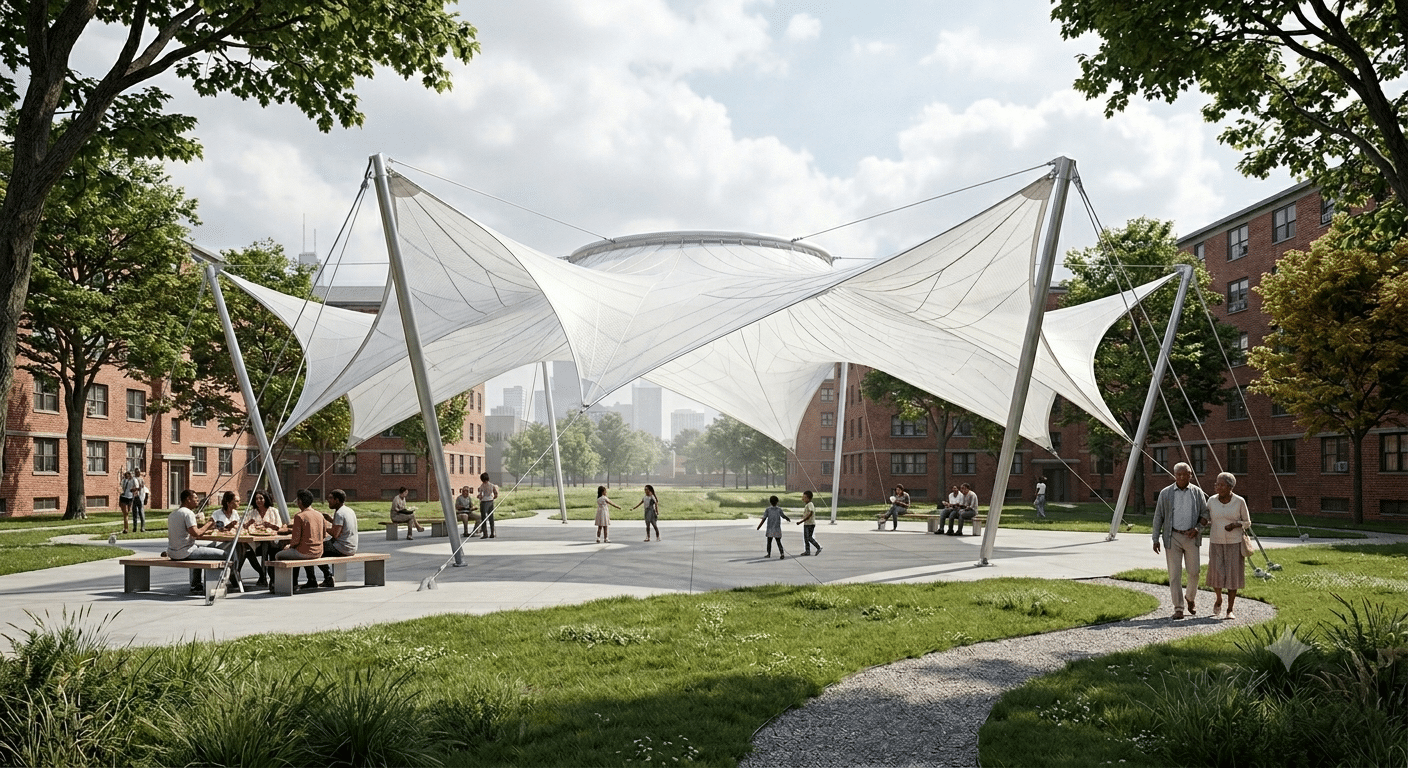
Project Michigan

Using climate clustering, vernacular precedent research, and evolutionary optimisation to create climate-responsive design typologies when no established local precedent exists Overview Lovingly named after the very first test location, Project Michigan is a tool that provides climate-responsive design guidelines when no local vernacular precedent exists. Through scraping climate data and global vernacular information, it helps … Read more