The MaCAD is a unique online programme training a new generation of architects, engineers and designers ready to develop skills into the latest softwares, computational tools, BIM technologies and AI towards innovation for the Architecture, Engineering and Construction (AEC) industry.

Filters
Course

Encoding Urban Risk: Spatial Feature Analysis and Assessment

Can Street Geometry Predict Urban Safety Risk? A machine-learning pipeline that classifies street morphology into risk typologies — from OpenStreetMap features to multi-city deployment, dead ends included. This post documents the full arc of our Urban Safety project — not just the results, but the reasoning, the wrong turns, and what we learned from them. … Read more

VenustaMeter

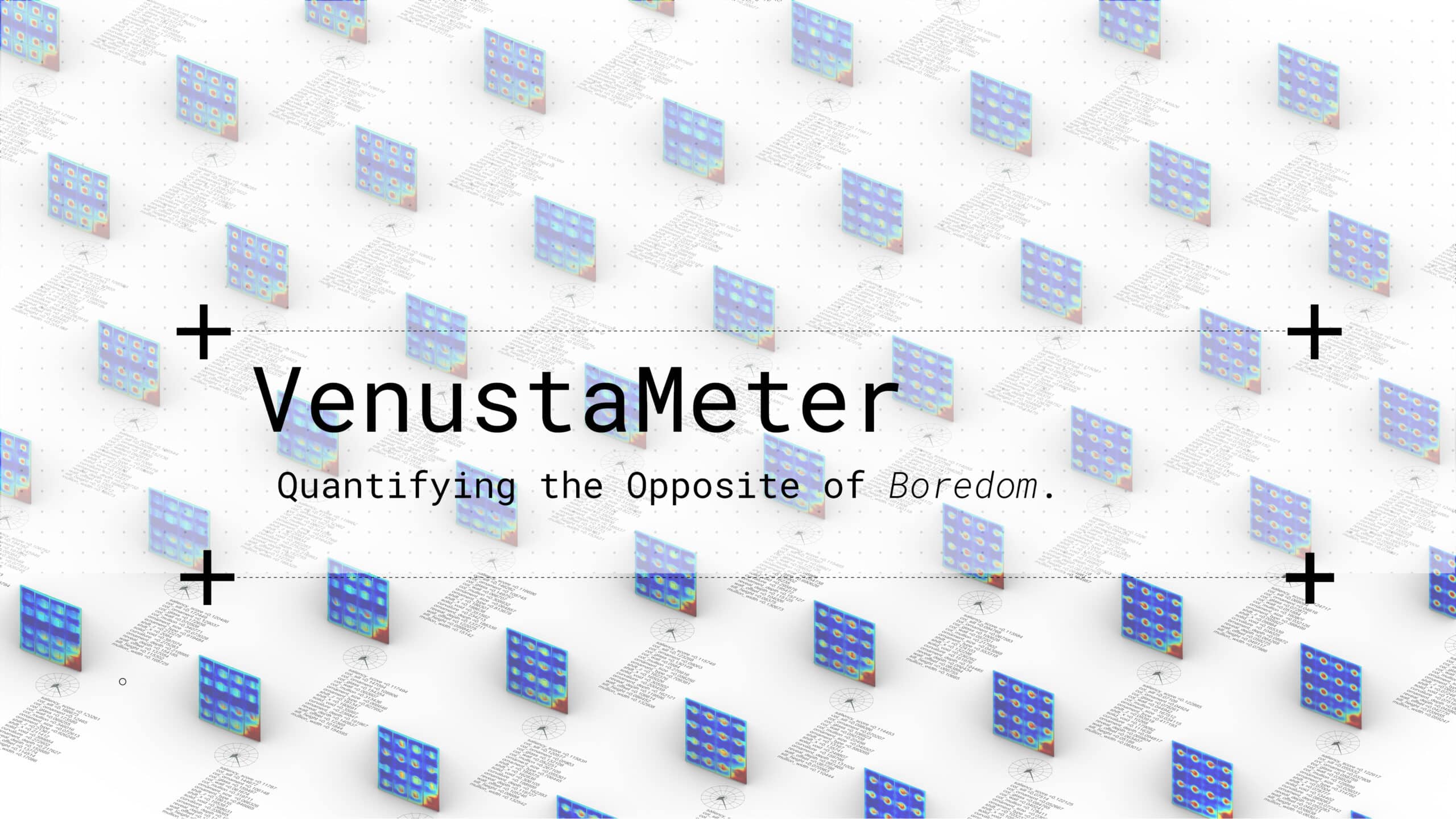
Quantifying the Opposite of Boredom For decades, architectural design has relied on intuition. Client feedback and peer reviews are inherently subjective, and by the time you can gather real human response data on a facade, the building is already standing. But what if we could predict whether a building will be visually engaging before a … Read more

NoiseXcape: Can Open Data Help Us Predict Urban Noise?

Introduction Noise is one of the most pervasive environmental stressors in cities. Long-term exposure has been linked to sleep disturbance, cardiovascular disease, reduced cognitive performance, and lower overall quality of life. Yet despite its importance, detailed noise maps are surprisingly difficult to obtain. Producing official noise maps requires measurements, traffic models, and considerable technical effort. … Read more

Plant Suitability Predictor

Interior floor plan used as project setup for plant suitability prediction

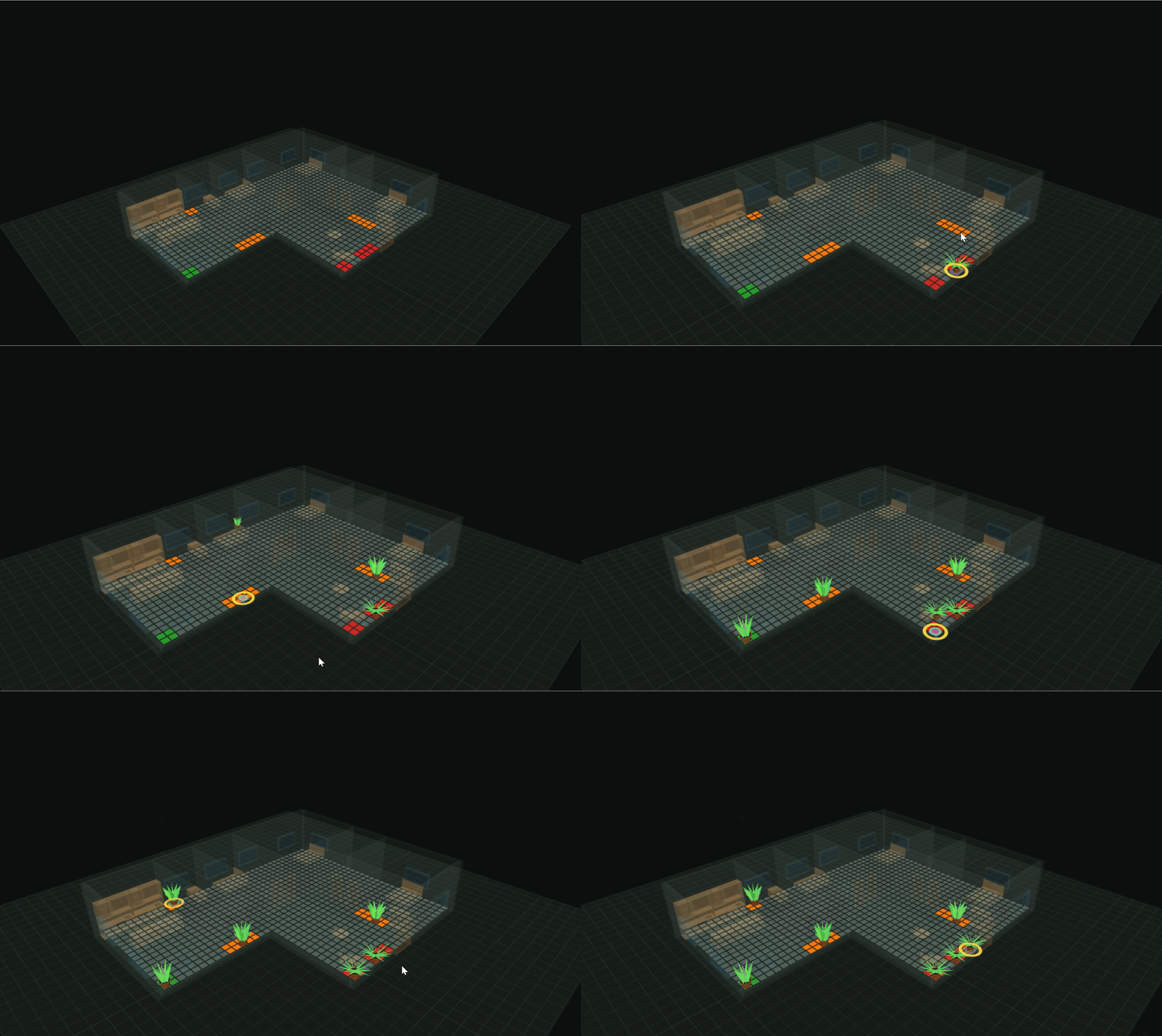
Tile-based machine-learning workflow for indoor plant suitability prediction Introduction Plant placement in interior spaces is usually treated as an intuitive or aesthetic decision. However, different areas inside the same room can receive very different levels of sun, radiation, useful daylight and humidity. This project proposes a machine-learning workflow to classify interior space into plant suitability … Read more

BioSpatial-Intelligence:

ML-Driven Plant Placement for Adaptive Architecture BioSpatial Intelligence explores how machine learning can support planting decisions in architectural spaces. The project starts from a simple design question: when we design a building, how can we decide which plants belong to which environmental conditions? Instead of relying only on intuition, we developed a workflow that reads … Read more

FloodPrint

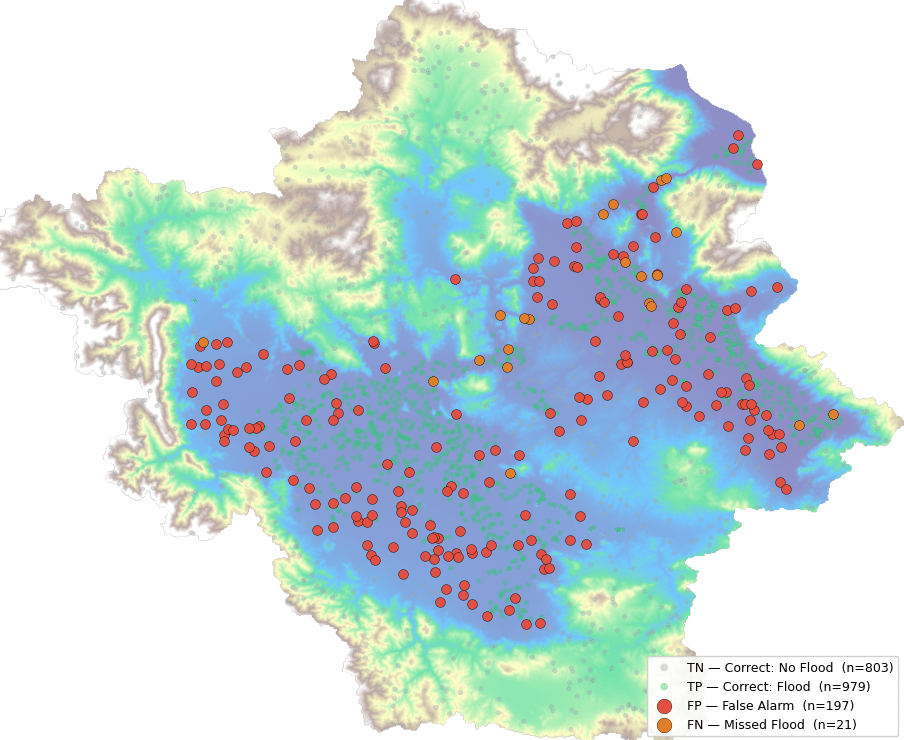
Objective Traditional flood risk maps take months to produce, are updated only every few years, and are too coarse, they might say a whole district is at risk without telling you which specific street or field will actually be underwater. “We are going to predict whether any given location in Thessaly, Greece is Flood-Prone or … Read more

NYC – Urban Land Use

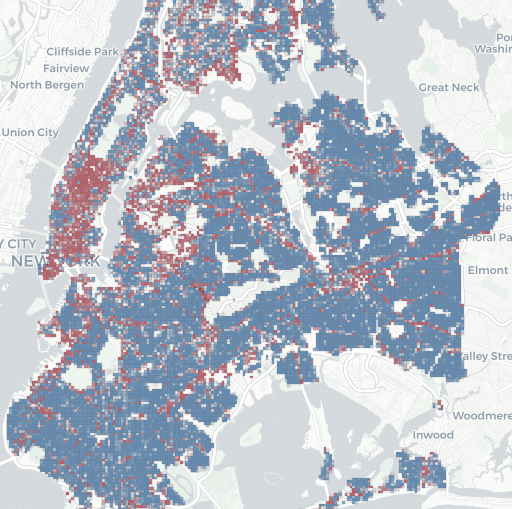
Can we predict what kind of use does a city grid hosts — Commercial vs. Residential — from its built form, morphology, and proximity to other urban features? “Can we predict the land use of a space based on existing environmental information from official and unofficial sources?” What’s the sweet spot for a Machine Learning … Read more