The MaCAD is a unique online programme training a new generation of architects, engineers and designers ready to develop skills into the latest softwares, computational tools, BIM technologies and AI towards innovation for the Architecture, Engineering and Construction (AEC) industry.

Filters
Course

Sensi: Making Comfort a Design Layer

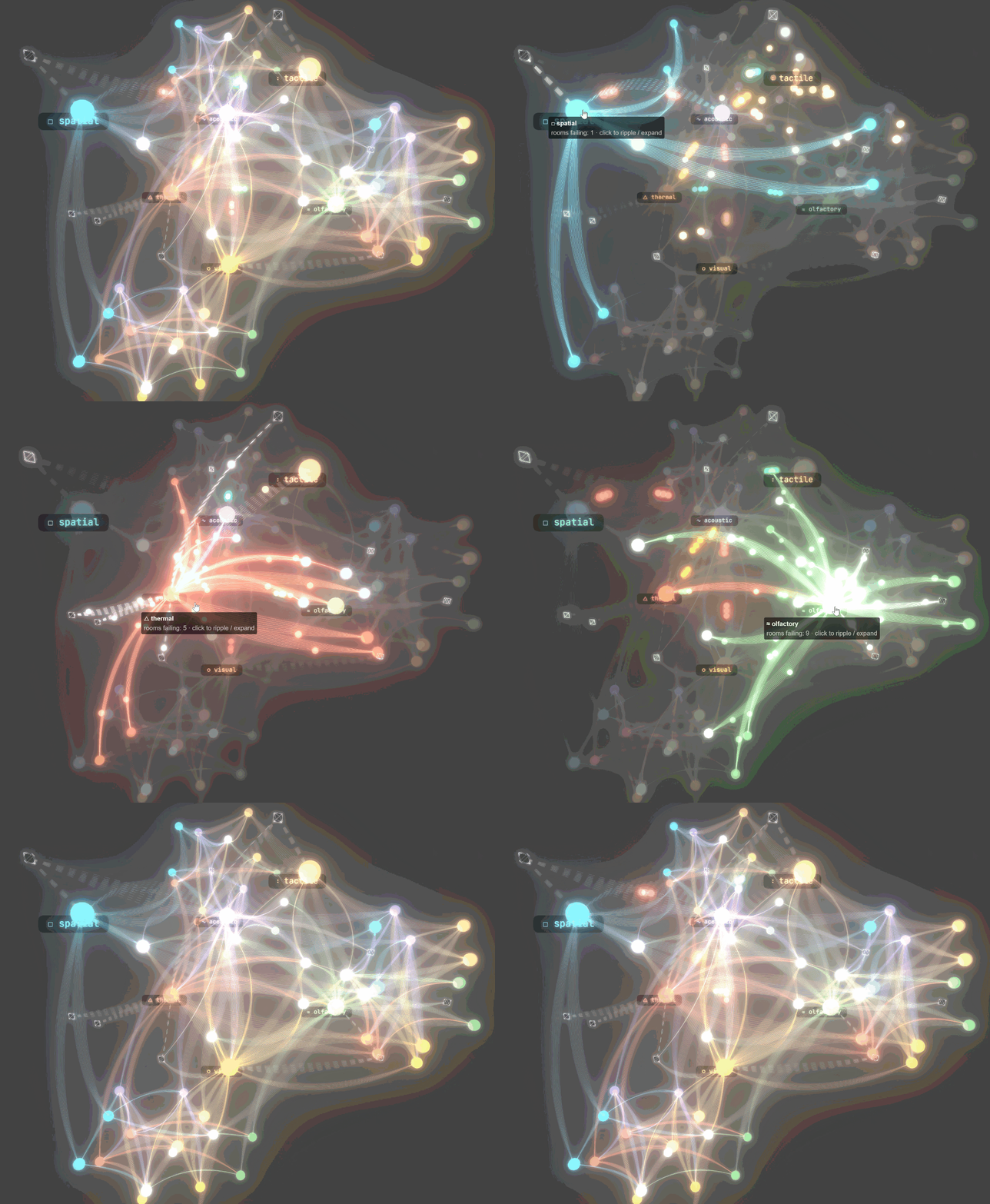
Building Sensi, a sensory copilot for architectural floor plans. In architecture, we model everything. Structure, cost, energy, code compliance. Layer after layer of analysis that makes a building accountable before it’s built. But one thing was missing from the stack: how the space will actually feel. Not feel as in emotion. Feel as in the … Read more

The Dispositif & Arcades Project

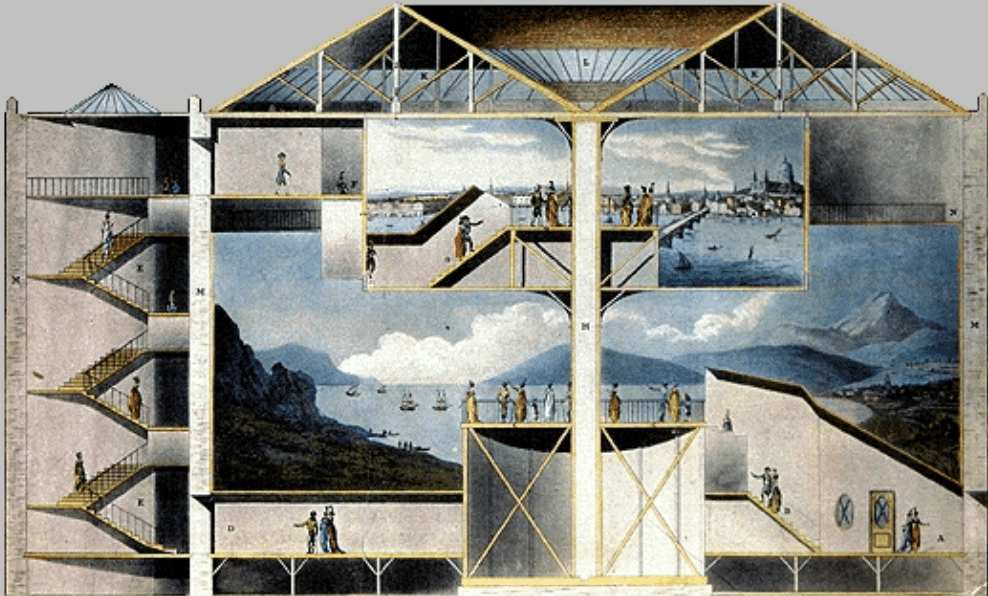
A Reading of What Is a Dispositif? and The Arcades Project Context This document presents a combined reading of two texts: Gilles Deleuze’s What Is a Dispositif? (1992) and Walter Benjamin’s The Arcades Project — specifically the Exposé of 1935, Paris, the Capital of the Nineteenth Century. These texts were not written in conversation with … Read more

Analyzing Narkomfin Through Its Graph

The building The Narkomfin Building was completed in 1930 in Moscow, designed by Moisei Ginzburg and Ignaty Milinis. It is one of the most recognized examples of Soviet Constructivist housing — a dom-kommuna, or communal house. The design was deliberately unconventional: kitchens were minimal because residents were expected to eat in a shared canteen, and living … Read more

Bornet’s Agentic AI: Understanding Multi-Agent Systems and the Creativity-Reliability Dilemma

The promise of AI agents is compelling: systems that can sense their environment, plan strategically, take action, and learn from experience. But as organizations begin deploying these systems in production, a troubling reality emerges. The very capabilities that make AI agents powerful—their ability to reason, adapt, and solve novel problems—also make them frustratingly unpredictable. This … Read more

Encoding Urban Risk: Spatial Feature Analysis and Assessment

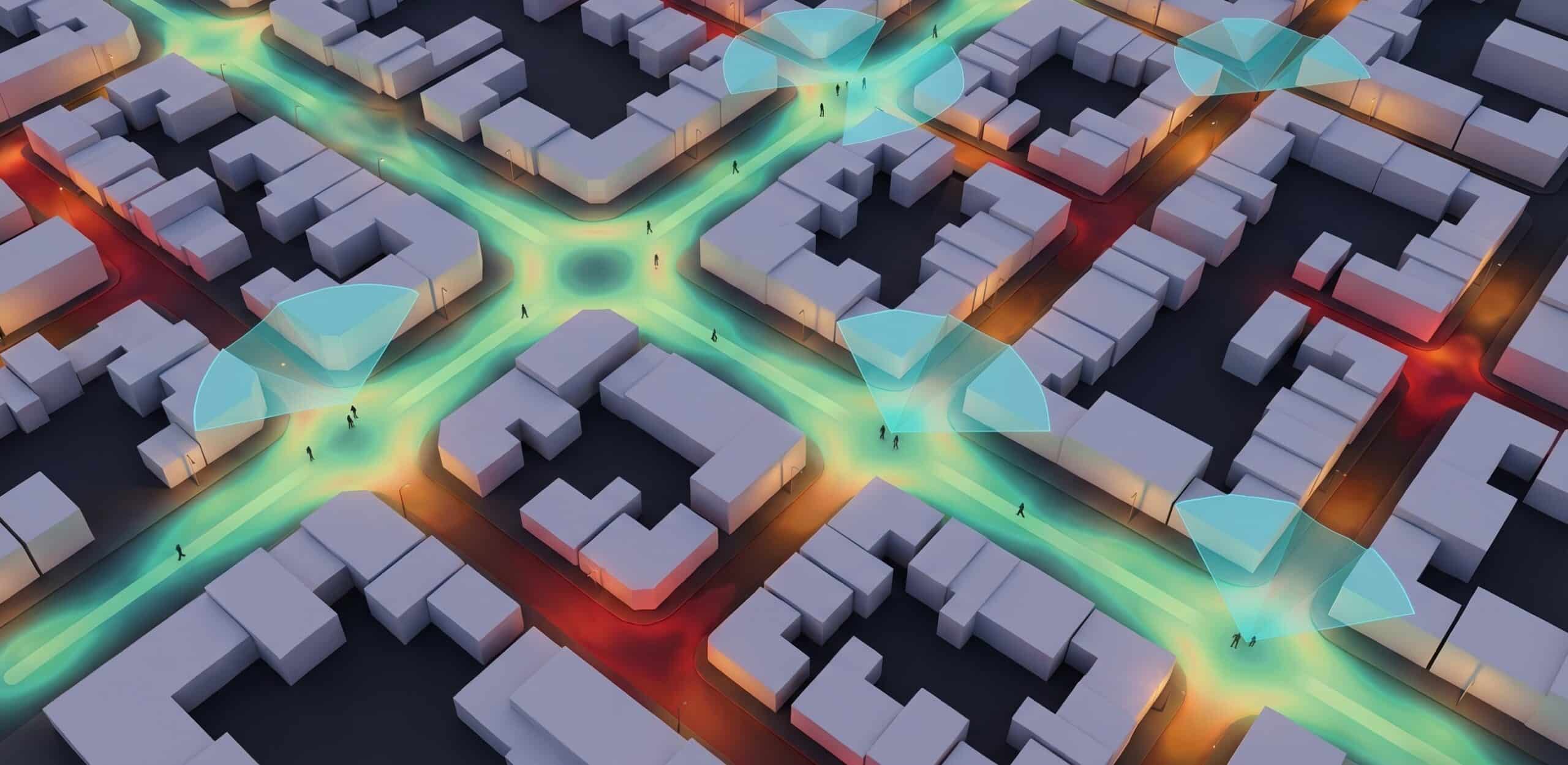
Can Street Geometry Predict Urban Safety Risk? A machine-learning pipeline that classifies street morphology into risk typologies — from OpenStreetMap features to multi-city deployment, dead ends included. This post documents the full arc of our Urban Safety project — not just the results, but the reasoning, the wrong turns, and what we learned from them. … Read more

Augmented Robotic Production Systems for Adaptive and Resilient Architecture

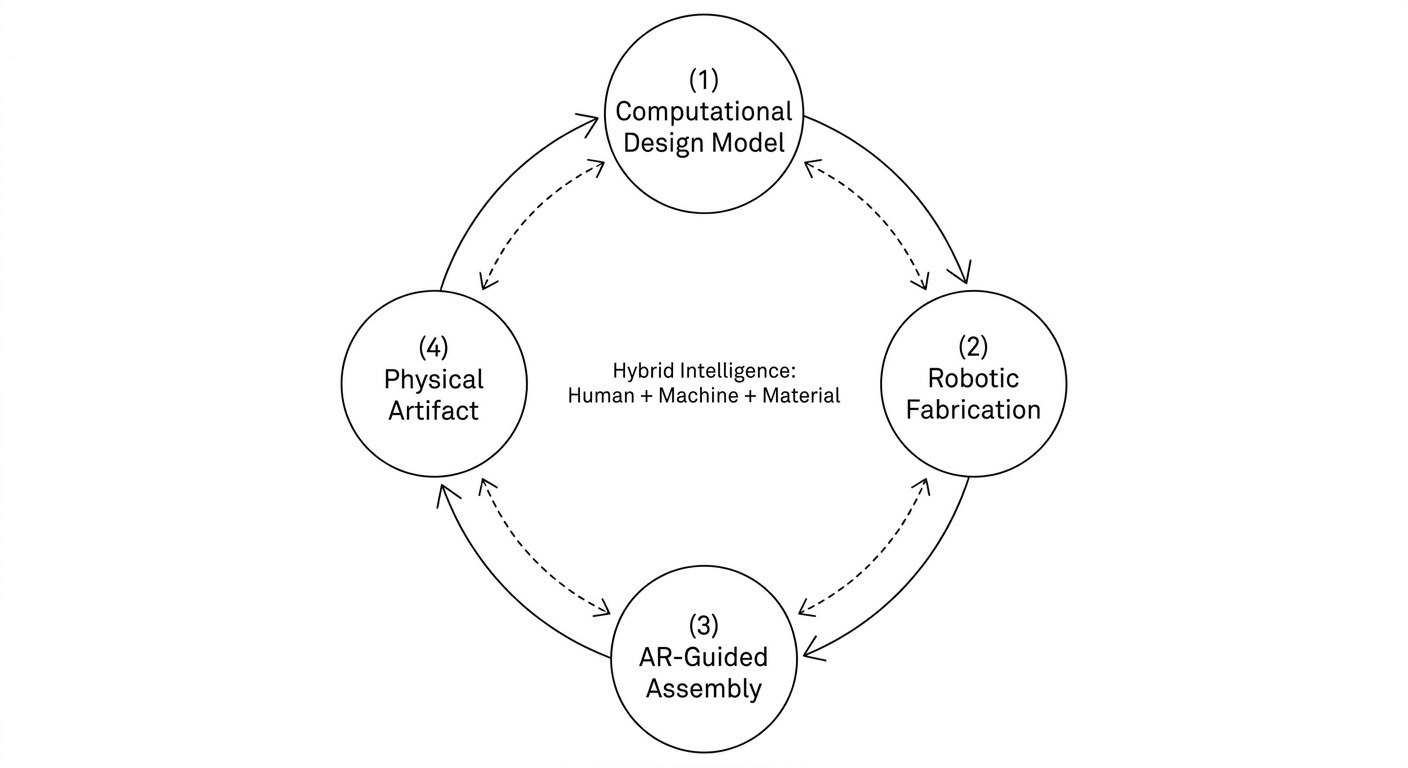
Abstract Construction is responsible for a substantial share of global material waste and carbon emissions, and one of the reasons is structural: design, fabrication, and assembly are still treated as separate phases with fragmented handoffs between them. This podcast episode explores what changes when those phases are linked into a single, feedback-driven workflow where parametric … Read more

Designing Productive Friction in BIM Collaborative Workflows

How intentional pauses in digital workflows improve accountability, decision-making, and collaboration in BIM practice. There’s a particular kind of confidence that comes with a smooth workflow. Files transfer without errors, models update on schedule, clash reports run automatically, information moves. That feeling is satisfying. It can also be exactly what should make you pause This … Read more

Beyond the Dashboard: Building Information Modelling as Socio-Technical Governance in Smart Cities

Introduction The smart city stands at a conceptual crossroads. On one side, we encounter an optimistic narrative: Building Information Modelling (BIM), digital twins, and integrated urban dashboards promise unprecedented visibility into city systems, enabling data-driven governance, resource optimization, and responsive urban management. On the other side, a more sobering reality: these sophisticated technical infrastructures often … Read more

BIM and The Rise of Automated Design Fabrication

BIM and the rise of automated design fabrication

(BIM) is driving a major shift toward automated design and fabrication by providing precise, data-rich digital models that machines can directly interpret. Automated systems use BIM data to generate toolpaths, robotic motions, and fabrication instructions with minimal human input. This integration accelerates prefabrication, improves accuracy, reduces waste, and supports modular construction. As automation grows, BIM … Read more

Digital to Physical: An Interview with Melike Altınışık on Bridging the Geometric Gap

In contemporary architecture, designing a visually stunning, non-standard building envelope is only half the battle. The true test lies in the translation: how do we ensure that the mathematical precision of a parametric model survives the chaotic reality of a construction site? This exact challenge is the driving force behind our ongoing research proposal at … Read more

The Data Pipeline Behind NeuroSpace: From Sliders to Synapses

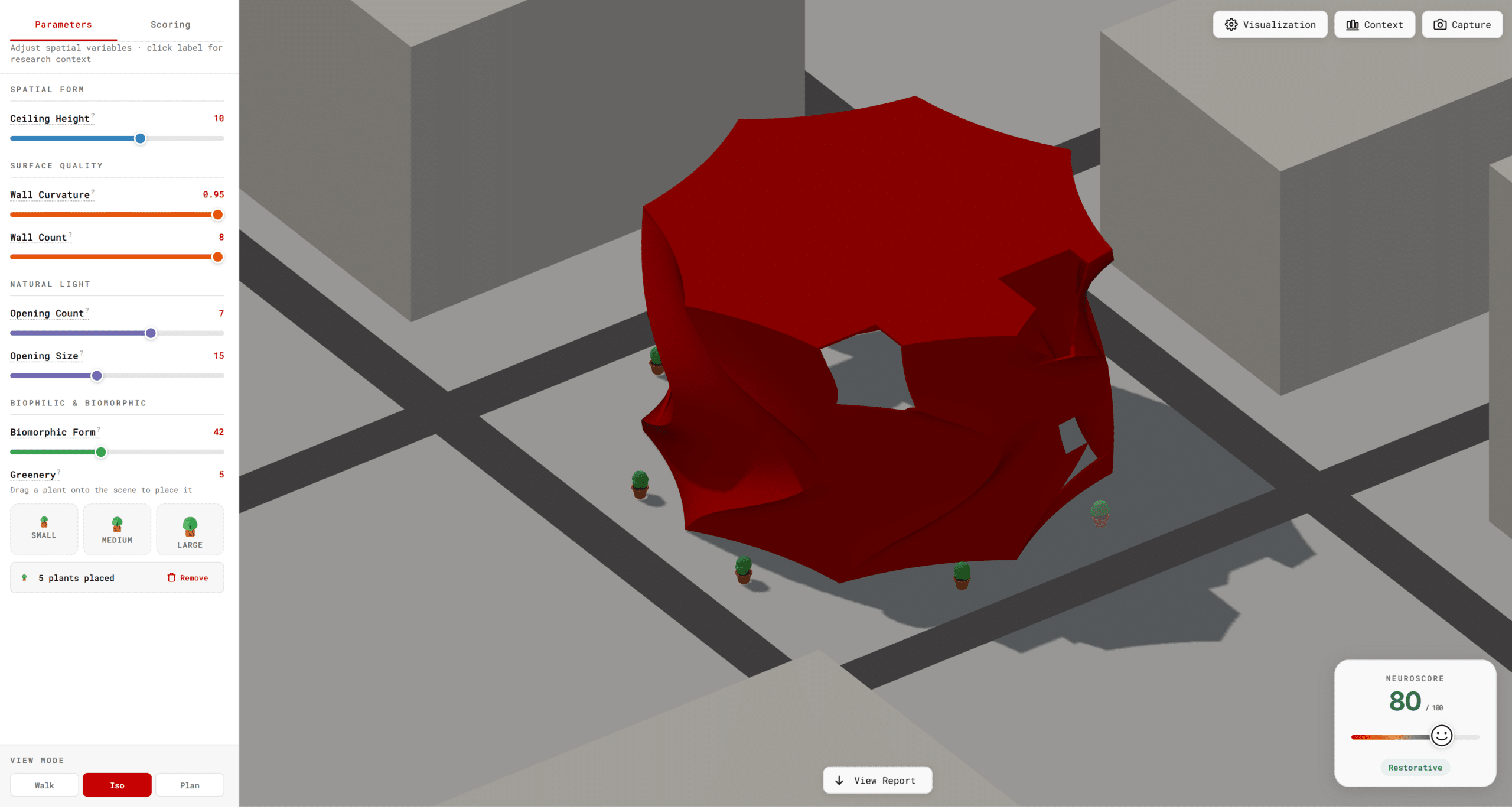
Abstract NeuroSpace is a browser-based parametric design tool that reframes Building Information Modeling as Behavior Information Modeling — encoding predicted neurophysiological outcomes into architectural geometry. This post traces the full data pipeline: from seven UI sliders through a dual-path architecture (server-side Rhino.Compute for 3D geometry, client-side JavaScript for real-time NeuroScore calculation), through reactive state management … Read more

Beyond Construction: BIM as a World-Building Tool for Real-Time Game Engines

Abstract This research investigates how Building Information Modeling (BIM) can be leveraged to generate structured and meaningful architectural environments for architectural visualization, video games, and animated films. It explores workflows between BIM tools and real-time game engines, focusing on the transfer and preservation of spatial logic and metadata. The study aims to demonstrate how BIM-based … Read more

BIM in Rhino to faborication world

Expert introduction Milos DimčićCEO &founder of Programming Architecture Milos Dimčić, PhD is an architect, computational designer and software developer specializing in the automation of design and construction workflows in the AEC industry. He has PhD in architecture & structural design from the University of Stuttgart and is guest assistant professor at TU Graz Faculty of … Read more