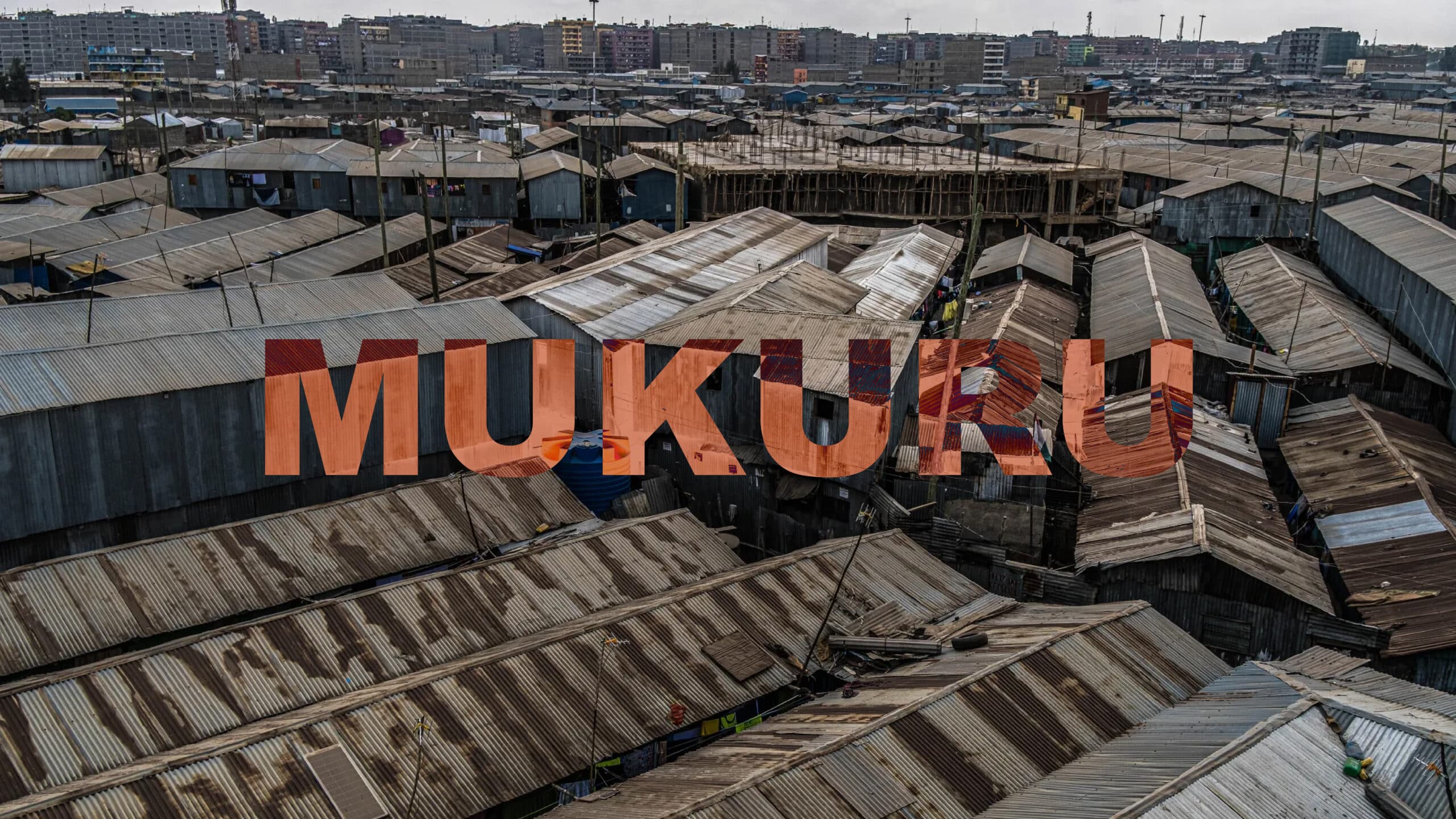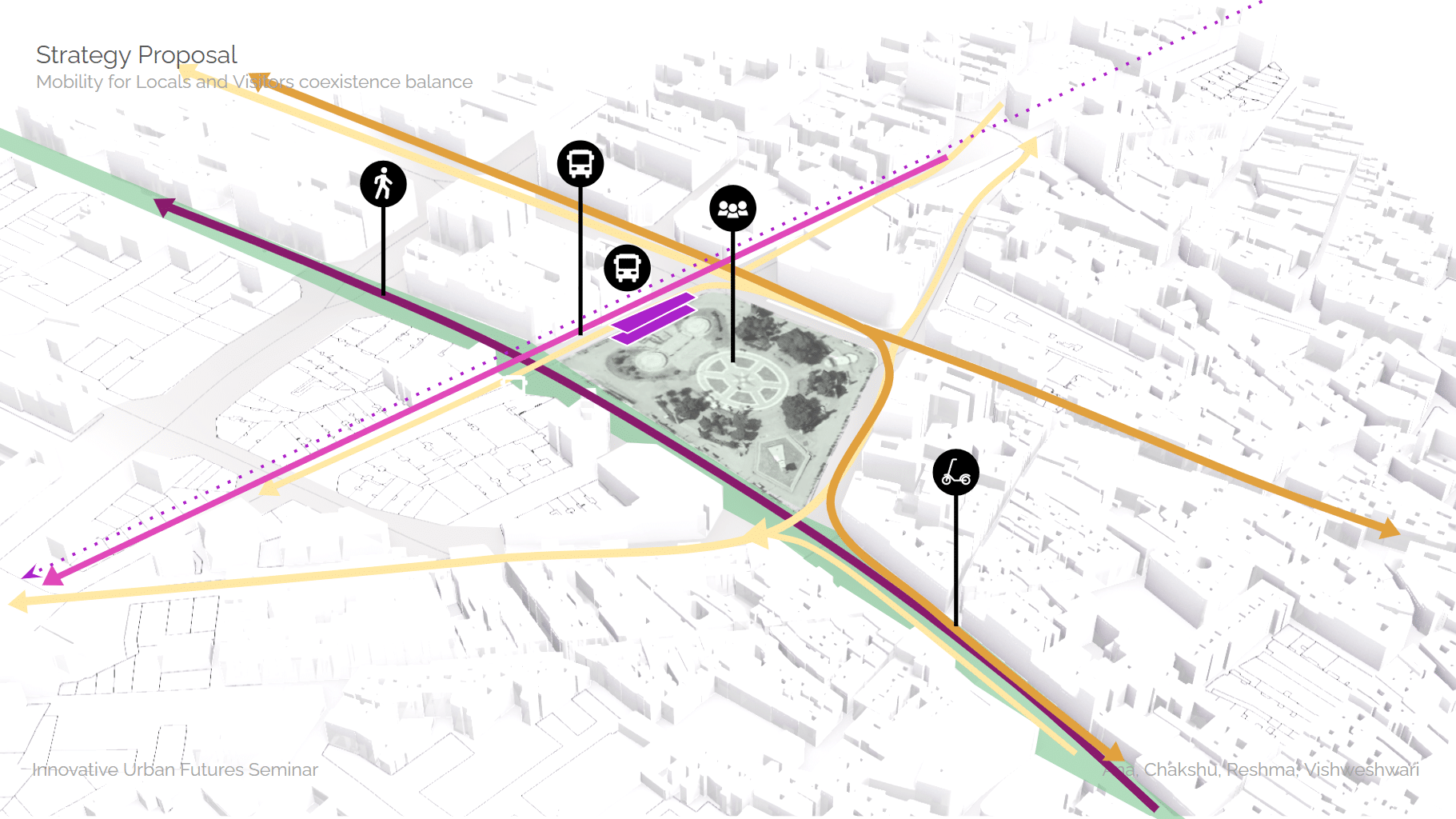
The Master in City & Technology’s academic structure is based on IAAC’s innovative, learn-by-doing and design-through-research methodology which focuses on the development of interdisciplinary skills. During the Master in City & Technology students will have the opportunity to be part of a highly international group, including faculty members, researchers, and lecturers, in which they are encouraged to develop collective decision-making processes and materialize their project ideas.

Filters
Course

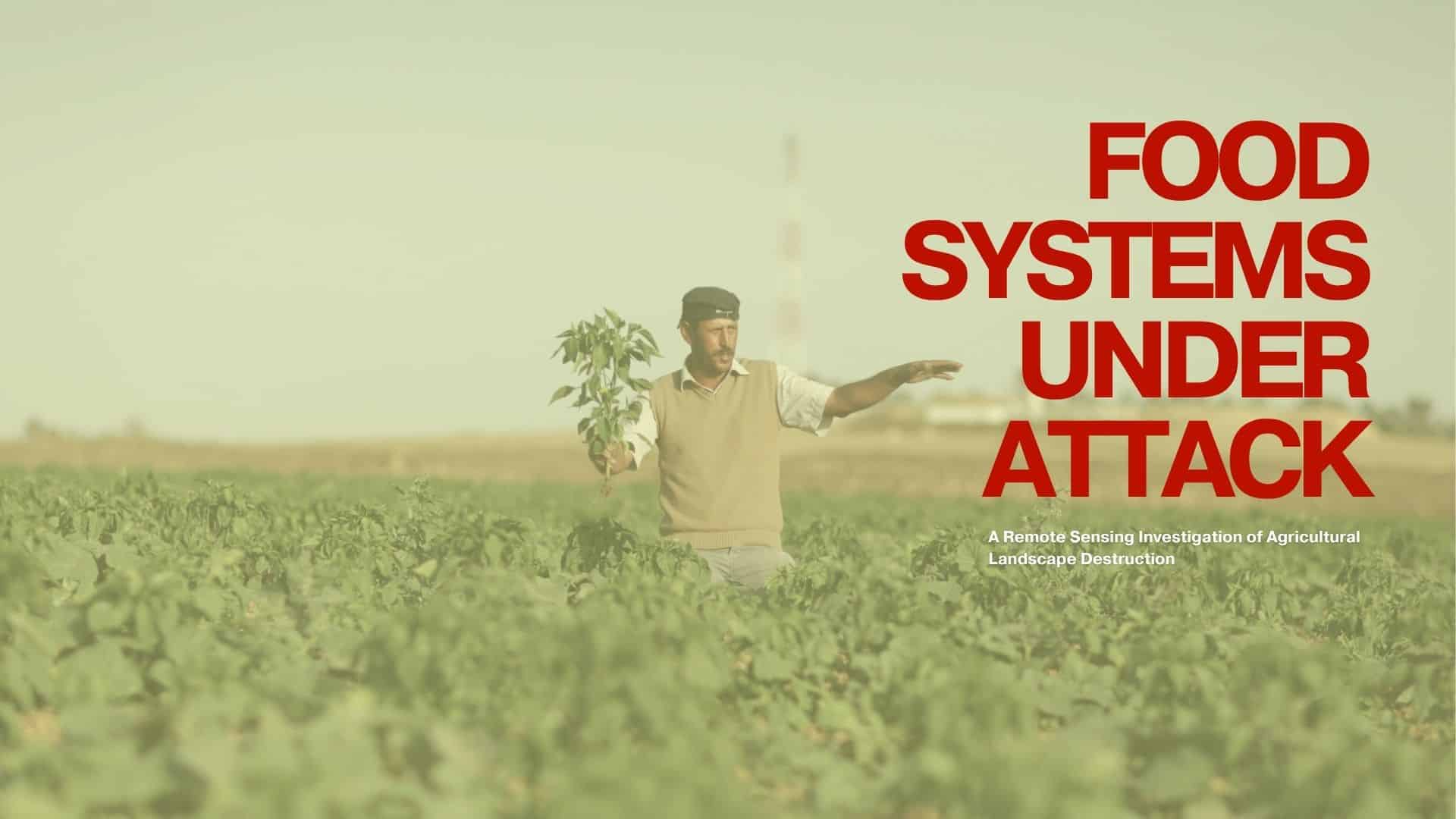
Food Systems Under Attack

Agriculture is not simply another economic sector. It is the foundation of food security, livelihoods and social stability. Yet in many conflict zones, agricultural landscapes are systematically damaged through bombardment, infrastructure collapse, restricted access to farmland, and disruption of water systems. While urban destruction is often visible and extensively documented, the destruction of food-producing landscapes … Read more

Ciutat Nova Franca

Barcelona is a city that faces many physical limitations to it’s expansion as a metropolis-the mountains contain development within them and the sea borders its other side. For the past 15 years, it has been struggling with an immense wave of tourism that has displaced locals from affordable housing in popular areas and historic neighborhoods … Read more

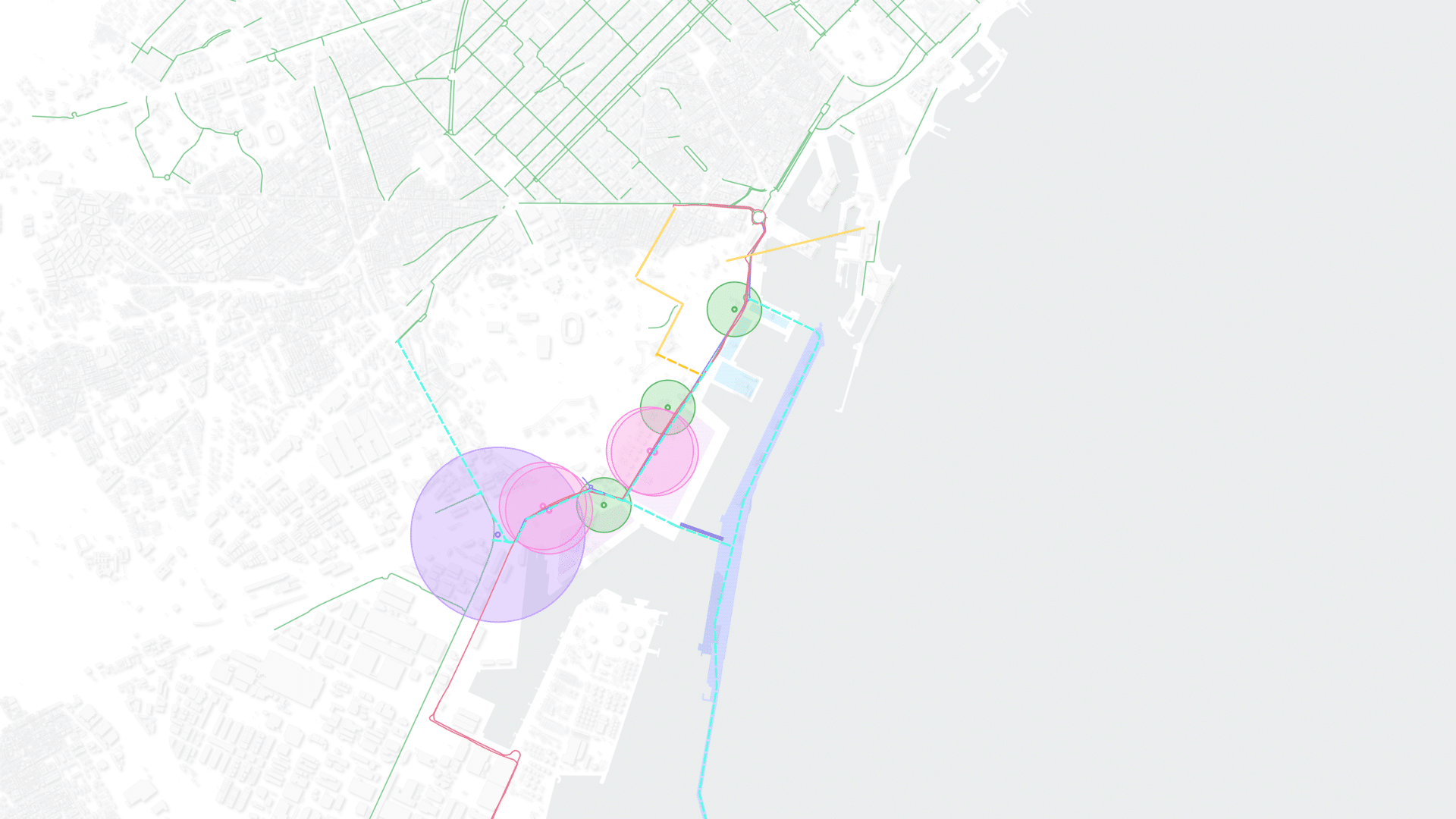
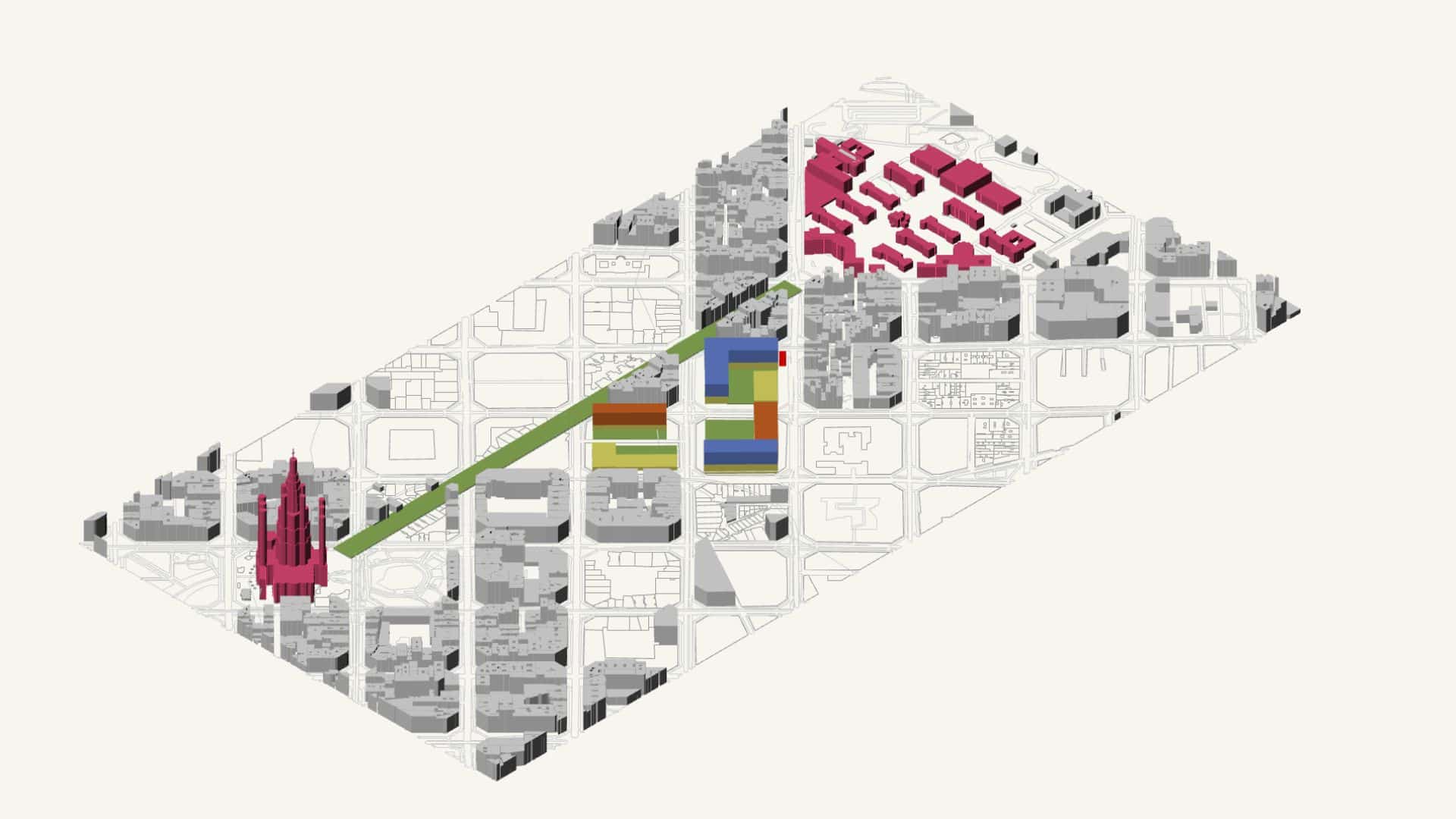
Barcelona’s Nexus?

How does a world-class shopping destination integrate into one of Europe’s densest urban grids without destroying it? This project interrogates Barcelona’s proposed destination mall near La Sagrada Família — originally conceived at 150,000m² with 6,000 car parking spaces — and redefines it as a 100,000m² precinct with radically reduced vehicle dependency. Through a three-pillar spatial … Read more

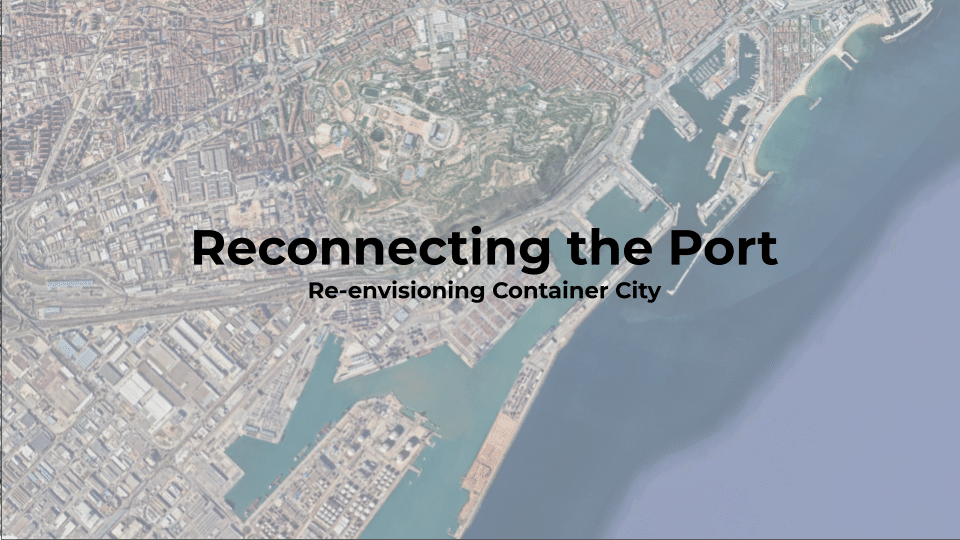
Reconnecting the Port

Satellite imagery of Barcelona with words in black "Reconnecting the Port"

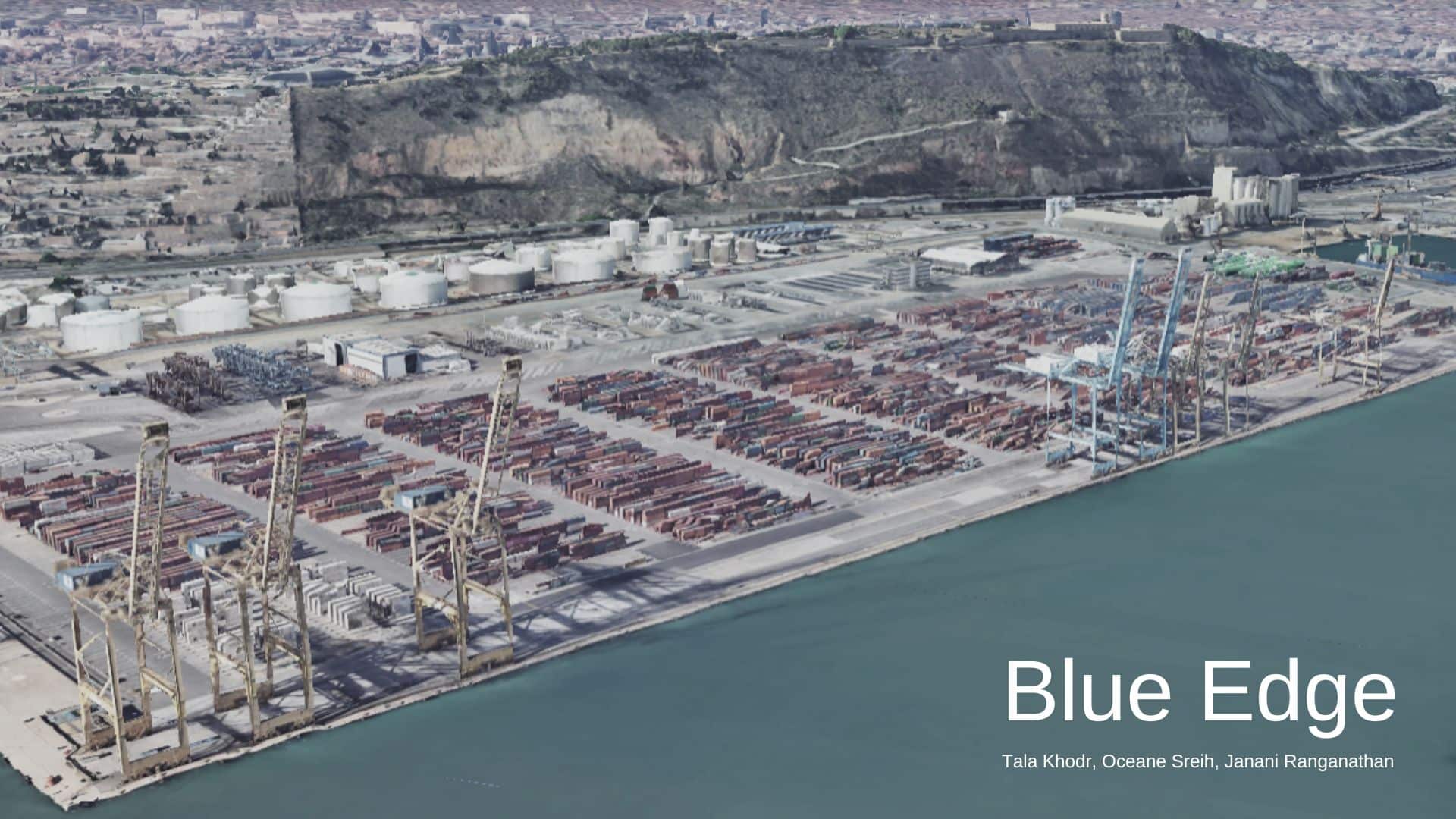
Re-envisioning Container City One of Barcelona’s most strategically located waterfront areas, the container port south of Montjuïc, remains largely disconnected from the inner city. As the city explores the possibility of relocating portions of its container operations in this speculative project and transforming this industrial landscape into a mixed-use district, mobility becomes a more pertinent … Read more

Who pays the cost?

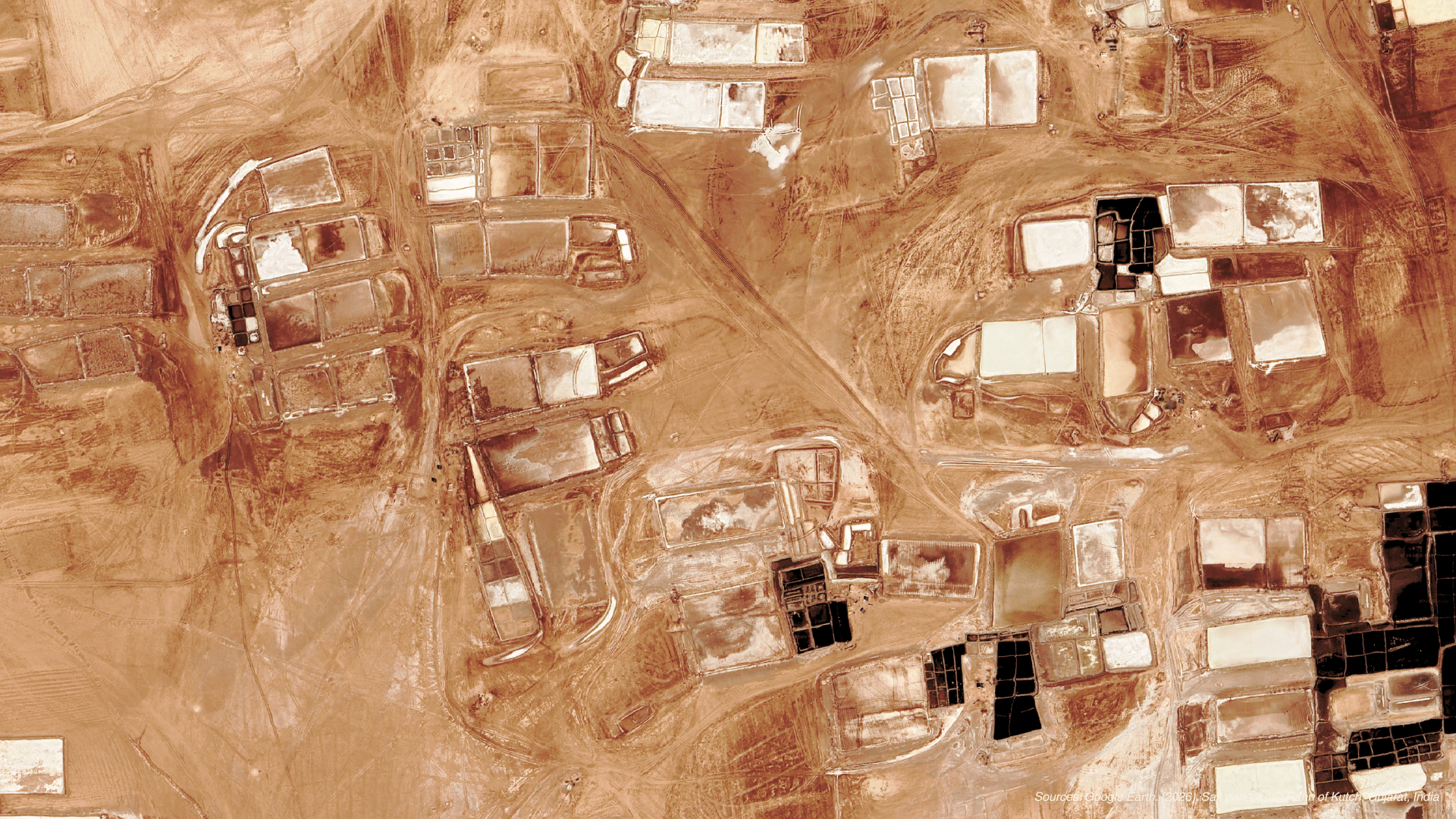
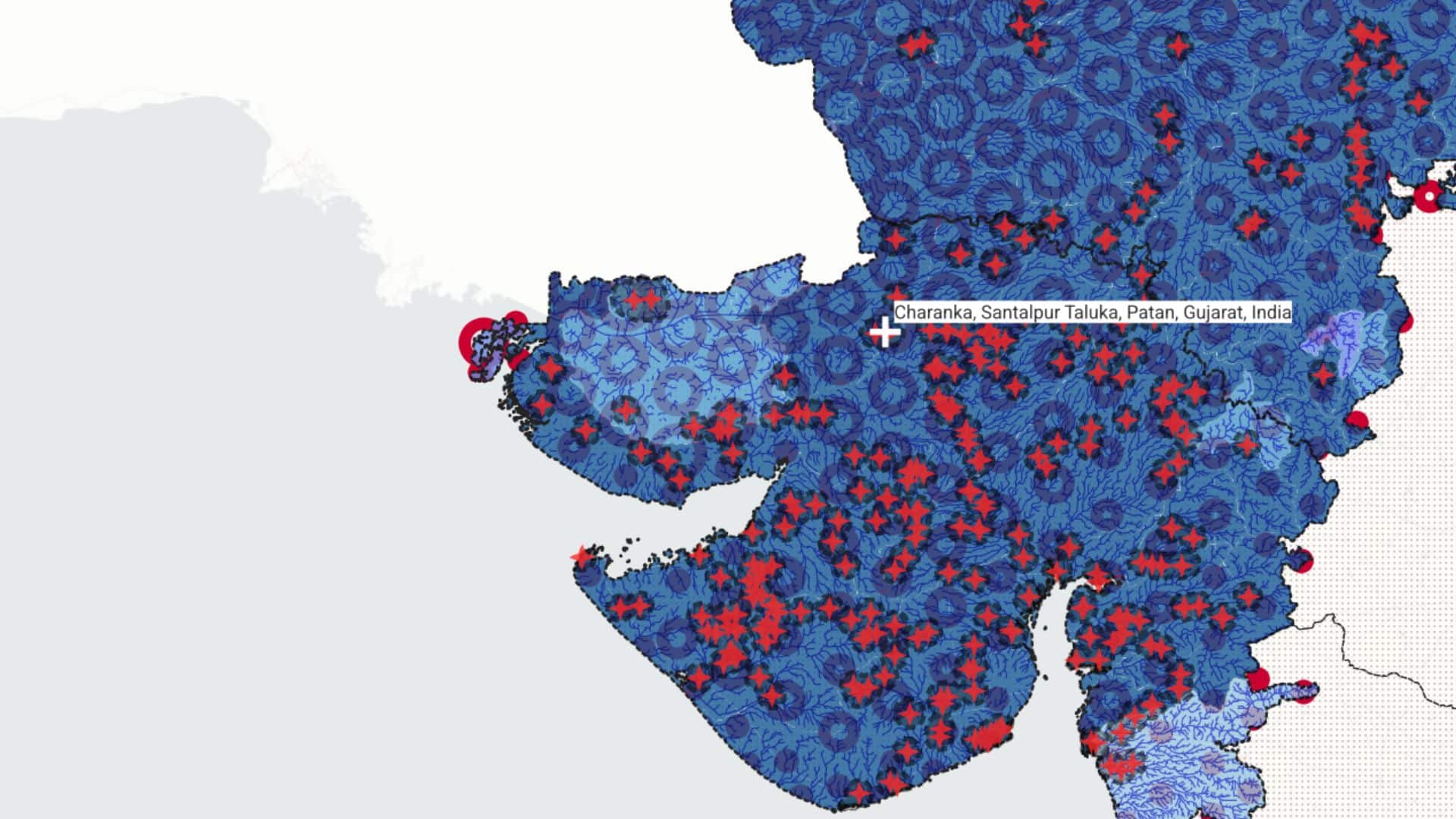
Project by: Océane Sreih, Haoying Ma, Chakshu, Renata Castañeda, Zankhna Palmist Who Pays the Price for India’s Solar Transition? India has seen an accelerated transition toward renewable energy, starting on 2010 and today the solar farms represent an extension of aprox 3,156 square kilometres of panels, and infrastructure. Vast landscapes are being transformed in the … Read more

WING IT – Microclimatic Corridor For Non Humans

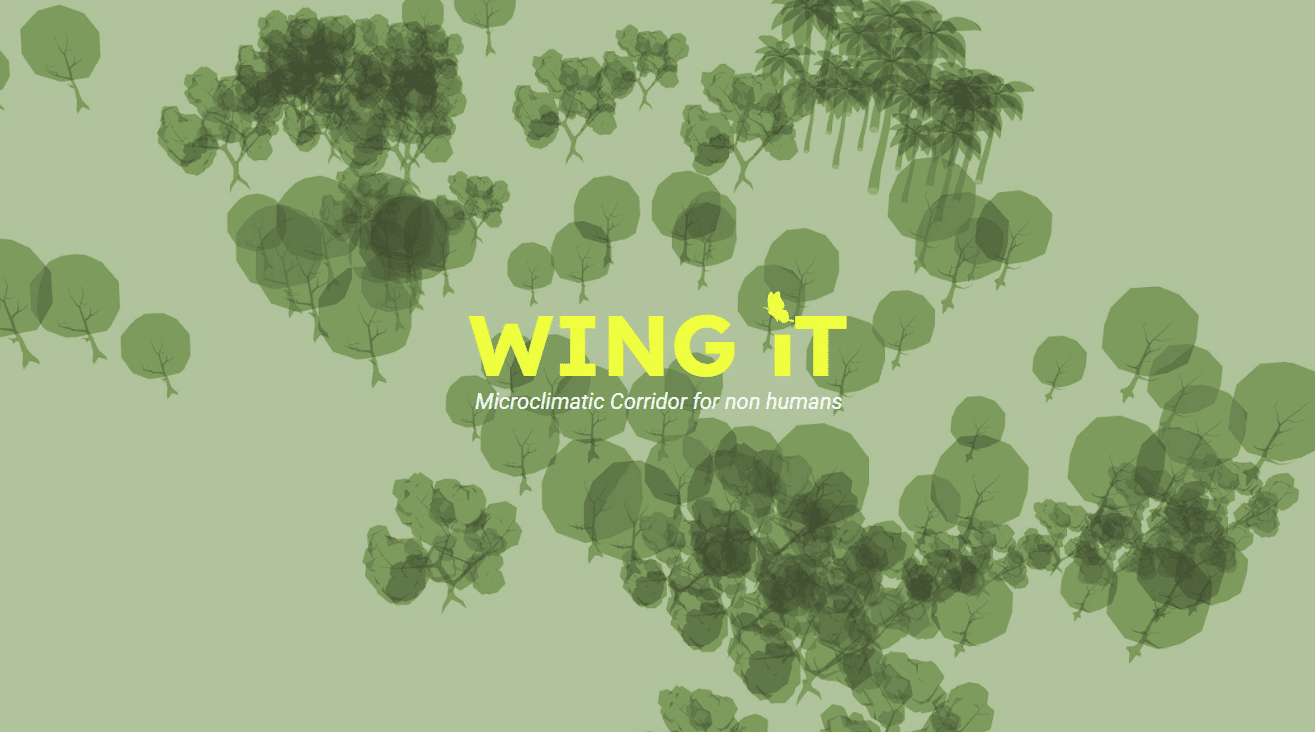
Microclimatic Corridor is a proposal for the transformation of Carrer de Rocafort into a climate shelter for non-human urban life. Responding to rising temperatures, biodiversity decline, and the urban heat island effect in Barcelona, the project extends the ecological and microclimatic performance of Jardins de Montserrat into the surrounding street network Climate change as a … Read more

Natural Lab Inside the City of Barcelona: Local Habitat with Native Planting

Design for More Than Humans Seminar | IAAC Understanding Local Habitats, Native and Exotic Species What is a Local Habitat? “A place where plants or animals normally live, characterized primarily by its physical features such as topography, plant or animal , soil characteristics, climate, water quality etc and secondarily by the species of plants and … Read more

Quito | in Transition

Quito is located in the north-central part of the Andean region of Ecuador, in south america. Given its high elevation, it is one of the highest capitals in the world. With a population of 1.9M people, it is the second-largest city of Ecuador. It is located in the province of Pichincha in the canton of … Read more

Reclaiming Public [Space] – the decolonial future through the ideologies of the First Nations people of Australia. 

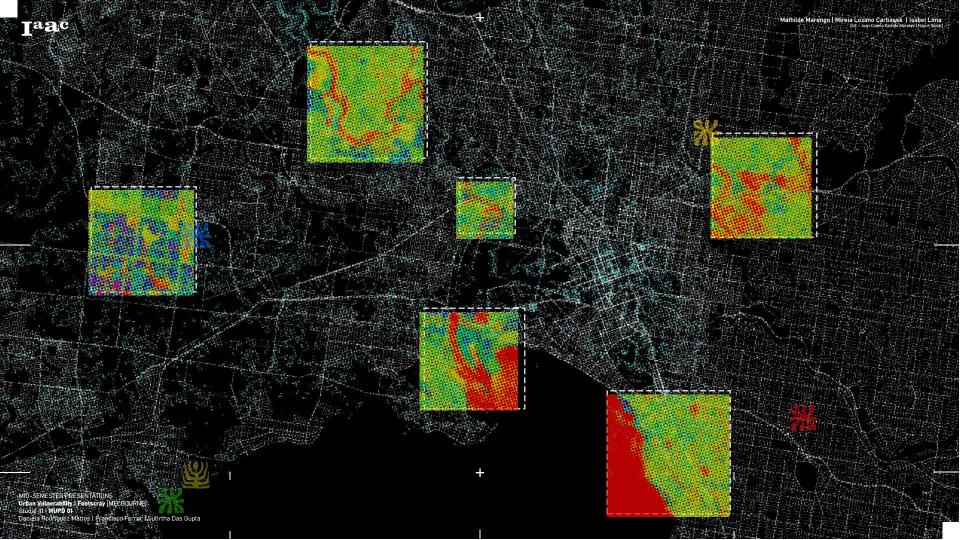
About This project investigates how colonial patterns of urban design in Footscray have historically shaped and continue to shape the experiences of mobility, vulnerability, and belonging among First Nations people. By tracing the spatial legacies of dispossession and infrastructural violence, the work critically maps how extractive logics have severed Indigenous connections to place. In response, … Read more

Reflecting on AI Risks in Urban Projects

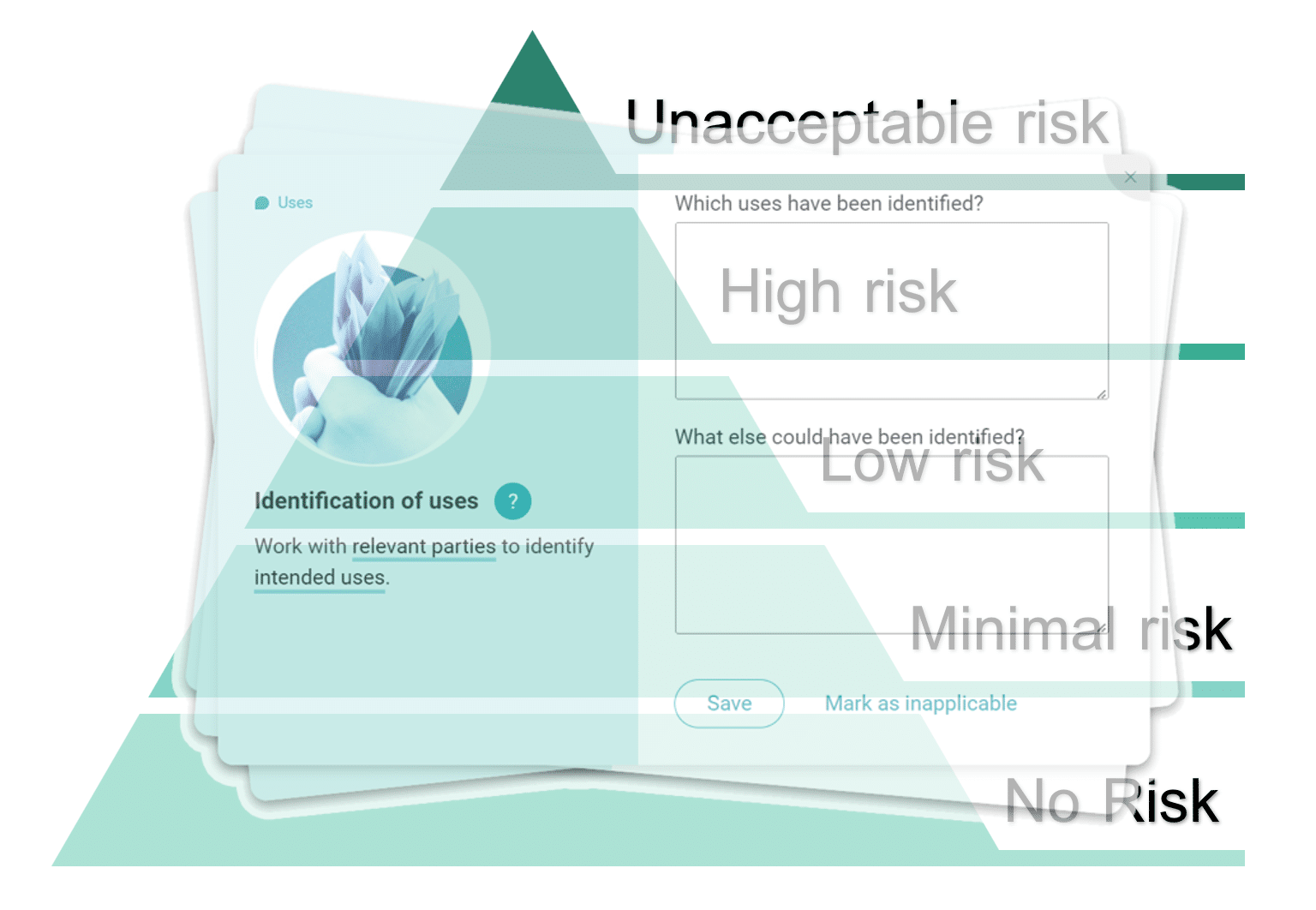
As part of the Responsible AI Hackathon, we explored how to critically assess the ethical and societal implications of artificial intelligence (AI) in urban projects. The workshop introduced tools and frameworks to help participants map, evaluate, and reflect on the risks associated with deploying AI systems in urban environments, emphasizing the importance of responsible and … Read more

Jakarta

Jakarta’s rapid urbanization has outpaced the development of equitable mobility infrastructure, exacerbating safety disparities, particularly for low-income women navigating the city at night. While formal policies fall short, informal transport networks like Angkot fill critical gaps, despite exposing riders to physical and psychological risks. This study explores how machine learning can be used to fill … Read more

Woman & Water in Rundu: a mobility justice framework

Ndama, the fastest-growing informal settlement in Rundu, Namibia, faces critical challenges in water accessibility shaped by gender, age, income, and spatial isolation. With women disproportionately responsible for water collection under unsafe and inequitable conditions, our study combines interviews and spatial data to map intersectional vulnerabilities. We developed an interactive tool that simulates real-world constraints—heat, crime, … Read more

From Afar: Informal Settlements in Chile

Governmental and NGO databases have played a key role in shaping our research, providing access to existing data and enabling us to connect it with other spatial platforms. Building on these foundations, our work expands the scope of vulnerability analysis by using satellite imagery to detect emerging informal settlements, while layering in additional environmental and … Read more

Investigating [Grain Farming] – Deforestation, and Political Conflict in the Amazon

“The Amazon rainforest, often called the ‘lungs of the Earth,’ is rapidly disappearing. But this isn’t just an environmental crisis—it’s a geopolitical and economic issue. In the heart of this transformation lies [Mato Grosso], Brazil’s largest soy-producing state. Its key location fuels both economic growth and ecological destruction, leading to tensions over land use, trade policies, and environmental governance.” … Read more