IAAC’s Master in City & Technology (1 or 2-year program) is a unique program oriented towards redefining the analysis, planning, and design of twenty-first-century cities and beyond. The program offers expertise in the design of digitally enhanced, ecological and human-centered urban environments by intersecting the disciplines of urbanism and data science. Taking place in Barcelona, the capital of urbanism, the Master in City & Technology is training the professionals that city administrations, governments, industries, and communities need, to transform the urban environment in the era of big data.


Filters
Course

Unmasking Digital Culture: Rethinking Progress, Equity, and Sustainability

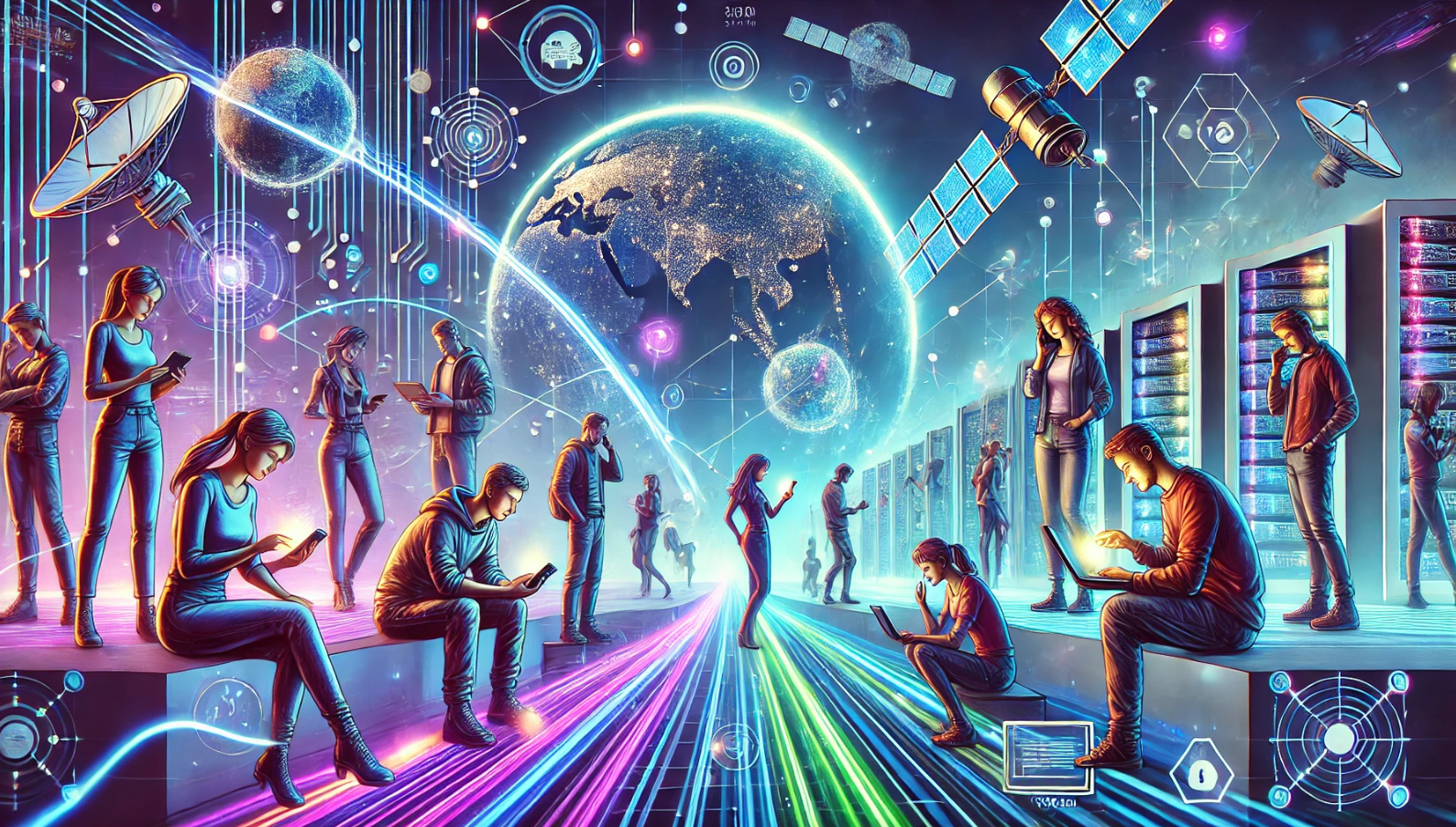
Accumulation: A Mirage of Progress Imagine a minimalist workspace—a pristine desk, a single laptop, a small plant to complete the tableau. It’s serene, efficient, and modern. Yet, behind this simplicity lies a sprawling network of data centers consuming vast amounts of energy, hidden from view. This duality invites a deeper reflection: is our pursuit of … Read more

The Gòtic Quarter: A Sustainable Economic Model or Not?

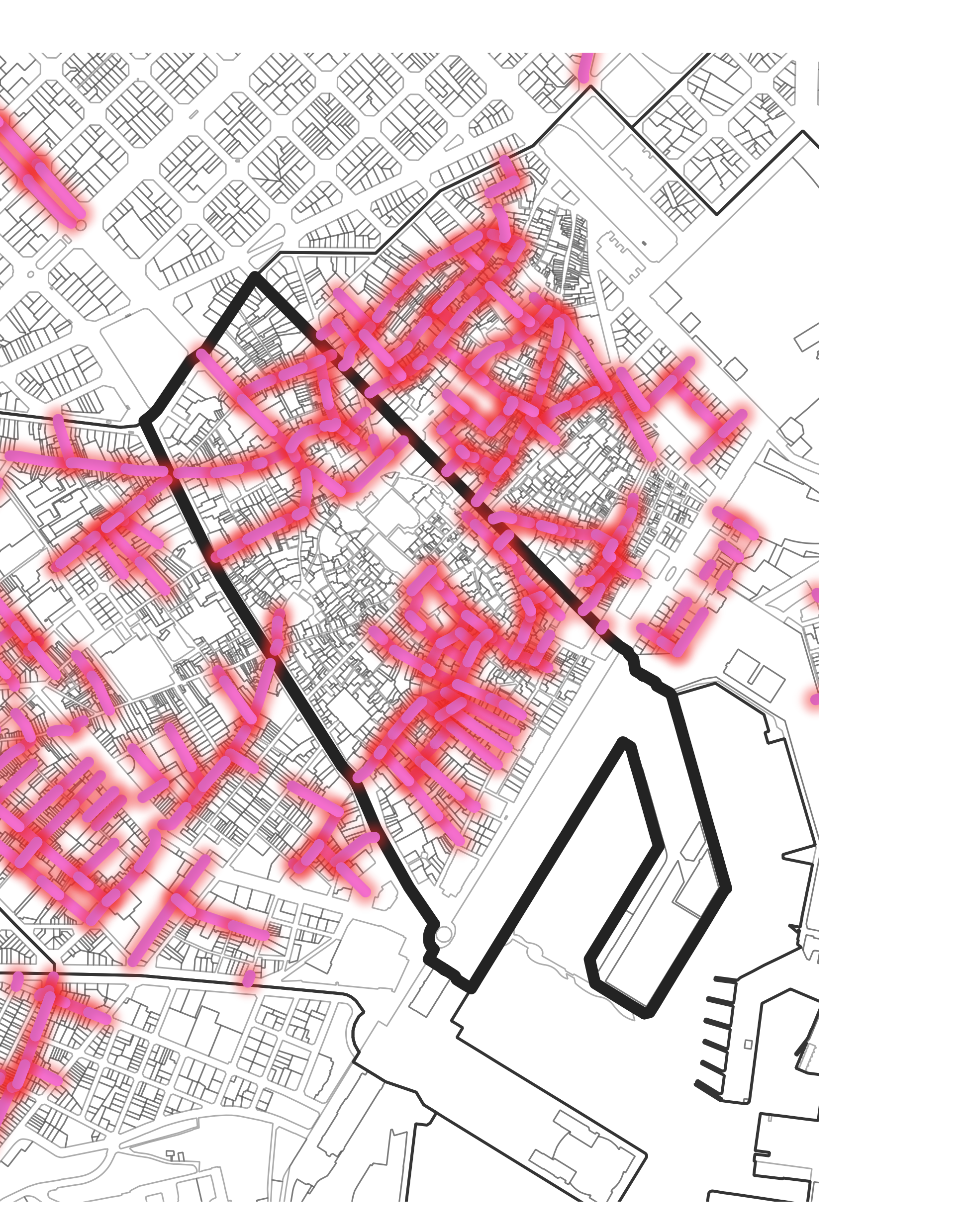
Located in the heart of Barcelona, where the history of the city began, the Gòtic Quarter is an iconic neighborhood, we sought to understand its complex dynamics and whether its economic model could truly be called sustainable. From Roman foundations to bustling contemporary streets, the Gòtic Quarter embodies a story of transformation. But behind its … Read more

Guidebook on Urban Degrowth

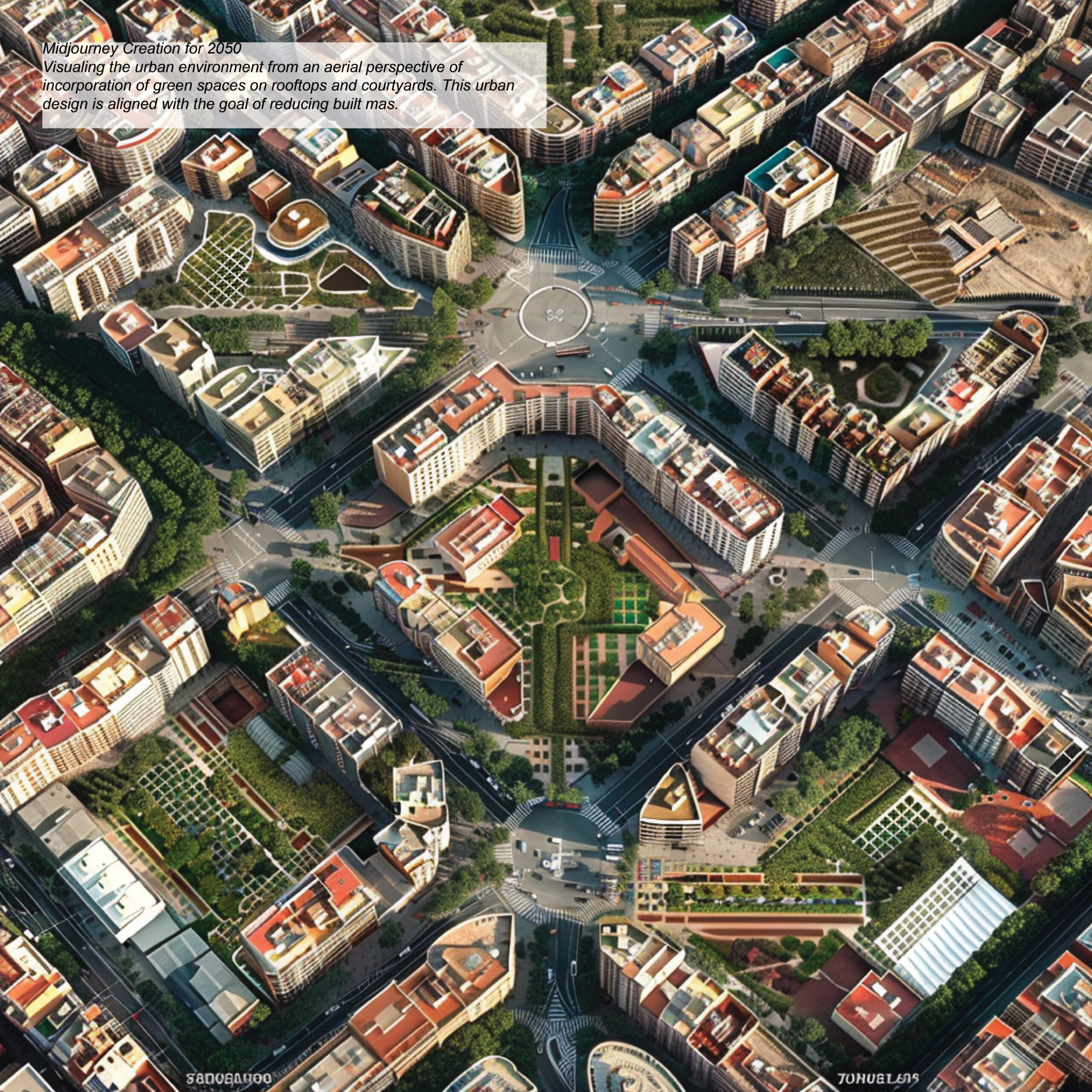
The Case of Tourism in Barcelona The “Guidebook on Urban Degrowth” explores applying degrowth principles in urban planning to promote social well-being and ecological equity in cities. This thesis develops guidelines to shift from high-consumption economic models to those that emphasize environmental balance and social equity. Focusing on Barcelona, it addresses the challenges of over-tourism, … Read more

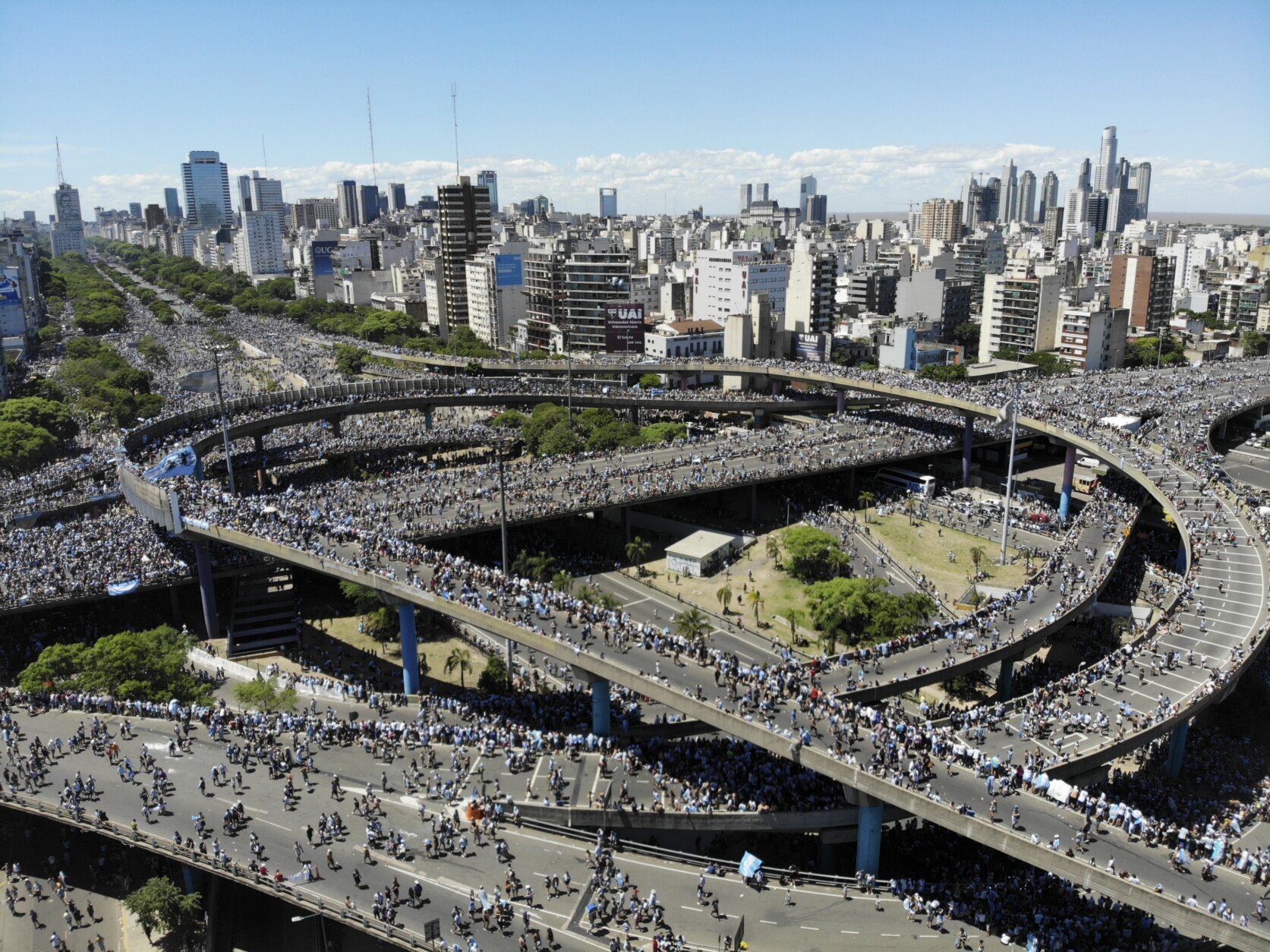
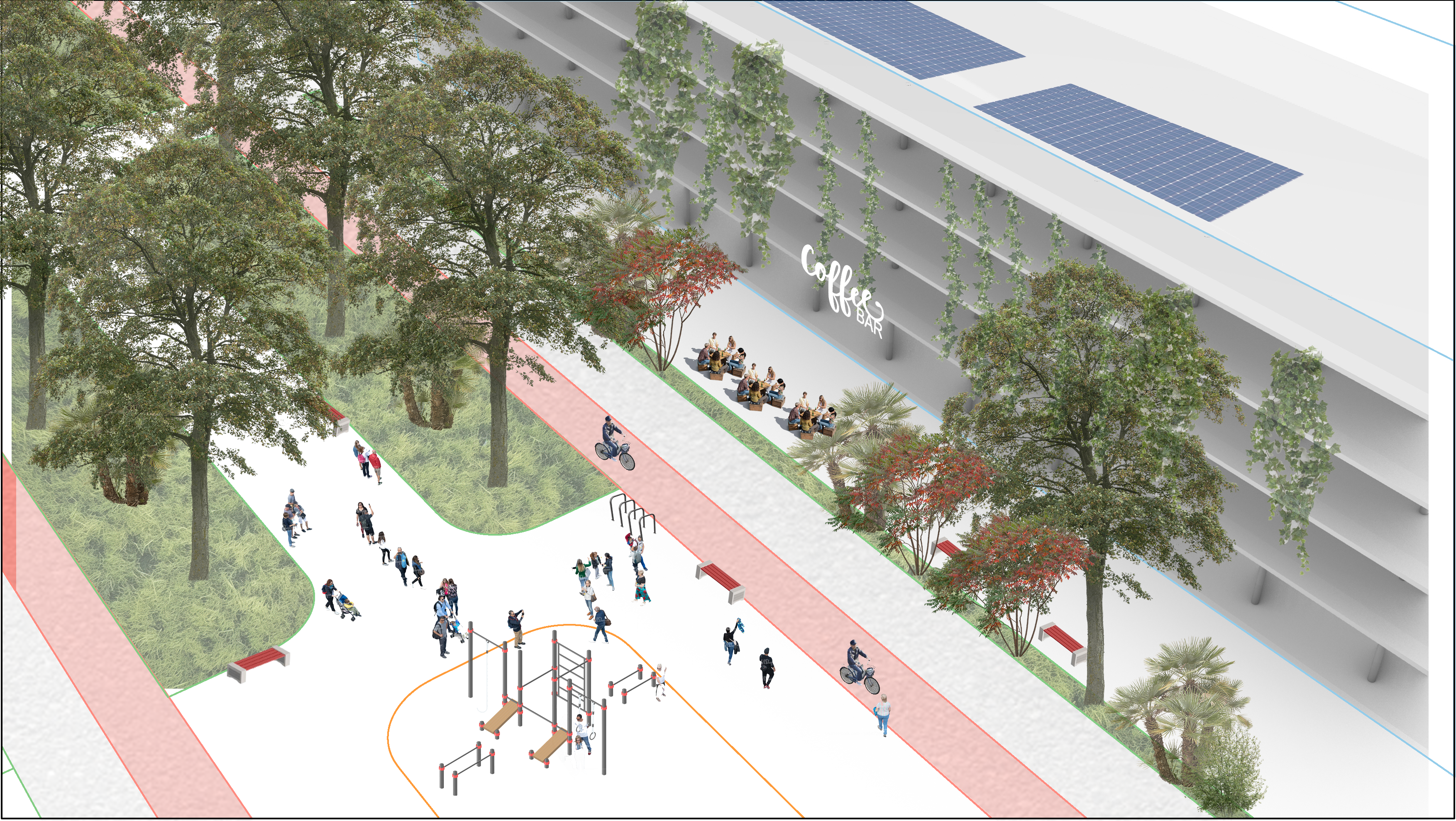
Reclaiming the motorway

The motorway was the symbol of progress during the modern age. The car was the central element of the American dream, and then expanded across the globe, transforming the way we live. Over the years, it has become clear that individual conventional cars are not only good for cities: urban motorways often create physical and … Read more

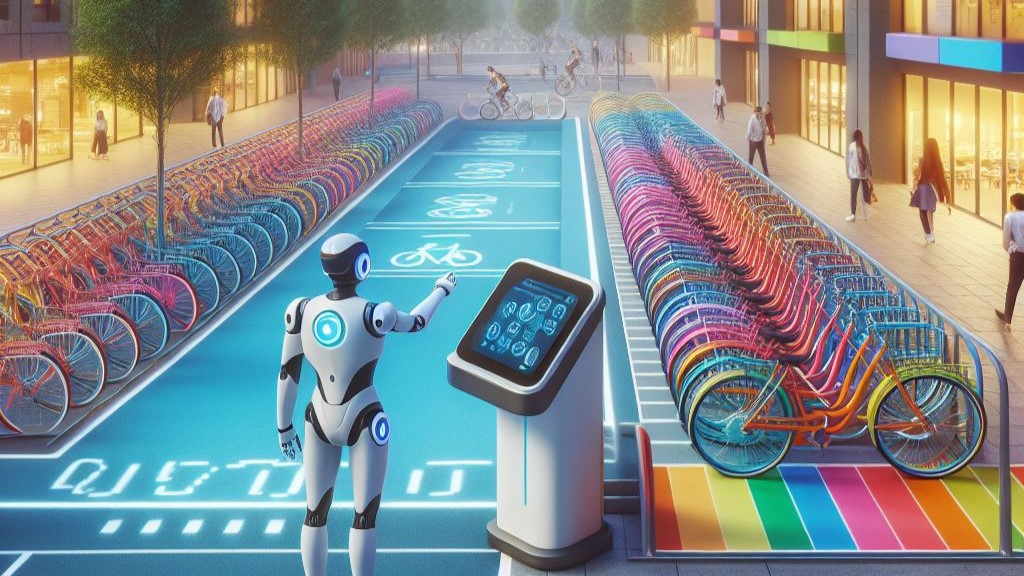
Predicting Biking Station Vacancy in Barcelona

Introduction Urban transportation planning relies on data science to explain the conditions driving mobility patterns. This exploration of bicing, Barcelona’s resident bike rental program, analyzes the actors impacting discrepancies in bicing data to select machine-learning strategies able to predict biking station vacancies across Barcelona for the year 2024 with an accuracy of 0.02387. With this … Read more

Places to stay

Viladecans greeted us with an unexpected tranquility. We arrived to the city on the commuter train from Barcelona, opposing the flow of morning commuters. The station was empty. A single street, lined with abandoned plots and industrial sheds led us up the hill into the town. A few hundred metres later the scene couldn’t be … Read more

Tracking Cross-Border Monetary Flows to measure Geopolitical Insecurity

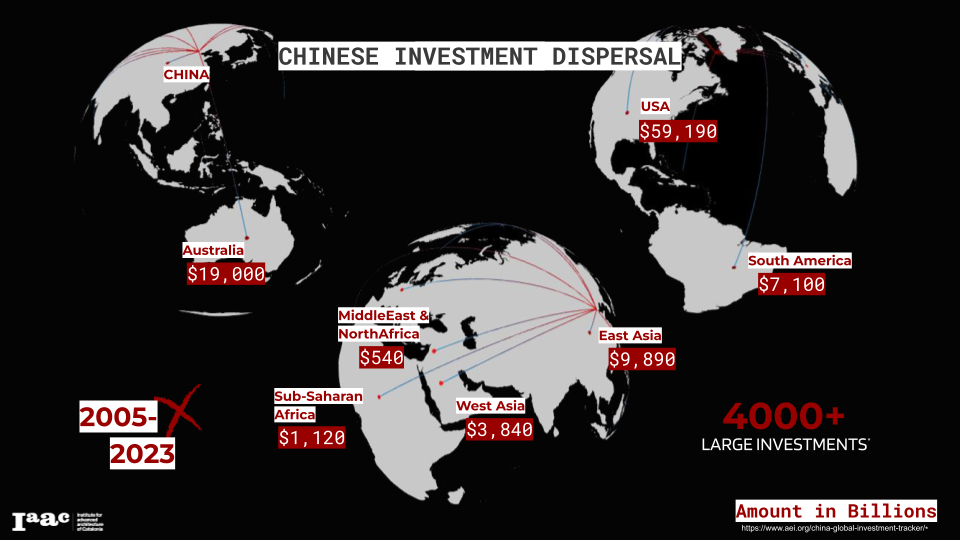
Creating a streamlined pipeline to visualize and extrapolate financial data enabling a correlation with spatial geo-specific information. The World and all countries alike have been increasingly more susceptible to events and developments in the geo-political theatre. It is not surprising that the world’s top two economic and military superpowers play a pivotal role in this … Read more

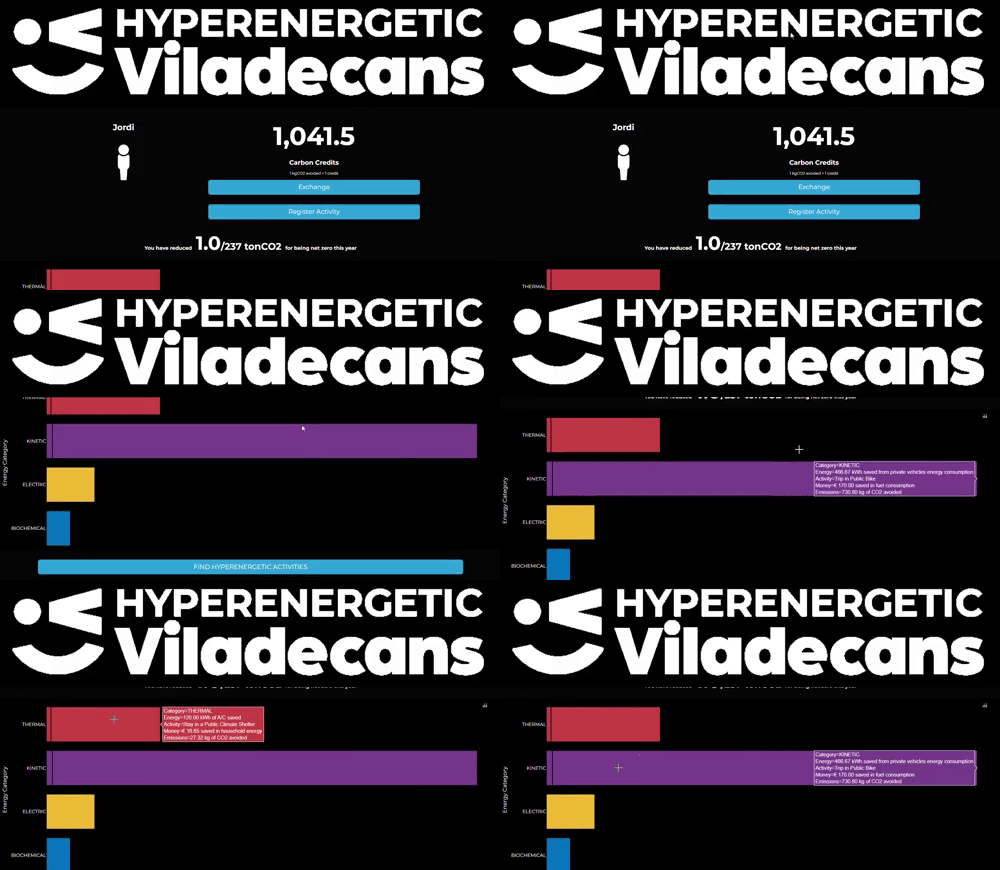
Hyperenergetic Viladecans

By 2100, the global temperature is forecasted to increase from 2 to 4 degrees Celsius due the effects of Greenhouse Gases Emissions and Human Activities. The City of Viladecans has developed a Vision by 2030 which expects the city to become EMISSIONS NEUTRAL, and EMISSIONS NEGATIVE by 2050. For approaching this goal, HYPENERGETIC VILADECANS establishes … Read more