IAAC’s Master in City & Technology (1 or 2-year program) is a unique program oriented towards redefining the analysis, planning, and design of twenty-first-century cities and beyond. The program offers expertise in the design of digitally enhanced, ecological and human-centered urban environments by intersecting the disciplines of urbanism and data science. Taking place in Barcelona, the capital of urbanism, the Master in City & Technology is training the professionals that city administrations, governments, industries, and communities need, to transform the urban environment in the era of big data.


Filters
Course

Unveiling the Great Innovation Barrier: Leaders and Followers in the EU

In the dynamic landscape of global innovation, understanding the intricacies of what drives or hinders progress is crucial. This post dives deeper into the innovation data concerning EU countries, aiming to decipher it visually for clearer insights. Leveraging the Global Innovation Index 2022, which assigns each nation an innovation score, this project set out to … Read more

Art on air

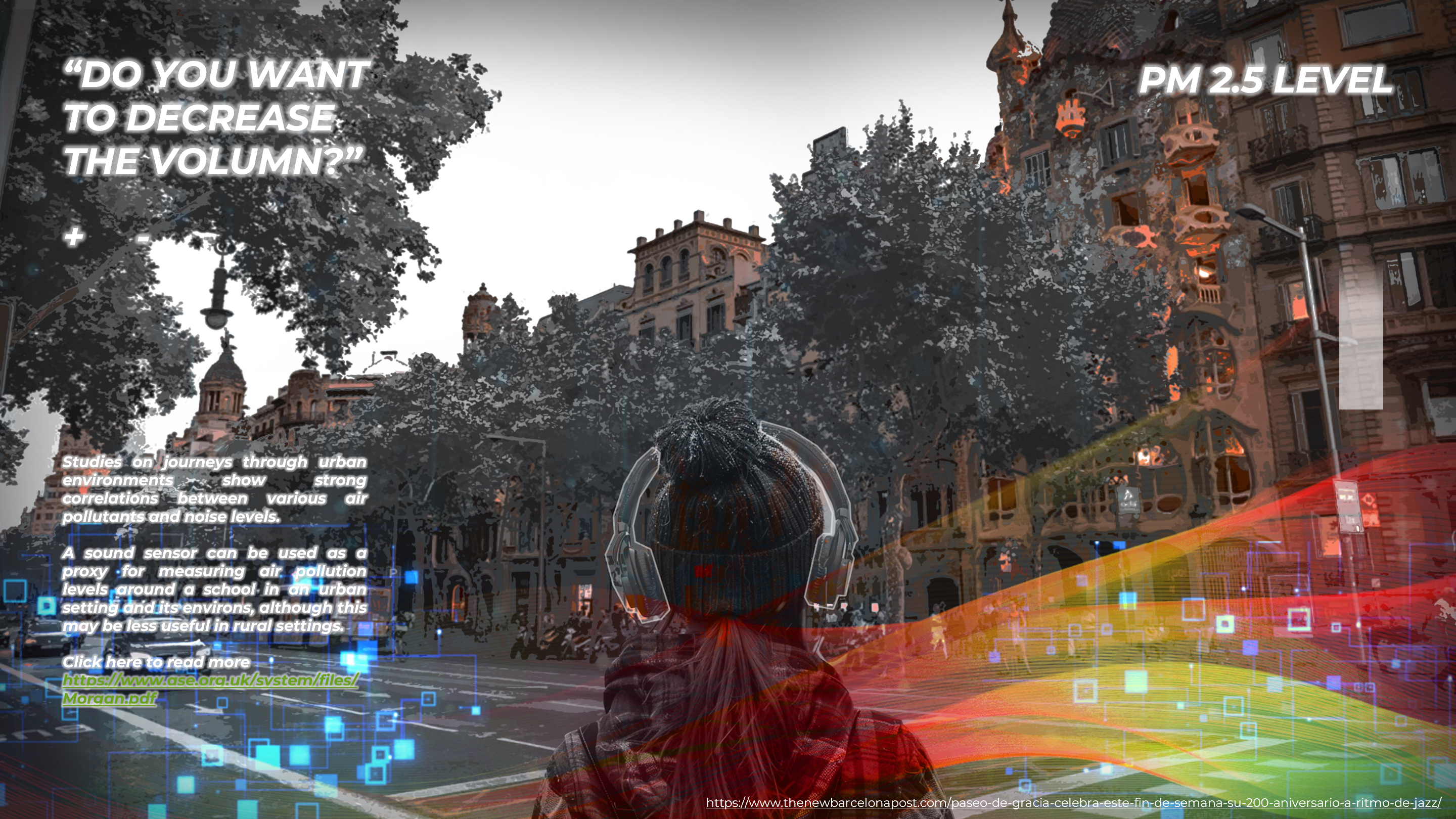
Introduction Air quality is a problem in many cities around the world, yet it remains largely invisible to the naked eye. This reality struck us deeply when the four of us, having lived in Barcelona, Lagos, Bangkok, and Medellin – our four cities of origin – came together. Amidst our diverse backgrounds and experiences, we … Read more

The Future of Public Art

In the ever-evolving field of urban development, “The Future of Public Art” sets out to be a project that reimagines the role and impact of art in public spaces. At its core, the project seeks to quantify the value of public art through a systematic approach, anchored in three fundamental pillars: democracy, contextuality, and insightfulness. … Read more

Coltura

Introduction Milan, Northern Italy’s epicenter, confronts economic and environmental challenges rooted in a shift from agriculture to manufacturing. To secure its future, Milan invests in knowledge, tourism, and place-based innovation, relying on revenue from high-income foreigners, students, and the European Union. Strategic efforts to transition to a green economy focus on renewable energy, waste reduction, … Read more

Towards a multi-performative soil

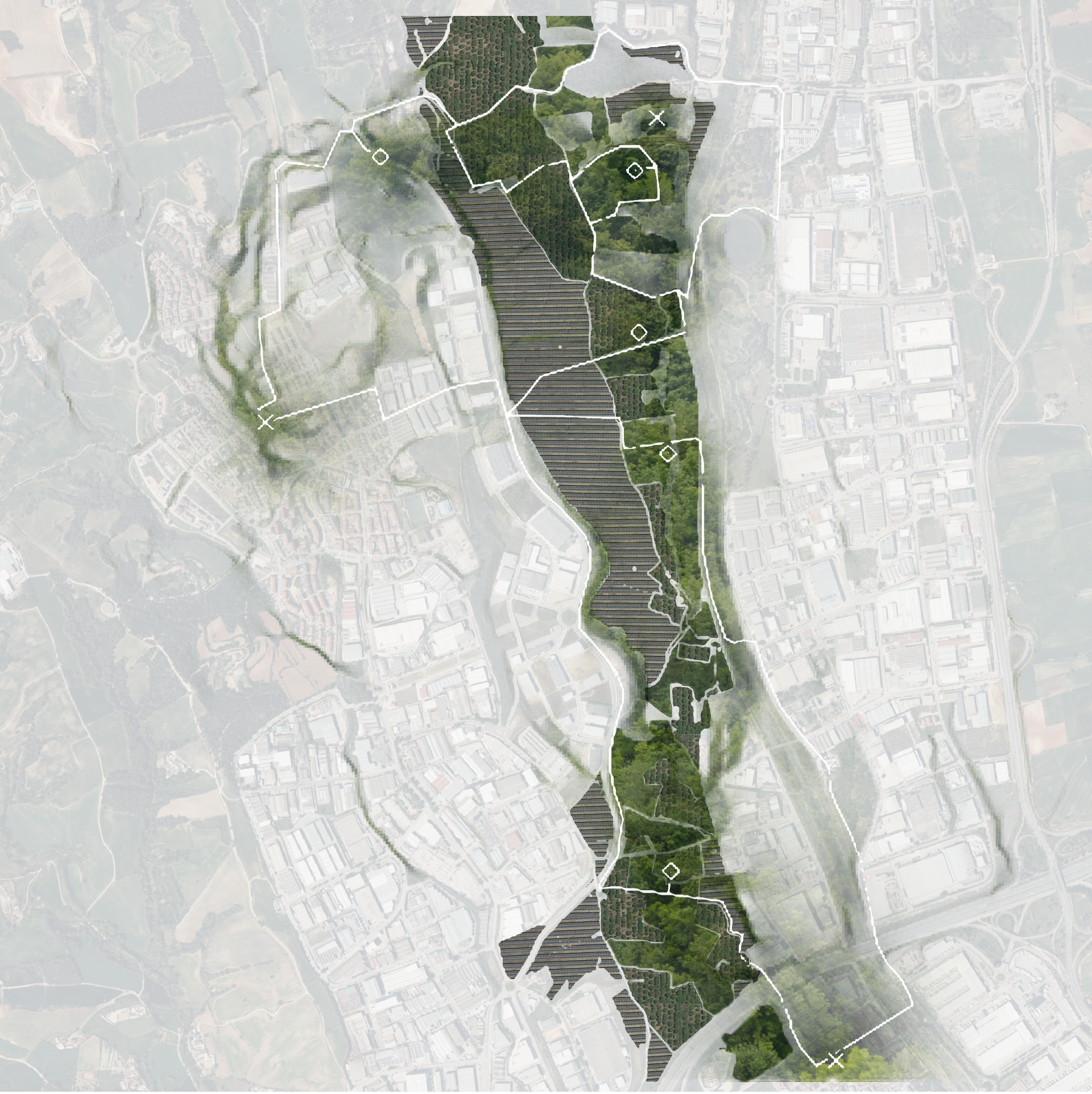
Introduction The contemporary postcard city of Barcelona is supported by a world wide web of hidden urbanization. One of the closest and most prominent hidden pieces of urbanization of Barcelona is found in the Besós Valley. When going on site, we encountered a fragmented urban landscape of logistical infrastructure, urban wasteland, scattered agriculture and haphazard … Read more

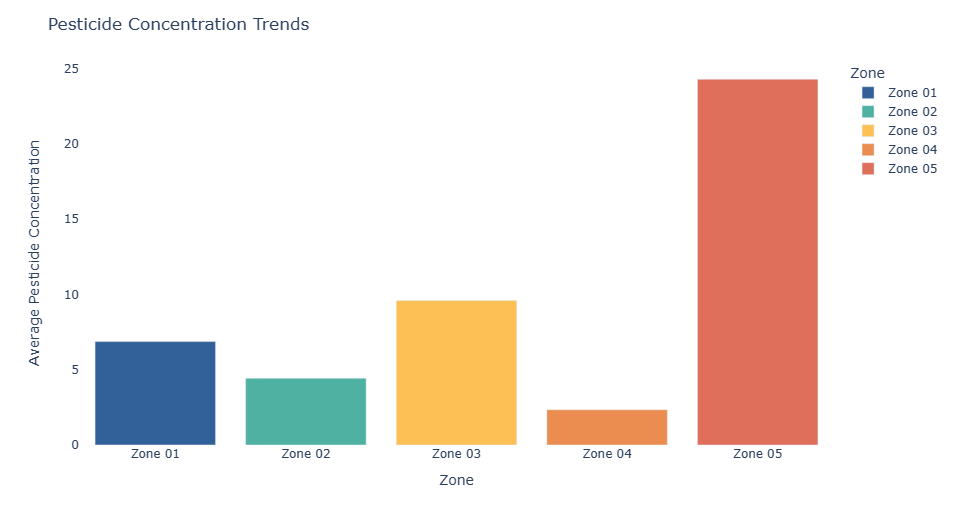
Annual and Cumulative Analysis of Pesticide Concentration in Multiple Locations: Understanding Trends and Patterns

Introduction: Understanding the presence and distribution of pollutants like pesticides is crucial. In this blog post, I’ll delve into a Python-based analysis exploring pesticide concentration trends across diverse locations. I’ll use Python’s data analysis libraries to decipher annual trends and gain an overarching understanding of pesticide presence. Interpretation and Conclusion: My Python-based analysis shed light … Read more

Coding Nature

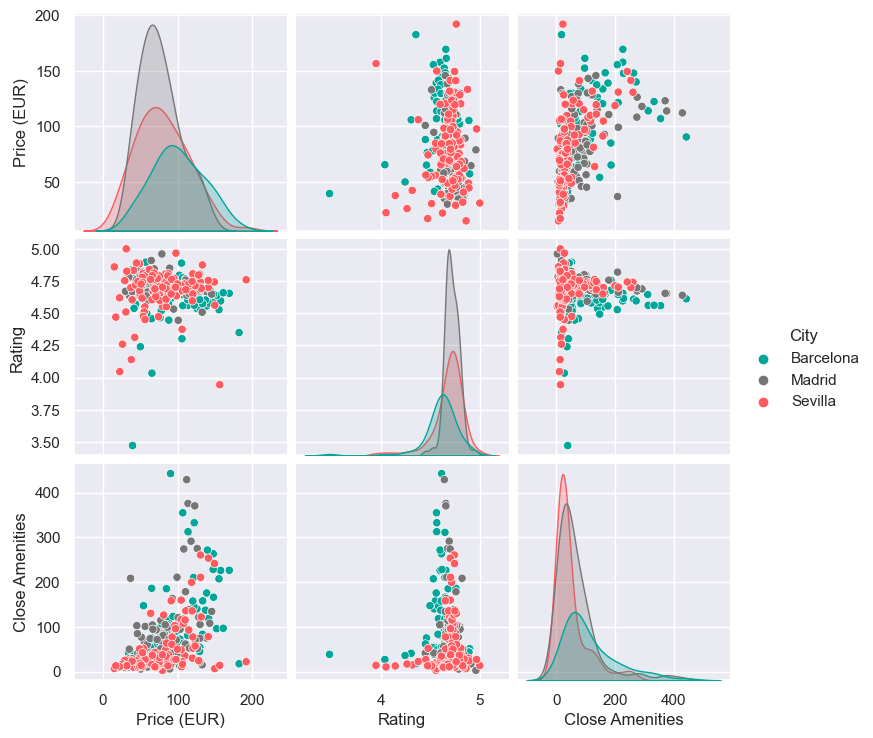
Investigating the Impact of Open Green Spaces on Airbnb Rates with Python 1. Introduction The industry of tourism in Barcelona has seen a major hike in the past couple years. Post-covid Barcelona has also become an educational hub for students from across the globe. The increase in Inflow of people has also made platform urbanism … Read more

The CourtForge

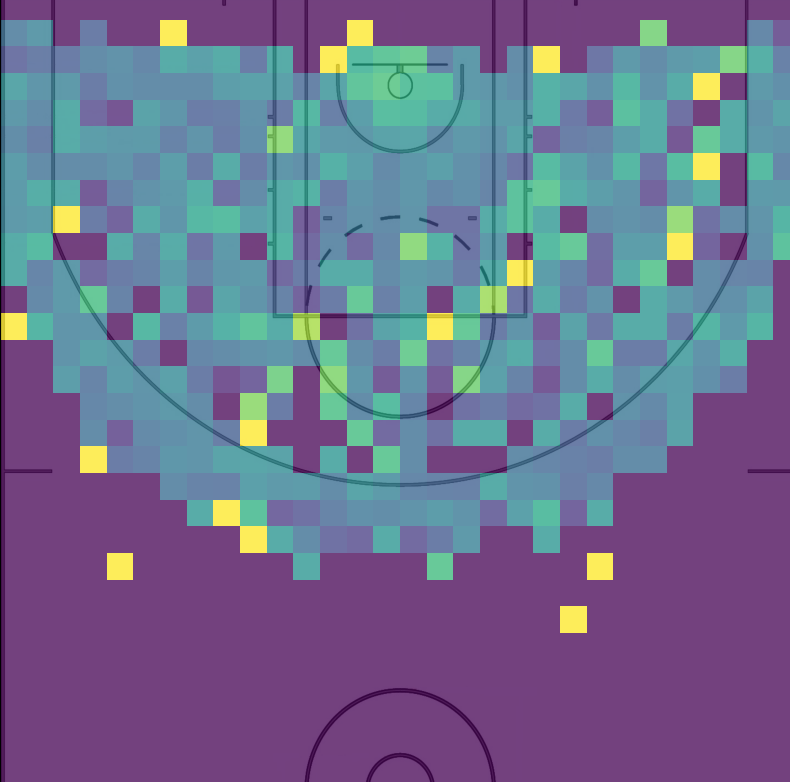
Enlarging the great… Emanuel Ginobili is one of the most -if not the most- accomplished Argentinian basketball players. During his 16 season basketball career in the NBA, that went on from 2002 to 2018, he won 4 championships as one of the San Antonio Spurs “Big Three”, was named an All-Star twice, was selected for … Read more

Visualizing GeoSpatial Data in Python – Going from Csv to Graph

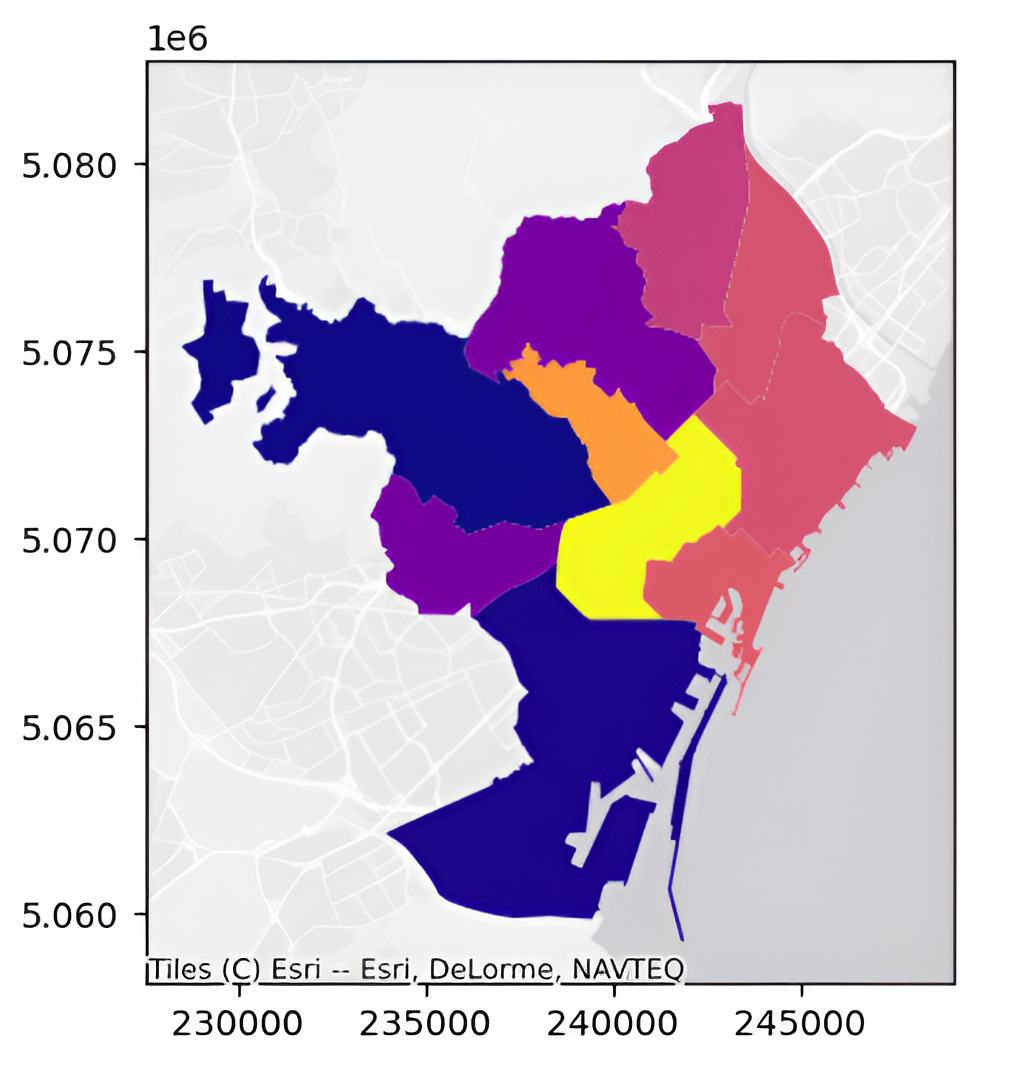
Visualizing dataframes using Geopandas and Plotly in Python introduction Python is a versatile and easy-to-learn programming language. GeoPandas extends the data manipulation capabilities of pandas to spatial data, providing a familiar and convenient environment for working with both tabular and geographical data. GeoPandas makes it easy to load, explore, and analyze geographical data. You can … Read more

Data Visualisation using Python

Introduction In today’s data-driven world, the ability to visualize data effectively is a key skill. This blog post introduces the fundamentals of data visualization using Python, a powerhouse in the data science toolkit. We’ll explore essential libraries like GeoPandas, Plotly and Contextily, guiding you through the process of transforming raw data into insightful, visually appealing … Read more

SWIFT

“Your new ally in Public Transportation” – Problem – Today, urban commuters who rely on public transportation are faced with four principal challenges: – Solution – A multi[modal-city] transport application that enhances passenger’s experience and improves public transport system’s efficiency across different cities, at the country level. – Why now? – The covid-19 pandemic has … Read more

FloodZone Analytics

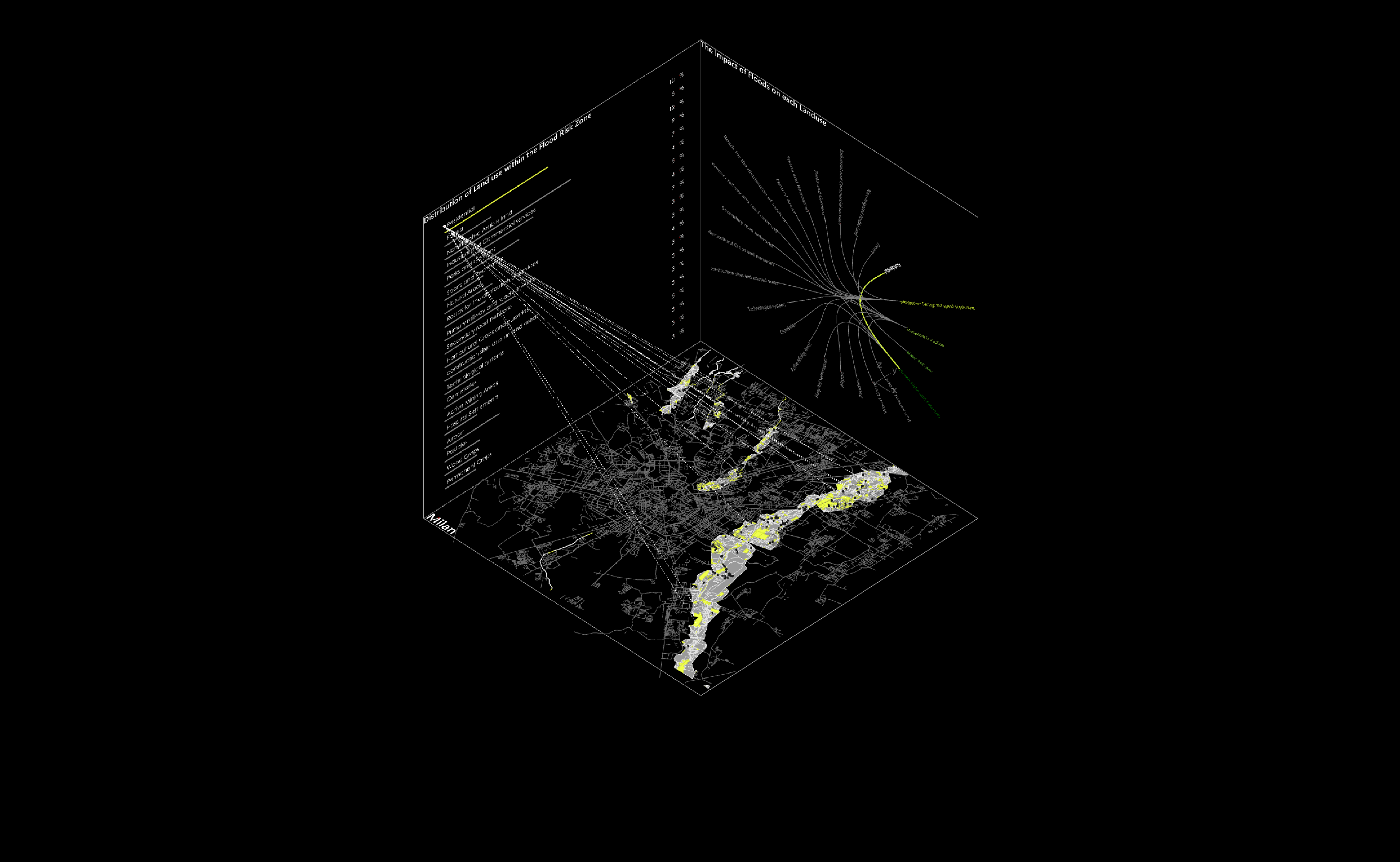
Introduction Water-related disasters, such as floods and droughts, have become increasingly frequent and severe due to climate change, representing significant global challenges. Urbanization and land use changes are contributing factors, with settlements in high flood-risk areas growing. In studying Milan and the Lambro river basin in Northern Italy, we observe increasing frequencies of floods, highlighting … Read more