IAAC’s Master in City & Technology (1 or 2-year program) is a unique program oriented towards redefining the analysis, planning, and design of twenty-first-century cities and beyond. The program offers expertise in the design of digitally enhanced, ecological and human-centered urban environments by intersecting the disciplines of urbanism and data science. Taking place in Barcelona, the capital of urbanism, the Master in City & Technology is training the professionals that city administrations, governments, industries, and communities need, to transform the urban environment in the era of big data.


Filters
Course

45 Years of Piracy: Strengthening Global Maritime Security through Non-Military Approaches
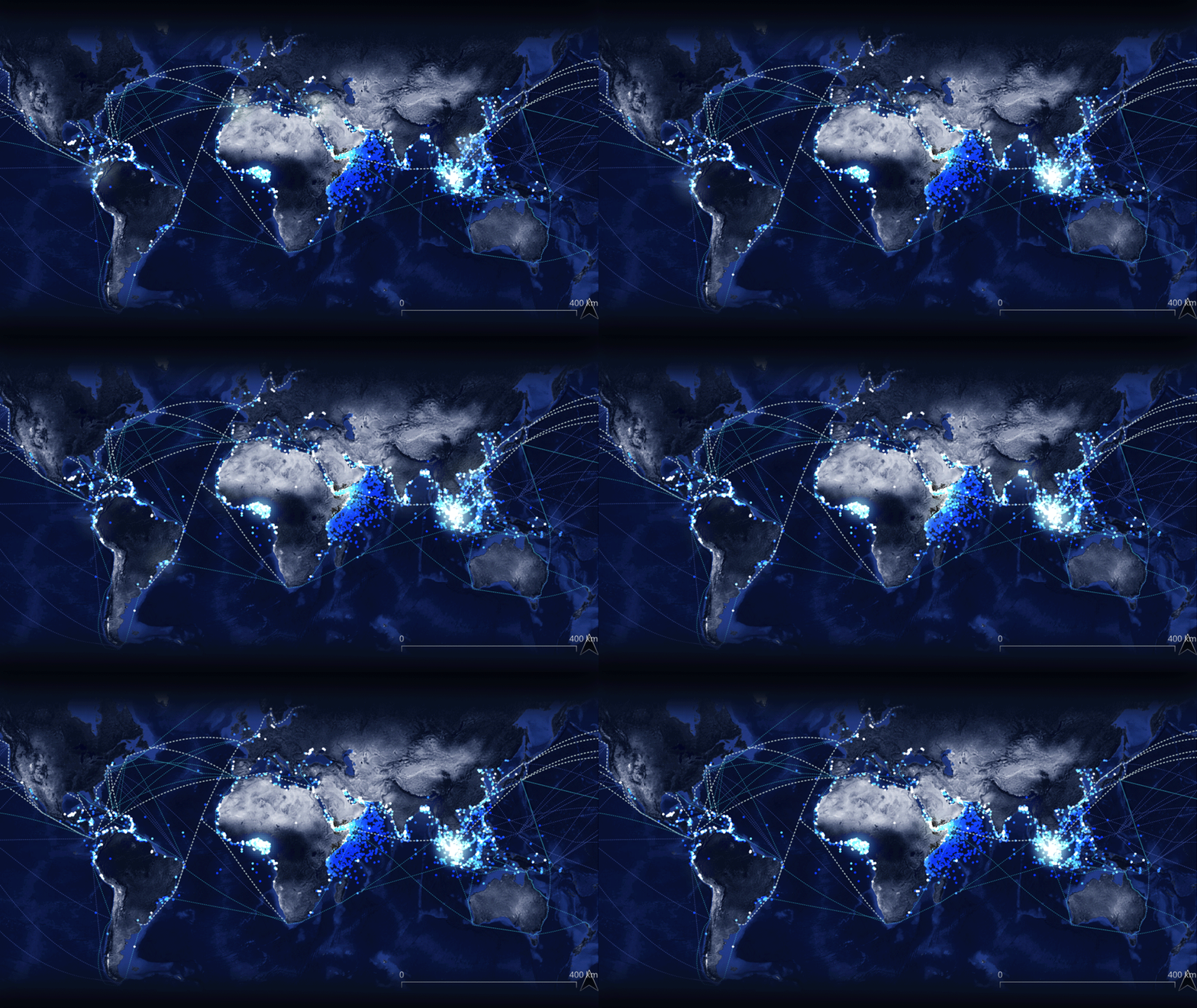
Our project embarked on a mission to tackle global shipping piracy without resorting to military action. We faced a major challenge: finding and using publicly available information to craft a proposal that countries and international organizations would support. 1. WHY SHIPPING PIRACY? Within the context of Networked Flows, our directive was to pinpoint potential disruptions … Read more

WILDLIFE PATHWAYS

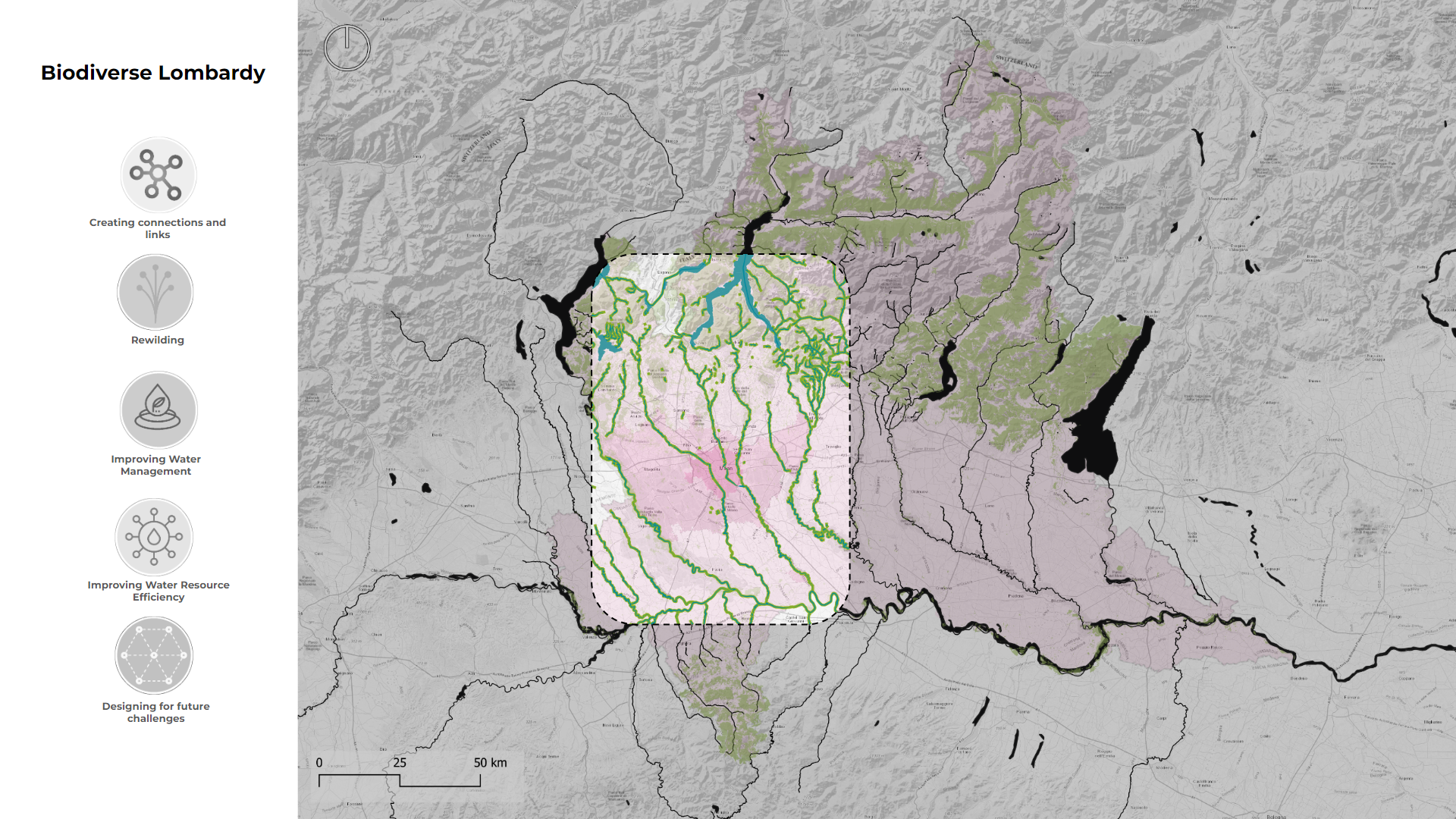
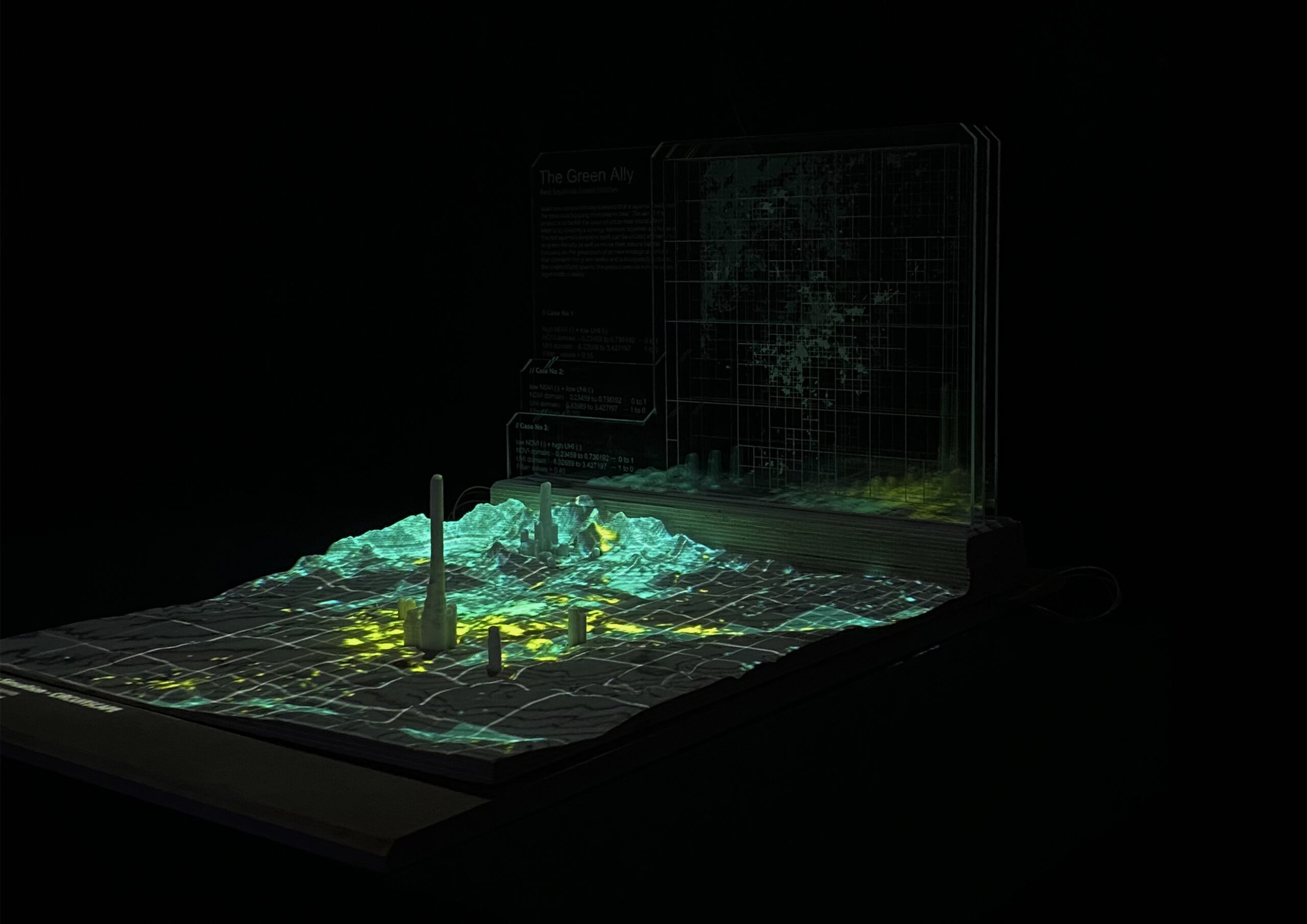
The “WILDLIFE PATHWAYS” is based on the “GREEN ALLY” project, that was developed at IAAC in the framework of the Master in City & Technology program, during the Internet of Cities Studio directed by Mathilde Marengo, Eduardo Rico, and Iacopo Neri. It provides a data informed approach that helps to integrate ecological needs within the … Read more

Unveiling the Great Innovation Barrier: Leaders and Followers in the EU

In the dynamic landscape of global innovation, understanding the intricacies of what drives or hinders progress is crucial. This post dives deeper into the innovation data concerning EU countries, aiming to decipher it visually for clearer insights. Leveraging the Global Innovation Index 2022, which assigns each nation an innovation score, this project set out to … Read more

‘Gotta Catch ’em All’

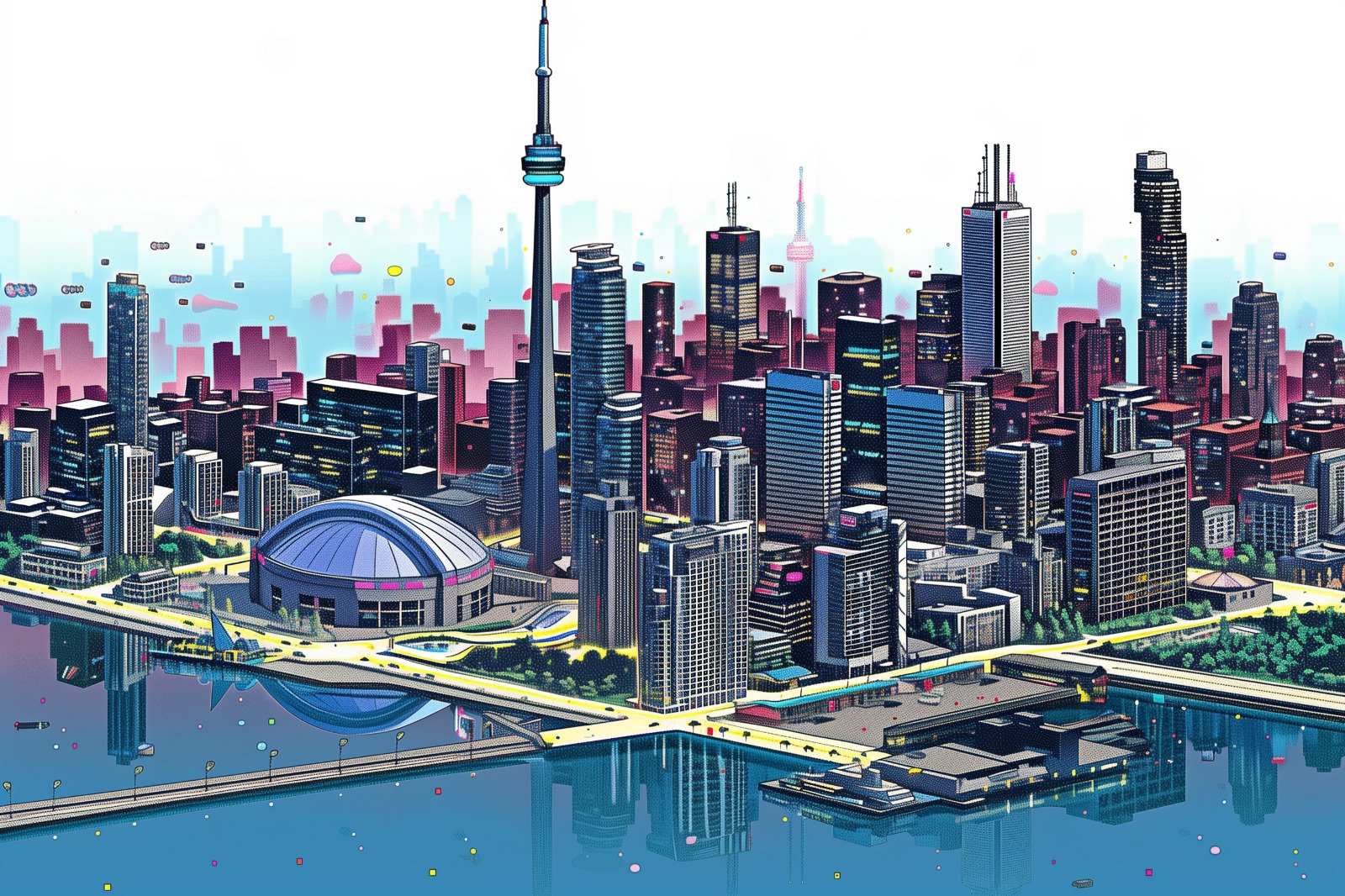
Co-design & Experience Platform for Public Art as part of Data, Art and the City (5-day workshop led by Leyla Saadi) Adapted from Pokemon-Go, we propose the development of a place-based app that pops the City of Toronto’s public art scene, drives interest and support for local public art and artists, and co-designs future public … Read more

The Future of Public Art

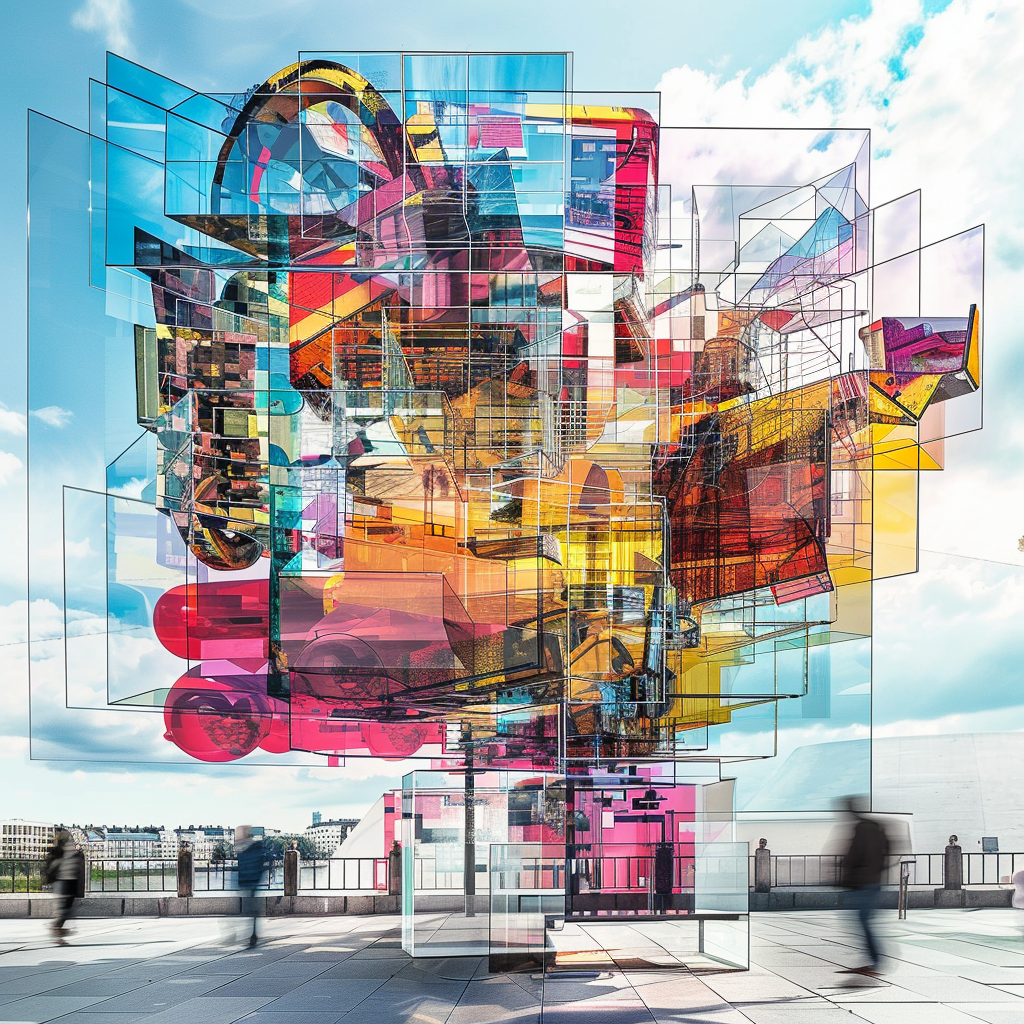
In the ever-evolving field of urban development, “The Future of Public Art” sets out to be a project that reimagines the role and impact of art in public spaces. At its core, the project seeks to quantify the value of public art through a systematic approach, anchored in three fundamental pillars: democracy, contextuality, and insightfulness. … Read more

The Arteries of Lombardy

Introduction In the past centuries, Milan used to be perceived as a water-city, with an economy propelled by canals that extended throughout it. However, as the city evolved, those waterways were gradually buried beneath roads, and the aquatic arteries that once defined Milan are now relegated to the periphery of the urban fabric. This covering … Read more

Coltura

Introduction Milan, Northern Italy’s epicenter, confronts economic and environmental challenges rooted in a shift from agriculture to manufacturing. To secure its future, Milan invests in knowledge, tourism, and place-based innovation, relying on revenue from high-income foreigners, students, and the European Union. Strategic efforts to transition to a green economy focus on renewable energy, waste reduction, … Read more

From Pollution To Pollination

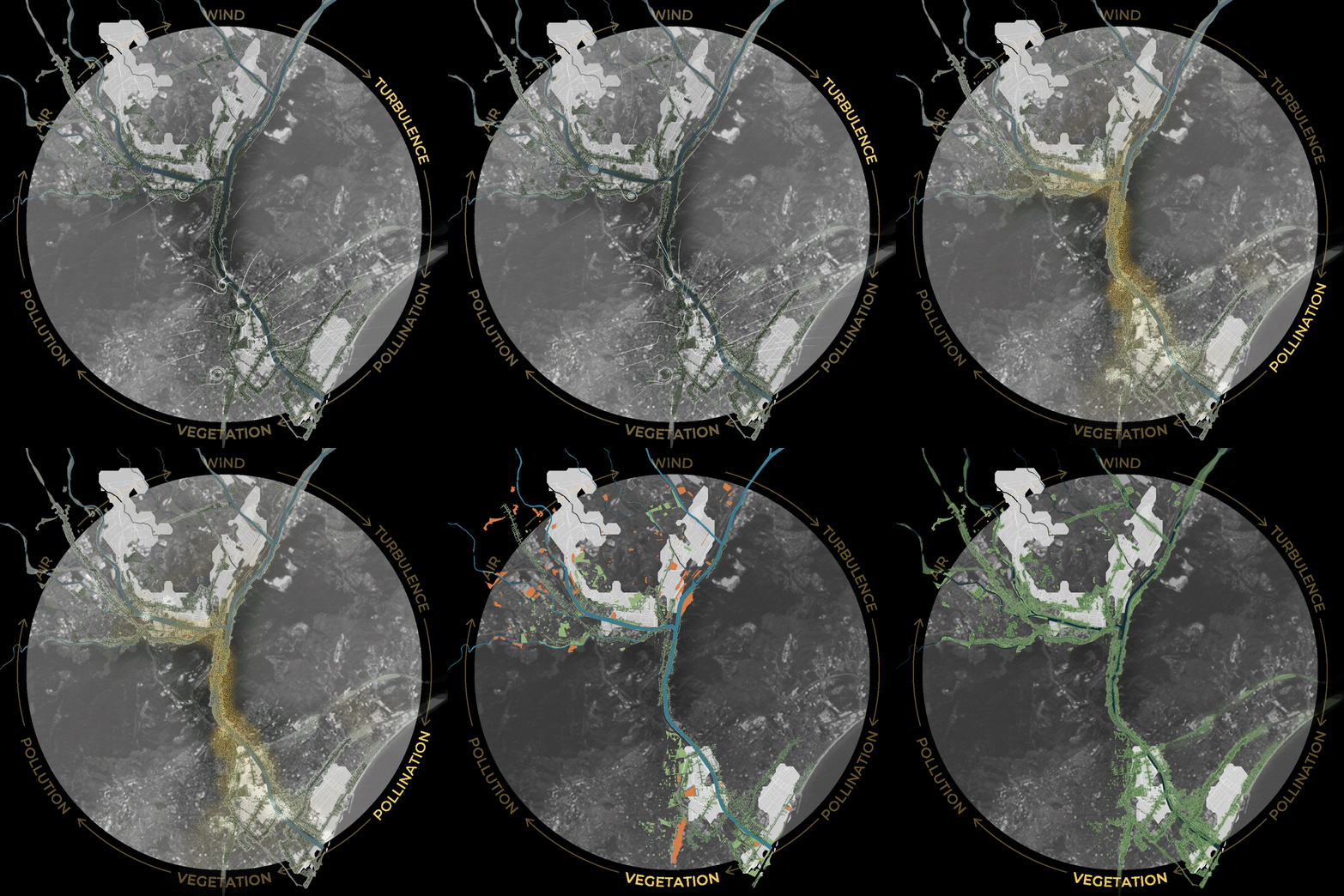
1. Introduction Urban air quality is a pressing concern,  being the result of both natural elements and human-induced pollutants. The city of Barcelona grapples with local pollutants like NOx and PM10, primarily  caused by ground transport and industrial activities. While current policies focus on mobility solutions, the project questions the need for complementary approaches. The … Read more

Towards a multi-performative soil

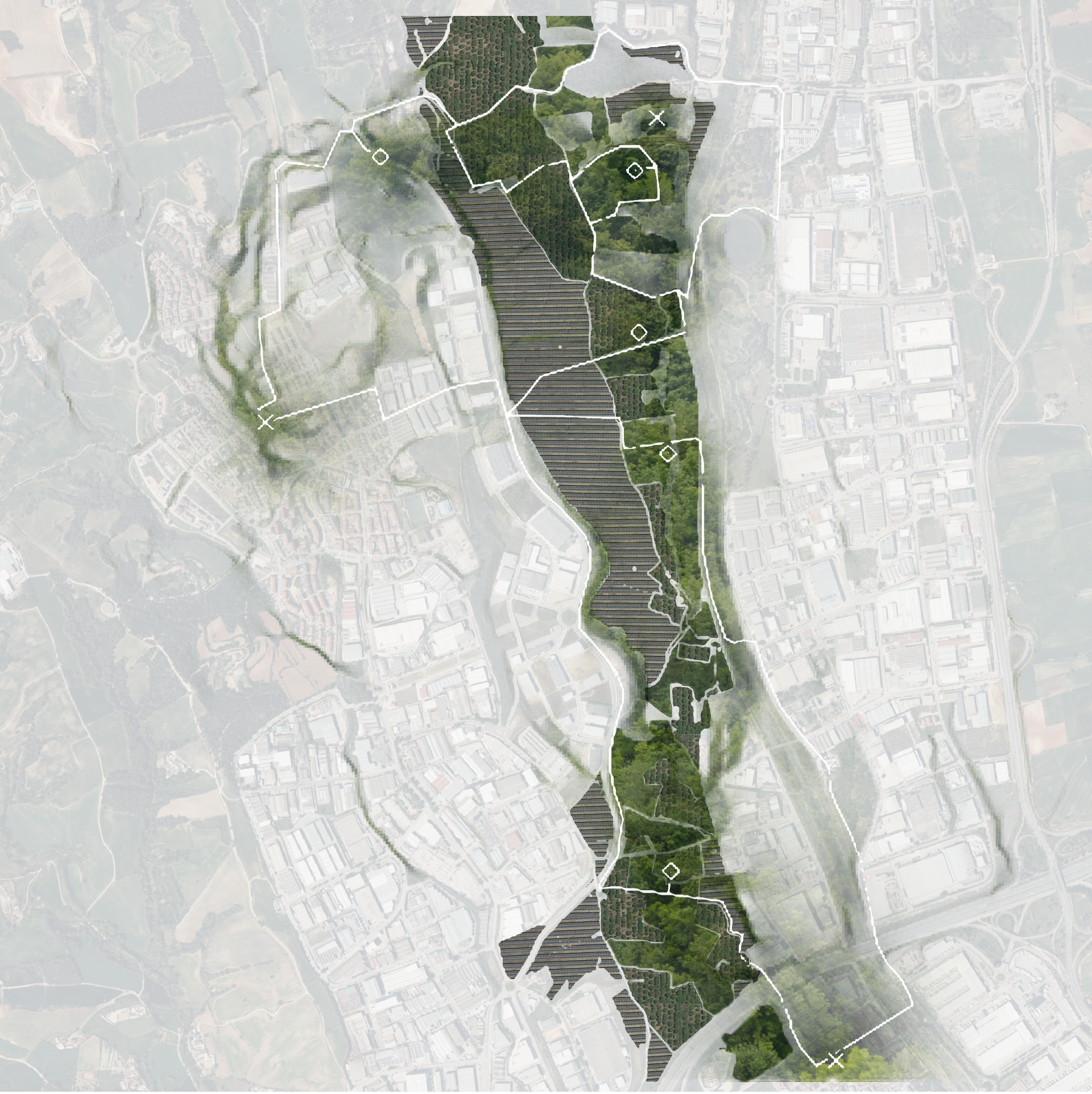
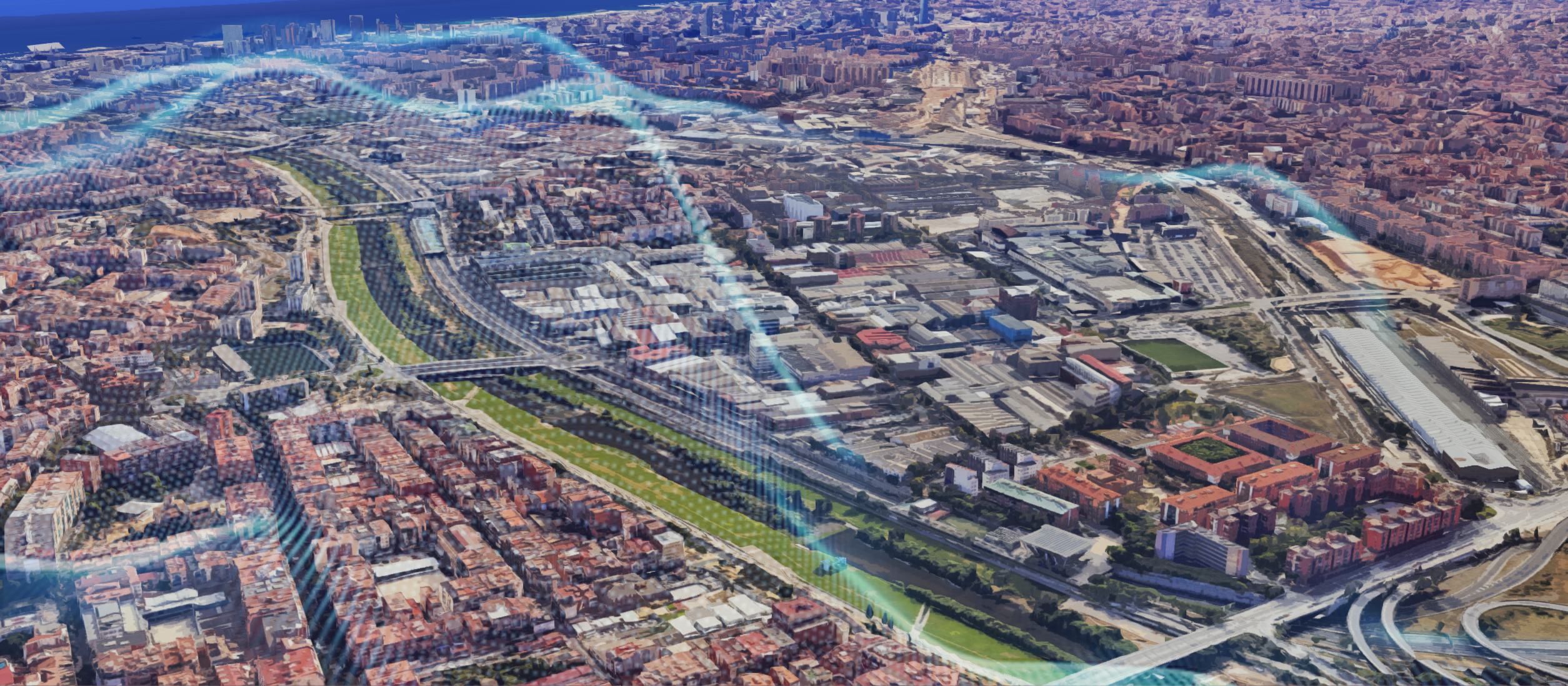
Introduction The contemporary postcard city of Barcelona is supported by a world wide web of hidden urbanization. One of the closest and most prominent hidden pieces of urbanization of Barcelona is found in the Besós Valley. When going on site, we encountered a fragmented urban landscape of logistical infrastructure, urban wasteland, scattered agriculture and haphazard … Read more

GreenScape – Milan

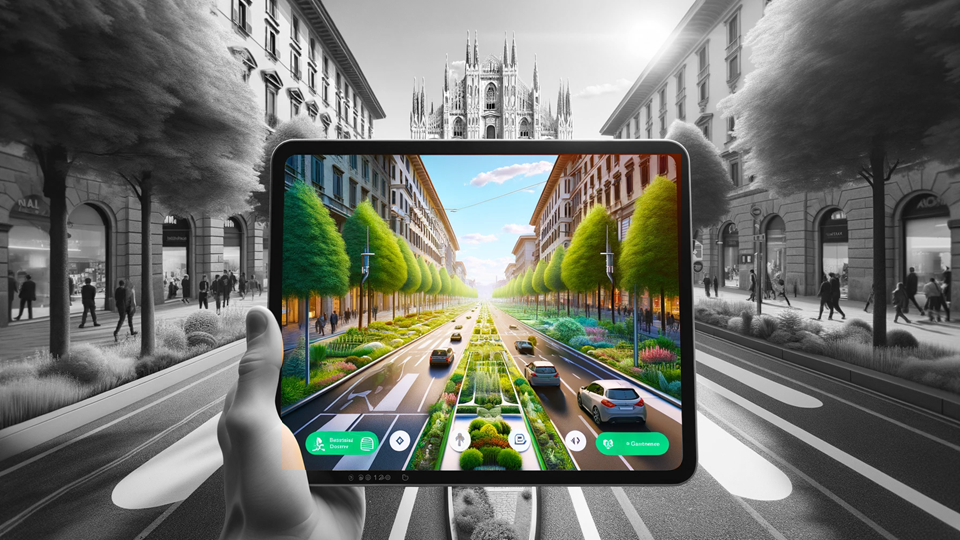
Introduction Known for its fashion, history, and culture, Milan also faces a pressing environmental issue: it stands as one of the most polluted cities in the World. The challenge of mitigating air pollution in Milan is complex, as it is shaped by a mix of geographical, meteorological, socio-economic, and cultural factors. From the city’s dense … Read more

Trencadís

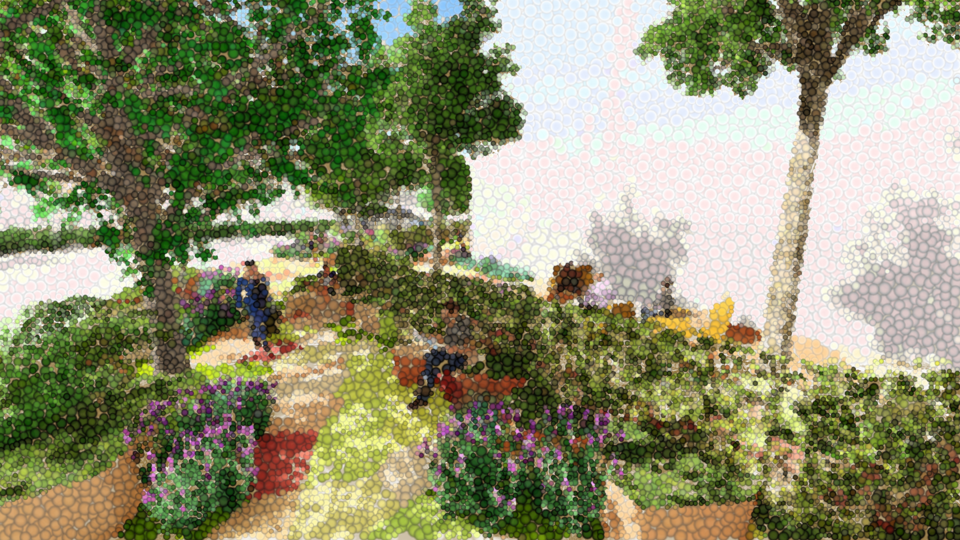
Abstract Trencadís transforms a transitory sidewalk to resident alcoves through the implementation of trencadís, a dynamic mosaic art form that responds to the distinctive needs and material preferences of its creators. The design approach is centered on understanding and reacting to resident preferences to resolve site challenges. Non-descript materiality is replaced with a parametric, pervious … Read more