IAAC’s Master in City & Technology (1 or 2-year program) is a unique program oriented towards redefining the analysis, planning, and design of twenty-first-century cities and beyond. The program offers expertise in the design of digitally enhanced, ecological and human-centered urban environments by intersecting the disciplines of urbanism and data science. Taking place in Barcelona, the capital of urbanism, the Master in City & Technology is training the professionals that city administrations, governments, industries, and communities need, to transform the urban environment in the era of big data.


Filters
Course

Data-Driven Rides

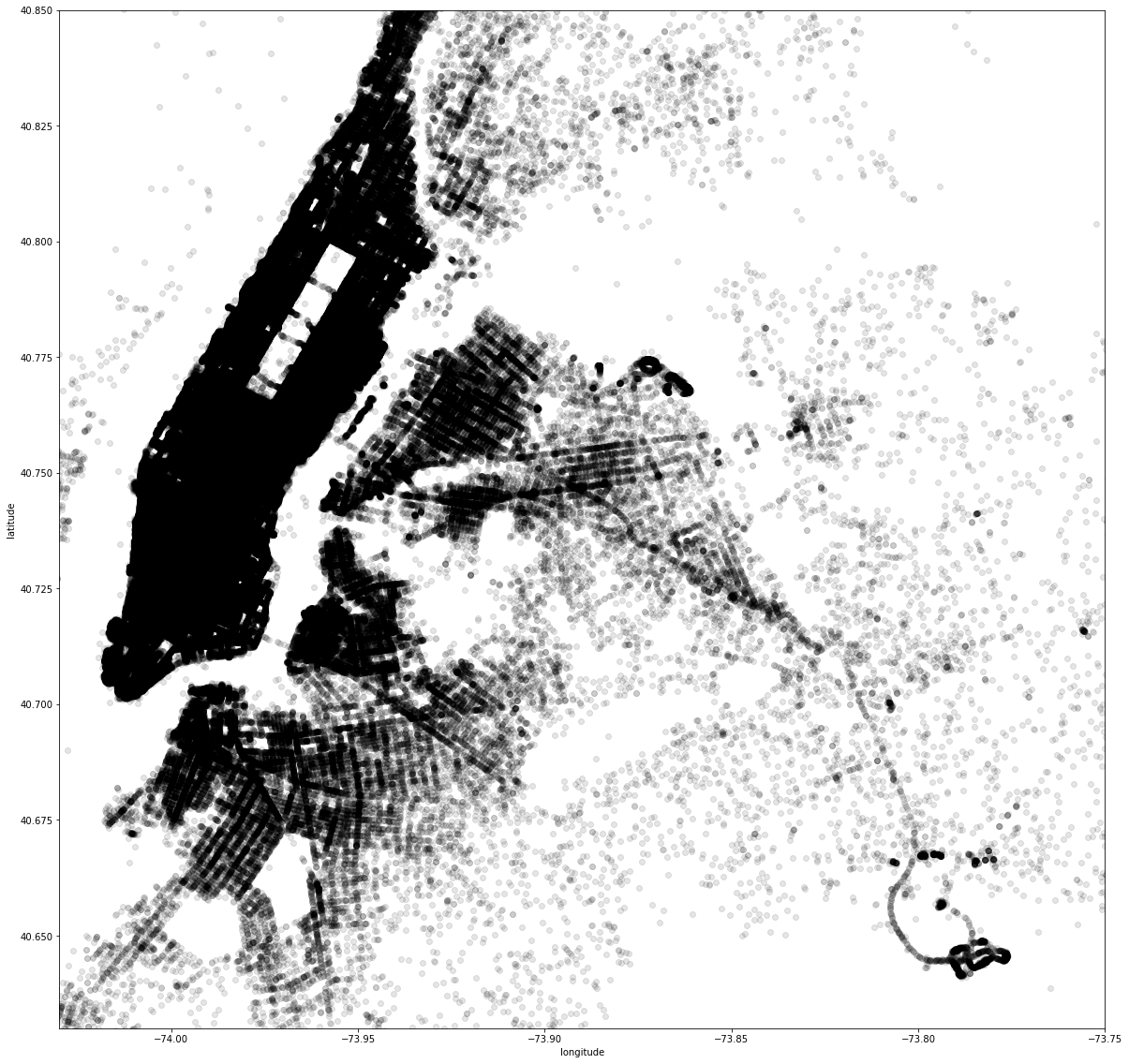
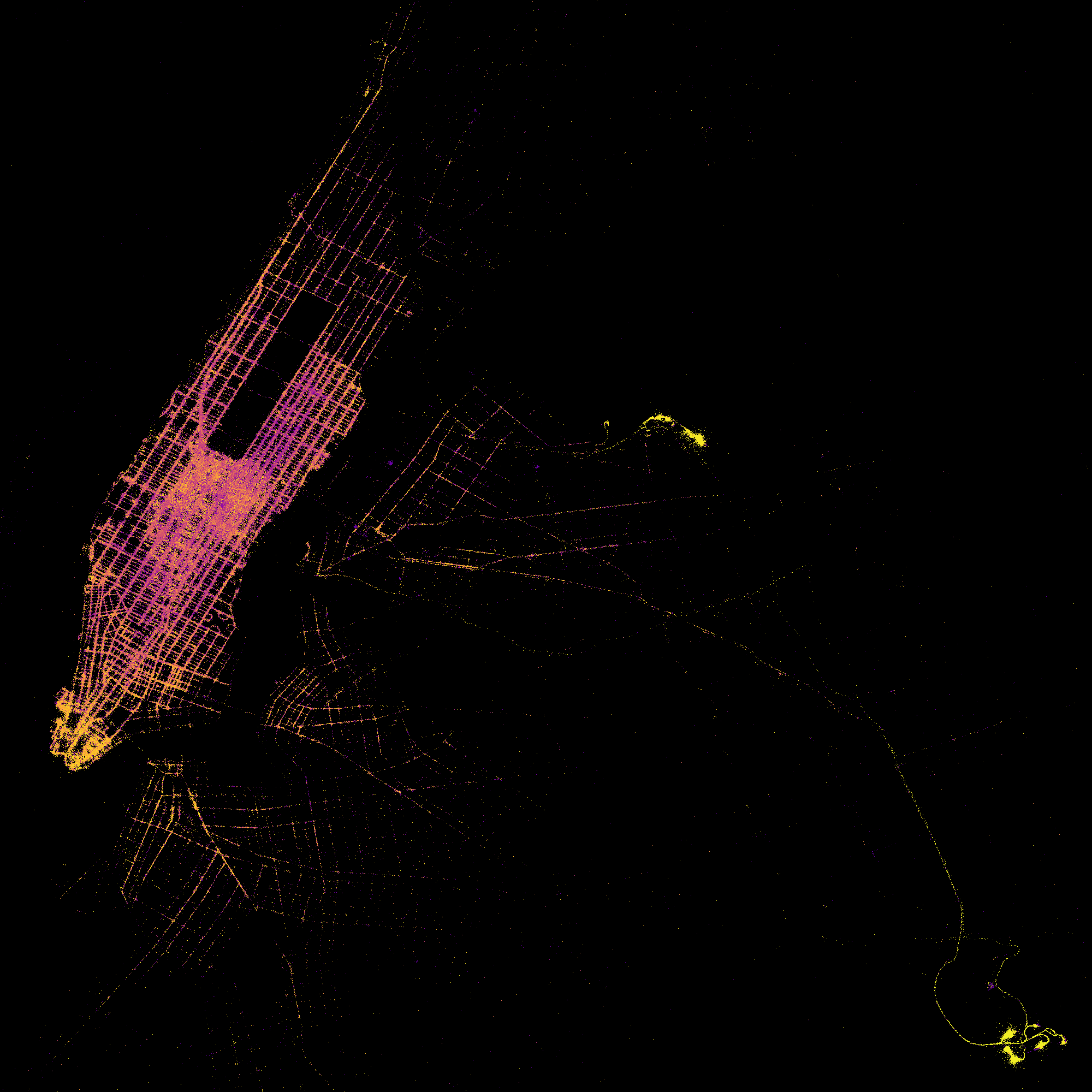
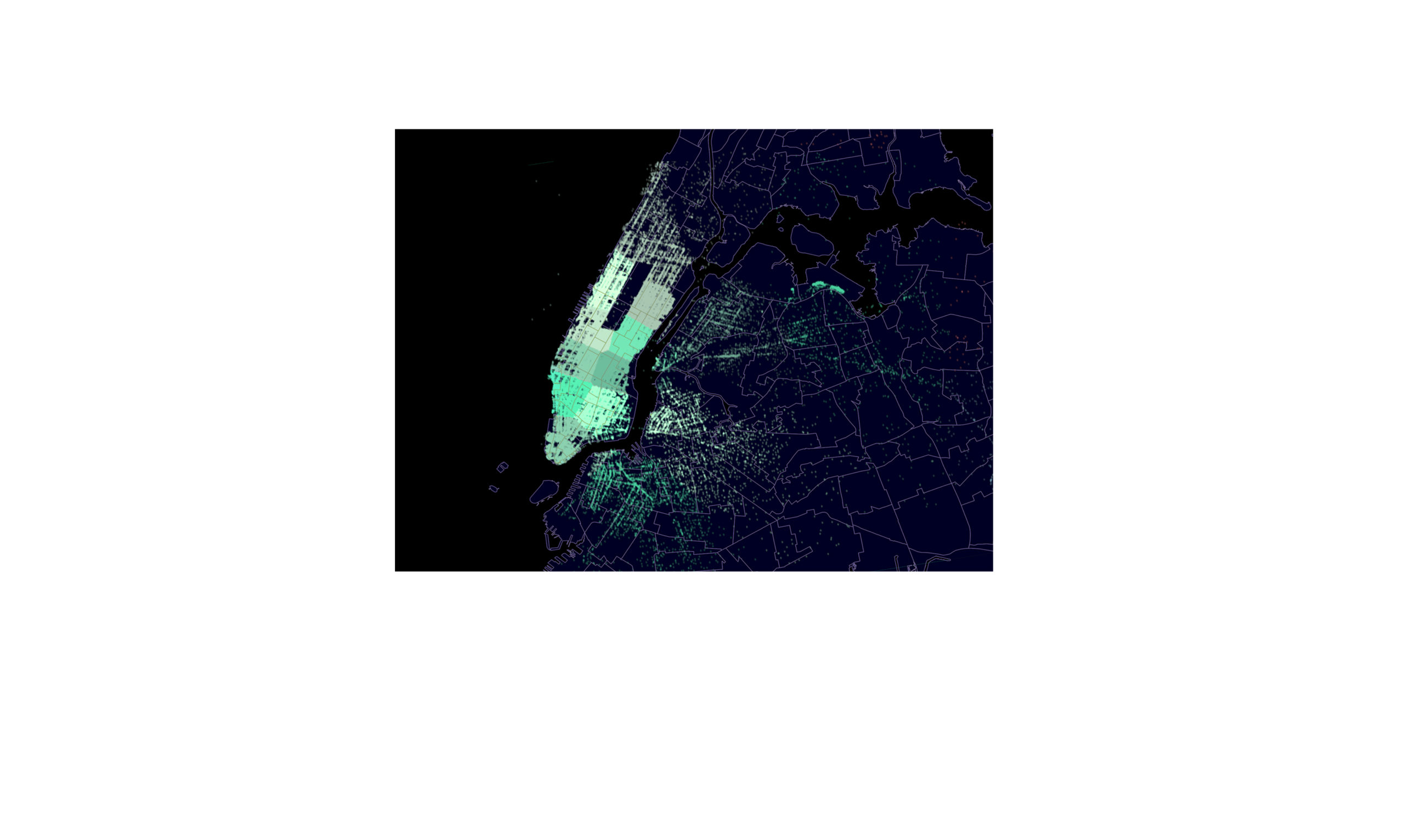
Machine Learning-based Analysis of NYC Cab Trip Duration “Data-Driven Rides” is an entry for the first MaCT Machine Learning Competition that hosted on Kaggle which involves predicting the duration of taxi rides in New York City. The dataset provided for this competition is based on the 2016 NYC Yellow Cab trip record dataset and the … Read more

Predicting NYC Cab Ride Duration using ML

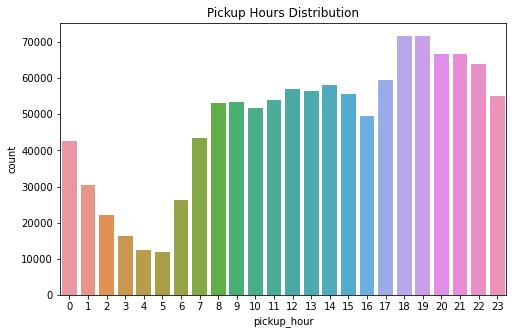
The MaCT01 students were tasked with training a model that would be used to predict NYC yellow taxi ride durations using machine learning. The dataset included pickup and drop-off datetimes, location coordinates and passenger count. Visualizing the data helped to understand the correlation between the columns and remove the highly correlated values Understanding the distribution … Read more

2016 NYC Yellow Cab trip

The source dataset provided for this project is derived from the 2016 NYC Yellow Cab trip records, which were made publicly available on the Big Query platform of the Google Cloud. The data was originally collected and published by the New York City Taxi and Limousine Commission (TLC). This dataset serves as the foundation for … Read more

1st Traditional IAAC MaCT ML Competition

#Objective #A Kaggle Competition to MaCT01 students to show their knowledge, designing an end-to-end machine learning project to predict the “Trip Duration” of NYC Taxi trips. #Workflow #First of all a workflow hast do be developed, which represents a classic approach for training machine learning models, analysing the provided training data provided by the submission, … Read more

Gridscape.ai

INTRODUCTION Urban planning decisions have a significant impact on the development of cities, and using machine learning can provide decision-makers with valuable insights to make informed decisions. By clustering urban areas based on various factors such as population density, built density, POI density, green cover, and build diversity, we can reveal spatial patterns that can … Read more

ONE MUMBAI!

Climate change is increasing the frequency and severity of extreme weather events, and cities like Mumbai with a population of over 12 million people, is particularly vulnerable to the impacts of climate change. In fact, studies have shown that Mumbai is one of the cities most at risk from rising sea levels more intense floods, … Read more

Public Pulse

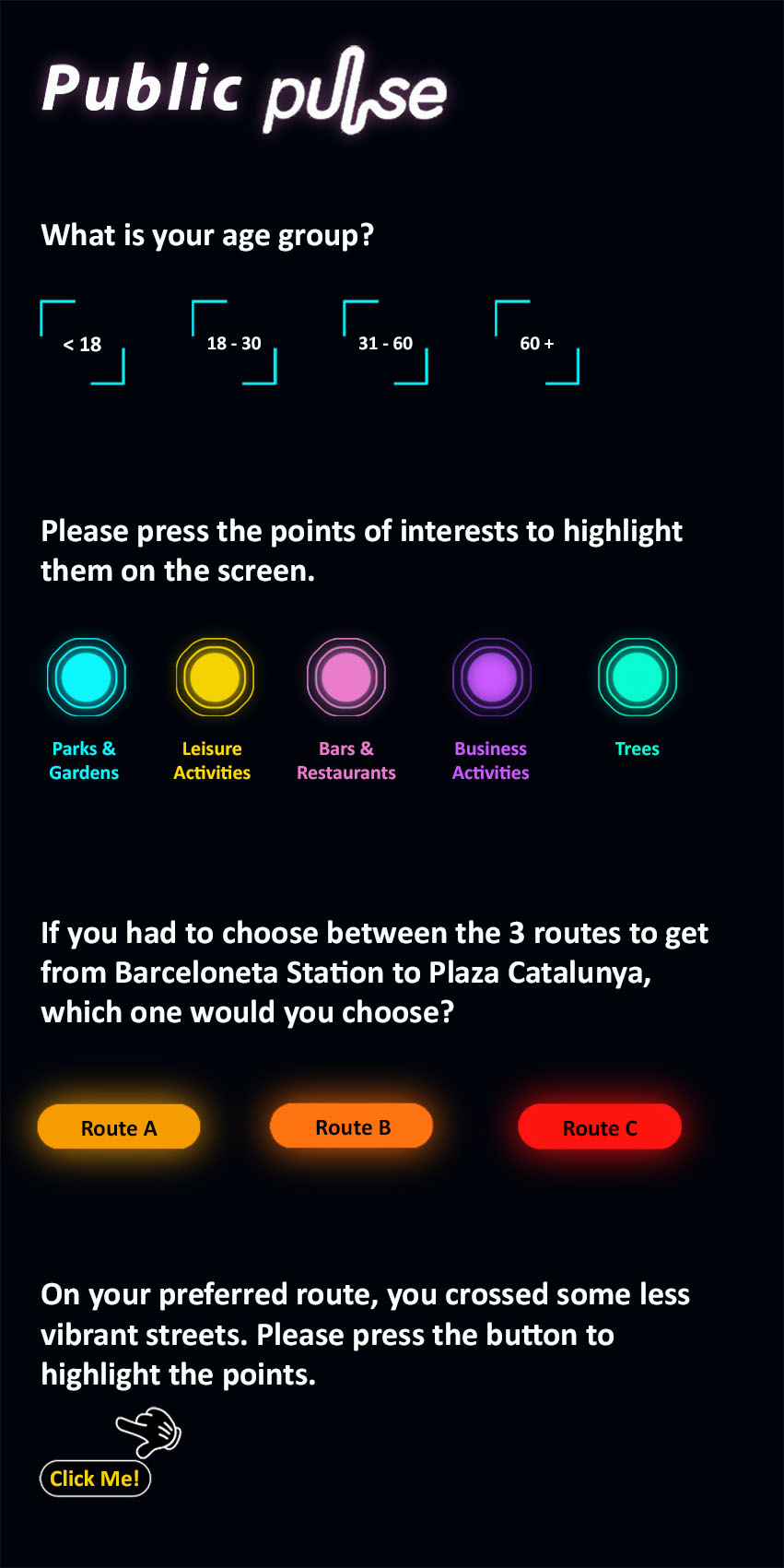
PROBLEM A lack of activities and engagement in certain streets can lead to a decrease in their vibrancy and vitality. This can manifest in empty streets, dilapidated buildings, and a dearth of social and cultural events. Over time, these areas may become less desirable places to live or visit, perpetuating the cycle of neglect and … Read more

Mumbai Dabbawala

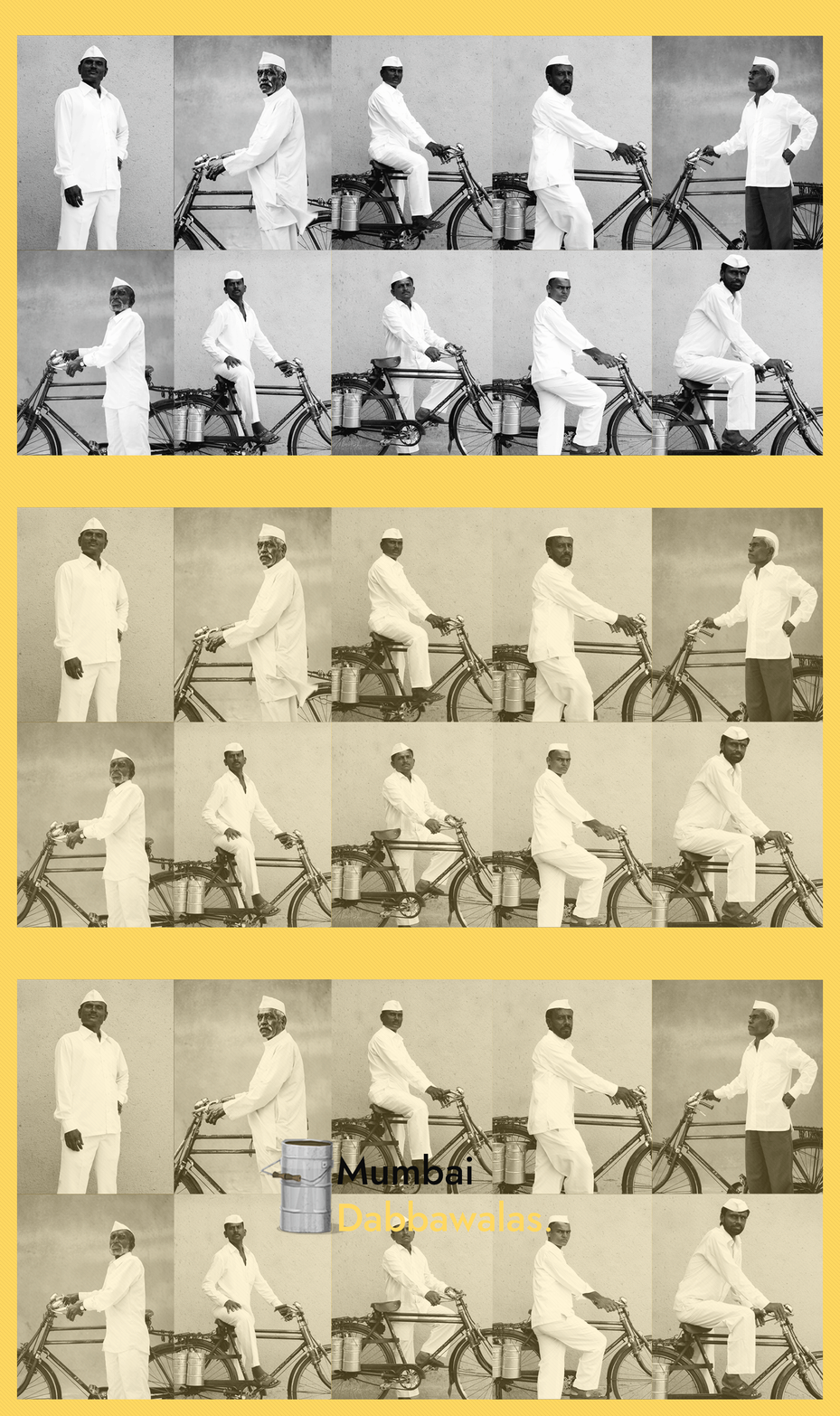
Do you nip out to get your lunch from your favourite café, or perhaps use the Uber Eats app to get your lunch delivered to your office? In India, lunch is a whole different ball game. It’s people-powered – made at home that morning and delivered straight to you, all absent of any technology in time. … Read more

Party to live or live to party?

a story about Spanish festivals Does it possible to party all year long from festival to festival throughout Spain? The story starts from the New Year holiday at the 1st of January For the better clusterisation we will use administrative division of Spain in autonomous communities (comunidades) and provinces. Each province of Spain has its … Read more

The Geography of Substance Use.

A Visual Story by: According to World Health Organization, 1/5 adolescents engage in some form of substance use. The Question of 100 School Phycologists: How planning could contribute towards the understanding of geographic patterns of substance use in order to distribute human resources all around the country? This visual story, seeks to explore the geographical … Read more