During the first six months in the program, students are comprehensively trained in the principles of design and construction of advanced ecological buildings through a series of focused and intense modules, which include material production, thermal and metabolic building systems, ecological structures and façade systems and much more. After developing the necessary skills and a holistic understanding of advanced and ecological design, students collectively draft and build a full scale ecological building prototype.

Filters
Course

Urban Synthesis| Resilient Envelopes | GAIA

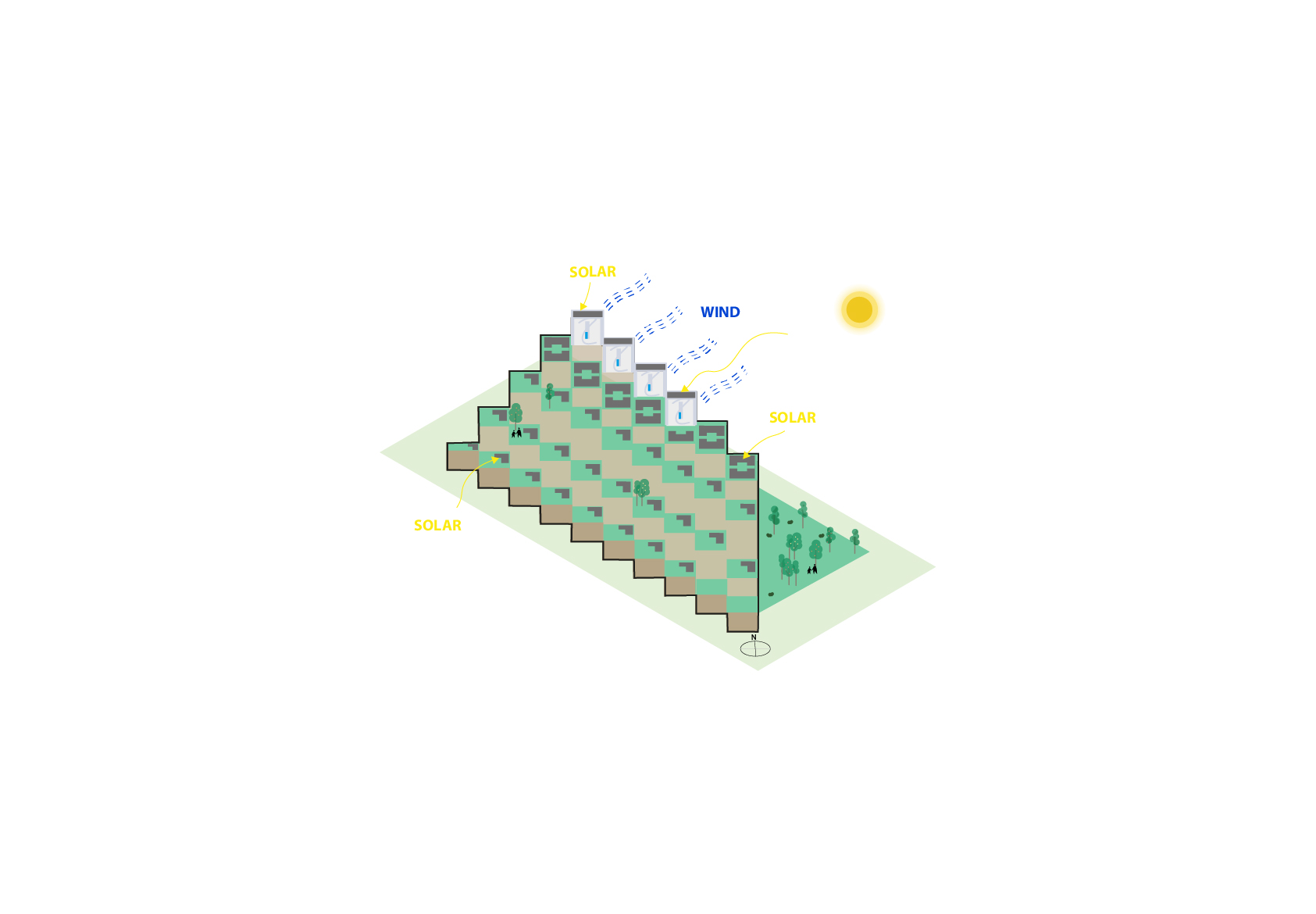
GAIA Plot 1. About. Urban Synthesis | Resilient Envelopes This course explores the design and construction of modern and sustainable building envelopes. These envelopes must be strong yet adaptable, capable of being disassembled, transported, and reused with minimal energy consumption. They should also withstand various environmental elements like air, wind, sun, water, and temperature changes. … Read more
M16 // Ecological Intelligence

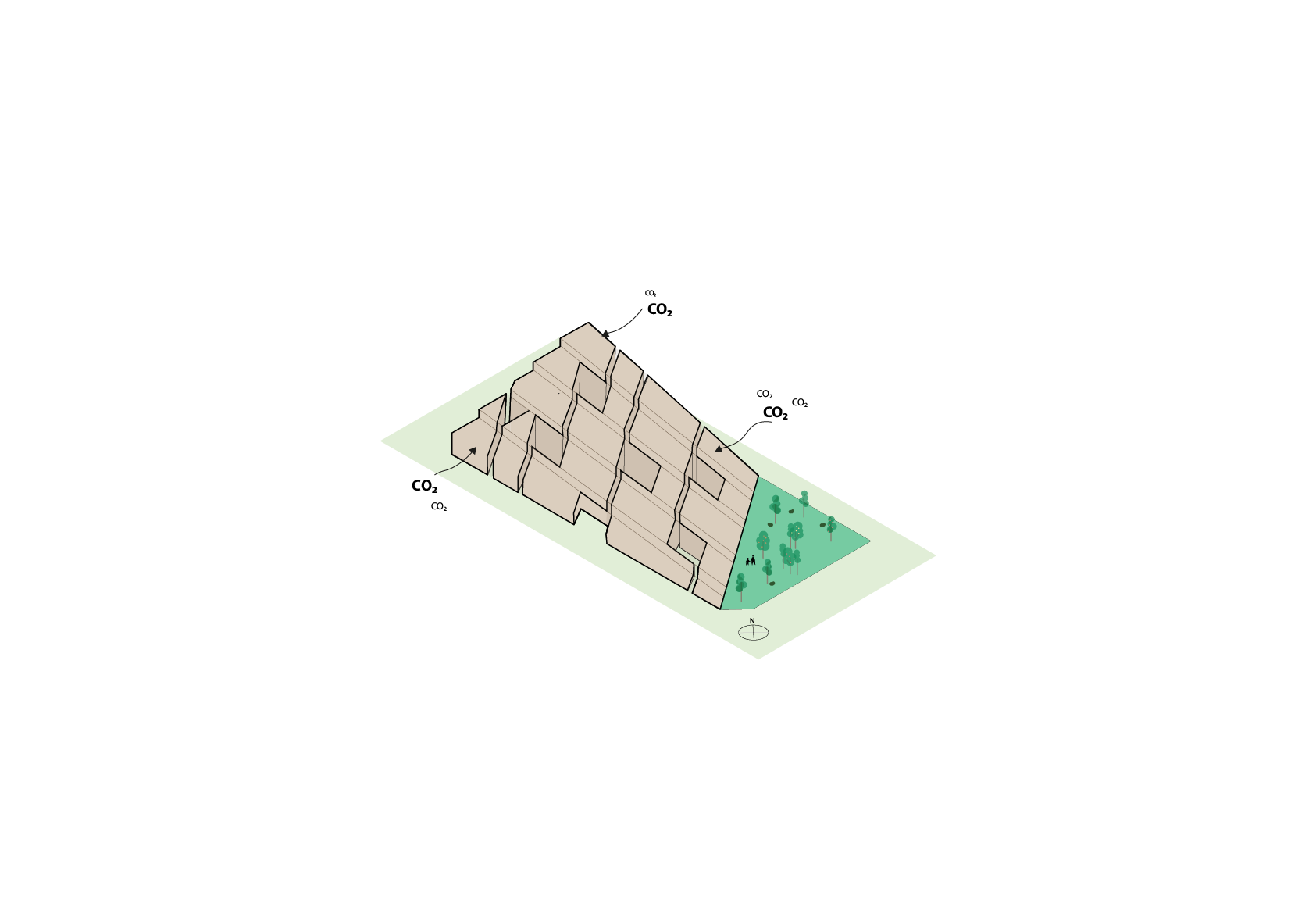
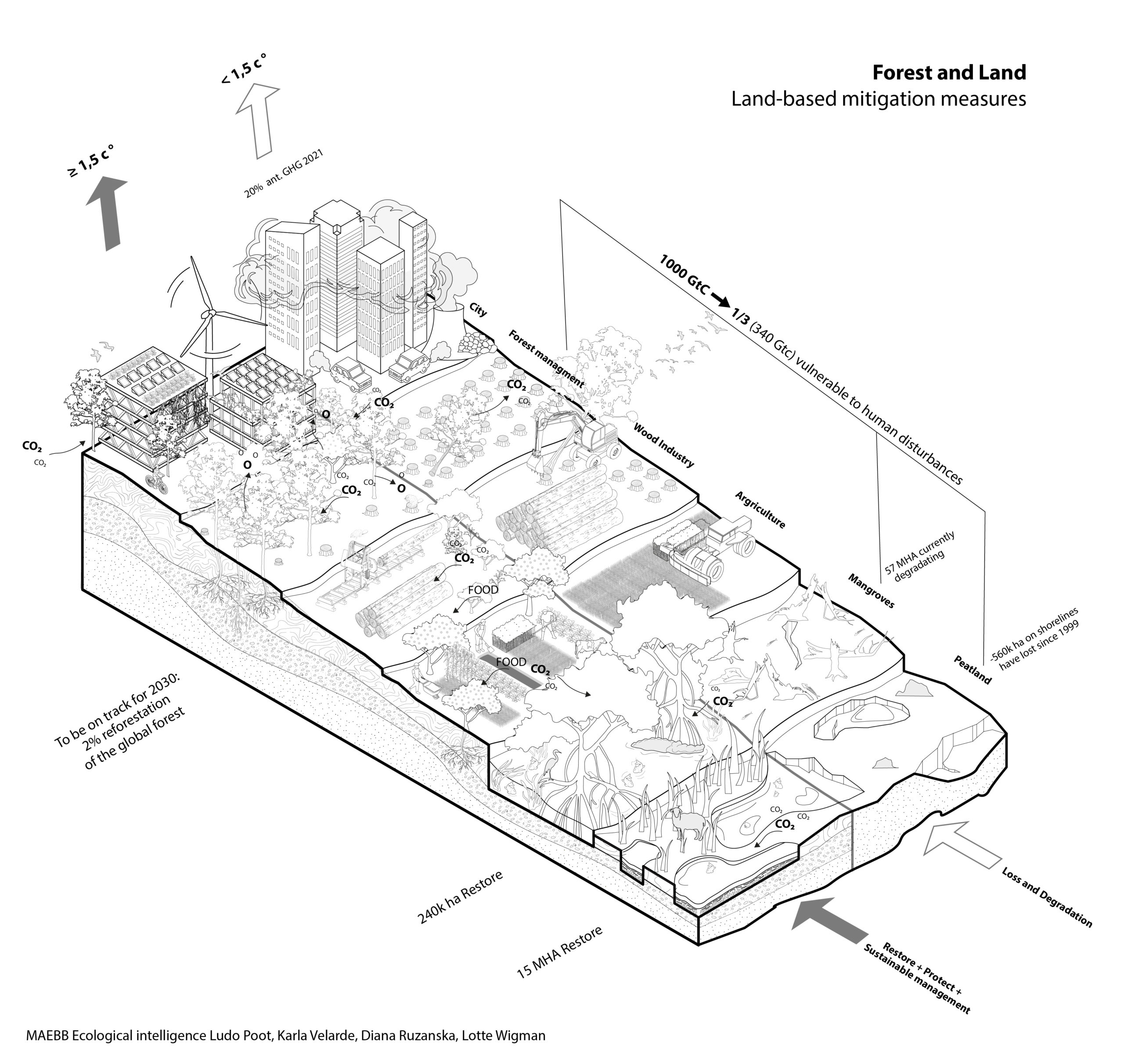
About. The Ecological Intelligence course focuses on teaching students about various aspects of designing the built environment in response to global climate change and the imperative to promote carbon neutrality, resource security, biodiversity, and ecological resilience, while also prioritizing human health and well-being. The Masters in Advanced Ecological Buildings and Biocities aims to cultivate a … Read more

Urban Synthesis| Metabolic Systems: water| GAIA

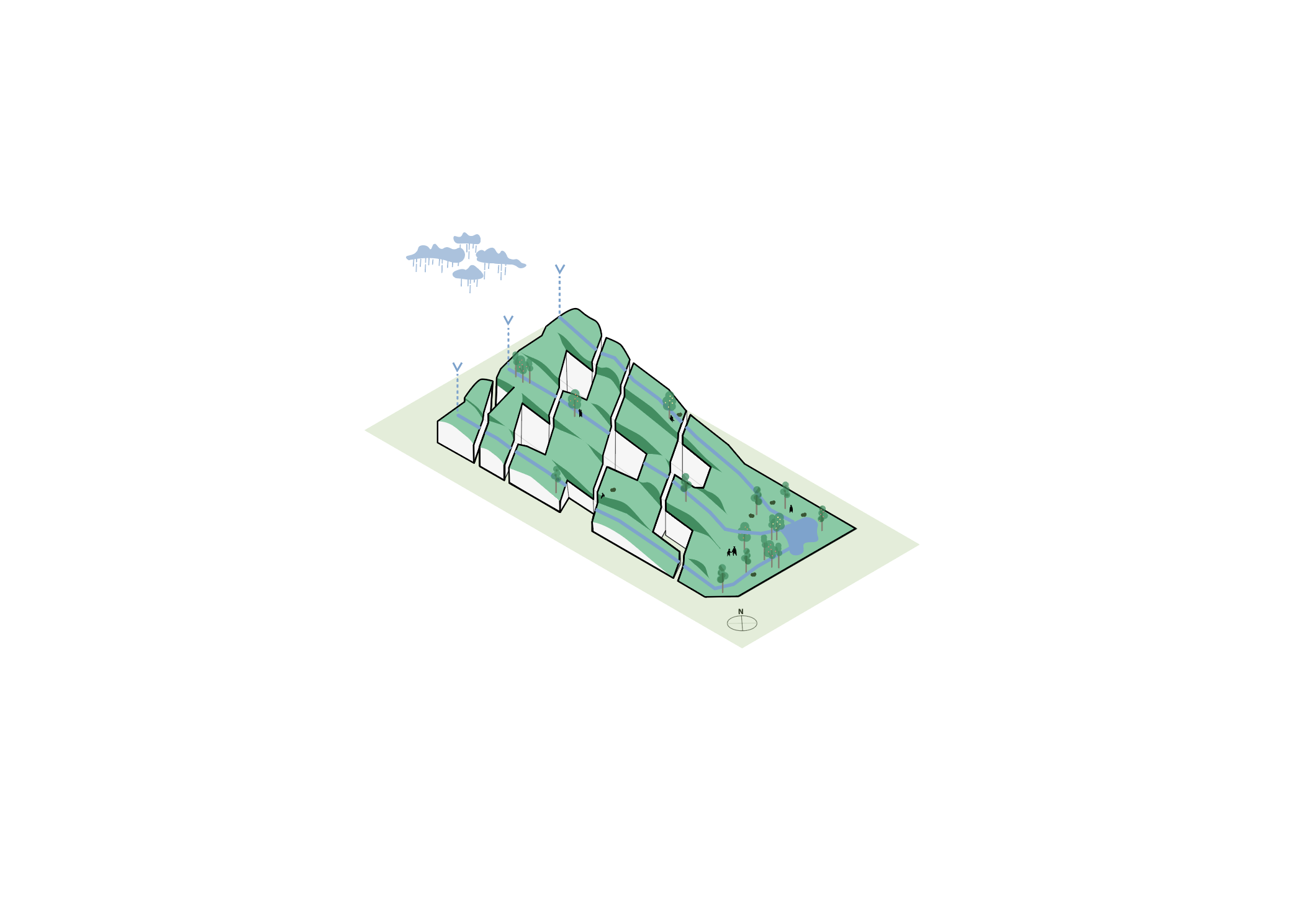
GAIA Plot 1. About. Urban Synthesis | Metabolic Systems: water The goal of this course is to highlight the importance of implementing effective water management strategies early on in architectural projects, with a focus on minimizing ecological impact and enhancing infrastructure resilience. Throughout the course, students will explore innovative water management concepts and technologies that … Read more

Urban Synthesis| Thermodynamic Fabrication| GAIA

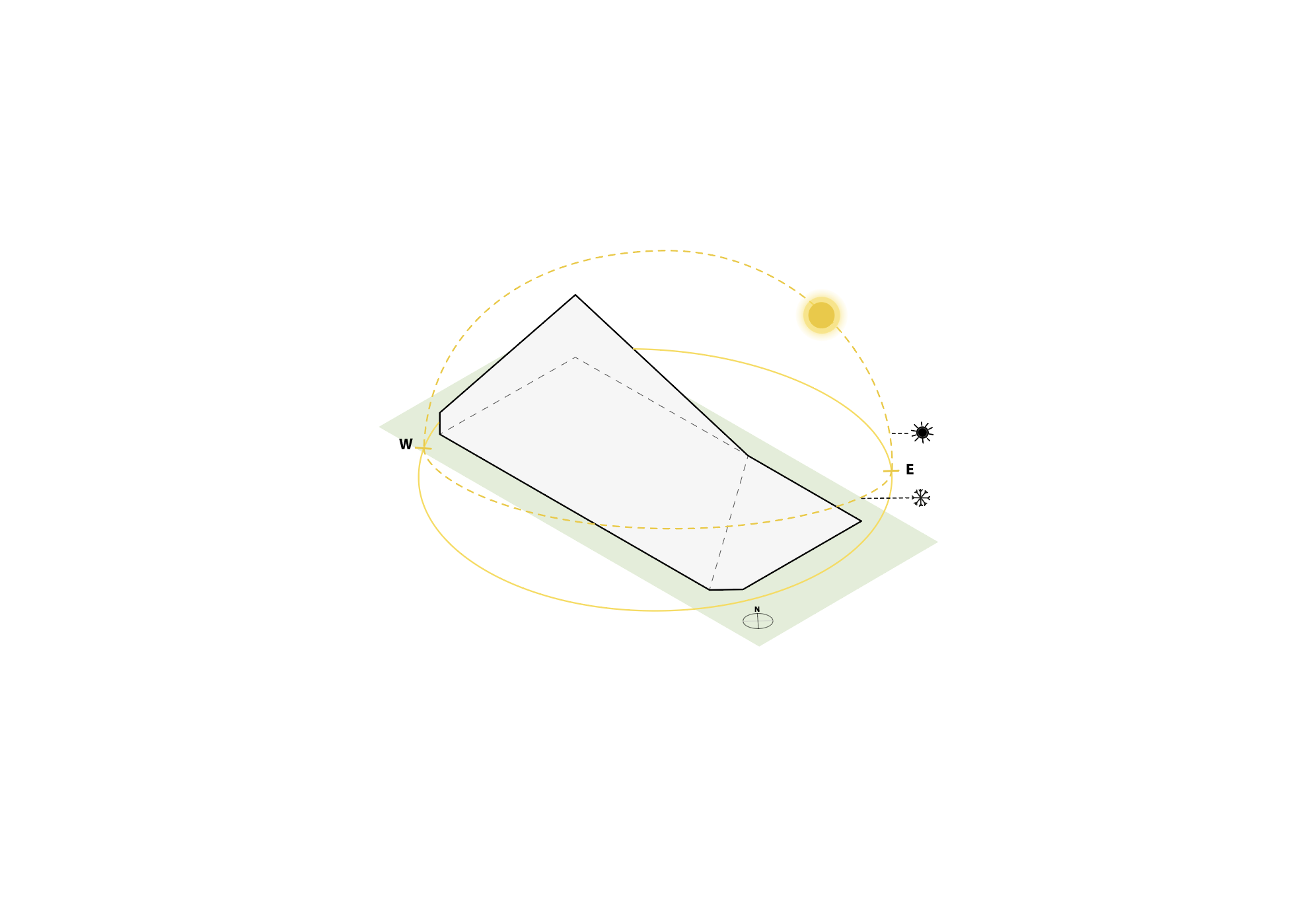
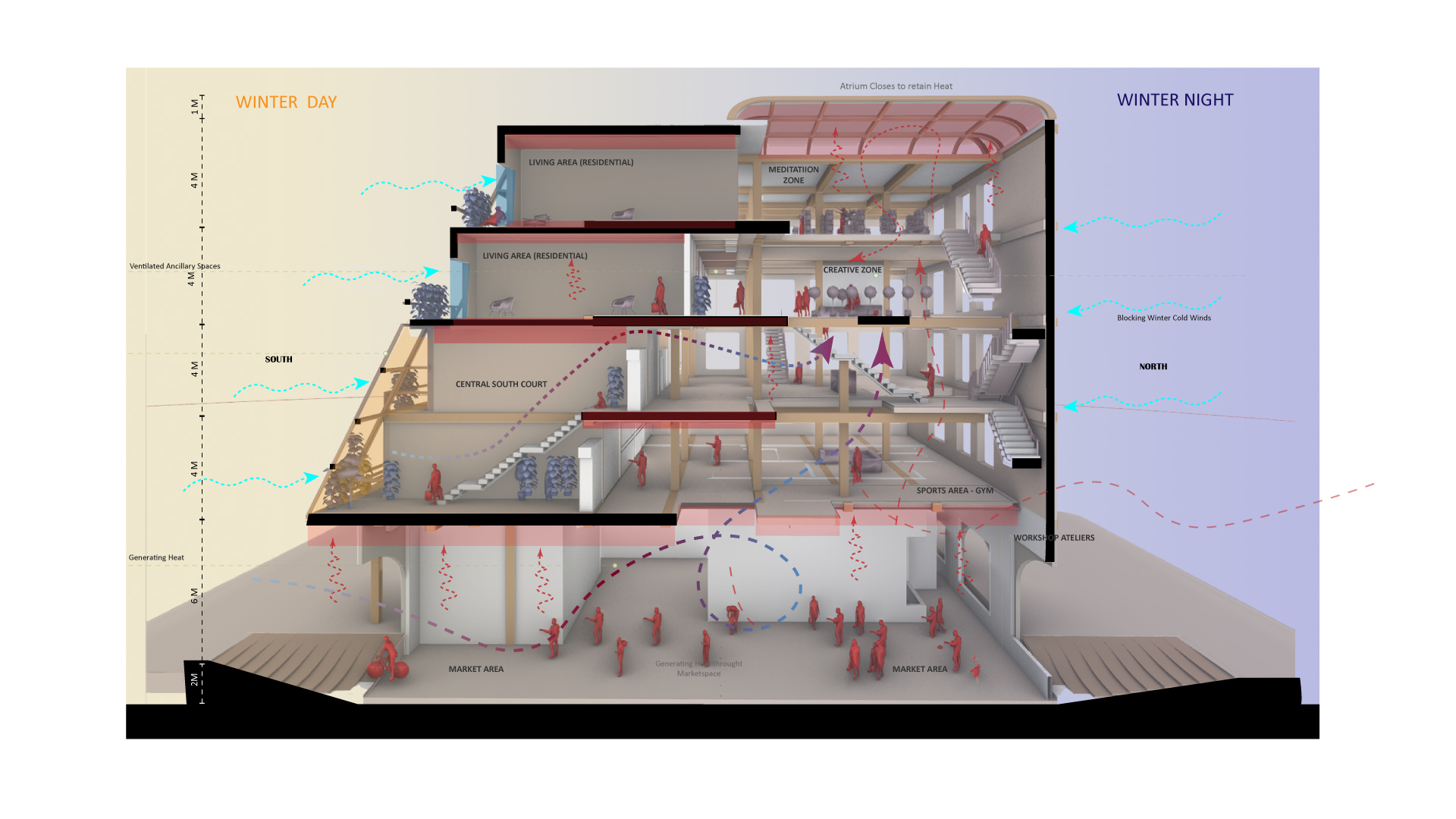
GAIA Plot 1. About. Urban Synthesis | Thermodynamic Fabrication The “Thermodynamic Fabrications” workshop explores how thermodynamics, ecology, and architecture intersect. It goes beyond just considering climate’s role in design and aims to blend both numbers and feelings in designing buildings. It focuses on aspects often ignored in sustainability lessons, linking daily life with architectural ideas. … Read more

Tabrizian Tapestry: Resilient Envelopes

In terms of implementing the concept of Resilient envelopes in Tabrizian Tapestry, the envelopes have been developed, driven by specific sustainable constructive systems, and integrating materiality with specific origin and composition, as well as ample room for maneuver in terms of performativity, recyclability, bio-degradability, longevity. Advanced CLT balloon frame with Brick facade clad in north … Read more

BIOMIMICRY in ARCHITECTURE by Michael Pawlyn | Ecological Thinking II

This blog is a review of Michael Pawlyn’s book, Biomimicry in Architecture. “Biomimicry is a powerful innovation tool that allows architects to go beyond conventional approaches to sustainable design and deliver transformative solutions we need.”-Michael Pawlyn The book “Biomimicry in Architecture” by Michael Pawlyn introduces the term biomimicry and how it can impact architecture. The … Read more