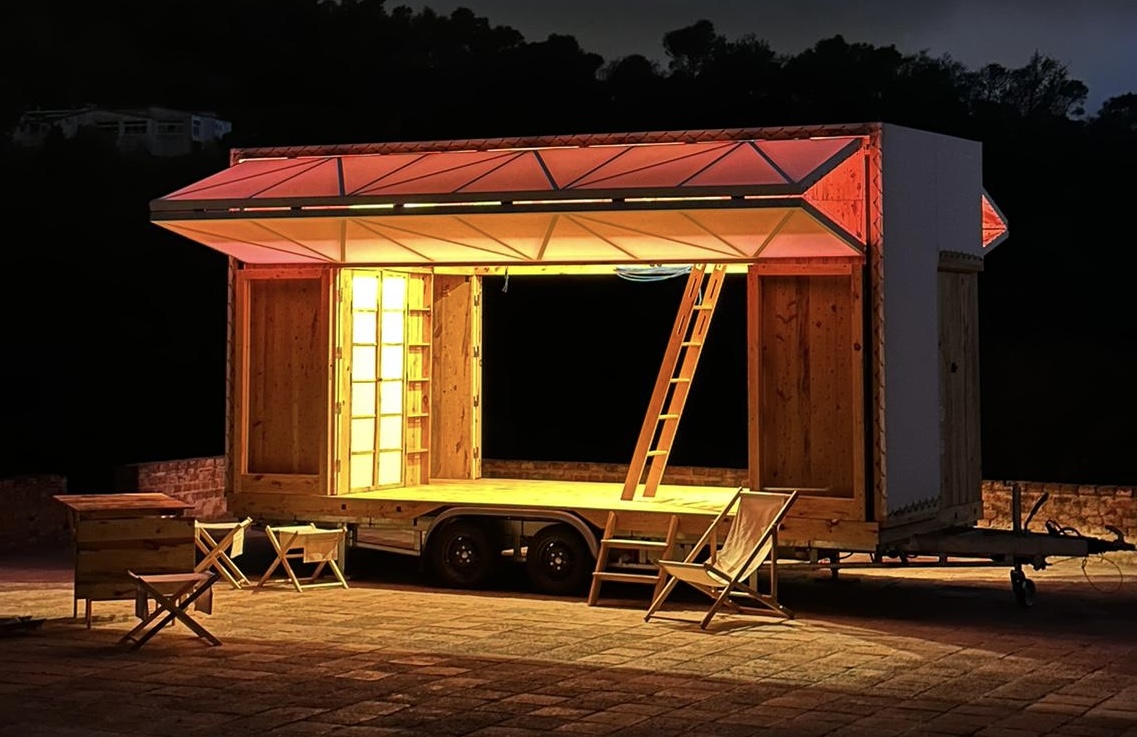
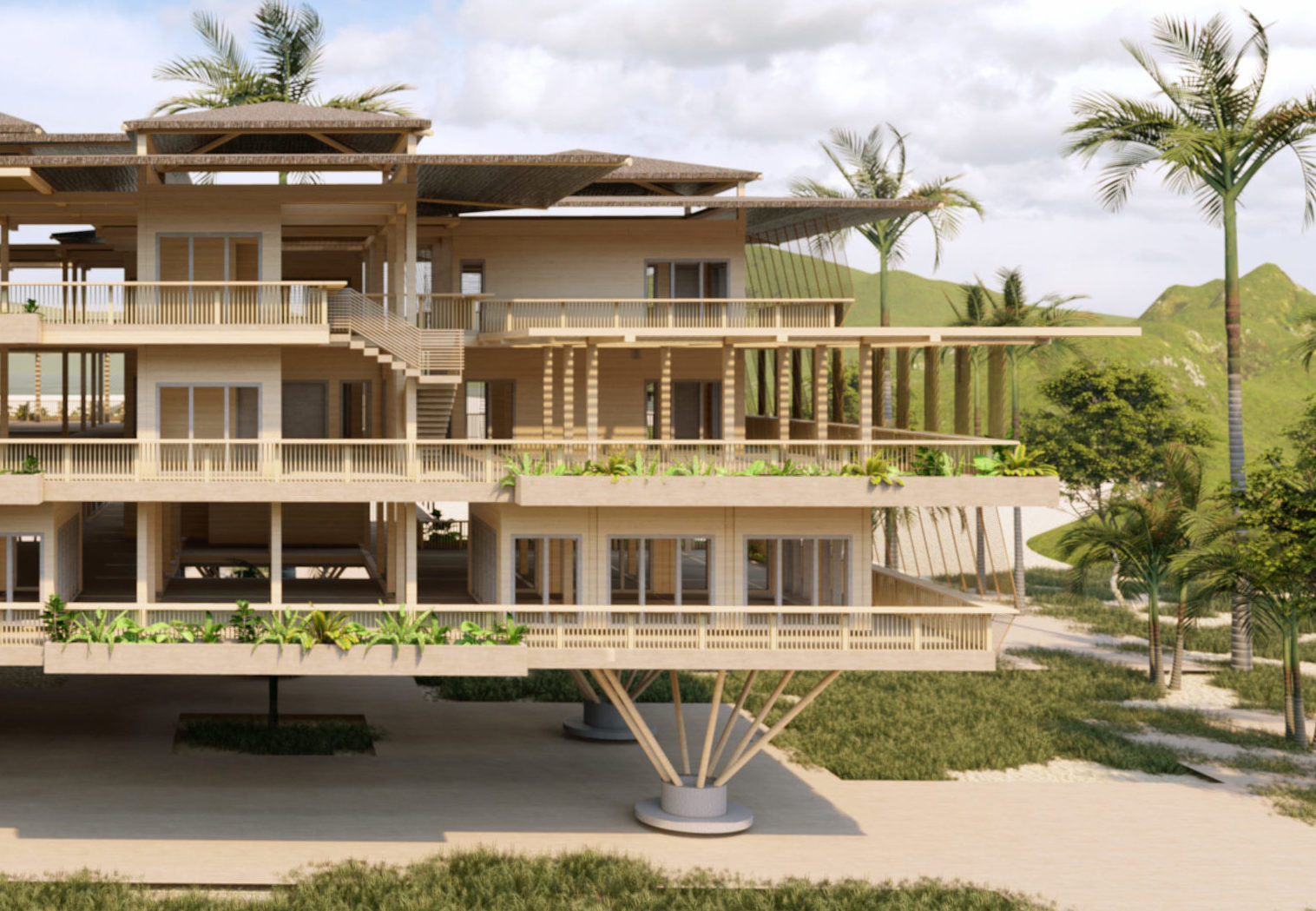
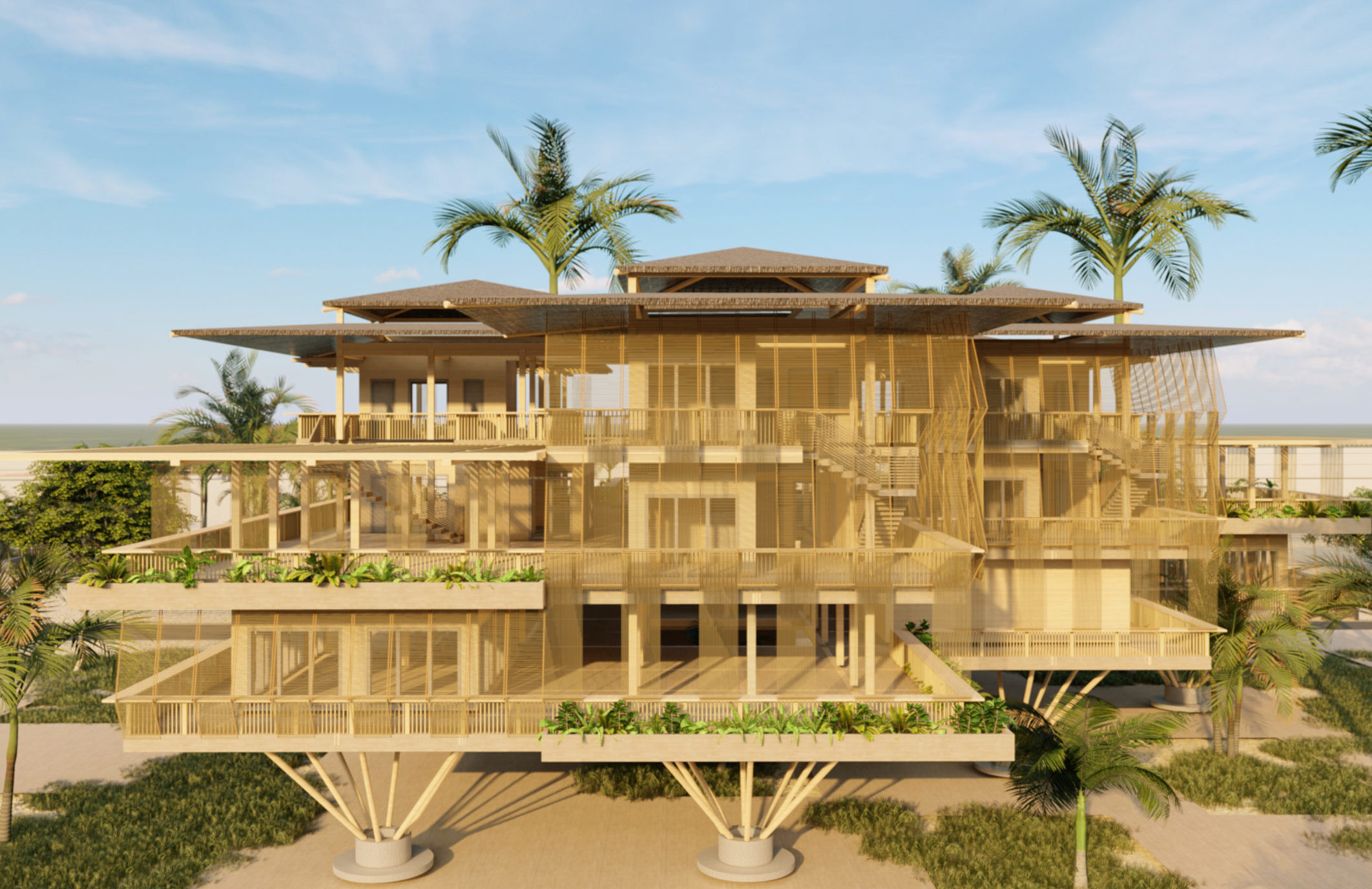
During the first six months in the program, students are comprehensively trained in the principles of design and construction of advanced ecological buildings through a series of focused and intense modules, which include material production, thermal and metabolic building systems, ecological structures and façade systems and much more. After developing the necessary skills and a holistic understanding of advanced and ecological design, students collectively draft and build a full scale ecological building prototype.

Filters
Course

MO.CA | media production
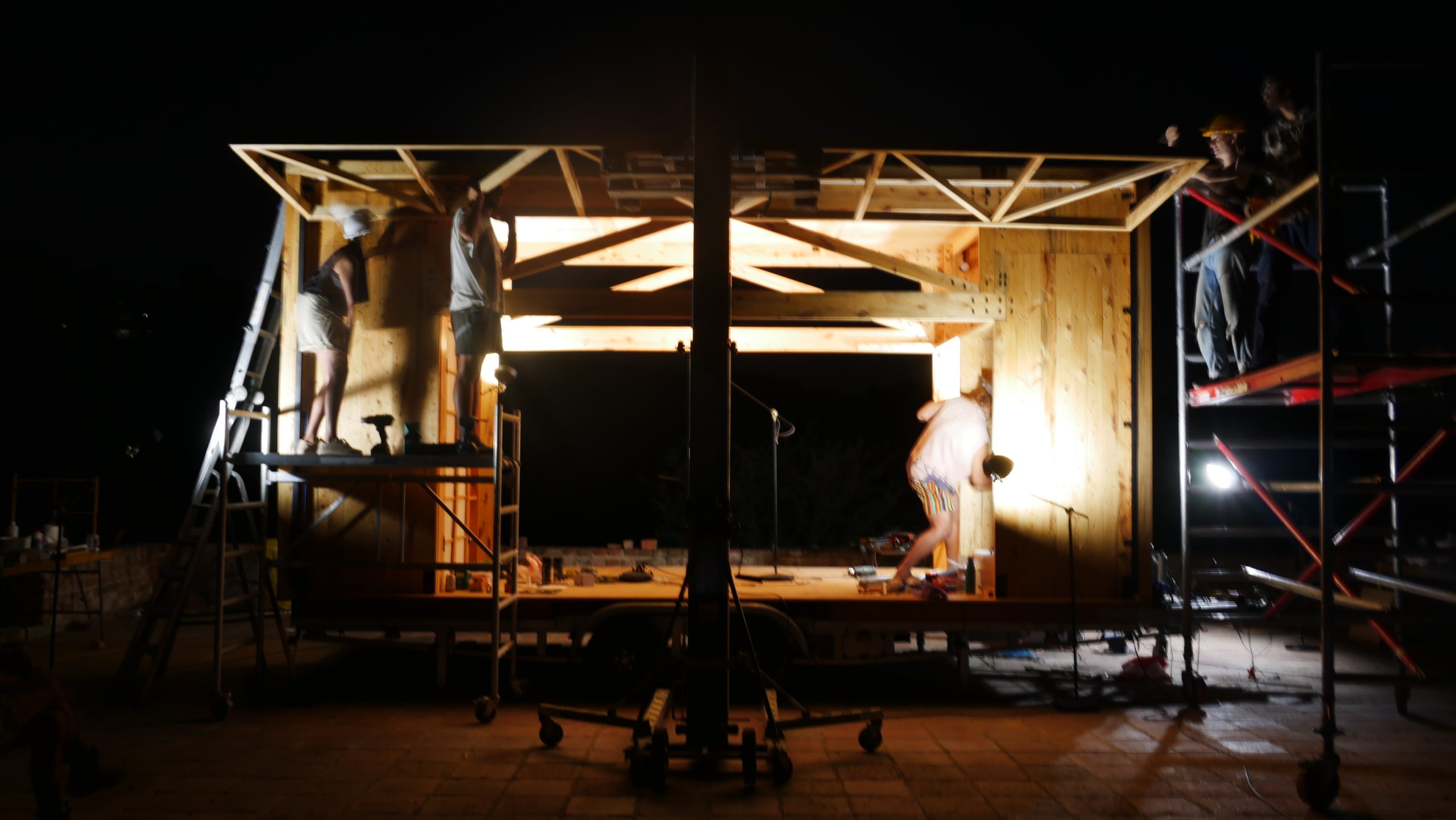
The main aim is to provide an insight as to what the students were experiencing and actively trying to achieve through every step of the process. This goal is to focus on practical visual storytelling strategies and skills through the work of the MAEBB Students. CLT PANELS MAKING OFThe media production team began with an … Read more
MO.CA | final thesis design


The brief for the MAEBB batch of 2022-23 was to design and construct an advanced ecological prototype mobile home. The home was to be designed for two individuals and basic domestic amenities of a tiny home. The mobility element of the brief started an interesting journey that brought forth discussions on nomadism and collective sustenance. … Read more

MO.CA | material production

This years Material Production started after the final design for the prototype was chosen and ran parallel to the further development of the design. The main goals were: – to monitor the amount, humidity and density of the locally sourced aleppo pine wood – to simulate production flows in the workshop (tools and time needed, … Read more

MO.CA | final thesis construction

MO.CA construction sequence Thinking about the sequence of events was vital to a successful construction. With this cascading of events we were able to balance completing design details with progressing towards completion. Proper time management and scheduling was important to maintain momentum. The sequence informed our work in all stages: processing, assembly, and installation. Final … Read more

Architecture Without Architects

The book, ‘Architecture without architects’, illustrates the vernacular architecture from different parts of the world and strives to acknowledge the ‘not so primitive’ techniques from various areas. Architecture history is not given as much acknowledgement as art history and the book is an attempt in the 1960s America to show the potential and the scope … Read more

AL HABIBITAT | Urban intervention

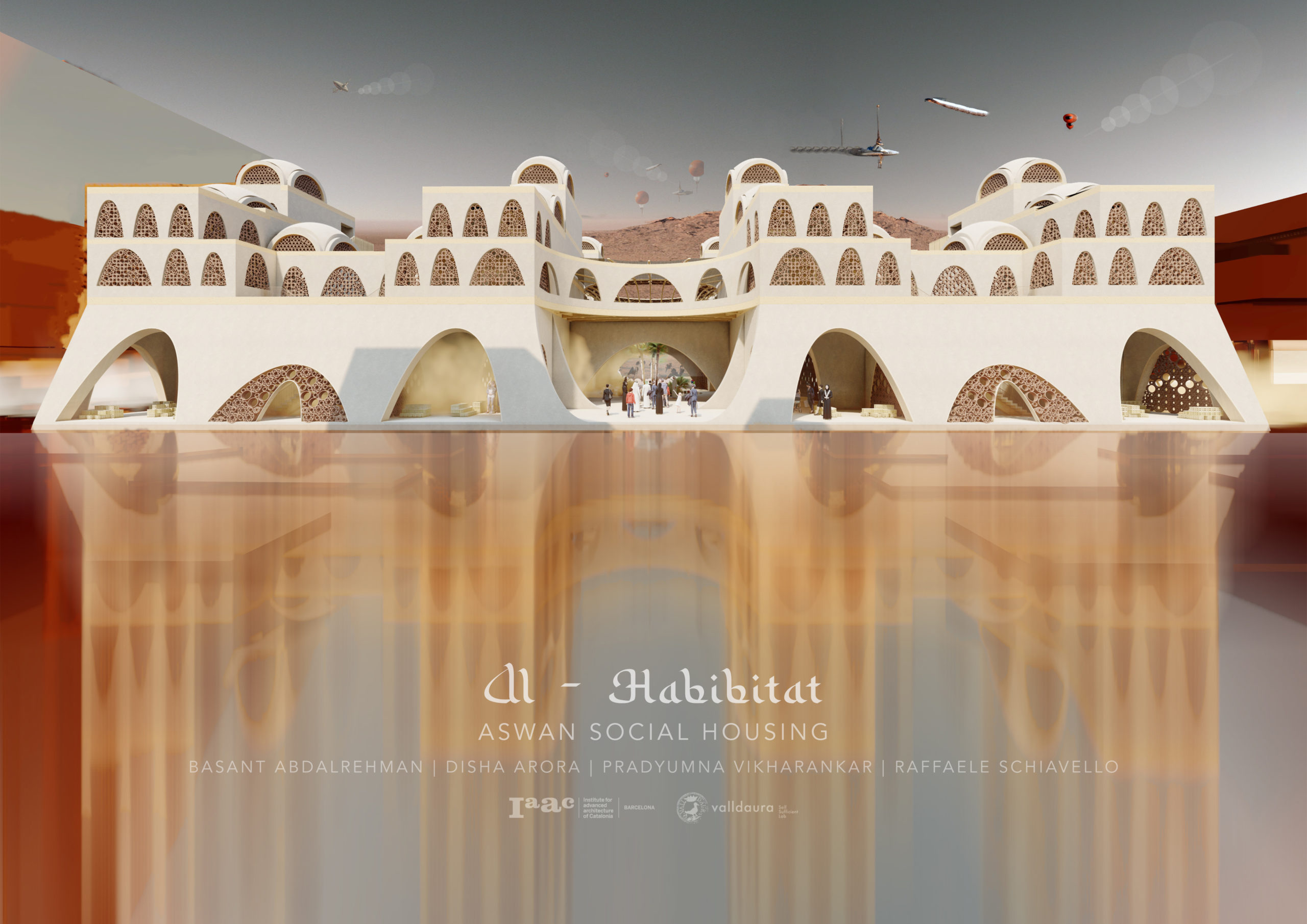
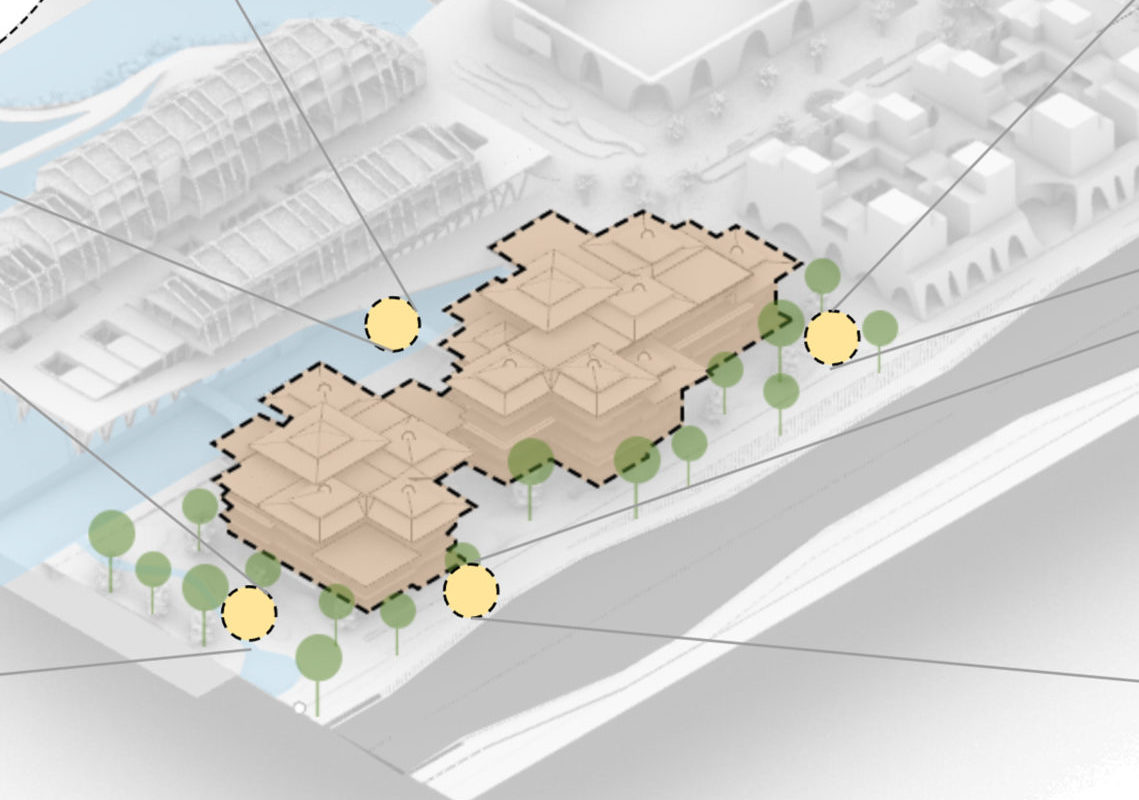
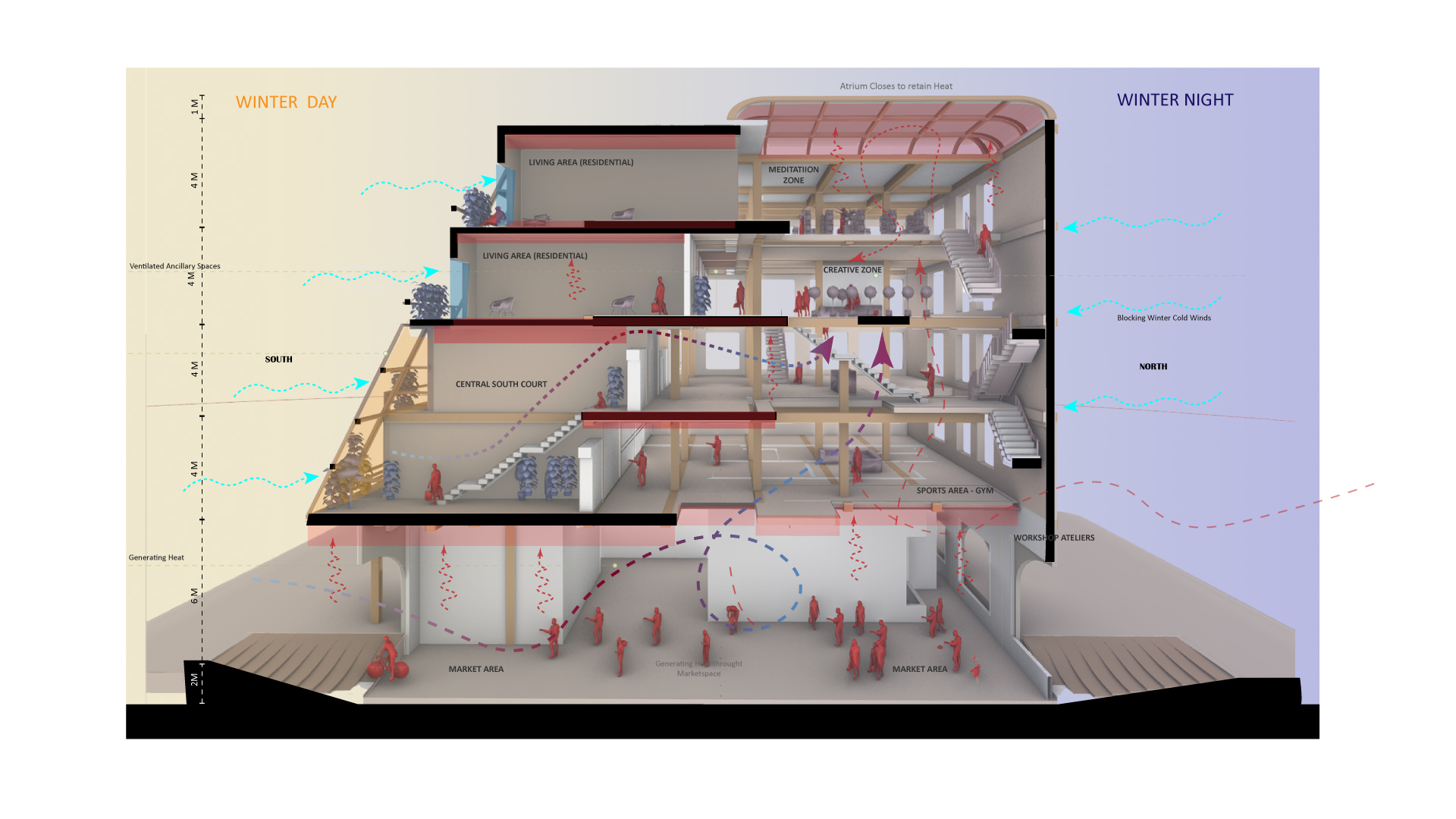
Aswan, Egypt being a desert city shows diurnal aspects of climate on a daily basis. The same also affects the day to day activity pattern of the community that adapts to the climate at any given time. This analysis indicates at a close relation between climate, people & their clothing & eventually it traces ahead … Read more

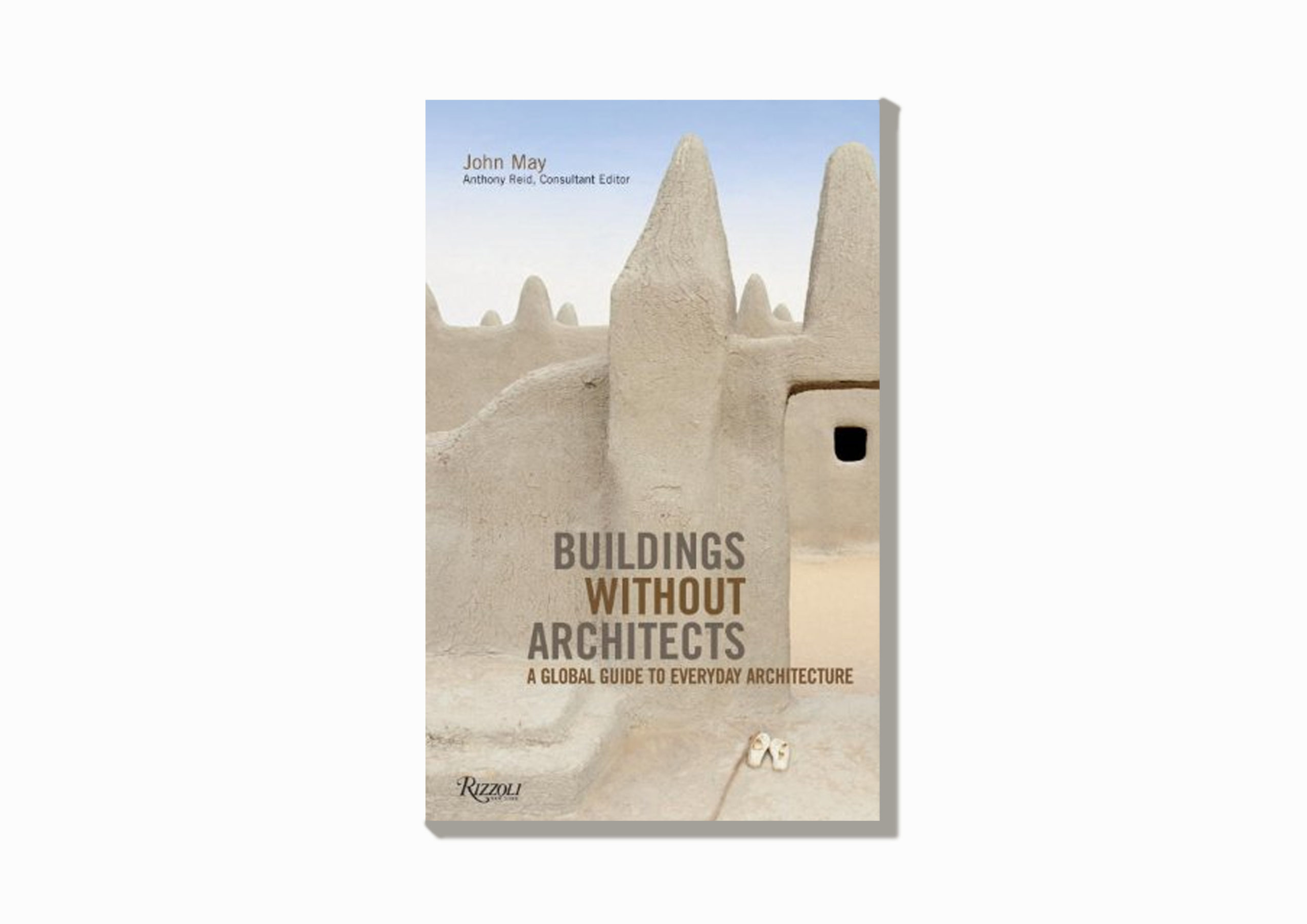
BUILDINGS WITHOUT ARCHITECTS: A Global Guide to Everyday Architecture by John May | Ecological Thinking

This blog is a review of the book, Buildings without Architects: A Global Guide to Everyday Architecture by John May. The book is a culmination of 60+ different styles of vernacular architecture ranging from different materials and different regions of the world. “Architecture should speak of its time and place, but yearn for timelessness.” – … Read more

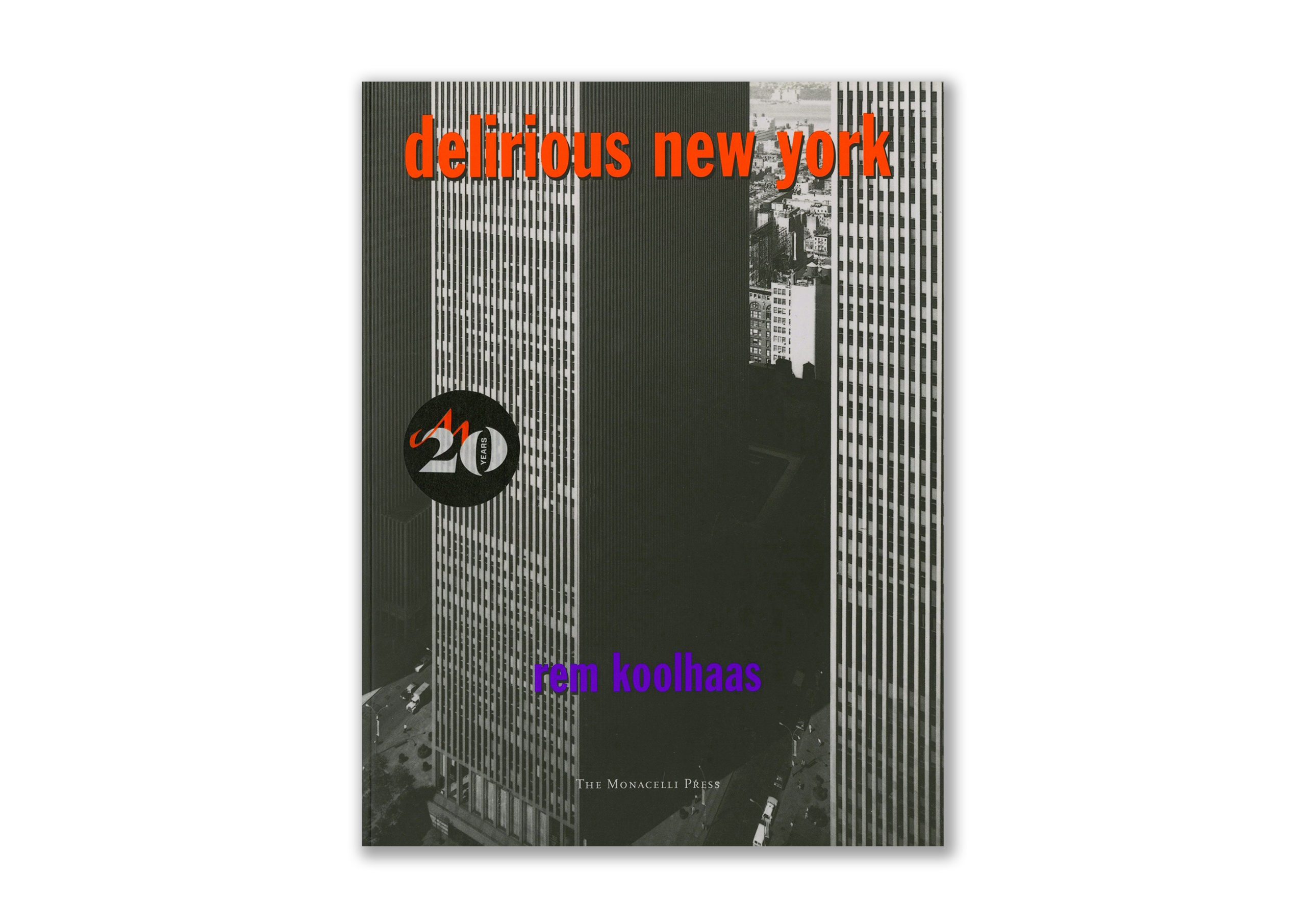
DELIRIOUS NEW YORK: A Retroactive Manifesto for Manhattan by Rem Koolhaas | Ecological Thinking II

This blog is a review of the book “Delirious New York” written by Rem Koolhaas. “The future is no longer about power, but about bandwidth.” Rem Koolhas Rem Koolhaas wrote a novel titled “Delirious New York” that outlines the evolution and background of Manhattan’s design and urbanism. Koolhaas wrote this book because he desired to … Read more

BIOMIMICRY in ARCHITECTURE by Michael Pawlyn | Ecological Thinking II

This blog is a review of Michael Pawlyn’s book, Biomimicry in Architecture. “Biomimicry is a powerful innovation tool that allows architects to go beyond conventional approaches to sustainable design and deliver transformative solutions we need.”-Michael Pawlyn The book “Biomimicry in Architecture” by Michael Pawlyn introduces the term biomimicry and how it can impact architecture. The … Read more

MEDITERRANEAN I Ecosystemic Structures

ITERATION 1 Large Span Truss Structure Main Structural Components Primary Trusses Catlogue Forces Diagram Lateral Forces Diagram Gravity Truss Junction Details Physical Model understanding the structure Load Testing After a thorough analysis of the structural loading and its behavior, we have developed a more efficient and lightweight approach to address the cantilever and overall structure. … Read more

THE NEST | Resilient Envelopes

The design of the envelope plays a vital role in the design. The roof and the facade are part of the metabolic systems to aid with generating solar energy and collecting rainwater. The envelope is also efficiently designed keeping the thermodynamic analysis in mind. FACADE DESIGN: The facade is designed using a cane facade. The … Read more