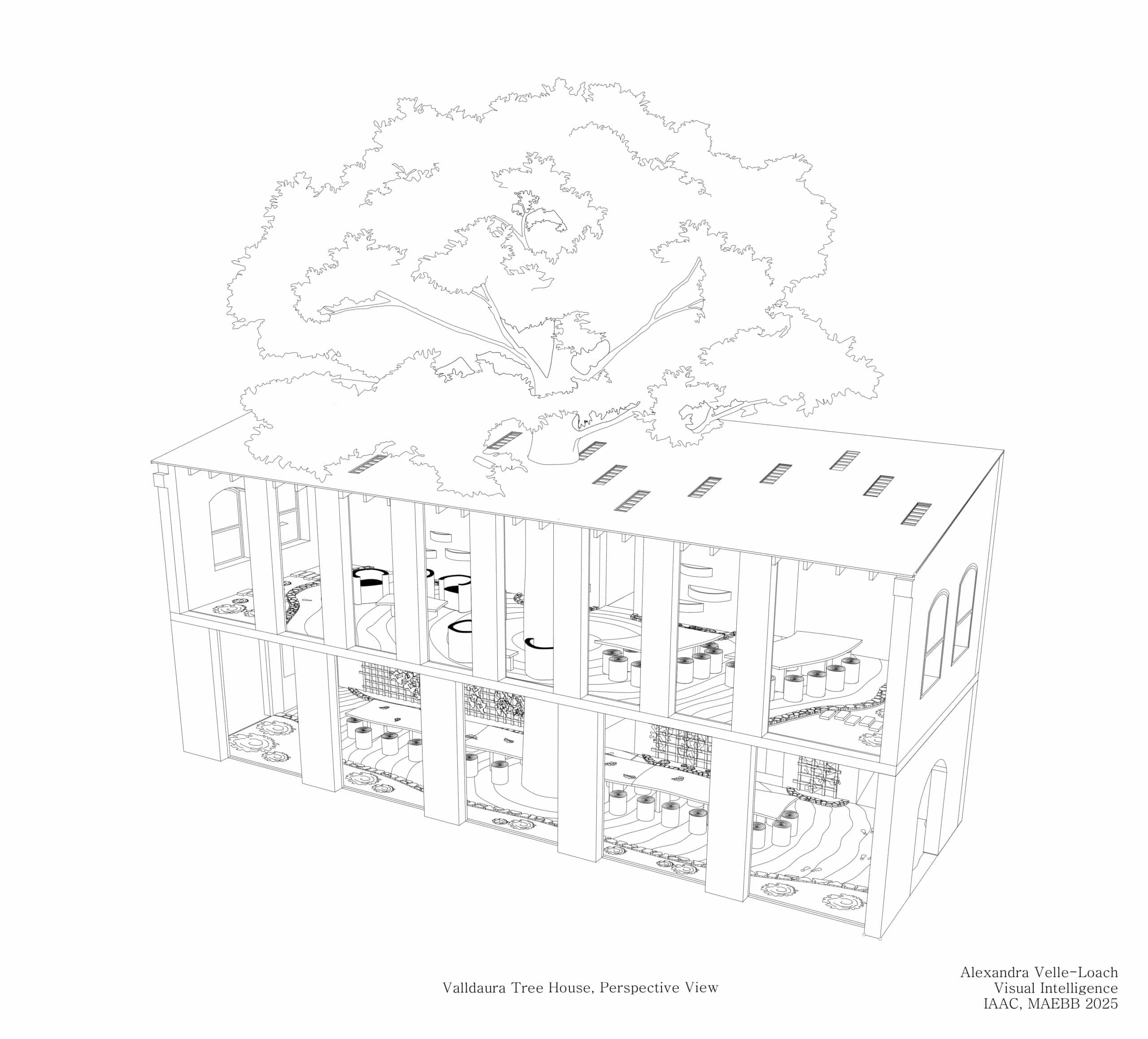
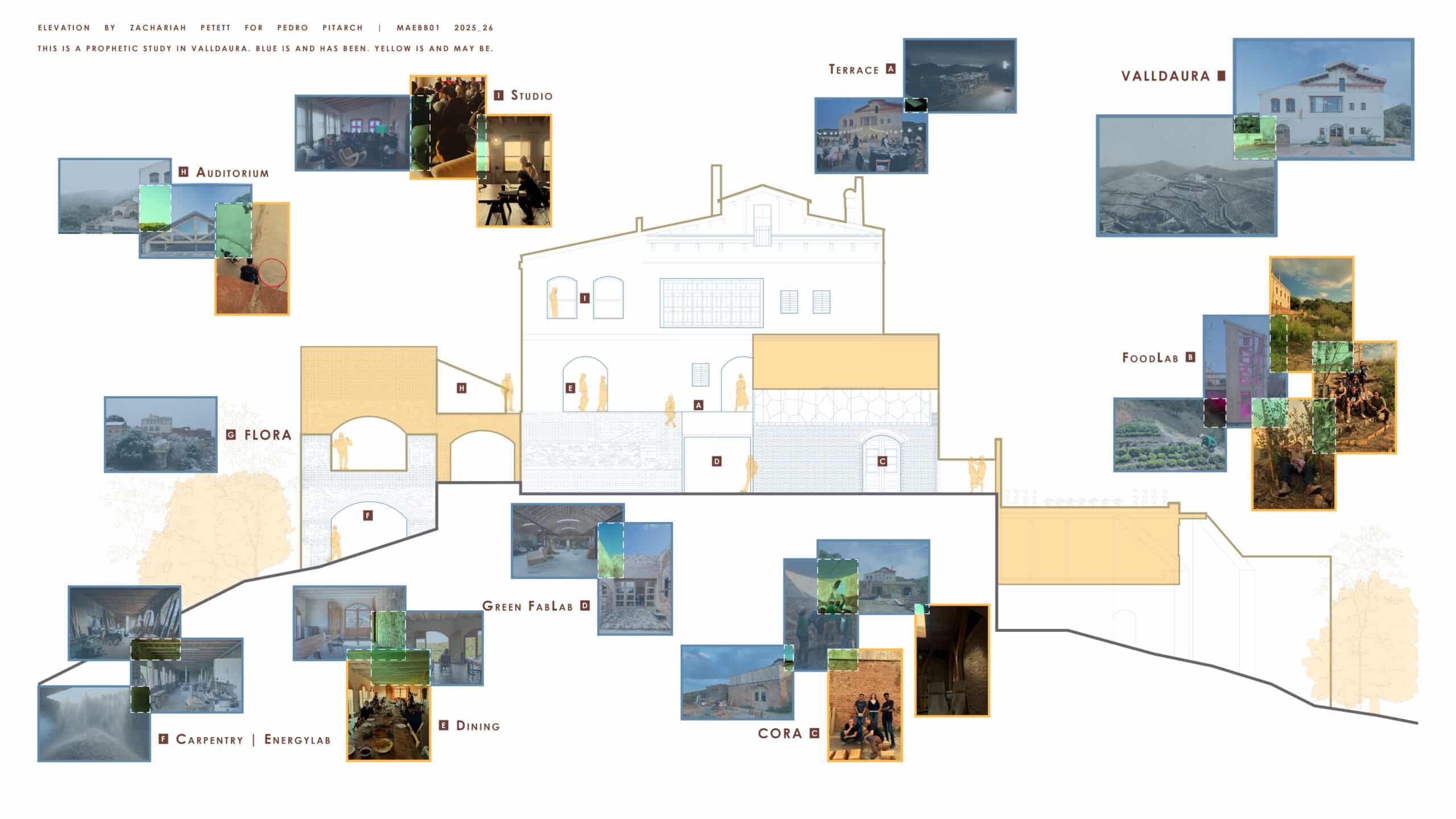
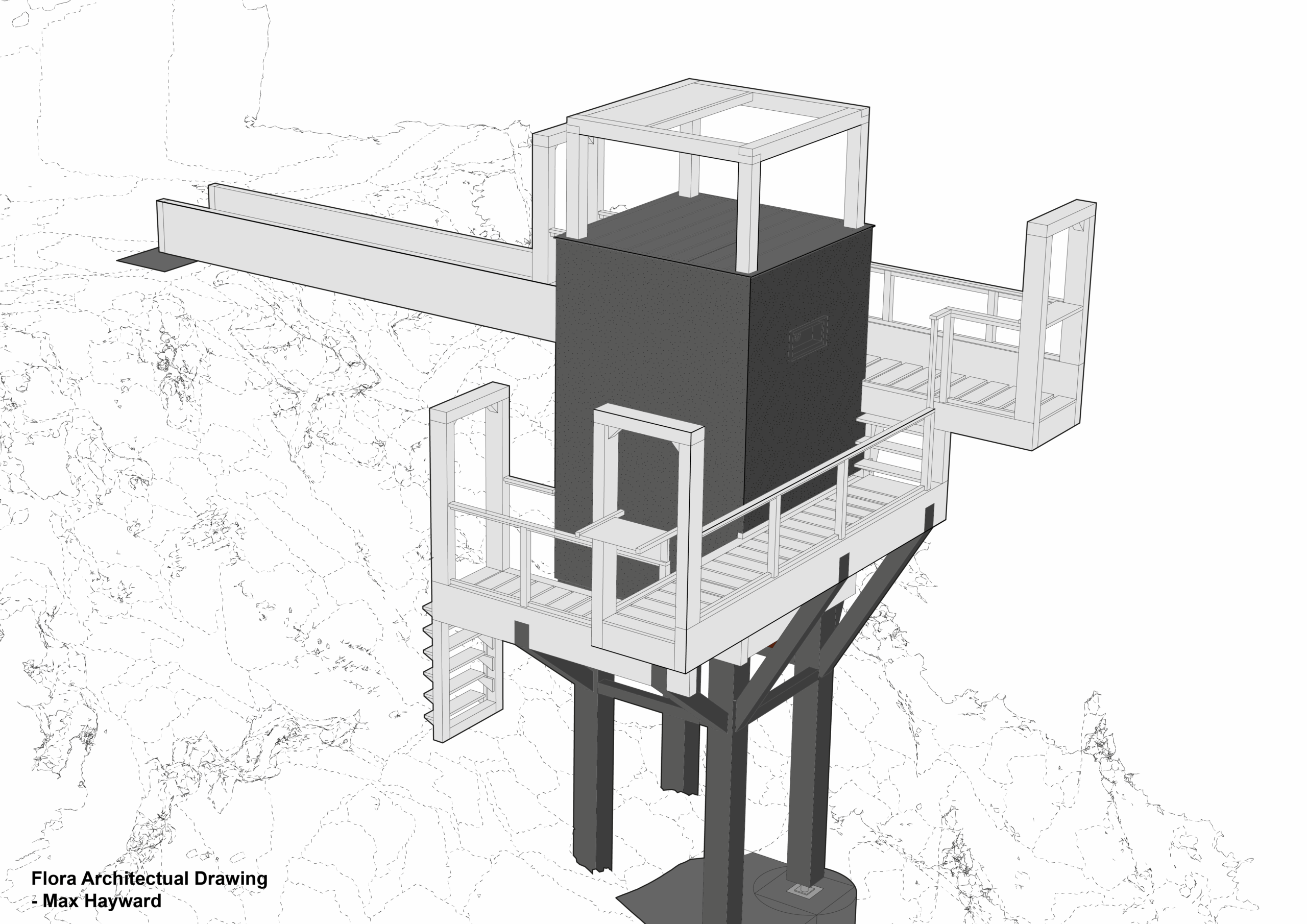
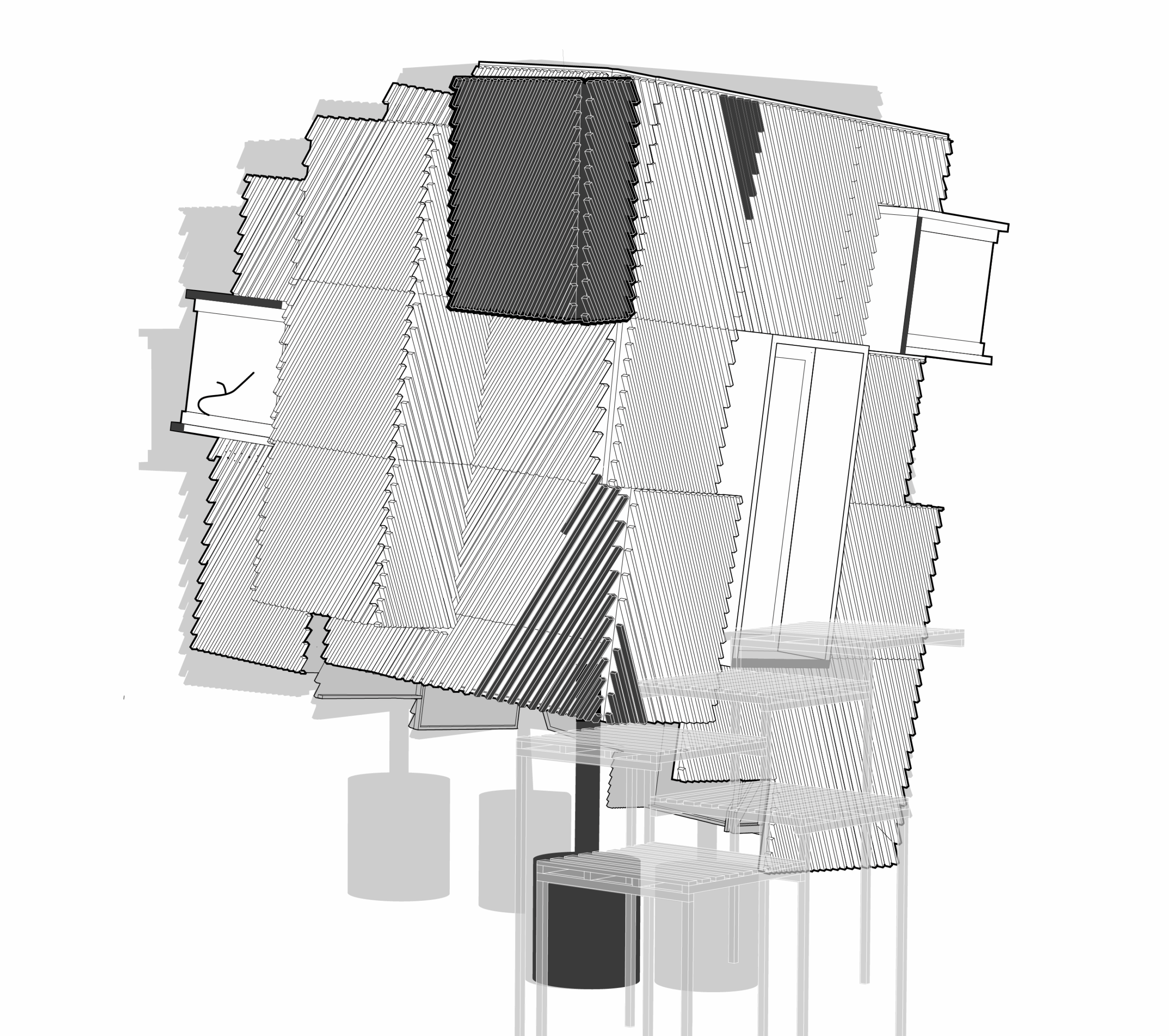
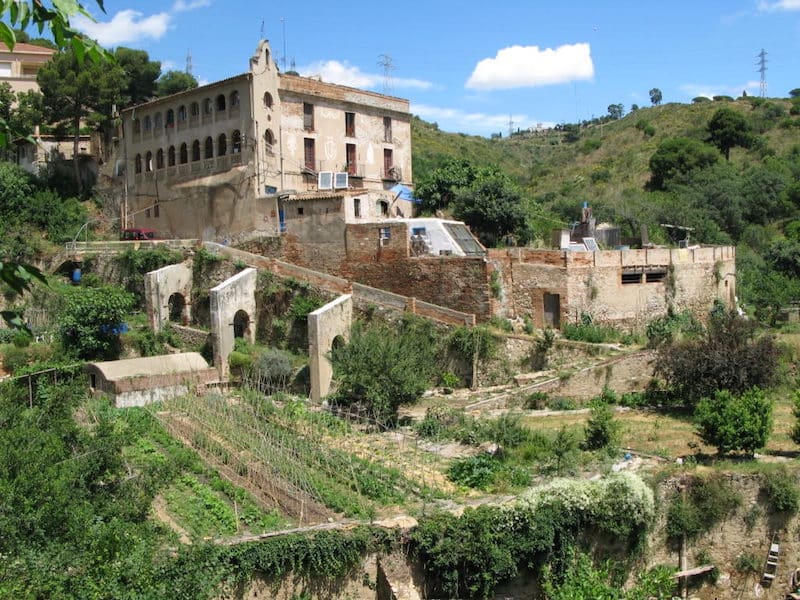
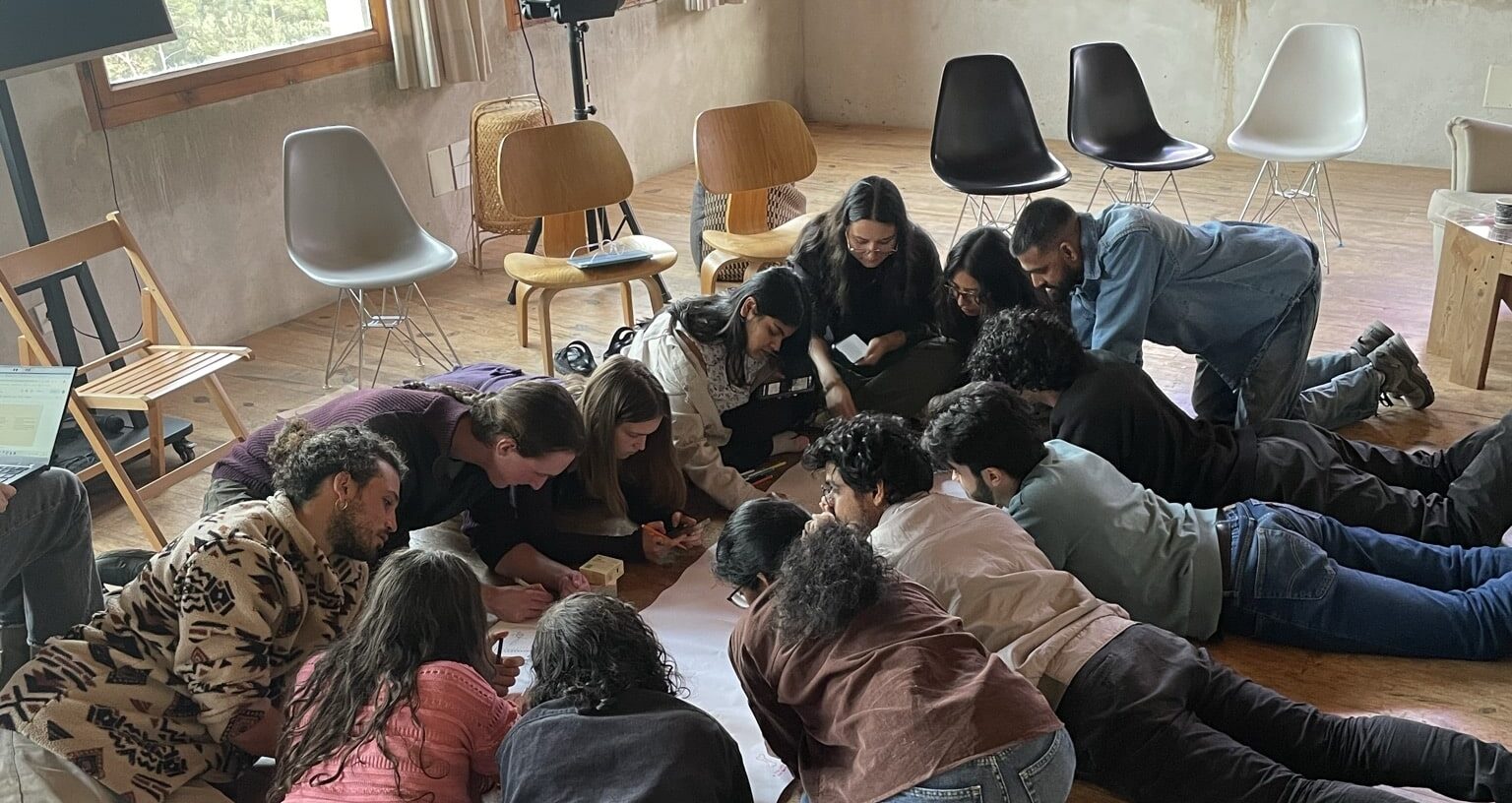
During the first six months in the program, students are comprehensively trained in the principles of design and construction of advanced ecological buildings through a series of focused and intense modules, which include material production, thermal and metabolic building systems, ecological structures and façade systems and much more. After developing the necessary skills and a holistic understanding of advanced and ecological design, students collectively draft and build a full scale ecological building prototype.

Filters
Course

Titled by Time: a Cube Out of Line

Voxel Damage

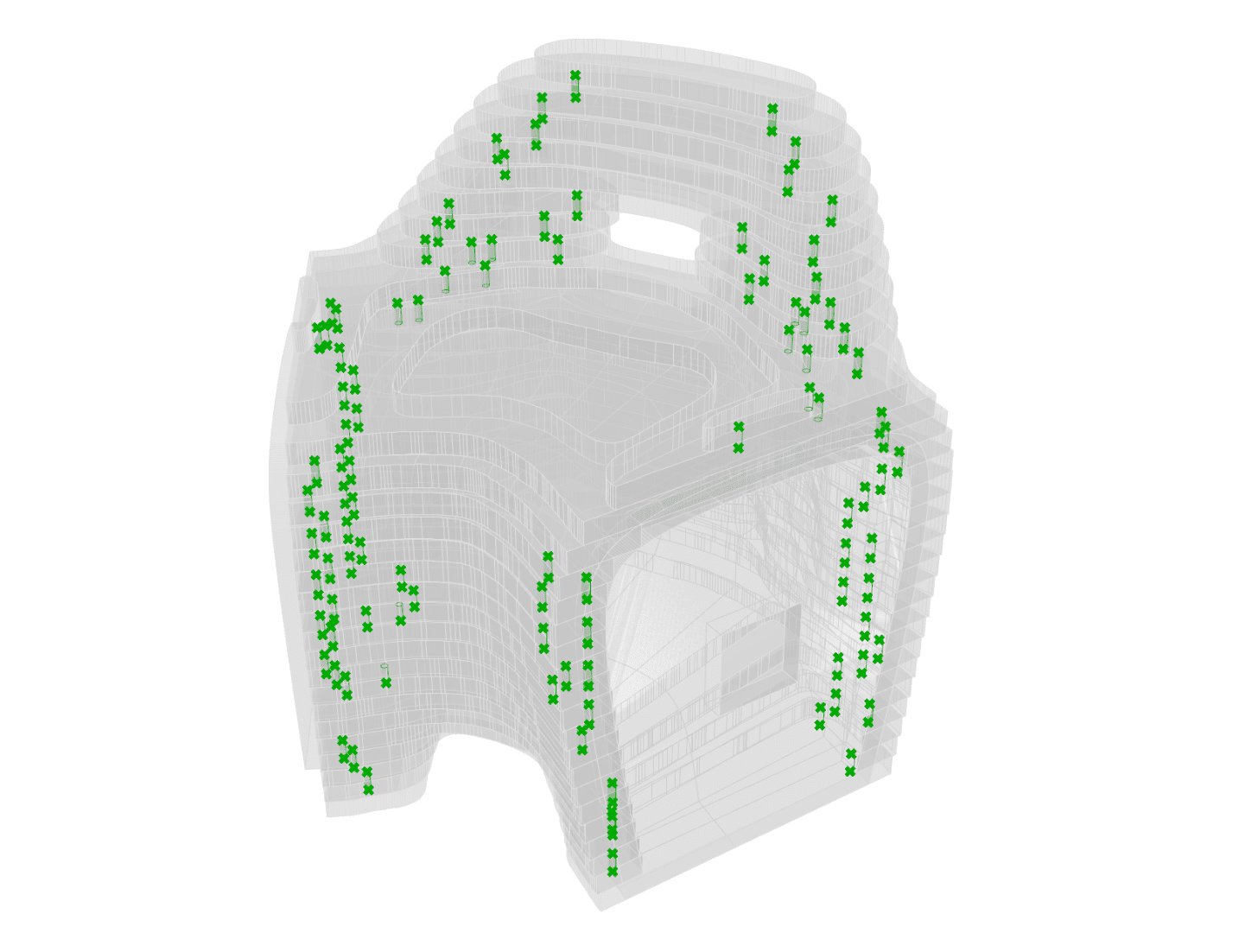
Overview Pedro Pitarch’s Visual Intelligence course, tasked students with creating a 2D and 3D visualization of an existing structure on campus. I chose to analyze and document the condition of the Voxel Quarantine Cabine five years after its installation, highlighting both cosmetic deterioration and a critical structural failure. I began with careful observation of the … Read more

Bridging Data and Design: Insights from Visual Intelligence 1.0

This seminar explored architectural representation as both a design tool and a communicative language. Through drawing, modeling, and visualization exercises, we engaged with abstraction, narrative, and complexity to produce clear, innovative, and visually compelling work. We were encouraged to treat representation as an abstract language capable of expressing spatial and conceptual ideas beyond literal depiction. … Read more

IMAGINATION TO ILUSTRATION

The concept for the 2D drawing starts at the base with a section, cutting through the middle of the plan, looking North. Afterward having plan views at different levels. Plan A: looking at the multiple longitudinal boards of the bridges. Then plan B: reveals the inner frame of the longest primary bridge, this system then … Read more

Nidra chair – MRAC & MAEBB Workshop 1.1

Nidra chair

The Nidra Chair was developed within the framework of Workshop 1.1, where we explored robotic milling using the KUKA robotic arm. The design process was guided by a set of conceptual ideas—texture, nest, wings, and storage—which shaped the formal and tactile language of the piece. Inspired by notions of protection, warmth, and well-being, Nidra seeks … Read more

Fail Forward: A Chair Undone is a Chair Well Done

Lessons from Workshop 1.1 – Robotic milling and design for subtractive manufacturing This workshop focused on advanced subtractive manufacturing techniques, exploring the integration of 2-axis CNC milling and 6-axis robotic milling within a hybrid digital fabrication workflow. The process emphasized computational design-to-production strategies, including toolpath generation, material optimization, and robotic calibration. Through sequential stages of … Read more

Valldaura D&D Kit

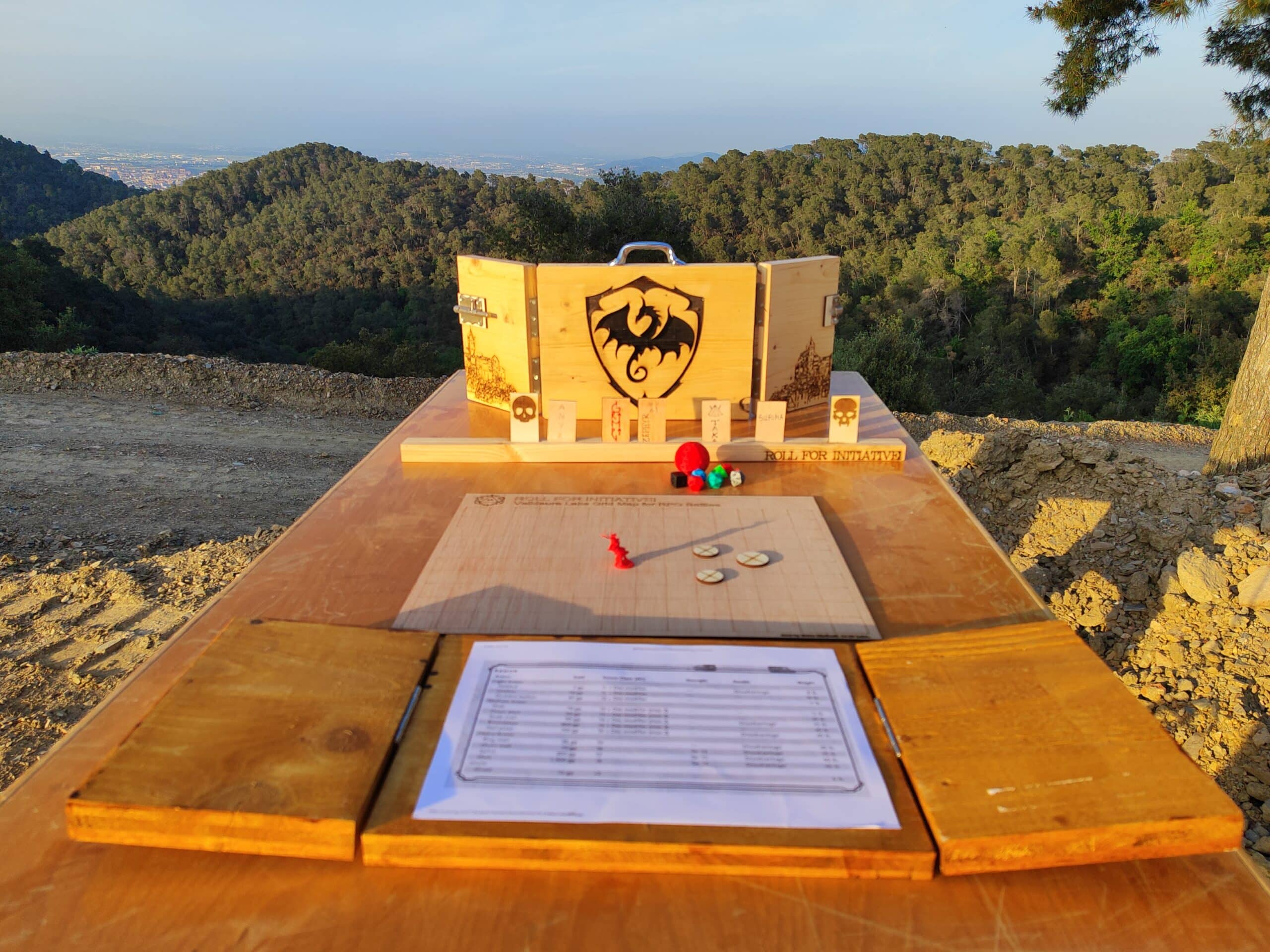
Dungeons & Dragons (D&D) is a tabletop role-playing game where players create characters and embark on adventures guided by a Dungeon Master. Through storytelling, strategy, and dice rolls, players explore worlds, battle foes, and solve challenges in an open-ended, cooperative experience. The game is played using polyhedral dices, character sheets, and often miniatures on gridded … Read more

Designing for More Than Humans: Exploring Multispecies Futures in a Changing Climate

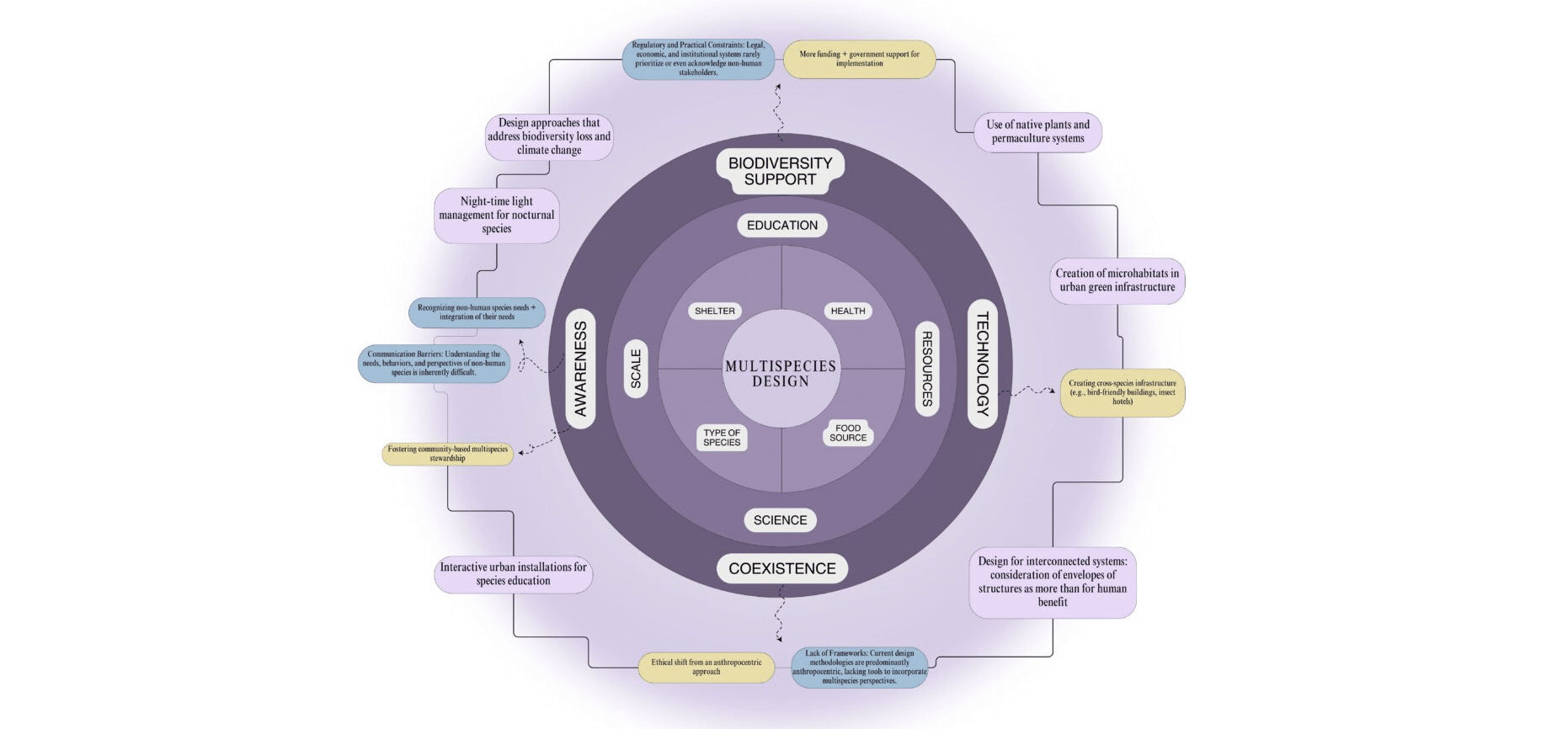
Among the topics explored in this course, Multispecies Design stood out as the most transformative and thought-provoking. It challenges the core assumption that humans are the sole users—or beneficiaries—of designed environments. Instead, it calls for recognizing other species as co-inhabitants and co-participants in shared spaces. This approach not only widens the ethical scope of design, … Read more

Ecological Intelligence- Vernacular Architecture

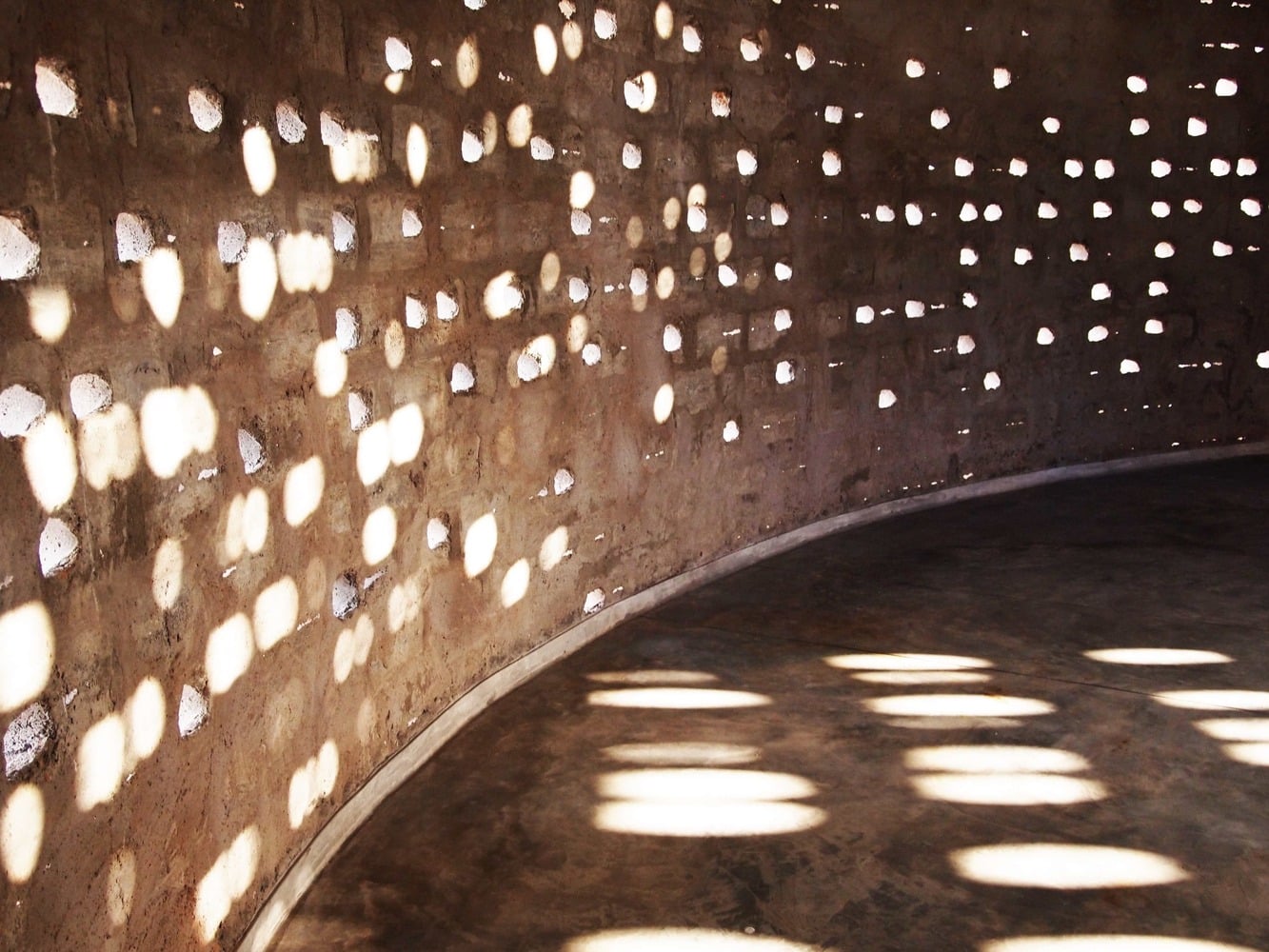
“The vernacular has always embodied a kind of instinctive ecological intelligence — evolving over time with a sensitivity to resources, energy, and context.” – Dr. Ahmet Eyüce As architecture continues to scale upward, streamline processes, and globalize its language, I find myself drawn to the quiet wisdom of vernacular architecture — the kind that emerges … Read more

Slow Architecture as a form of Resistance

Among the various topics explored during our mapping activity, I found myself drawn most powerfully to vernacular architecture. Not only as a stylistic or historical lens, but as a living, breathing practice—a philosophy that pulses beneath the surface of modern architectural dilemmas. It speaks quietly, yet persistently, about rootedness, slowness, community, and the dignity of … Read more

Opportunities and Gaps in Climate Adaptation & Mitigation

In today’s climate-conscious world, industries and governments alike are actively aligning their strategies toward climate adaptation and mitigation. The urgency of the climate crisis has unified efforts across disciplines, yet many responses tend to focus on highly specific, niche areas of research and intervention. While such targeted approaches are undoubtedly valuable, they often risk overlooking … Read more

Ecological Intelligence 2

Learning Ecological Design is the very reason I applied for this master’s program at Valldaura Labs. We constantly talk about ecology, yet I feel that many—including myself—haven’t truly explored what it means beyond surface-level choices like buying “eco-friendly” products or taking shorter showers. Studying ecological design has pushed me to reconsider my role within ecological … Read more

Earth – A Single Organism

The Gaia theory suggests that Earth functions as a self-regulating organism. Whether we consider humans an integral part of this system or a disruptive force, we must acknowledge that our actions have caused significant harm to the planet. As architect Tadao Ando stated, “We borrow from nature the land upon which we build.” This idea underscores … Read more

Embracing Ecological Intelligence: Reconciling Anthropocentrism and Ecological Imperatives in Design

The exigency of the Anthropocene compels a fundamental reassessment of design paradigms. Traditional anthropocentric approaches, which prioritize human needs often to the detriment of ecological integrity, have precipitated a confluence of environmental crises. This discourse will explore the concept of Ecological Intelligence, a framework that necessitates a departure from human-centered design, advocating for a holistic … Read more

Ecological Intelligence II – Biomaterials

Biomaterial is a concept that is already late to be implemented. In the article “Principles of biological design as a model for biodesign and biofabrication in architecture,” the ideas around the use of biomaterials in the construction sector are carefully explored and evaluated. It is stated that they are a great replacement for conventional standardized … Read more