The Master in Advanced Ecological Buildings and Biocities (MAEBB) postgraduate program is an 11-month immersive academic program focused on learning how to design and build a new generation of buildings and cities to respond to the planet’s emerging climate challenges. The program is carried out in Valldaura Labs, in Barcelona, a 135 He property located in the Collserola forest. Here, students will live and work surrounded by nature while using the most advanced technologies and design techniques in the pursuit of what is also IAAC’s long term initiative, to create self-sufficient and ecological environments.


Filters
Course

MEDITERRANEAN | Urban Intervention
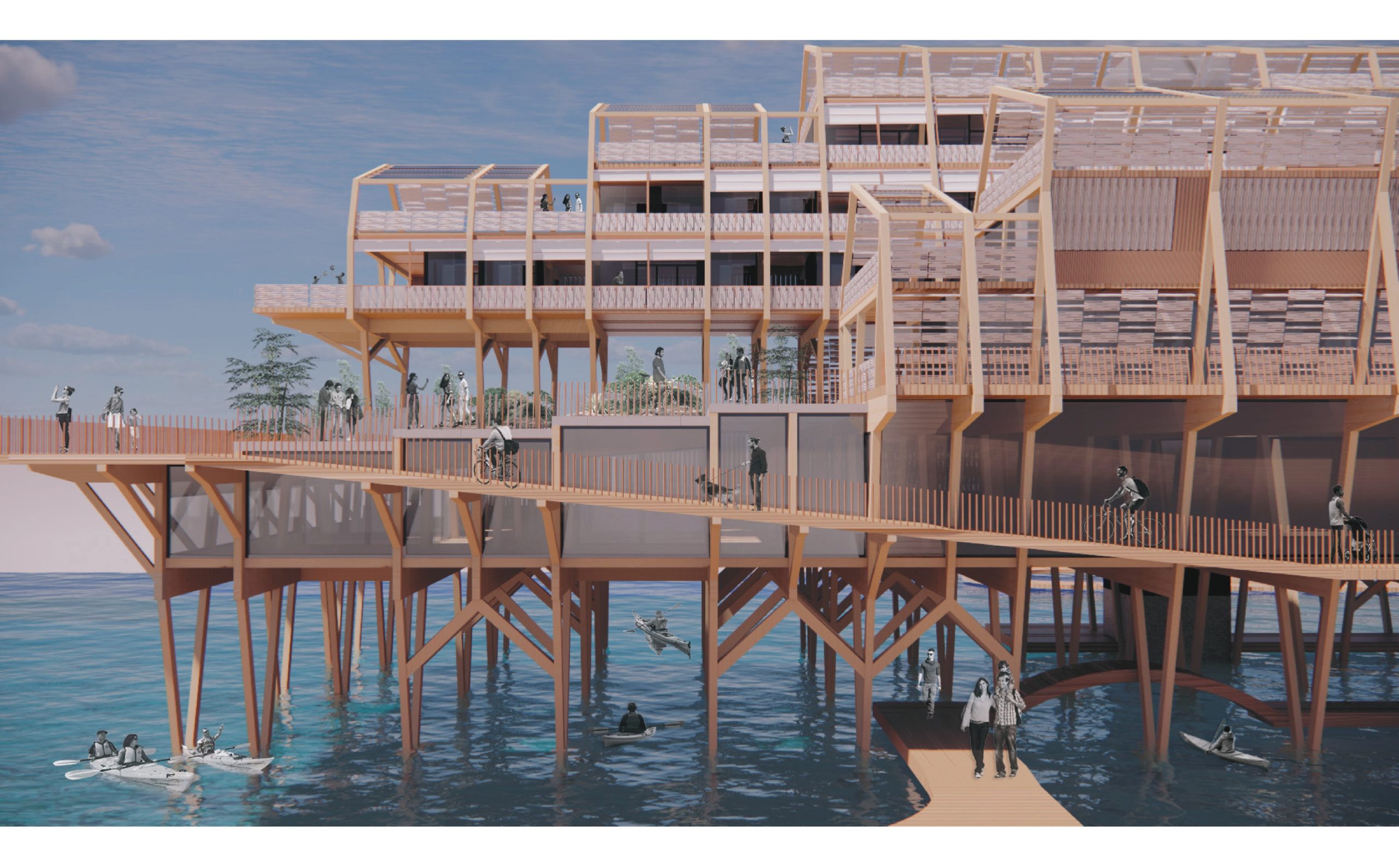
This project was designed embarking on a vision to create a city that embodies sustainability, organic density, decentralization, multipolarity, complexity, transversality, liveliness, resilience, inclusivity, diversity, mixed-use, beauty, biodiversity, cohesion, safety, health, accessibility, and support for an active life and a city of care – all with people at the centre rather than technology or economics. … Read more
CRADLE TO CRADLE : Remaking the way we make things.

Authors : William McDonough (Architect) – “Design is a Signal of the Intention.” & Michael Braungart (Chemist) – “Nature does not have a design problem.” In 1995, they established McDonough Braungart Design Chemistry, a product and system development firm assisting clients in implementing sustaining design protocol. The framework details how to execute their Cradle to … Read more

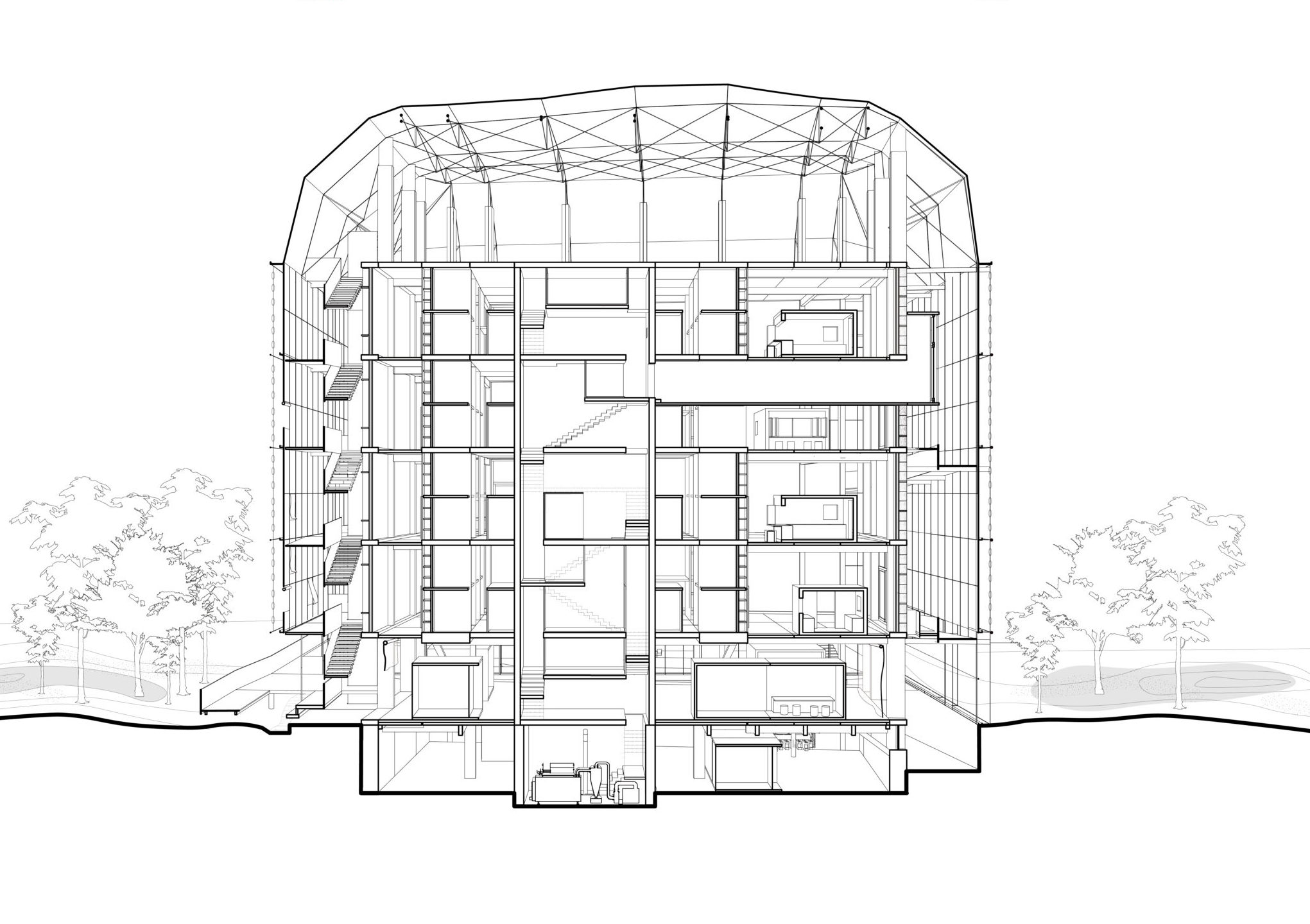
Tabrizian Tapestry: Resilient Envelopes

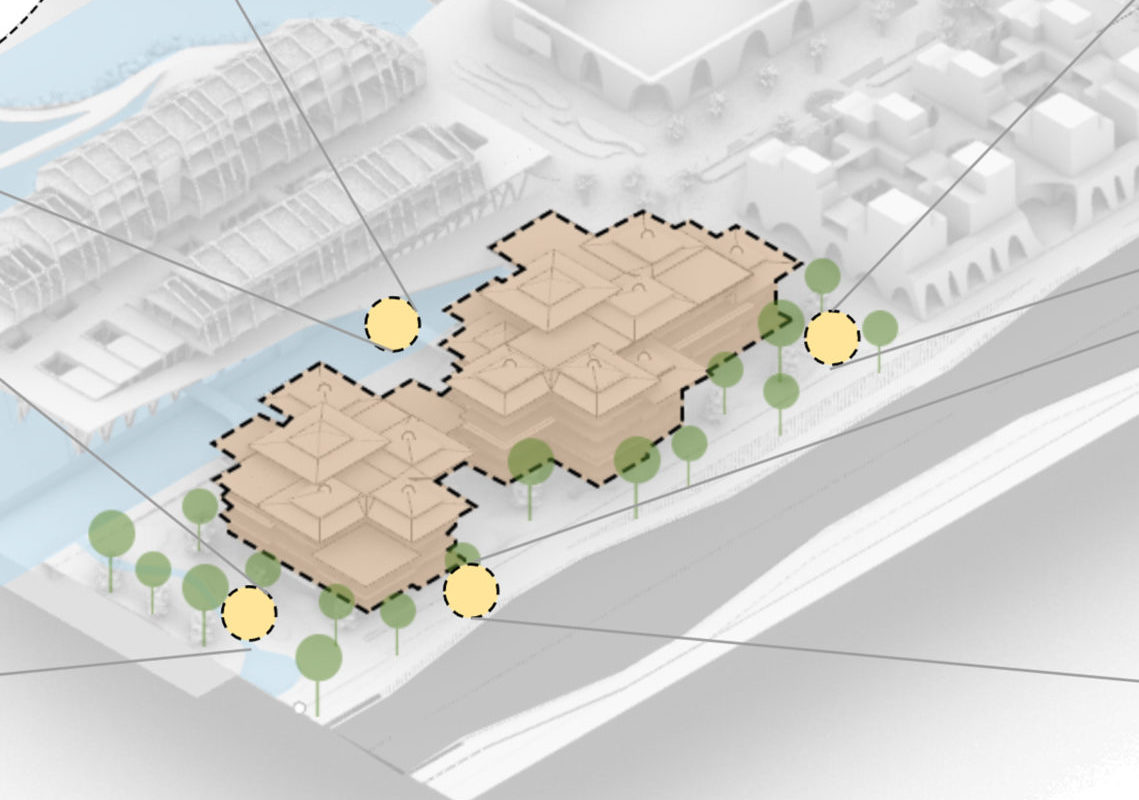
In terms of implementing the concept of Resilient envelopes in Tabrizian Tapestry, the envelopes have been developed, driven by specific sustainable constructive systems, and integrating materiality with specific origin and composition, as well as ample room for maneuver in terms of performativity, recyclability, bio-degradability, longevity. Advanced CLT balloon frame with Brick facade clad in north … Read more

Governing the Commons | Elinor Ostrom

The continuos overuse and destruction of Natural Resources has been a problem during the time that Elinor Ostrom published her book Governing the Commons and continues to threaten ecosystems today. Elinor Ostrom showed that this scenario is not inherent to all natural or „common pool resources“ (CPRs) as portrayed in „the tragedy of the commons“ … Read more

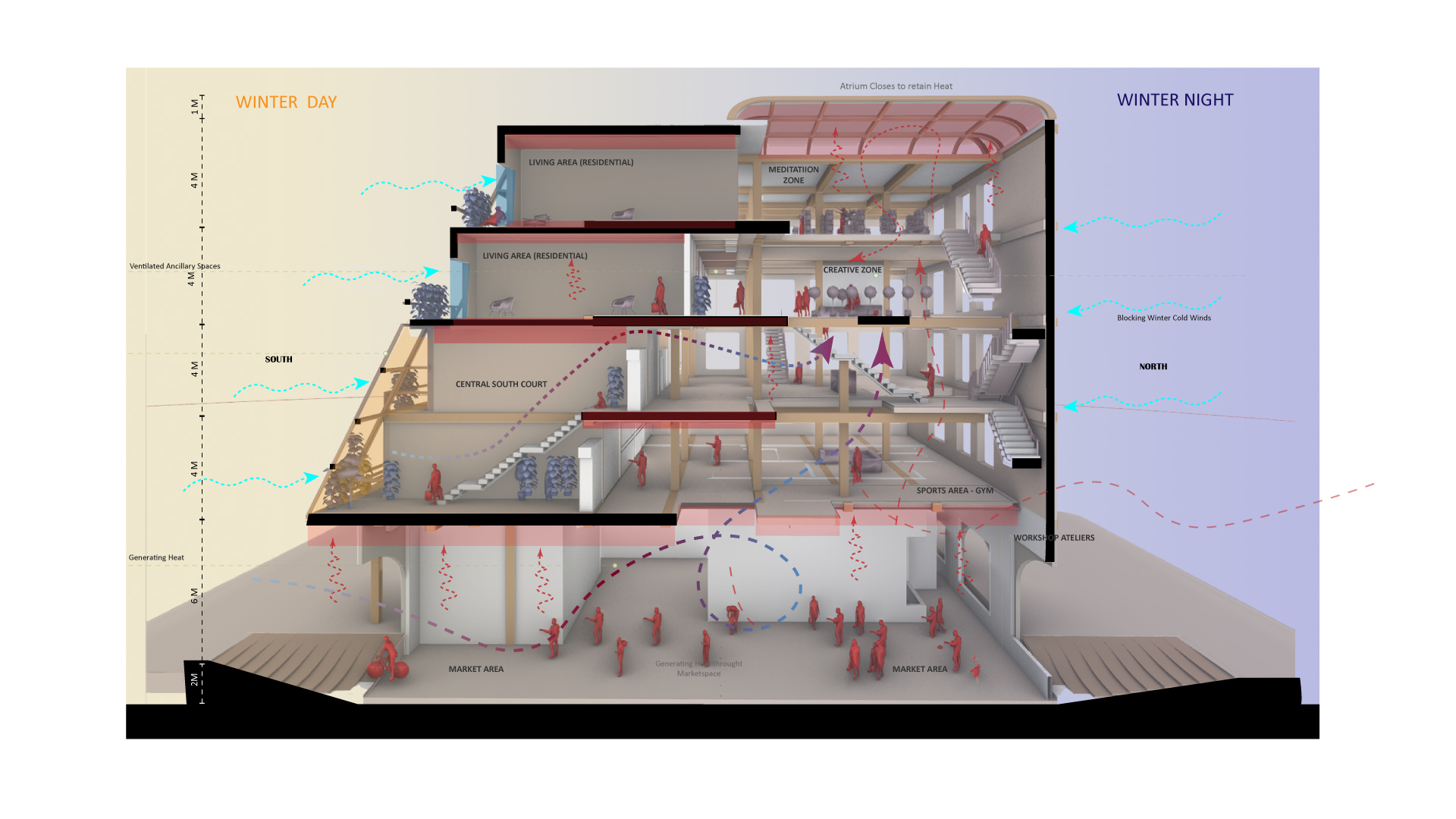
DZONGHA | Metabolic Building Systems : Energy

Shruti Sahasrabudhe, Larsen Bidstrup, Nishanth Maheshwaran, Jacek Antoni KostrzewaMASTER IN ADVANCED ECOLOGICAL BUILDINGS AND BIOCITIES, 2022-2023, IAAC To align with overarching sustainability values of the project, we approached the energy design module with intentions to reduce carbon footprint and improve self-sufficiency. Sunny Design software was used with climate date of Paro, Bhutan to help us … Read more

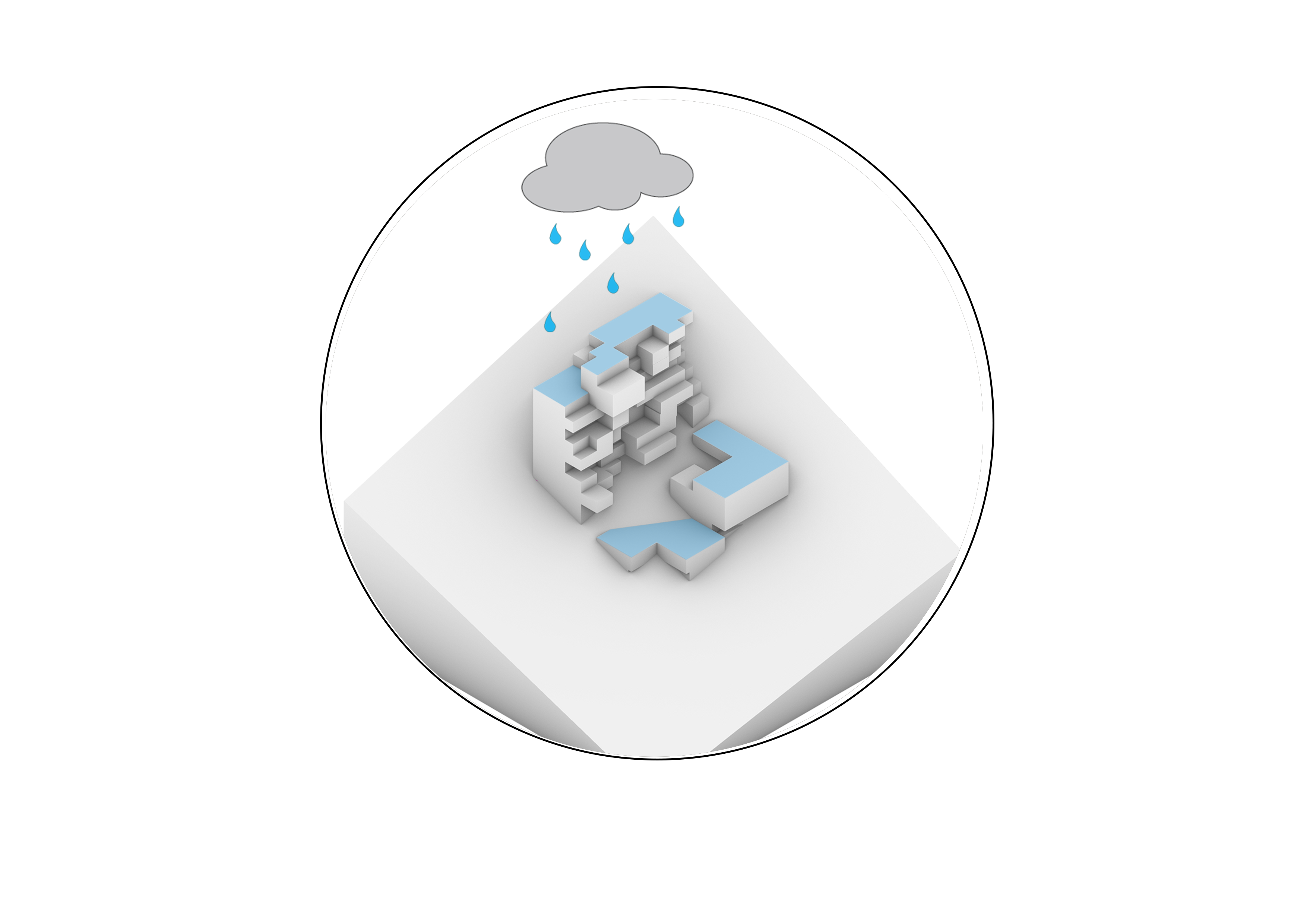
DZONGHA | Metabolic Building Systems : Water

Shruti Sahasrabudhe, Larsen Bidstrup, Nishanth Maheshwaran, Jacek Antoni KostrzewaMASTER IN ADVANCED ECOLOGICAL BUILDINGS AND BIOCITIES, 2022-2023, IAAC In the Bhuddist traditions of Bhutan, water is holy. We sought to design with this respect top of mind. Before calculating water usage, we classified different water qualities into blackwater, greywater, rainwater, and potable water. On the basis … Read more

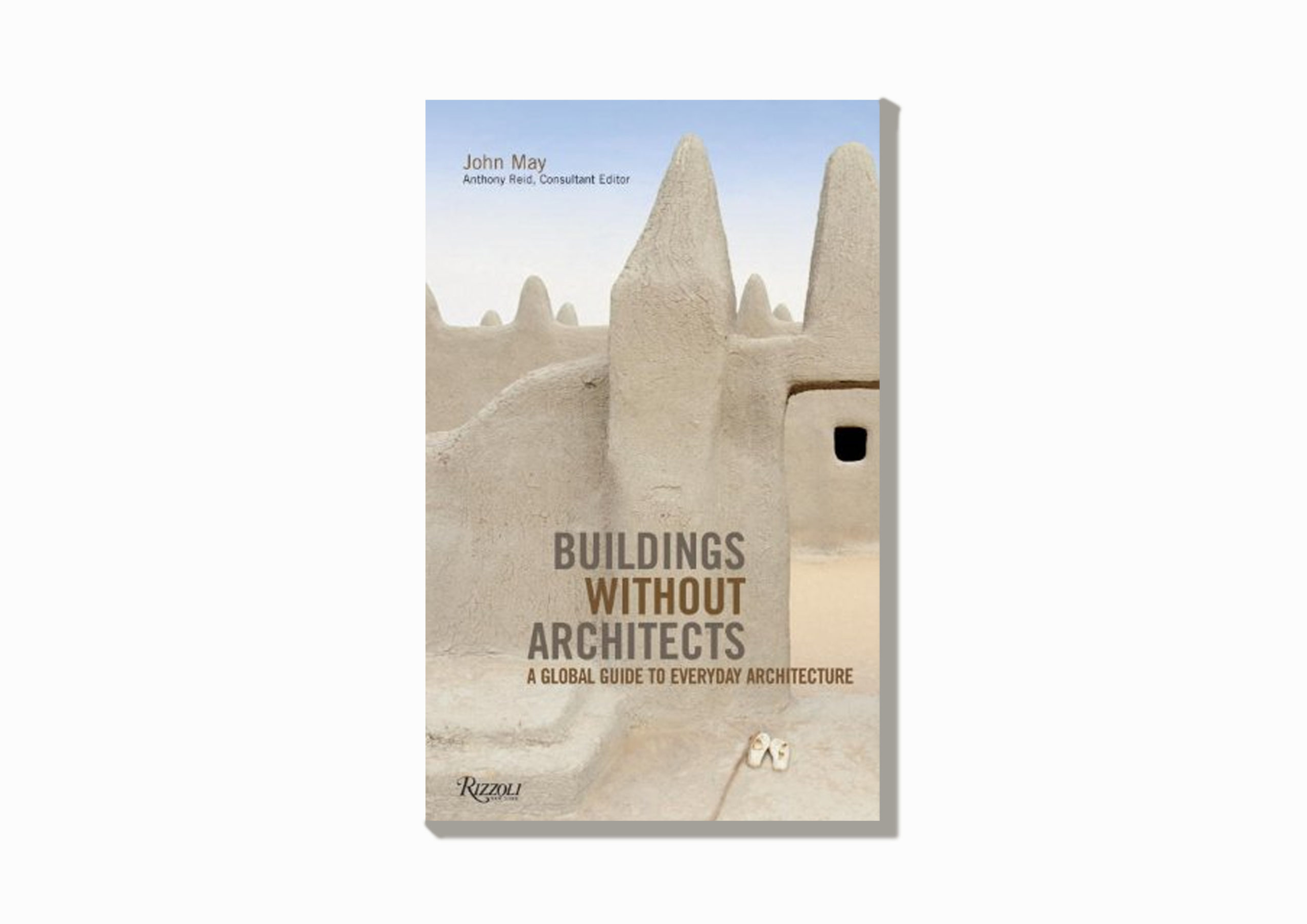
BUILDINGS WITHOUT ARCHITECTS: A Global Guide to Everyday Architecture by John May | Ecological Thinking

This blog is a review of the book, Buildings without Architects: A Global Guide to Everyday Architecture by John May. The book is a culmination of 60+ different styles of vernacular architecture ranging from different materials and different regions of the world. “Architecture should speak of its time and place, but yearn for timelessness.” – … Read more

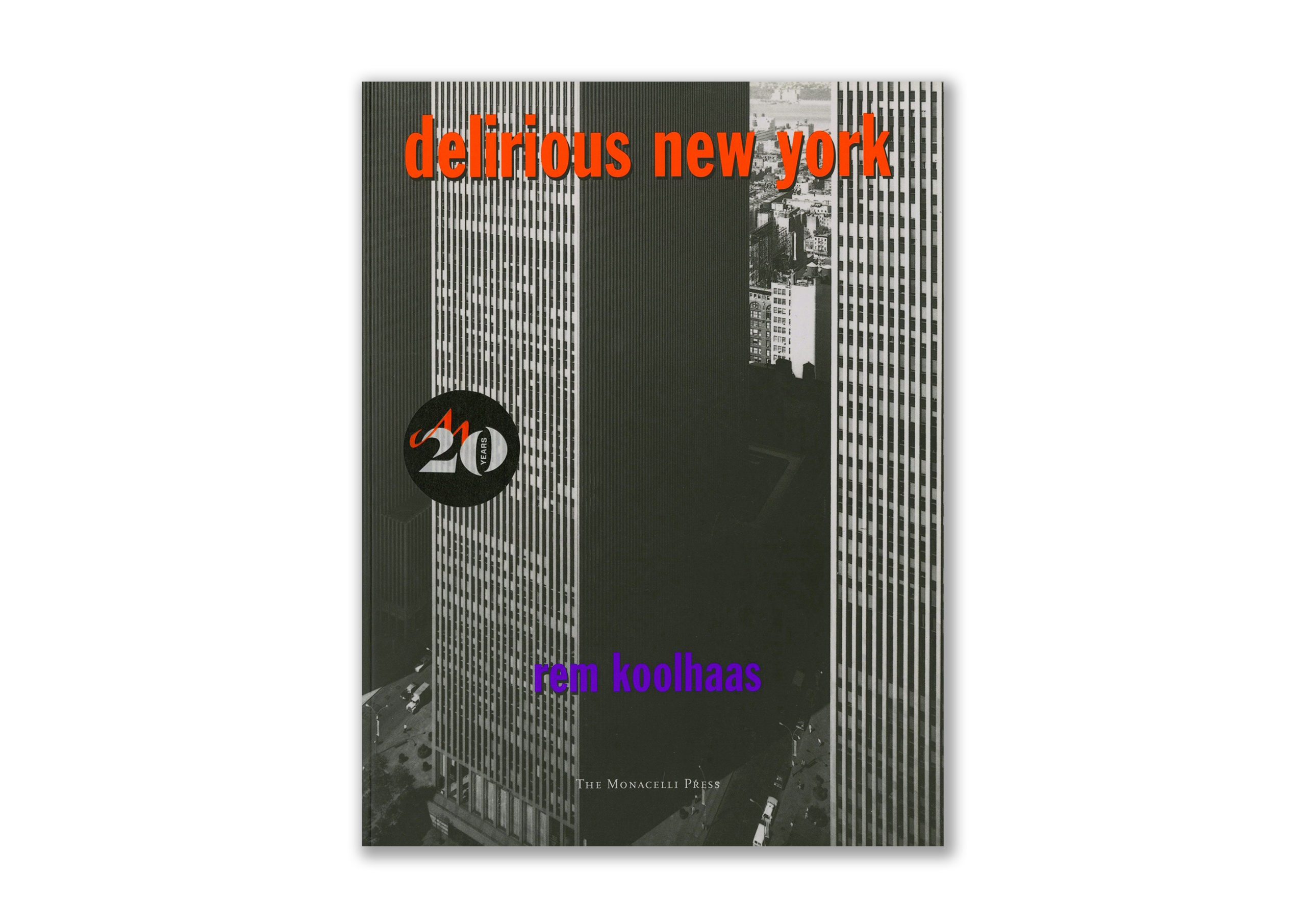
DELIRIOUS NEW YORK: A Retroactive Manifesto for Manhattan by Rem Koolhaas | Ecological Thinking II

This blog is a review of the book “Delirious New York” written by Rem Koolhaas. “The future is no longer about power, but about bandwidth.” Rem Koolhas Rem Koolhaas wrote a novel titled “Delirious New York” that outlines the evolution and background of Manhattan’s design and urbanism. Koolhaas wrote this book because he desired to … Read more