1st Traditional IAAC MaCT ML Competition

#Objective #A Kaggle Competition to MaCT01 students to show their knowledge, designing an end-to-end machine learning project to predict the “Trip Duration” of NYC Taxi trips. #Workflow #First of all a workflow hast do be developed, which represents a classic approach for training machine learning models, analysing the provided training data provided by the submission, … Read more

Gridscape.ai

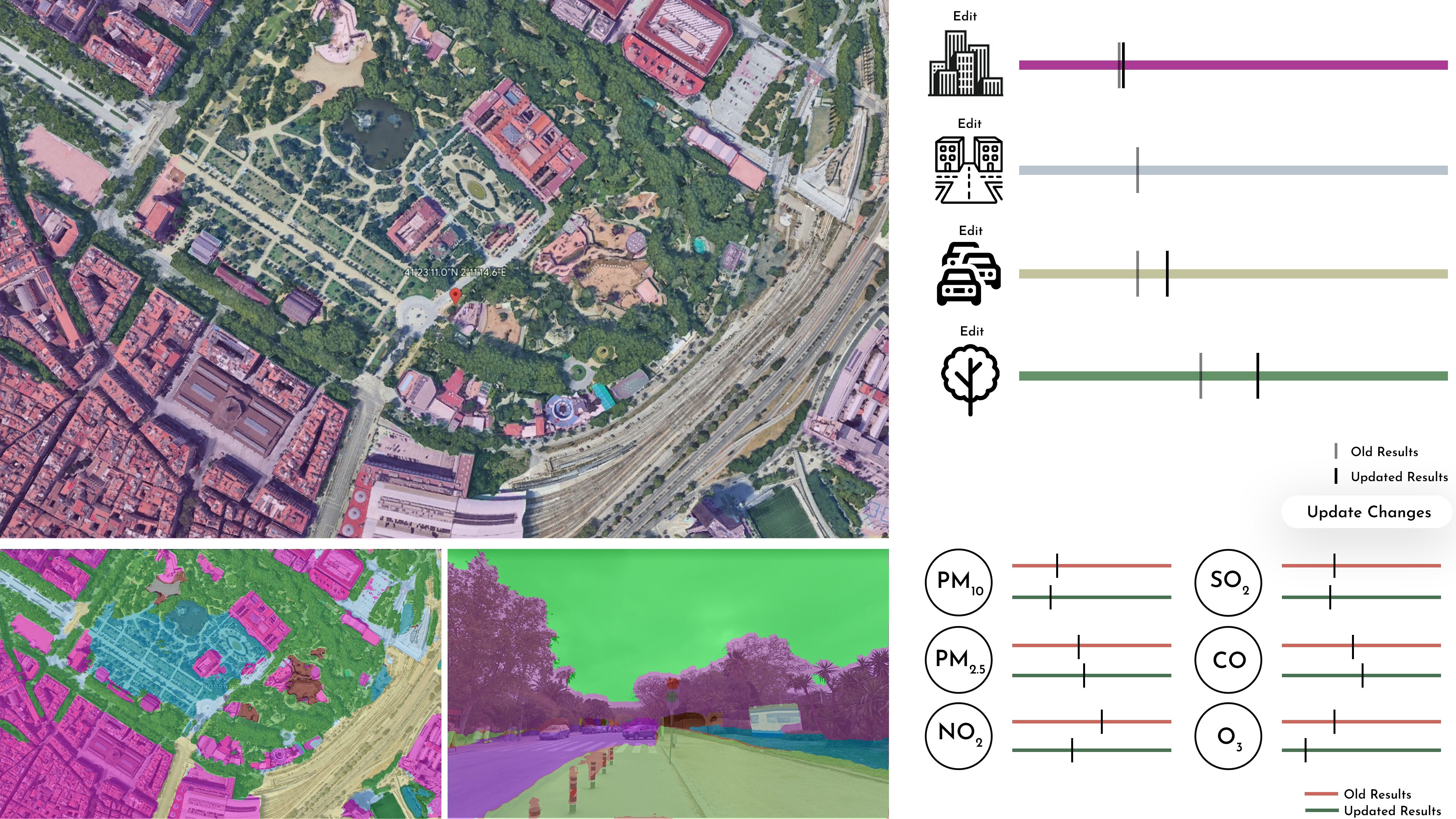
INTRODUCTION Urban planning decisions have a significant impact on the development of cities, and using machine learning can provide decision-makers with valuable insights to make informed decisions. By clustering urban areas based on various factors such as population density, built density, POI density, green cover, and build diversity, we can reveal spatial patterns that can … Read more

Meteo sanctum

The project reflects on how people in ancient times defined natural and weather phenomena. The proposal is to create an open public space – Inspired by the concept of an ancient sanctuary with places that used to be built for worship and predictions of weather conditions, the Meteo Sanctum consists of digital indicators that allow … Read more

Spidey Sensor

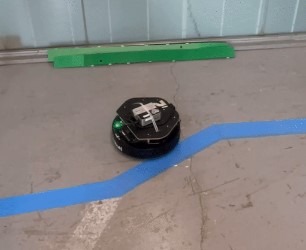
During this Hardware seminar, we were able to understand different types of sensors used in robotics and the techniques used to process the collected data. The aim of the seminar is to use the sensors to understand the environment and then expect the robot to take decisions (automation) and carry a specific task (actuation). For … Read more

Stickers in Barcelona, el Gotico

Objective The objective of the project is to create a database of stickers located in the district of Gotico, Barcelona by collecting geolocated photos, analyzing & sorting them by machine learning and further research to then create a framework for evaluating and improving local economy, artists and political movements marketing strategies. Strategy By collecting geolocated … Read more

Dislocating Creativity

“A Data-Driven Approach to Balancing Creative Class Development and Social Equity in Barcelona” The creative industries have been acknowledged as one of the most important sectors for economic growth and development in current cities worldwide. This sector represents a space of culture where all artistic and creative expression that pro-actively enters into dialogue with new … Read more

RTAOD

real-time autonomous object detection The project “RTAOD” in the workshop 2.1 was developed to navigate and localize a robot autonomously through room and create a map of the scanned area. In the meantime it collects data of detected objects and counts the quantity of them. Required tools This project got realized by the Software “ROS … Read more

ALGOSurfboards: how design drives performance

Over the last decade, the surf industry has been rapidly expanding, as an increasing number of people worldwide are embracing the sport. However, despite the rising demand, traditional surfboard design approaches have yet to fully embrace the potential of tailored equipment that takes into account the unique needs and preferences of individual surfers. As a … Read more

Re-Innovate

The aim of this project is to create a workflow which would help in in the preliminary analysis of physical and materialistic damage using computer vision to enhance sight and successfully pinpoint the defects that can be seen by the camera. The Construction industry follows a very linear approach in terms of usage of materials … Read more

Digital Deconstruct

Algorithmic Design II – Term 1 Standardizing a kit of parts within a local neighborhood has potential to encourage a circular system of material exchange and allow for deconstruction of buildings rather than demolition. This research aims to design a discrete modelling framework focused on generating spaces that can be assembled and disassembled into various … Read more

DIGISCAPES ver 1.0

DIGISCAPES ver 1.0 is a project of IAAC, Institute for Advanced Architecture of Catalonia developed in the Master in Advanced Architecture 02 – by the student: Preetam Prabhakar and Research Thesis Advisor: David Andres Leon during the course MAA02 22/23 Thesis under the Algorithmic Design research thesis cluster.

Computer vision and AI in the Additive Manufacturing process

How can we improve the additive manufacturing process? According to a panel of experts, this process is not perfect. There are several issues on it, like the time that they normally spend prototyping to have “the perfect piece”.  This involves different parameters like speed, pressure, Material Consistency, the calibration of the robot, etc.  In most … Read more