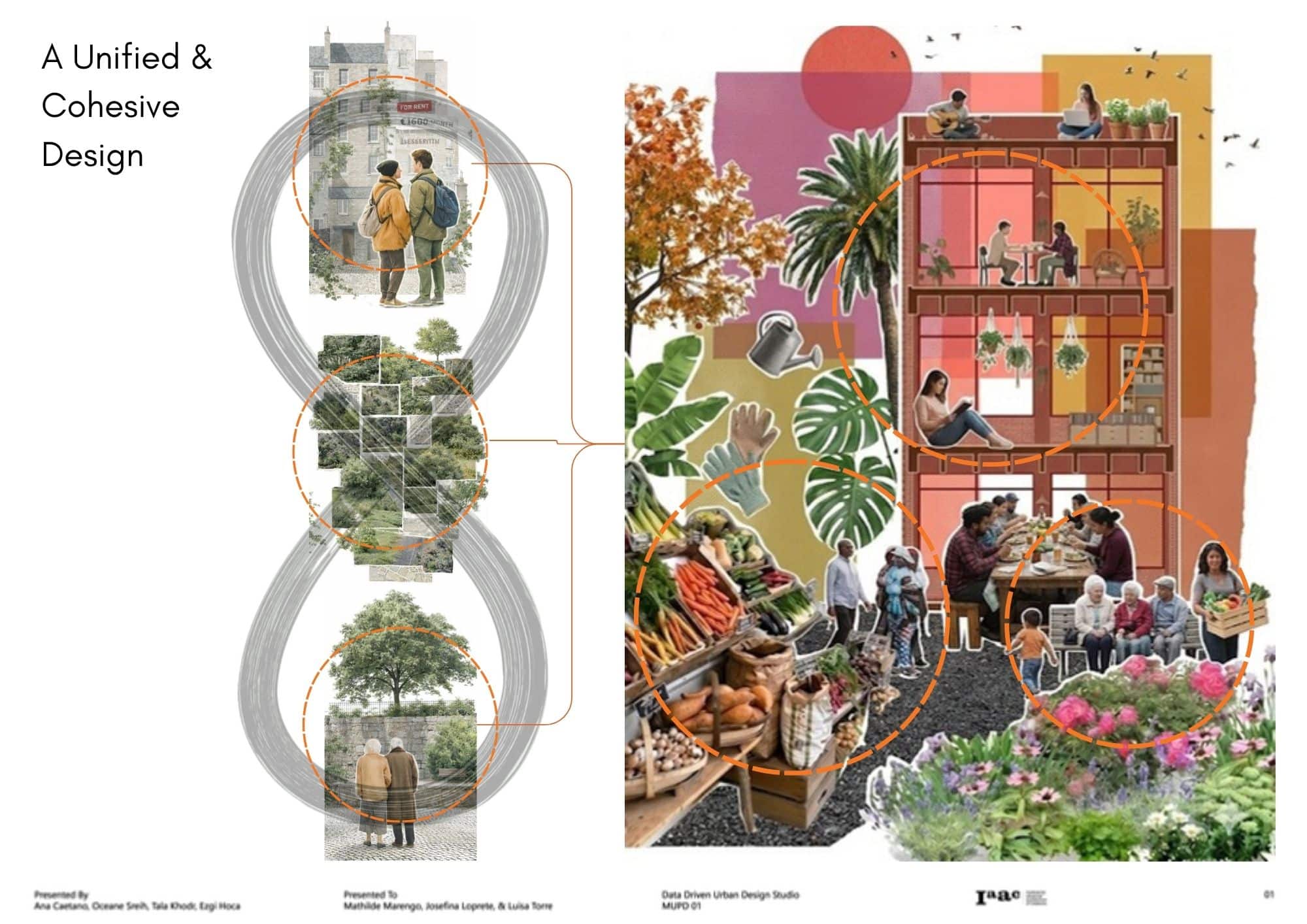
– Reimagining the Northern Green Corridor of Lisbon –
Location
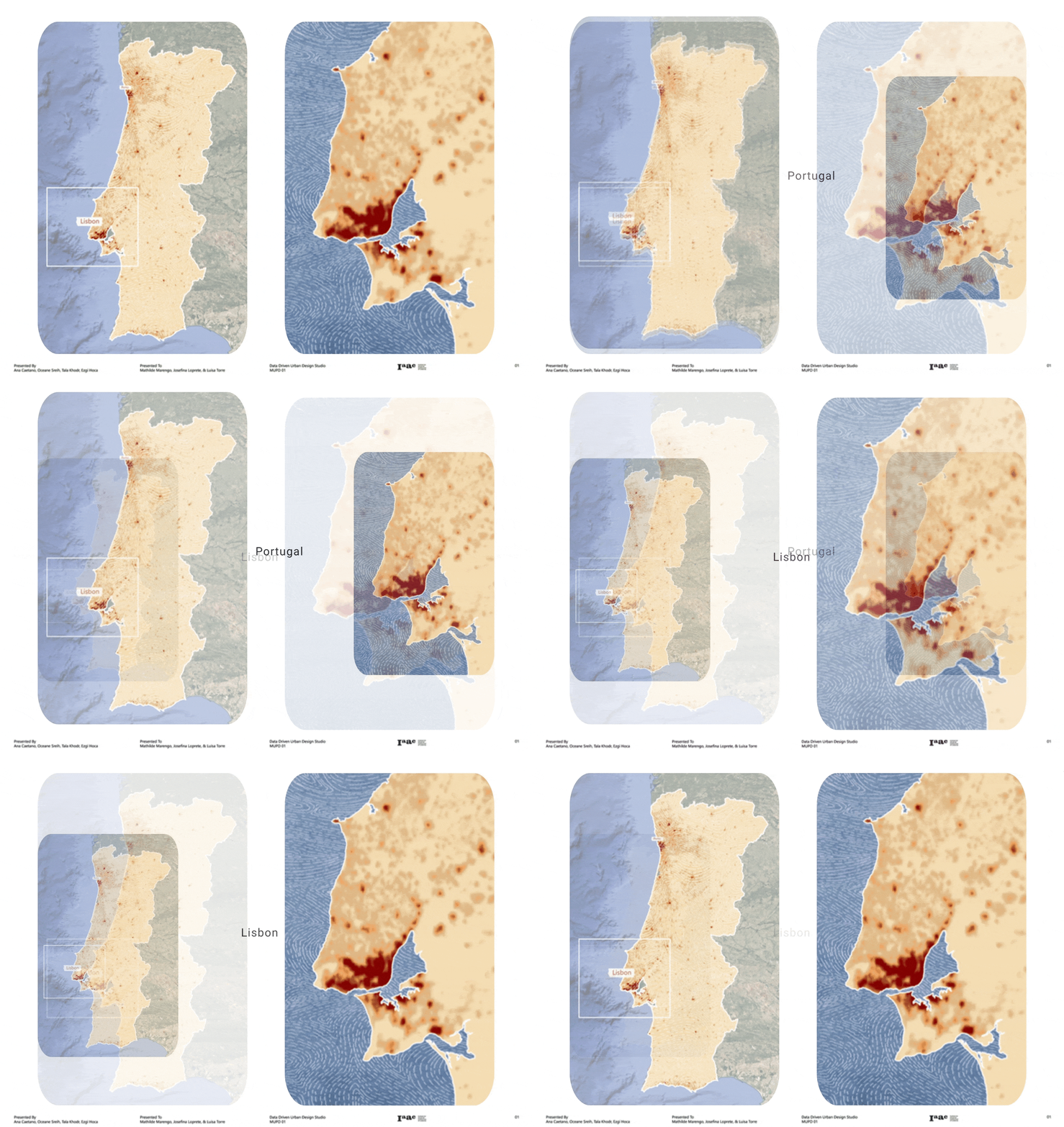
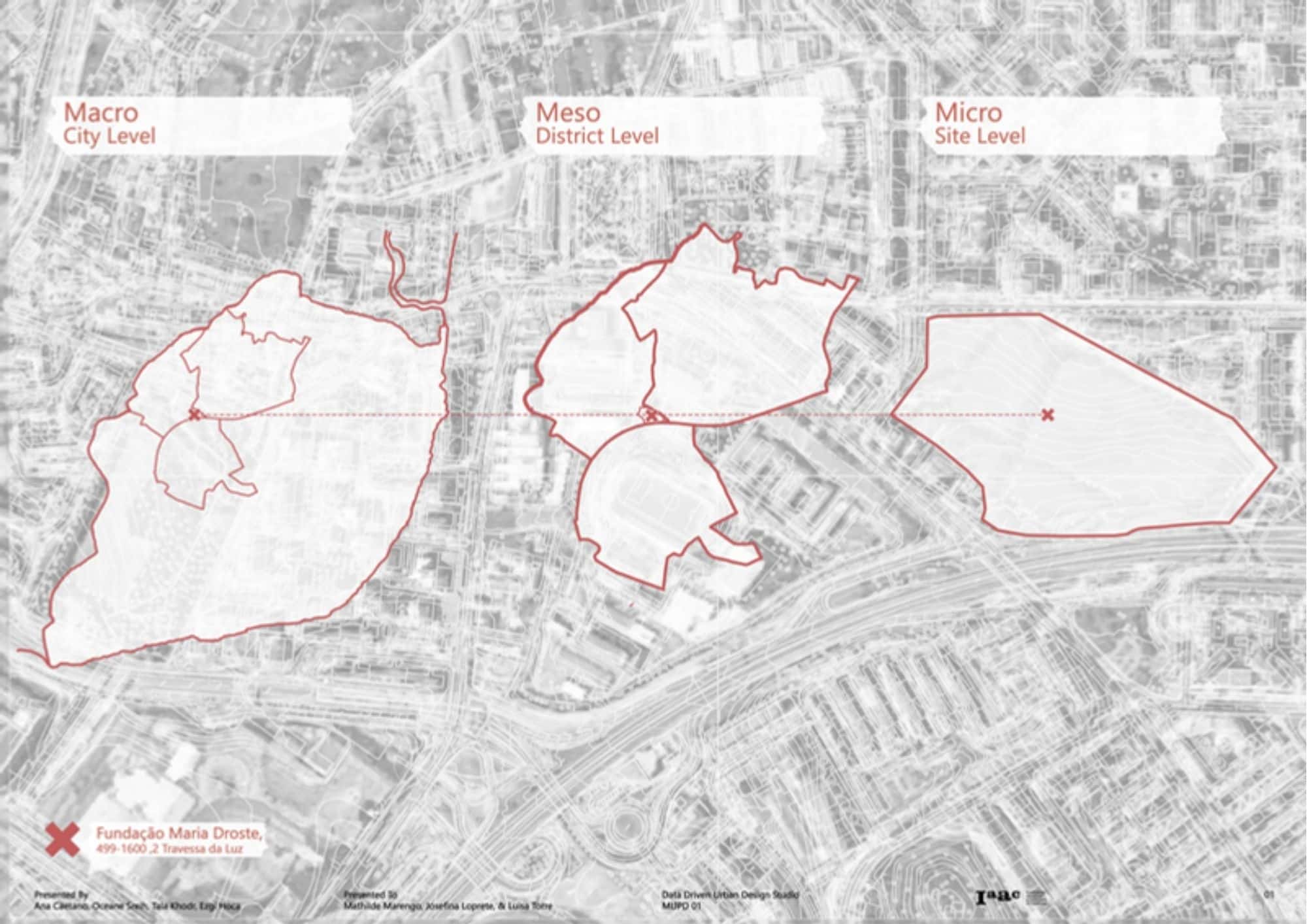
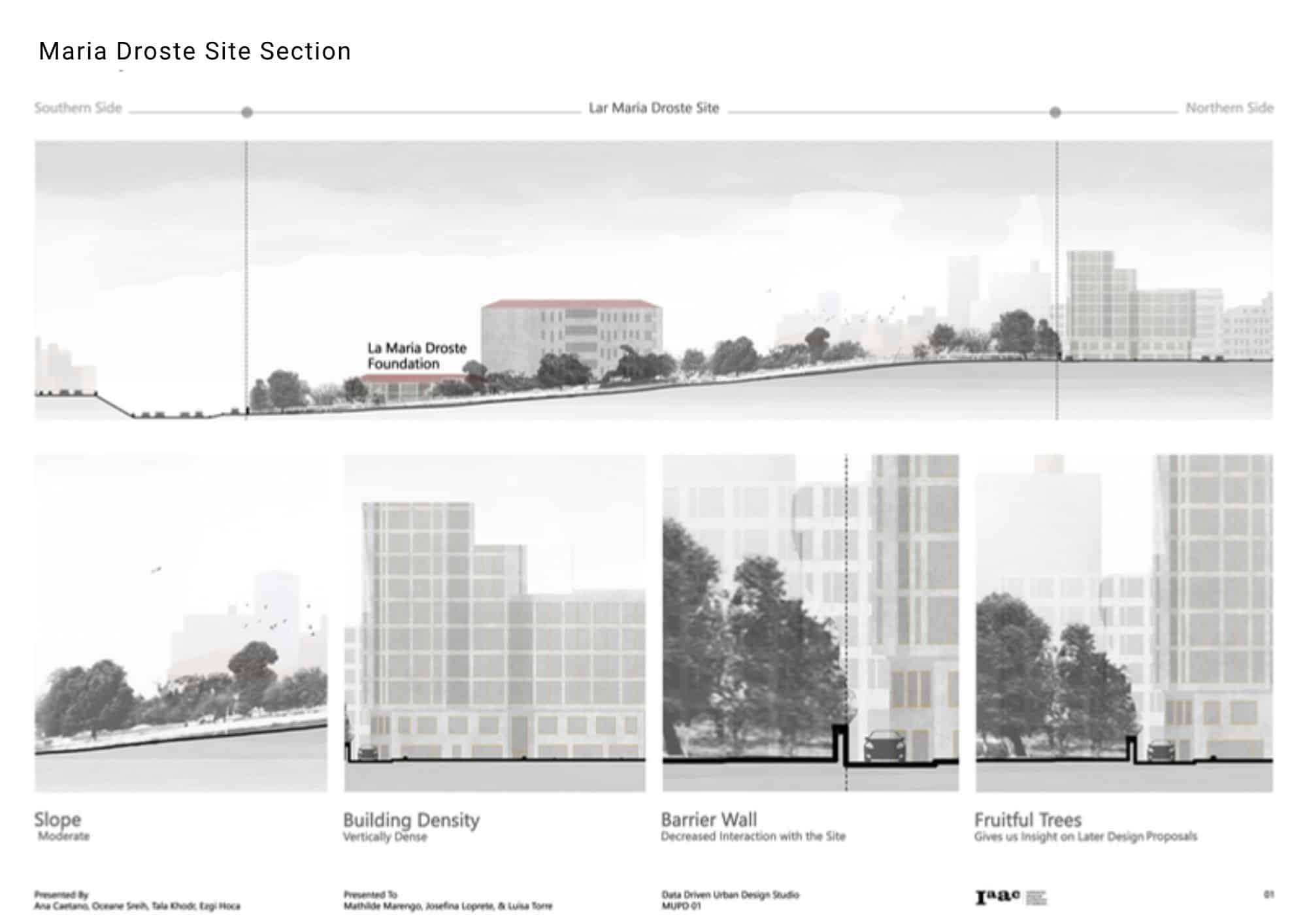
The project site in Lisbon is strategically located within a dynamic urban fabric characterized by a mix of historic layers and contemporary development. Positioned between key mobility corridors and densely populated neighborhoods, the area experiences a high level of pedestrian and vehicular activity throughout the day. Its proximity to public transport nodes and urban amenities intensifies its role as a connective hub, while also creating pressure on existing public spaces. This dense and active context offers both challenges and opportunities for innovative, climate-responsive urban design interventions.
C40 Maria Droste Site Goals
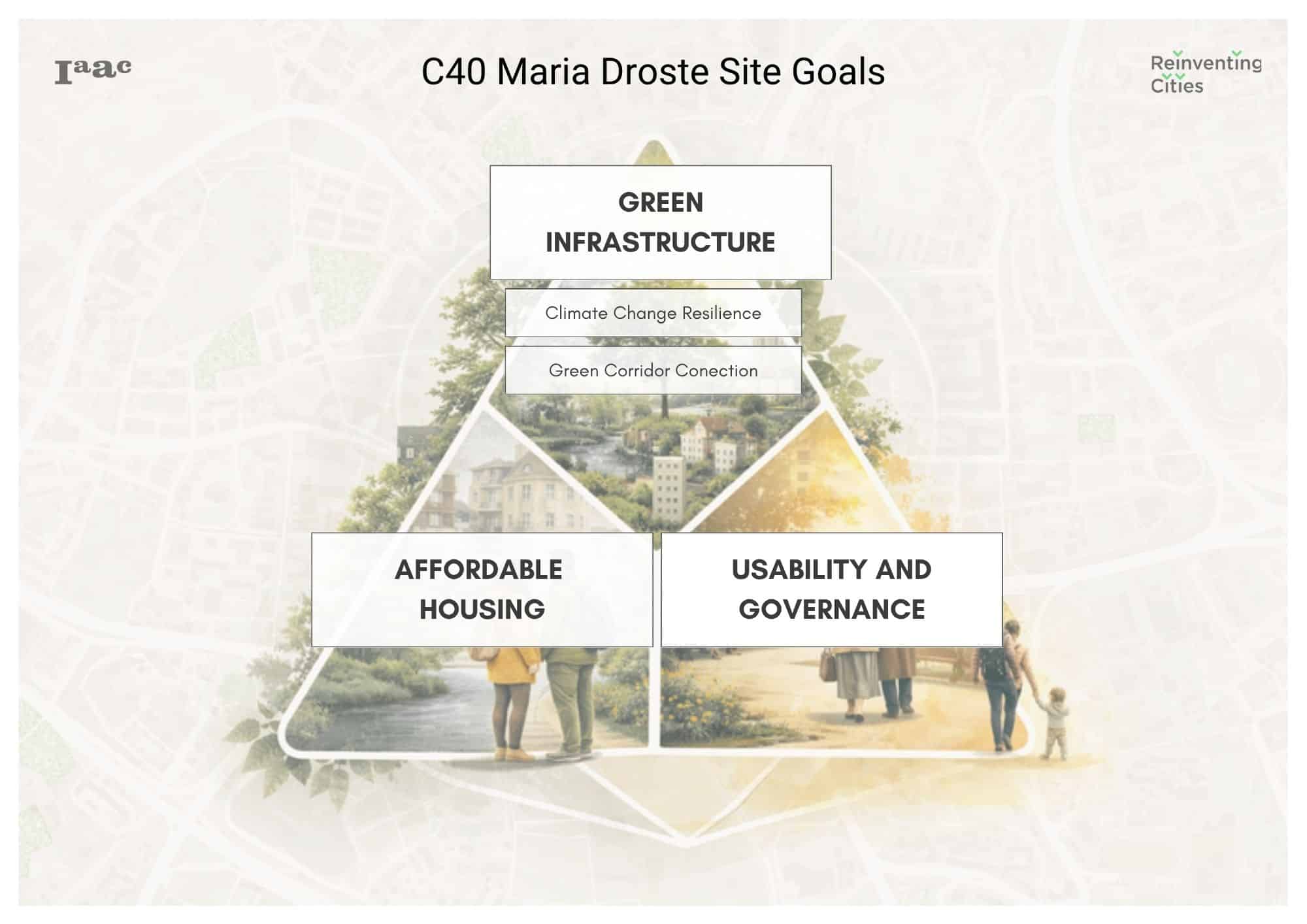
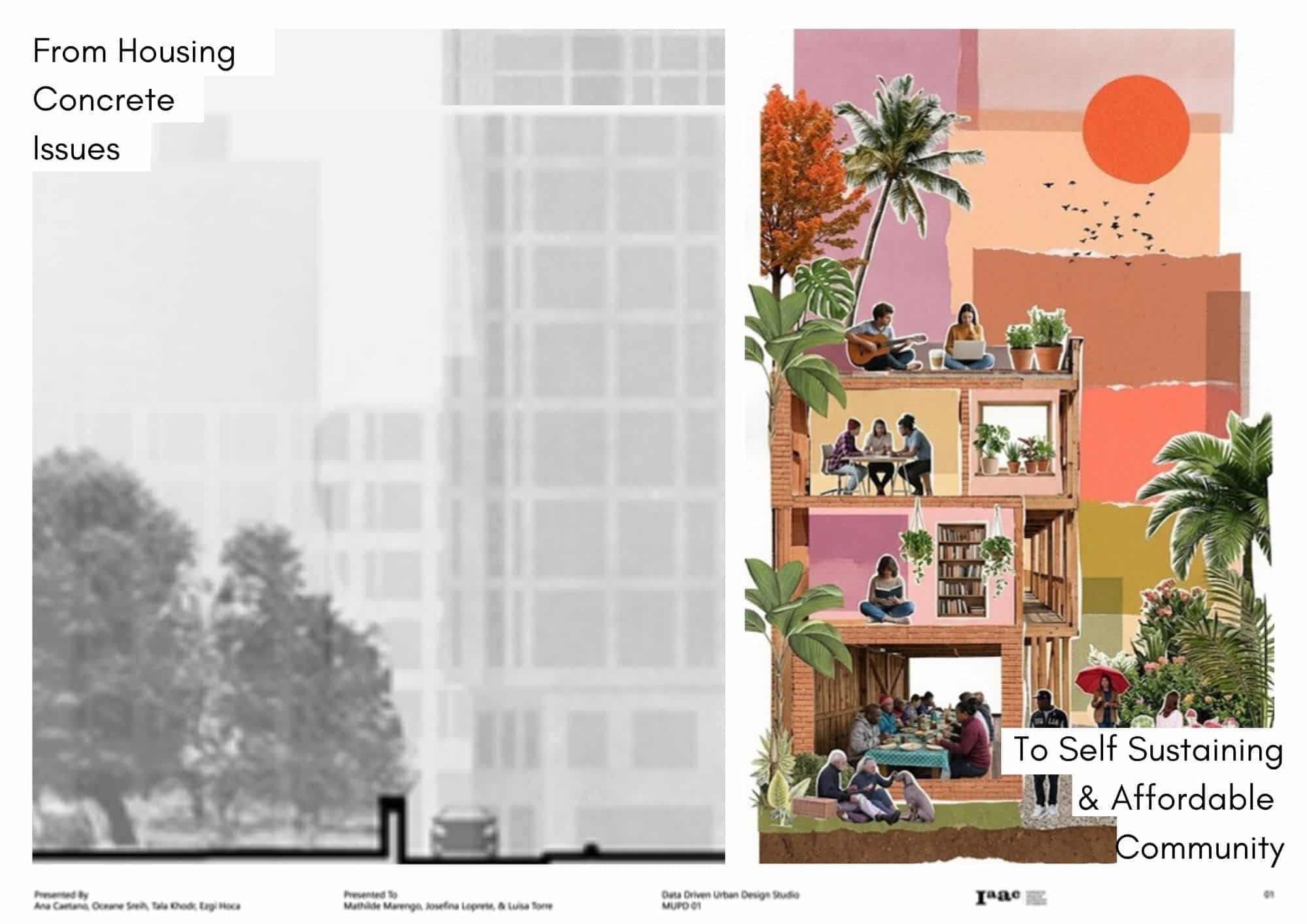
The project is guided by three main objectives that address both environmental and social resilience. First, green infrastructure aims to integrate nature-based solutions into the urban fabric, enhancing biodiversity, improving microclimate conditions, and supporting sustainable water management. Second, the provision of affordable housing seeks to ensure social inclusivity by creating accessible, high-quality living spaces that respond to diverse community needs while preventing displacement. Finally, usability and governance focus on designing flexible, user-oriented public spaces supported by participatory management strategies, ensuring that the site remains adaptable, well-maintained, and responsive to its users over time.
Detected Problems

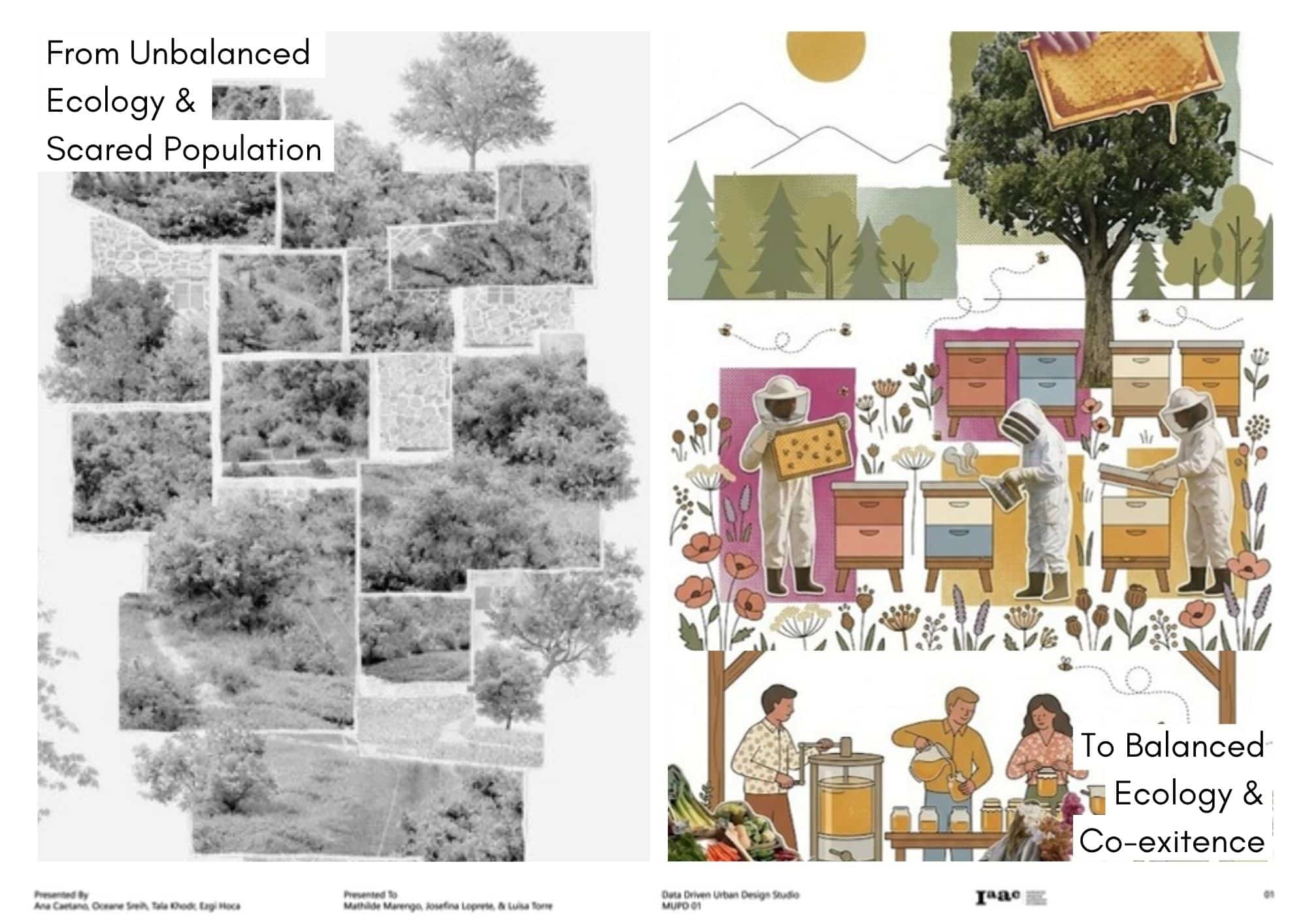
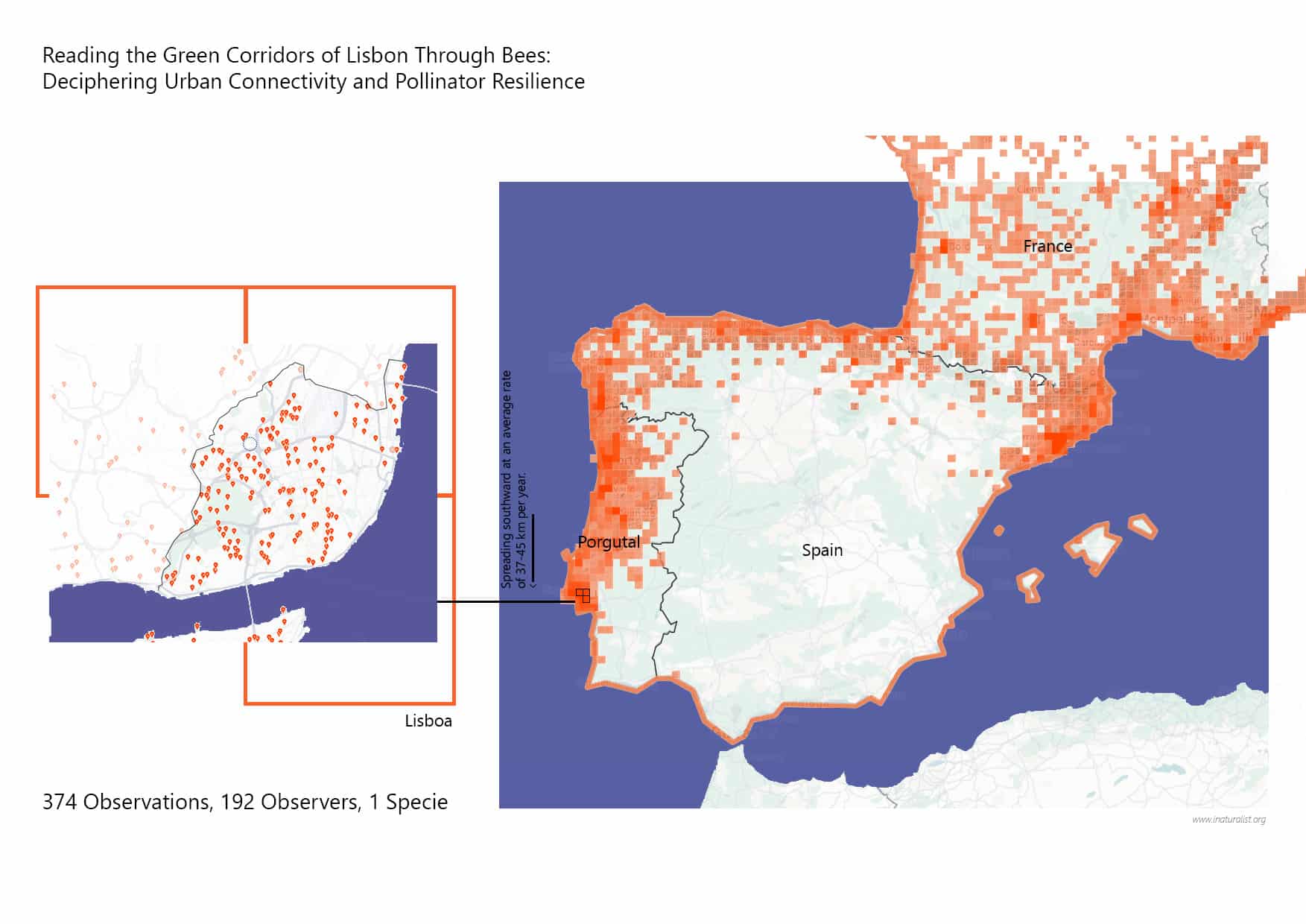
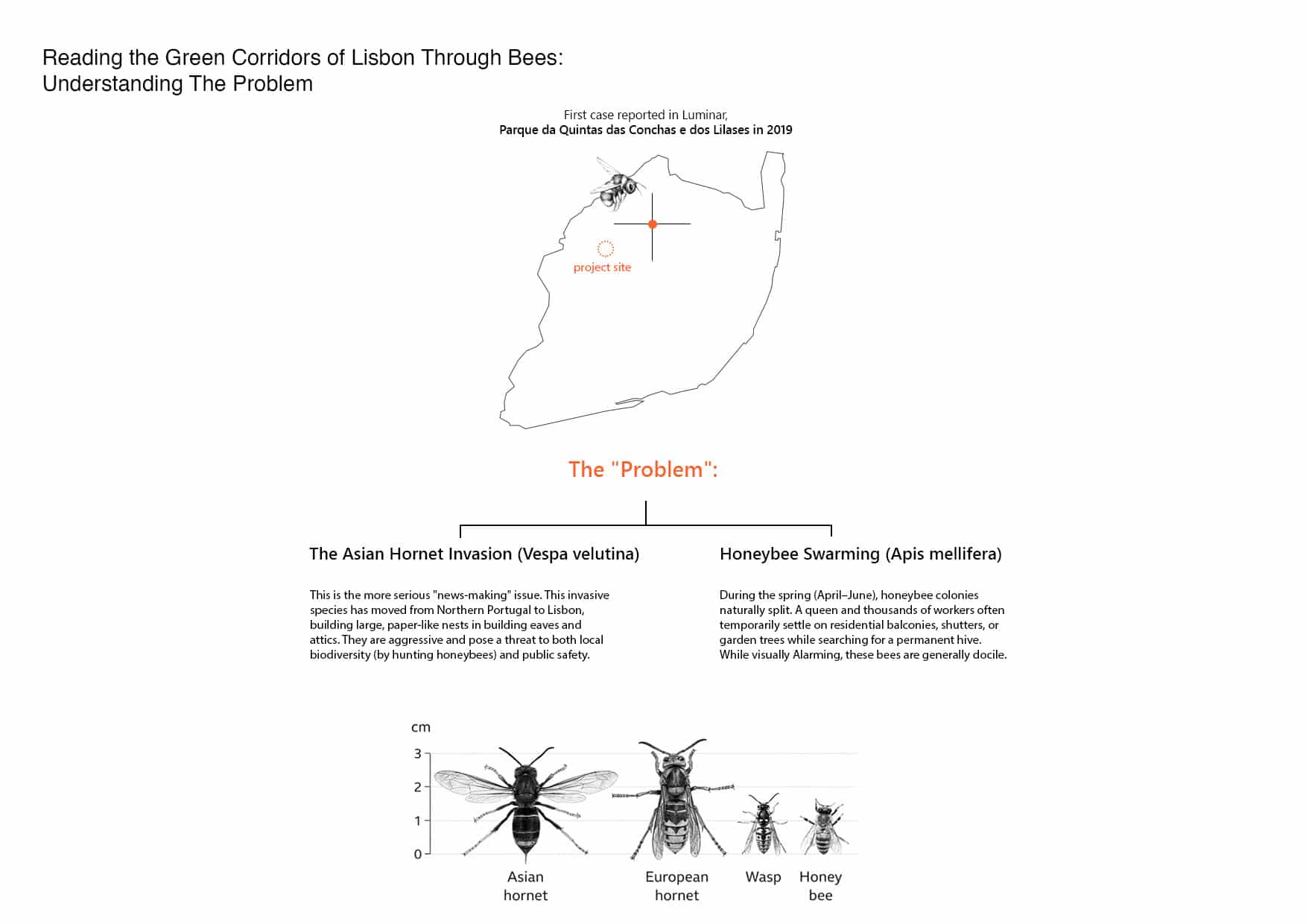
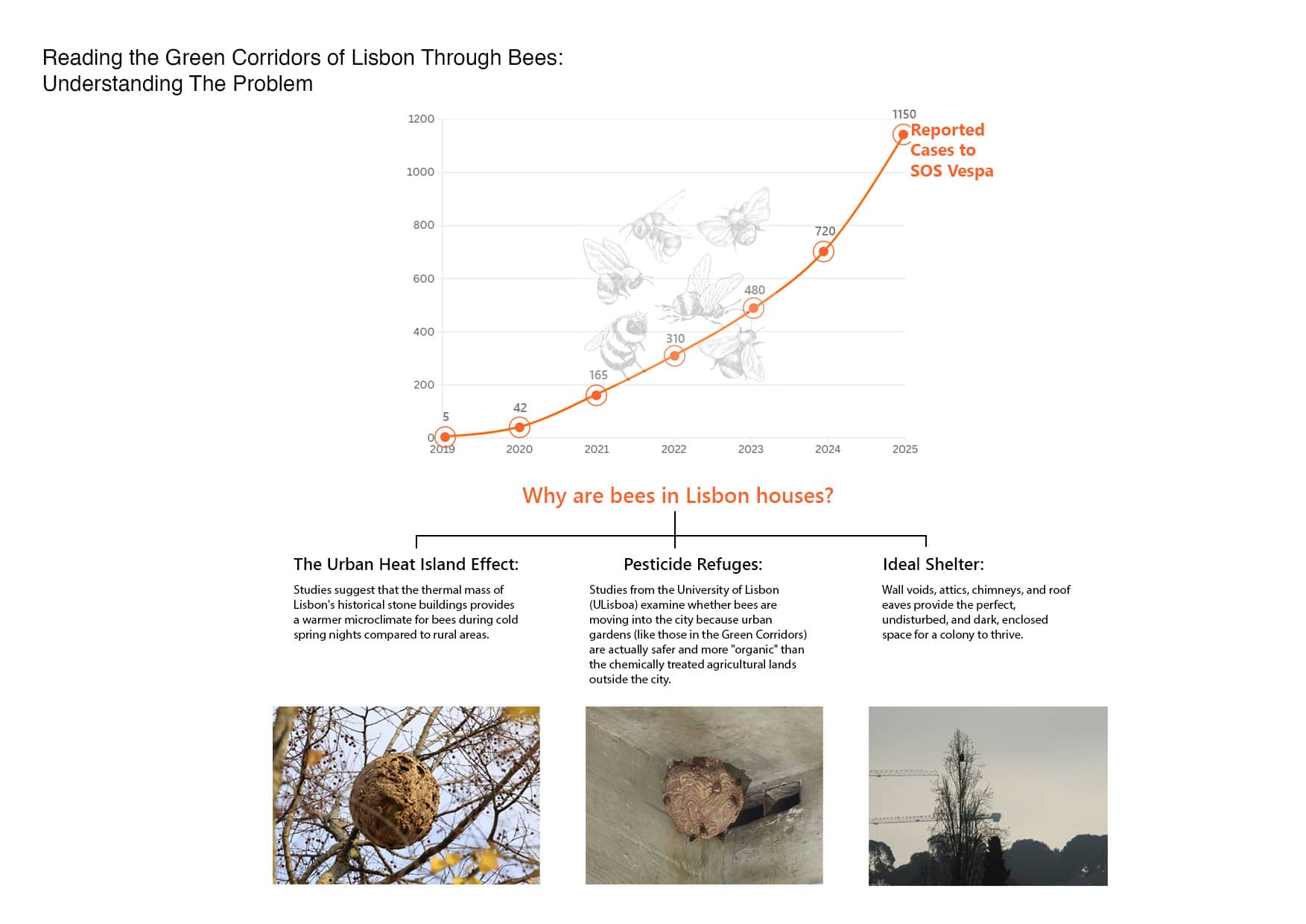
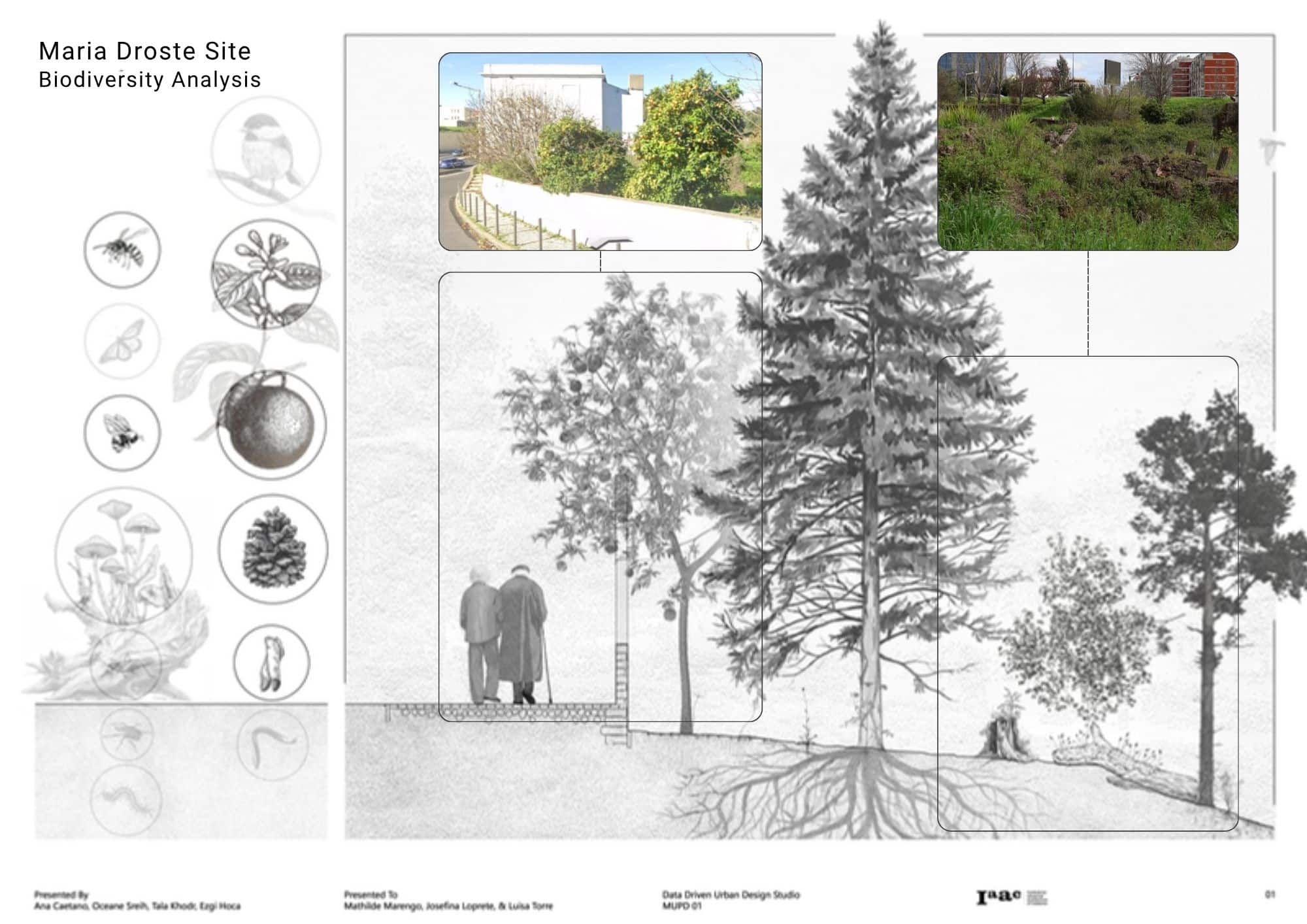
In addition to these considerations, it was observed during on-site visits that a concern frequently raised by local residents—the issue related to bees—is directly connected to the problem of fragmented green corridors. From a biodiversity perspective, this fragmentation interrupts the continuity of habitats and weakens ecological networks, making it more difficult for pollinators such as bees to move, forage, and sustain healthy populations. As a result, the decline in pollinator activity not only affects local ecosystems but also reduces urban biodiversity overall, emphasizing the importance of creating more continuous, well-connected green infrastructures that support diverse species and ecological processes.
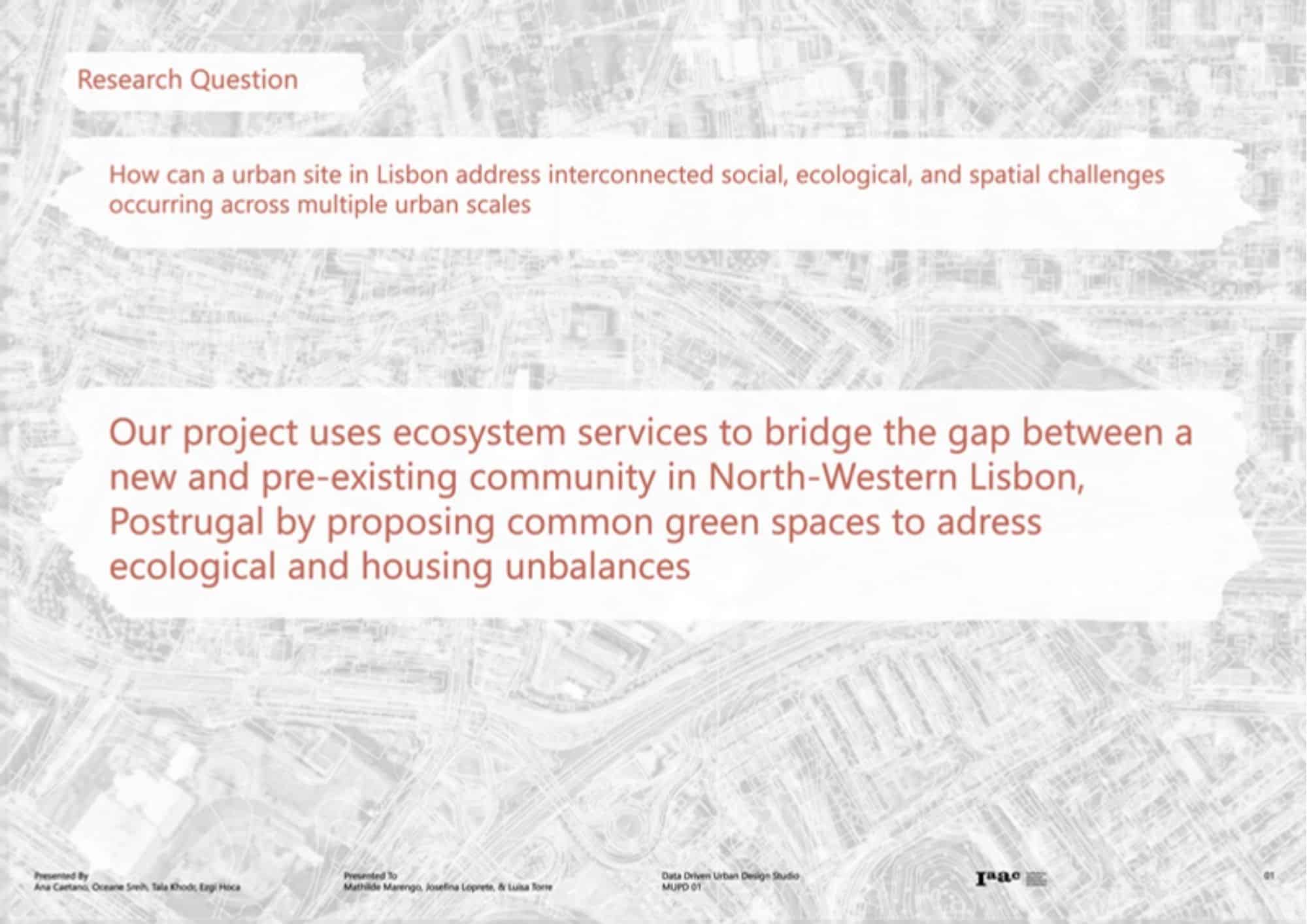
Research Question for Maria Droste Site
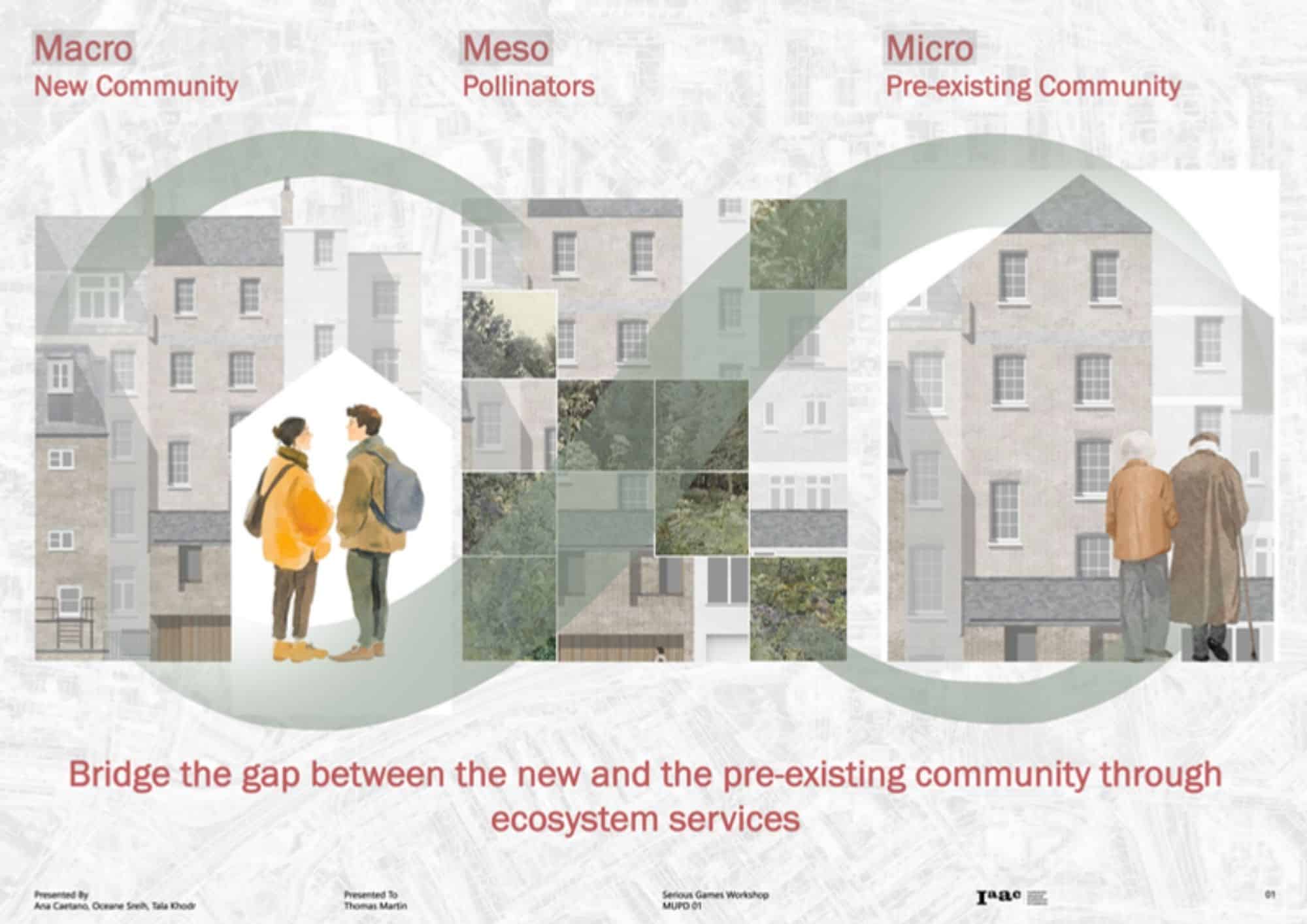
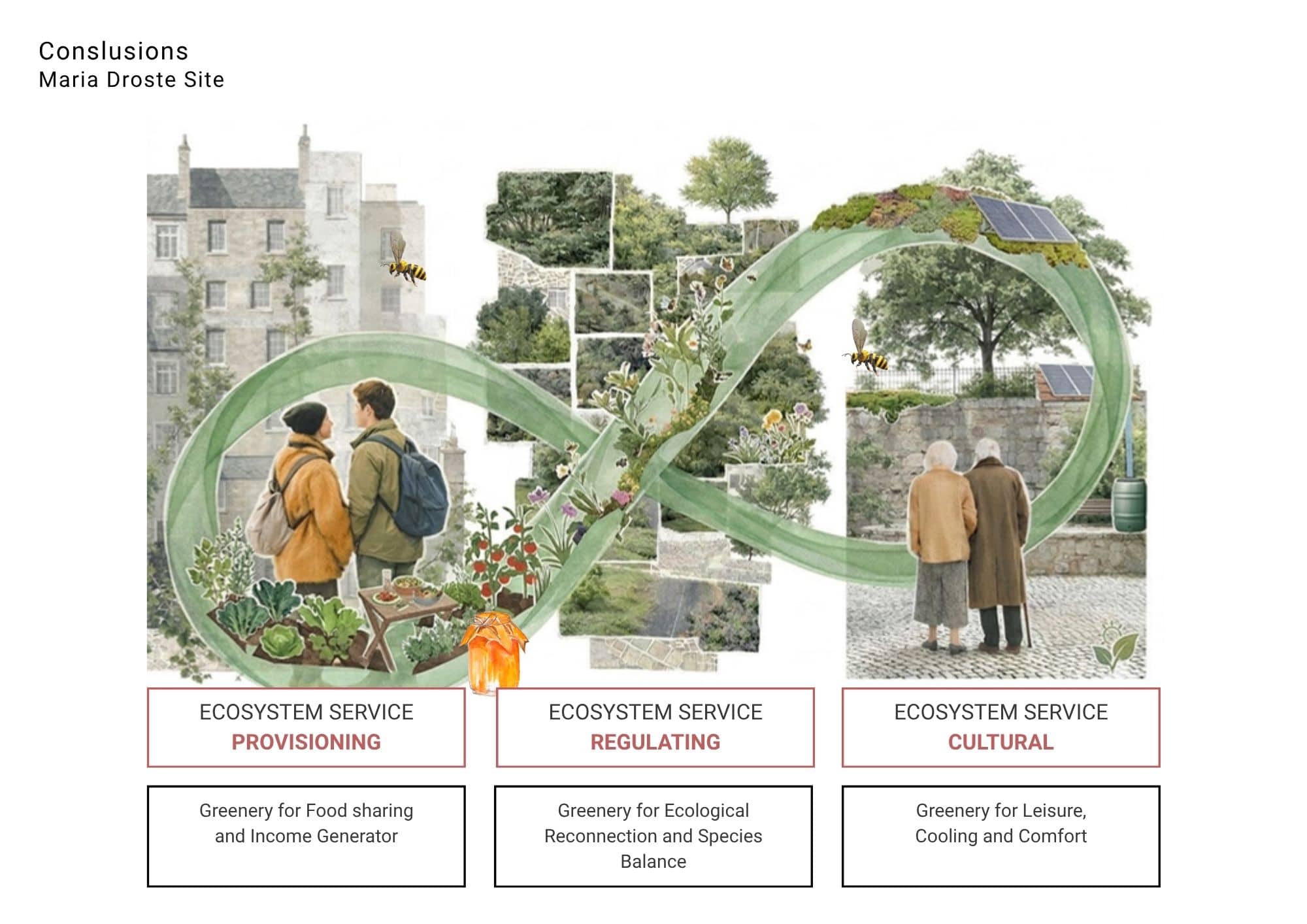
A new framework was developed based on the identification of three distinct issues observed across three different scales. In response, it was decided to utilize different ecosystem service parameters as common grounds for each scale, allowing for a more precise and context-sensitive approach. This method enables the evaluation and integration of environmental, social, and spatial dynamics through tailored ecosystem service lenses, ensuring that each problem is addressed with strategies appropriate to its specific scale and impact.
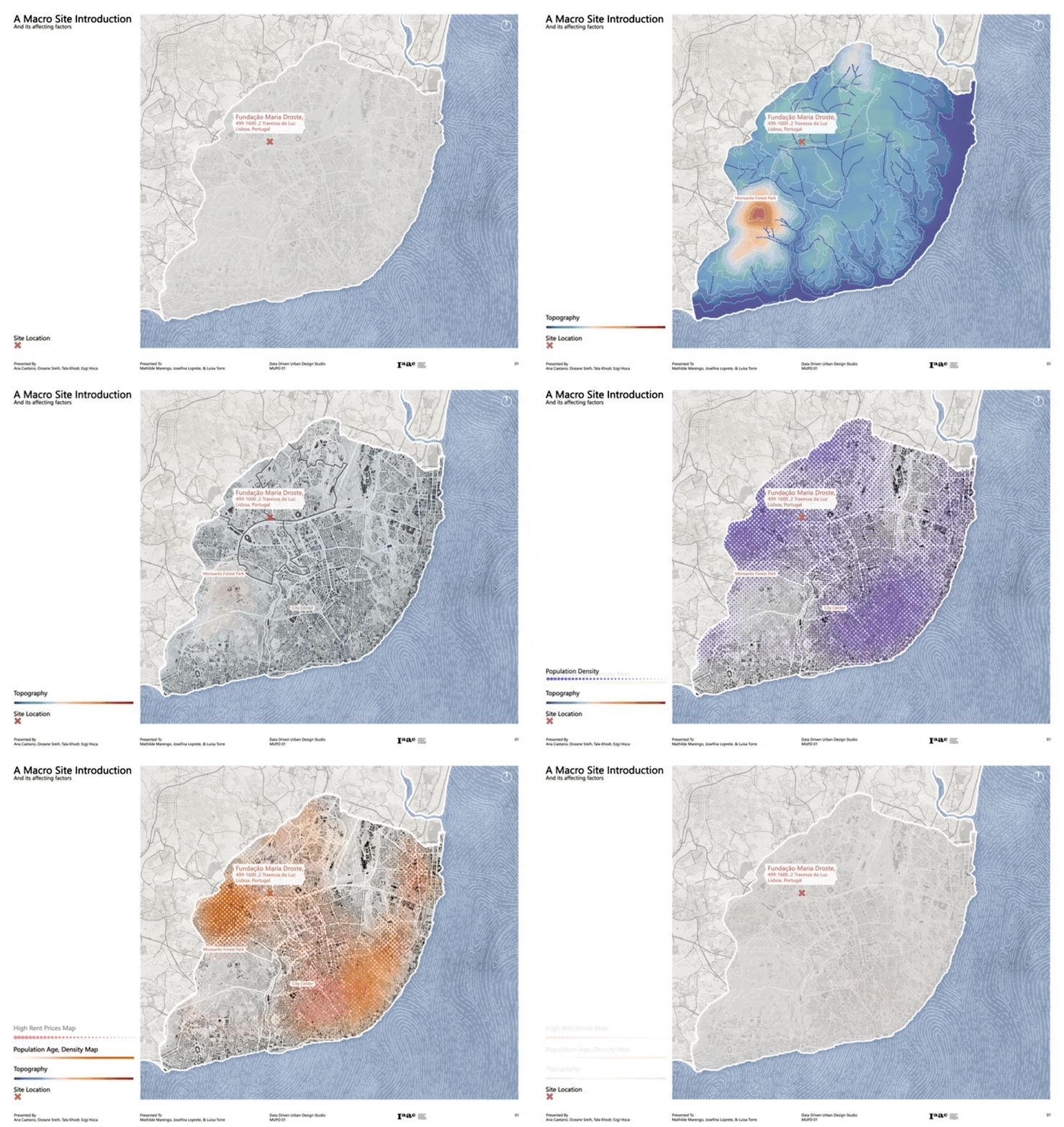
Macro Analysis
Affordable Housing Programs in Lisbon
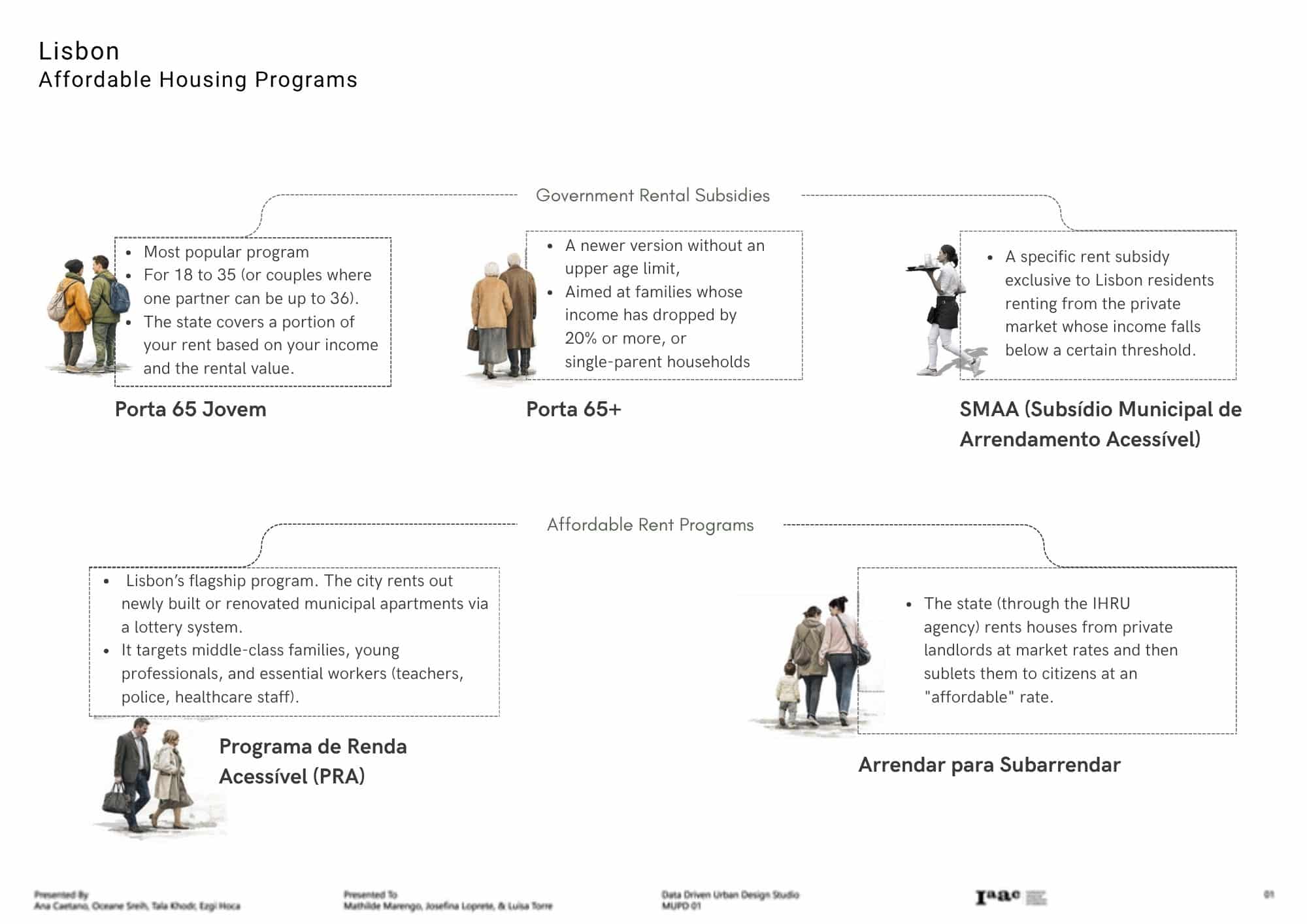
Among the existing affordable housing programs in Lisbon, Porta 65 Jovem and SMAA were selected as the primary frameworks aligning with our target groups. Porta 65 Jovem addresses young individuals and early-stage households, supporting their access to housing during a critical transitional period, while SMAA focuses on low-income residents within the private rental market who require additional financial assistance. Together, these two programs reflect a strategic focus on both emerging and economically vulnerable urban populations, allowing the proposal to respond to pressing affordability challenges while promoting social inclusivity and stability within the housing system.
Meso Analysis
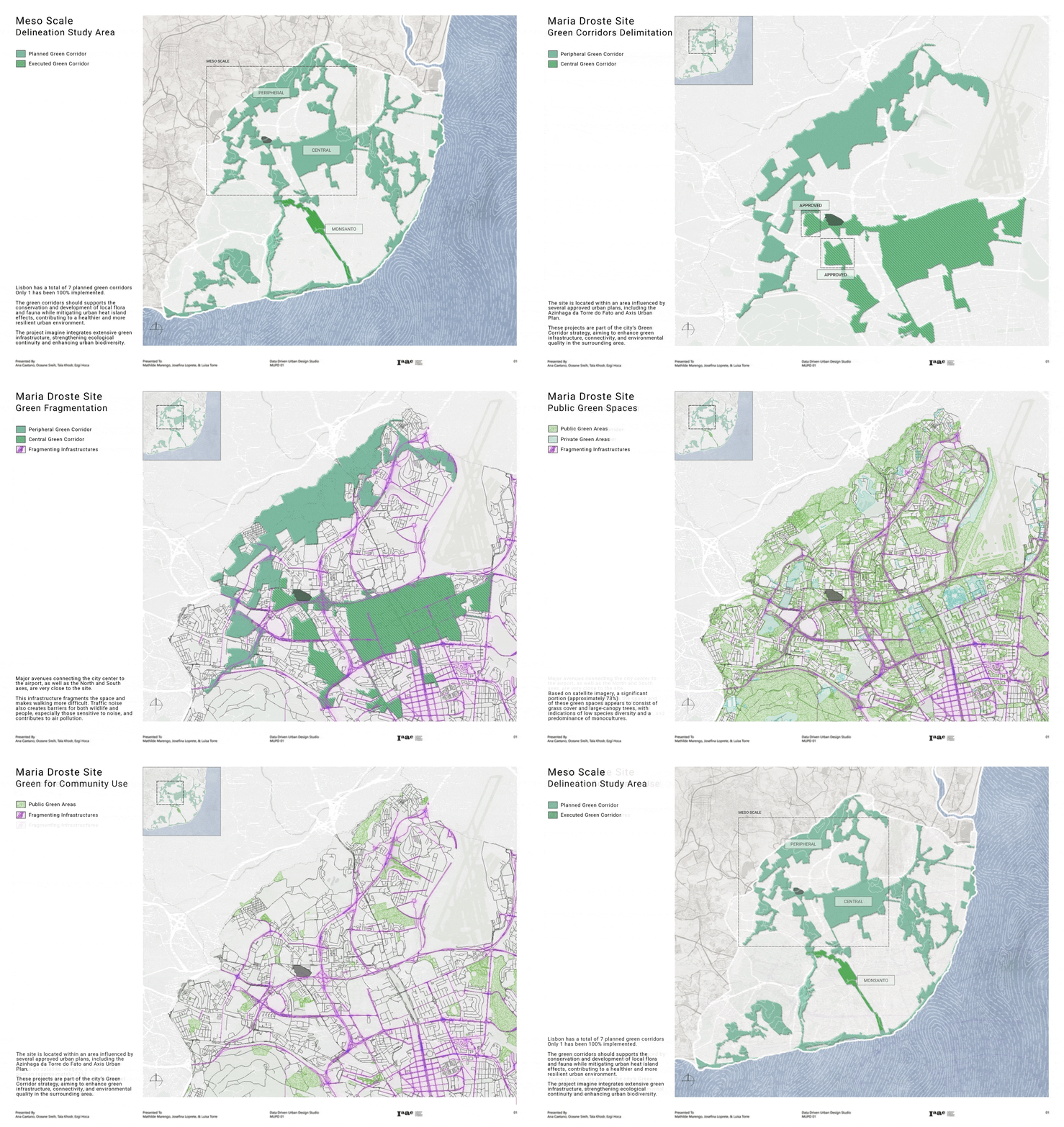
Reading The Green Corridors Through The Bee Problem
Micro Analysis
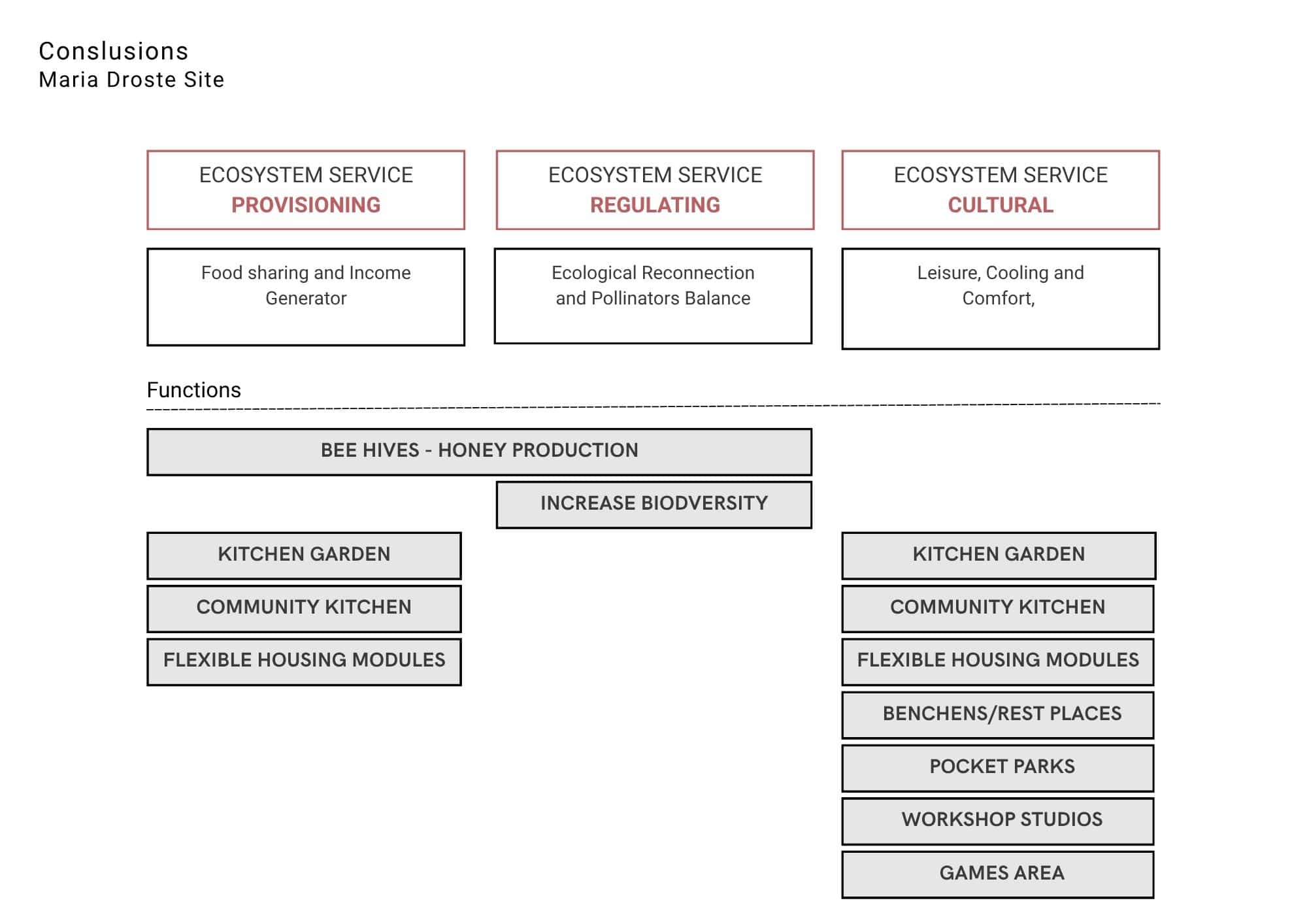
Conclusions
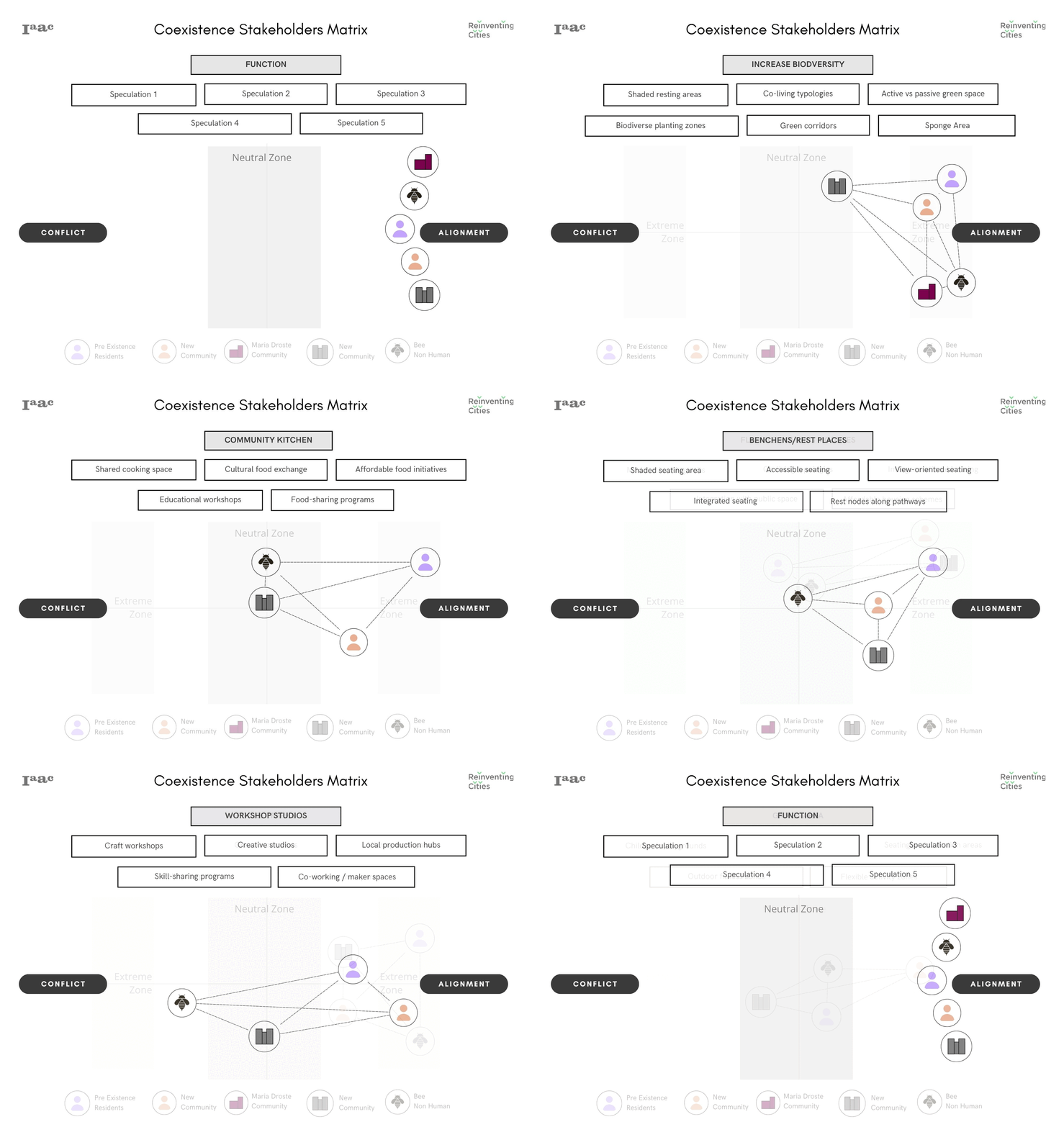
Coexistence Stakeholders Matrix
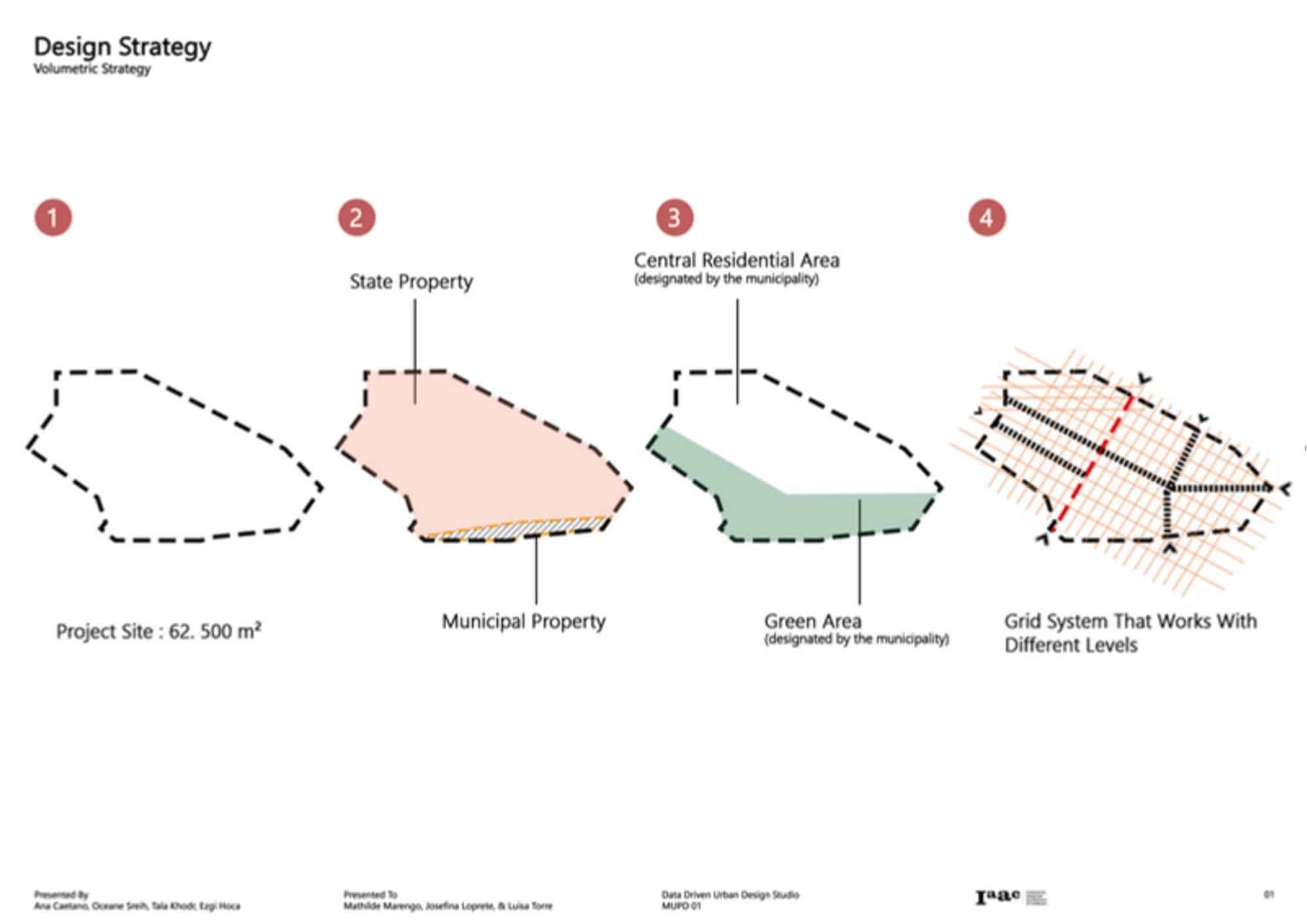
Design Strategy