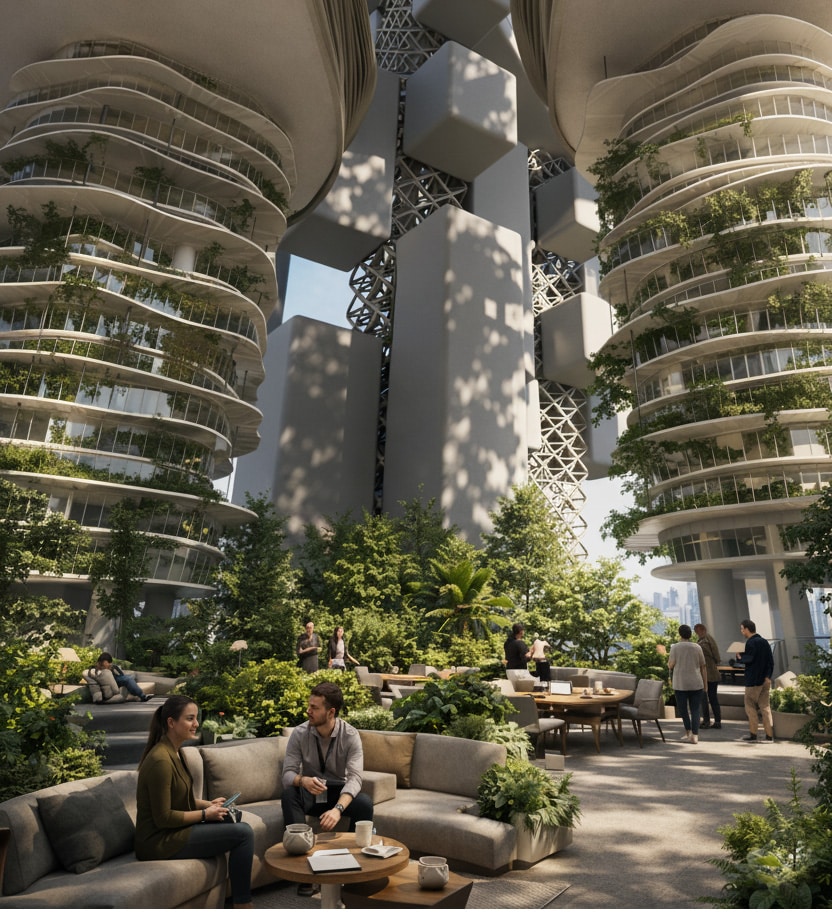
Explore HB03, a hyperbuilding developed through parametric design, structural engineering, and adaptive façade optimization. Discover a data-driven approach to sustainable vertical urbanism, daylight performance, and human-centric high-rise design.
Introduction: Engineering the Skeleton of Vertical Urbanism
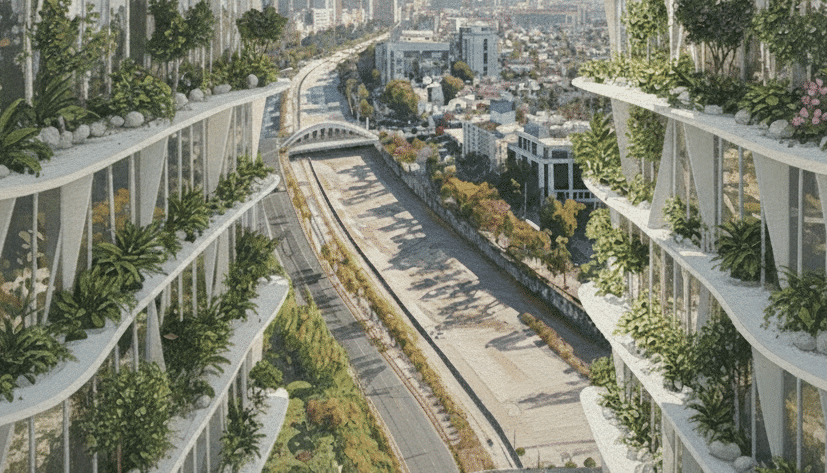
In the Vertical Machine studio, architecture is treated as a dynamic urban organism rather than a static object.
Within this system, Hyperbuilding 03 (HB03) acts as the vertical living tissue of a larger network of hyperbuildings. Together, they form a vertical city designed to address density and sustainability through integration.
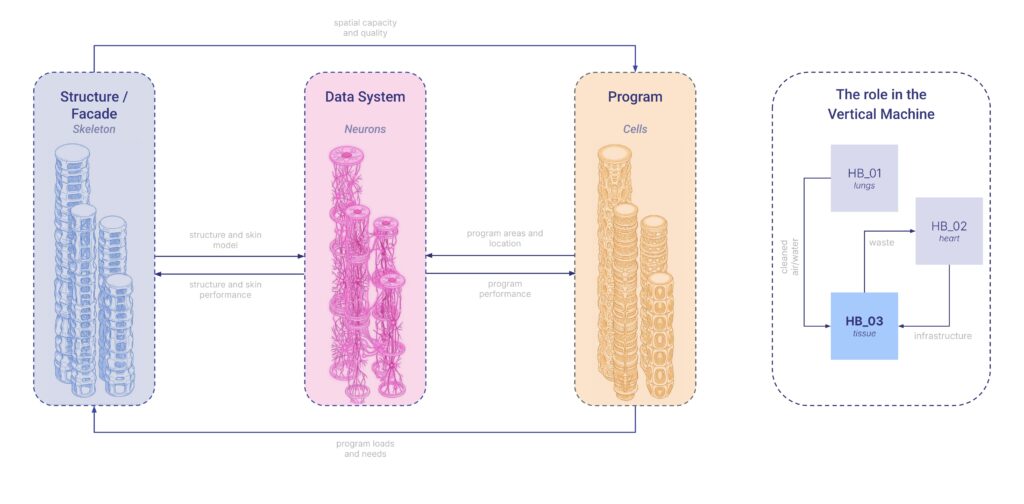
Our Structure and Façade team developed the building’s skeleton. This system transforms environmental data and spatial demands into a resilient structural and environmental framework.
A clear structural logic works together with a performance-driven façade. As a result, the building does more than stand; it actively responds to its surroundings.
Using a data-driven workflow, we linked geometry to key performance metrics such as daylight, carbon impact, and spatial efficiency. This allowed the building to evolve through measurable criteria.
This article explores how HB03’s skeleton shapes both its performance and its spatial quality.
Plot Choice and Massing Strategy
The development of HB03 follows a rigorous, performance-driven methodology focused on environmental efficiency and urban integration. Set on a 28,200 m² site, the project takes advantage of key conditions such as daylight access, park connectivity, and its position within the city’s Green Axis.
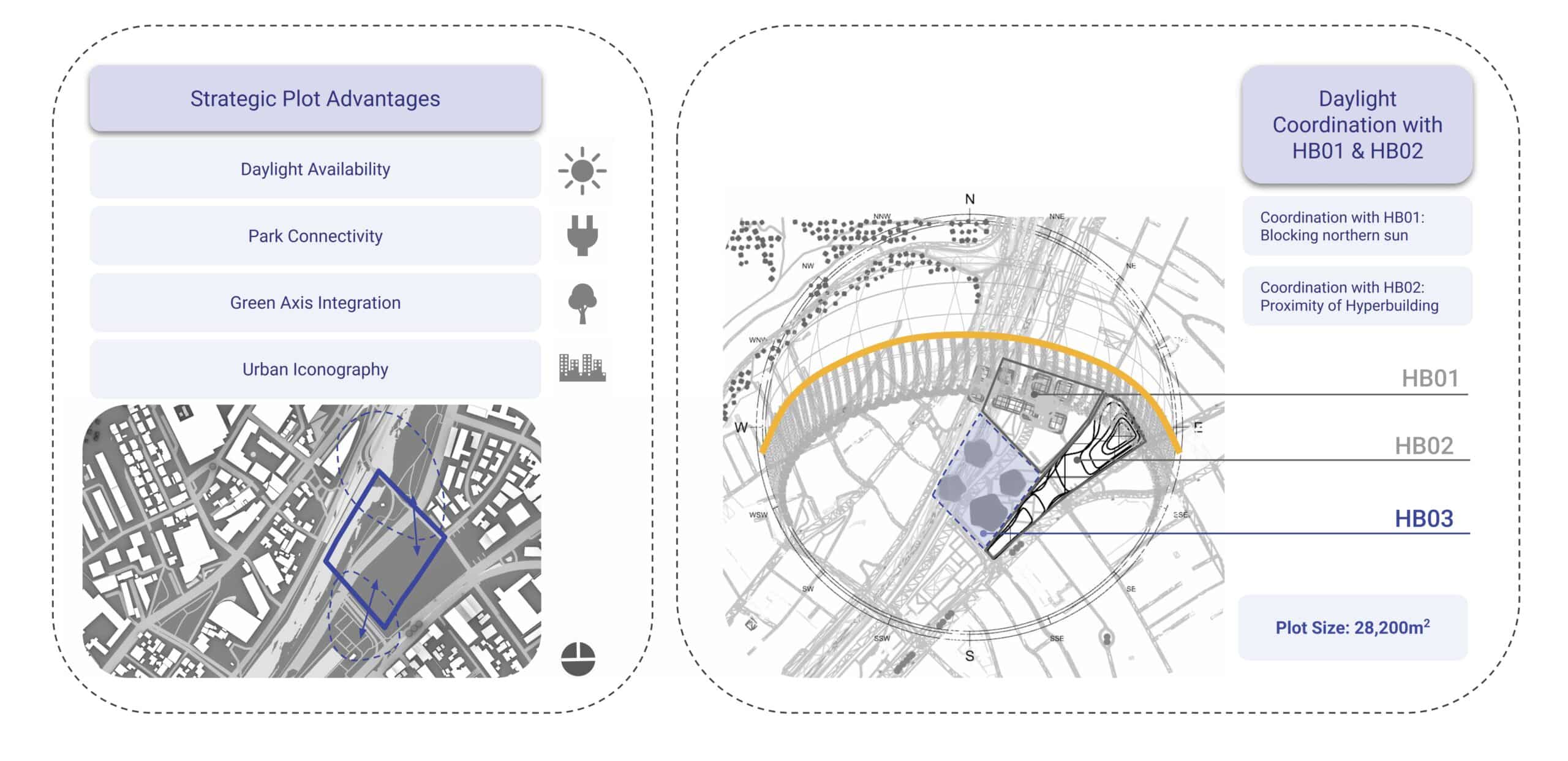
Using tools like Autodesk Forma and Ladybug, the design was guided by core environmental metrics, including shadow impact from neighboring hyperbuildings, solar radiation, and daylight potential. These analyses ensured the building maximizes natural light while minimizing energy demand.
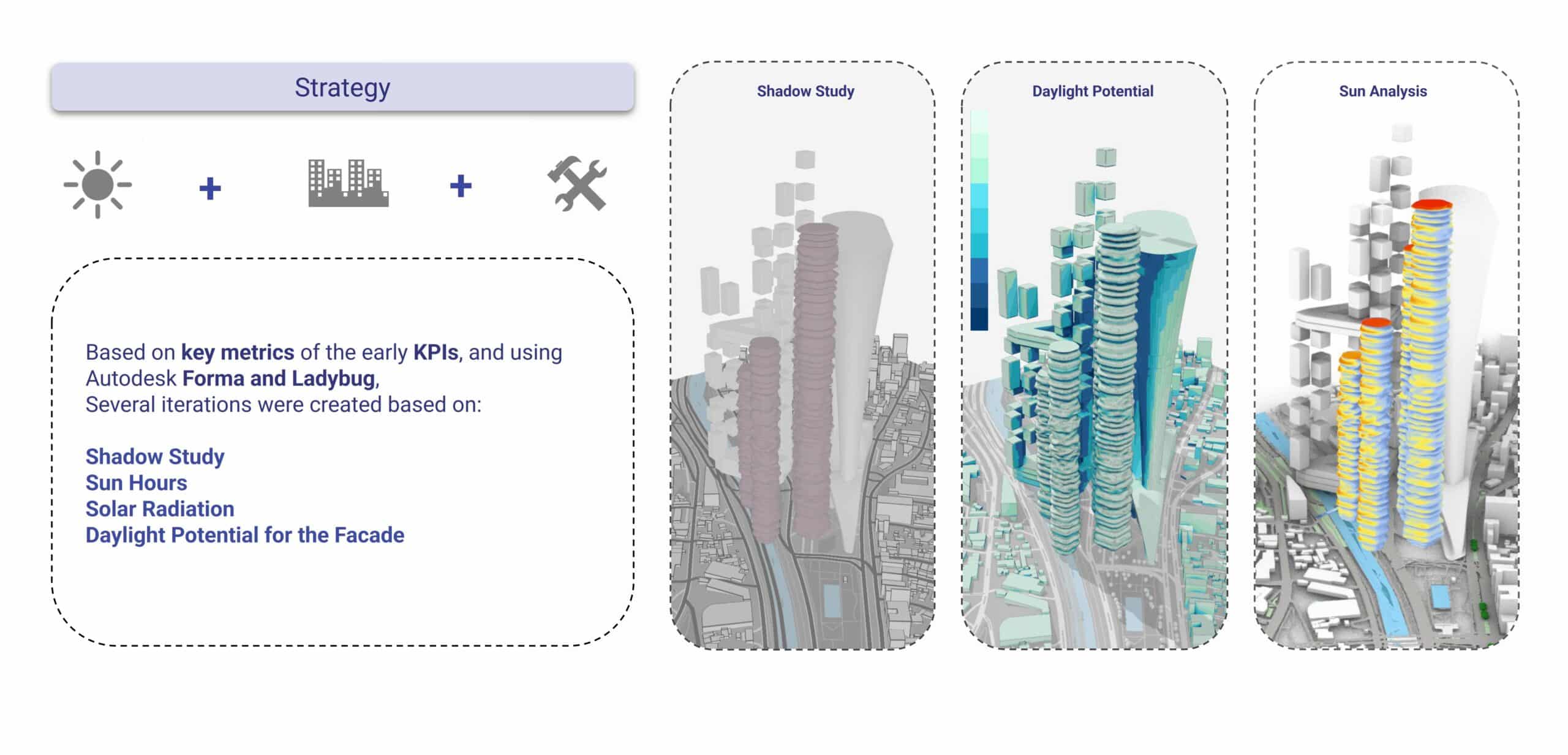
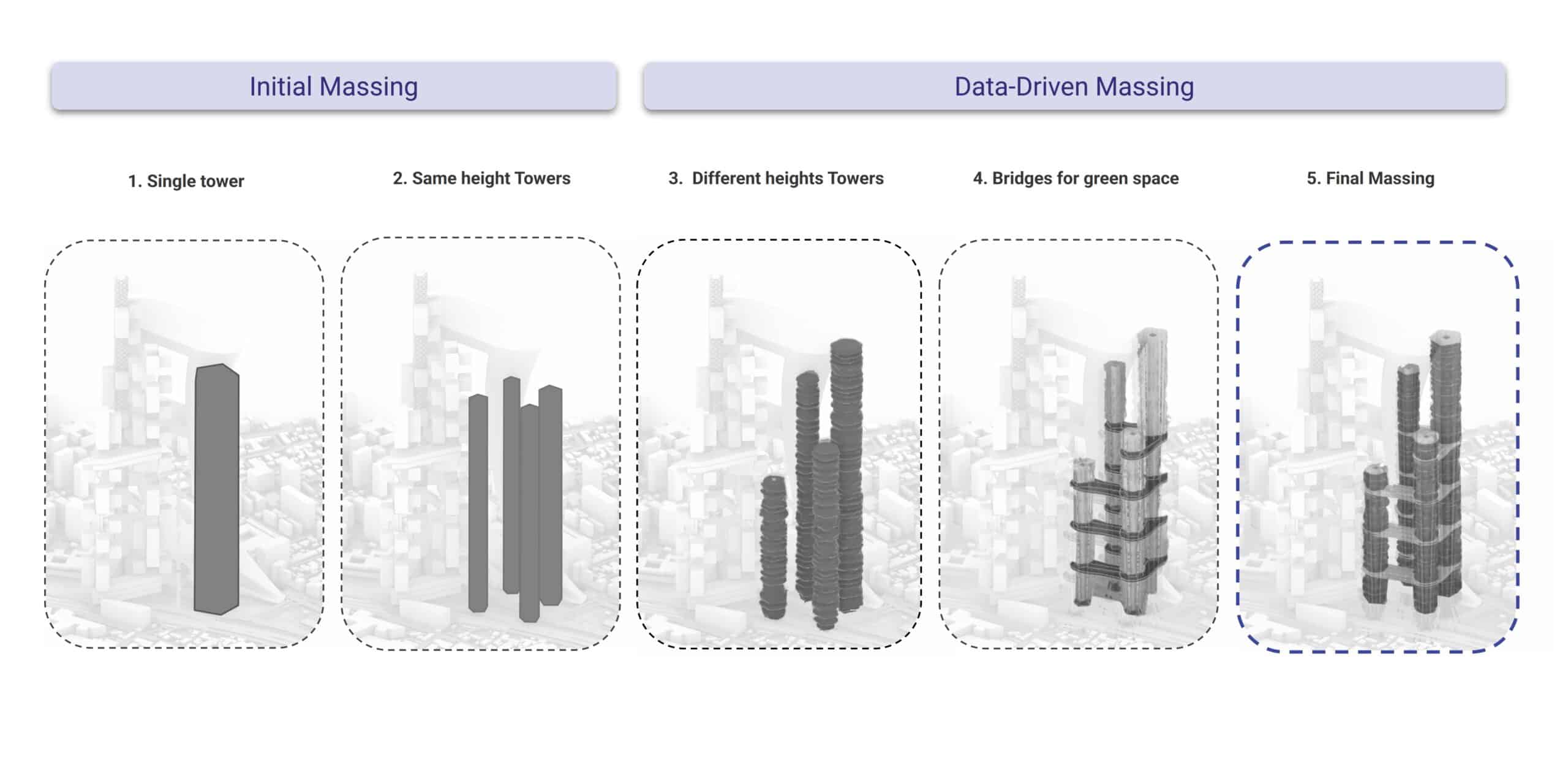
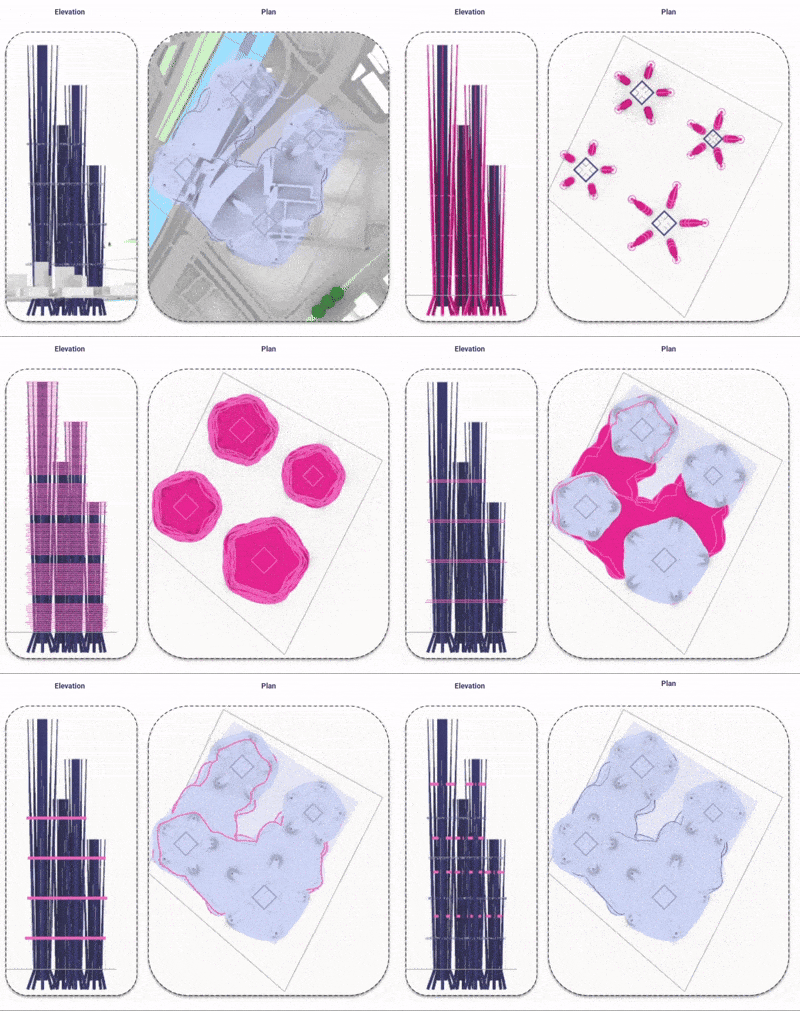
The massing evolved through several iterations, from simple tower configurations to a more refined, data-responsive system. Variations in height reduced self-shading, while elevated “bridges” introduced green spaces and connections between volumes.
The final result is a porous, multi-tower structure that balances density with environmental performance and urban connectivity, carefully coordinated with adjacent buildings to preserve sunlight access and spatial relationships.
Structure and Façade Team Core Concept
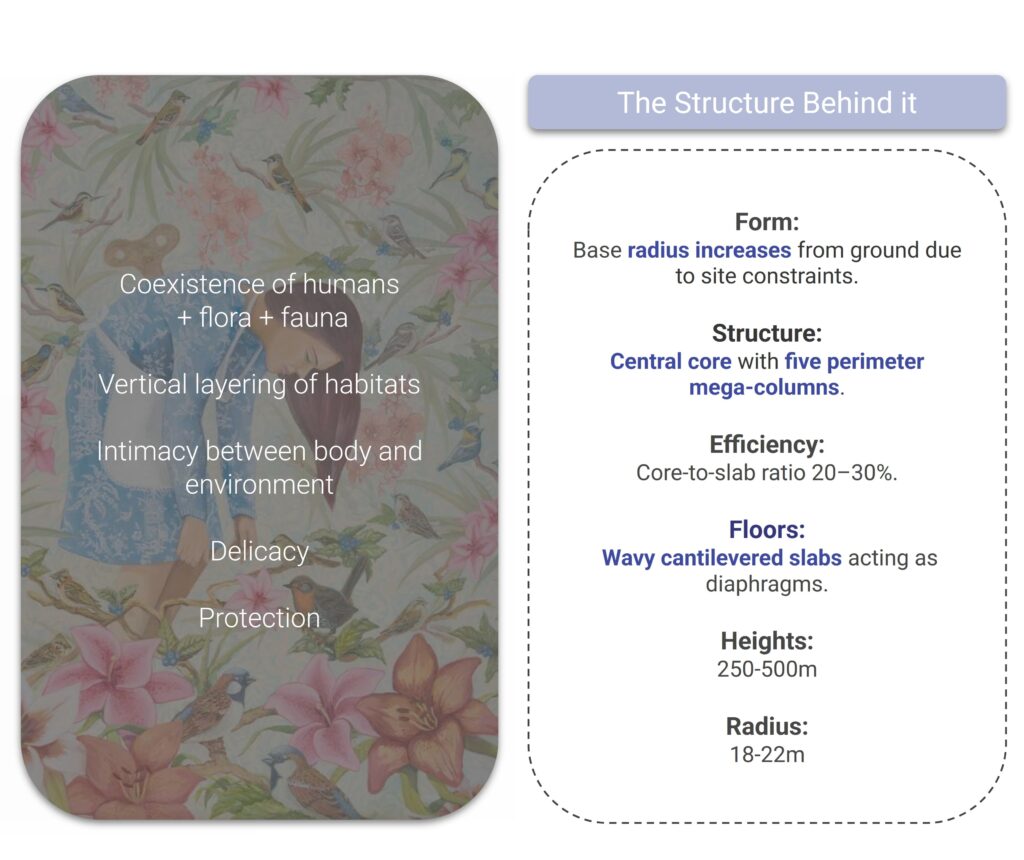
HB03 blends nature with high-performance engineering, proposing a vertical ecosystem where humans, plants, and animals coexist. Its design emphasizes protection, delicacy, and sensory connection to support biodiversity in a high-rise setting.
A strong structural system, featuring a central core and five mega-columns, ensures stability up to 500 meters, while the form evolves with height. Wavy cantilevered slabs shape its organic appearance.
The result is a balance between rigid structure and fluid design, making the building feel light while performing at a hyperbuilding scale.
Structural Logic of the Hyperbuilding
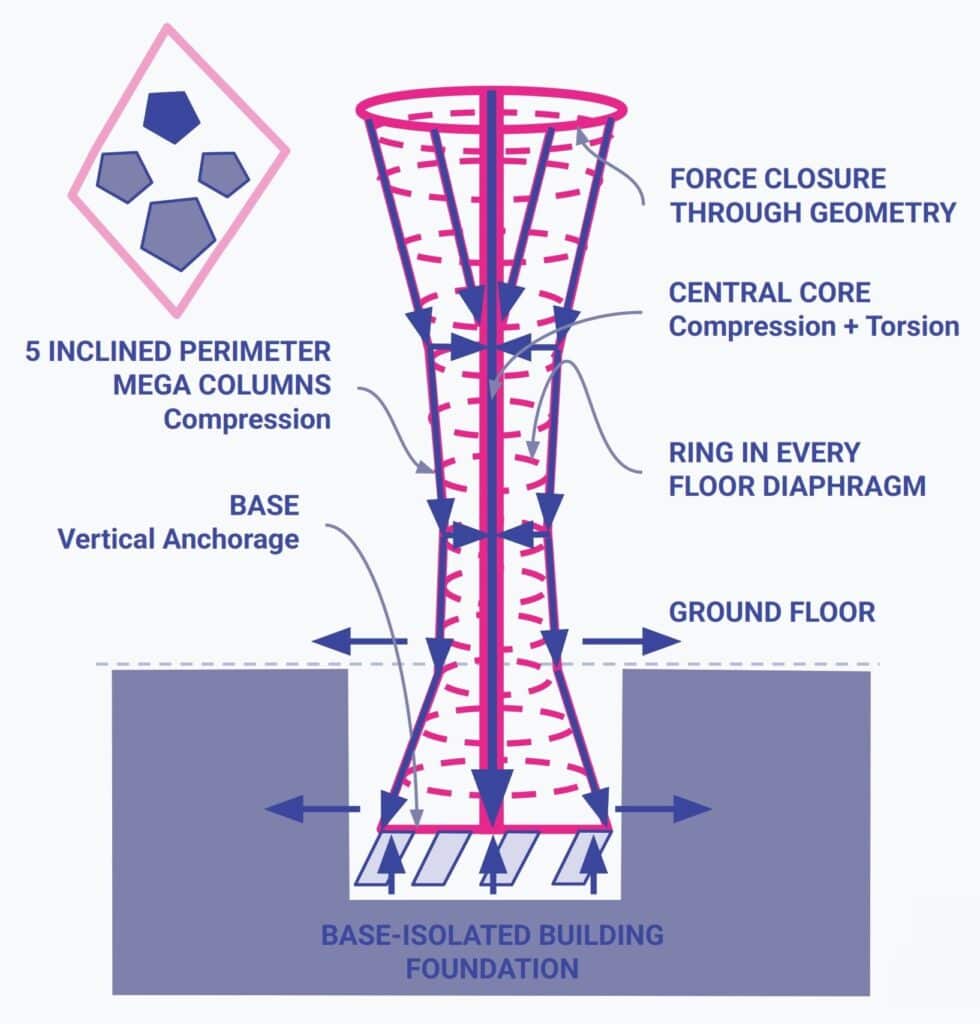
The structural system of HB03 translates its biological vision into a viable high-rise framework.
A base-isolated foundation and central core provide primary stability, while five mega-columns transfer loads efficiently to the ground through an hourglass-like geometry.
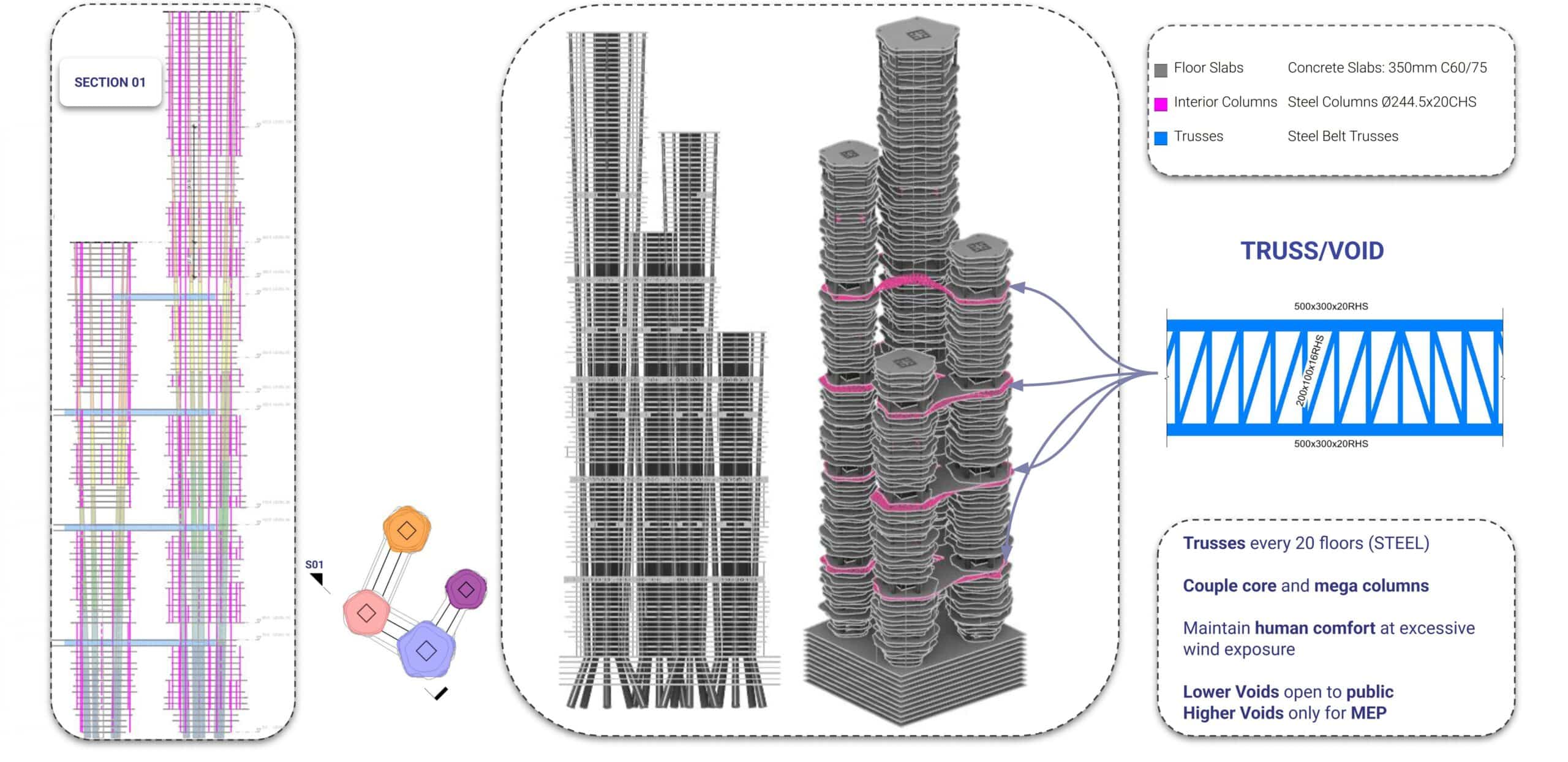
Floor slabs act as diaphragms, supported by a hierarchy of structural elements that distribute forces across the building. For lateral stability, belt trusses and outriggers connect the core to the perimeter, reducing sway at extreme heights.
This integrated system enables HB03 to maintain its fluid, organic form while ensuring structural performance and efficiency.
Algorithmic Design Workflow
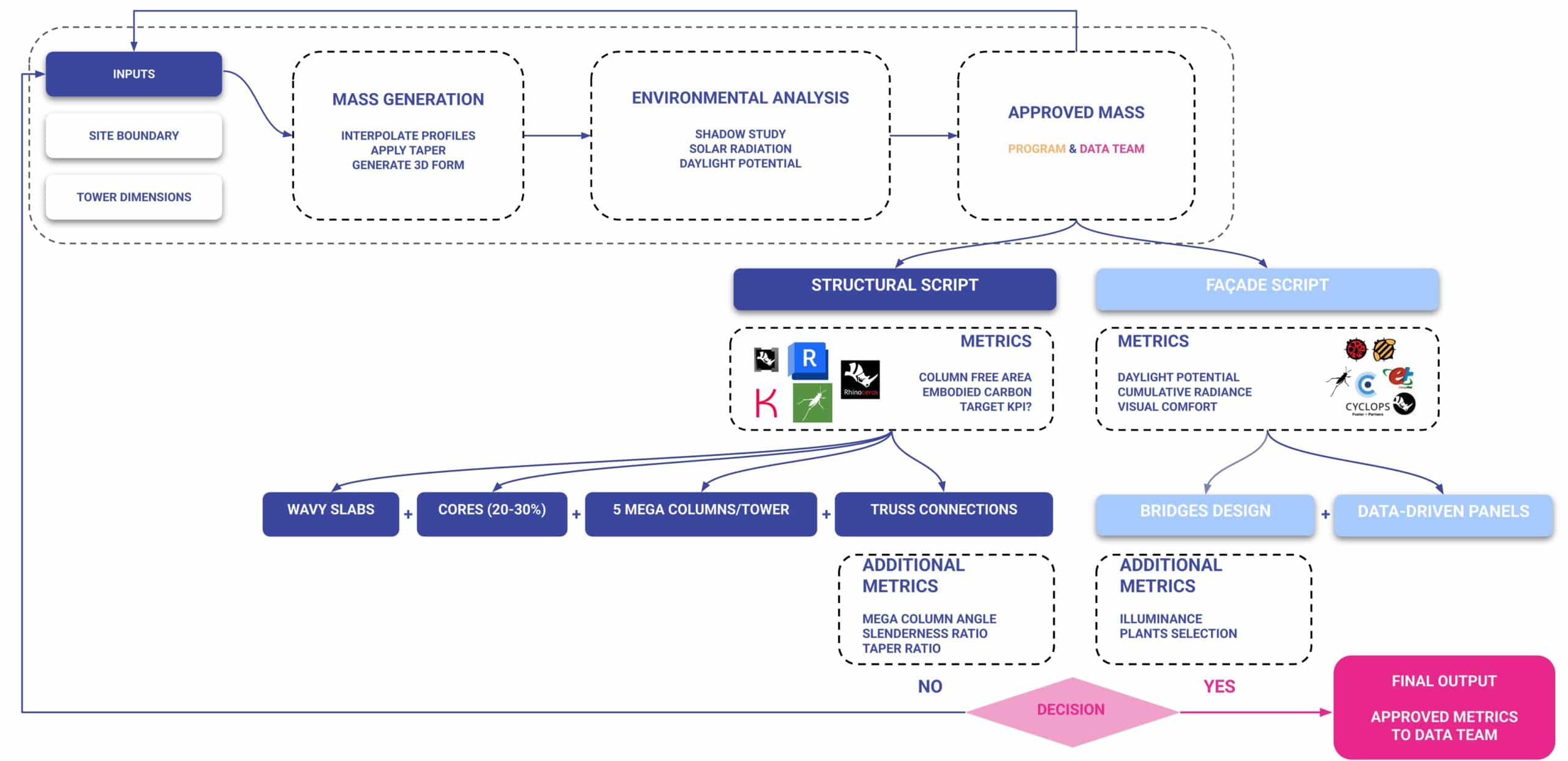
The process begins by defining key inputs, which feed into a parametric Grasshopper model. From this, the initial mass is generated and tested through environmental analysis.
Once validated, the design moves into structural development, optimizing for stability while maximizing column-free space. The façade is then developed and evaluated based on performance criteria.
Additional parameters are measured against target KPIs. If the targets are met, the results are passed to the data team; if not, the process loops back for further refinement.
The Structural Elements
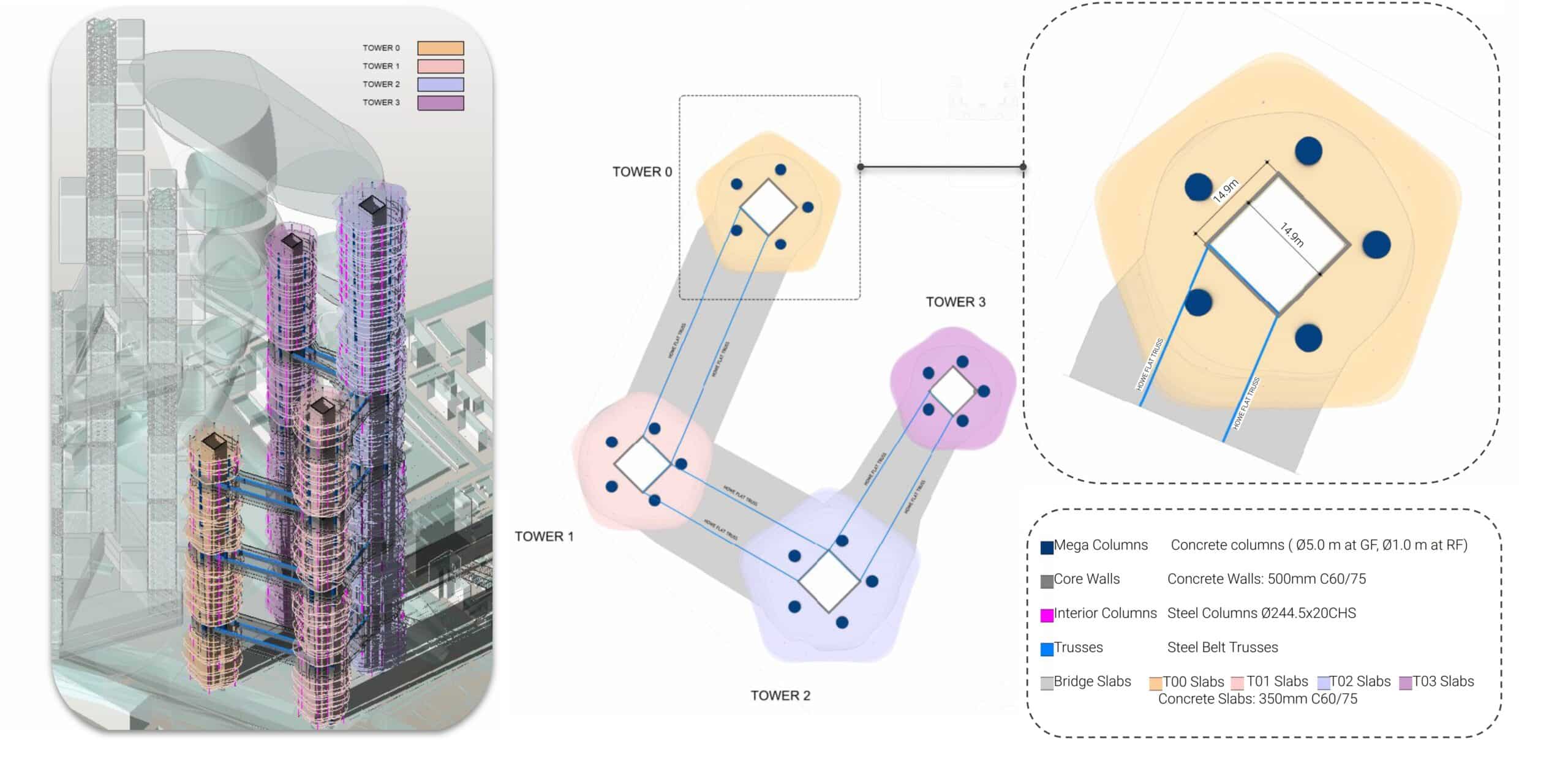
The structural logic of HB03 is defined by a high-efficiency hybrid system designed to support a vertical cluster reaching heights of 250m to 500m.
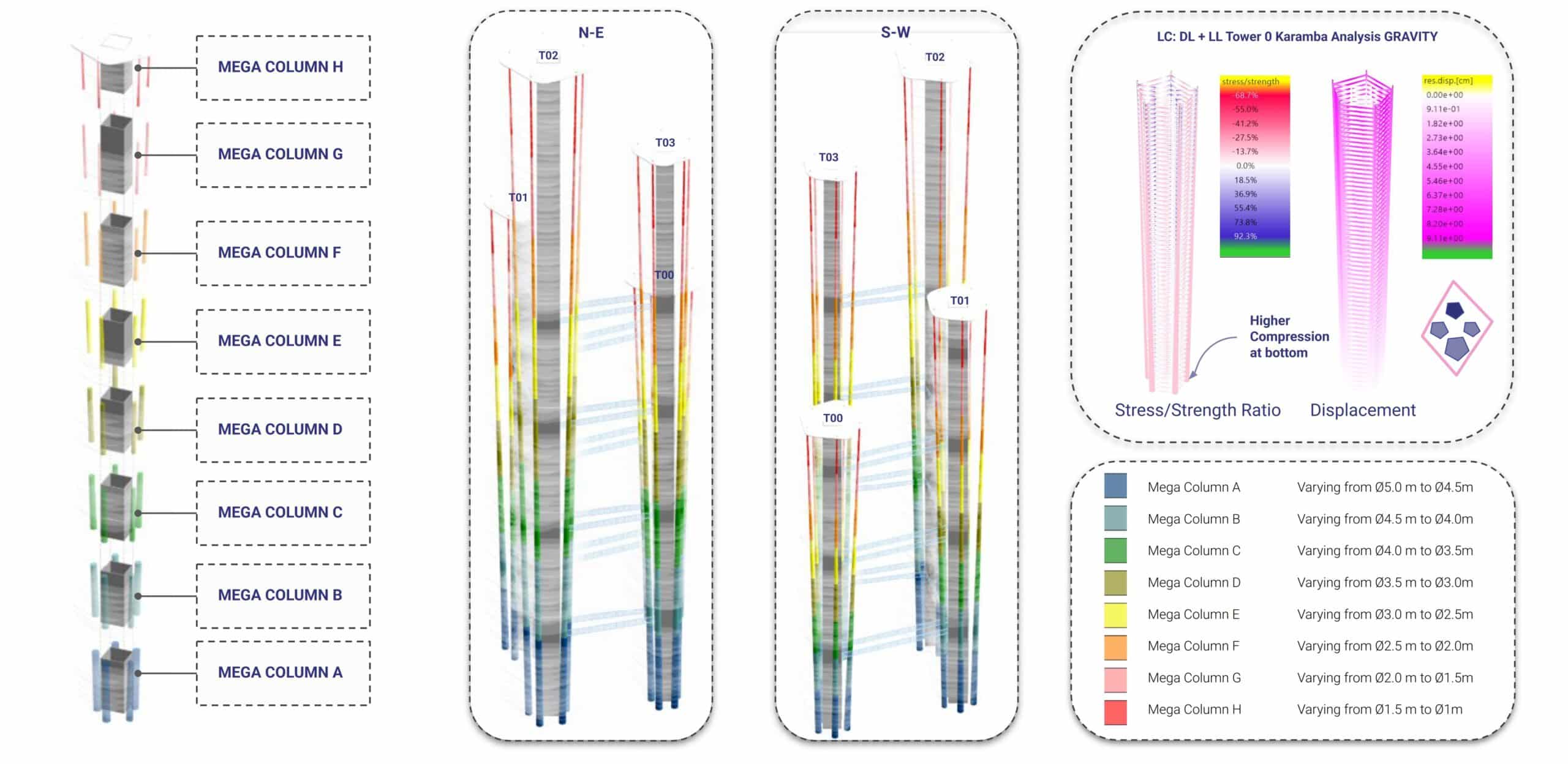
The primary stability is anchored by a central rectangular core that handles torsional and gravity loads, supplemented by five inclined perimeter mega-columns that transfer forces directly to a base-isolated foundation.
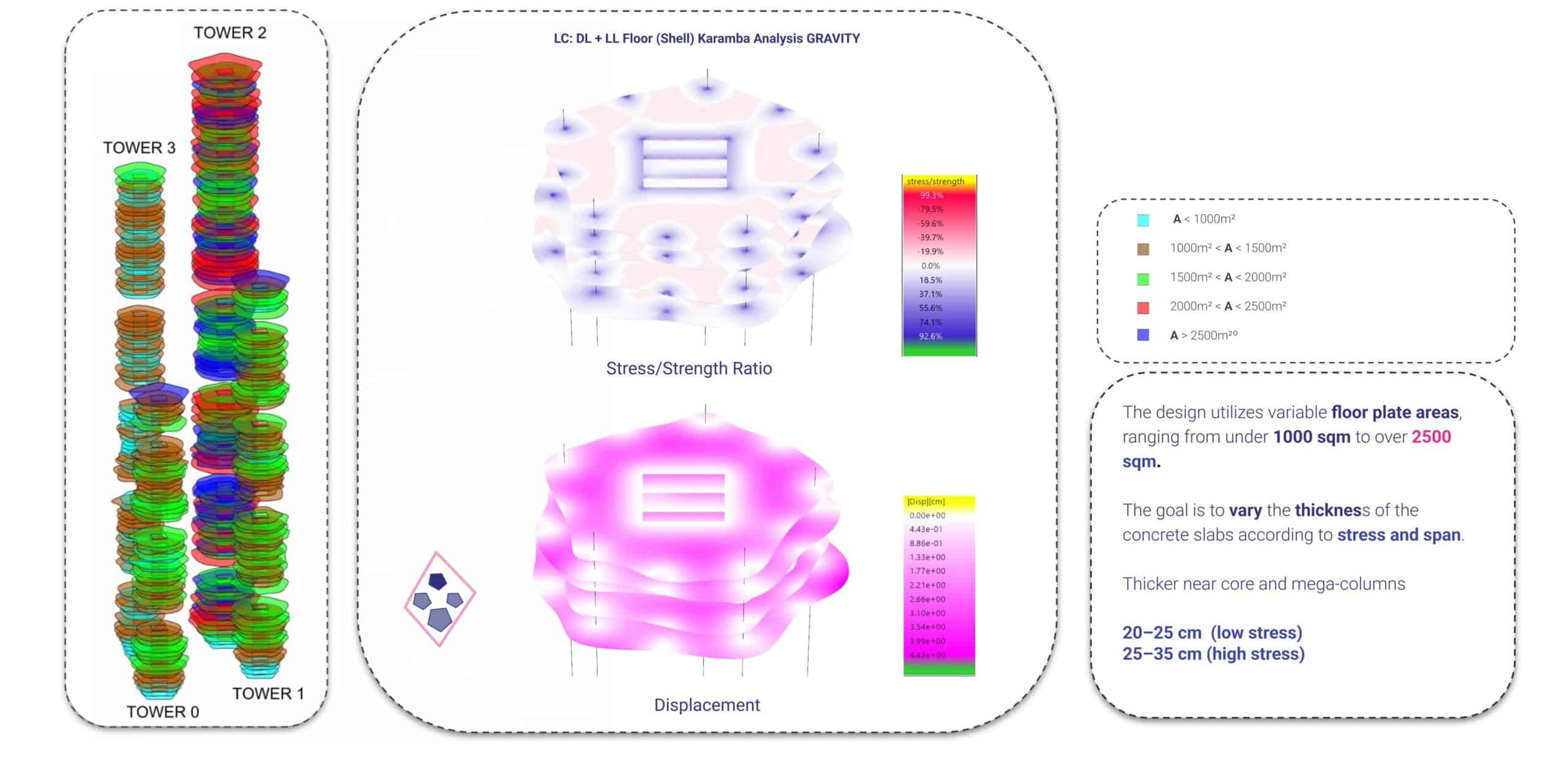
To manage the lateral forces inherent at such extreme heights, the design integrates outriggers and belt trusses, which couple the core to the perimeter to increase overall stiffness. The building’s unique “wavy” silhouette is made possible by cantilevered floor slabs acting as horizontal diaphragms, while large-scale platform slabs tie the multiple towers together, ensuring collective structural integrity and a optimized core-to-slab ratio of 20–30%.
Wind Resistance and Lateral Stability
To combat the significant wind loads encountered at heights up to 500m, the structure utilizes an advanced lateral stiffening system composed of belt trusses and outriggers. These trusses act as critical structural ties, coupling the central rectangular core to the five perimeter mega-columns to create a unified, rigid frame that significantly reduces building sway and acceleration.
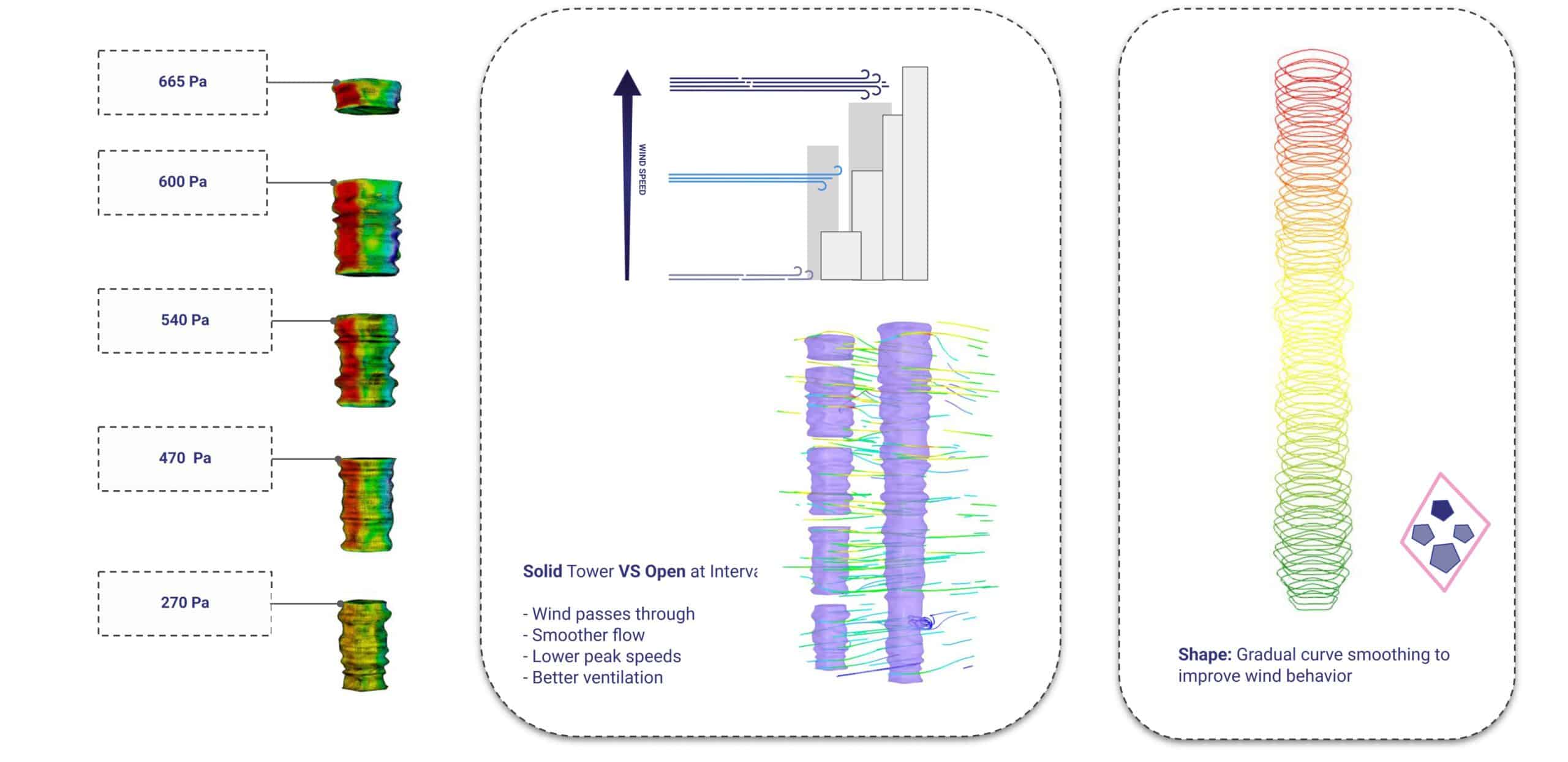
By strategically placing these belt trusses at key vertical intervals, the design manages wind-induced shear and moment forces more effectively than a standalone core. This secondary support system not only ensures occupant comfort during high-wind events but also provides the necessary stability to support the building’s expansive cantilevered “wavy” floor plates without compromising the structural core’s slender profile.
Façade Initial Approach
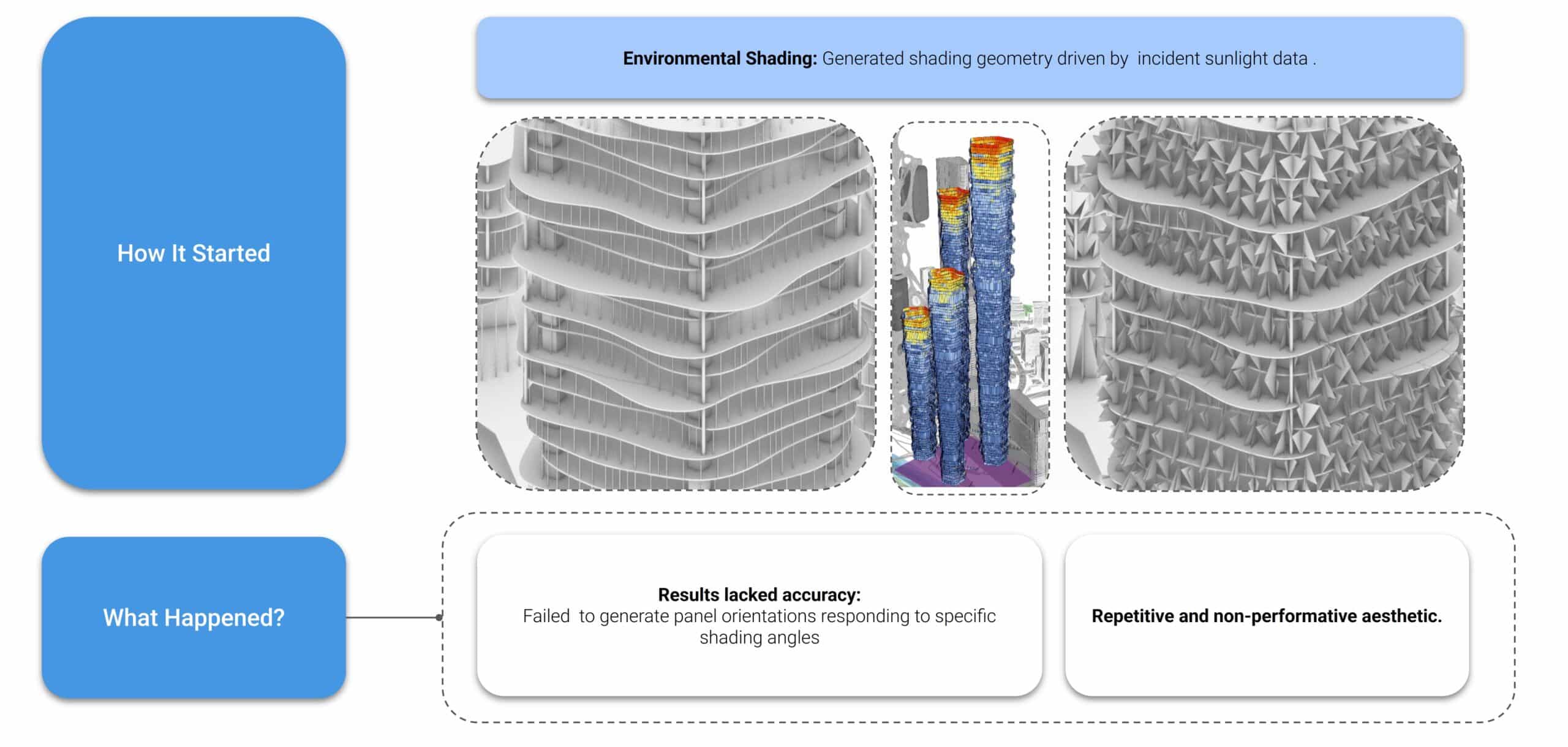
The initial façade design approach relied on solar-driven gradients to generate a responsive skin. However, by prioritizing formal expression early in the process, the system became overly complex and weakly integrated with programmatic and structural requirements.
As a result, the façade struggled to deliver consistent environmental performance, remaining more a visual interpretation of data than a truly optimized building envelope. So we altered the startegy, focused on other metrics and changed the tools of the analysis.
Façade Algorithmic Workflow
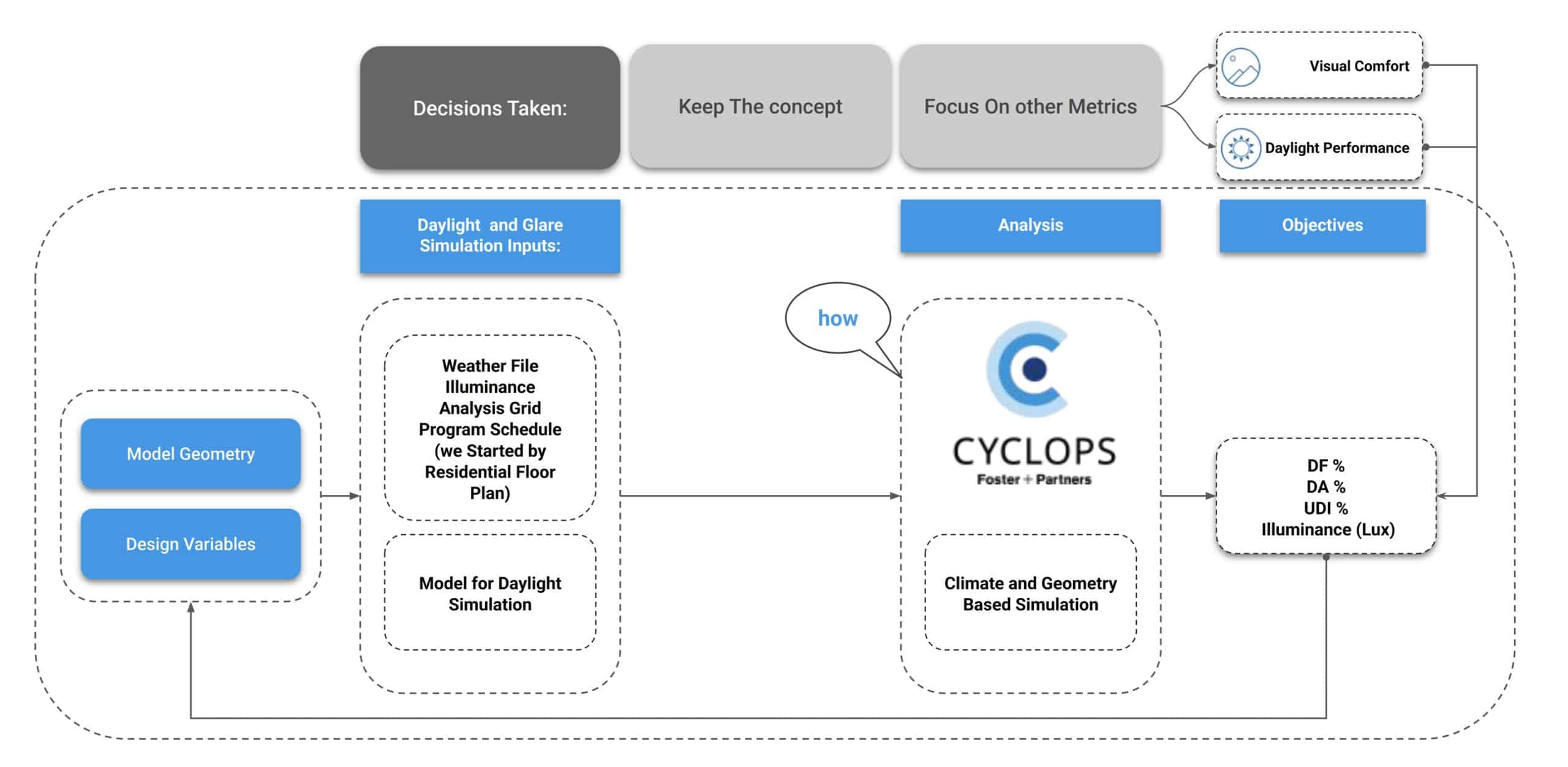
The algorithmic workflow for the HB03 façade follows a streamlined, iterative path that bridges environmental data with geometric complexity.
The process begins with the Base Geometry, the tower’s wavy massing, which is then analyzed through a Grid to map spatial data accurately.
Key environmental metrics, such as solar radiation and daylight potential, are processed through an Analysis Algorithm (utilizing Cyclops from Foster and Partners) to generate a numeric values across the surface.
These values act as a Mapping Logic that drives the Parametric Distribution of the façade components; this ensures that the final Facade Iteration is not just a pattern, but a direct physical response to the site’s environmental constraints, optimizing shading and light penetration in real-time.
Adaptive Façade Optimization
The Concept:
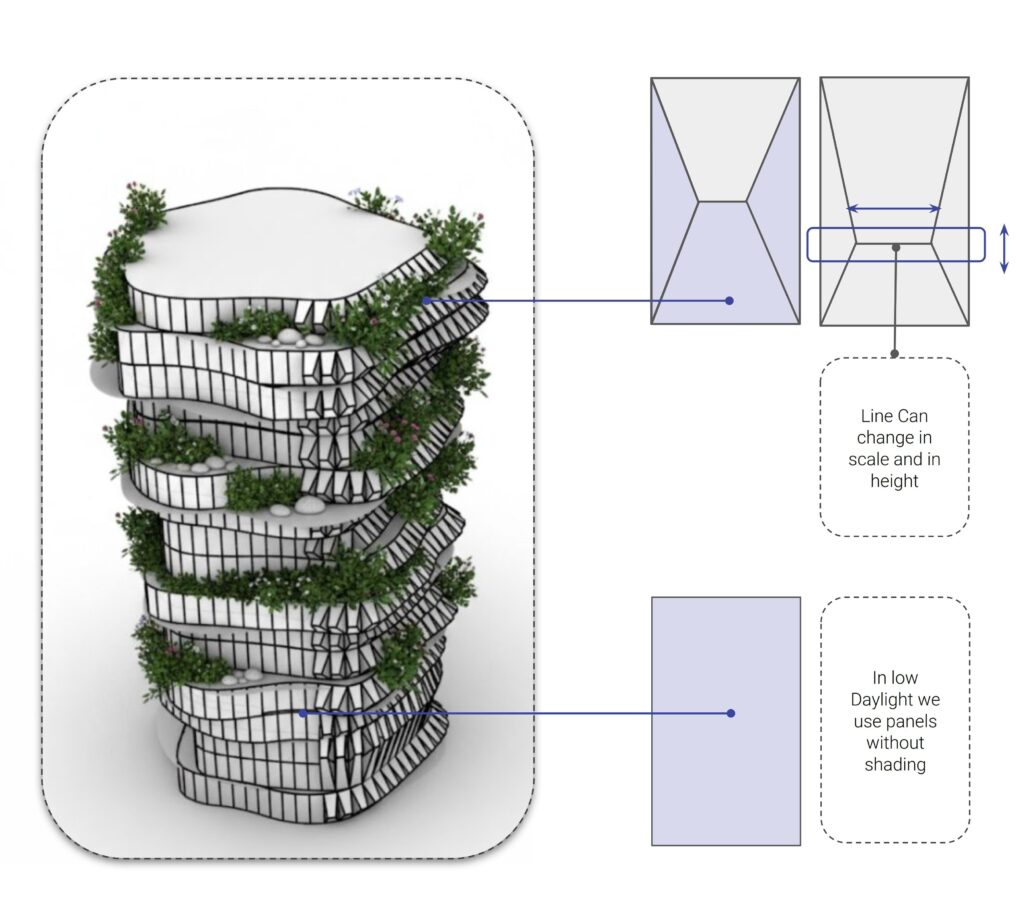
The façade logic for HB03 prioritizes human comfort through a performance-driven material selection, where glass properties and shading depth are dictated by Visible Light Transmittance (VLT) and U-Values.
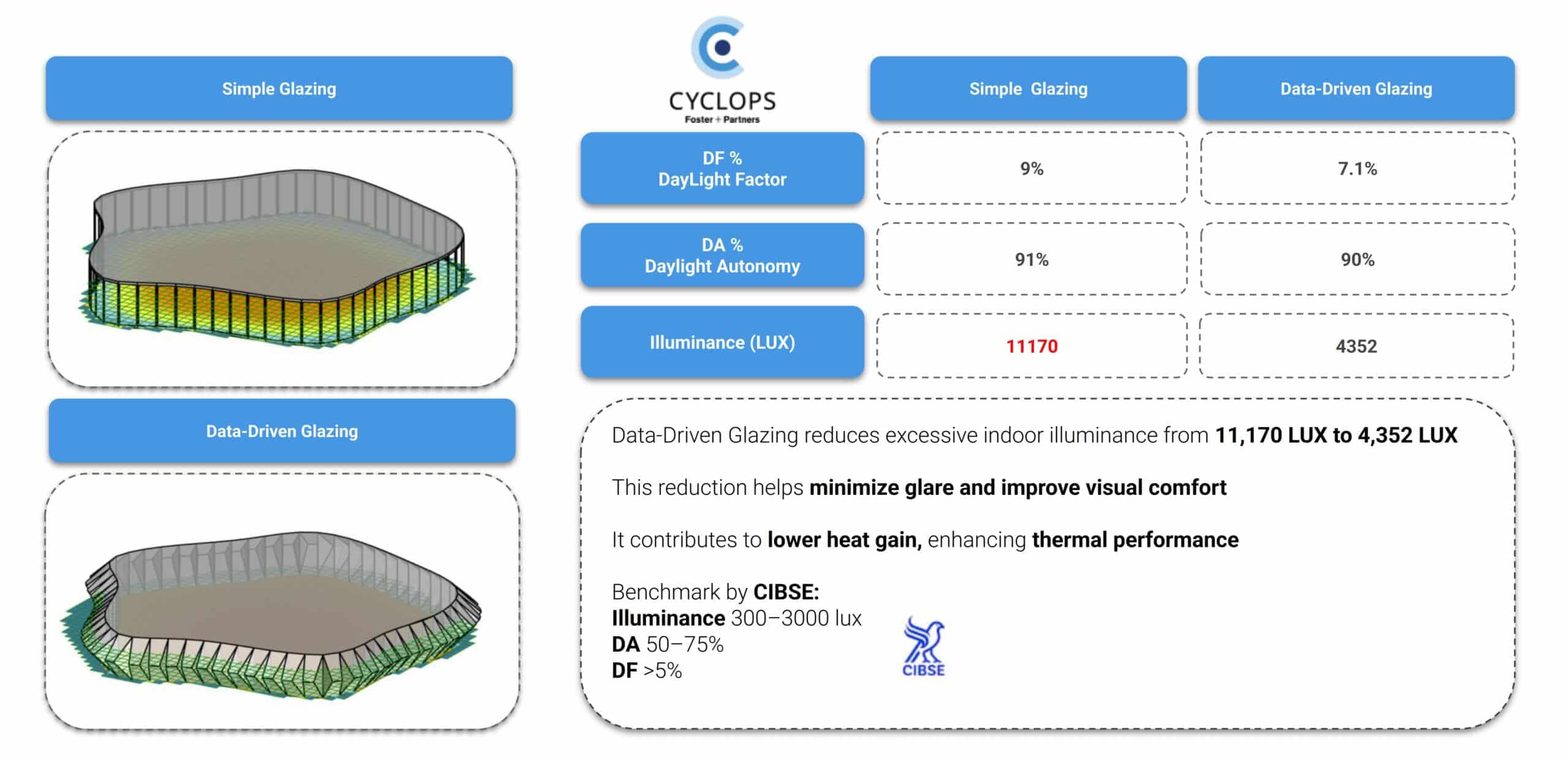
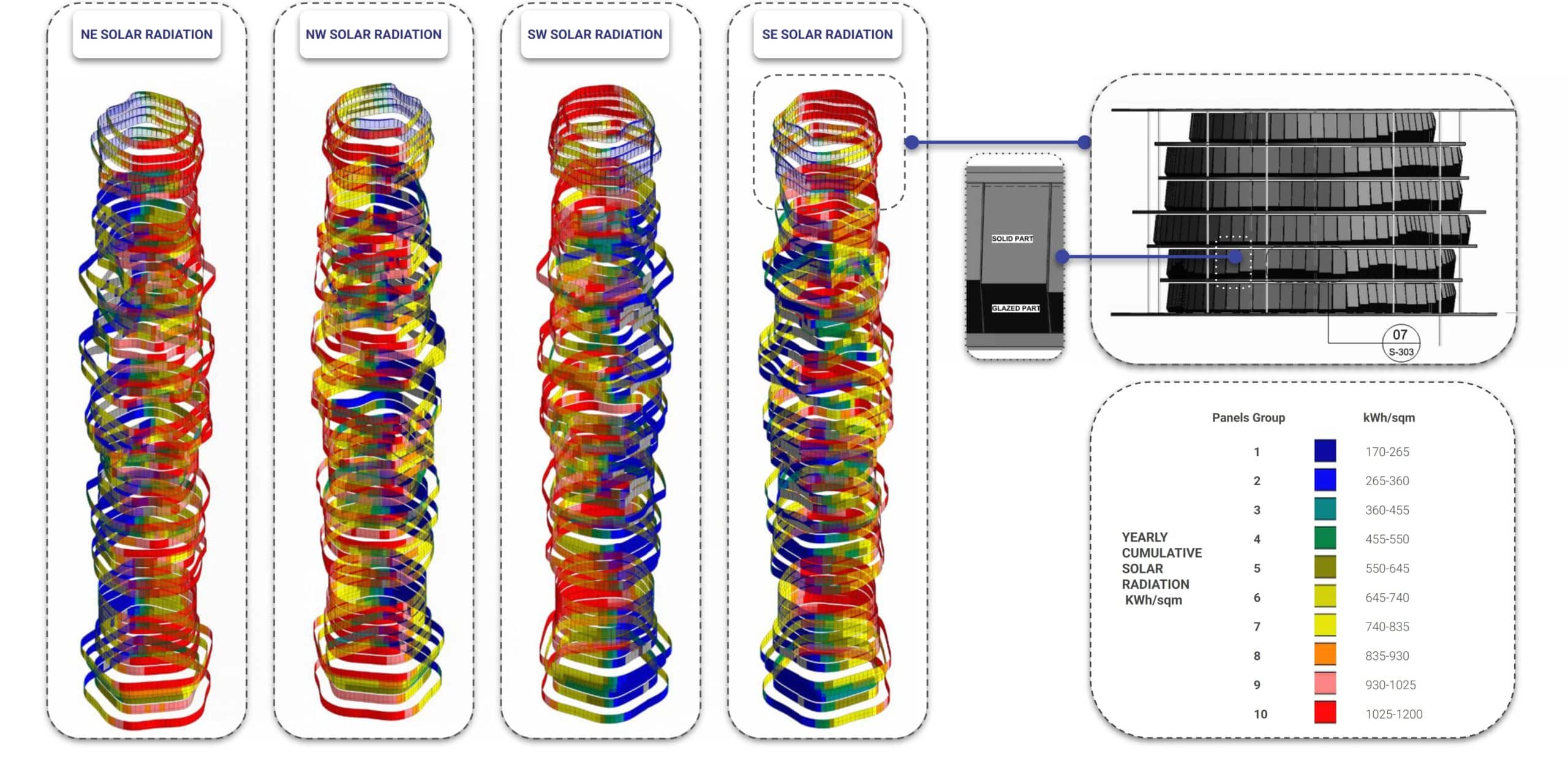
By categorizing façade panels into distinct groups based on yearly cumulative solar radiation, the system provides a granular response to the environment: low-daylight areas utilize flat panels for maximum transparency, while high-exposure zones feature scaled shading elements to block excessive heat.
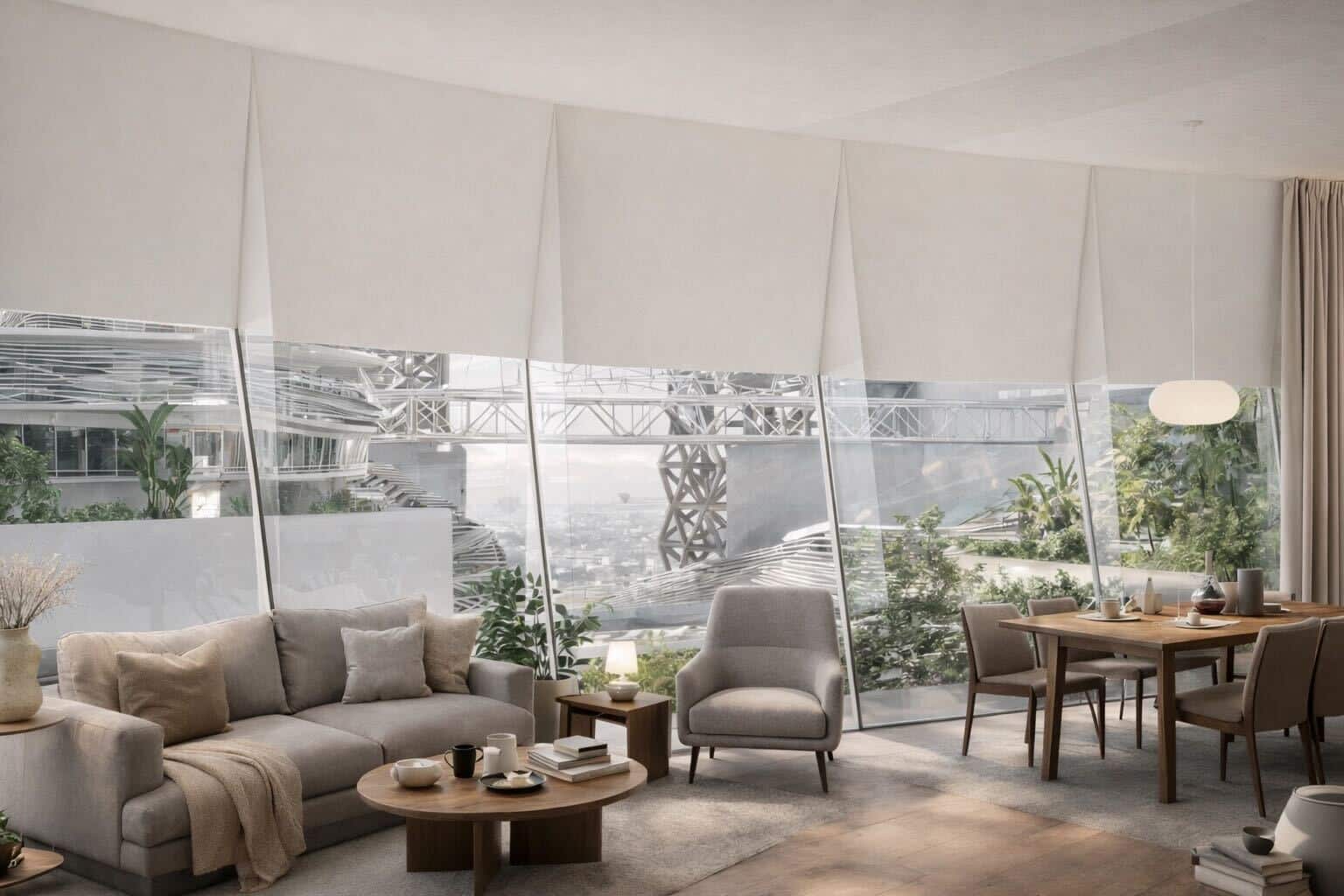
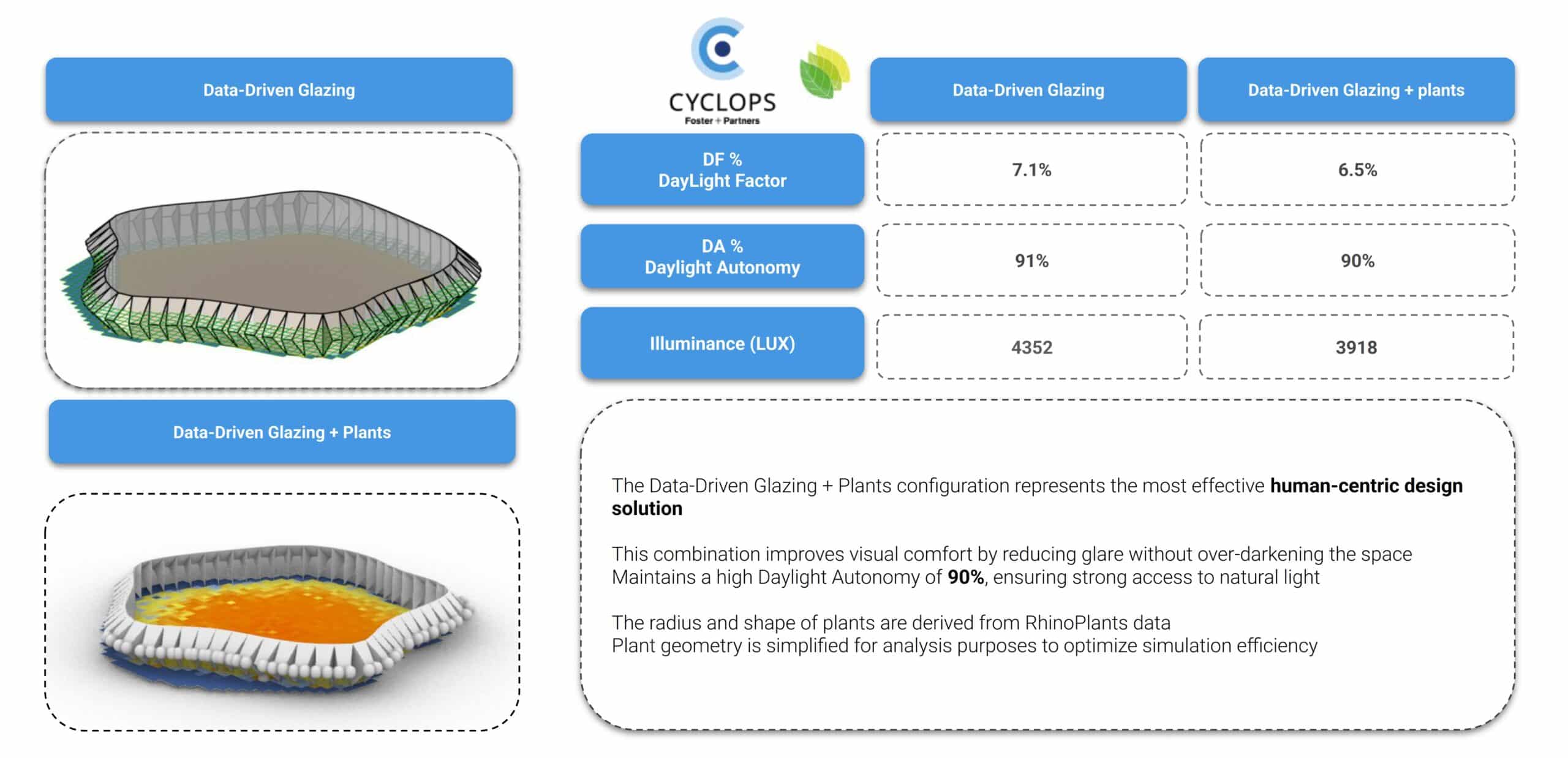
This data-driven transition successfully reduced indoor illuminance to comfortable levels while maintaining a high Daylight Autonomy.
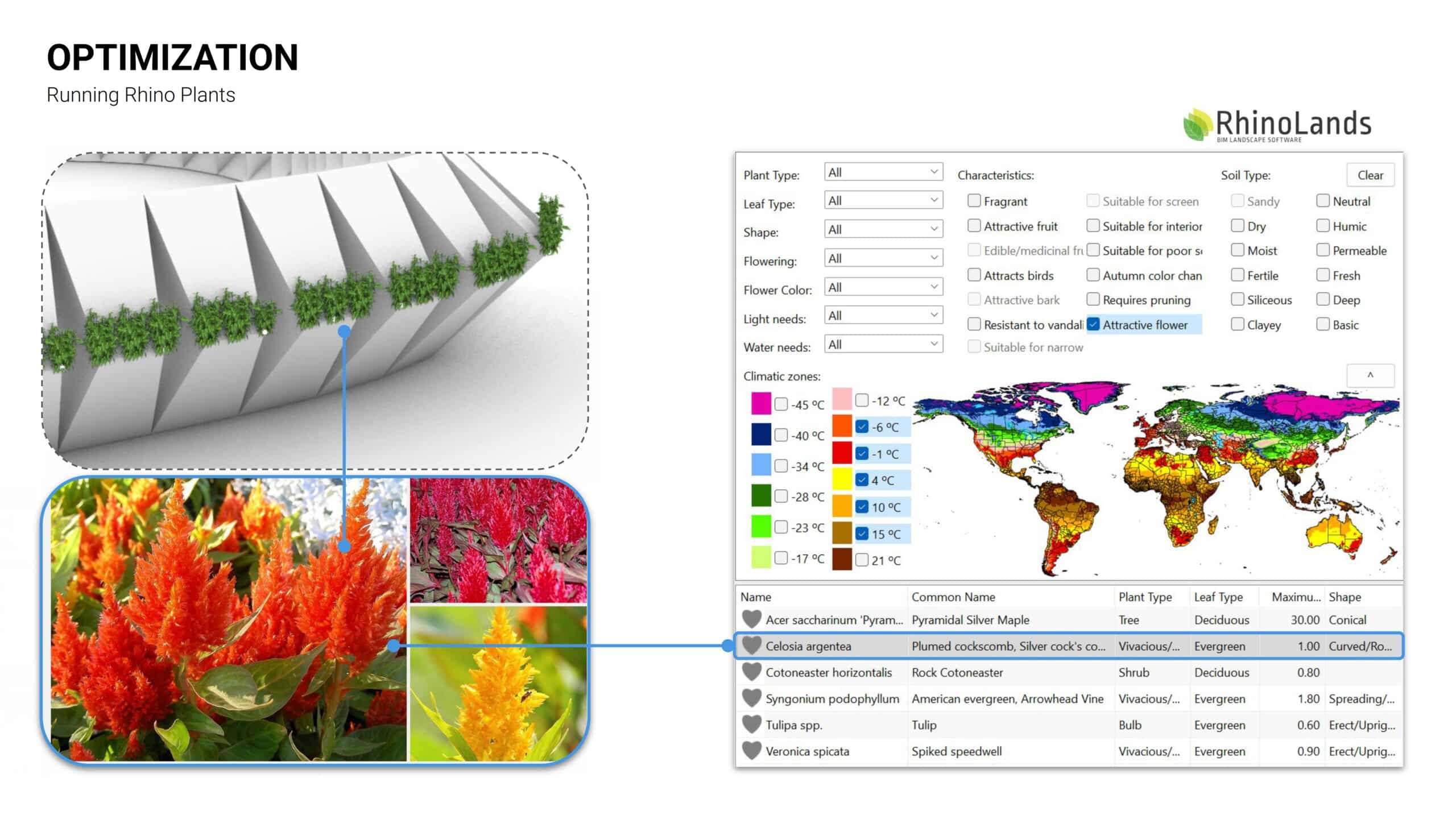
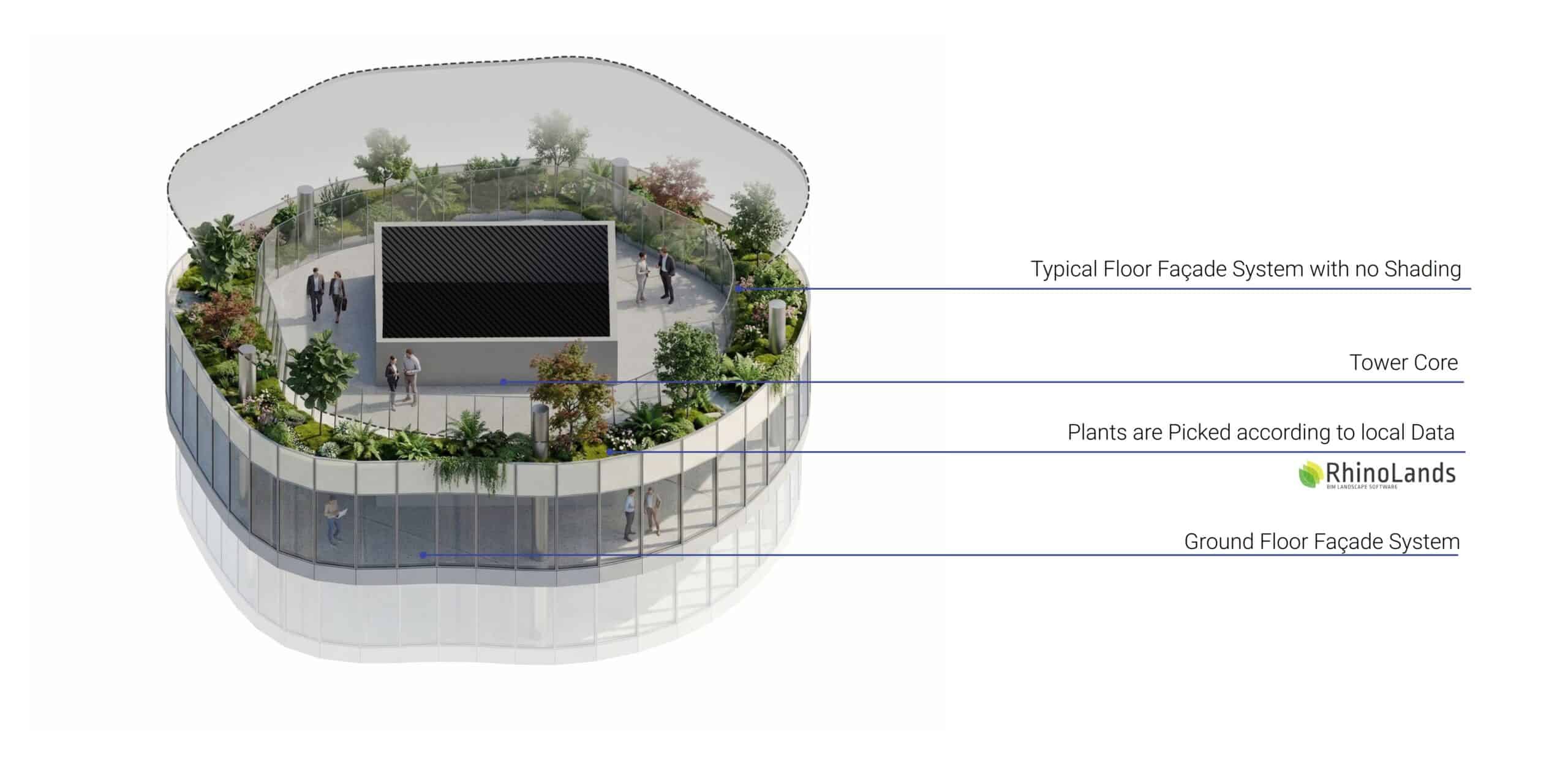
To further humanize the design, the team integrated biological shading, using Rhino Lands to select local plant species that provide natural thermal regulation and reinforce the project’s core theme of flora-fauna coexistence.
Bridge Façade System and Environmental Performance
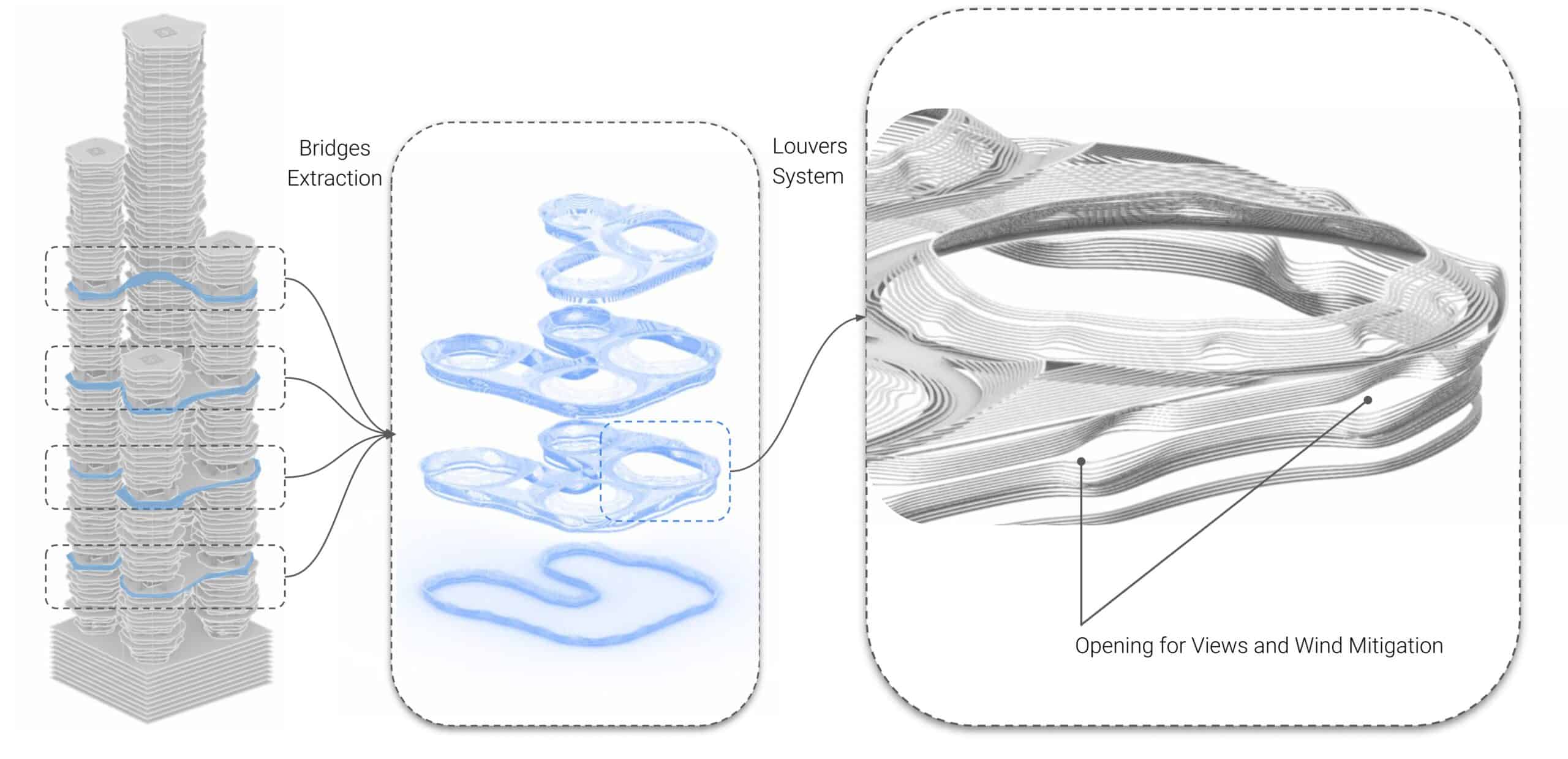
The façade system is developed as a data-driven, performance-responsive layer integrated with the tower’s bridge zones.
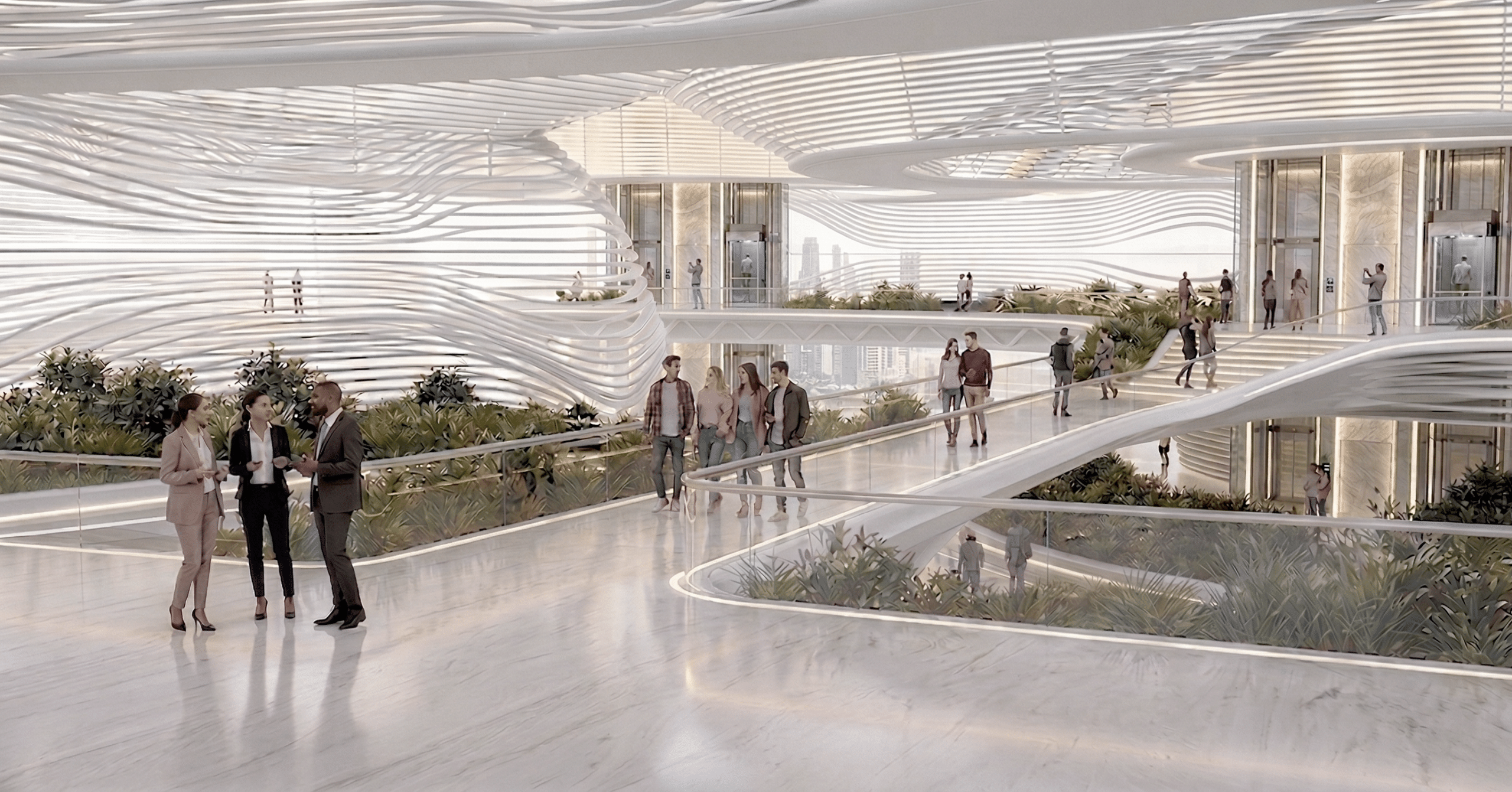
At selected levels, horizontal bridges connect the clustered volumes, creating shared circulation and spatial continuity while acting as key environmental transition points.
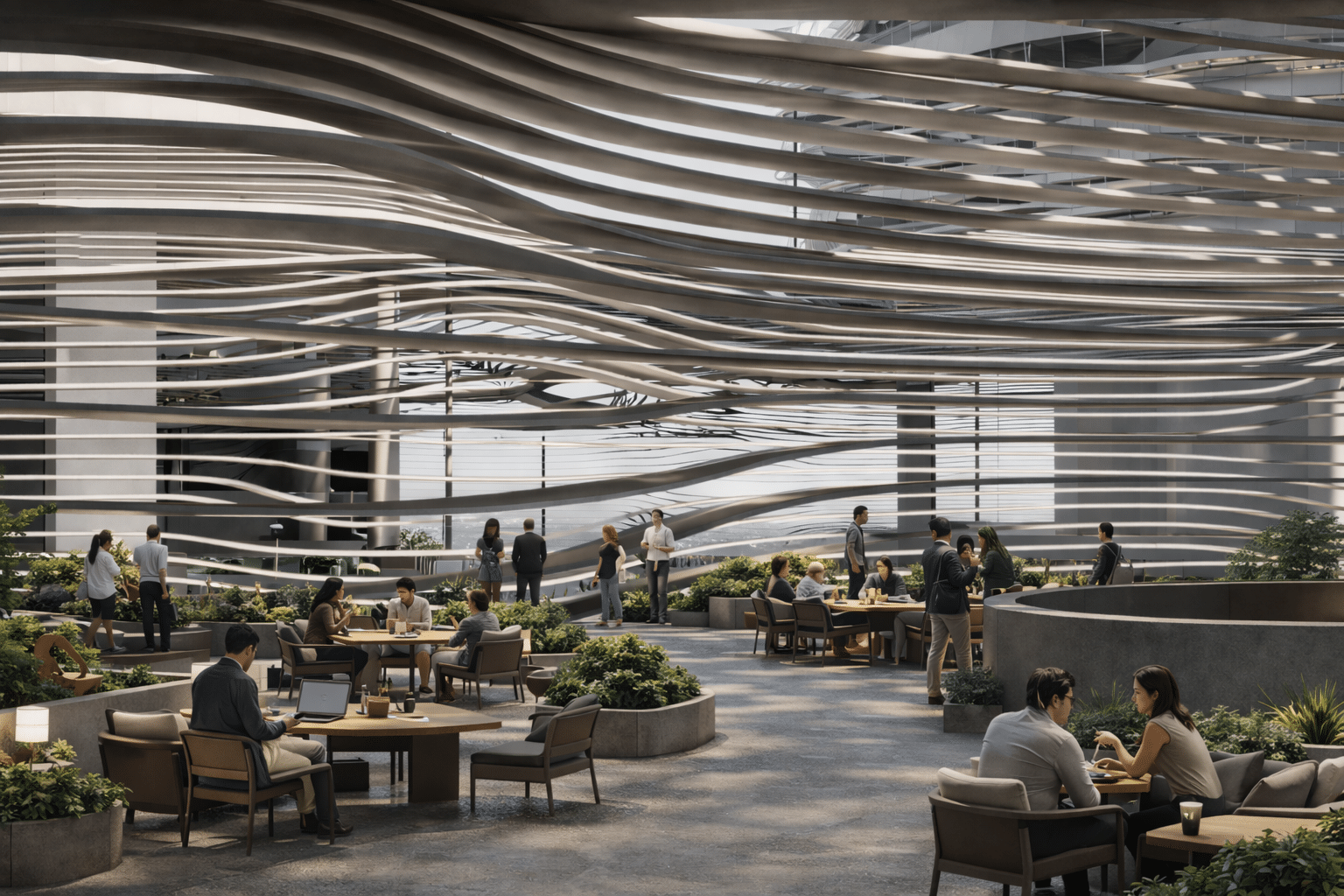
These bridge bands are extracted and further developed into a layered louver system, whose geometry is parametrically informed by view corridors and local wind conditions. The resulting openings are strategically shaped to preserve panoramic views while mitigating wind pressure and improving pedestrian comfort around the elevated communal spaces.
Façade Design Finalization
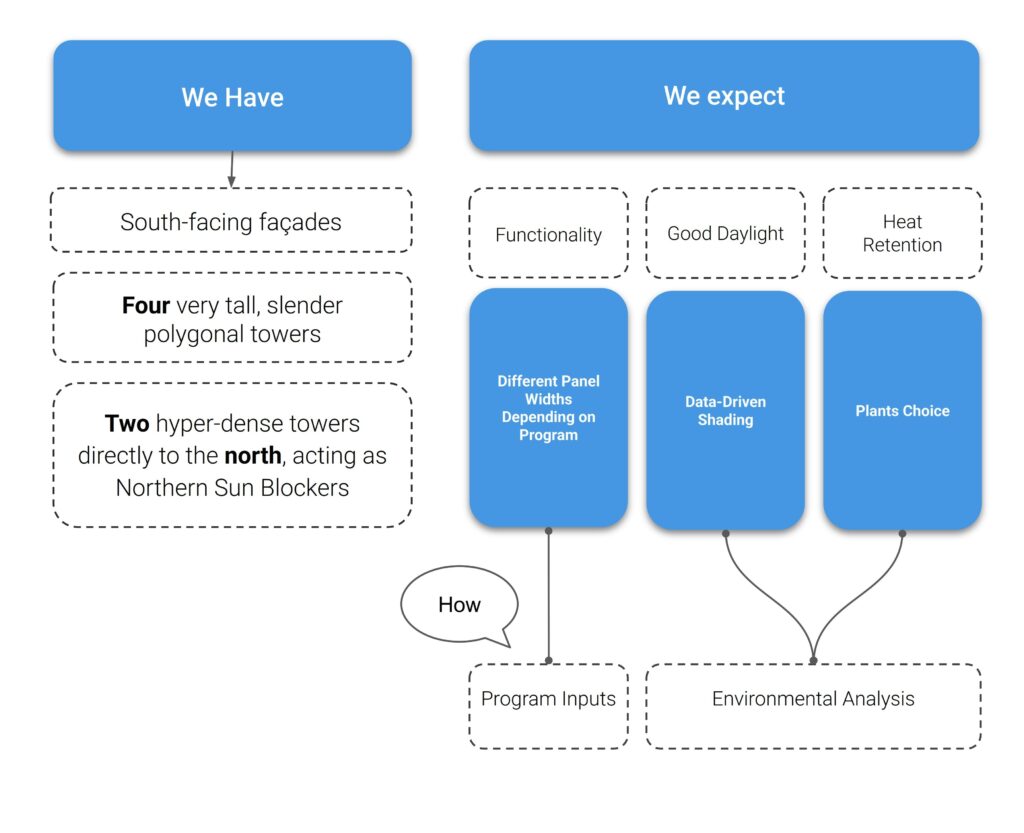
In the final stage of the façade development, the panel width and typology are further refined by the building’s internal program and function. While environmental data drives the shading gradients, the ground floor transitions into large, clear, and simplified panels to accommodate high-visibility uses like retail and public lobbies.
This localized shift in the algorithmic logic ensures maximum transparency and urban connectivity at the pedestrian level.
As the building rises, the panel scale adapts to suit residential and office requirements, balancing the need for privacy and views with the project’s stringent performance goals.
Beyond the Hyperbuilding: Meet FluxFaçade, an automated Computational Workflow
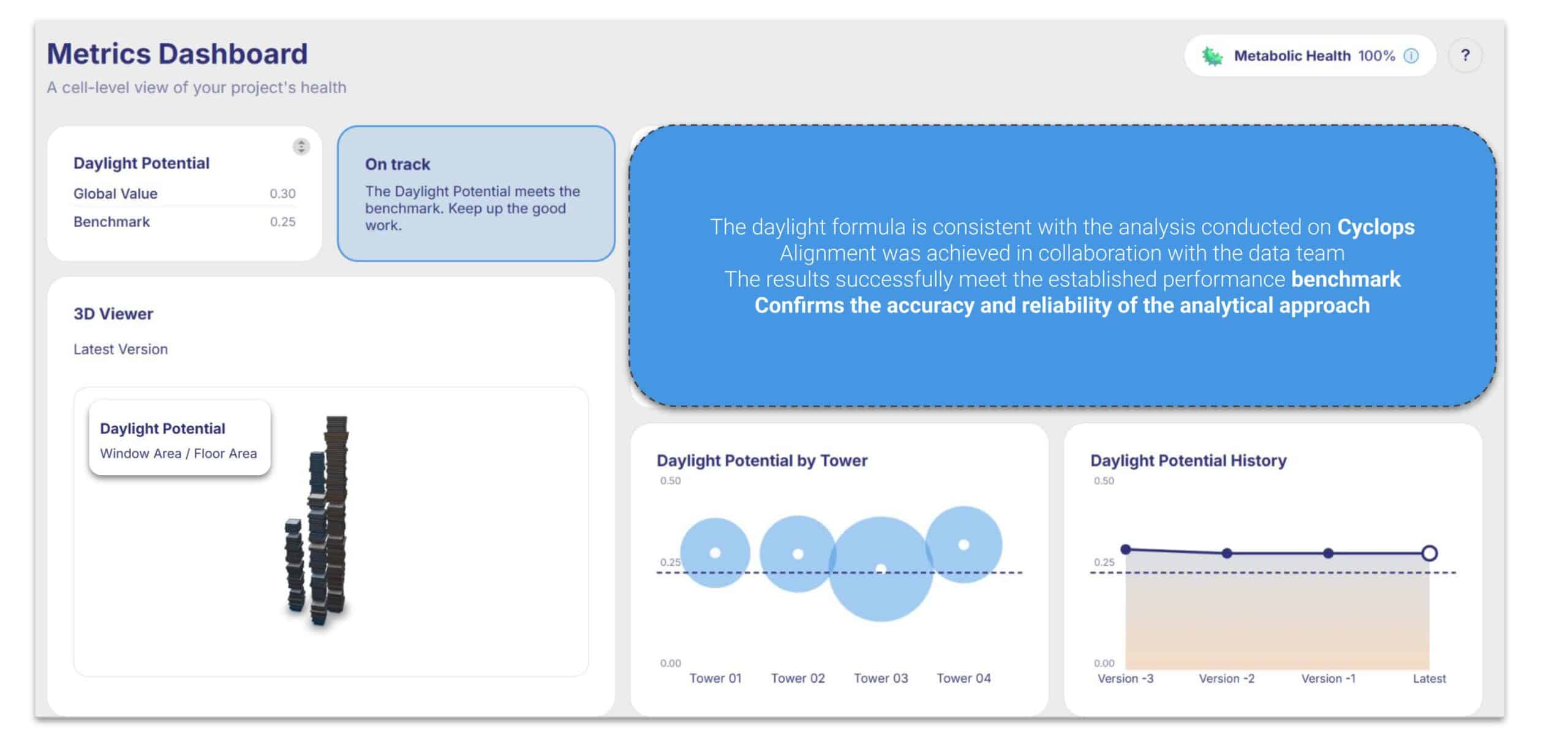
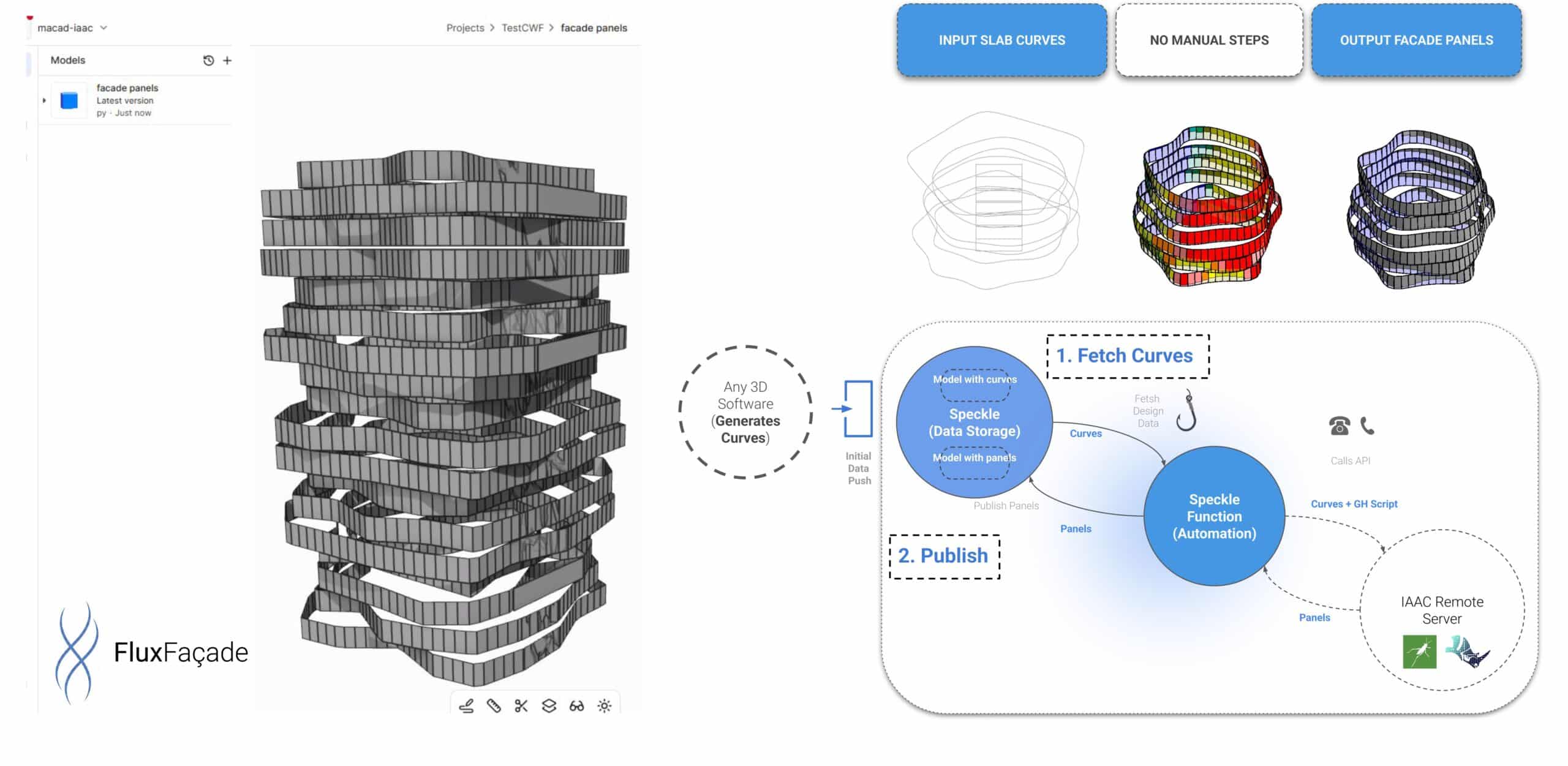
HB03 Façade not only successfully met the performance benchmark established by the data team, but also extended the workflow by developing an independent automated façade generation system.
We called the project FluxFaçade. It integrates parametric geometry, environmental analysis, and cloud-based automation into a unified pipeline. Through the connection of Speckle, Rhino Compute, and Grasshopper, the system transforms input curves into sun-responsive façade panels with minimal manual intervention, enabling faster, more scalable, and data-driven design iterations for complex architectural projects.
Conclusion: The Future of Sustainable Vertical Urbanism
HB03 represents a decisive step toward the future of high-density urbanism, where architectural form, structural engineering, and environmental performance are conceived as a single integrated system.
By combining a high-efficiency structural framework of perimeter mega-columns, a central reinforced core, and an intelligent adaptive façade system, the project moves beyond conventional parametric design toward a truly responsive, human-centered vertical ecosystem.
Informed by granular solar analysis, daylight simulations, wind performance studies, and algorithmic workflows, the skeleton actively mediates between interior comfort and external environmental conditions, optimizing, space quality, daylight, solar exposure, and visual connectivity across the tower’s full vertical scale.
The result is a design that reinforces coexistence between architecture, biodiversity, and urban ecology.
Ultimately, HB03 demonstrates that even at the scale of a 500-meter hyperbuilding, architecture can remain delicate, adaptive, and environmentally intelligent, drawing inspiration from the resilience and logic of natural systems.