Within the current global context of rapid change, integrated with the potentials of digital technologies, IAAC’s Master in Advanced Architecture (MAA) is committed to the generation of new ideas and applications for Urban Design, Self Sufficiency, Digital Manufacturing Techniques and Advanced Interaction.

In this context IAAC works with a multidisciplinary approach, facing the challenges posed by our environment and the future development of cities, architecture and buildings, through a virtuous combination of technology, biology, computational design, digital and robotic fabrication, pushing innovation beyond the boundaries of a more traditional architectural approach.

Filters
Course

Syntactic Assemblage

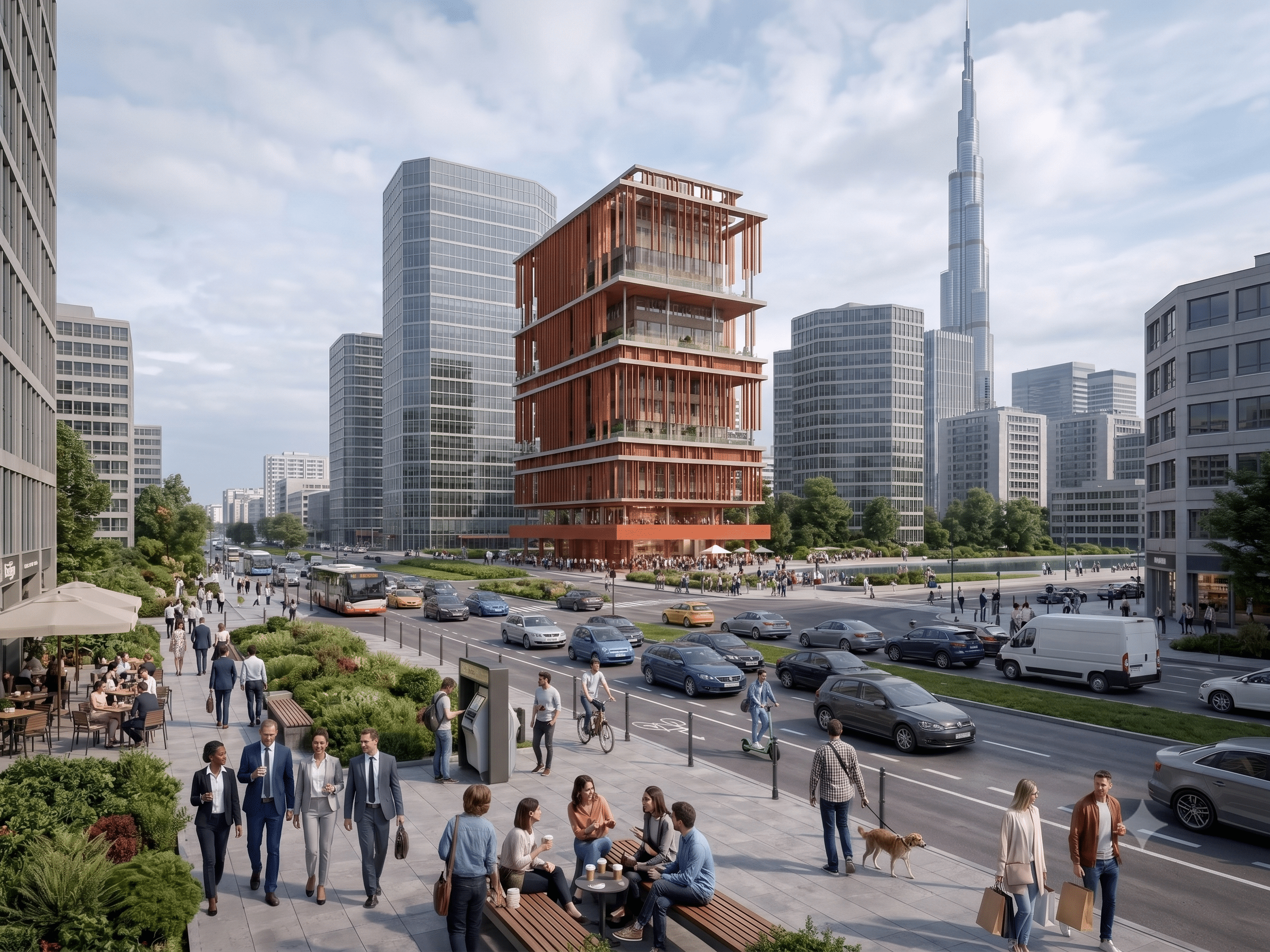
This project explores the computational assembly of components to form a multi-functional complex. By translating configurations into graphs, we applied Space Syntax logic to evaluate three key values : Depth, Integration, and Choice. The optimal architecture was selected based on the balanced symmetry of these indices. Finally, these analytical values directly guided the spatial programming, … Read more

MIRADOR

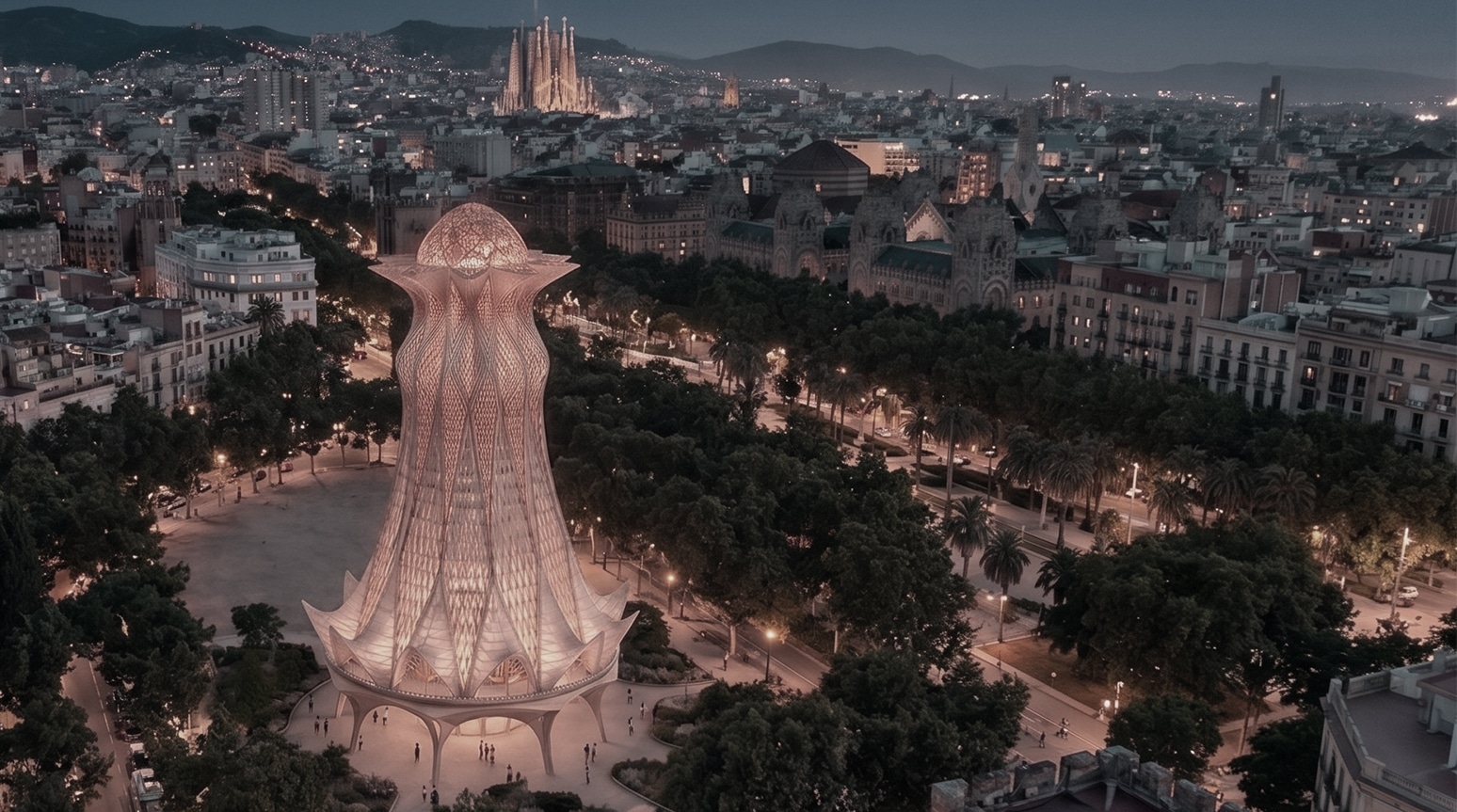
After Gaudi Seminar2025 / 2026 Narrative El Mirador funciona como un instrumento espacial que marca tres referencias : el mar Mediterráneo, la Sagrada Familia y Montjuïc, estableciendo un diálogo entre estructura, geometría, expresión material y paisaje. Siguiendo la estrategia de encuadre de la Casa Milà, donde la Sagrada Familia se plasma mediante una abertura arquitectónica … Read more

After Gaudi Seminar I: Interpretation Center

Our project explores the After Gaudí vision through the lens of an Interpretation Center—not by simply copying forms, but by deeply understanding his geometry and structural logic. Project Framing: A 2026 Centenary Monument in the Born District. The Interpretation Center: Defining the Cultural Program An Interpretation Center is not just an exhibition space; it is … Read more

The Kinetic Node Pavilion

Architectural render of the final timber pavilion, showing integrated ramps for skateboarding and shaded areas for pedestrians.

The Kinetic Node proposes a dynamic pavilion located in the central pedestrian zone of Plaça de la Universitat, Barcelona. Developed within a computational design seminar, the intervention explores the intersection of generative algorithms and active public space. The design utilizes parametric tools to generate a fluid structure where architectural form seamlessly transitions into skateable terrain, … Read more

Palmetric

Site introduction The project is a pavilion conceived for the Plaça Reial (Royal Square) in Barcelona, Spain, which is a renowned, sophisticated square adorned with porticos, located just off Las Ramblas in the Gothic Quarter. This square is celebrated for its palm trees, fountain, lively nightlife featuring bars and restaurants, and serves as a central … Read more

CANOPY DIALOGUE

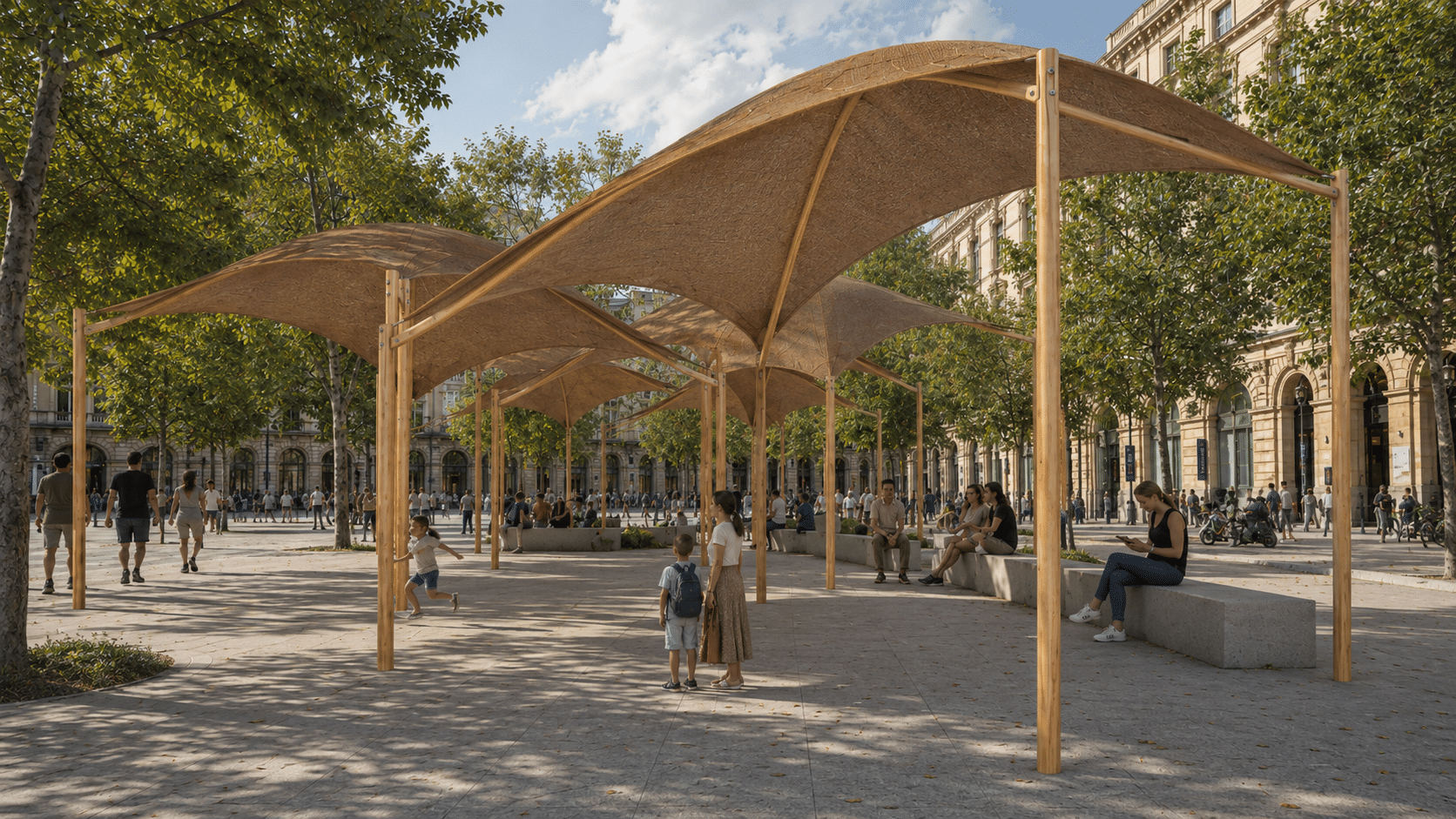
Canopy Dialogue introduces a temporary pavilion designed through computational form-finding, responding directly to the existing trees and social life of Plaça de la Virreina. | SITE LOCATION | The project is located in Plaça de la Virreina, Gràcia, Barcelona, a dense urban plaza defined by strong pedestrian flows, tree rows, and community activity. | SITE … Read more

Mining The City

“Metabolising waste into habitat in a resource-scarce future” “Mining the City” reconceives legacy industrial infrastructure as an active force for urban regeneration and material resilience. Rather than treating waste as a problem to be discarded, this project positions Barcelona’s material flows from household refuse to industrial by-products as the resource base for a new metabolic … Read more

Escates de Peix

Concept Inspiration Creating a dynamic facade using can ran atelier’s three dimensional ‘kinetic tile’ approach. Rotation to be determined by controllable attractor curve Colourful tile/mosaic facades are often found in Barcelona design contexts. Early Iterations Pseudo Code High Quality Video: https://drive.google.com/file/d/1BpDajnOIM52dp8Mcx5DFvEiamOlLwxH_/view?usp=sharing

The Crown Loop

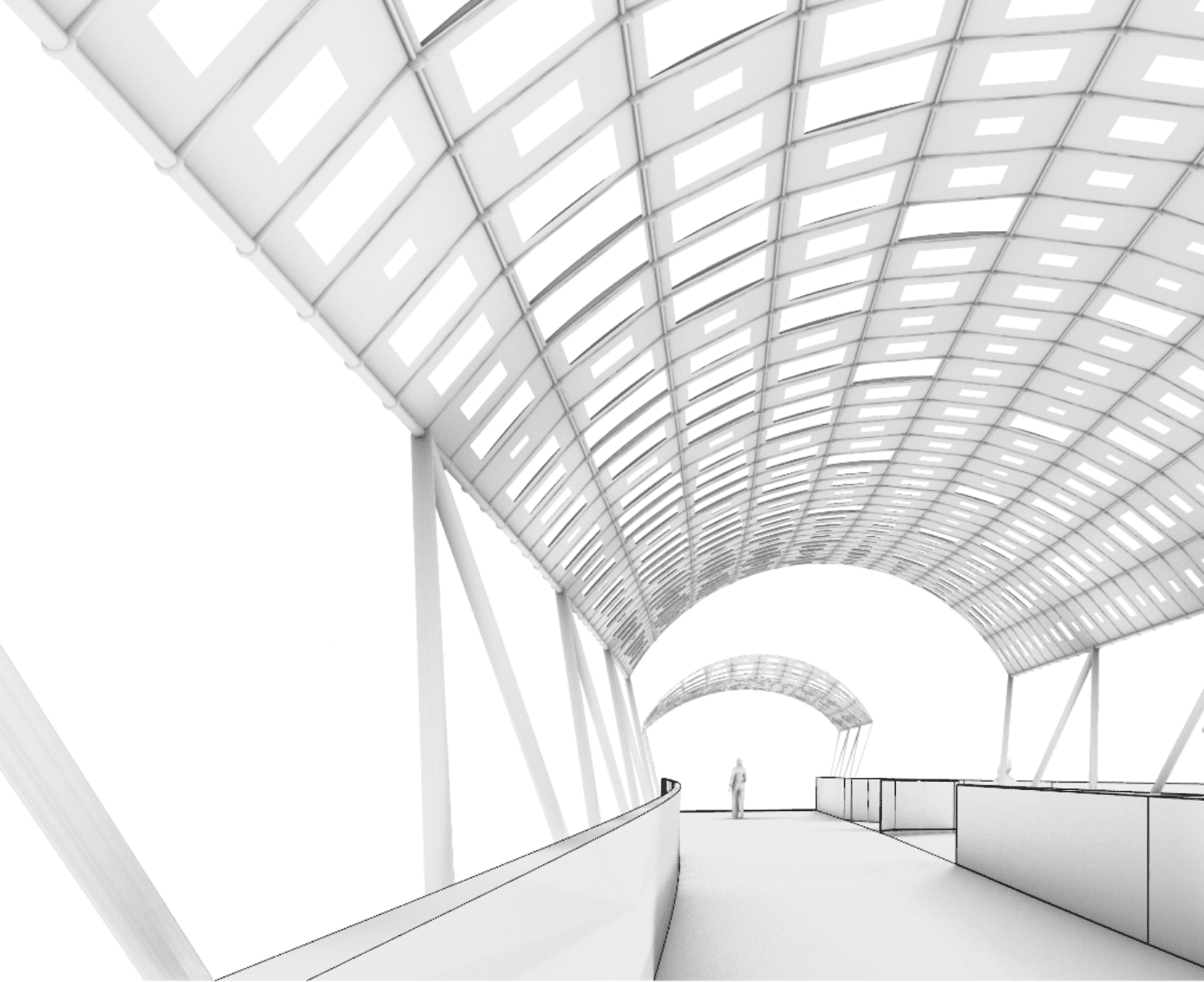
Abstract – This project introduces a crown-shaped stepped pavilion on the periphery of Plaça de Catalunya, serving as both an event gateway and an everyday public platform. Inspired by the geometry of a crown, the looping form rises in stepped layers to create vantage points, circulation, and sculptural presence. Developed through a parametric Grasshopper workflow, … Read more

Computational Design Seminar | The Kring Facade

Referential work’s logics Our referential framework is the Kring Kumho Culture Complex in Seoul by Unsangdong Architects, a building defined by large circular recesses that function as urban windows. The design exploits these spaces to break the flat exterior, as ‘Kring’ means ‘Circle’ in Dutch. We developed a concentric propagation approach to translate this logic … Read more

The Woven Contrast

Cover page for the IAAC Computational Design I Seminar. The image features a parametric, twisted wooden structure in the foreground against a dark, point-cloud digital background. Text lists the Faculty as Akshay Madapura and Shrey Kapur, and Students as Kalaitzidis Nikolaos and Sejin Park.

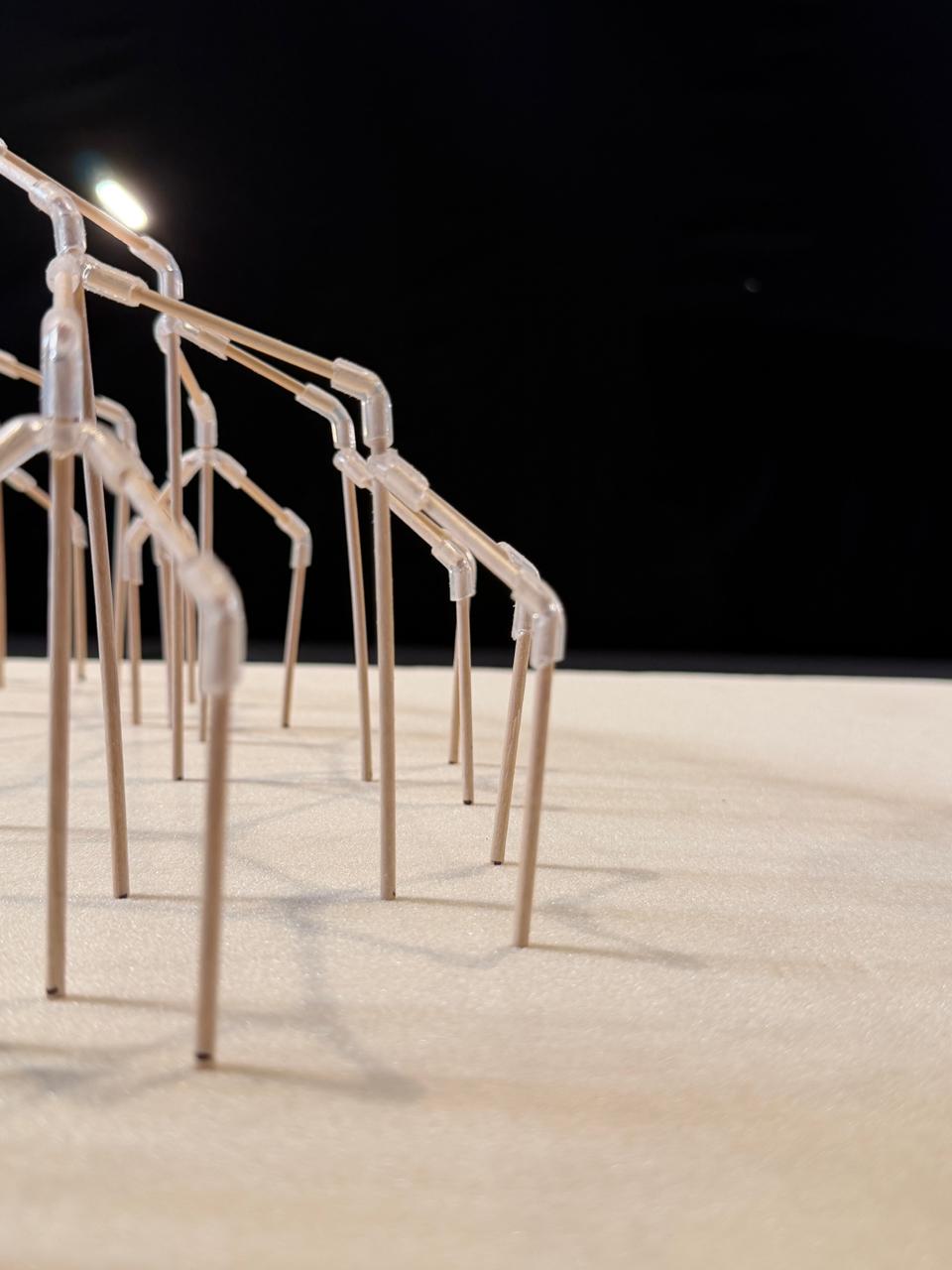
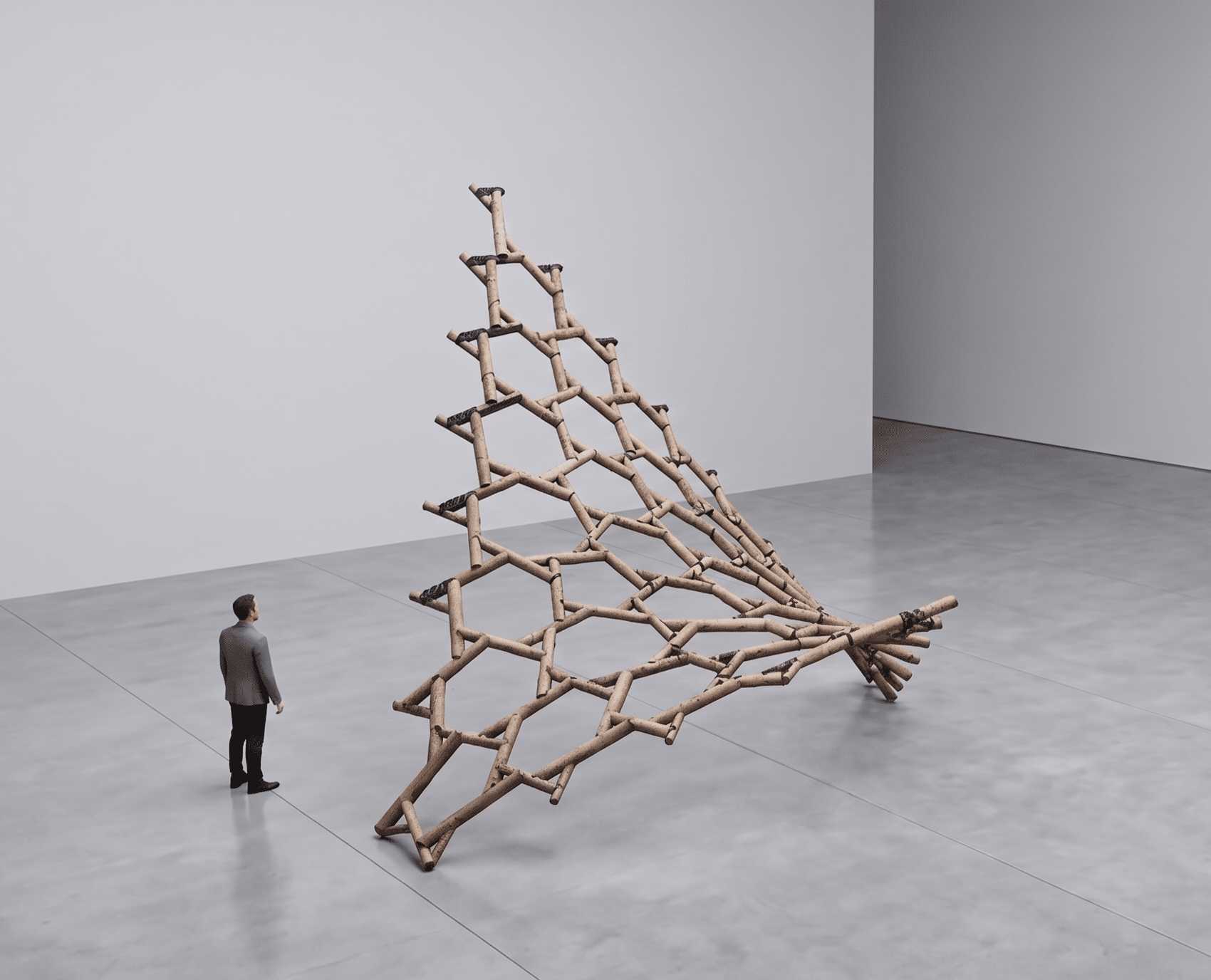
COMPUTATIONAL DESIGN I SEMINAR25/26 MAA01 (Level2) Abstract: Computational Weaving. This project, developed for the Computational Design I Seminar, explores the algorithmic generation of complex, recursive geometries through the logic of “Digital Craft”. Inspired by the material constraints of steam-bent timber, the design creates a “volumetric weave” rather than a simple surface. The computational workflow is … Read more

Dynamic Facade

Computational Design Seminar Studio Ardete’s Headquarters Image credits: Studio Ardete’s Headquarters in Mohali, India by Parametric Architecture Facade Responds to Light, Wind, and Motion, with its ever-evolving appearance. At the heart of the design is MetaSequin, a modular, reflective parametric façade element. These circular sequins interact with natural forces like wind and light, creating a … Read more

Remnant Playground

Plaça de Sant Felip Neri The pavilion is a biomimetic structure, drawing inspiration from natural webs. Its design utilizes an interactive interface of touch and light, on touching the pavilion, the entire part of pavilion lits up with various rainbow colors .This creates a dynamic and interactive environment, where the colorful light patterns shift and … Read more

MIU MIU BUILDING

CREATIVE PROCESS The façade is conceived as a textile surface caught mid-movement, as if a piece of fabric were lifted by the wind and suspended in time. Waves, folds, and subtle curvature translate the softness of cloth into a controlled architectural geometry. This fluid motion becomes the organizing logic of the elevation, producing a rhythm … Read more

Digital Fabrication Library

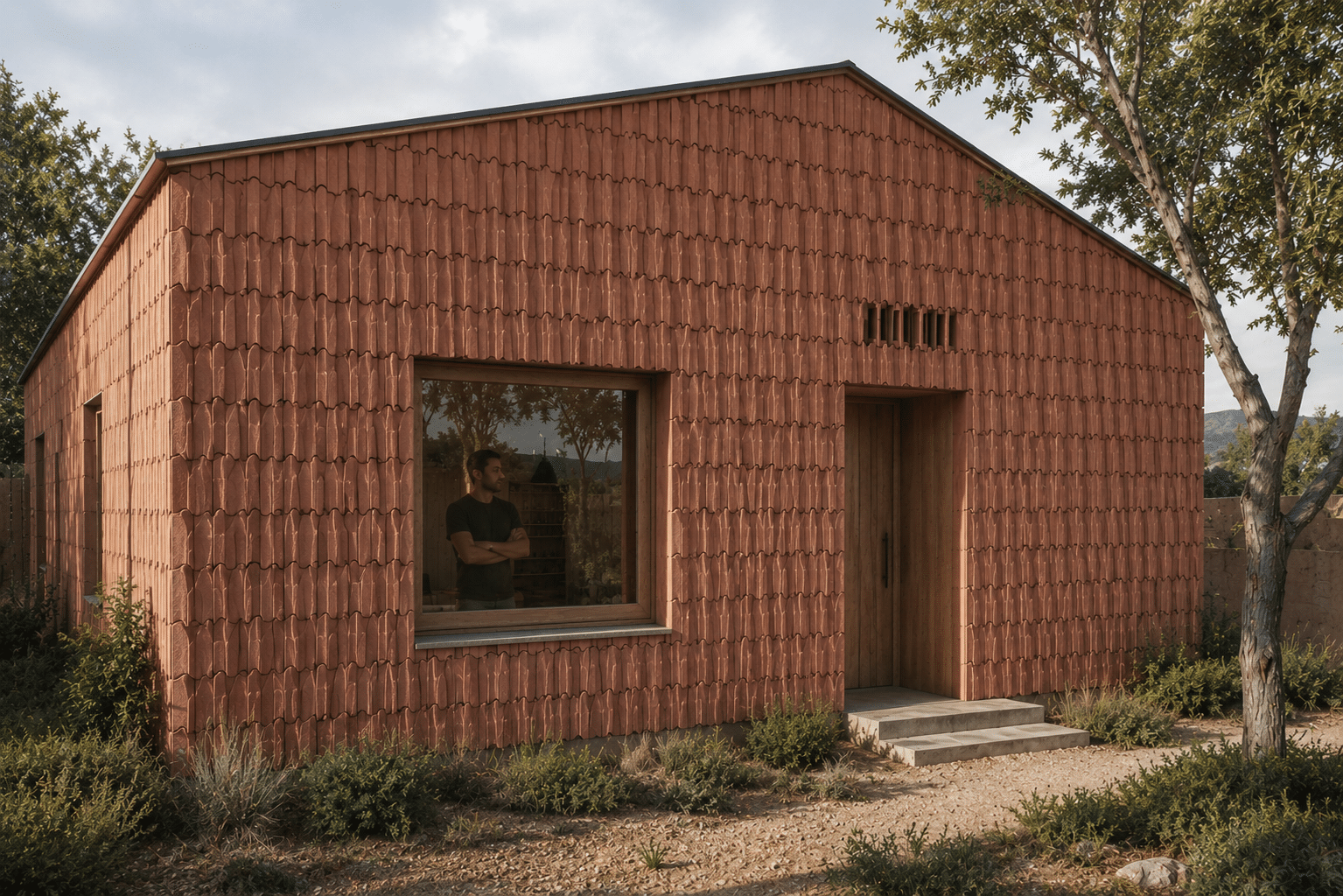
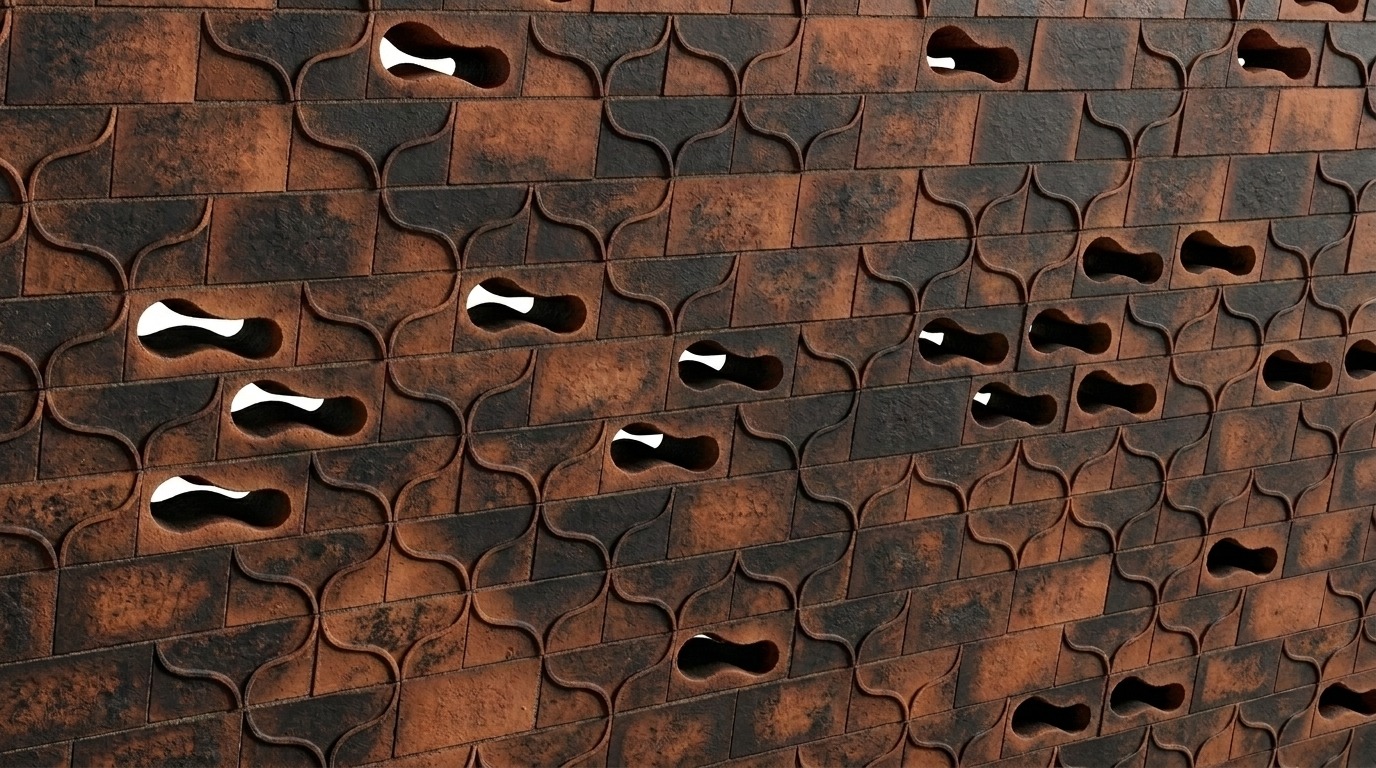
In today’s architectural landscape, digital fabrication has significantly expanded the way we design and construct building elements—offering unprecedented accuracy, efficiency, and formal freedom. Techniques such as laser cutting, CNC milling, 3D printing, and robotic manufacturing each bring distinct advantages in terms of material behavior, geometric complexity, and performance potential. RE:CELL Concept The Re:Cell is a … Read more

Tectonics of Digital Craft

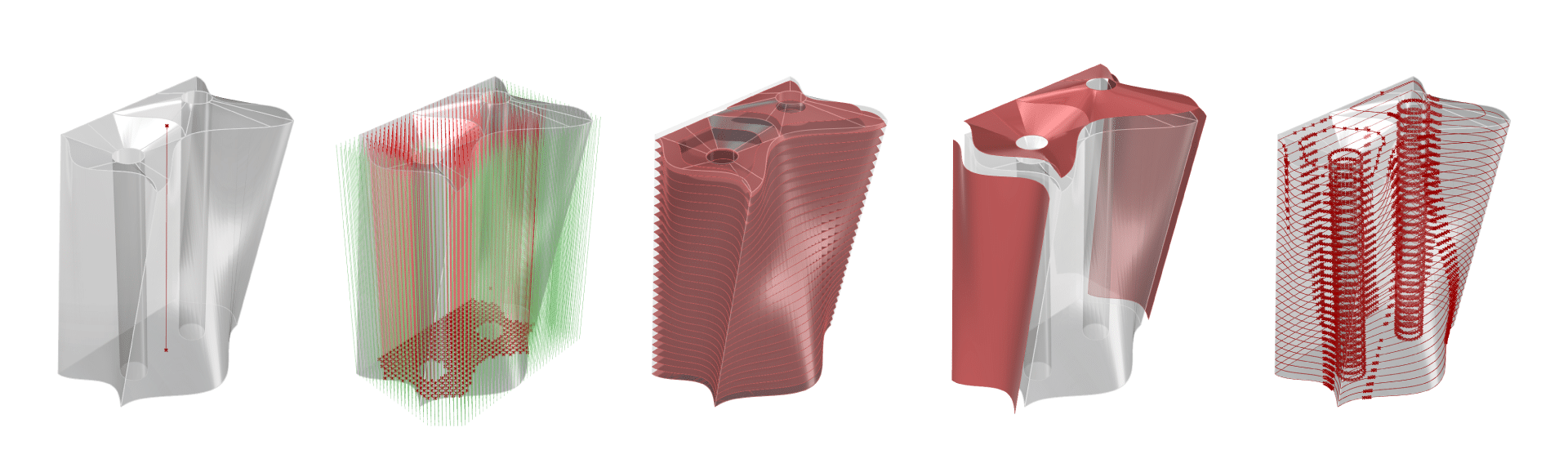
Digital fabrication enables designers to explore geometries that go beyond traditional construction constraints. The exercise focuses on translating complex geometries into constructible systems that integrate material behaviour, joinery logic, and mass customisation. Each technique allows experimentation with unique fabrication constraints, informing the evolution of the vertical element design. The outputs serve as material and geometric … Read more