Within the current global context of rapid change, integrated with the potentials of digital technologies, IAAC’s Master in Advanced Architecture (MAA) is committed to the generation of new ideas and applications for Urban Design, Self Sufficiency, Digital Manufacturing Techniques and Advanced Interaction.

In this context IAAC works with a multidisciplinary approach, facing the challenges posed by our environment and the future development of cities, architecture and buildings, through a virtuous combination of technology, biology, computational design, digital and robotic fabrication, pushing innovation beyond the boundaries of a more traditional architectural approach.

Filters
Course

Chromacoustic – A sensory Experience
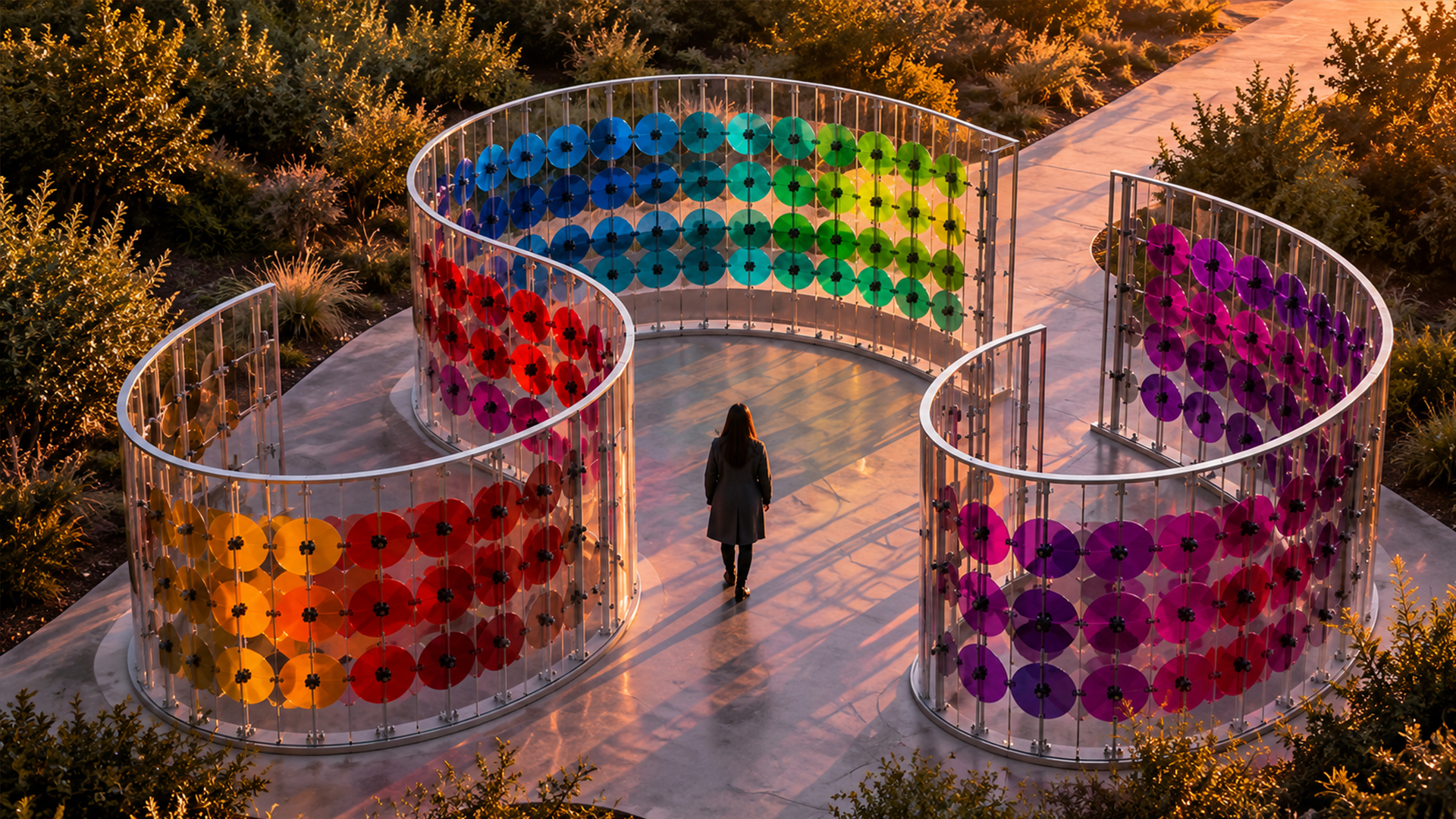
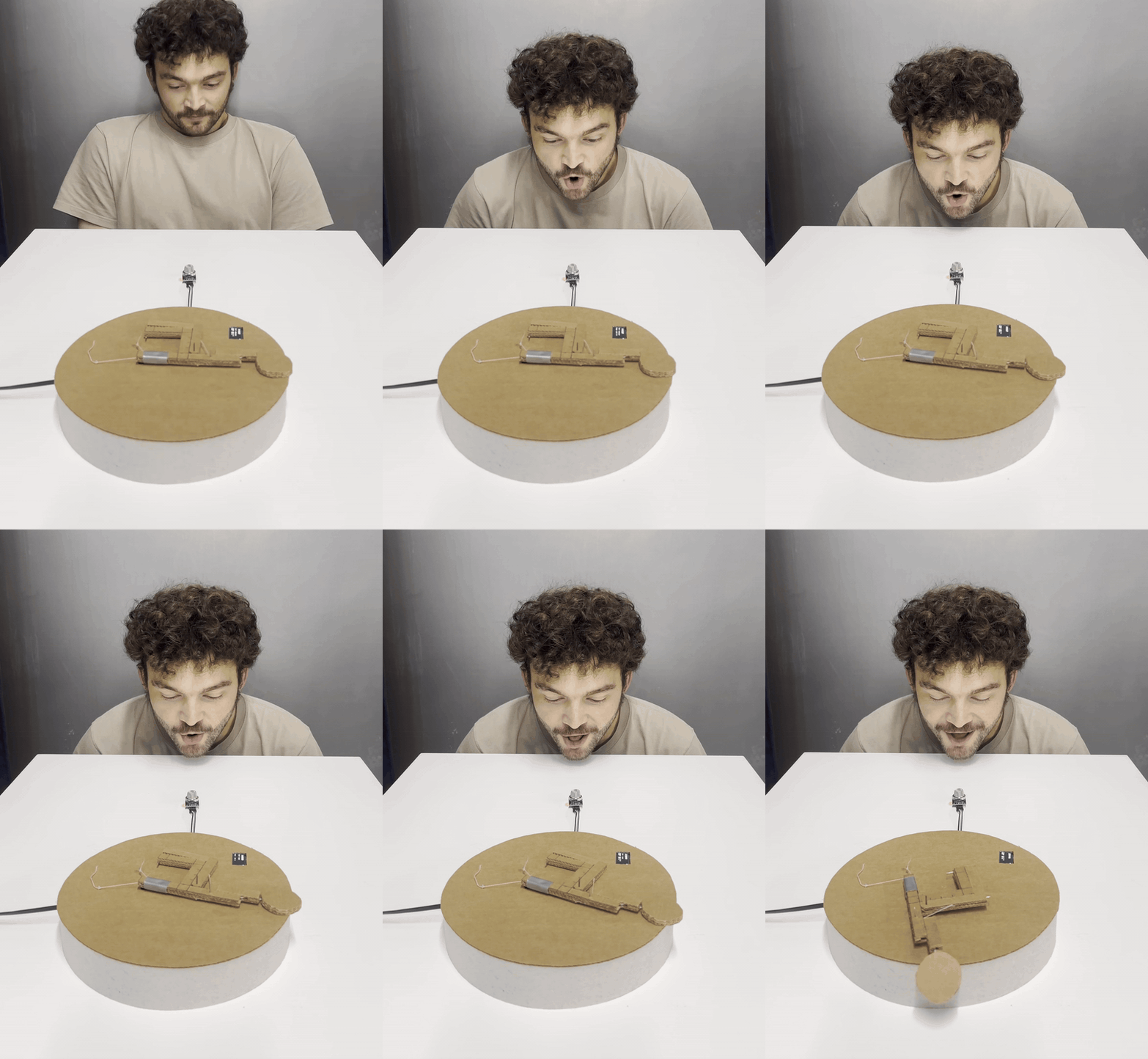
Chromacoustic translates sounds into a visual experience, creating a new and interesting way of experiencing sounds, while also allowing the hearing impaired to experience sounds, noise and music. -Conceptual image of sensory experience installation- THE LOGIC BEHIND To translate sound into another medium, it must first be differentiated, so that different types of acoustic waves … Read more
TRIAD FLUX

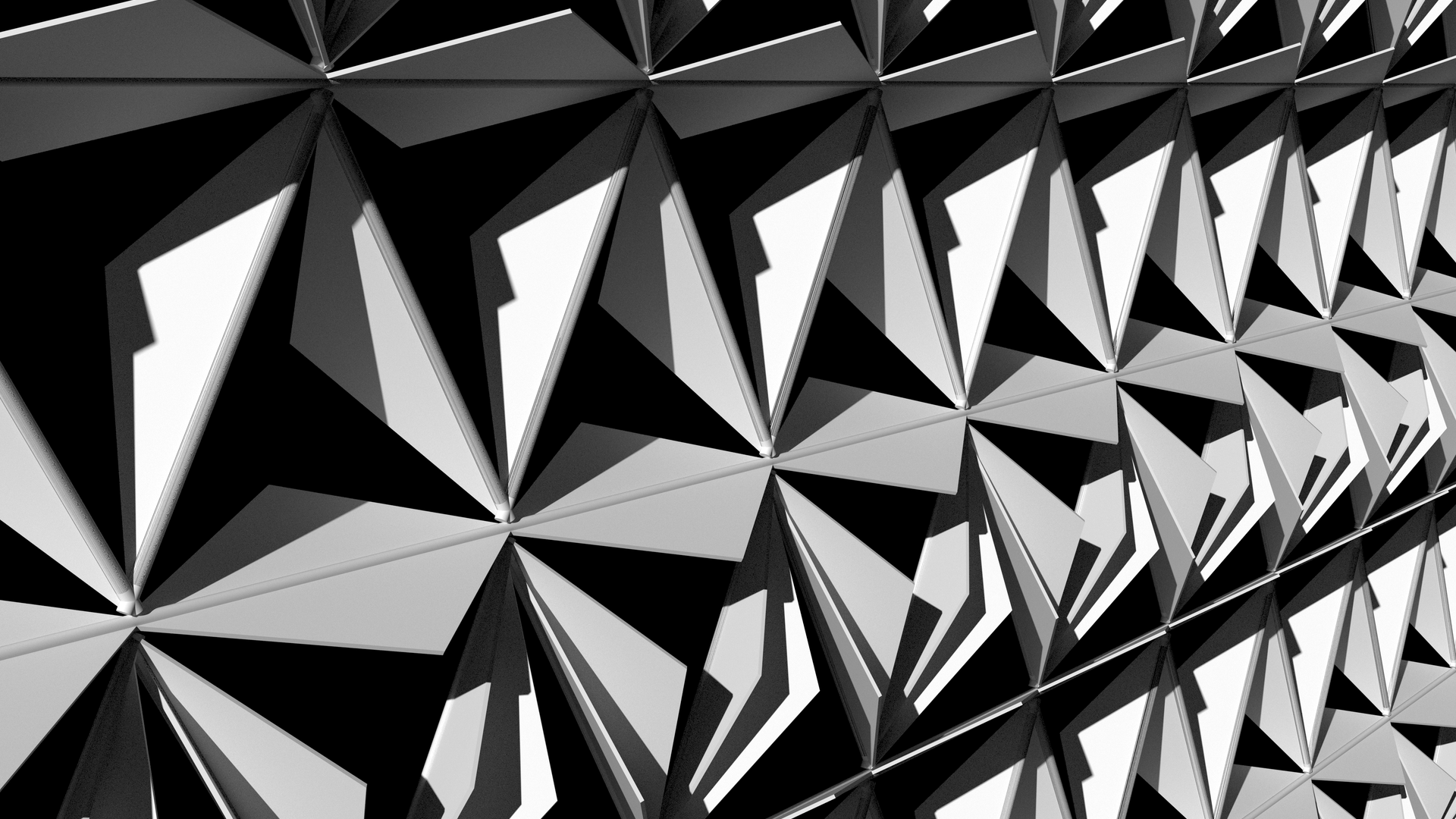
CONCEPT “From a static facade to a living envelope.” This statement helps us address the notion of our project. Most facades are designed for one moment and then frozen, while the sun crosses them all day. The project asks what happens if the geometry itself keeps moving with the light. Instead of a single screen … Read more

Stomata

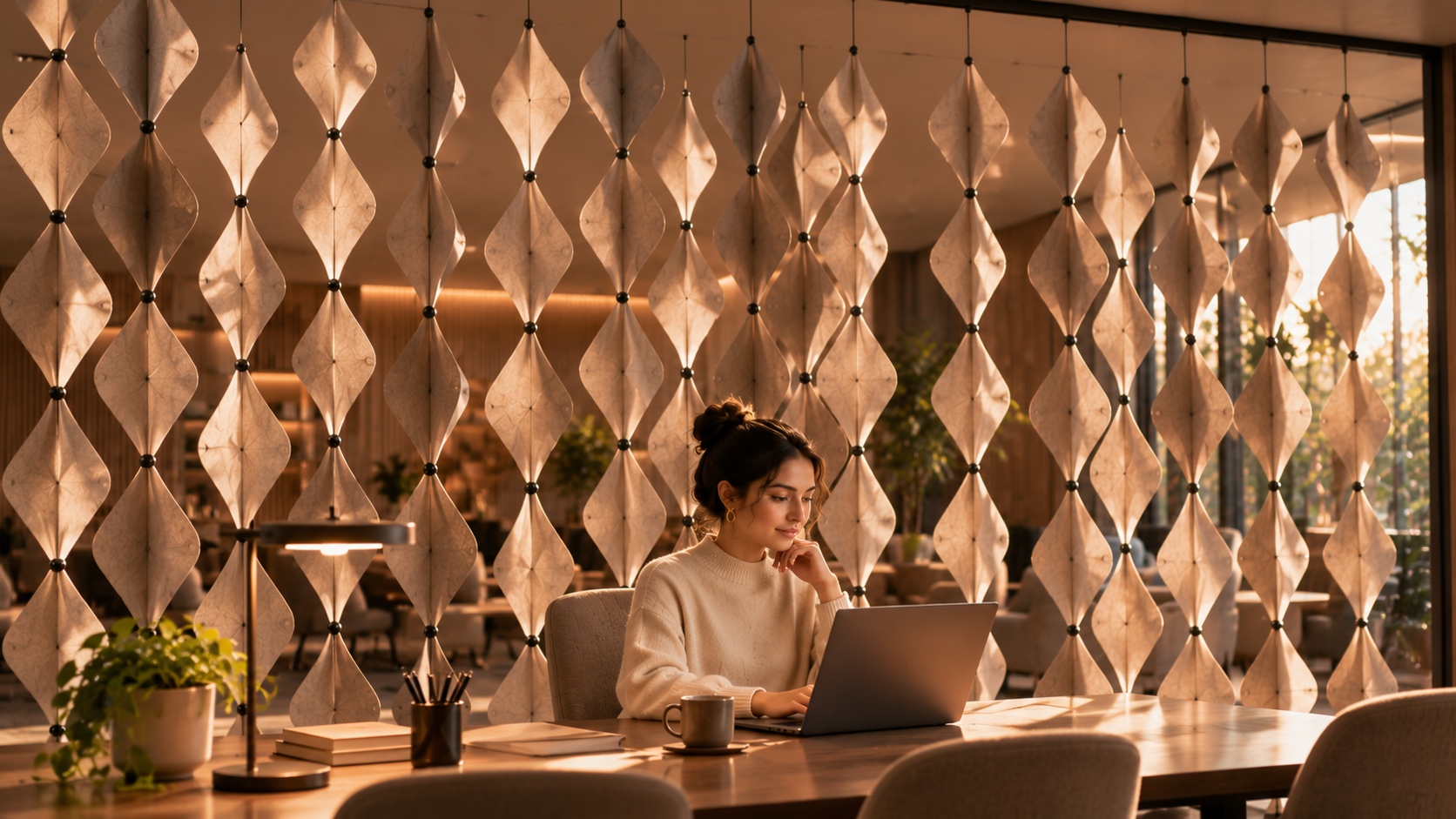
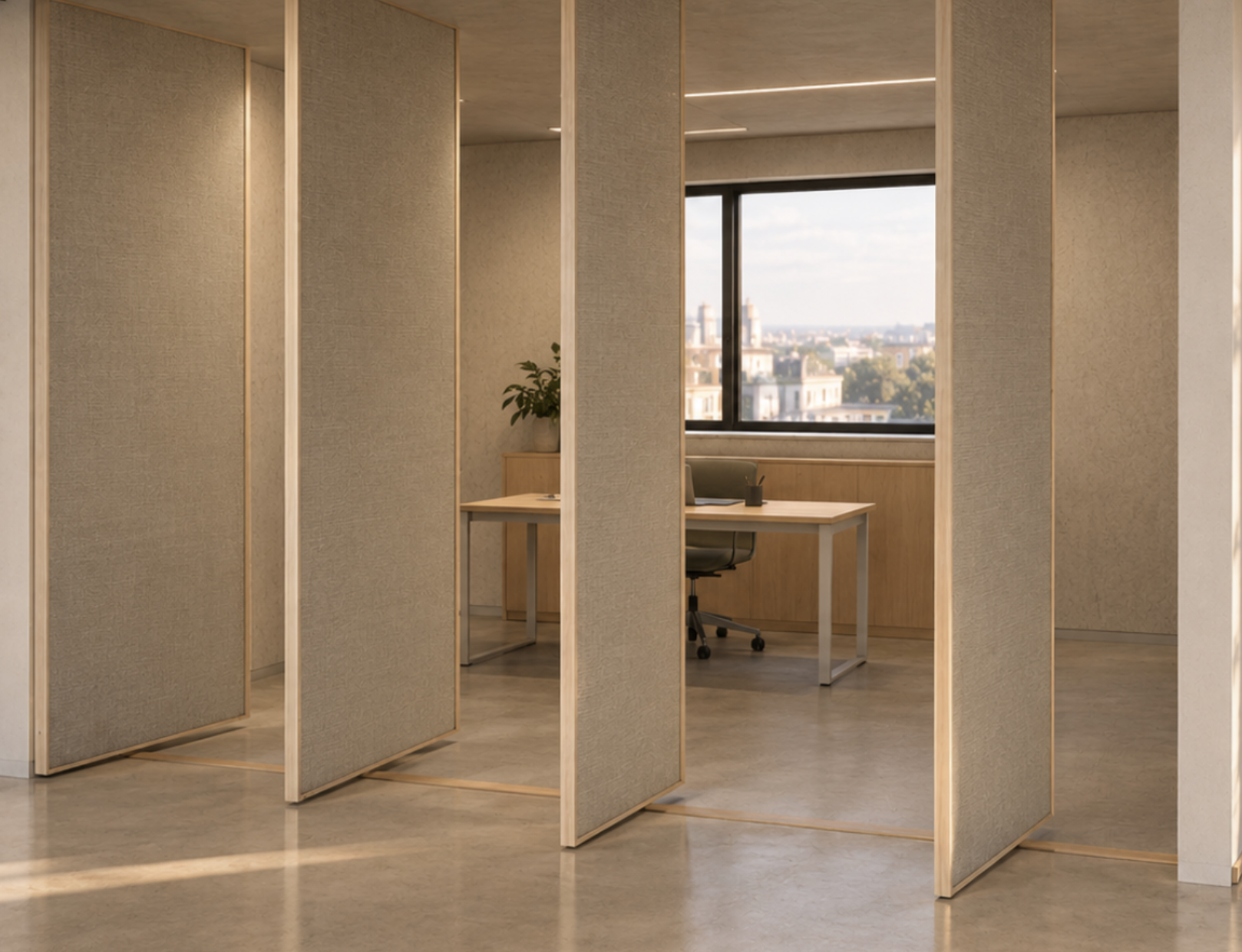
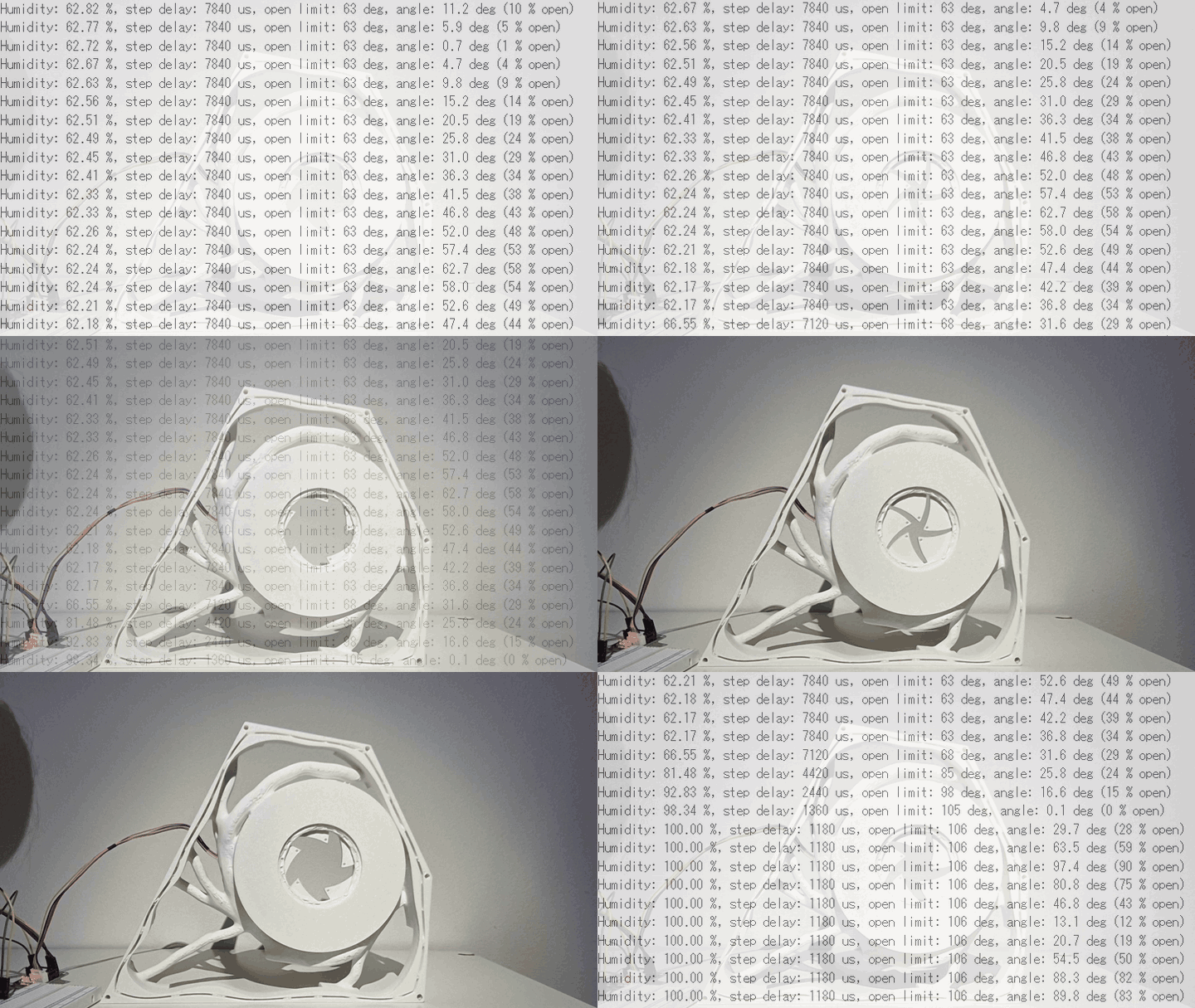
BREATHING PARTITION Breathing Partition – “Stomata” tells the story of an interior wall that learns to breathe. Interior walls are usually static: they separate rooms but ignore the air on either side. Our aim was to develop a partition that responds to its environment, allowing air to move when needed and remaining still when it … Read more

H U S H

THE CHALLENGE In contemporary shared environments, the relationship between openness and privacy is constantly shifting. While open spaces encourage interaction and collaboration, they also introduce challenges related to noise, distraction, and personal comfort. Traditional architectural partitions often remain static, unable to respond to changing environmental conditions. H U S H challenges this limitation by exploring … Read more

A Bee’s Nest

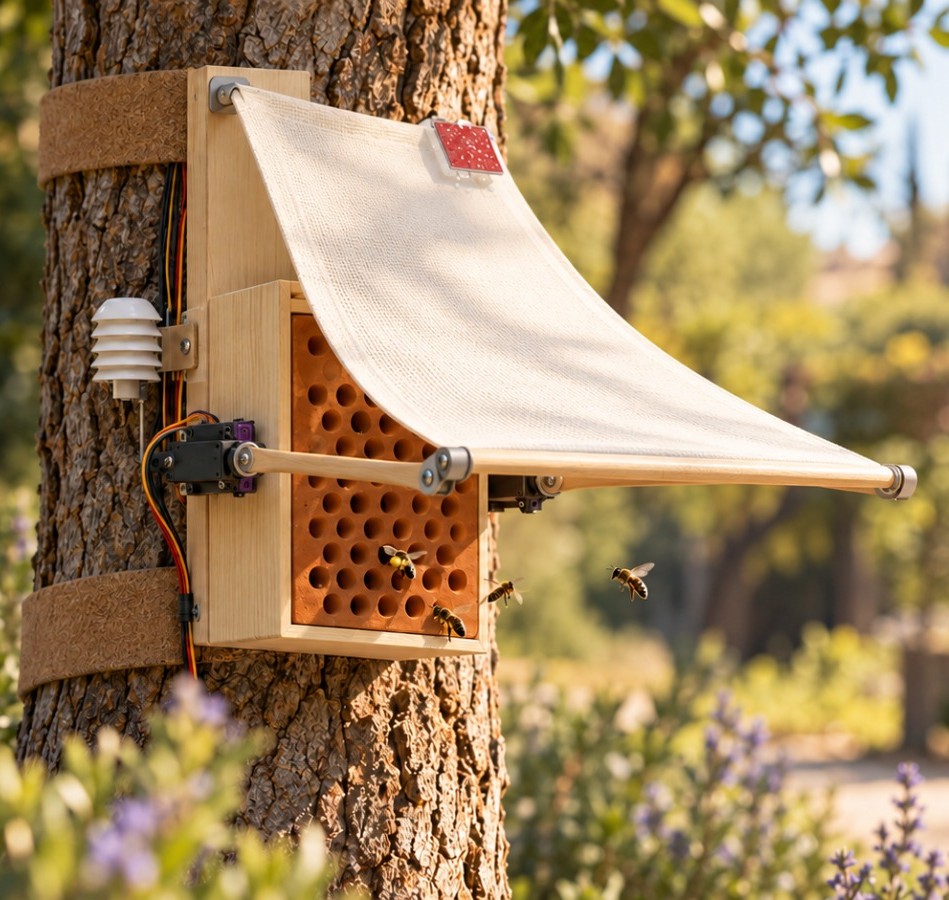
THE PROBLEM Wild pollinators are declining in Catalonia, and the regional plan PIPOL aimed to reverse this loss by 2030. In May 2025, the Barcelona City Council began installing 100 nests for wild bees and wasps across 25 parks (Barcelona City Council, 2025). But a nest is only a shelter. It is fixed, while a … Read more

LumiLeaf

Programming & Physical Computing Seminar A light-responsive kinetic canopy inspired by nature Abstract: Can architecture respond like nature? LumiLeaf explores how a light stimulus can trigger physical transformation. How does it work? Assembly of LumiLeaf Circuitry and Code The Arduino script establishes the connection between light sensing and the mechanical movement of the canopy. An … Read more

PROXIMA

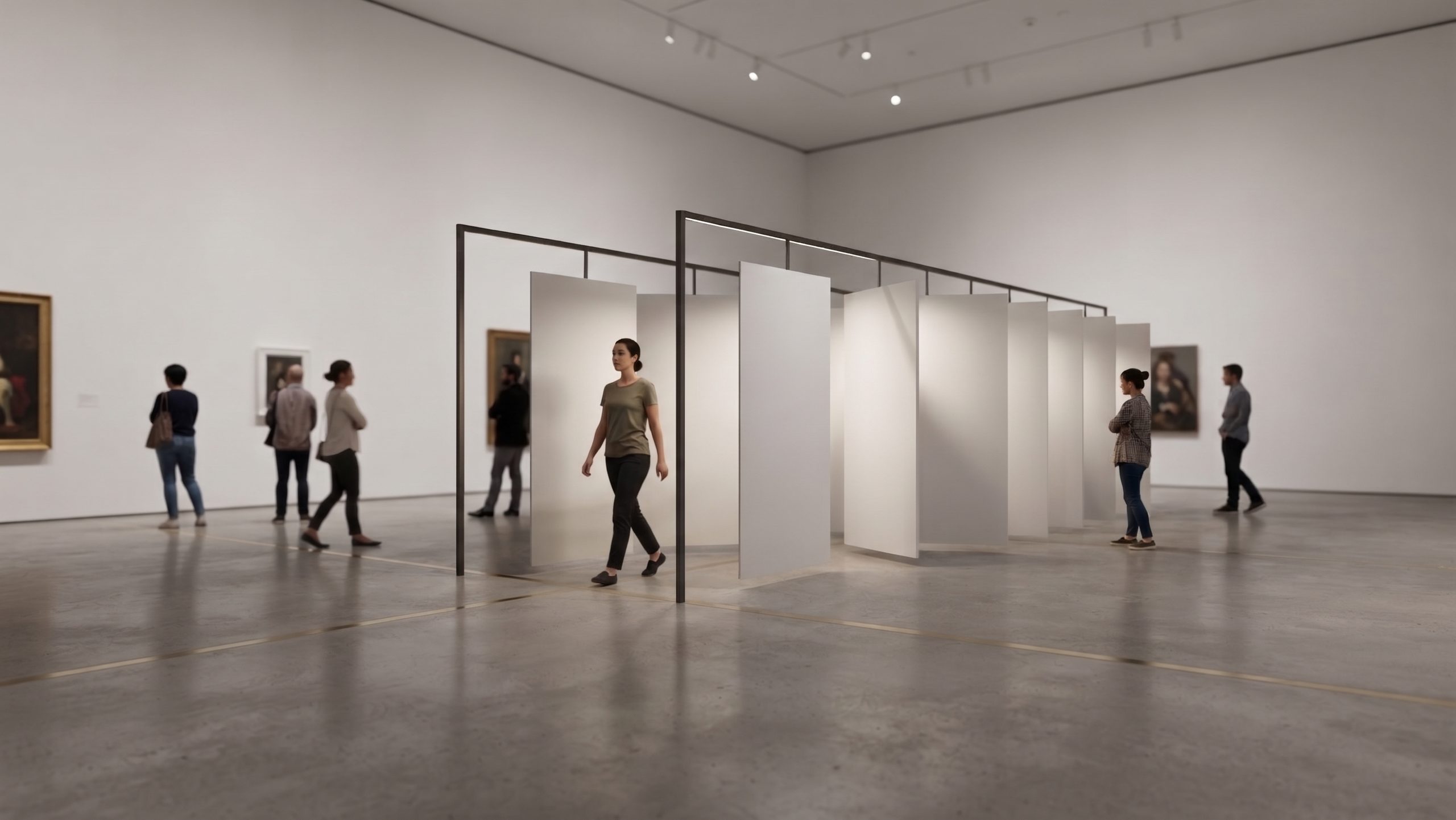
espace in motion Concept How can static architectural elements become responsive to human presence and movement, creating more interactive spatial experiences?   PROXIMA is a system of interactive panels that open and close according to the user’s proximity. It turns the door, normally a fixed boundary you push against, into a surface that reacts to the … Read more

EcoStation

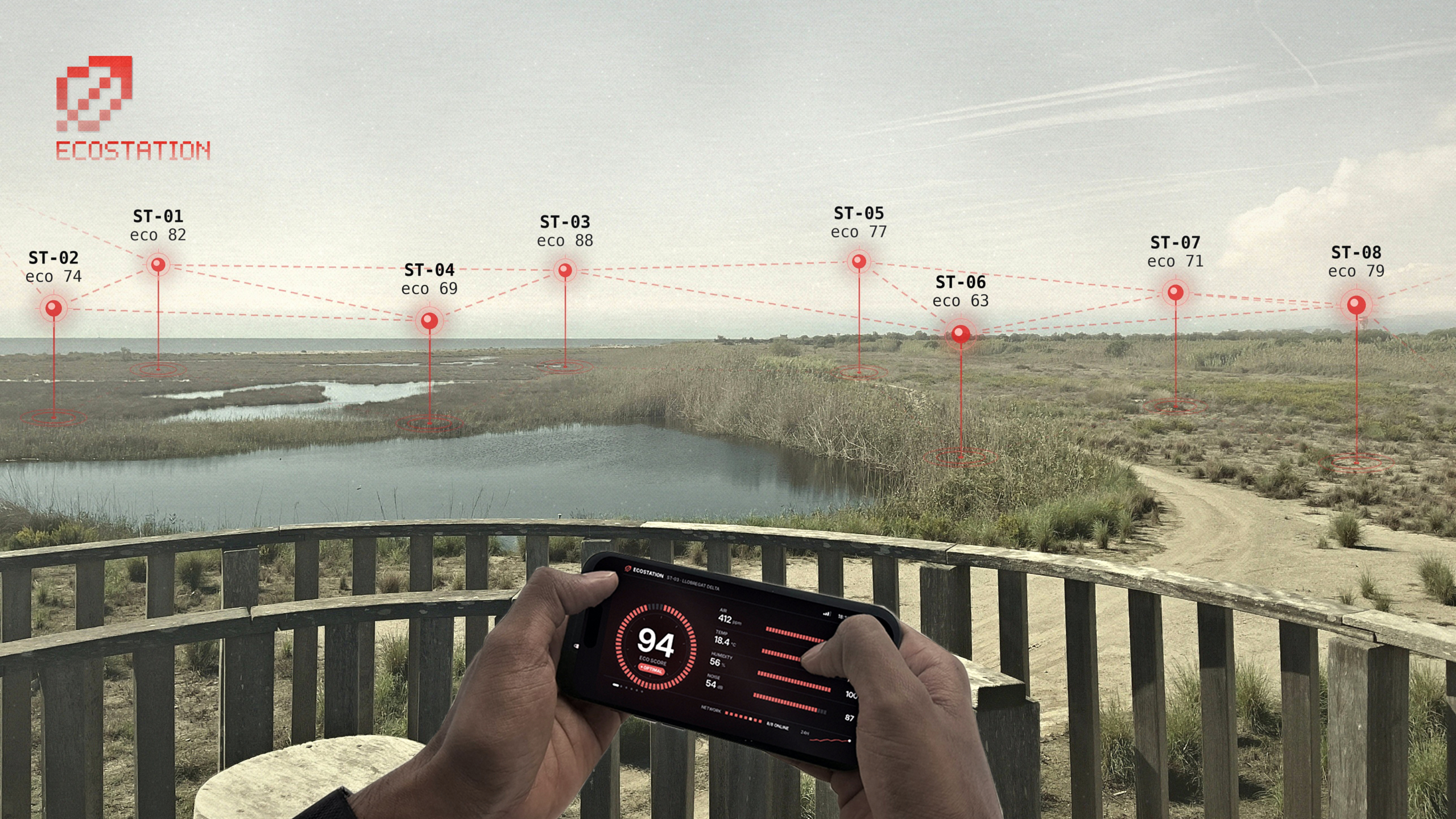
Concept EcoStation is a modular, low-cost environmental monitoring system designed to investigate the changing conditions of a place through temperature, humidity, air-quality signals, sound and soil moisture. By translating environmental signals into accessible readings, the station provides a starting point for observing differences between locations, identifying patterns and asking questions about the relationships between environmental … Read more

Bloom

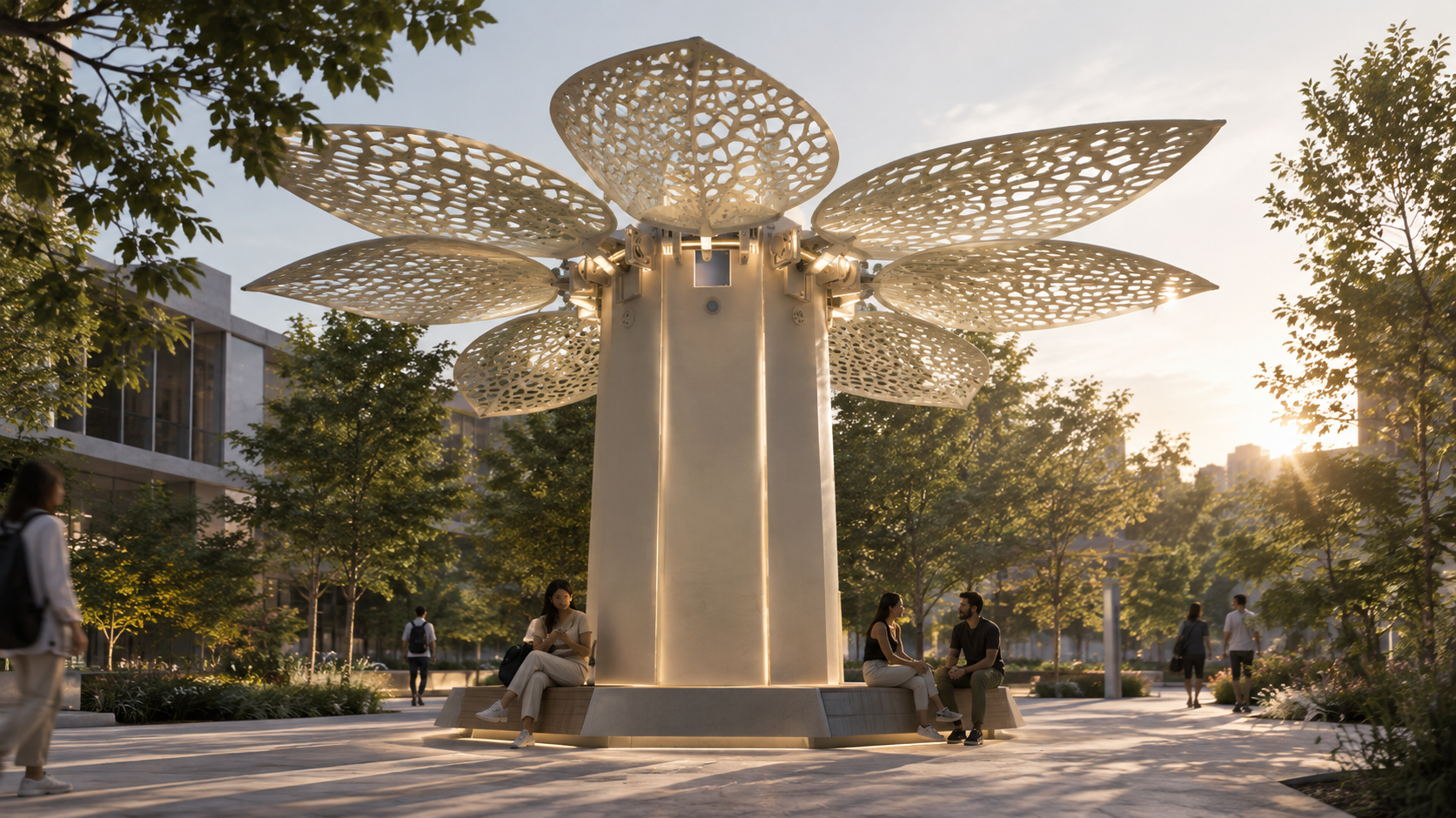
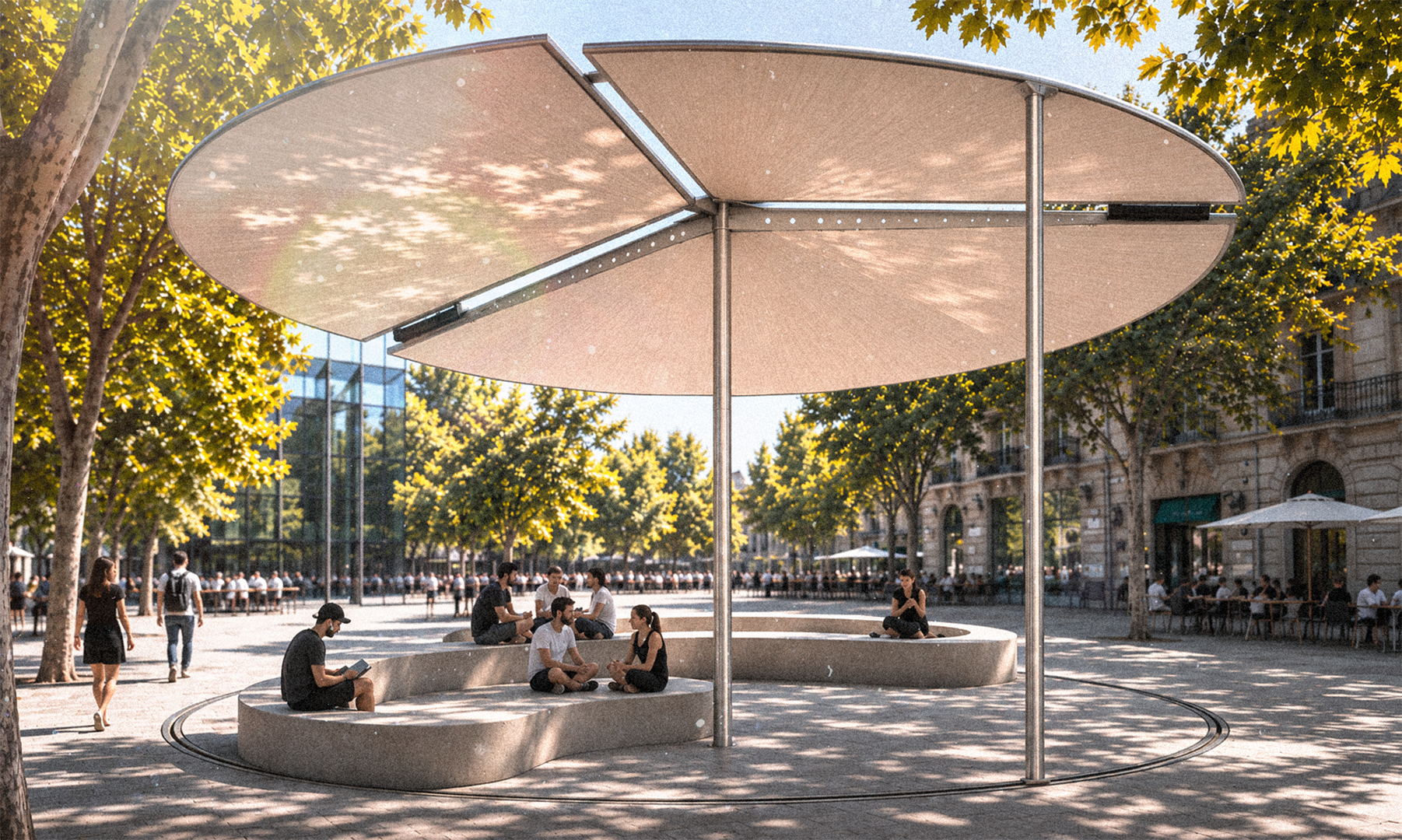
A Light Responsive Urban Canopy Concept As cities face increasingly intense sunlight and changing environmental conditions, public spaces need to become more adaptive and responsive. Conventional urban canopies provide fixed shade, regardless of the time of day or the amount of sunlight available. This limits their ability to respond to changing environmental needs and can … Read more

SolCycle

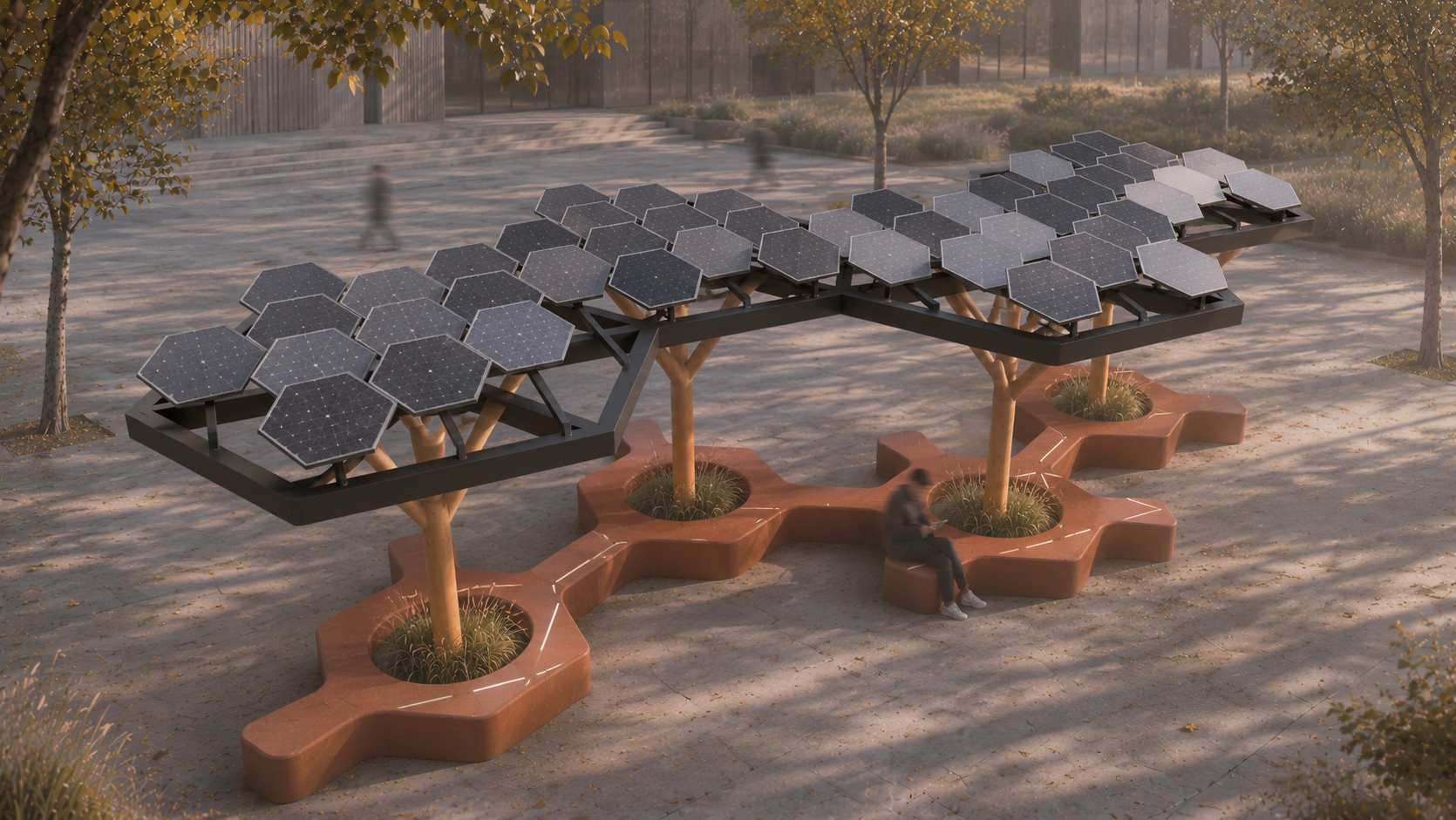
Adaptive kinetic roof for solar tracking concept SOLCYCLE is an adaptive solar energy system that captures sunlight during the day and converts it into usable electricity for night-time illumination.  By tracking the Sun’s movement, the system optimises solar energy collection through its panels, stores the harvested energy in a battery, and uses it to power … Read more

AEGIS

Autonomous Environmental Guard and Intelligence System – A Physical Computing Prototype for Disaster Monitoring and Early Warning Team Members: Pratik Kurtarkar, Varad Hande Prototype Model The objective of the project is to create an intelligent system to monitor remote and inaccessible areas that are fragile, sensitive and vulnerable to natural disasters. In light of recent … Read more

Spot me, Please

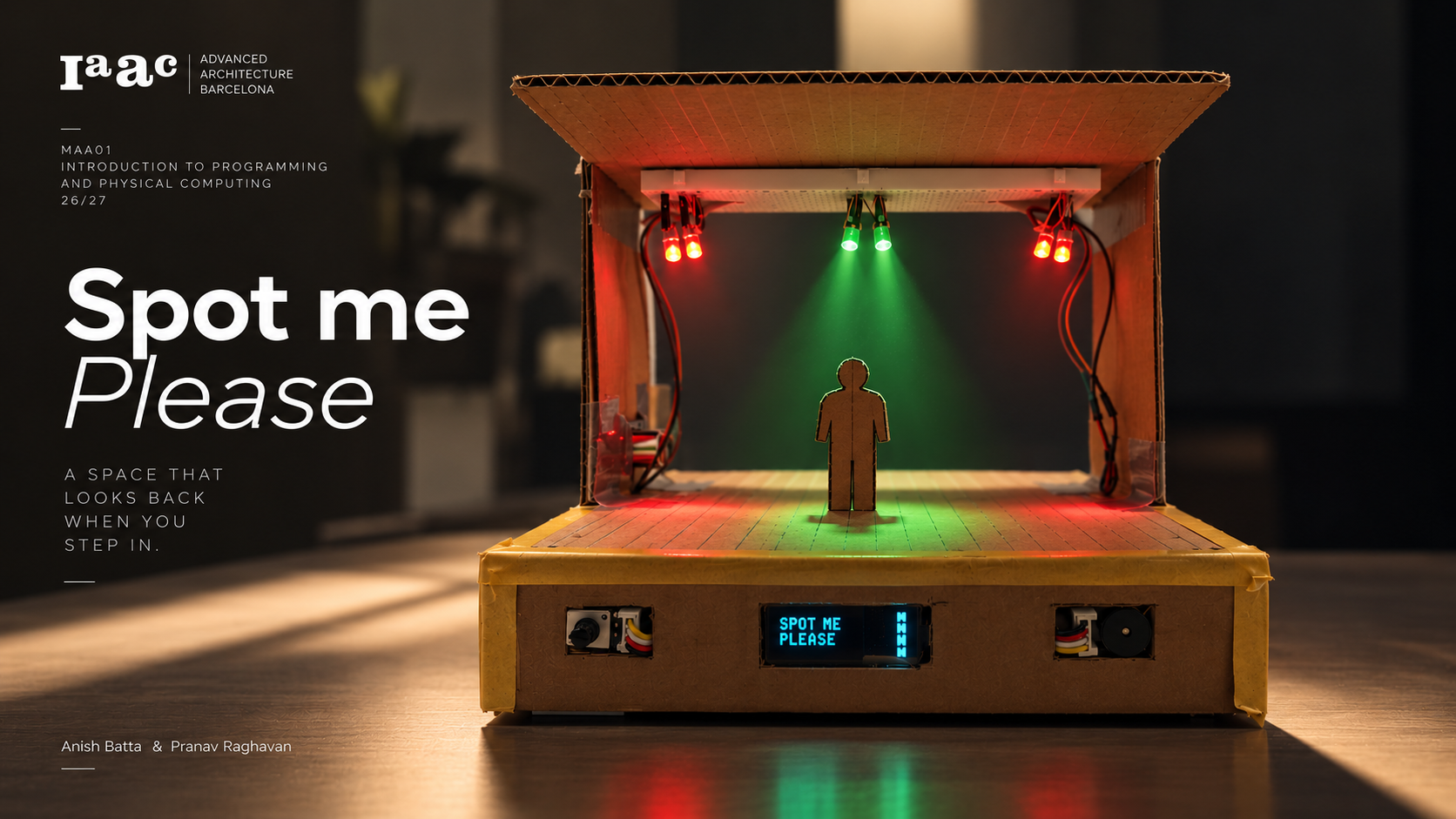
Most stages light everything at full, whether anyone is standing there or not. Spot Me, Please is a 150 mm cardboard theatre that measures where its actor stands and gives light only where it is needed. Making Process How it was built? Concept What is it? The Loop How it works Schematic Diagram How is it … Read more

Fluid Landscapes: Hydro-Morphology

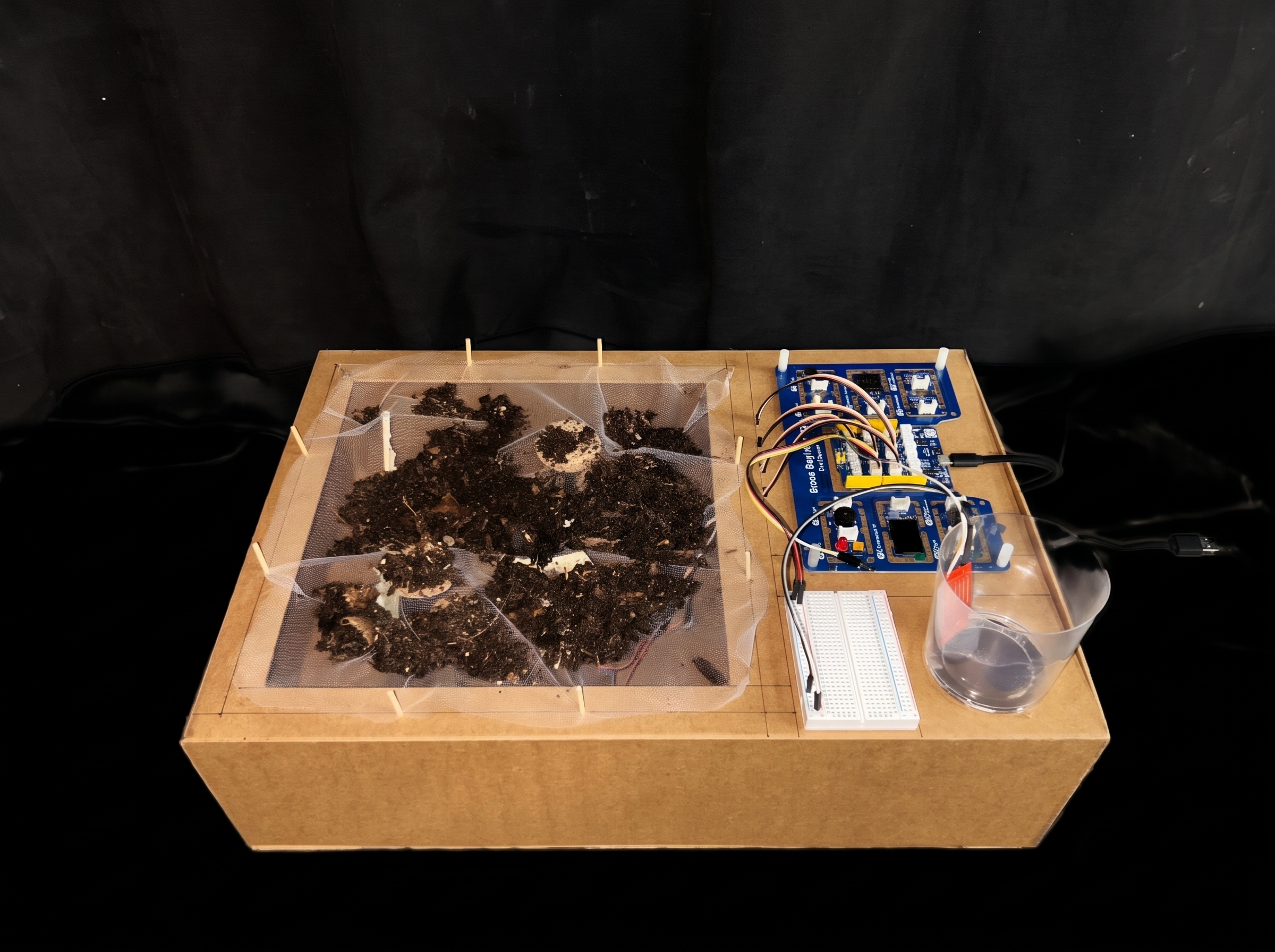
Exploring responsive topography through physical computing and adaptive water management. Rethinking the Relationship Between Water and Terrain Water is one of the most fundamental resources on Earth, shaping landscapes, sustaining ecosystems, and supporting human life. However, challenges such as flooding, drought, and soil erosion highlight the increasing need for more adaptable approaches to water management. … Read more

Focus – A responsive workspace

The idea What if a workspace could respond to the people around it? FOCUS is a responsive workspace designed to create a balance between openness, privacy, and concentration. The project explores how a physical environment can adapt to human presence through simple interactions between people and technology. The panels move depending on the movement of … Read more

IntroBOT

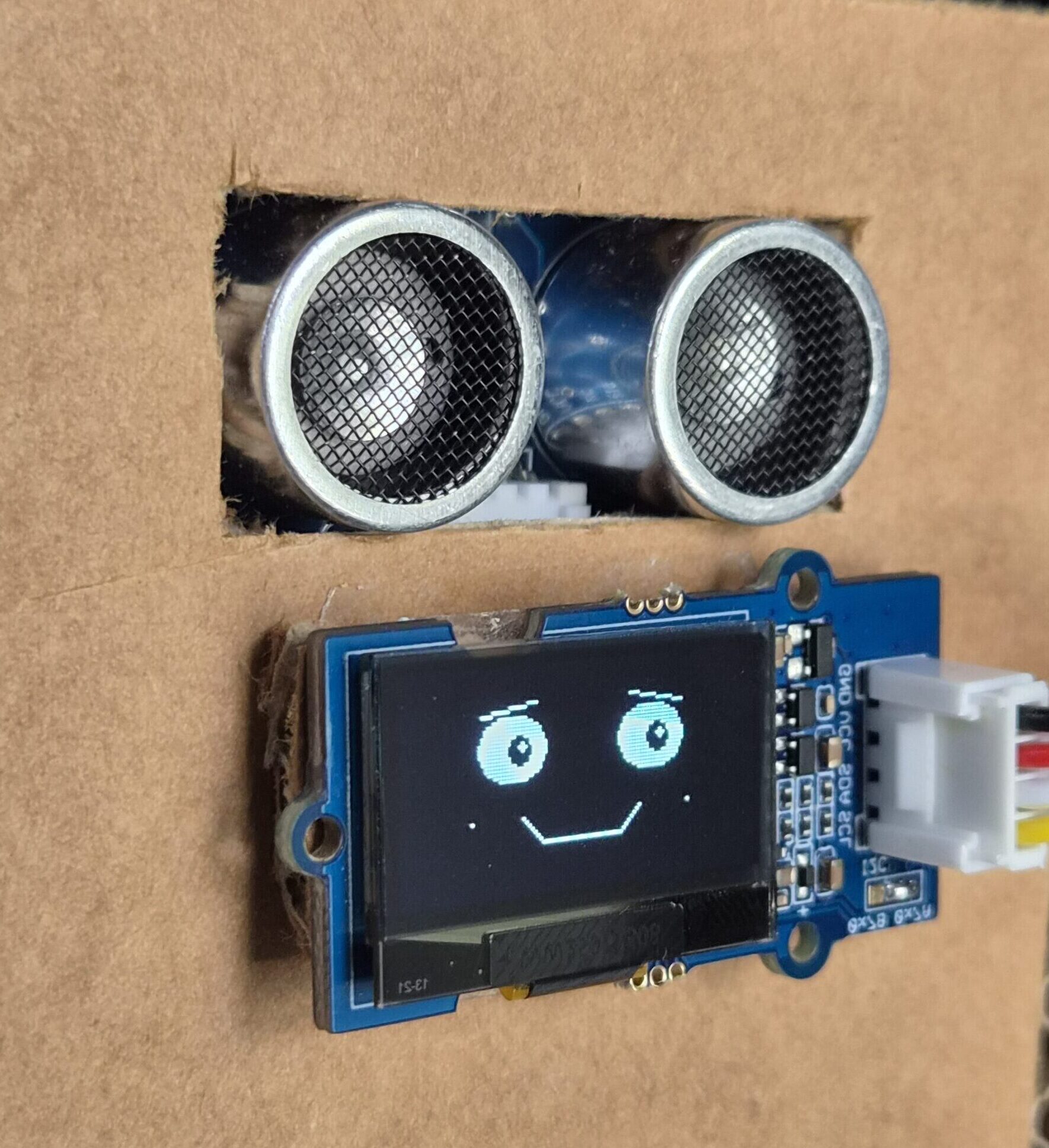
He likes your company… just not too close, and definitely not too loud. We all know someone who enjoys company but needs their space. Dobby the IntroBOT is a playful desk companion built around that feeling. Inspired by introverts, who value personal space and quiet surroundings, Dobby watches how people approach it and listens to … Read more