The MAA is a visionary master program with an innovative and open structure, mixing diverse disciplines, shaping professionals capable of producing theoretical & practical solutions towards responsive cities, architecture & technology.


Filters
Course

Urban Dustprints

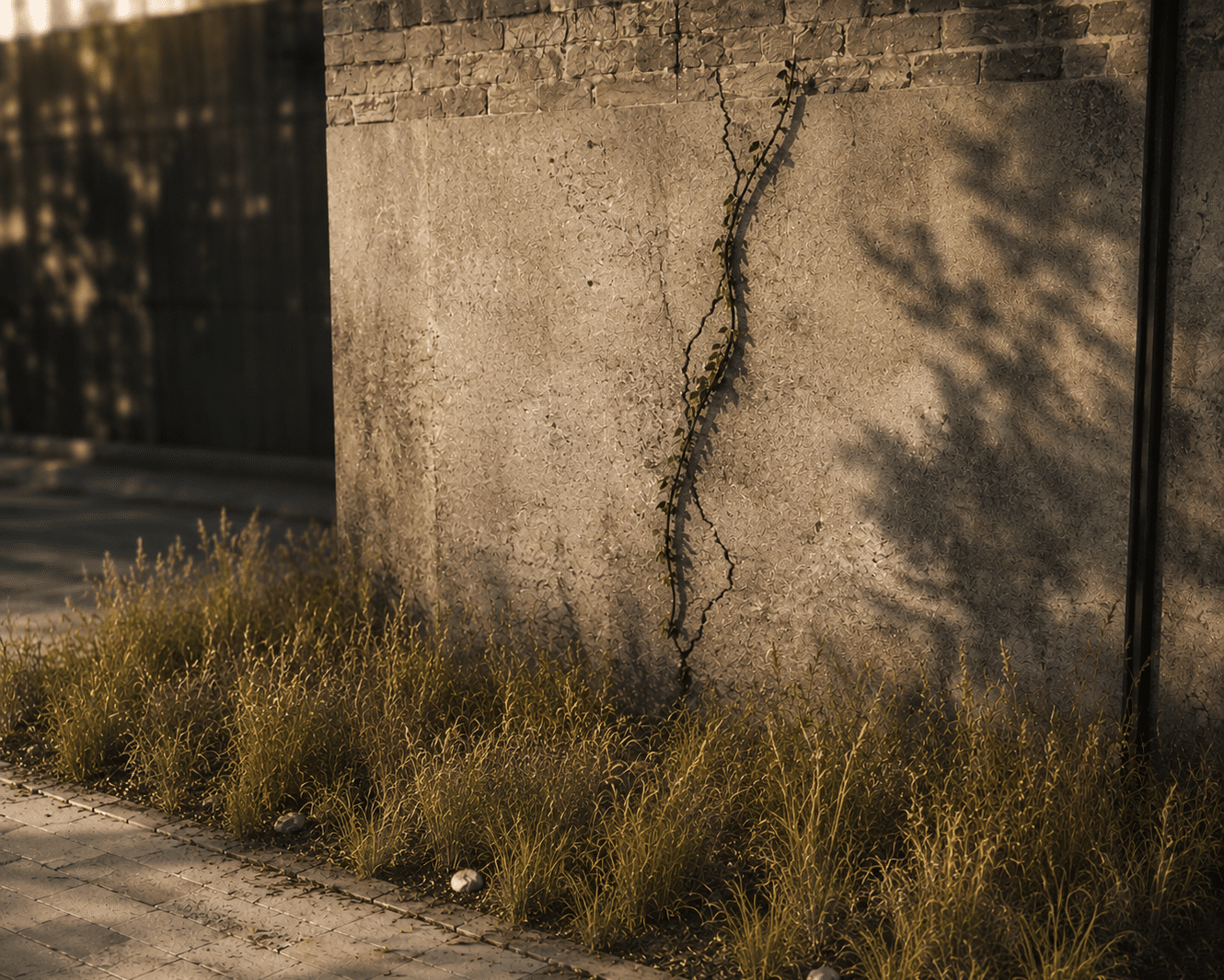
Urban Dustprints investigates how spontaneous vegetation reveals hidden ecological conditions within urban voids. Through field observation in La Verneda i La Pau (Barcelona), the research identifies recurring relationships between plant communities, moisture, shade, disturbance, and substrate conditions. These observations are translated into environmental filters, species profiles, and patch-based spatial rules. A computational workflow is developed … Read more

Policy to Algorithm 2.0

Which brings us to the disconnect. On one side, architects design in parametric software like Rhino, Grasshopper, Revit, BIM tools. On the other side, building regulations sit in static PDF documents. And between them, There's no live connection. One is dynamic, the other is static text. Who actually needs this? Architects. Specifically during the concept ... Read more

Between Ritual and River

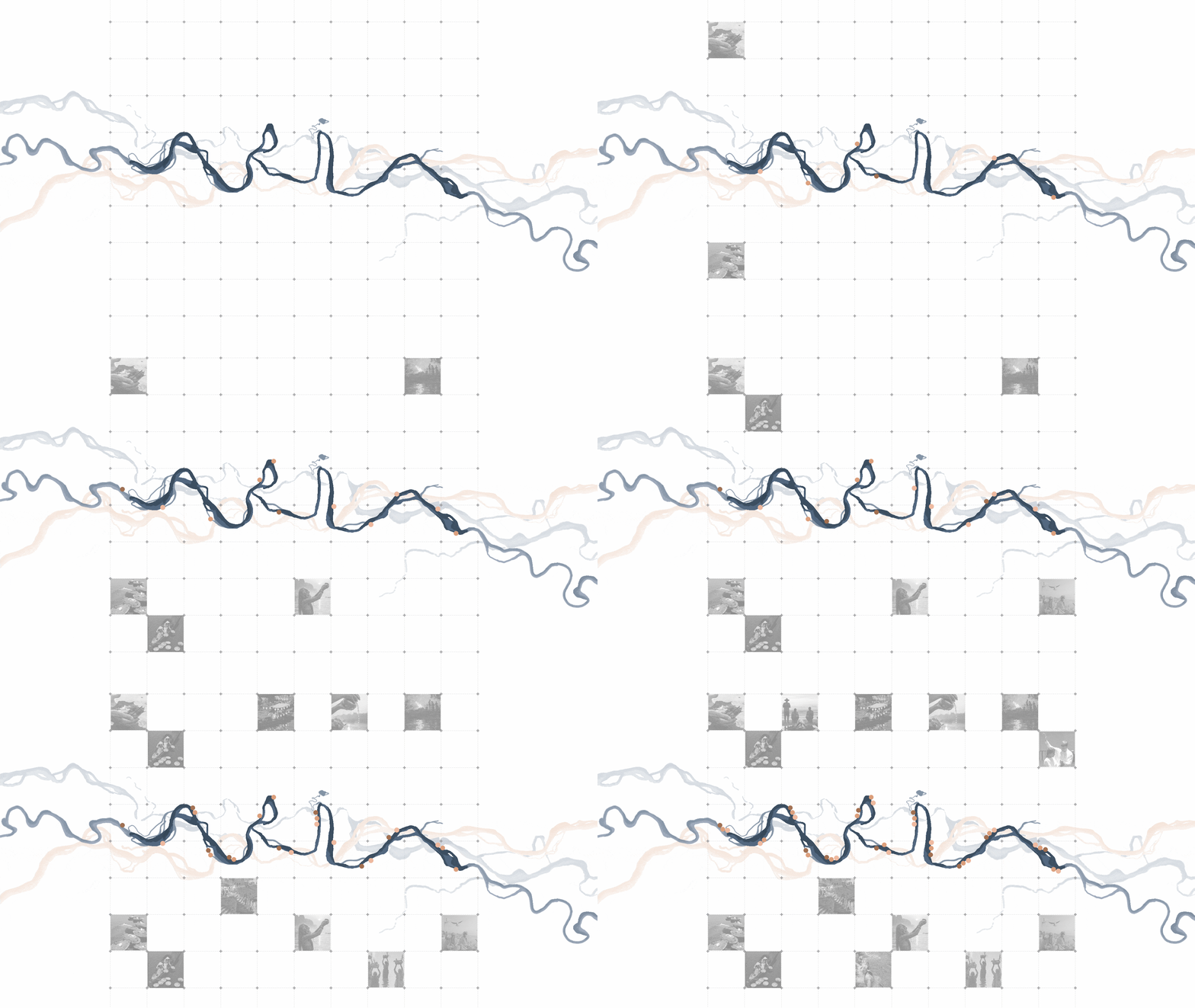
Ecological Renewal of Ghats Website Link: https://aria-final.vercel.app/ Statement “While industrial and sewage pollution receive significant attention in river conservation efforts. Ritual pollution stemming from religious and cultural practices remains largely unaddressed due to its sensitive nature. But it contributes substantially to river degradation and requires culturally respectful solutions.” Sacred Sites Across every continent and culture, rivers … Read more

vo:id

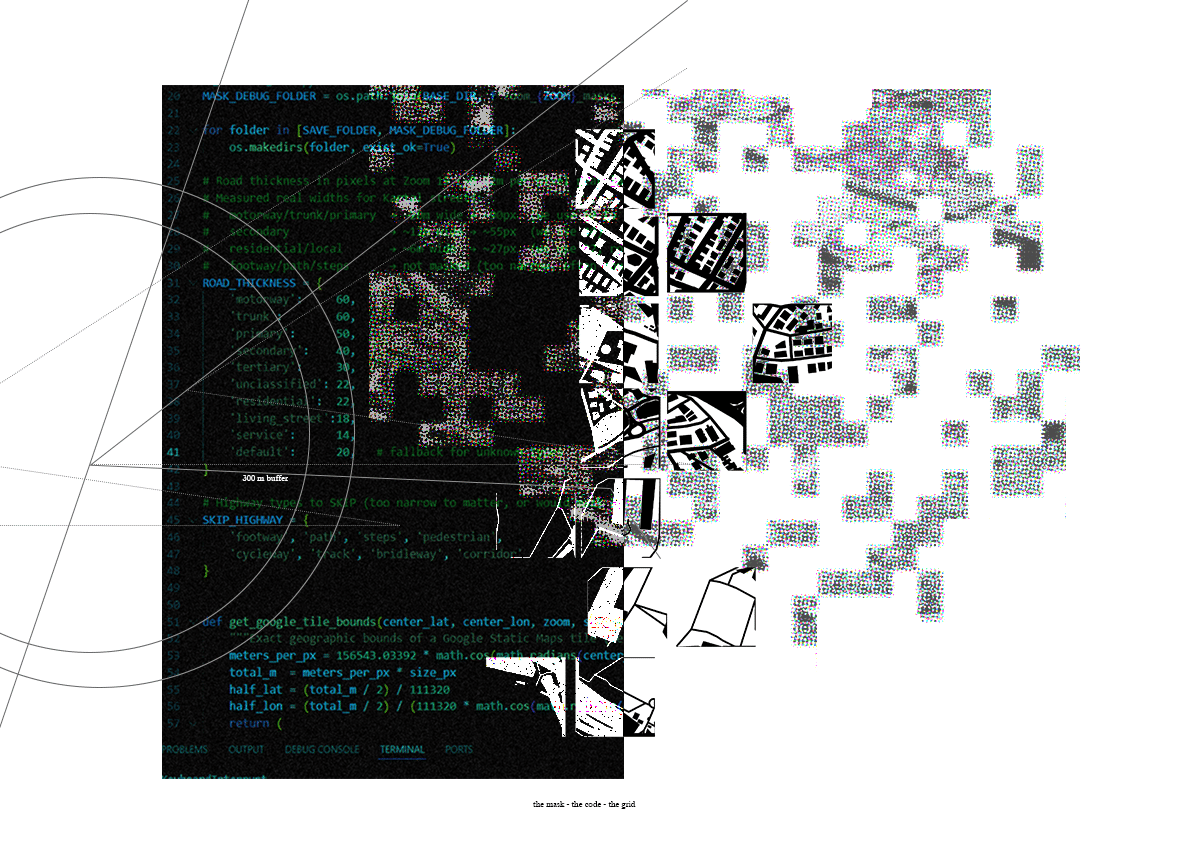
atlas of vacant spaces Urban vacant land in dense, post-industrial cities remains spatially invisible: absent from open datasets despite its potential to address chronic green space deficits. This thesis “vo:id” is a pipeline detecting, classifying, and prioritizing urban voids using only globally covered open data. Combining OSM-based negative masking, vision-language model classification, and human-in-the-loop validation, … Read more

Machine Learning Strategies for Adaptive Multi-Objective Optimization in Recursive Architecture

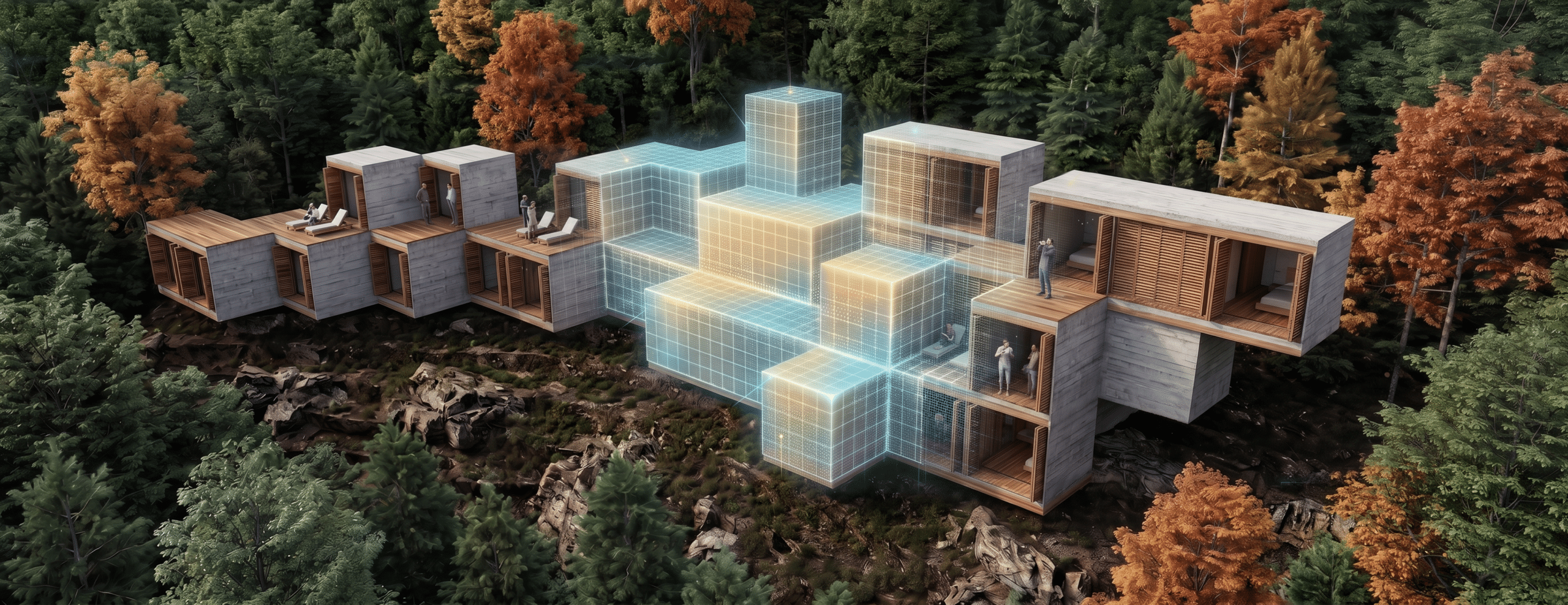
The objective of this project was to compare the effectiveness of different machine learning strategies applied into the exploration of a recursive model using the exercise worked on in the assembled architecture course as a proof of concept. .Recursive Processes in Architecture But this approach has left us with a question: is it possible to … Read more

Facade Energy Optimization

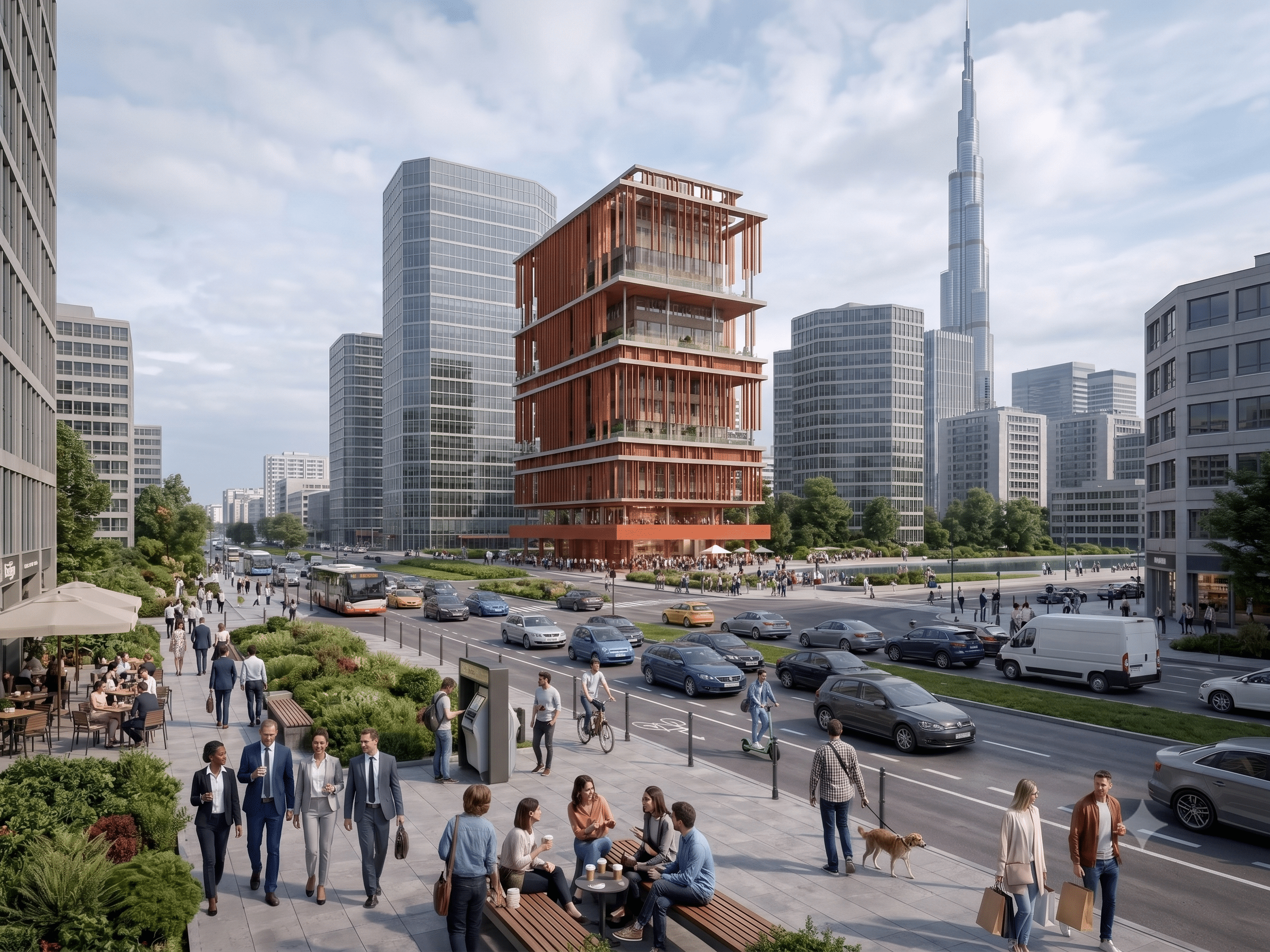
This research explores the use of Wallacei X to optimize a parametric facade for a site in Dubai, UAE. The study evaluates facade performance based on four objectives: maximizing sun hours, minimizing solar radiation, minimizing material consumption, and maximizing views. Through evolutionary optimization, hundreds of design variations were generated and assessed, revealing the trade-offs between … Read more

Weathered Form

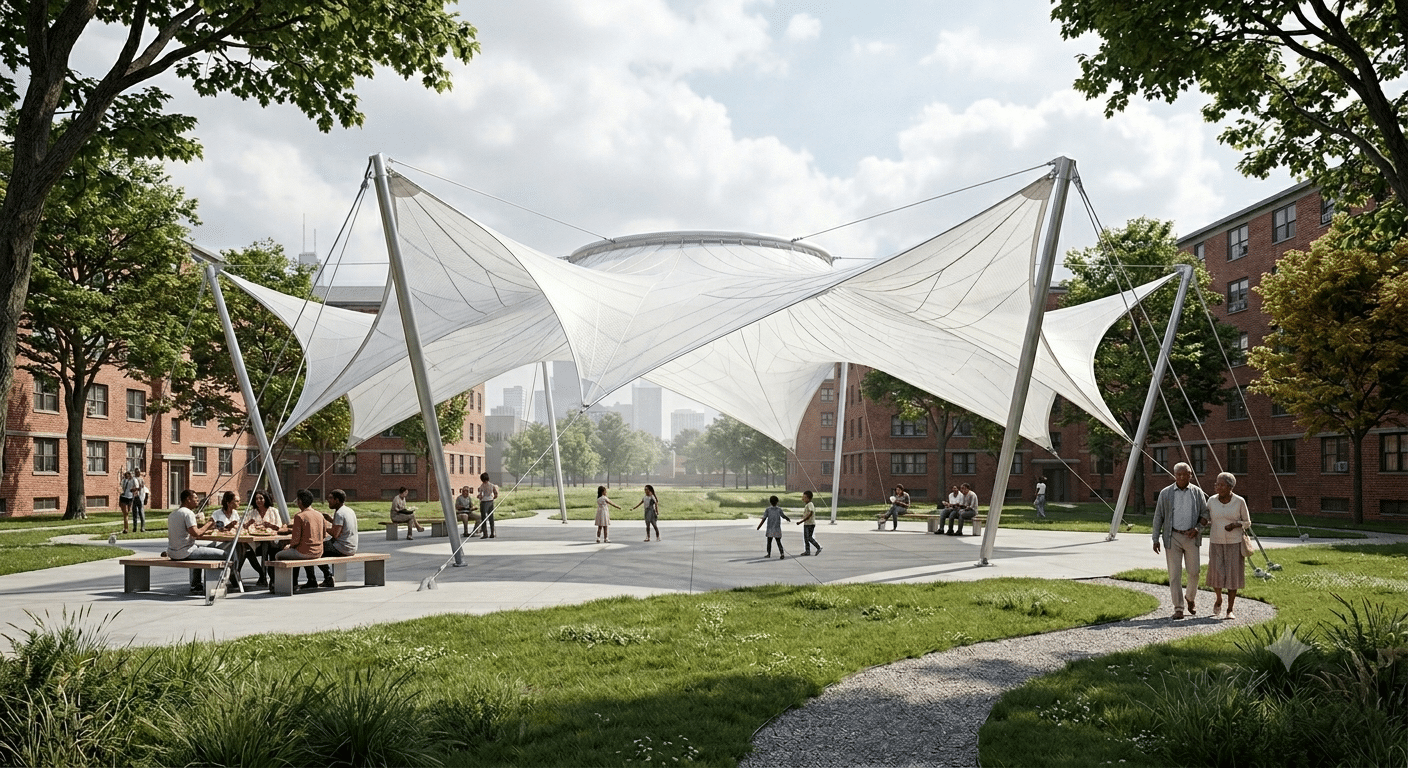
This project turns wind and snow into design tools. Instead of starting with a fixed form, environmental forces drive the geometry, generating adaptive architectures that evolve through performance. Project Description The site spans 39 acres and consists of two adjacent properties: Trumbull Park Homes, established in 1938 and owned and operated by the Chicago Housing Authority (CHA), occupies 21 acres and contains 454 housing units; … Read more

BIO FLOW

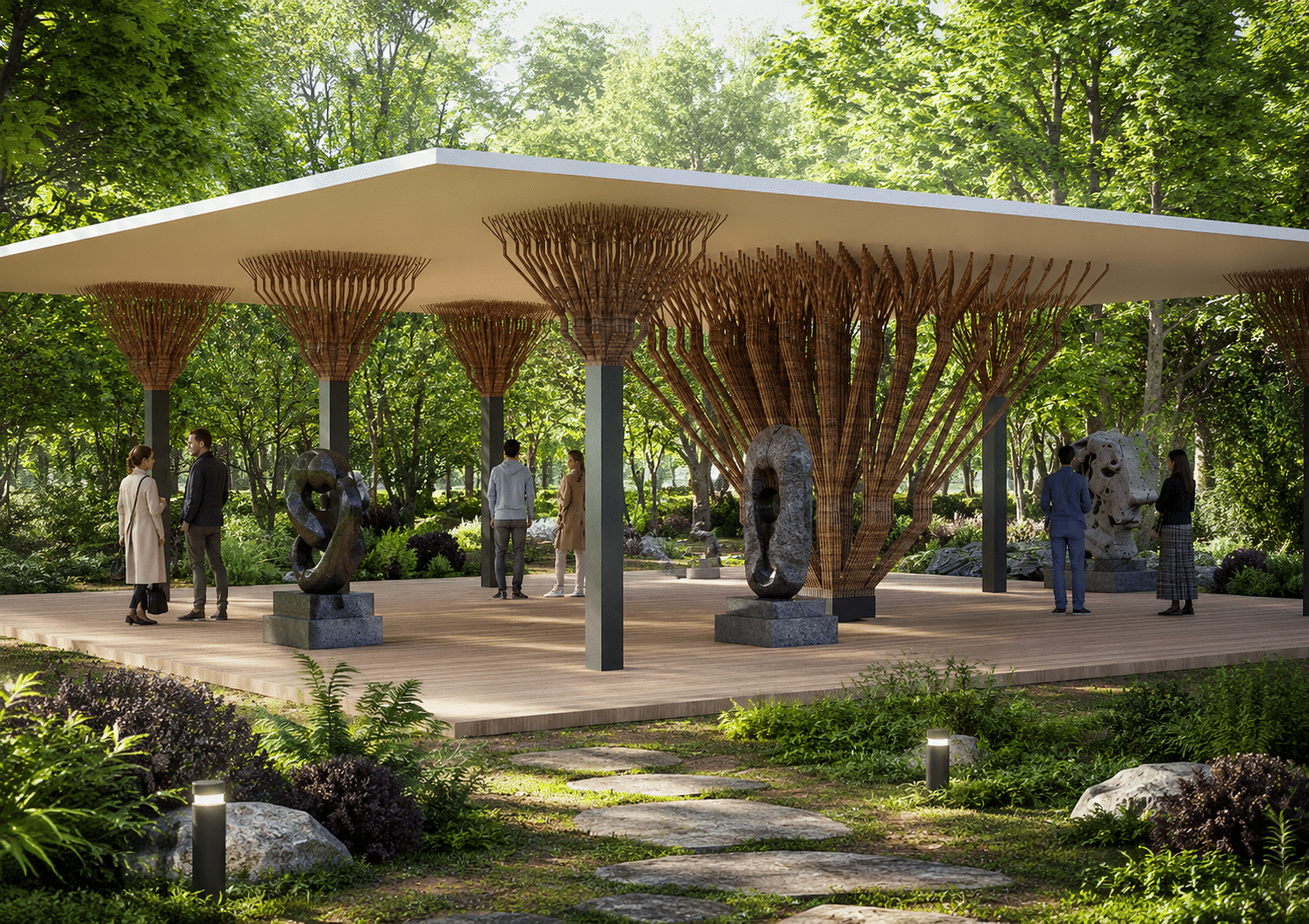
“ An AR-Driven Biomimetic Pavilion Generated Through Environmental Field Behavior “ Architectural pavilion design and fabrication often require complex digital workflows, technical expertise, and multiple visualization tools, making the process difficult for rapid concept development and real-world understanding. Designers also face challenges in translating organic, nature-inspired forms into fabrication-friendly structures.  BIOMIMICRY PAVILIONS Organic Geometry Biomimicry … Read more

Optimising Beaver Burrow Pavilion

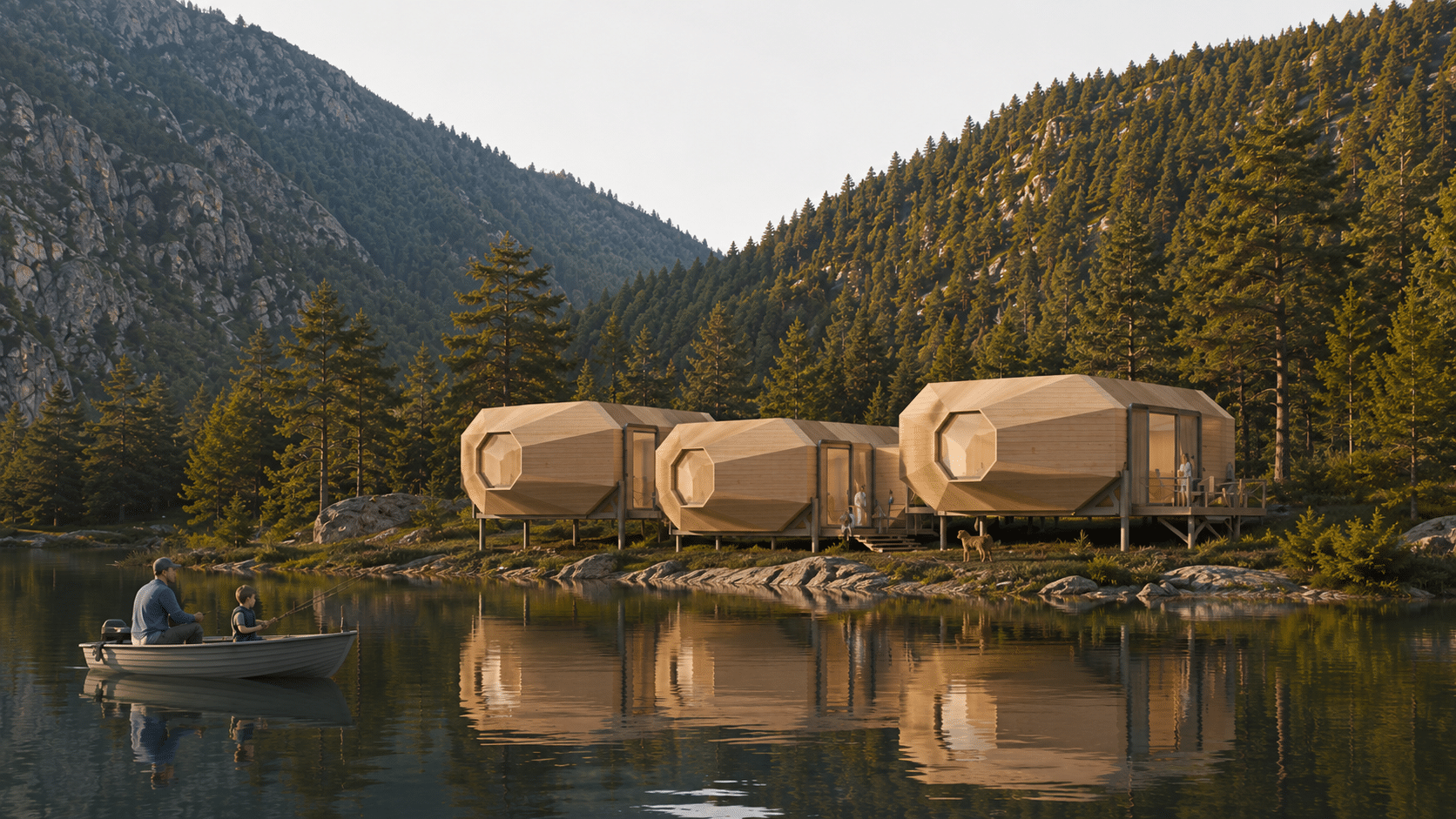
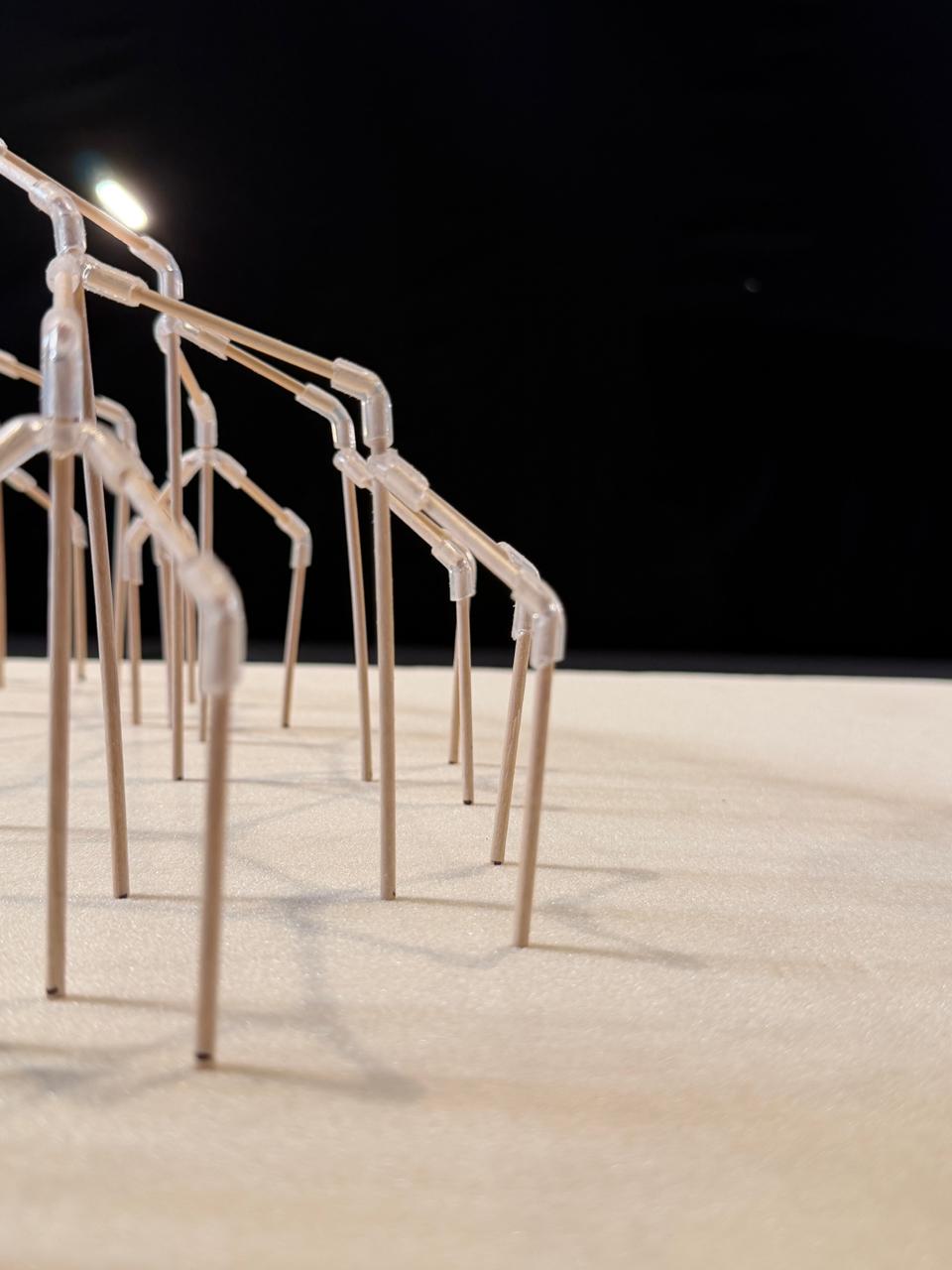
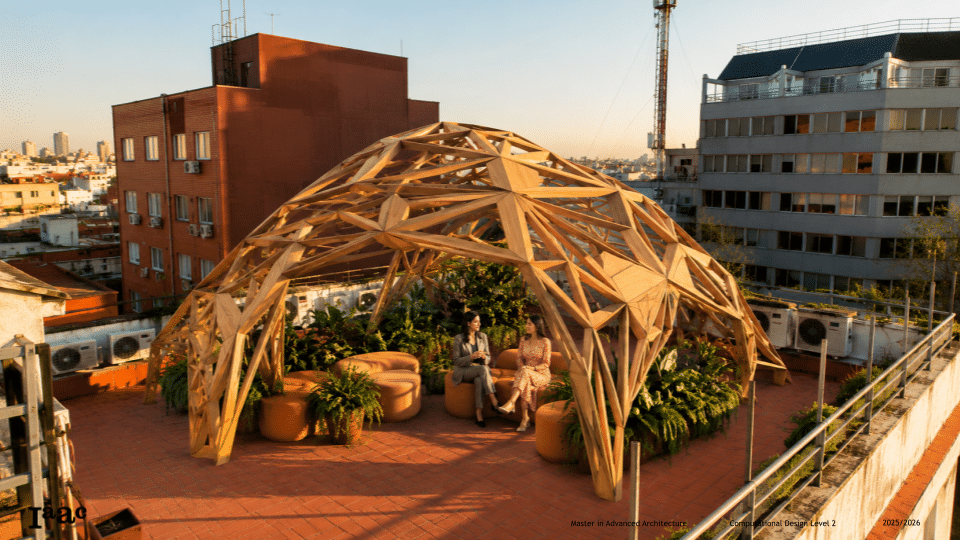
From the catalogue of designs for Final Assignment 2, we selected one of the iterations we had explored, as it was the most suitable candidate for optimisation. Following the circulation analysis of the terrace, the base points of the pavilion were located. However, key performance criteria — including solar radiation levels for user comfort, sky … Read more

Circular Coastlines

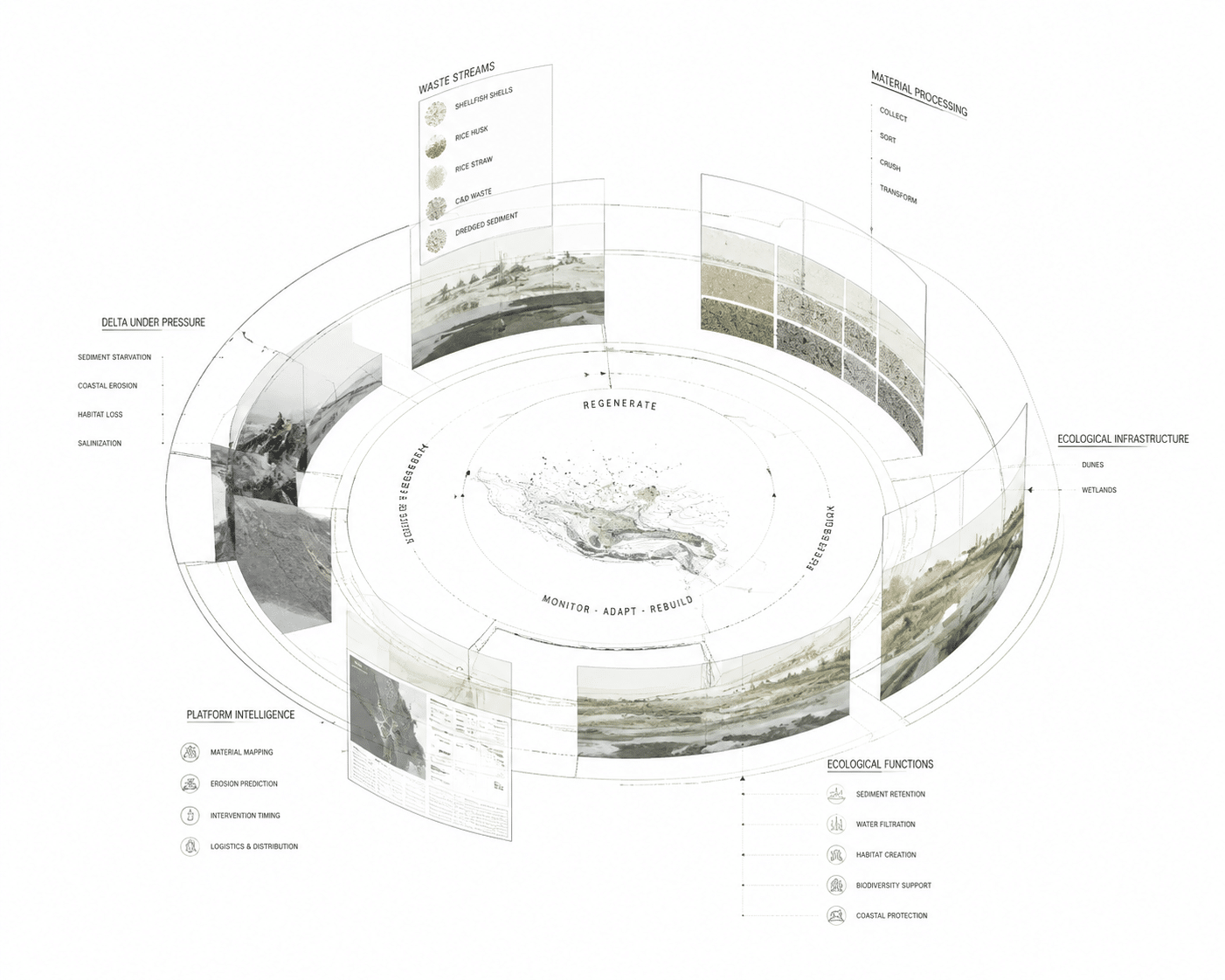
This project frames coastal landscapes as systems for circular regeneration, transforming local waste streams into functional ecological infrastructure. Through layered wetland and dune strategies, it explores how material reuse can enhance sediment stability, water quality, and biodiversity while addressing erosion as part of a broader global pattern of coastal and deltaic vulnerability under climate change.