The MaCAD is a unique online programme training a new generation of architects, engineers and designers ready to develop skills into the latest softwares, computational tools, BIM technologies and AI towards innovation for the Architecture, Engineering and Construction (AEC) industry.

Filters
Course

FacAid + Chatbot

In a world where urban areas are predominantly developed and the heat island effect is intensifying, the construction industry significantly contributes to environmental challenges. Instead of focusing on tools that promote new construction, our goal is to provide a tool that analyzes existing buildings and suggests improvements. This approach aims to enhance sustainability and mitigate … Read more
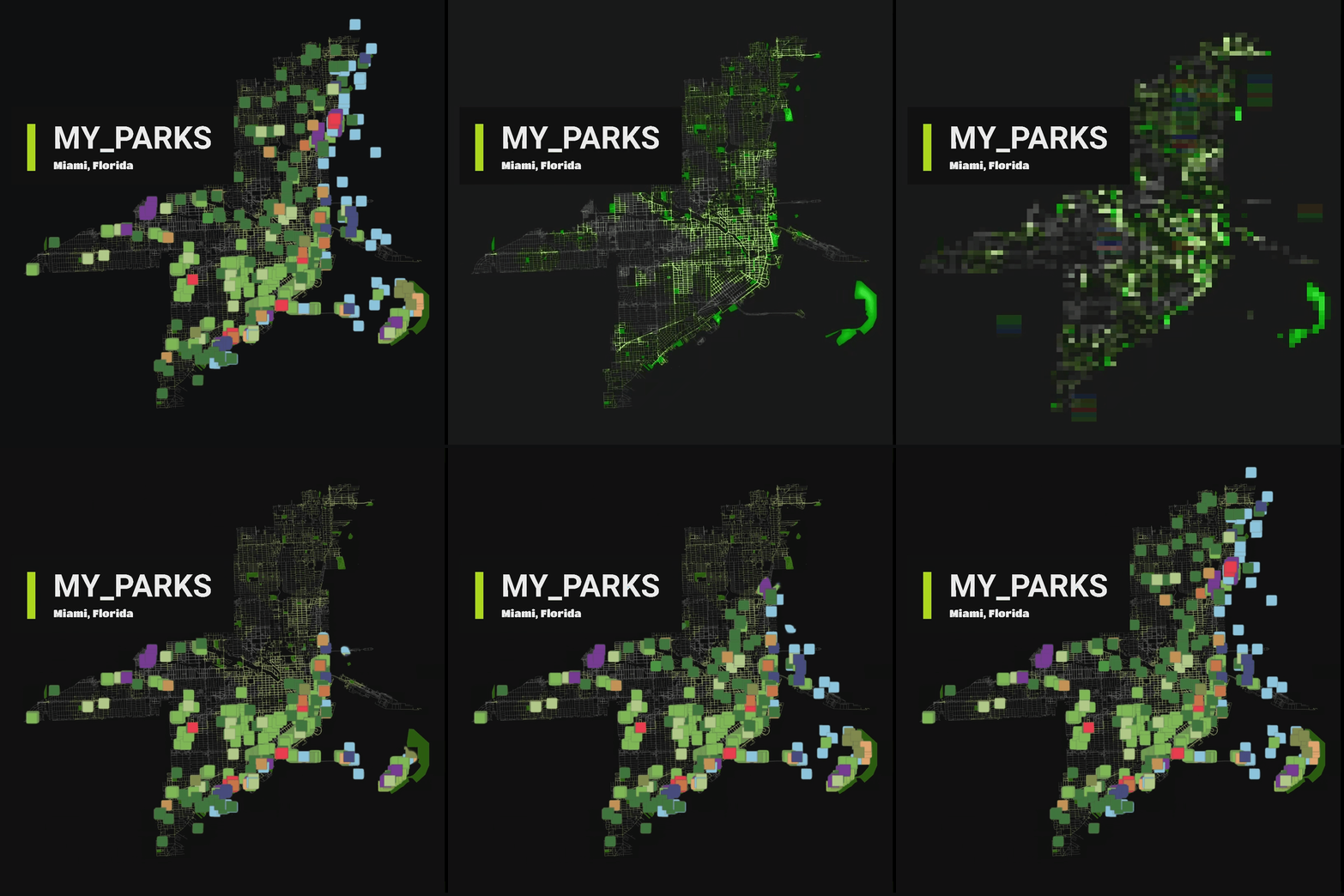
MY PARKS : Predicting Miami City’s Parks Scores based on Amenities and Businesses

Miami Parks Prediction GraphML Project

Rethinking Urban Spaces Parks and green areas are critical in cities as they provide spaces for people to meet, interact, and find a social life. They contribute significantly to the mental and physical well-being of residents, offering a natural respite from the urban hustle. Project Summary: According to google reviews, the most important factor for … Read more

Project Sentinel: Predicative analysis of street lighting and safety

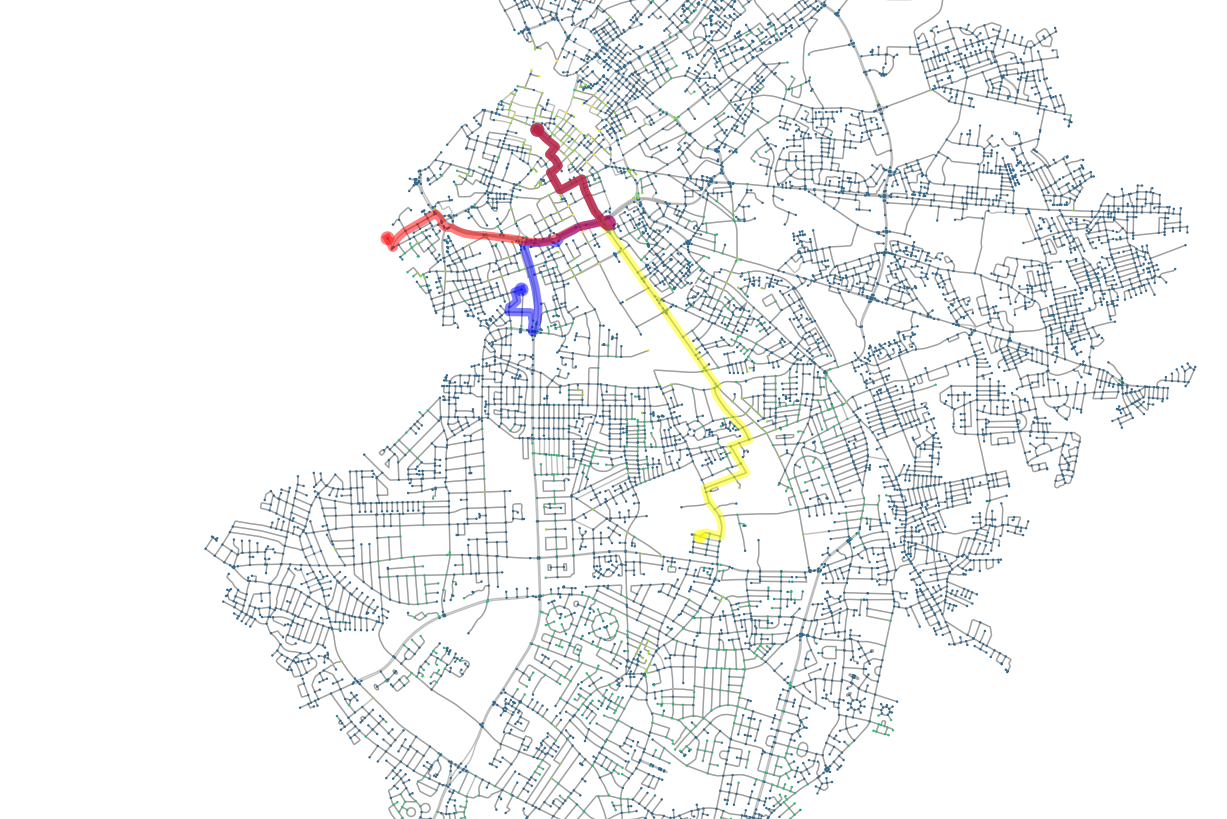
Greater Manchester, one of the largest and most vibrant urban centers in the UK, is characterized by its substantial student population and a dynamic economic landscape. With approximately 120,670 university students during the 2021/22 academic year and a significant number of these individuals studying at the University of Manchester and Manchester Metropolitan University, the region … Read more

100-Year Flood Risk Road Intersection Classification

Flood Risk Classification

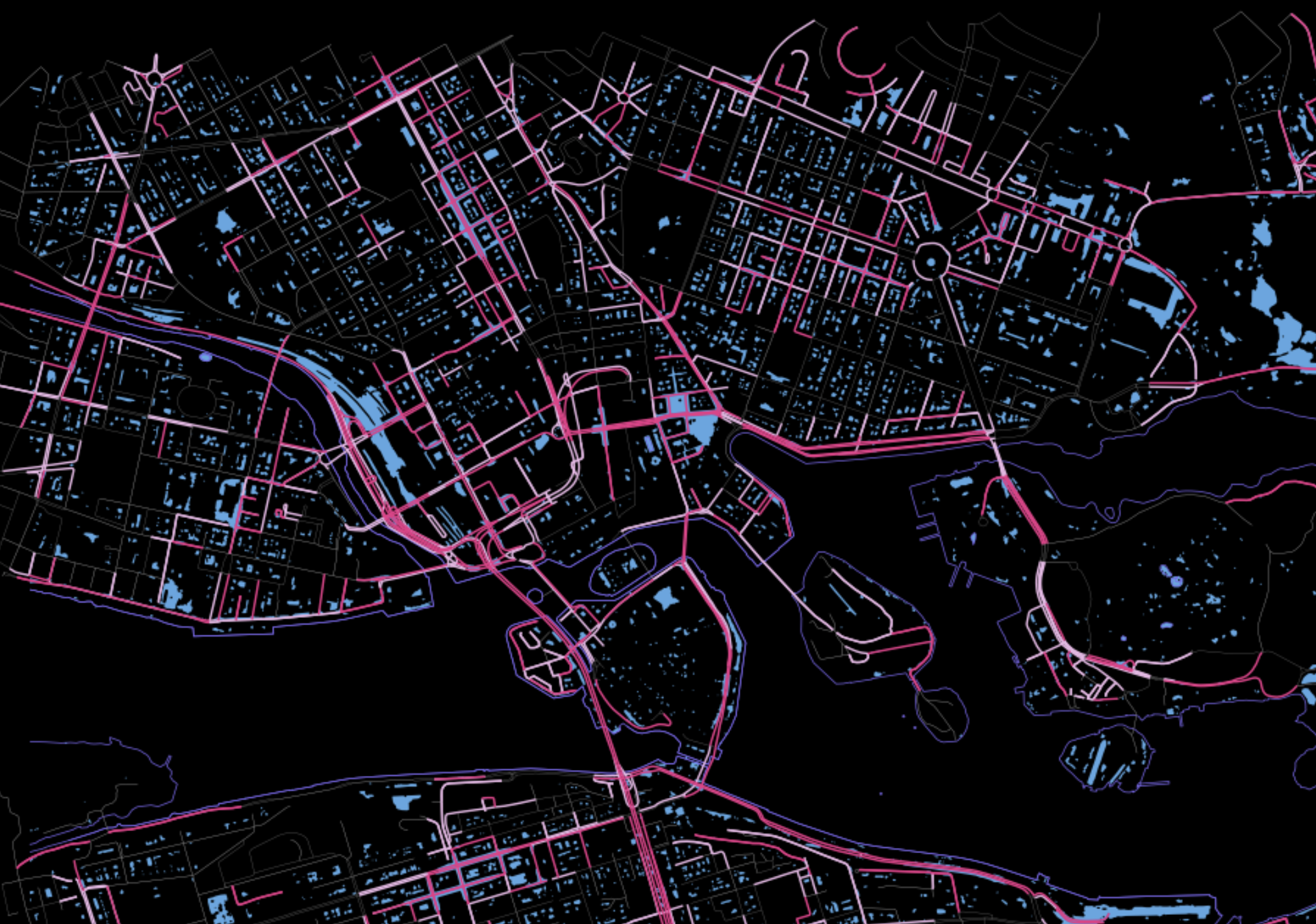
Beginnings Our project’s concept is to develop a classification model that identifies street intersections (graph nodes) in Stockholm, Sweden, susceptible to flooding during a 100-year flood event. Based on our initial research, we found that graph machine learning operates at three levels: the graph, its edges, and its nodes. With access to a 100-year flood … Read more

Planetary Intelligence Manifesto

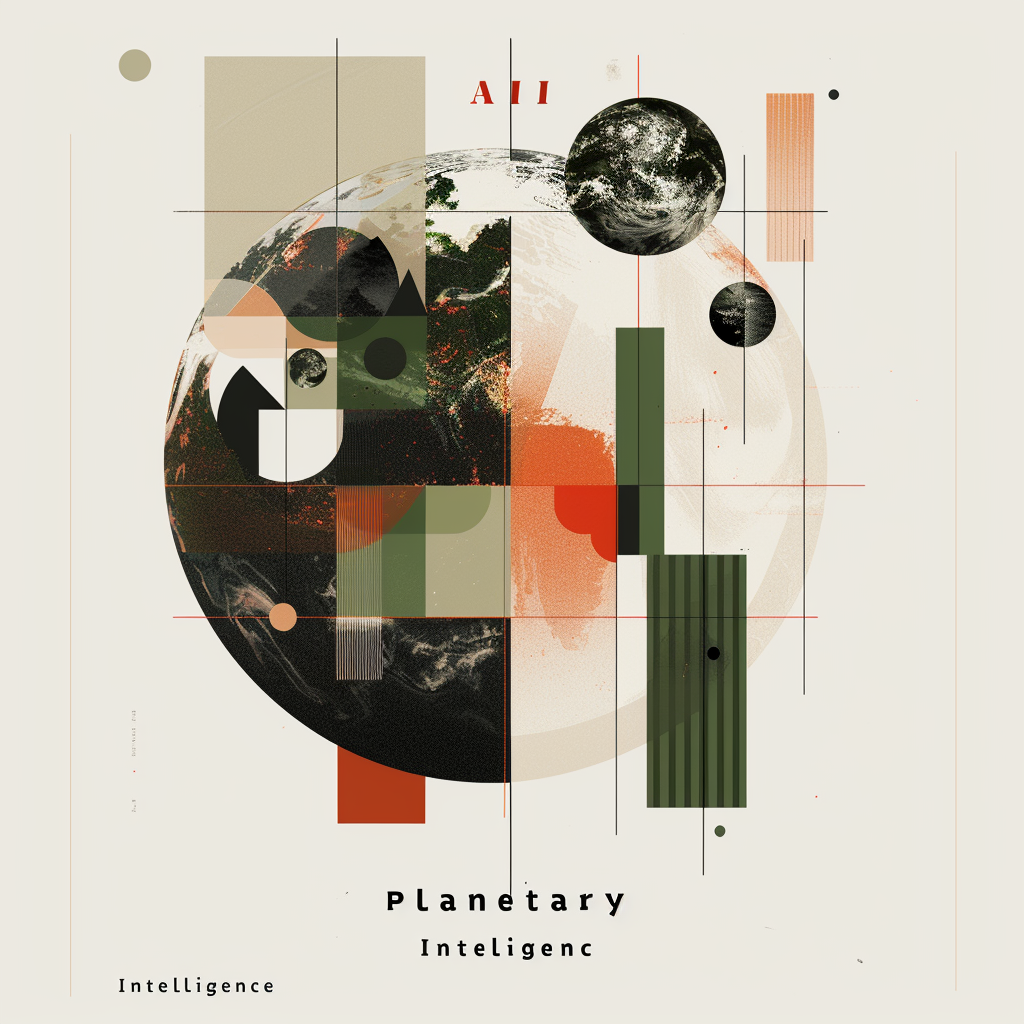
AI in the Anthropocene The architectural profession is currently at a critical juncture, faced with the dual challenges of advancing artificial intelligence (AI) and the escalating climate crisis. Many architects harbour fears of obsolescence as AI’s capabilities expand, potentially automating tasks that traditionally require human expertise. This concern is not unfounded, as AI-driven tools increasingly … Read more

Integrative Ant Hill Colony

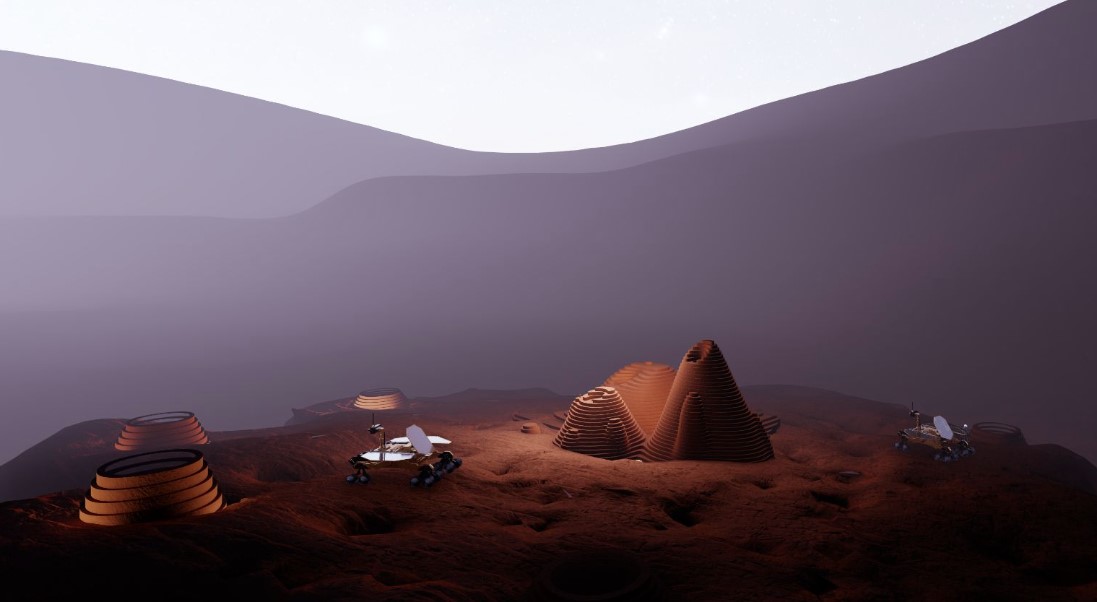
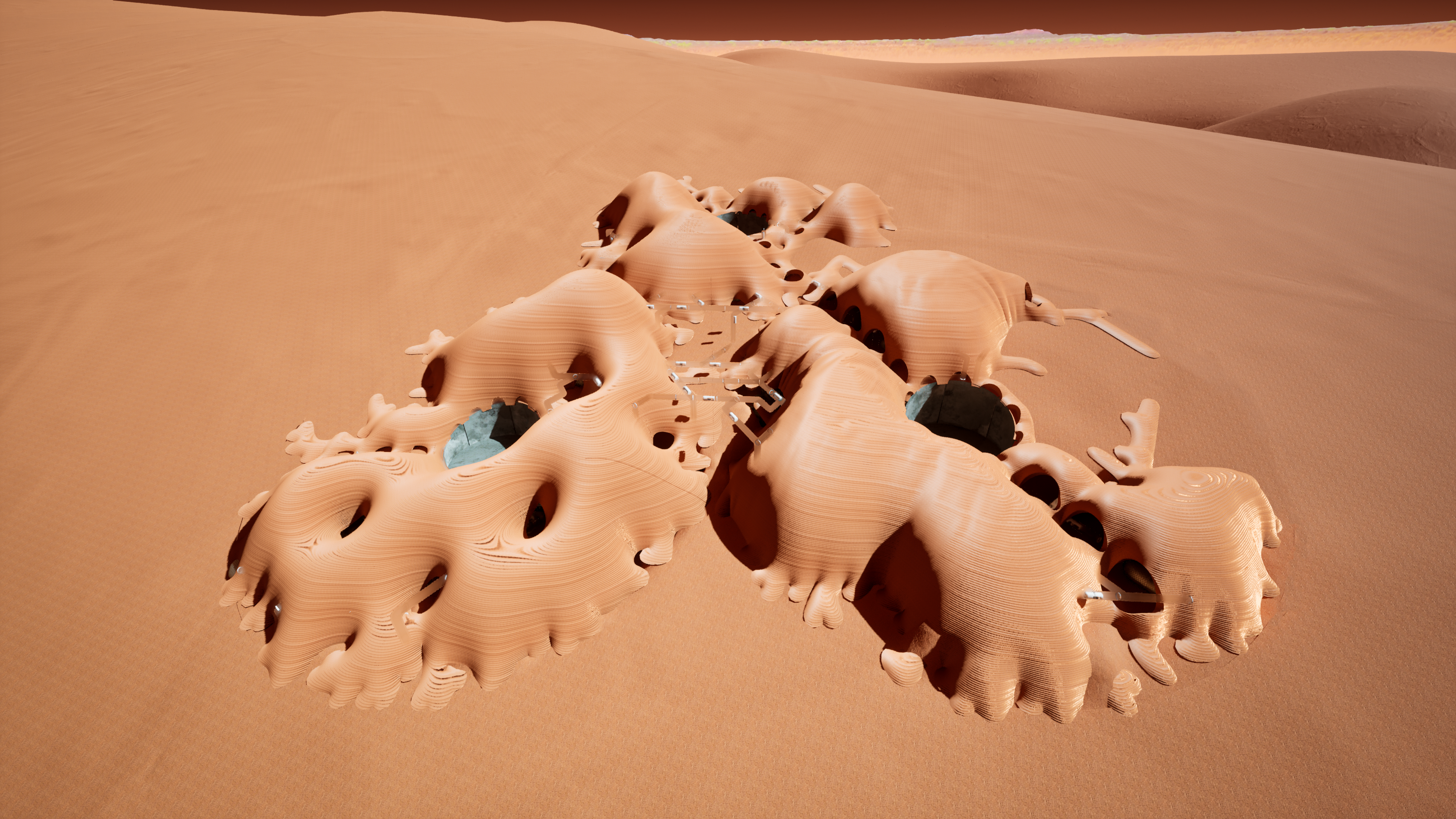
Our group project is Ant Hill Colony on Mars, which has both above/below ground elements and underground heart, tunnels and pods. The project concept derived from “learning from ant colony,” therefore, the geometry shapes were more organic and natural. Originally, we recreated this by starting with LiDAR technology to identify the soil characteristics, then applying … Read more

Aquamines

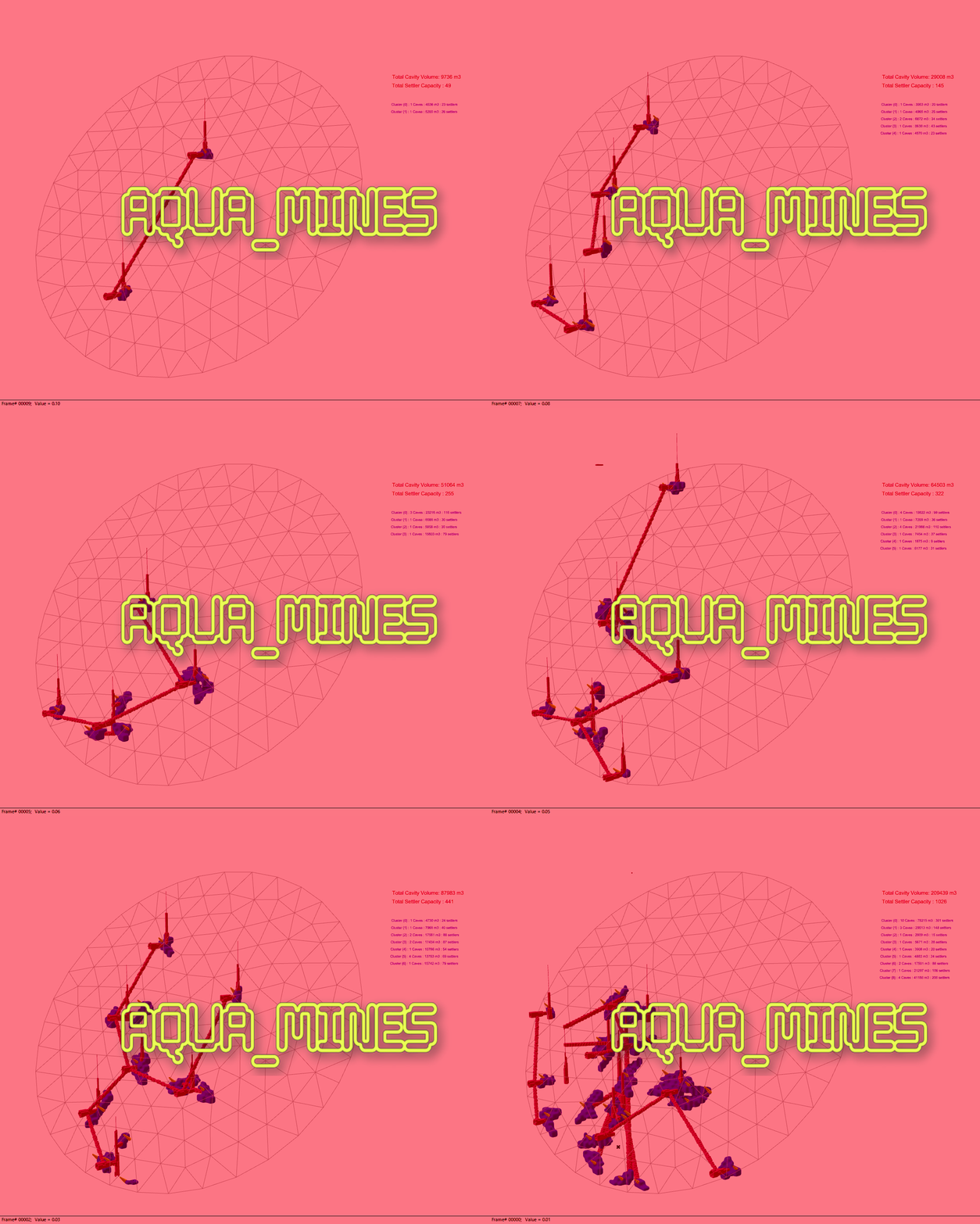
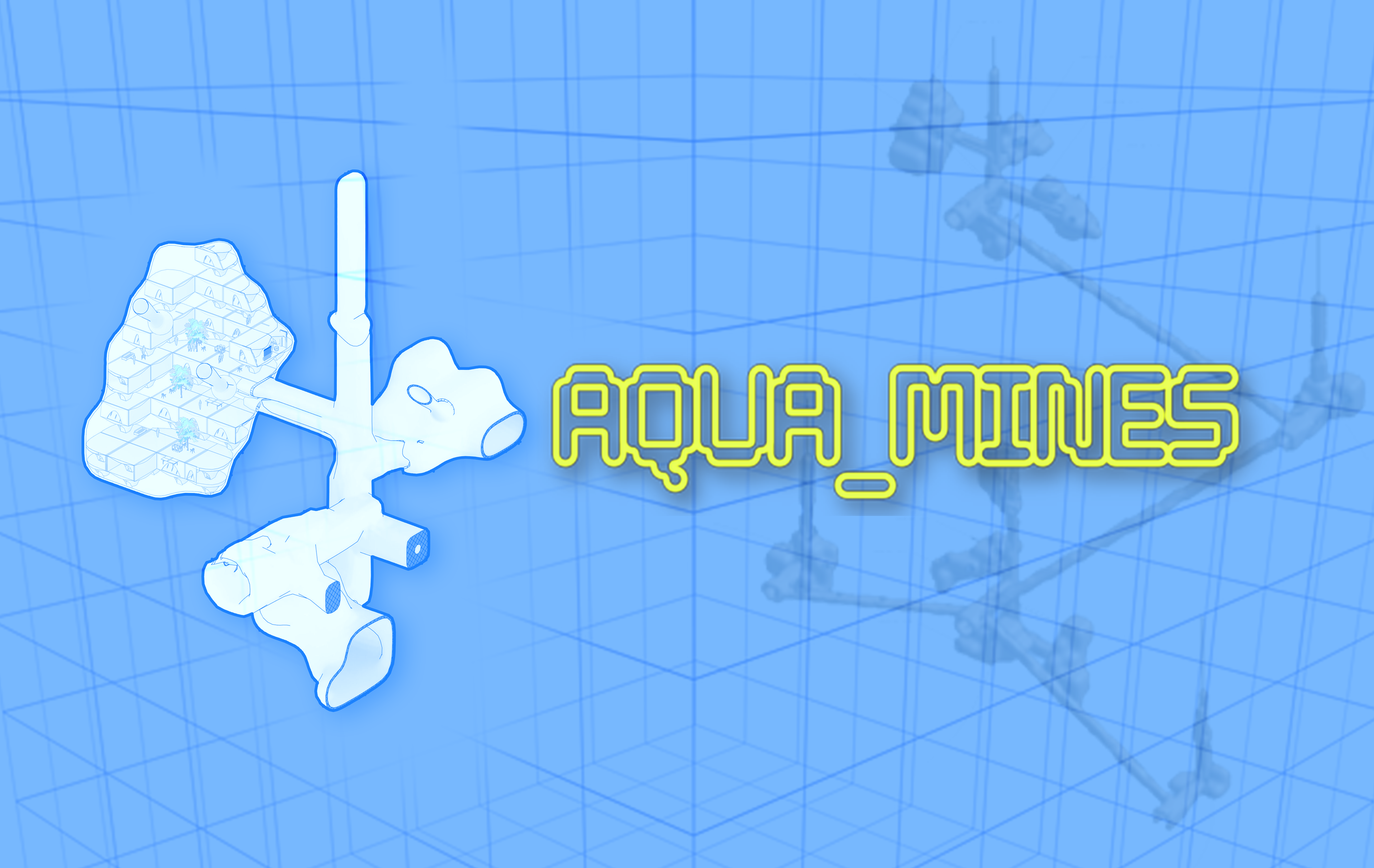
Inhabiting Ice Cavities under the Martian Surface Introduction – The Idea For the first settlers on Mars, we have envisioned a colony of Aqua-Miners with the primary task of harvesting water as a resource from the ice beneath Mars’ surface, storing it and recycling it for sustainable use. Our approach to this problem has been … Read more

Alfafa Colony: Integrative Modelling

Project Concept Establishing a Martian food colony around a Mohole, designed based on growth morphology of alfalfa for efficient organization and development using L-systems. These terminologies are further explained below. Moholes Moholes on Mars are massive cylindrical excavations in the regolith, reaching up to 1 km in diameter and 7 km in depth. With temperatures … Read more

Genius Loci

View some of the collected data here: Street Types and Property Information Genius Loci was inspired by the work the of Sarah Williams in her book ‘Data action – Using data for public good’. In today’s data-driven world, the use of data has become increasingly pervasive, shaping various aspects of our lives from policymaking to … Read more

UrbanCanvas

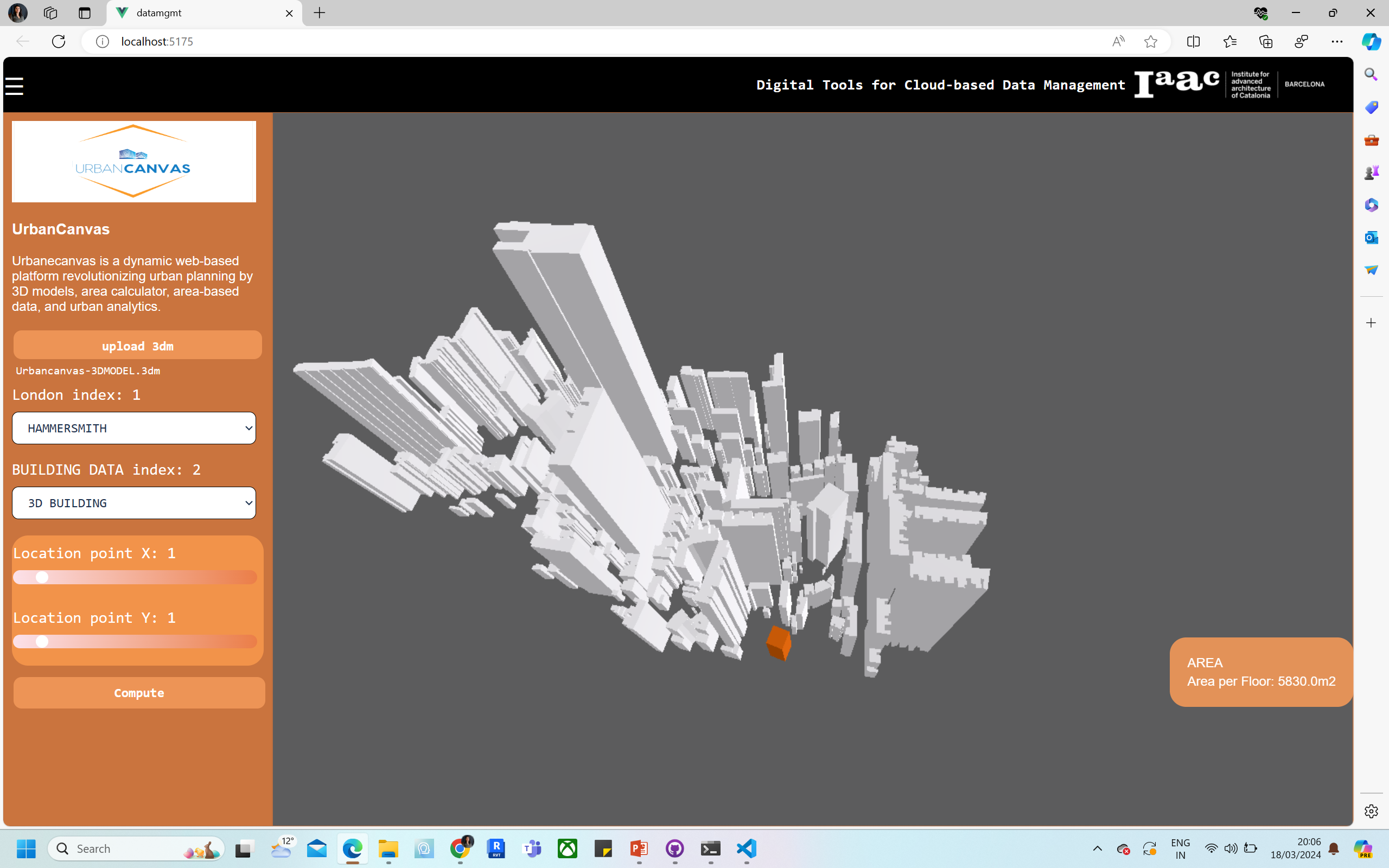
UrbanCanvas is an innovative web application designed to provide comprehensive and detailed data for urban areas, empowering users with precise information about plot boundaries, buildings, 3D structures, roads, land usage, and empty plots within a city. This platform seamlessly integrates advanced mapping technologies, data visualization, and analytics tools to facilitate urban planning, real estate development, … Read more

Rain Catcher

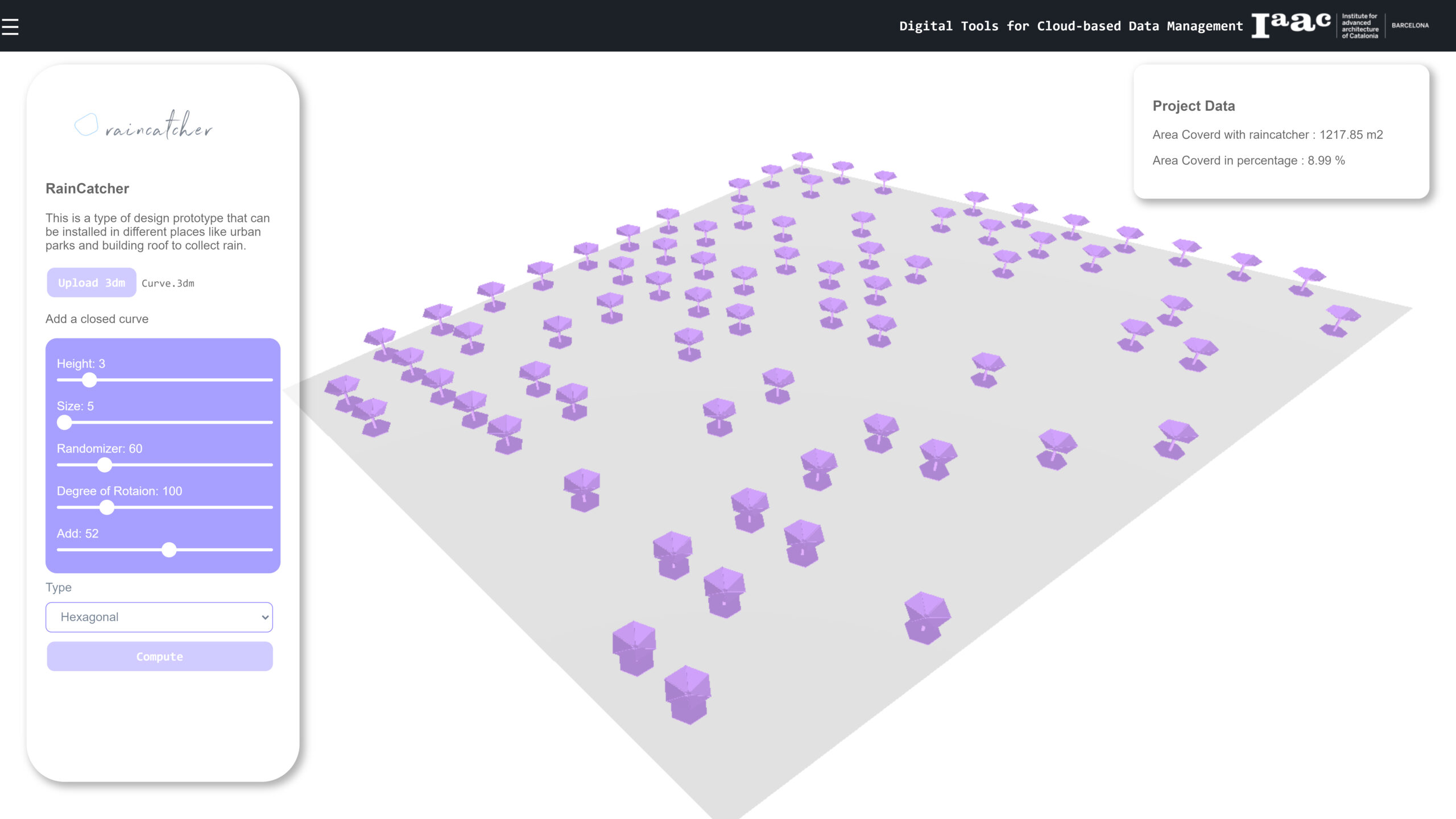
Concept The idea “Rain Catcher” tackles this challenge head-on by introducing a web application for a sustainable solution Testing platform. These aren’t your average rain shelters; they’re sophisticated rainwater harvesting systems designed to capture and store this valuable resource. Rain Catcher might help cities to transform a potential burden – rainwater – into a valuable … Read more

NOISENSE

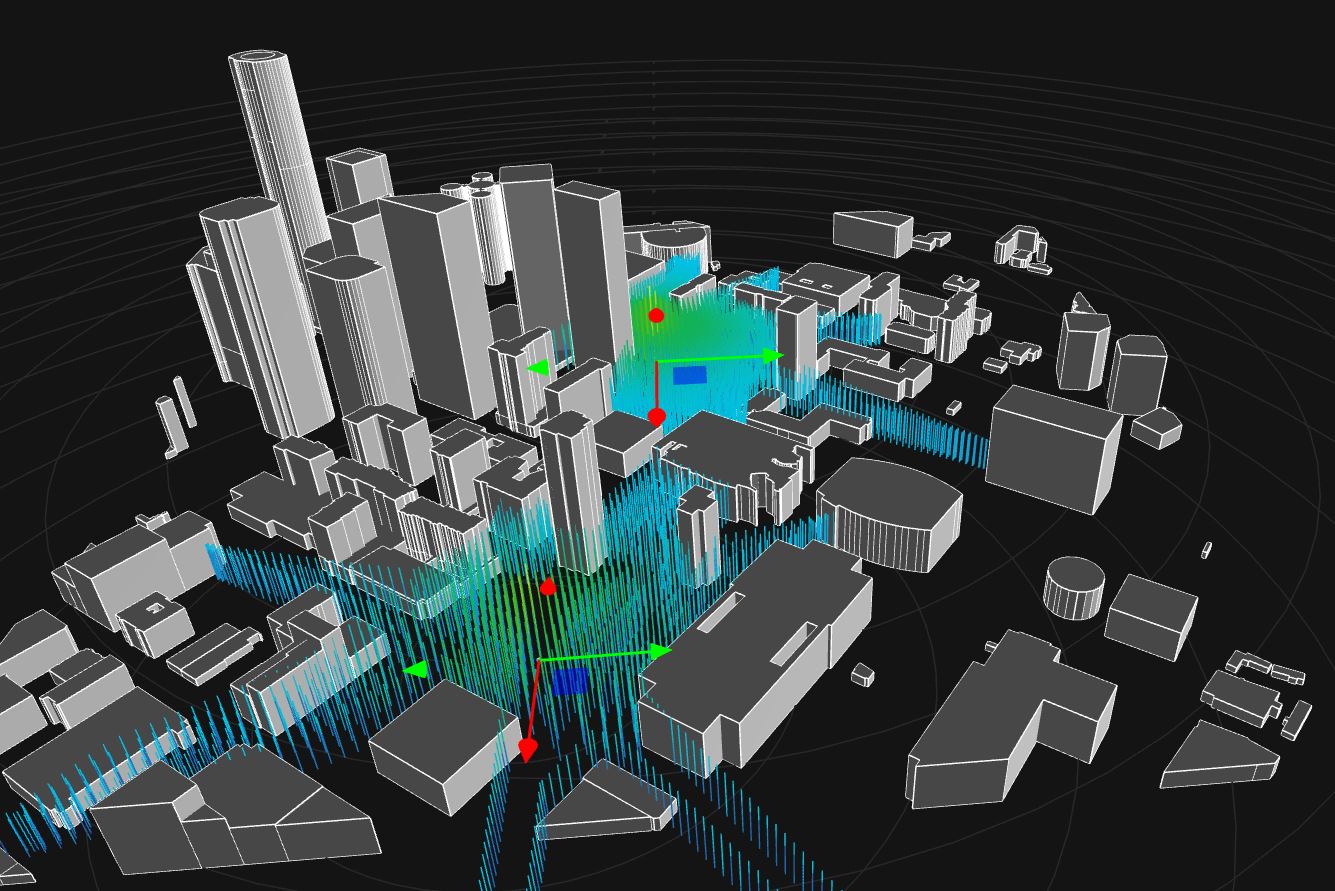
NOISENSE emerges as a dynamic tool that facilitates the visualization of otherwise visually imperceptible phenomena within spaces. Through sound simulation and virtual prototyping techniques, NOISENSE aims to go beyond the limitations of human auditory perception, thereby enabling the visualization and replication of sound atmospheres. By conceptualizing sound as a spatial field, the online app allows … Read more

Evaluate Your City

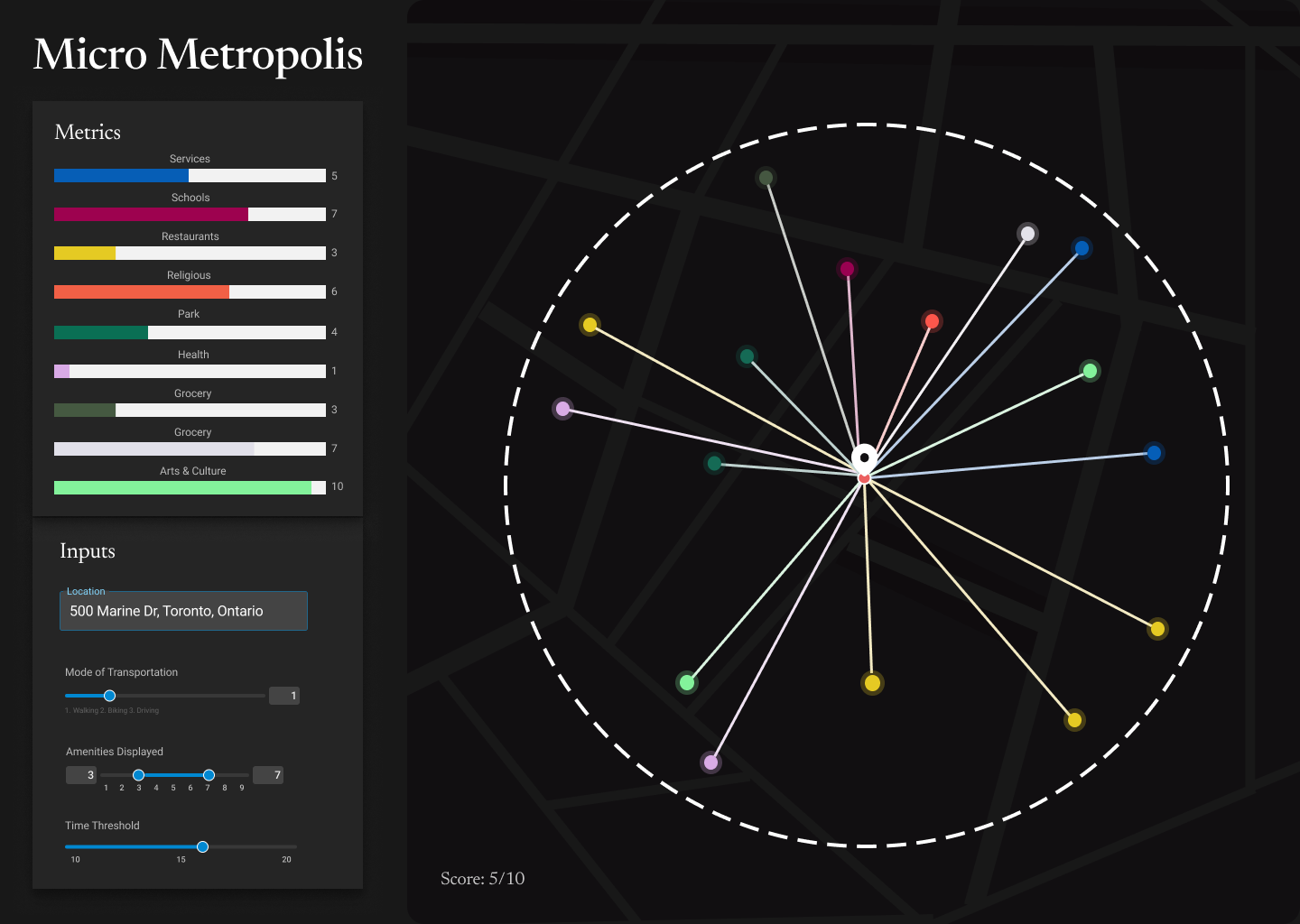
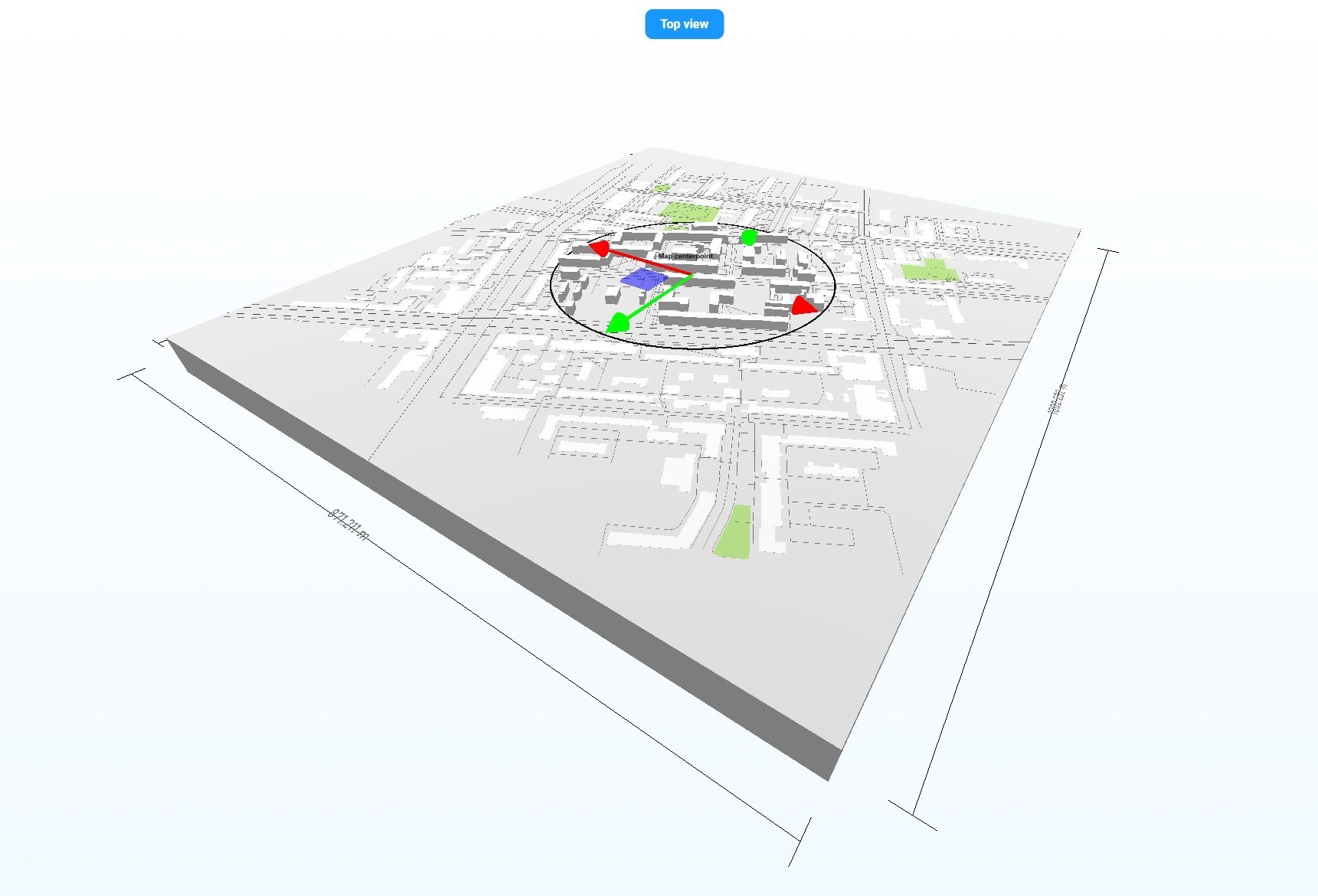
Concept The purpose of the app was to help with viewing and researching information on different types of amenities (like parks, playgrounds, etc.) near selected locations, based on the available OSM data. It’s based on Grasshopper script that is sent to Rhino Compute and visualized on the web using three.js. Grasshopper base The script is … Read more