The Master in City & Technology’s academic structure is based on IAAC’s innovative, learn-by-doing and design-through-research methodology which focuses on the development of interdisciplinary skills. During the Master in City & Technology students will have the opportunity to be part of a highly international group, including faculty members, researchers, and lecturers, in which they are encouraged to develop collective decision-making processes and materialize their project ideas.

Filters
Course

Exploring Digital Futures: Embracing Complexity and Imagination

In a world marked by interconnected crises and technological change, understanding Digital Cultures helps us navigate how we engage with technology and address pressing global challenges. This exploration underscores the critical role of narratives, metaphors, and values in shaping our responses to an uncertain future. The Context of Polycrisis Our journey began by examining the … Read more

Unmasking Digital Culture: Rethinking Progress, Equity, and Sustainability

Accumulation: A Mirage of Progress Imagine a minimalist workspace—a pristine desk, a single laptop, a small plant to complete the tableau. It’s serene, efficient, and modern. Yet, behind this simplicity lies a sprawling network of data centers consuming vast amounts of energy, hidden from view. This duality invites a deeper reflection: is our pursuit of … Read more

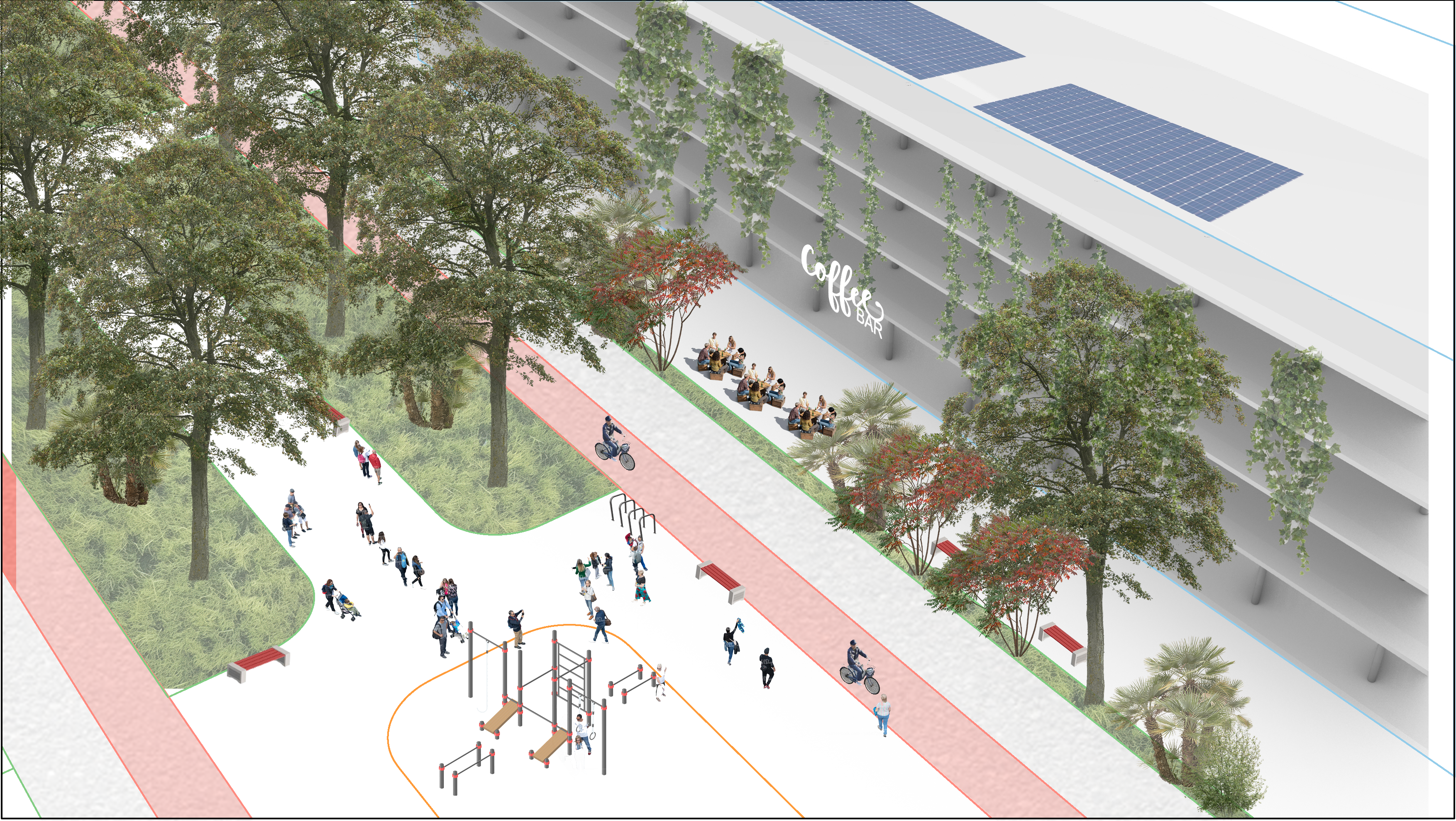
Reclaiming the motorway

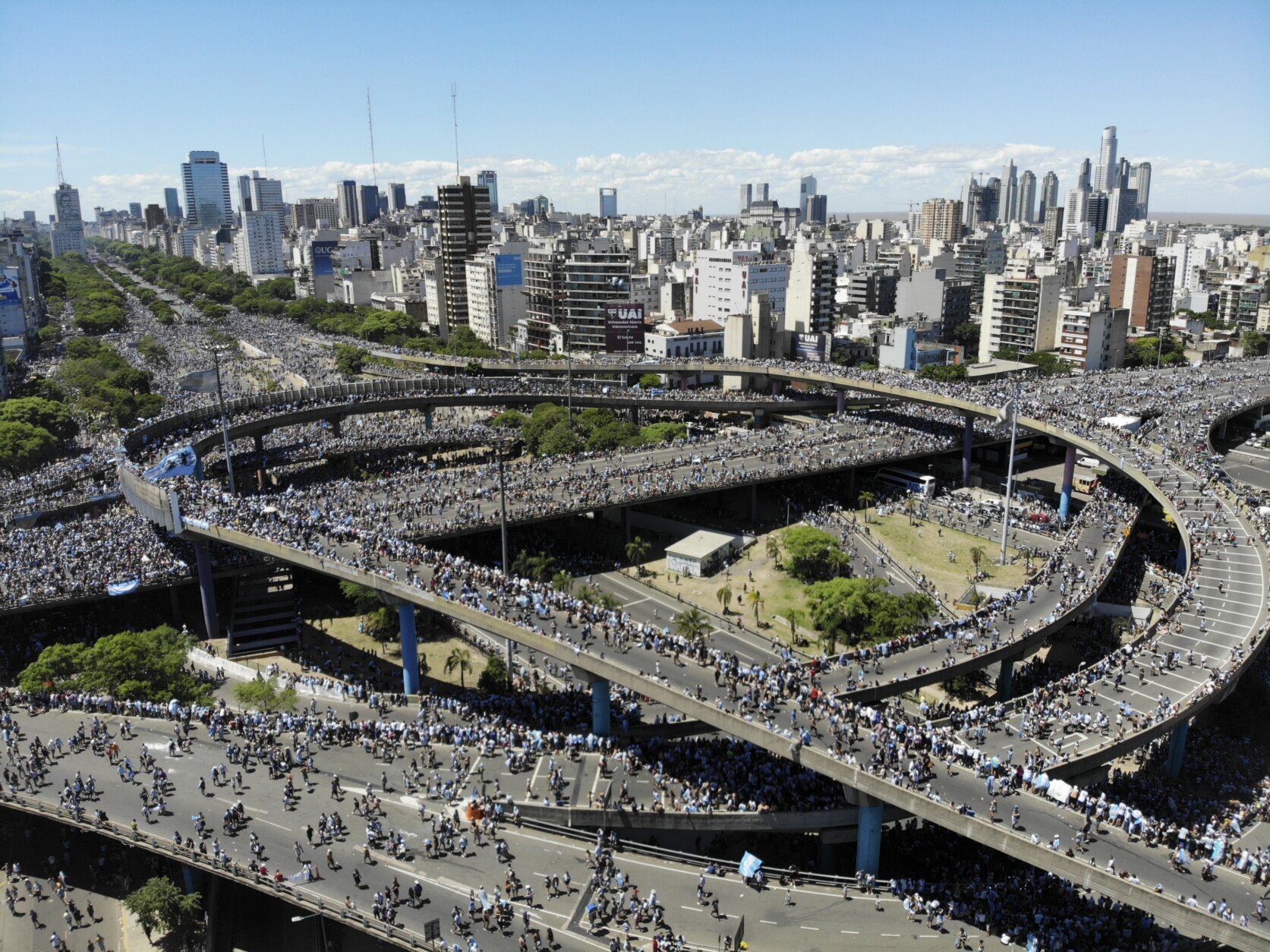
The motorway was the symbol of progress during the modern age. The car was the central element of the American dream, and then expanded across the globe, transforming the way we live. Over the years, it has become clear that individual conventional cars are not only good for cities: urban motorways often create physical and … Read more

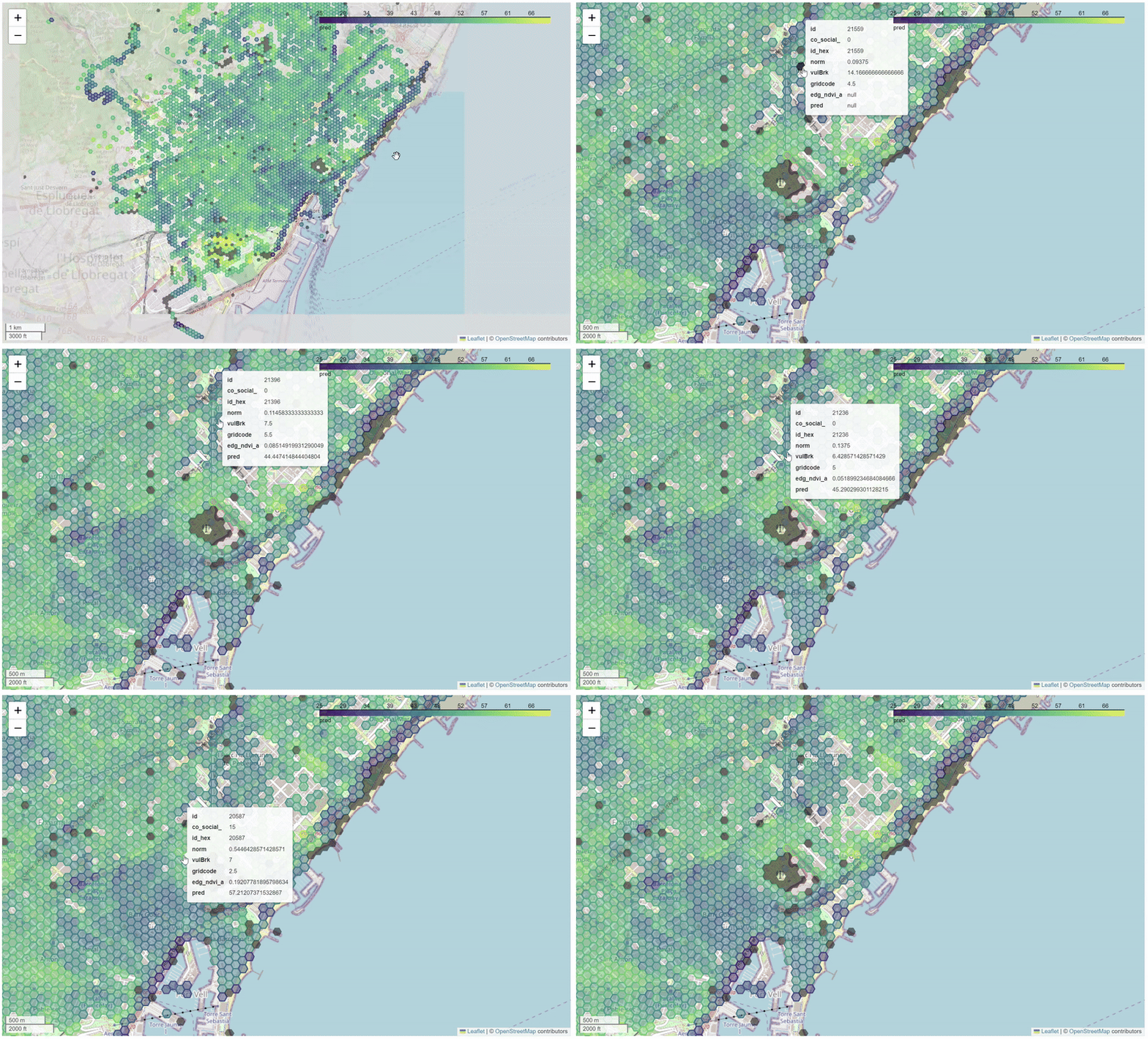
Predicting Biking Station Vacancy in Barcelona

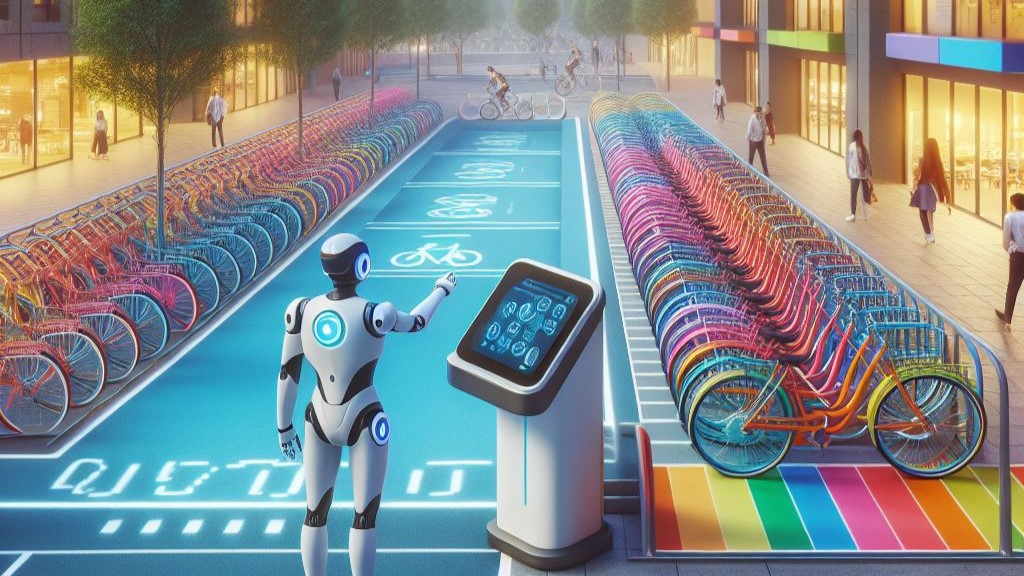
Introduction Urban transportation planning relies on data science to explain the conditions driving mobility patterns. This exploration of bicing, Barcelona’s resident bike rental program, analyzes the actors impacting discrepancies in bicing data to select machine-learning strategies able to predict biking station vacancies across Barcelona for the year 2024 with an accuracy of 0.02387. With this … Read more

Places to stay

Viladecans greeted us with an unexpected tranquility. We arrived to the city on the commuter train from Barcelona, opposing the flow of morning commuters. The station was empty. A single street, lined with abandoned plots and industrial sheds led us up the hill into the town. A few hundred metres later the scene couldn’t be … Read more

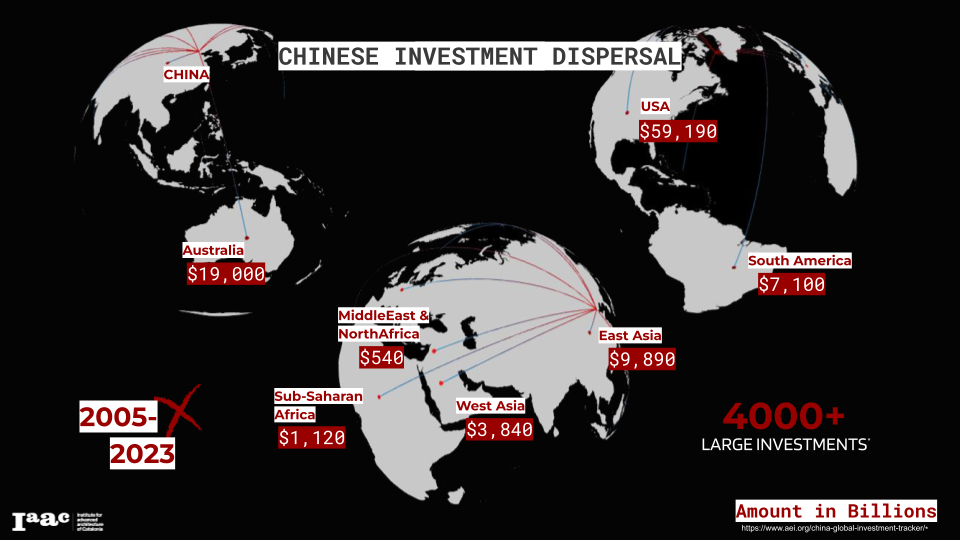
Tracking Cross-Border Monetary Flows to measure Geopolitical Insecurity

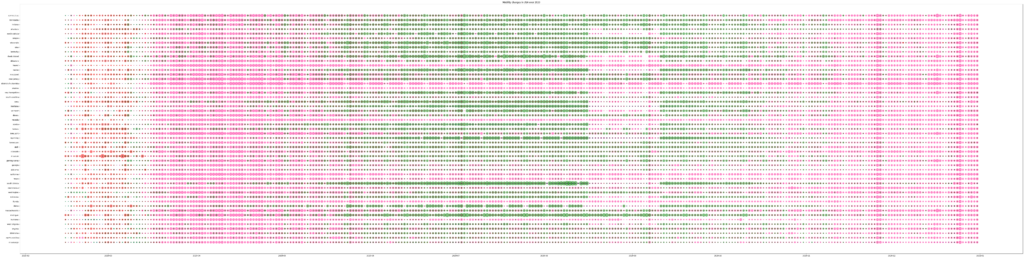
Creating a streamlined pipeline to visualize and extrapolate financial data enabling a correlation with spatial geo-specific information. The World and all countries alike have been increasingly more susceptible to events and developments in the geo-political theatre. It is not surprising that the world’s top two economic and military superpowers play a pivotal role in this … Read more

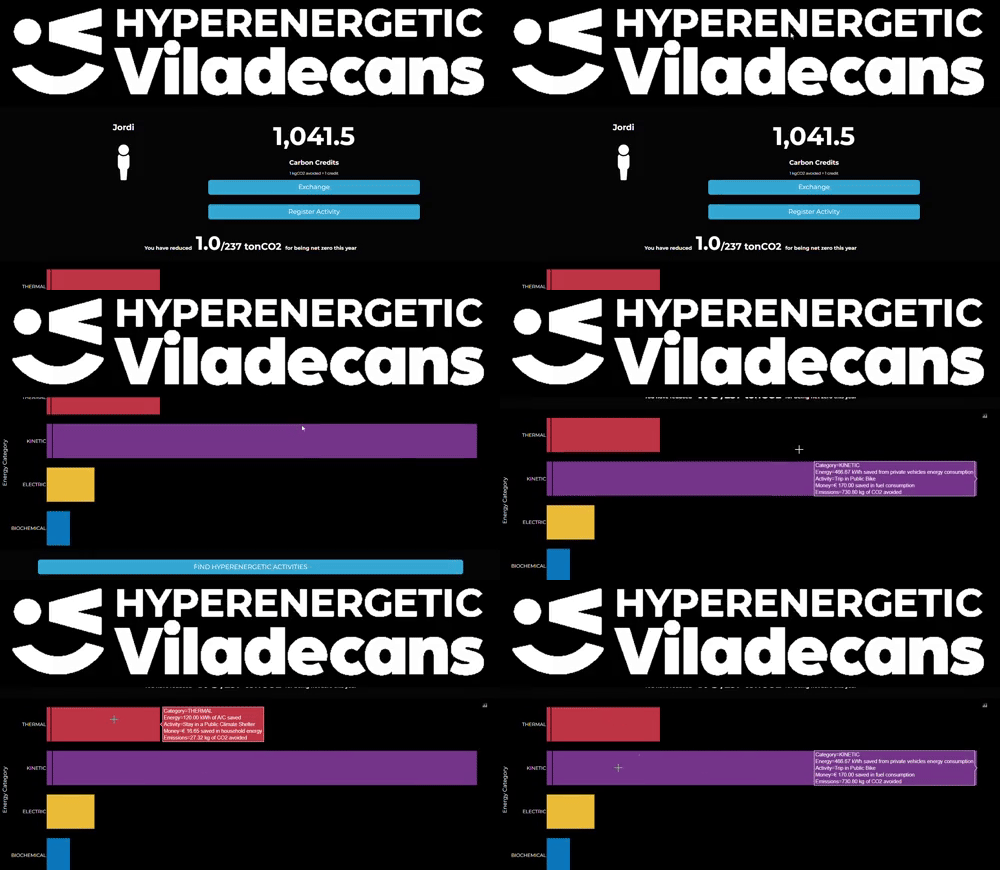
Hyperenergetic Viladecans

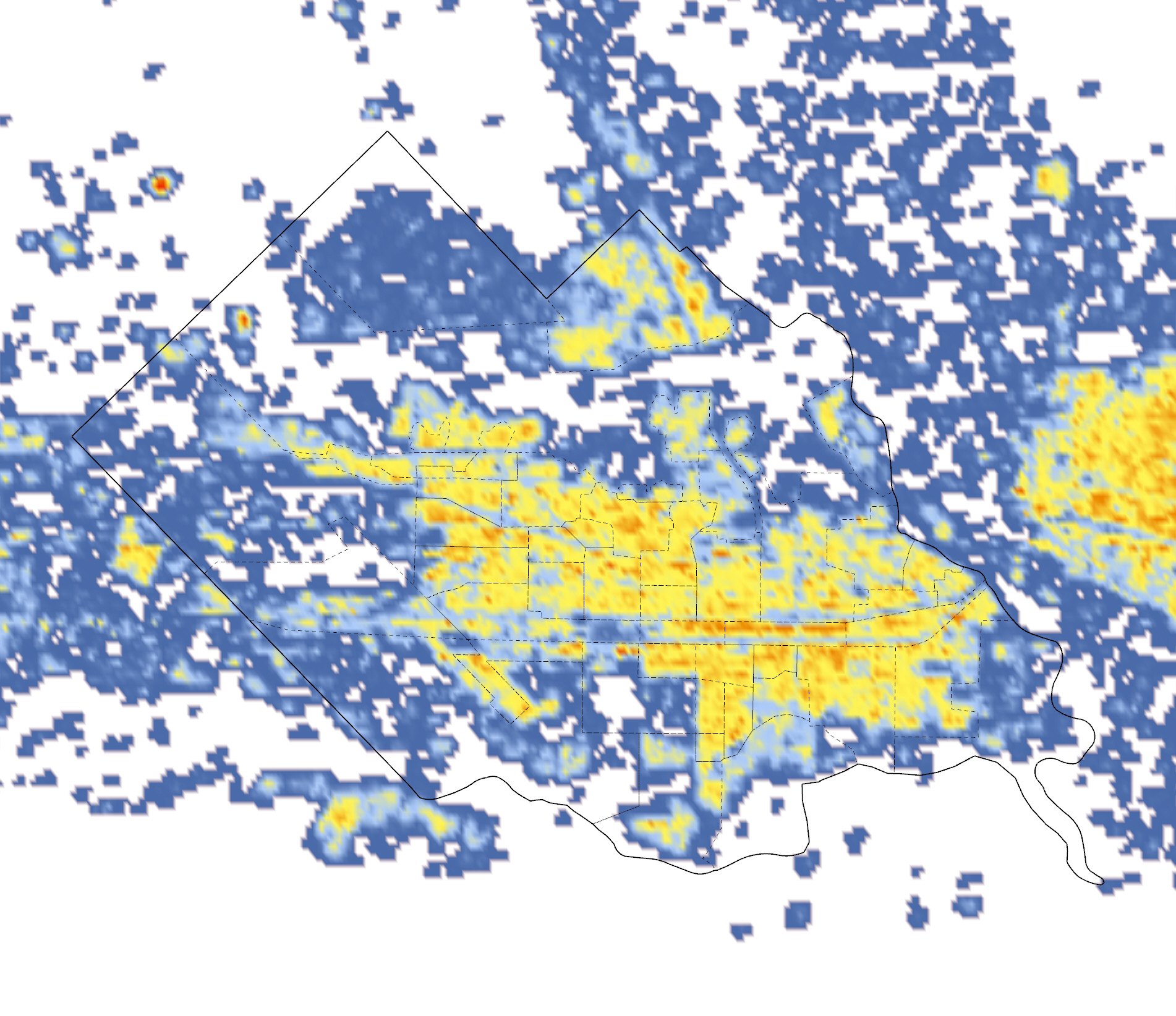
By 2100, the global temperature is forecasted to increase from 2 to 4 degrees Celsius due the effects of Greenhouse Gases Emissions and Human Activities. The City of Viladecans has developed a Vision by 2030 which expects the city to become EMISSIONS NEUTRAL, and EMISSIONS NEGATIVE by 2050. For approaching this goal, HYPENERGETIC VILADECANS establishes … Read more

Unveiling the Great Innovation Barrier: Leaders and Followers in the EU

In the dynamic landscape of global innovation, understanding the intricacies of what drives or hinders progress is crucial. This post dives deeper into the innovation data concerning EU countries, aiming to decipher it visually for clearer insights. Leveraging the Global Innovation Index 2022, which assigns each nation an innovation score, this project set out to … Read more

Art on air

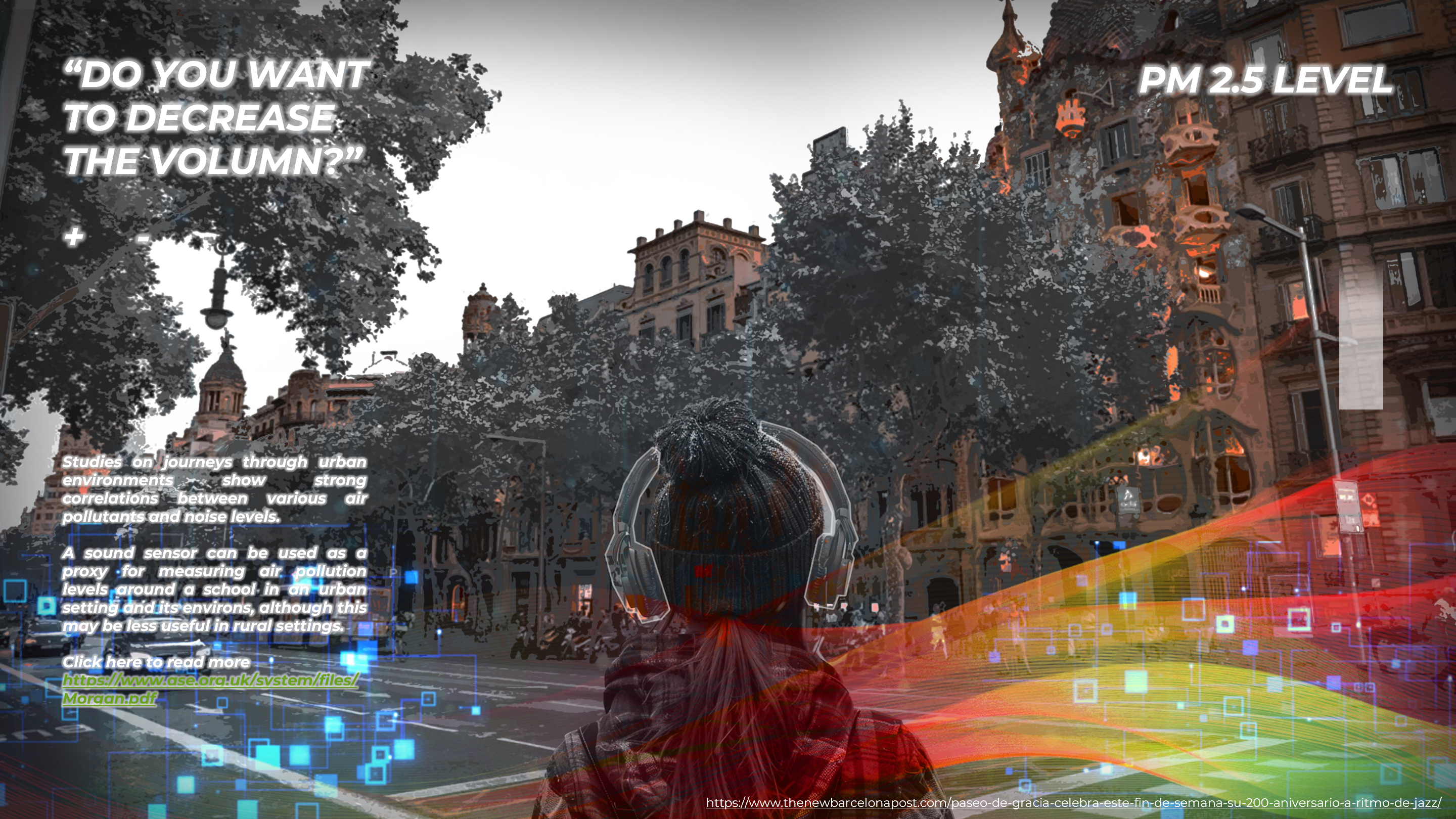
Introduction Air quality is a problem in many cities around the world, yet it remains largely invisible to the naked eye. This reality struck us deeply when the four of us, having lived in Barcelona, Lagos, Bangkok, and Medellin – our four cities of origin – came together. Amidst our diverse backgrounds and experiences, we … Read more

The Future of Public Art

In the ever-evolving field of urban development, “The Future of Public Art” sets out to be a project that reimagines the role and impact of art in public spaces. At its core, the project seeks to quantify the value of public art through a systematic approach, anchored in three fundamental pillars: democracy, contextuality, and insightfulness. … Read more

Coltura

Introduction Milan, Northern Italy’s epicenter, confronts economic and environmental challenges rooted in a shift from agriculture to manufacturing. To secure its future, Milan invests in knowledge, tourism, and place-based innovation, relying on revenue from high-income foreigners, students, and the European Union. Strategic efforts to transition to a green economy focus on renewable energy, waste reduction, … Read more