IAAC’s Master in City & Technology (1 or 2-year program) is a unique program oriented towards redefining the analysis, planning, and design of twenty-first-century cities and beyond. The program offers expertise in the design of digitally enhanced, ecological and human-centered urban environments by intersecting the disciplines of urbanism and data science. Taking place in Barcelona, the capital of urbanism, the Master in City & Technology is training the professionals that city administrations, governments, industries, and communities need, to transform the urban environment in the era of big data.


Filters
Course

En la calle

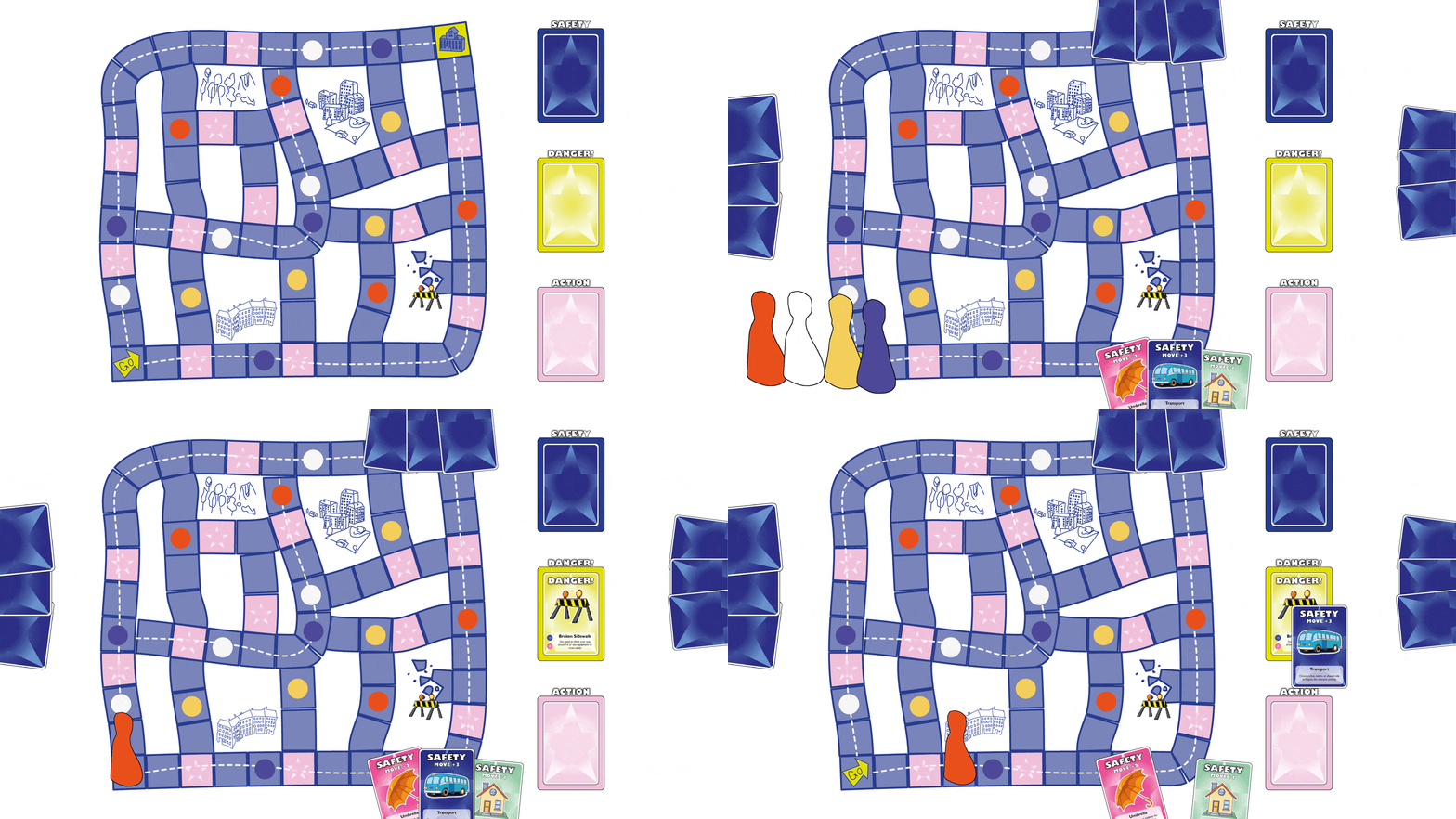
En La Calle is a board game for 2–4 players aged 8 and above, set in the streets of Bosa-Apogeo, Bogotá — a neighbourhood home to some of the highest school density in the city and the largest school in Bogotá by enrolled students, yet streets that were never designed with children in mind. En … Read more

Bee Careful


A Bee Survival Game Context – Bee-Careful starts in Lisbon, Portugal. Where social (vulnerable young community), environmental (ecological unbalance and fragmentation), and mobility (elderly retired community) problematics are adressed through one common medium; greenery. Greenery forms the binder in which the previous elderly community of Lisbon convverges with a new and young community across a … Read more

Sand Mining – from Afar

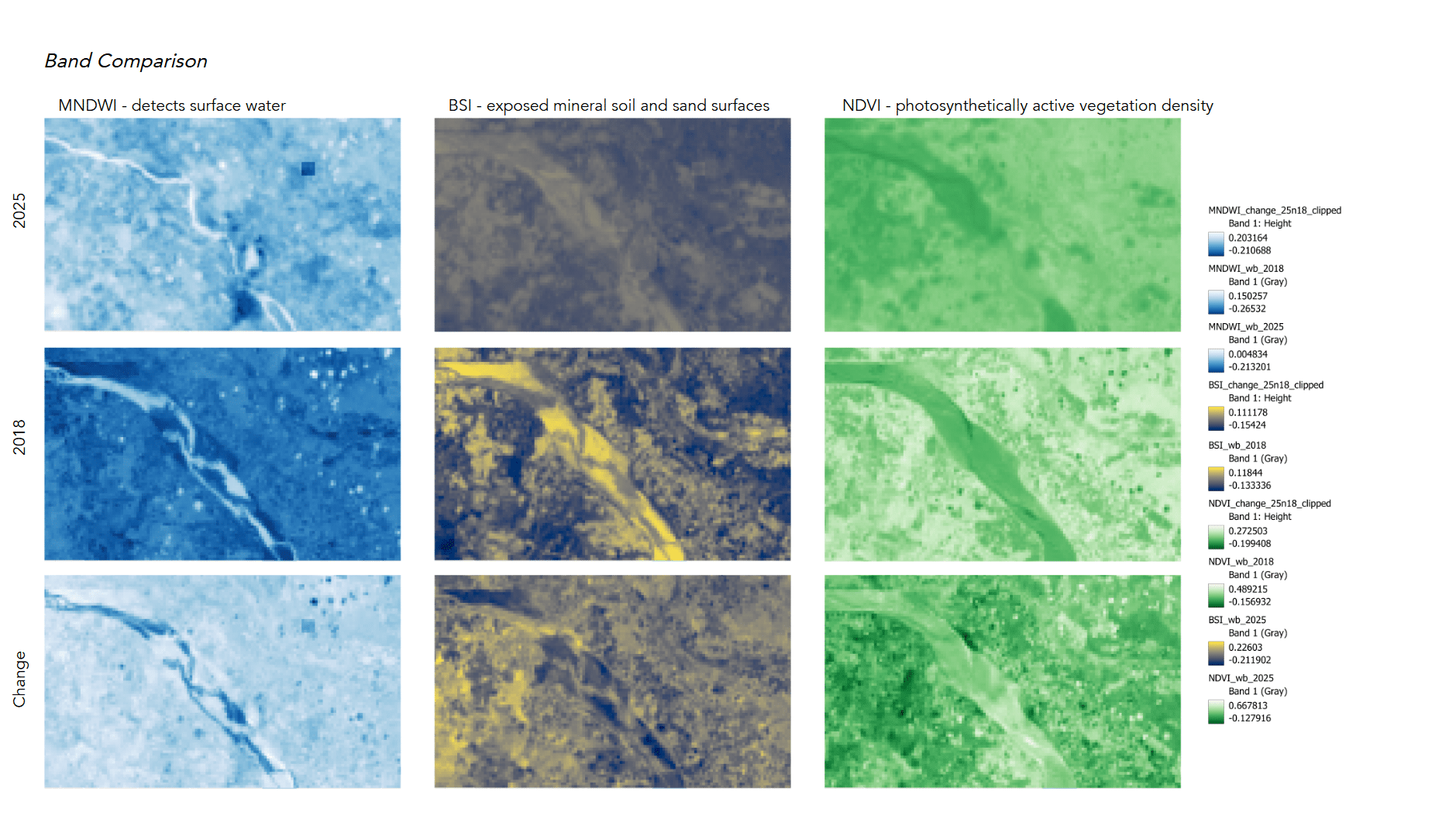
DETECTING SAND MINING USING MULTI-TEMPORAL SATELLITE IMAGERY Introduction Sand is ubiquitous in the modern world. It is the second-most extracted material on Earth after water, driven principally by the global demand for concrete, infrastructure, and urban expansion. Estimates place global sand and gravel extraction at 40–50 billion tonnes per year, a scale that outstrips many … Read more

Renewable, but at Whose Cost?

India’s solar ambition is written into its landscape. Since the launch of the Jawaharlal Nehru National Solar Mission in 2010, the country has pursued one of the most aggressive renewable energy expansions in history —targeting 500GW of solar capacity by 2030. But the geography of that expansion follows a troubling logic. The regions chosen for … Read more

Who else lives here?

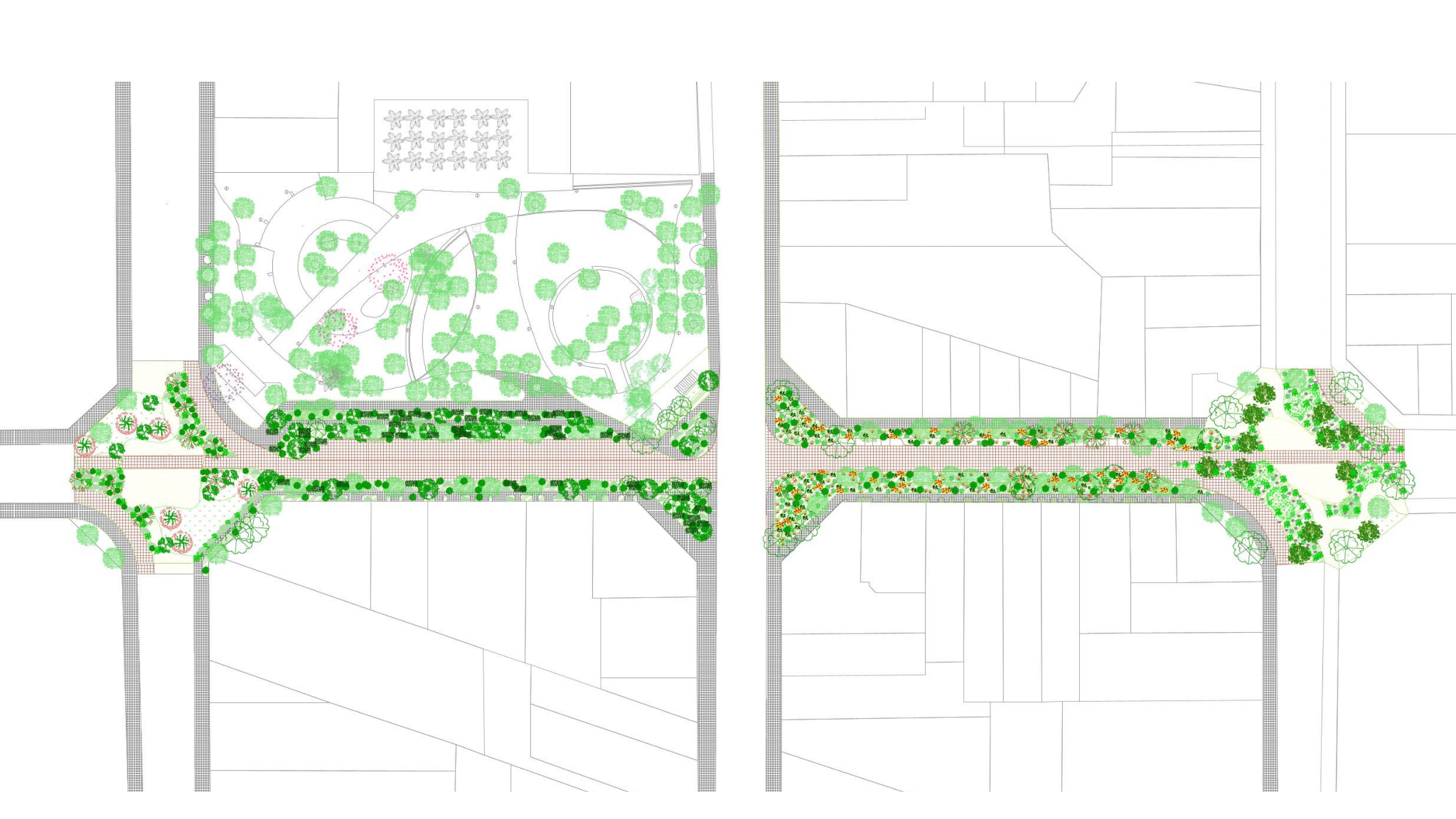
Urban space is conventionally conceptualized as an anthropocentric construct. However, non-human species continuously appropriate architectural surfaces, infrastructural voids, and vegetated fragments. Birds occupy ledges and canopy layers, insects colonize engineered soils, bats navigate nocturnal corridors along tree lines, and plants root within pavement fissures. These presences are not incidental; they reflect how spatial design either … Read more

How does Power operate spatially in Poblenou?

This project explores how power operates spatially through counter-cartography and autoethnography in Poblenou, Barcelona. Combining observation, mapping, and self-tracking, the research examines how infrastructure, urban objects, rules, and rhythms shape behavior, movement, and perception. Benches, pedestrian streets, and smoking practices reveal how freedom, restriction, and permission are unevenly distributed. Findings show that movement is widely … Read more

Longevity Landscapes

Mapping Proximity to Wellbeing Amenities in Urban Areas “For most of us from now on, life and death will be an urban affair.”— World Health Organization As cities become the primary environments in which people age, longevity can no longer be understood as a rural or lifestyle-driven phenomenon alone. Inspired by — but critical of … Read more

Cities on the Edge

How borders shape frontiers of urban life? I. Introduction Borders are often perceived as abstract lines on maps, yet they deeply shape how cities grow, connect, and fragment. Cities located along international borders experience unique spatial, social, and political conditions that distinguish them from inland urban areas. This project investigates borders not as static lines, … Read more

What’s happening to our downtowns ? 

Abstract : In recent years, urban cores across the world have entered a period of uncertainty. Accelerated by the COVID-19 pandemic and the widespread adoption of hybrid work, many central business districts (CBDs) have experienced declining footfall, rising commercial vacancy, and shifts in social life—while others have demonstrated surprising resilience. This project investigates how foundational … Read more

$pot Finder

Opening a business is a bold investment. Factors (many out of business owners’ control) can determine whether or not local businesses thrive or struggle. Location matters, especially for businesses that depend on foot traffic. But the bigger questions are tough to answer: where should the business open? What is a fair rent to expect? Which … Read more

Inclusive Wayfinding

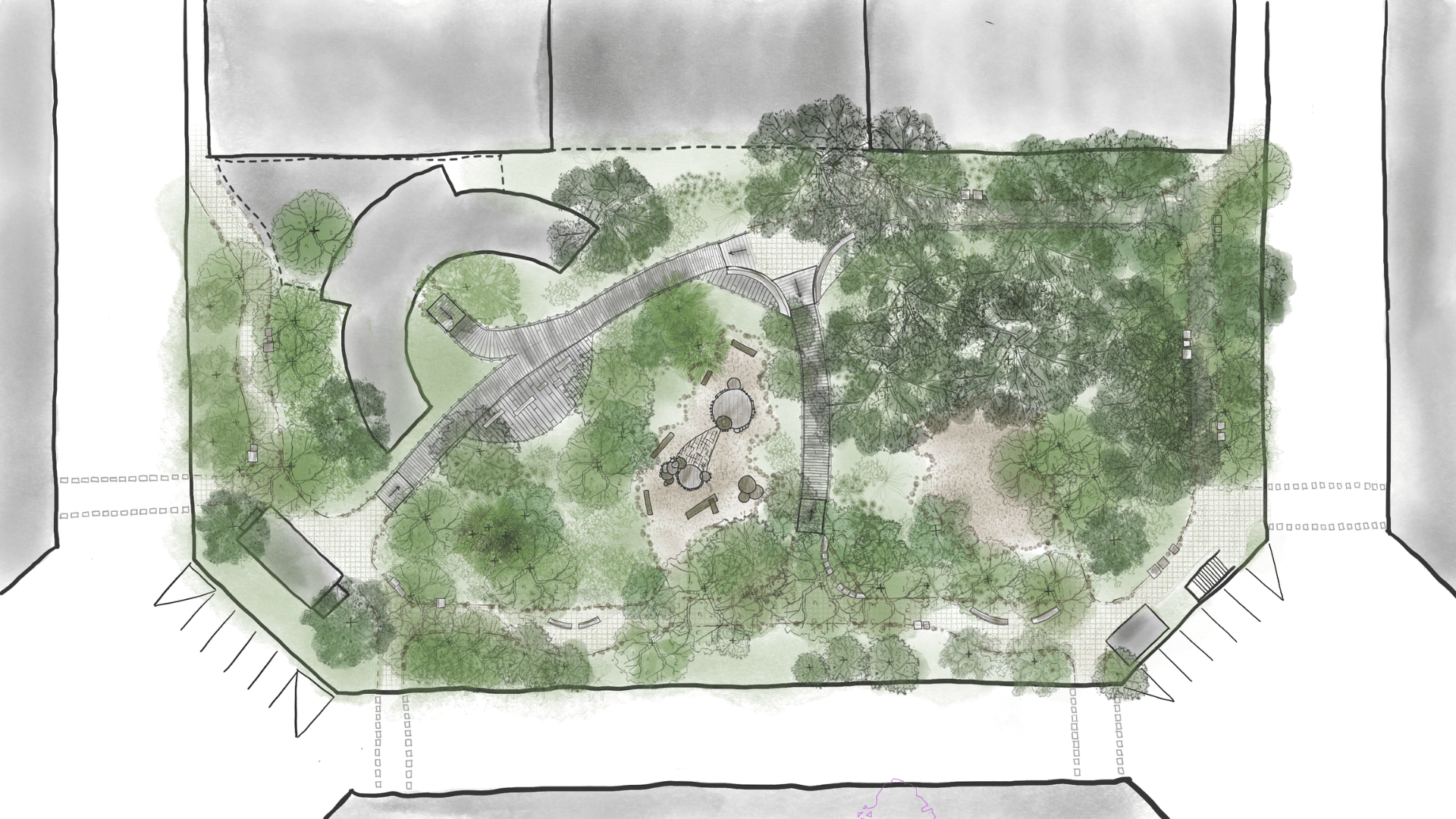
This project focuses on accessibility and orientation between nearby schools and Parc dels Pins in Santa Coloma de Gramenet. It emphasizes children and inclusion. Through co-creation with local schools, the design tests inclusive wayfinding strategies using sensory and tactile signage. These aim to improve safety, visibility, and spatial awareness. The process brings together children, educators, … Read more

Connexió (Connection)

Santa Coloma de Gramenet, located to the north of Barcelona, is bordered by the Besòs River on the west and the Marina Mountain Range on the north. The city’s terrain features an irregular relief that rises to 303 meters at Mount Castellar, its highest point, a topographical character also visible within Parc dels Pins. The … Read more