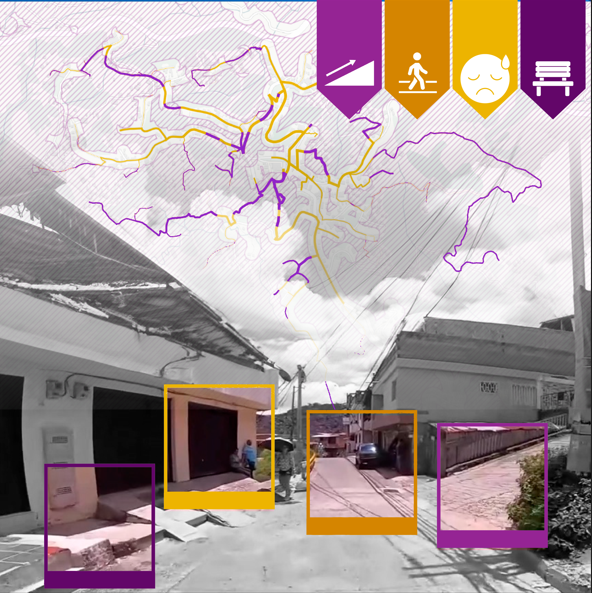
The Master in City & Technology’s academic structure is based on IAAC’s innovative, learn-by-doing and design-through-research methodology which focuses on the development of interdisciplinary skills. During the Master in City & Technology students will have the opportunity to be part of a highly international group, including faculty members, researchers, and lecturers, in which they are encouraged to develop collective decision-making processes and materialize their project ideas.

Filters
Course

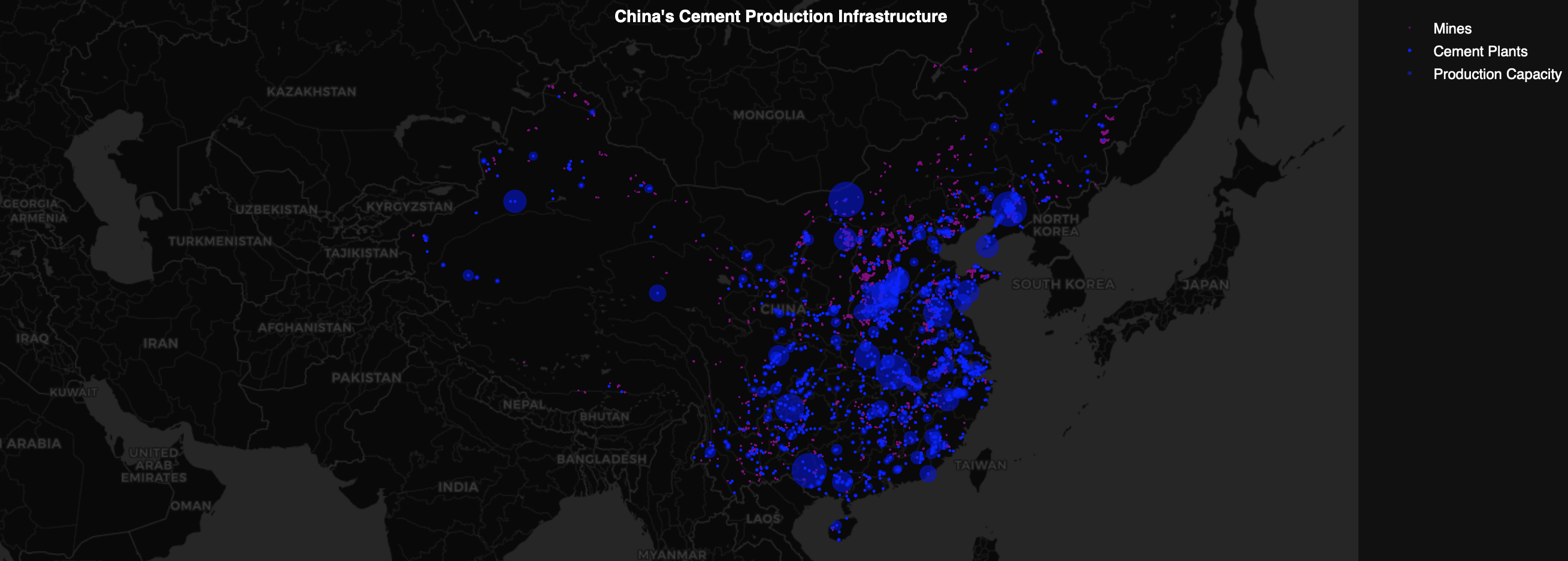
The Global Story of Cement and Its Environmental Impact

The Backbone of Modernity – Since its invention in 1842, Portland cement has become a cornerstone of modern construction. Its role in shaping cities, infrastructure, and economies is unparalleled, but this comes at a cost. Cement production is energy-intensive, emits significant carbon dioxide, and has become a key driver of global greenhouse gas emissions Cement … Read more

Fields at Play

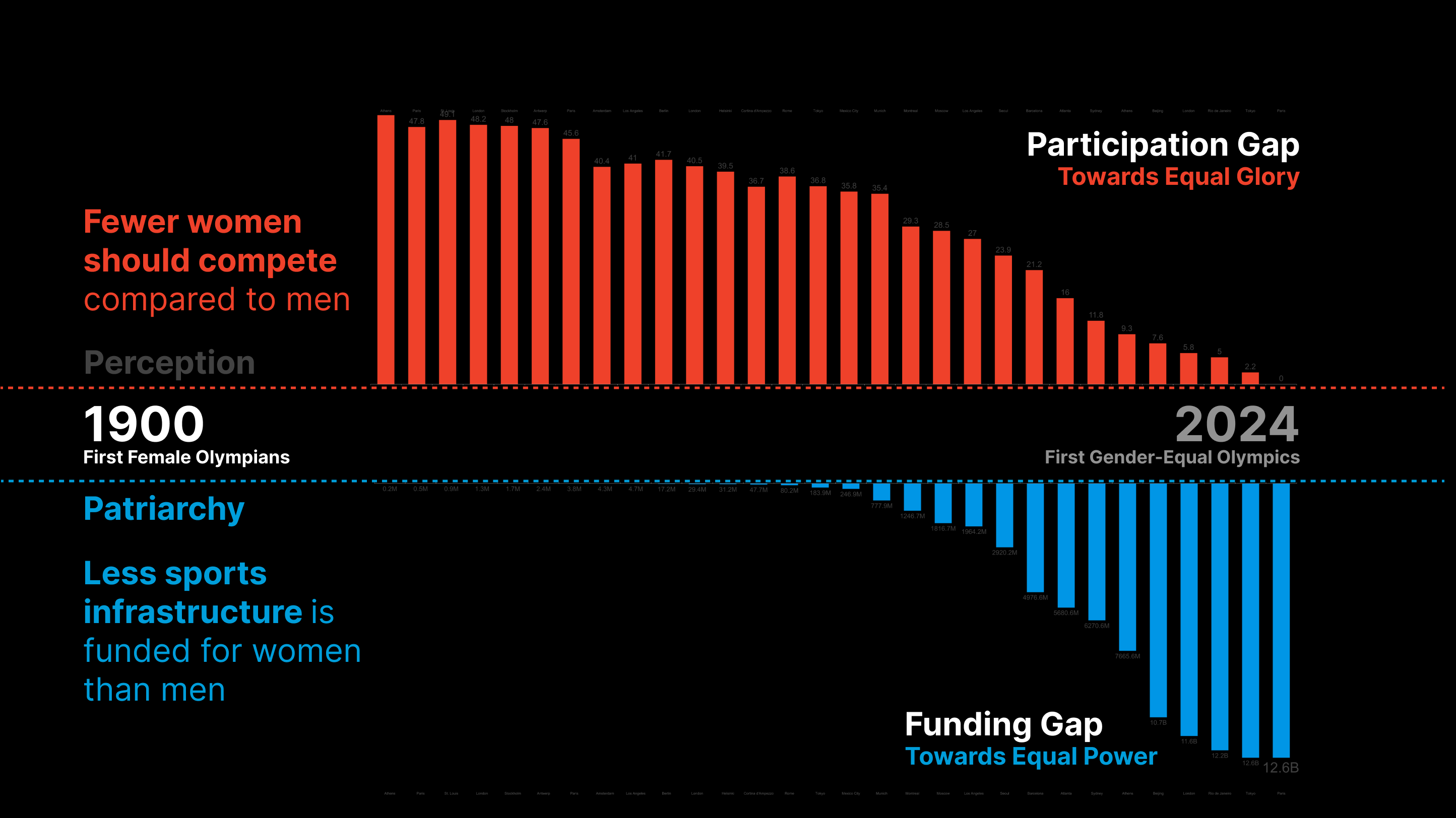
Fields at Play identifies the value of gender inequality in Olympic infrastructure and proposes to leverage the derived $12.6B Olympic gender gap in sports facilities to fund the revitalization and ongoing program of reliable, safe, and comfortable spaces for women at risk of gender-based violence. Understanding the purpose and outcomes of Olympic infrastructure strategies in … Read more

IS THE FUTURE REALLY AUTONOMOUS?

1. Introduction 1.1. Abstract Autonomous Vehicles are vehicles that employ driver assistance technologies to remove the need for a human operator within the vehicle. These new technologies into automation have been researched in contexts like the United States of America, Middle-Eastern Countries and some European Countries. Planners and architects are designing for these cities including … Read more

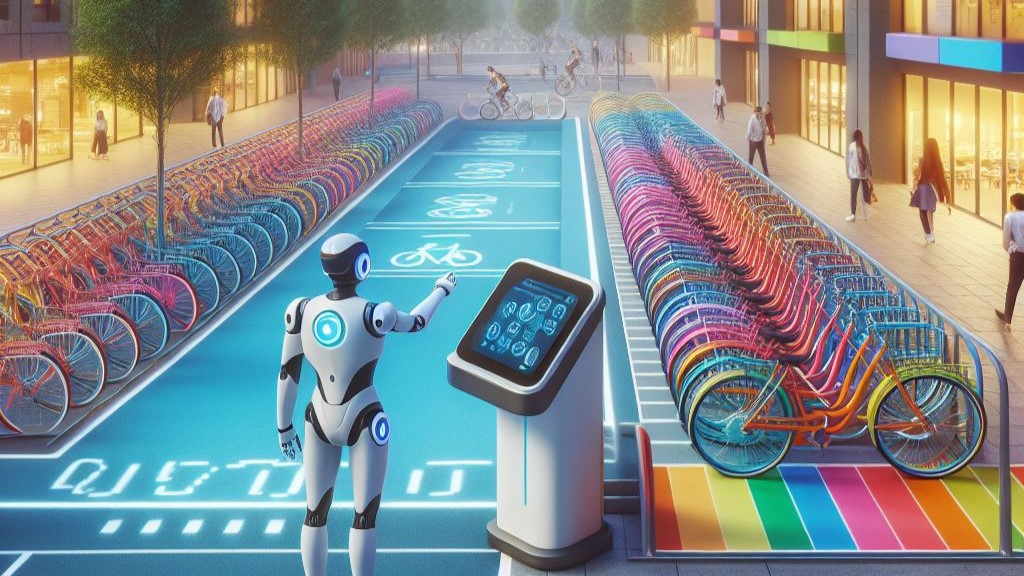
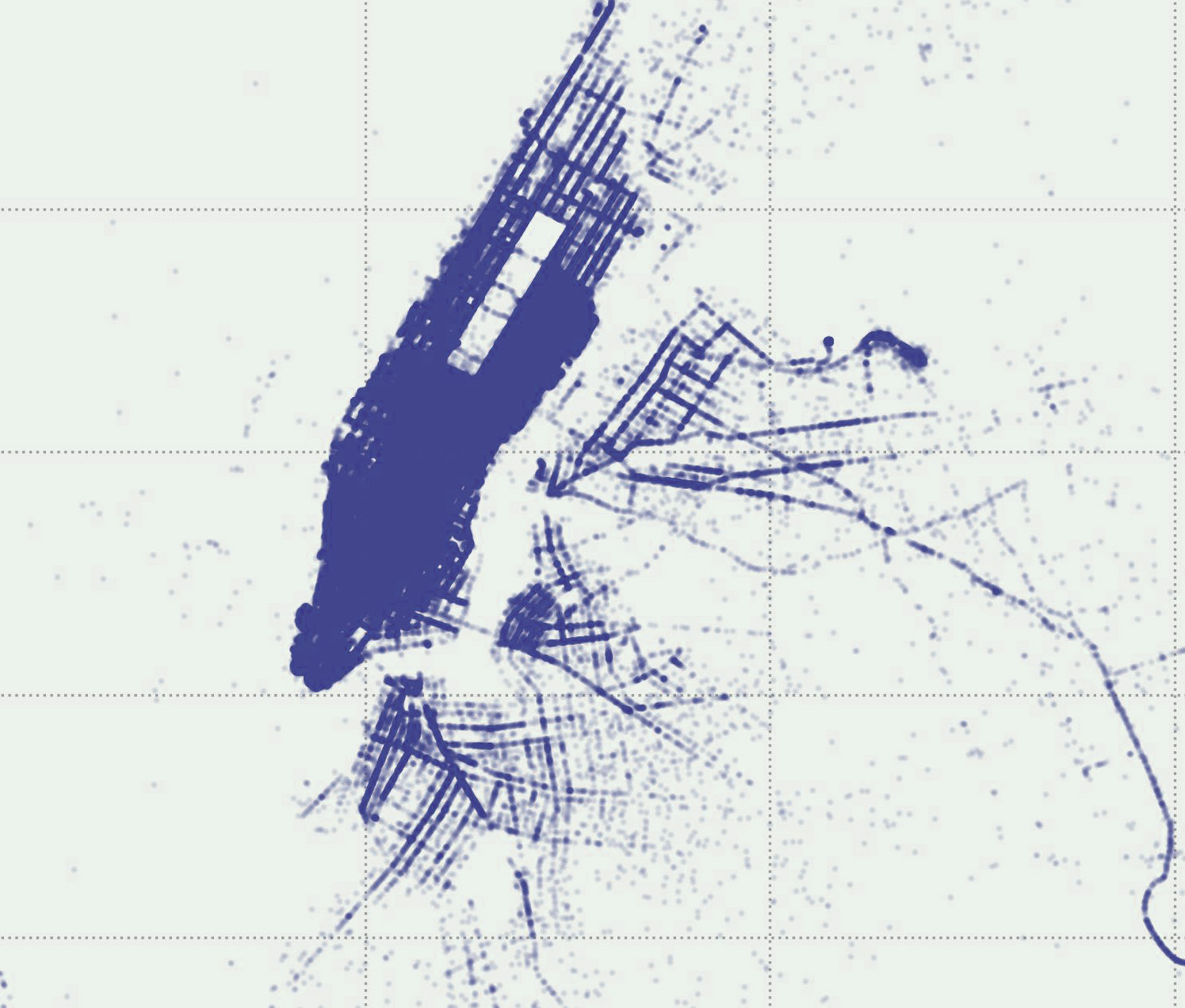
Predicting Biking Station Vacancy in Barcelona

Introduction Urban transportation planning relies on data science to explain the conditions driving mobility patterns. This exploration of bicing, Barcelona’s resident bike rental program, analyzes the actors impacting discrepancies in bicing data to select machine-learning strategies able to predict biking station vacancies across Barcelona for the year 2024 with an accuracy of 0.02387. With this … Read more

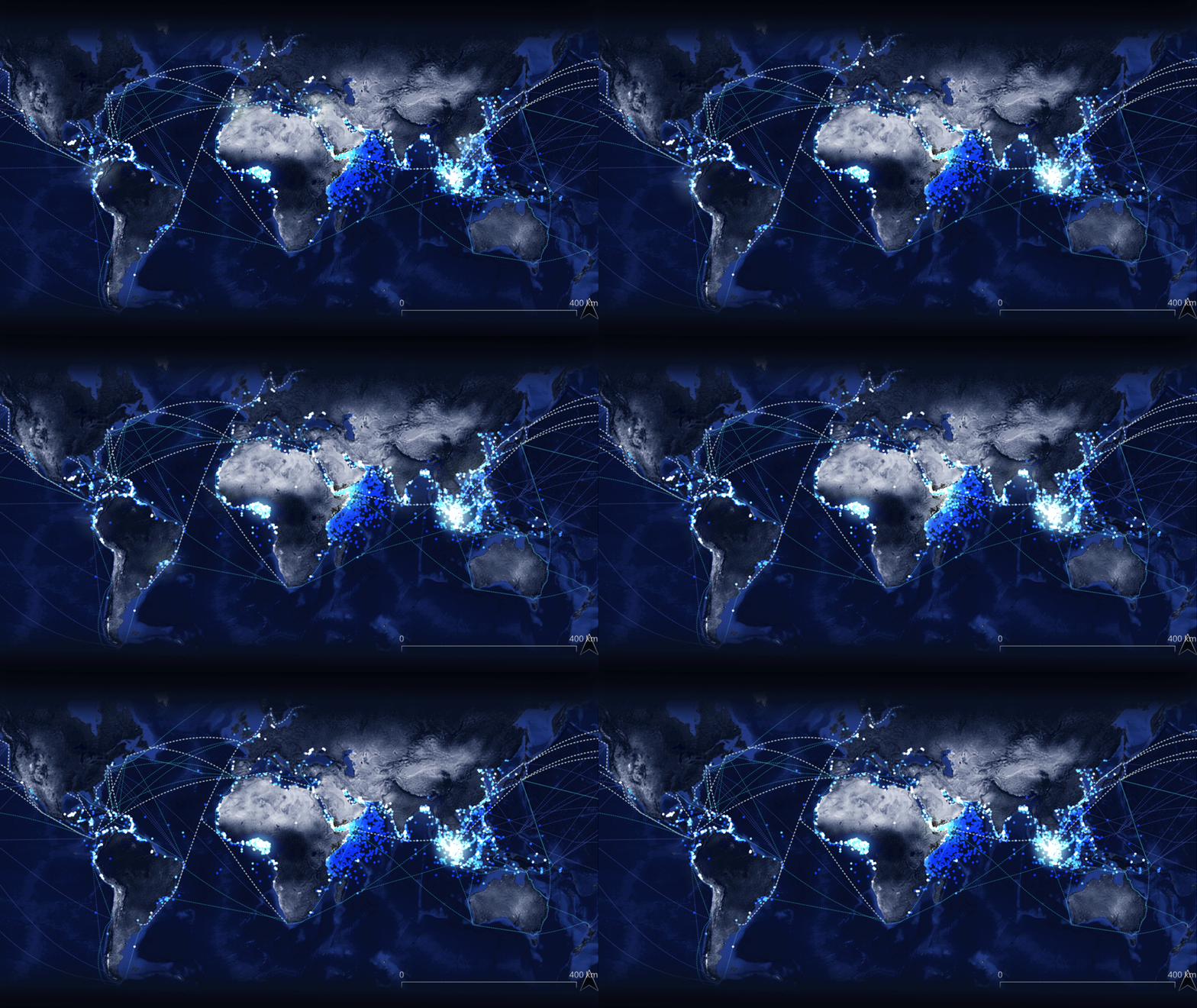
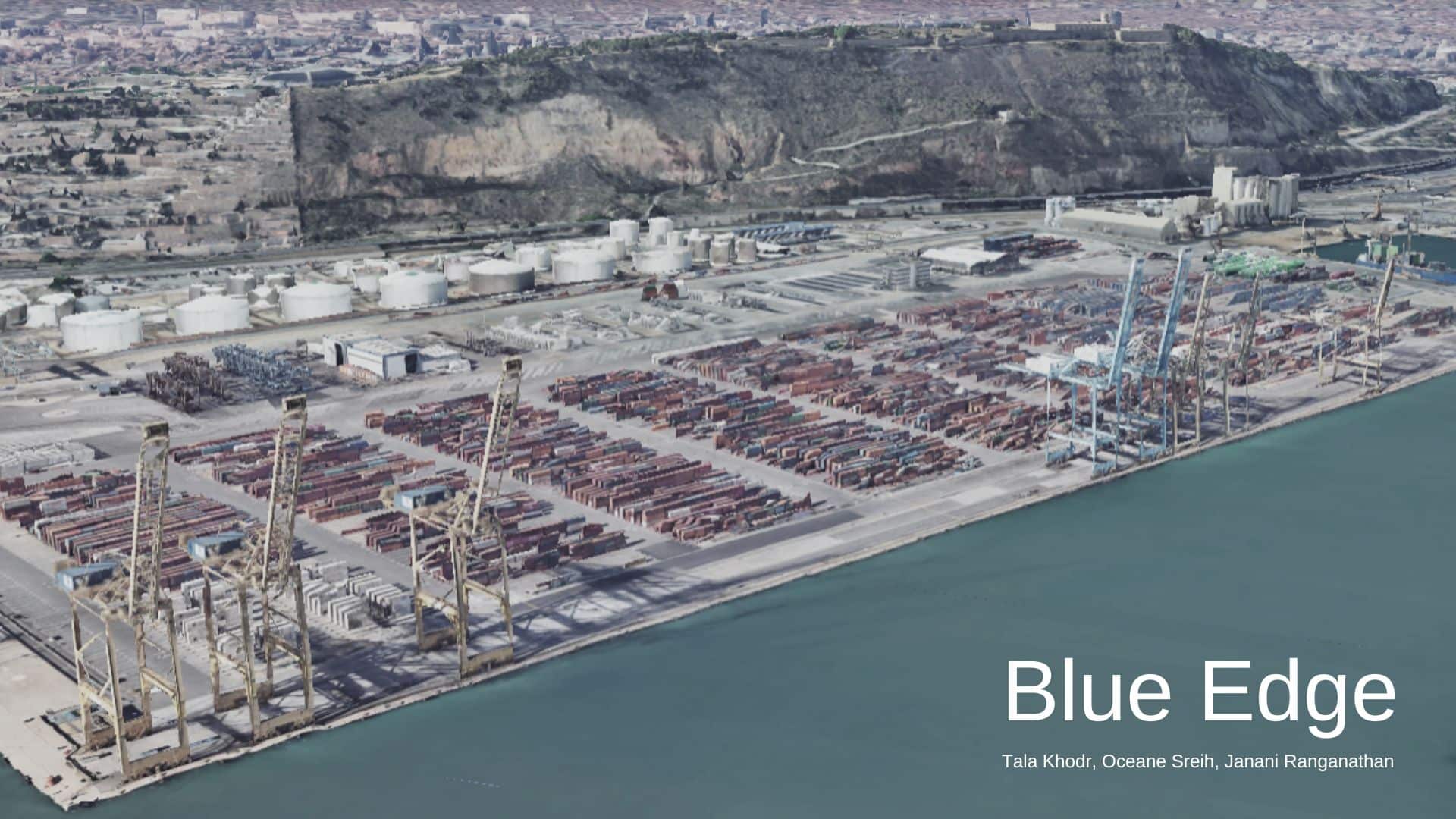
45 Years of Piracy: Strengthening Global Maritime Security through Non-Military Approaches

Our project embarked on a mission to tackle global shipping piracy without resorting to military action. We faced a major challenge: finding and using publicly available information to craft a proposal that countries and international organizations would support. 1. WHY SHIPPING PIRACY? Within the context of Networked Flows, our directive was to pinpoint potential disruptions … Read more

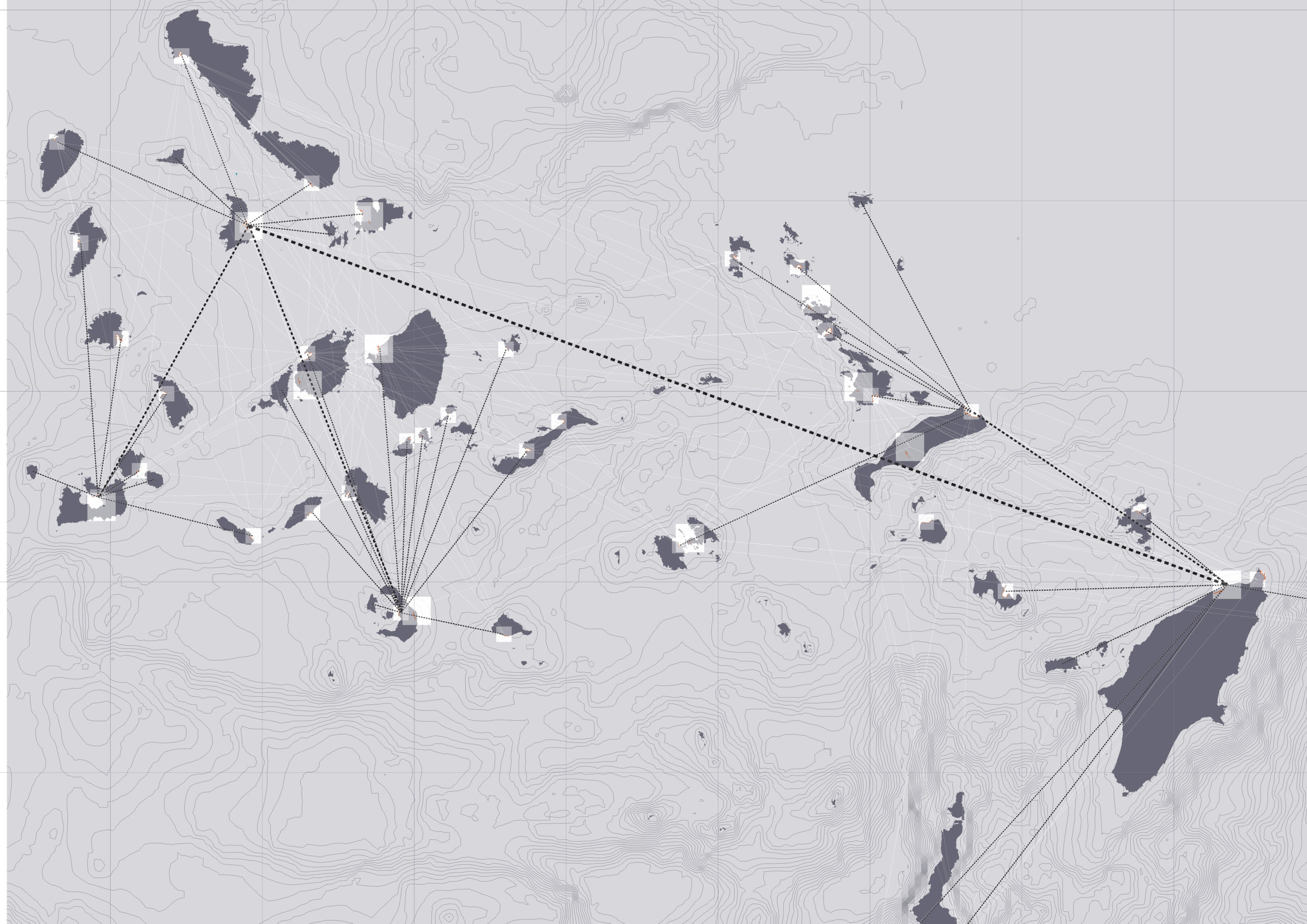
SKYWARD CONNECTIONS

A Data-driven Approach of redefining the Accessibility of the Dispersed Urbanity of the Aegean Archipelago Accessibility is a multifaceted concept that expresses the case of access between two points in space. In the context of islands, accessibility is of utmost importance due to their inherent characteristics of isolation and small size. The Aegean Archipelago in … Read more

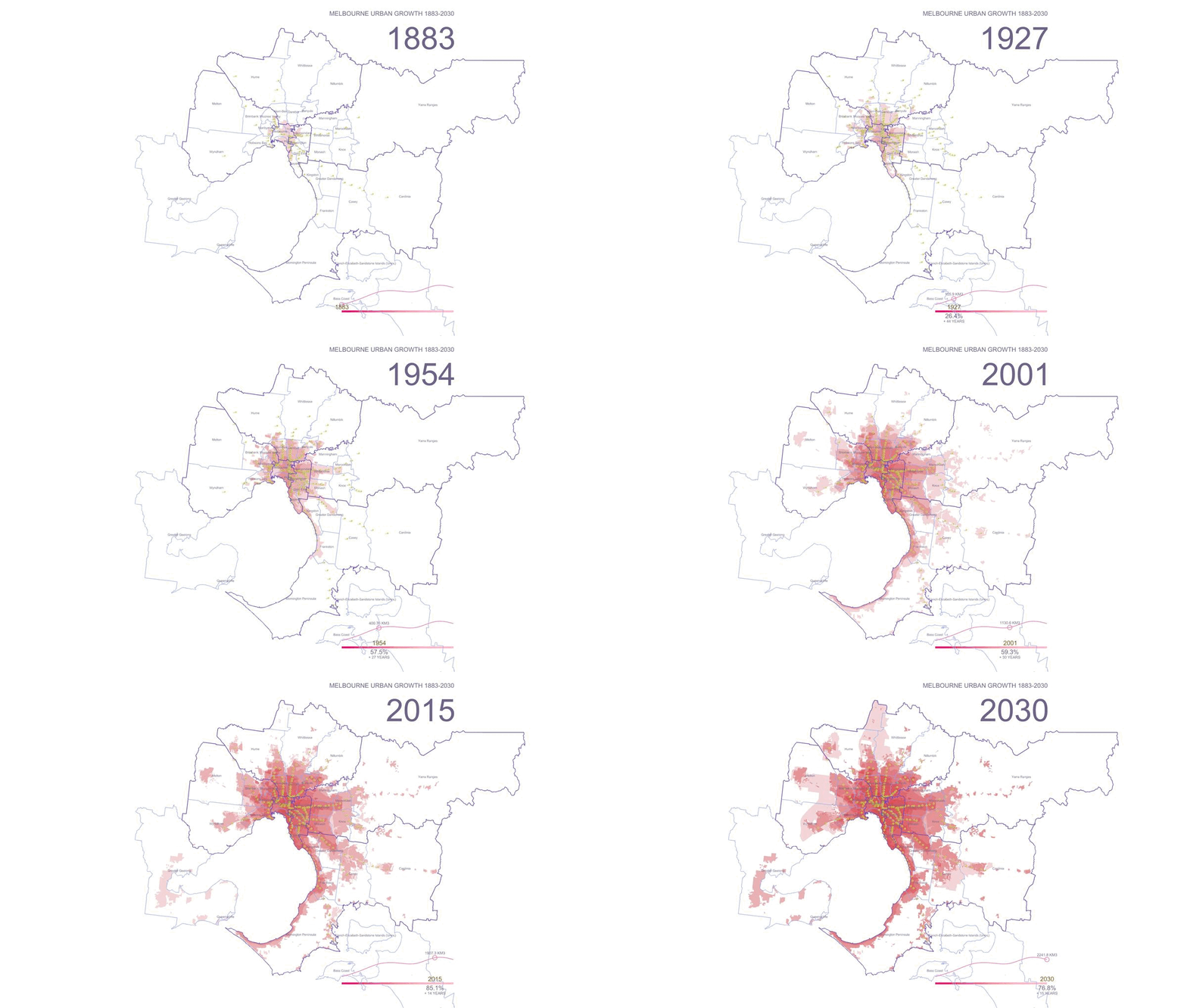
Remote sensing of the urban sprawl’s pace of Melbourne

urban growth Melbourne

Starting in 2015 urban development spread beyond the administratively defined Melbourne metropolitan area, into Greater Geelong and the Shire of Mitchell. The Melbourne Metropolitan Region or Greater Melbourne comprises 31 Local Authority Governments (LGA, municipalities and shires) aggregated in 6 metropolitan partnerships. Two of them, Inner and Inner South-East allocate the metropolitan core. This project … Read more

Big Data Analytics in the Airline Industry

The case of Greece The air connections constitute critical components of the entire transportation industry in Greece. The geopolitical position of the country as well as its geographical features (mountainous landscape, islands and sea) make the air transport industry essential not only to the regional development and the growth of tourist activity, that comprises a … Read more