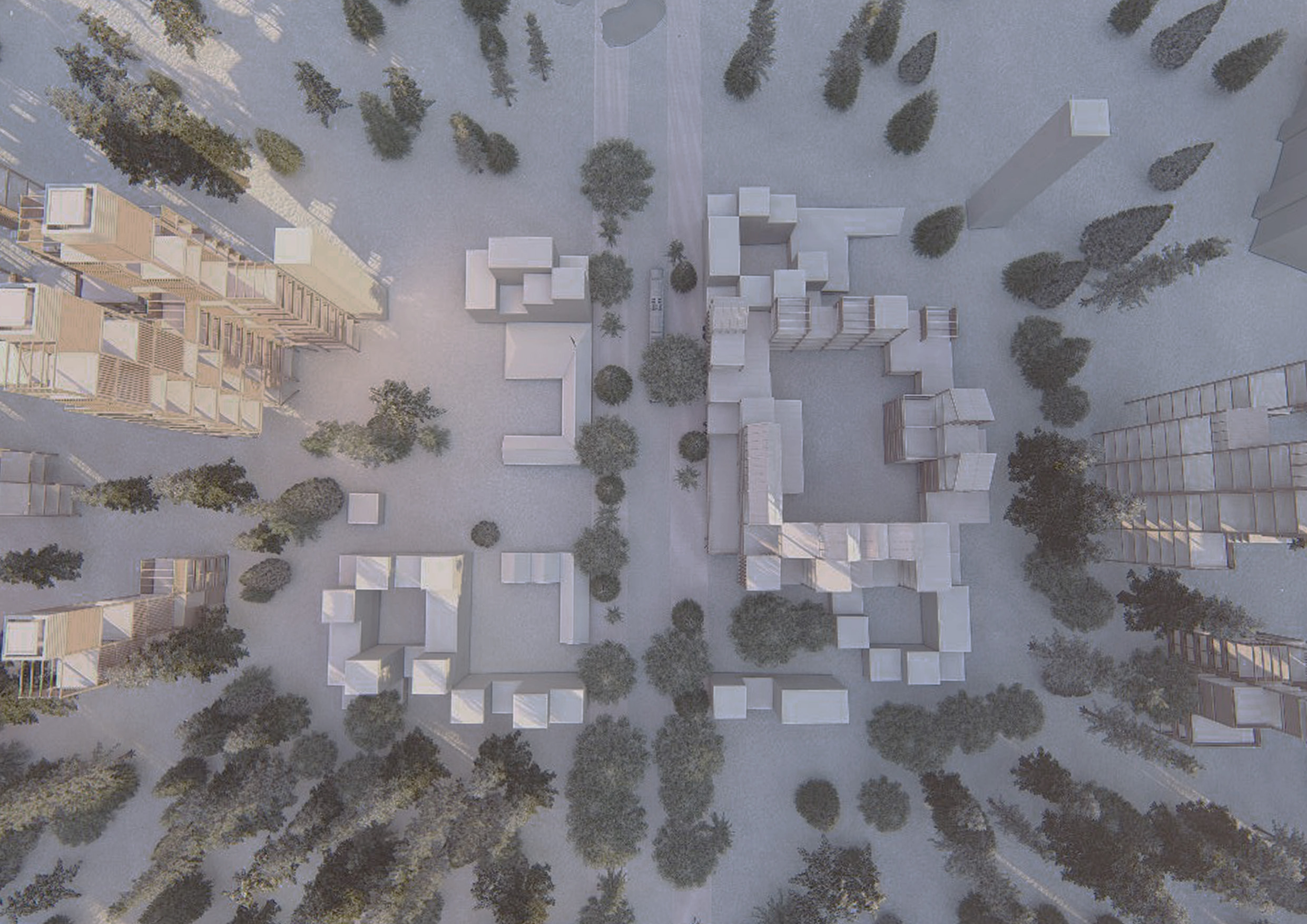
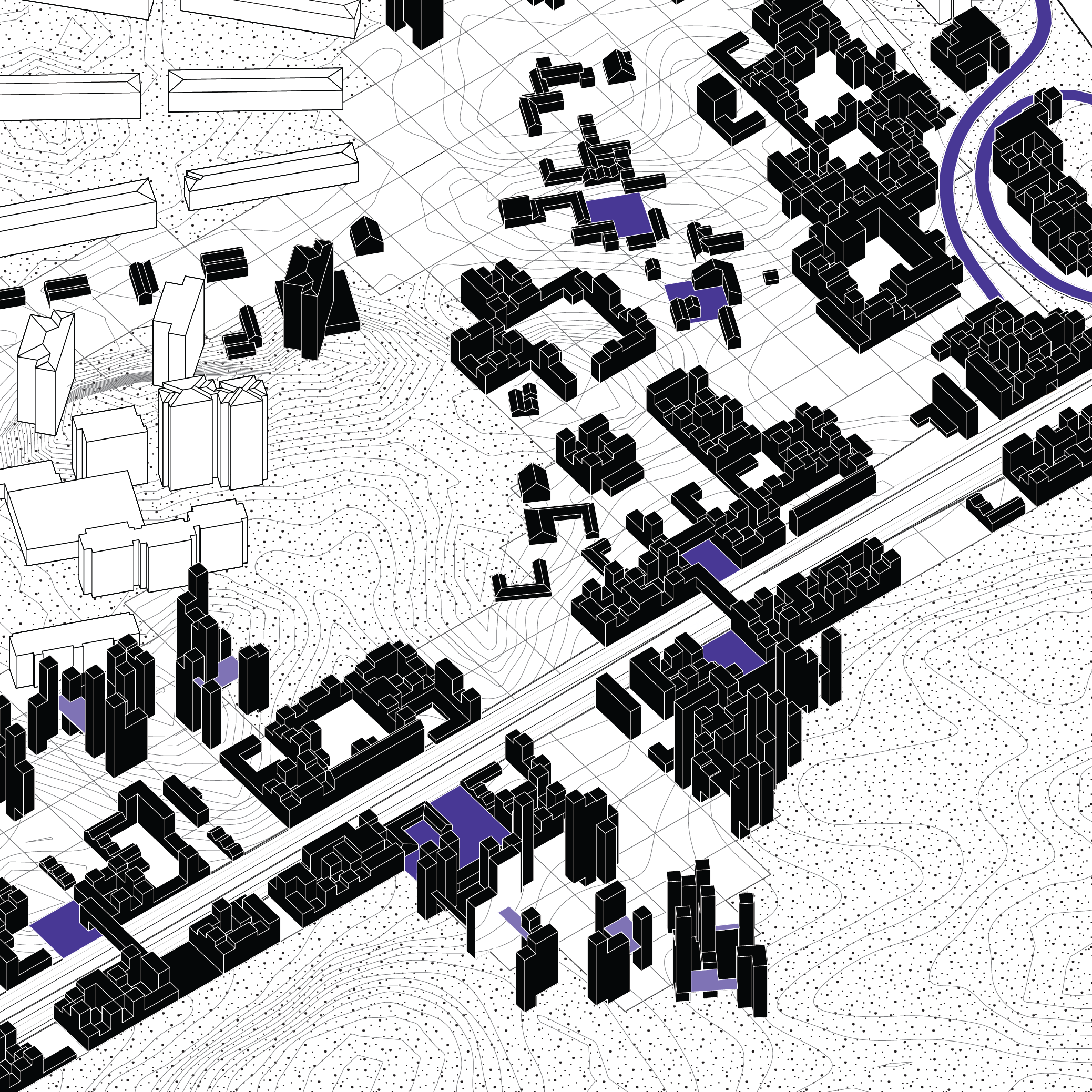
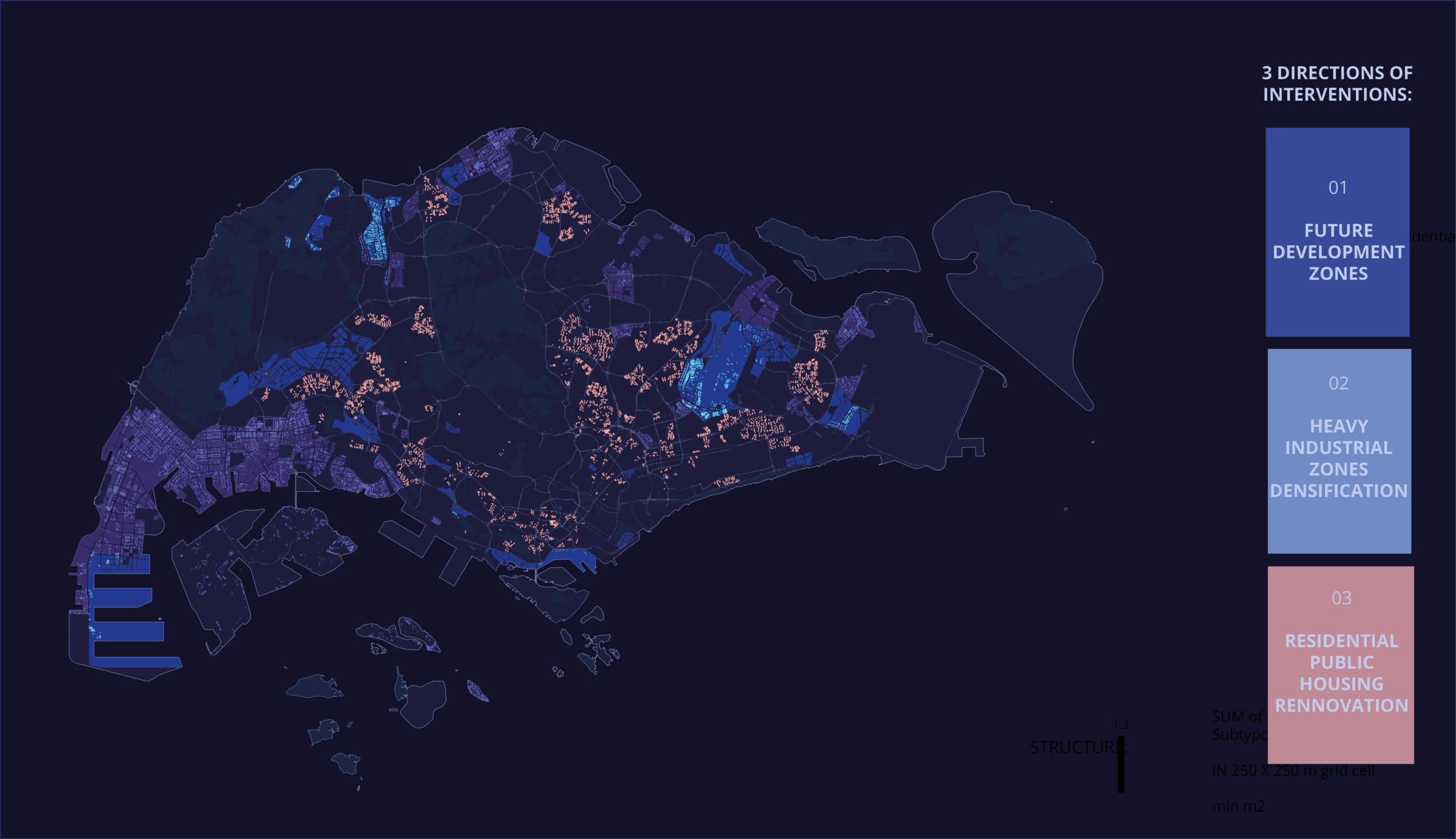
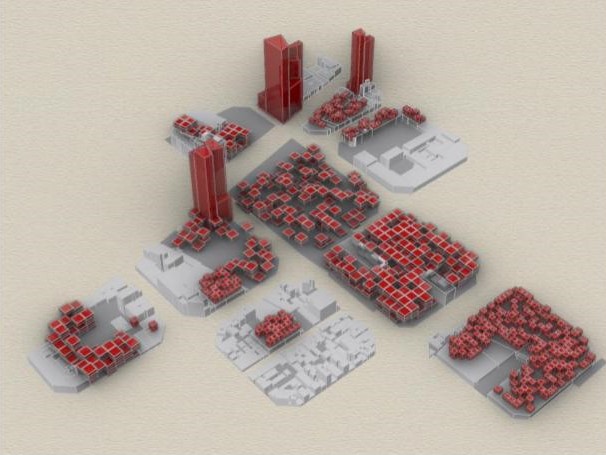
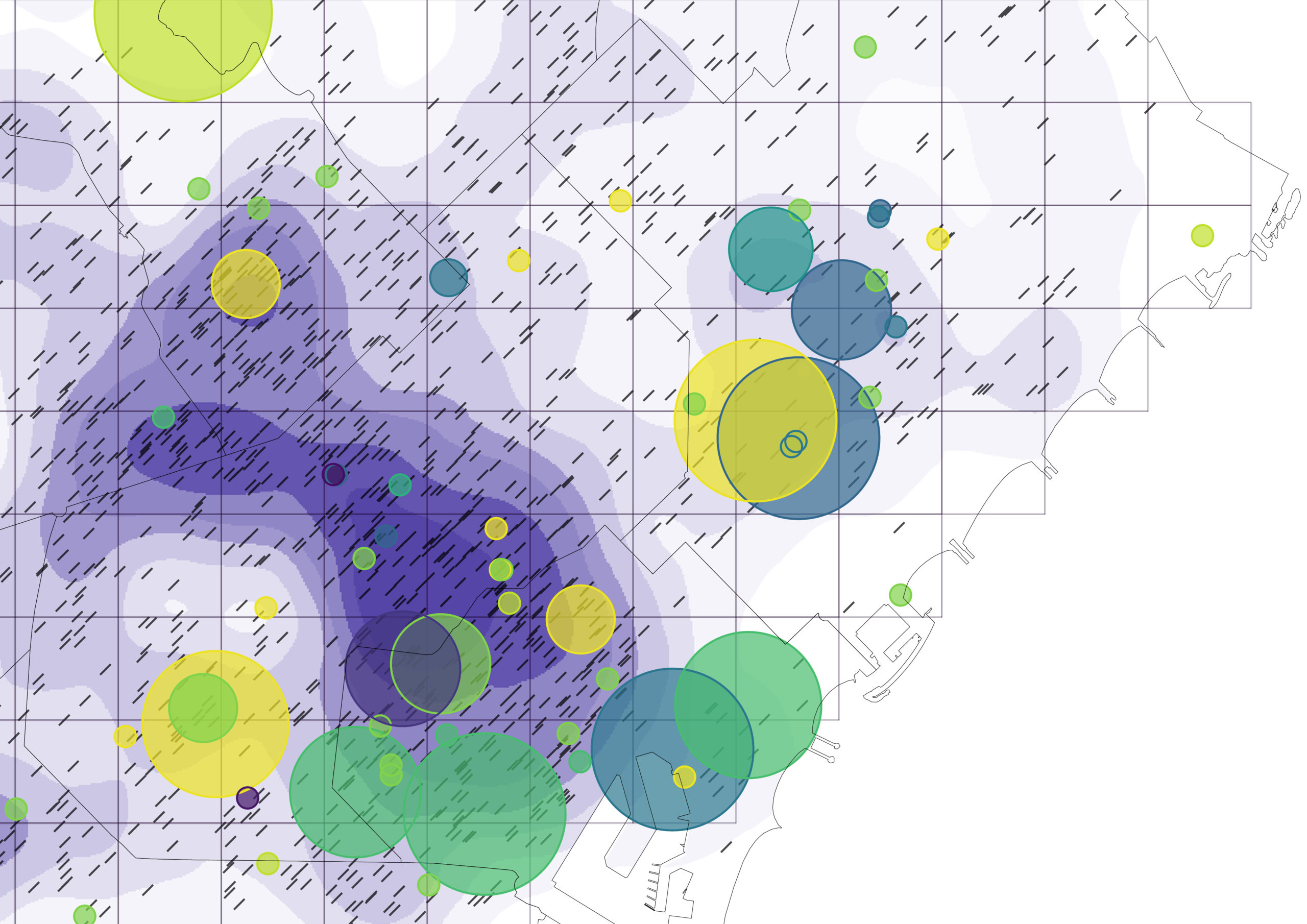
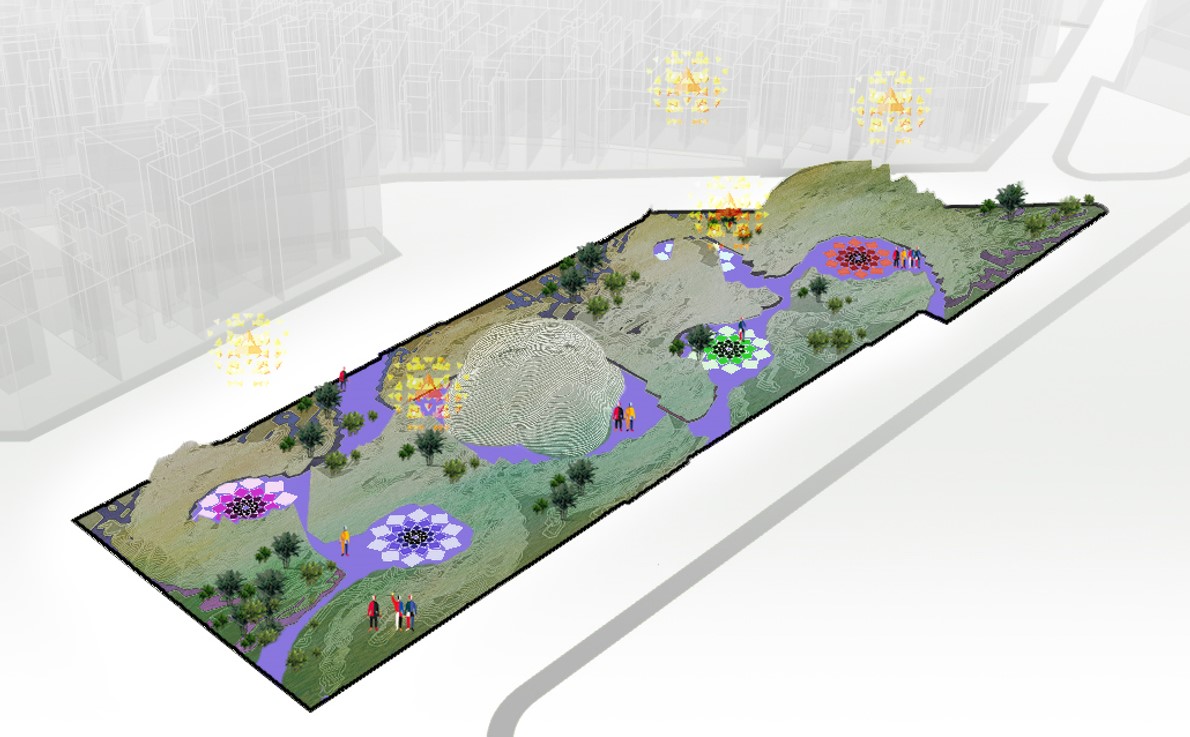
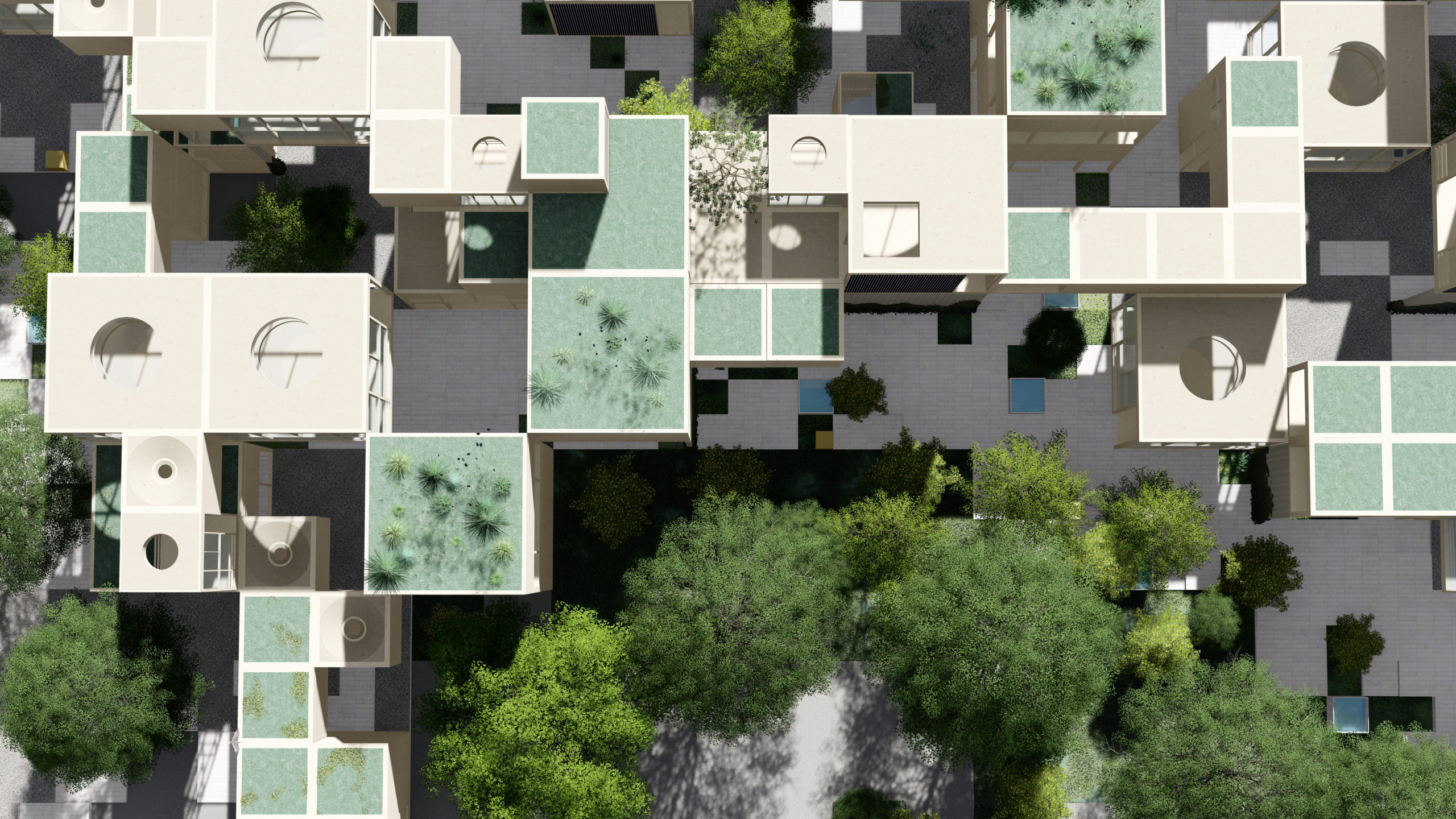
The Master in City & Technology’s academic structure is based on IAAC’s innovative, learn-by-doing and design-through-research methodology which focuses on the development of interdisciplinary skills. During the Master in City & Technology students will have the opportunity to be part of a highly international group, including faculty members, researchers, and lecturers, in which they are encouraged to develop collective decision-making processes and materialize their project ideas.

Filters
Course

Mumbai Dabbawala

Do you nip out to get your lunch from your favourite café, or perhaps use the Uber Eats app to get your lunch delivered to your office? In India, lunch is a whole different ball game. It’s people-powered – made at home that morning and delivered straight to you, all absent of any technology in time. … Read more

SILENCED VOICES

An Exploration of the Epidemic of Femicide “How many more women must fall victims before we recognize that femicide is a real and pressing social problem that demands our attention? Despite its significance, many people are still unfamiliar with the term. Femicide is the ‘the intentional killing of a woman because of her gender‘. It … Read more

Dislocating Creativity

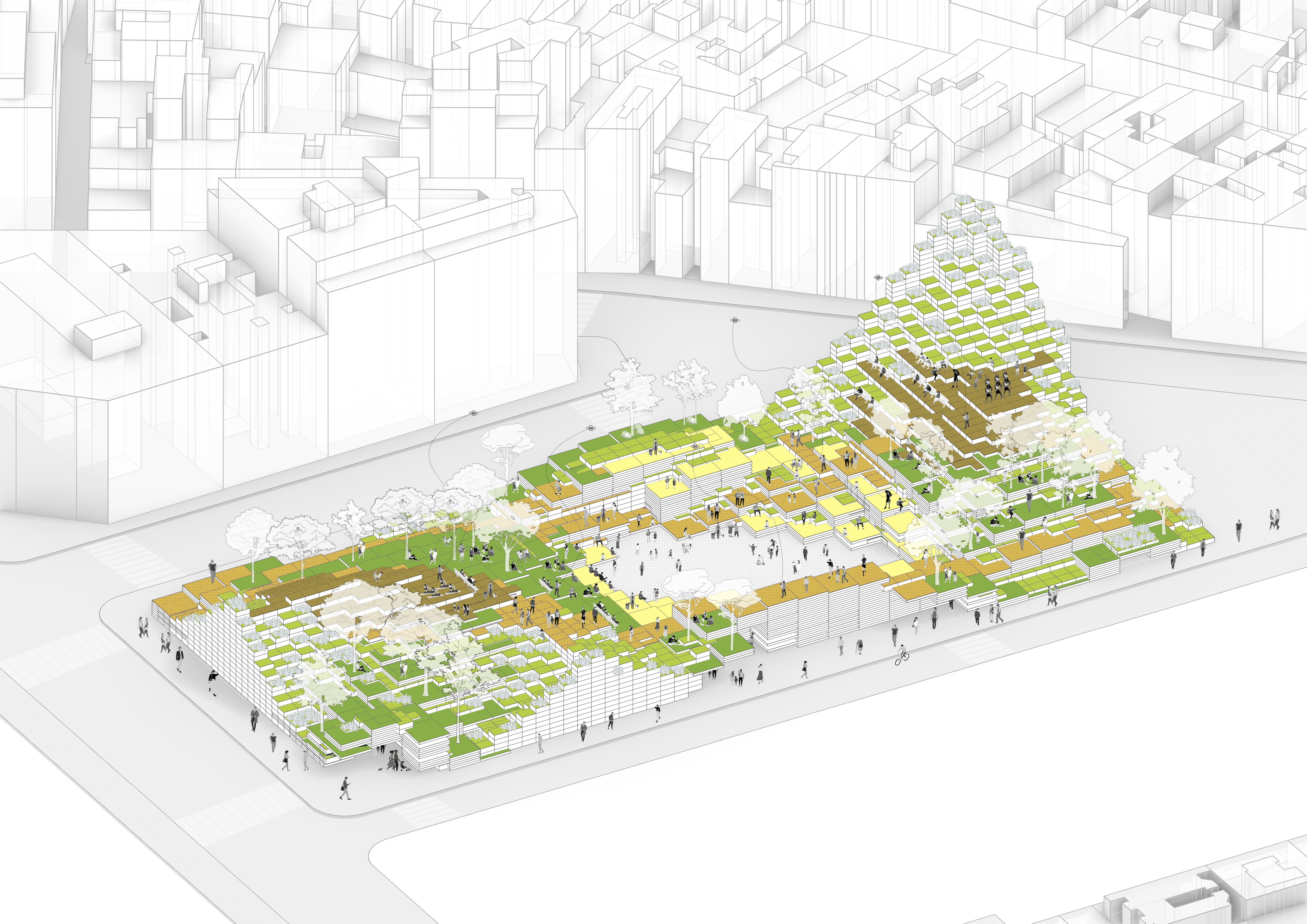
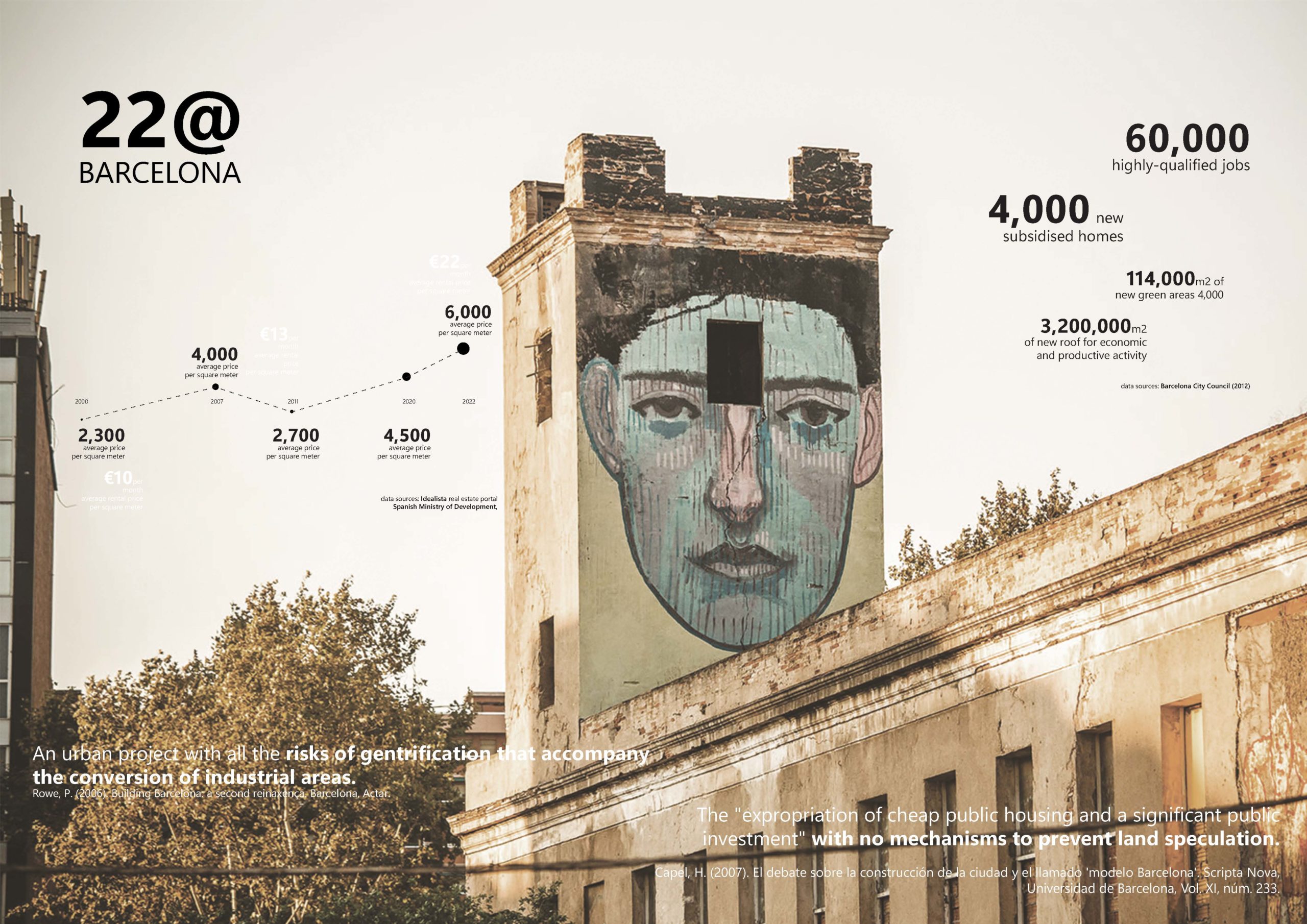
“A Data-Driven Approach to Balancing Creative Class Development and Social Equity in Barcelona” The creative industries have been acknowledged as one of the most important sectors for economic growth and development in current cities worldwide. This sector represents a space of culture where all artistic and creative expression that pro-actively enters into dialogue with new … Read more

Housing for All

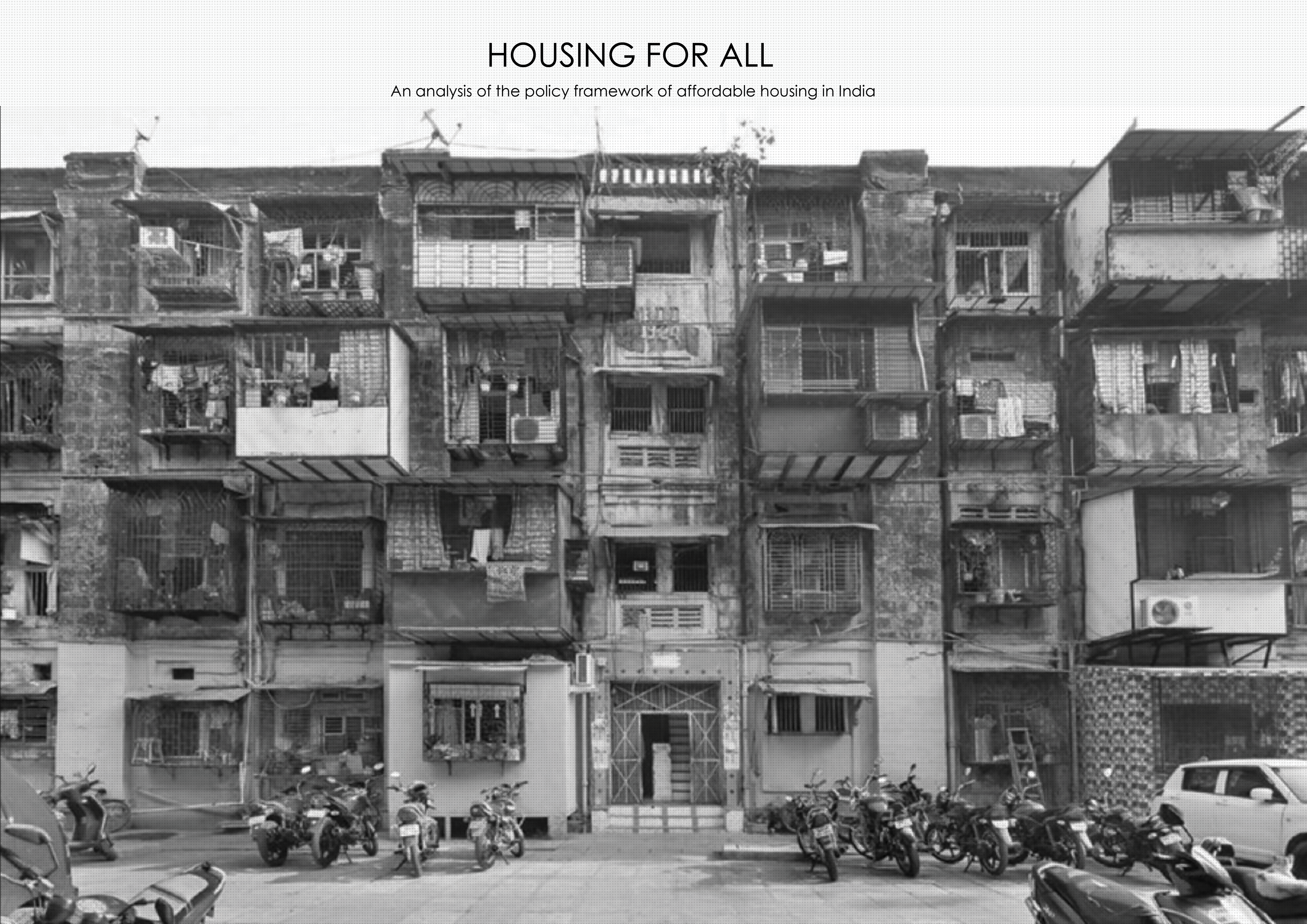
India is one of the fastest developing countries with many metropolitan cities like Mumbai, Bangalore, and Hyderabad. Migration from villages and small towns to metropolitan areas has increased tremendously in India and led to the degradation of urban environmental quality and sustainable development especially in the metropolitan cities. The problems faced by the people living … Read more

Towards Urban Democratic Adaptation

Adaptation districts towards prioritized urban interventions  in cities with limited green spaces.  The case study of the metropolitan area of Athens, Greece Athens, during the four last decades, has been extremely urbanized while changing the environment dramatically. By reclassifying open spaces and networks of urban mobility, this model aims to suggest strategies for prioritized urban … Read more

The Air we Breathe

An analysis of the correlation between population and air quality in the districts of Barcelona. The air quality in urban areas have rapidly declined over the years. In the process of economic development, air pollution has become a significant health hazard. This project analyses the relationship between population density and air quality levels in Barcelona. … Read more

The Green Ally

In Spain, there is an urban myth, according to which – The country was once so thickly forested that a squirrel could cross the peninsula hopping from tree to tree. -However, this condition has changed throughout the years, both in terms of the natural environment and the existence of squirrels in Spain. The case study … Read more

City of Proximities: Public Markets in Madrid

Madrid Public Markets SystemThe toolkit for municipalities, food delivery platforms and local residents 1/ Overall PerspectiveA first overview of the city of Madrid, throughout its administrative districts, their socio-demographics variables, the location of 46 municipal markets and the proximity patterns between them. 2/ Markets Around the Clock To allow citizens to engage with the markets … Read more

The Wild Deal

ABSTRACT Urban Rights is a term which has been coined by the philosopher Henri Lefebvre (Lefebvre, 1967)  and further explored by David Harvey (Harvey, 2003). It is a concept of a collective right to change the city and shape the process of urbanization. Thus, the right to the city does not merely address what the … Read more

Healthcare BCN

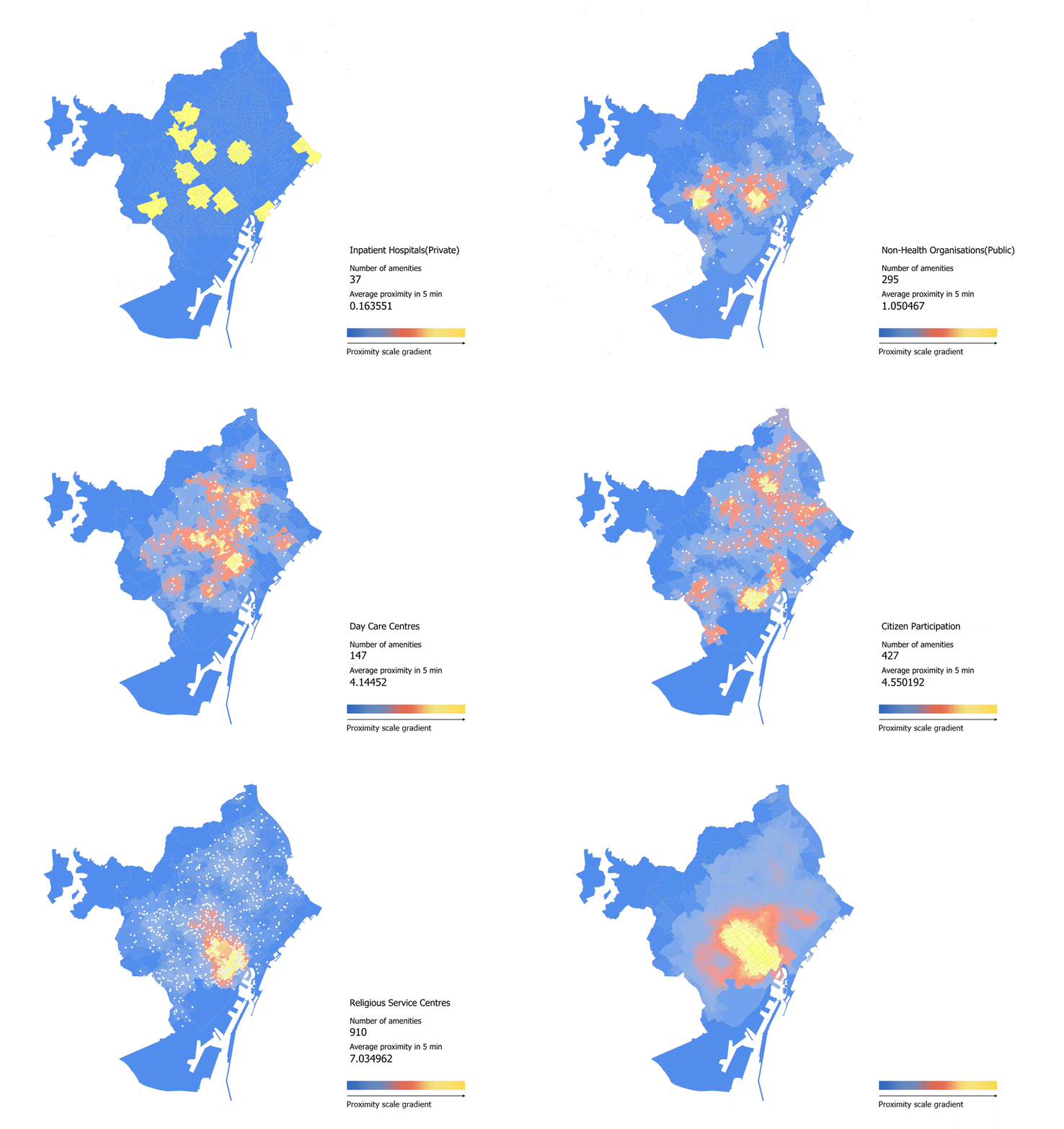
Understanding and analysing the existing Healthcare system of Barcelona with the help of open datasets available. This further helps us to understand the robustness, need and requirement to fill the gaps in the system if any with respect to their typologies and location as per districts Step 1: Documenting the distribution of different types of … Read more