IAAC’s Master in City & Technology (1 or 2-year program) is a unique program oriented towards redefining the analysis, planning, and design of twenty-first-century cities and beyond. The program offers expertise in the design of digitally enhanced, ecological and human-centered urban environments by intersecting the disciplines of urbanism and data science. Taking place in Barcelona, the capital of urbanism, the Master in City & Technology is training the professionals that city administrations, governments, industries, and communities need, to transform the urban environment in the era of big data.


Filters
Course

The Linear City Model
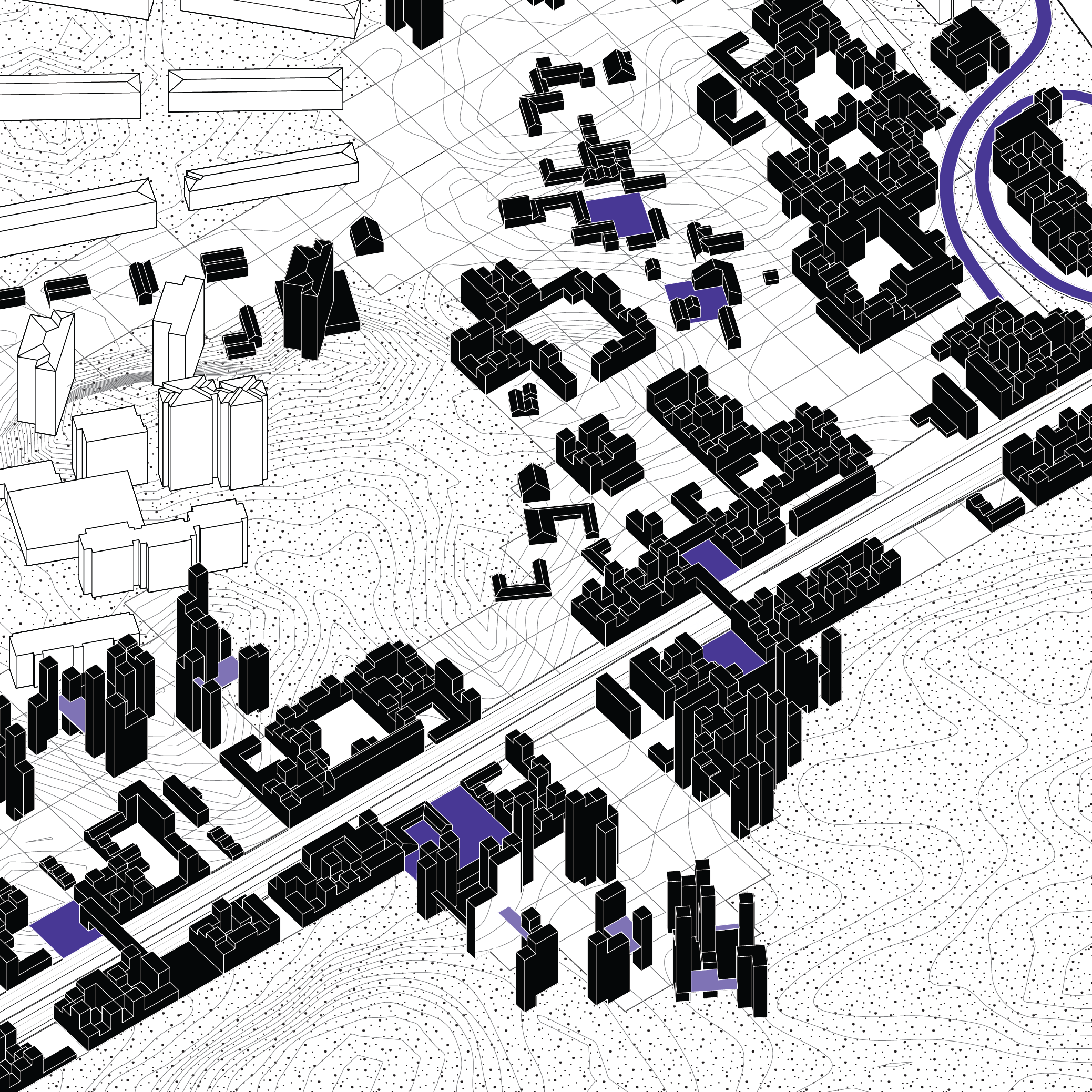
Optimizing Helsinki’s Boulevard Densification Method Helsinki, the vibrant capital of Finland, faces significant changes as it prepares for the future. With important challenges ahead such as the continuous population growth for the next decades and the associated risk of urban sprawl in suburban developments, the city must address the issue of land fragmentation by transforming … Read more
Mitigating embedded CO2 in the urban tissue of Singapore

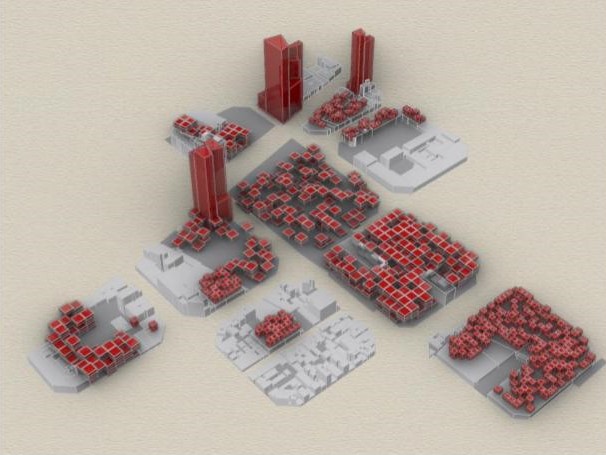
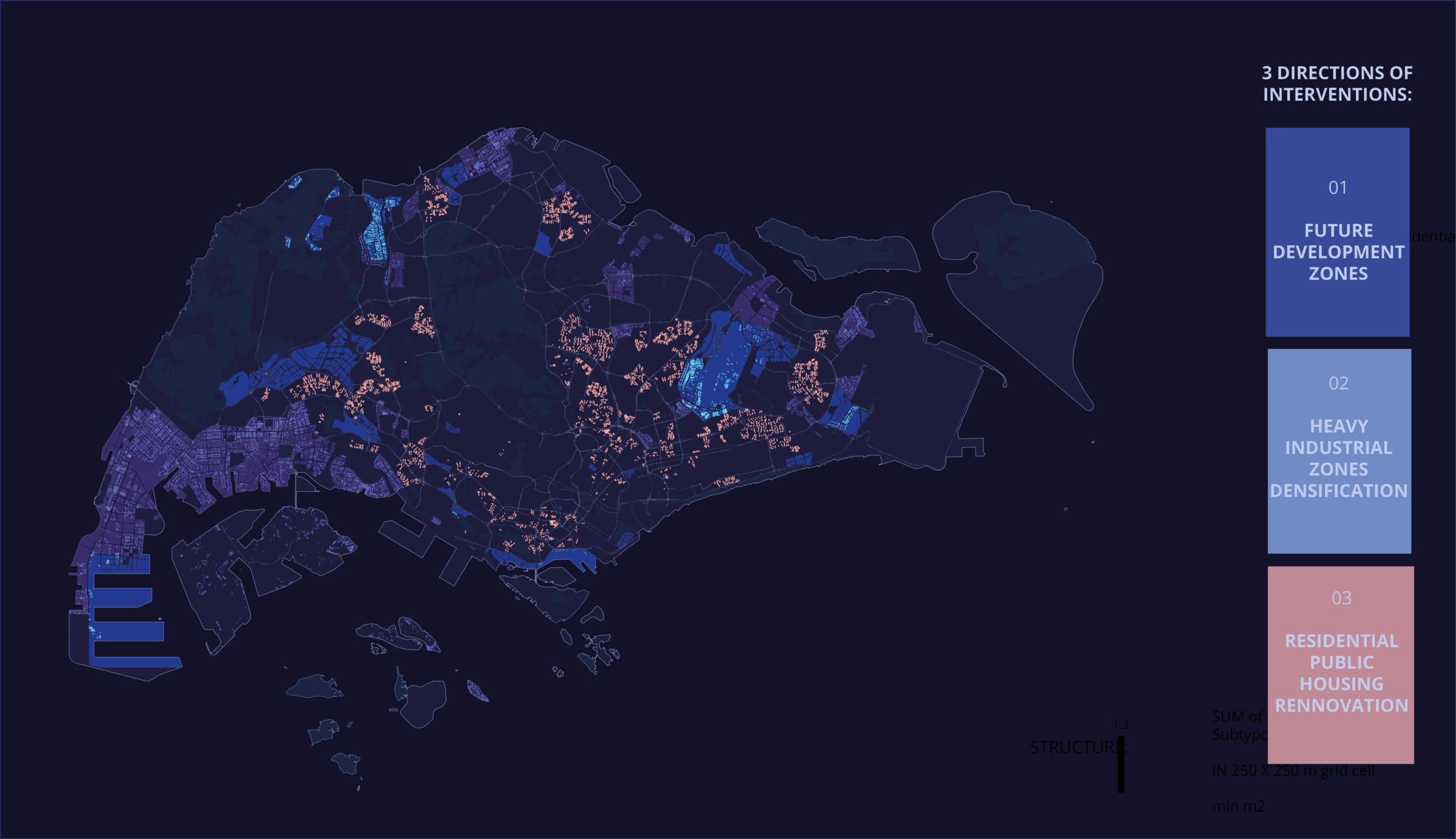
Main challenge: densify city,  connect nature, and mitigate embedded CO2 Singapore is one of the densest countries in the World. Nature-conscious city densification has to consider reimbursement of natural patches within built environment, applying an connecting nature approach similar to a multi-tiered tropical forest. Mitigation of embodied carbon stays in  a row with nature connectivity. … Read more

Park it Up!

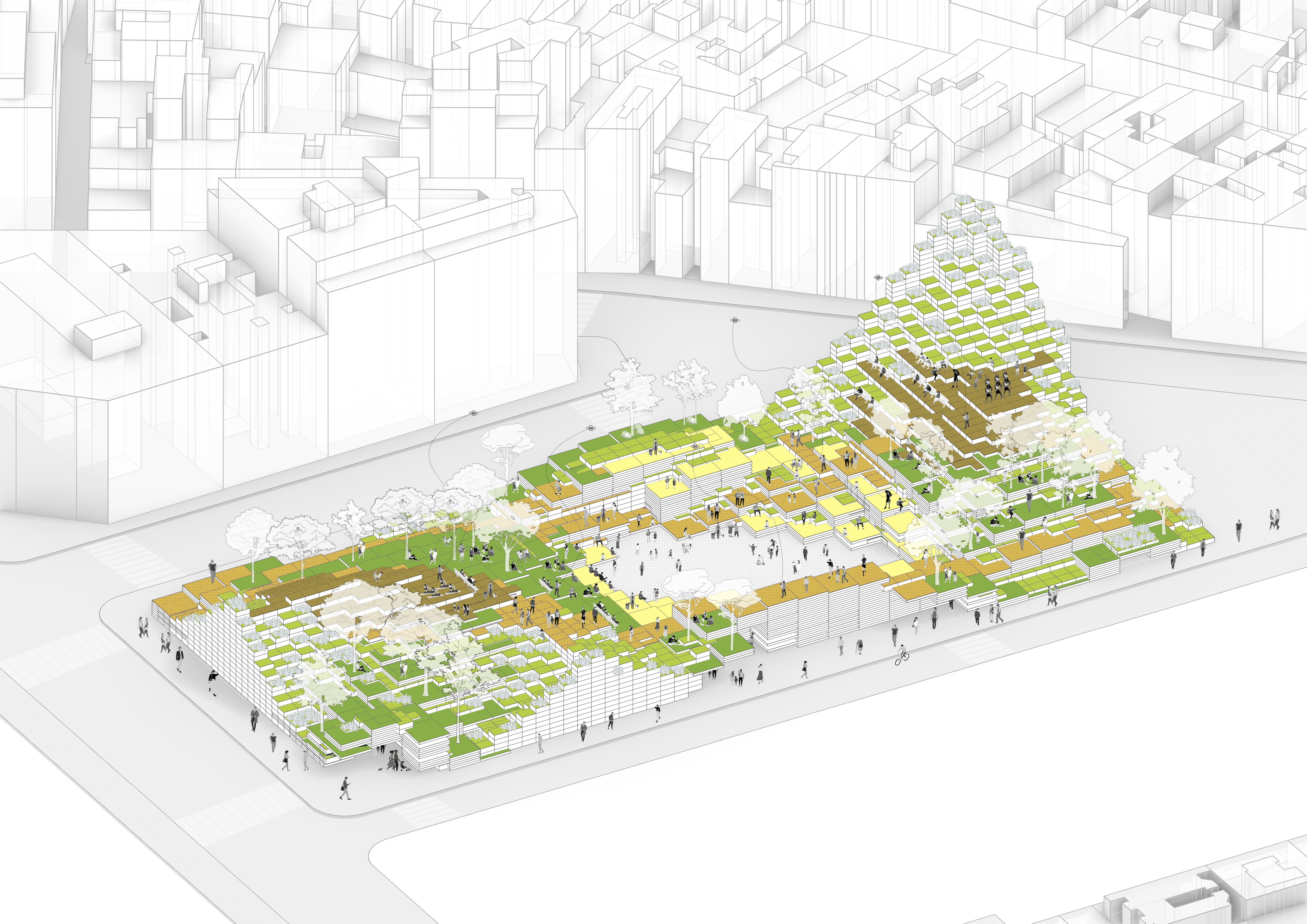
Park it Up! was developed by Joseph Bou Saleh, Gayatri Agrawal,  Flavia Vallarino, Giacomo Canale, Clara Conte, Paula Stammen, Jacob Mader,Thomas-Xavier Rousseau, with the support of trainers from the Vienna University of Economics and Business, the Institute for Advanced Architecture of Catalonia, the University of Genoa and ALDA, during the Green Skills for Cities project, … Read more

Punta Vagno

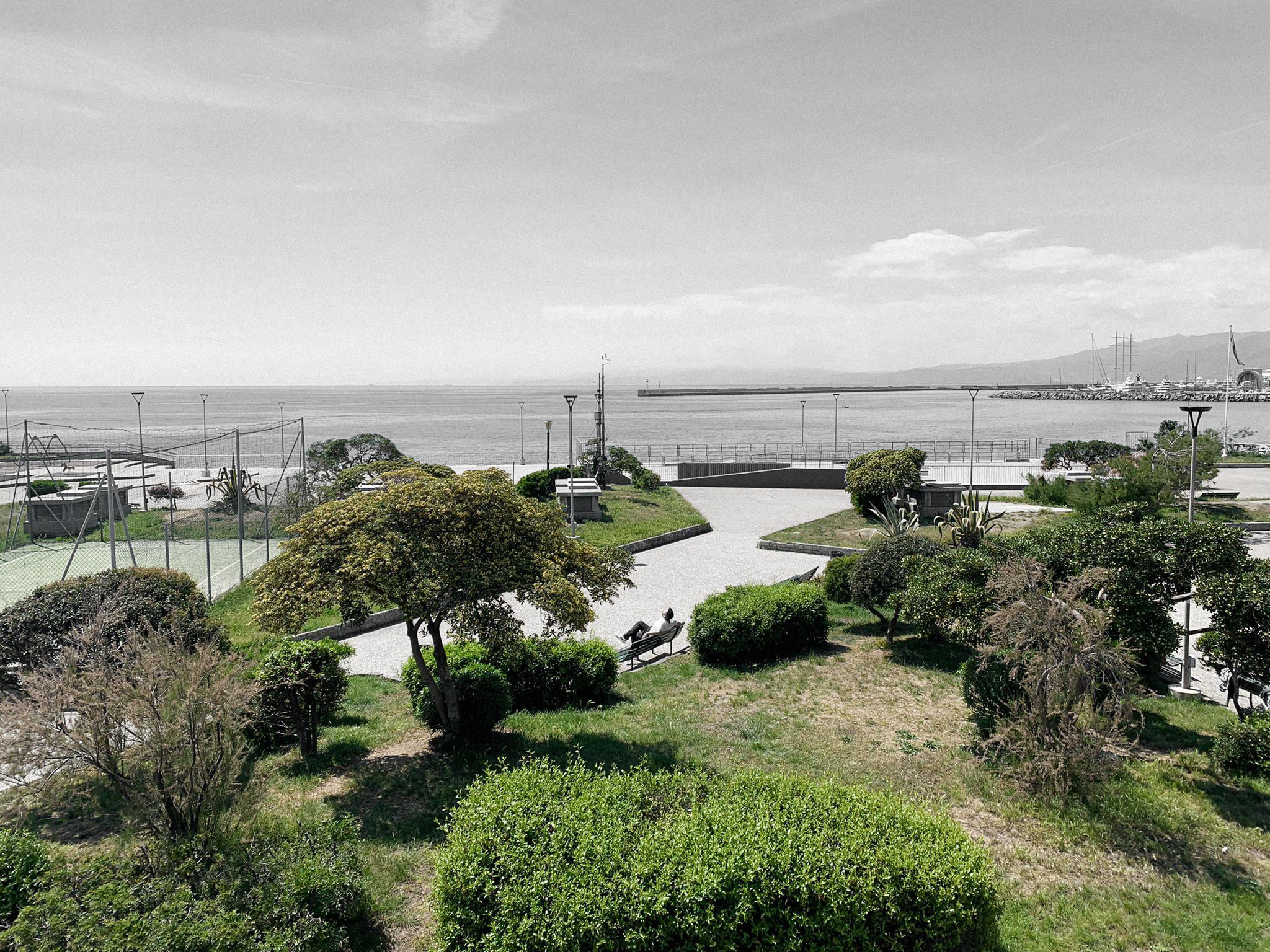
Punta Vagno! was developed by Kriti Bhavesh Nirmal, Maddalena Caviglia, Noé Guérin, Sophie Köcher-Schulz, Maria Augusta Kroetz, Étienne Lajoie-Asselin, Joshua Mingers, Marta Pianta, with the support of trainers from the Vienna University of Economics and Business, the Institute for Advanced Architecture of Catalonia, the University of Genoa and ALDA, during the Green Skills for Cities … Read more

‘Optimizing Barcelona’

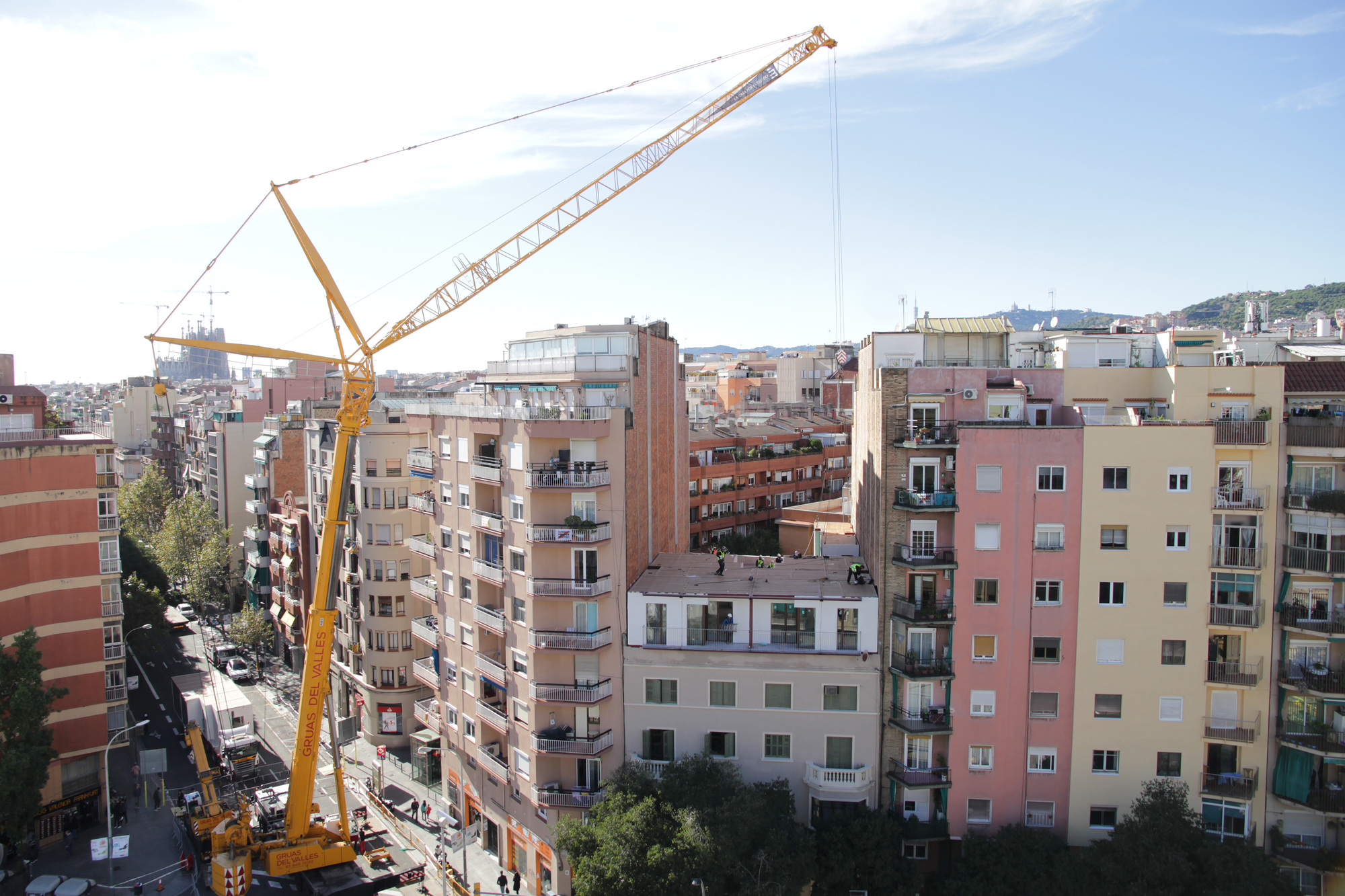
Before the implementation of Cerda’s radical expansion plan, Barcelona was bound by their medieval walls and making every effort to accommodate its overflowing population. Cerda’s plan took into account scientific objectives that would create a city that is not just a well planned co-habiting space but also user-centric. Some of his objectives were gardens in … Read more

[RE]CONSTRUCT

This research project aims to investigate the lifecycle of commonly used construction materials in Barcelona, analyse the materials being demolished in the city, and explore the waste management practices employed by Barcelona for construction and demolition waste. The primary objective is to provide valuable insights into the environmental impact and sustainability of construction materials, identify … Read more

Active Ageing in Barcelona

The project focuses on promoting the physical, mental, and social well-being of older adults in the city of Barcelona through various initiatives, the goal is to empower older adults to remain active and engaged in their communities, and to promote healthy ageing and independence. Projected population aged 65+ What is Ageing? Health in the older … Read more

Predicting Taxi Trip Duration in New York City Using Machine Learning

Machine learning has been applied to a wide range of domains, including transportation, to improve the accuracy of predictions and optimize systems. In the context of taxi services, predicting the trip duration is an essential task to optimize route planning and estimate arrival times. In this post, we present a machine learning approach using Python … Read more

Gridscape.ai

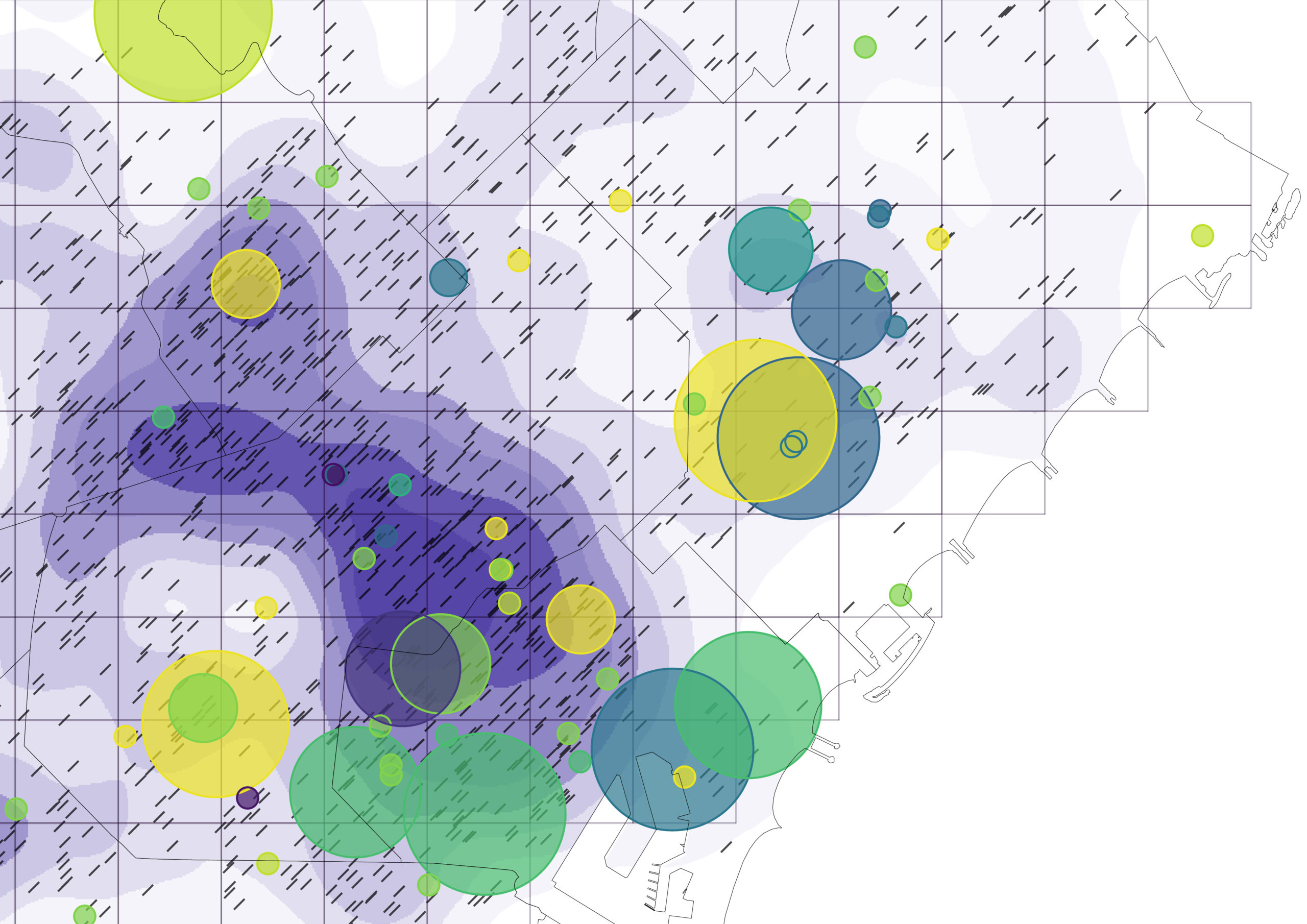
INTRODUCTION Urban planning decisions have a significant impact on the development of cities, and using machine learning can provide decision-makers with valuable insights to make informed decisions. By clustering urban areas based on various factors such as population density, built density, POI density, green cover, and build diversity, we can reveal spatial patterns that can … Read more

BullerbyNet

The Core challenges of urban childhood As cities grow and develop, there is often a lack of safe and child-friendly spaces for children to play, walk or bike alone. The increase in traffic and air pollution makes it challenging and unsafe for children to travel on foot or by bicycle. Crime and social fear also … Read more

ONE MUMBAI!

Climate change is increasing the frequency and severity of extreme weather events, and cities like Mumbai with a population of over 12 million people, is particularly vulnerable to the impacts of climate change. In fact, studies have shown that Mumbai is one of the cities most at risk from rising sea levels more intense floods, … Read more

Meteo sanctum

The project reflects on how people in ancient times defined natural and weather phenomena. The proposal is to create an open public space – Inspired by the concept of an ancient sanctuary with places that used to be built for worship and predictions of weather conditions, the Meteo Sanctum consists of digital indicators that allow … Read more

Public Pulse

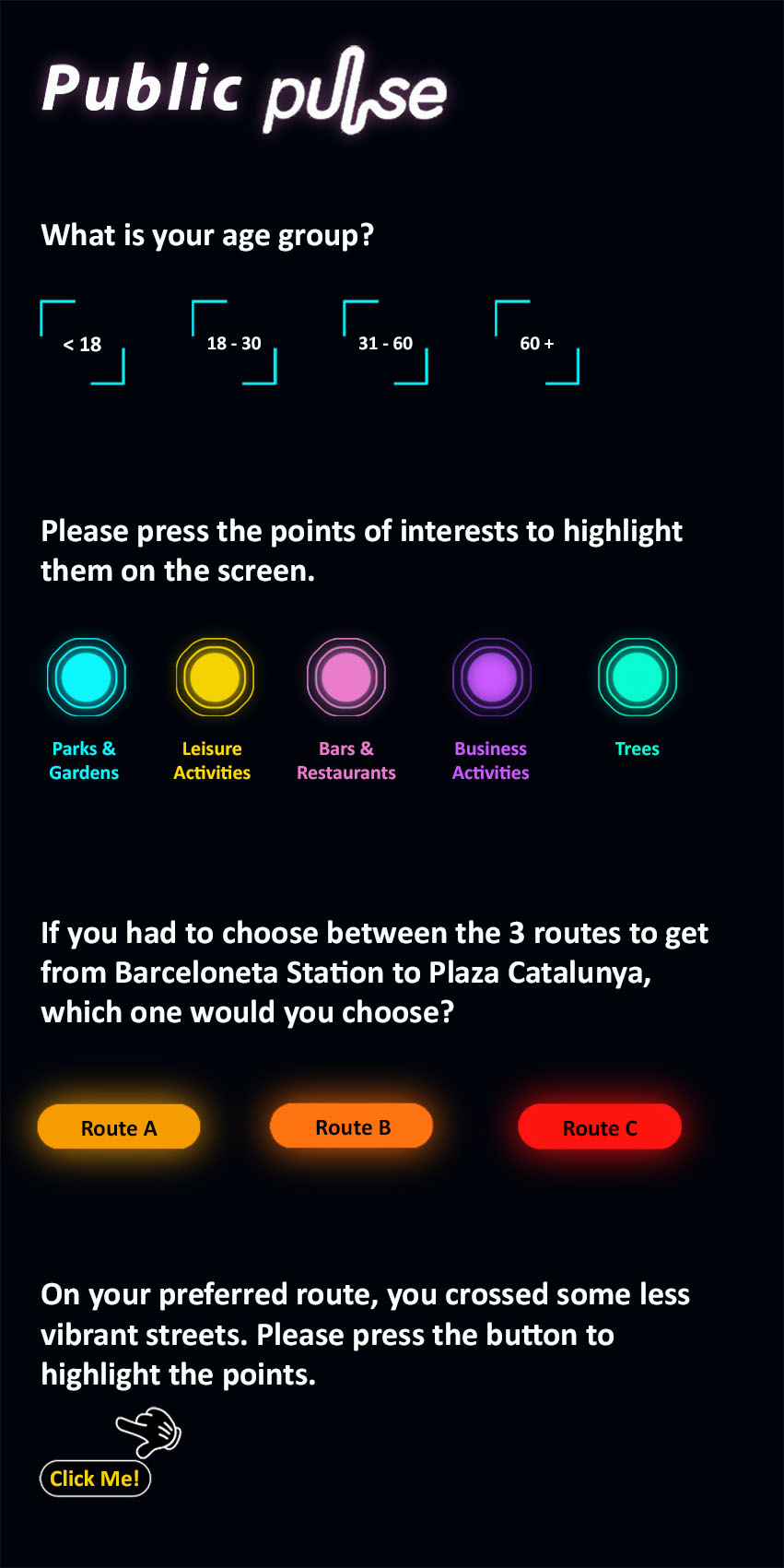
PROBLEM A lack of activities and engagement in certain streets can lead to a decrease in their vibrancy and vitality. This can manifest in empty streets, dilapidated buildings, and a dearth of social and cultural events. Over time, these areas may become less desirable places to live or visit, perpetuating the cycle of neglect and … Read more