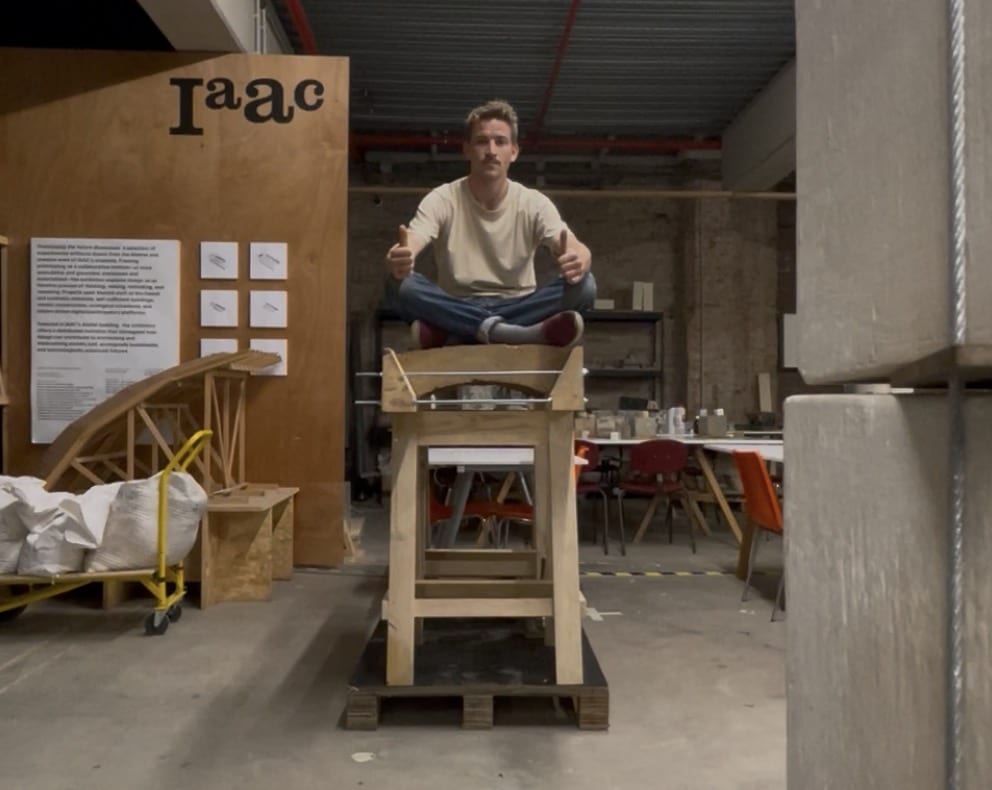
The Master in Advanced Ecological Buildings and Biocities (MAEBB) postgraduate program is an 11-month immersive academic program focused on learning how to design and build a new generation of buildings and cities to respond to the planet’s emerging climate challenges. The program is carried out in Valldaura Labs, in Barcelona, a 135 He property located in the Collserola forest. Here, students will live and work surrounded by nature while using the most advanced technologies and design techniques in the pursuit of what is also IAAC’s long term initiative, to create self-sufficient and ecological environments.


Filters
Course

Bionook

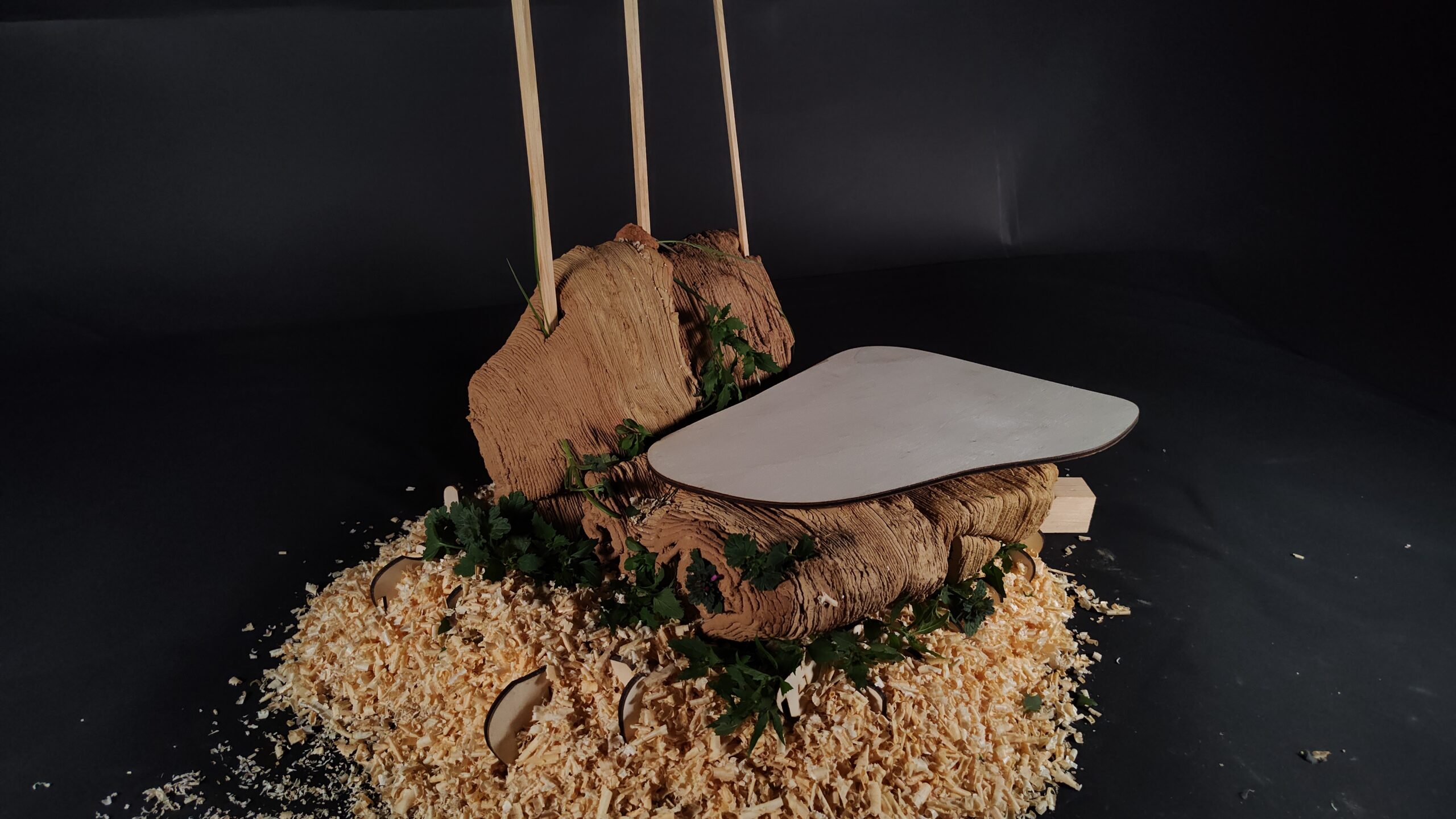
This blog describes and showcases the second-term research and prototyping for Bionook. Research Topic: Investigating the Synergistic Potential Between Additive Manufacturing Methods and Engineered Timber in Reshaping Urban Design Paradigms. This research delves into precisely integrating sawdust and orange peels as industrial by-product additives for Soil Additive Manufacturing and locally sourced Engineered Timber, synergizing them … Read more

Urban Synthesis| Resilient Envelopes | GAIA

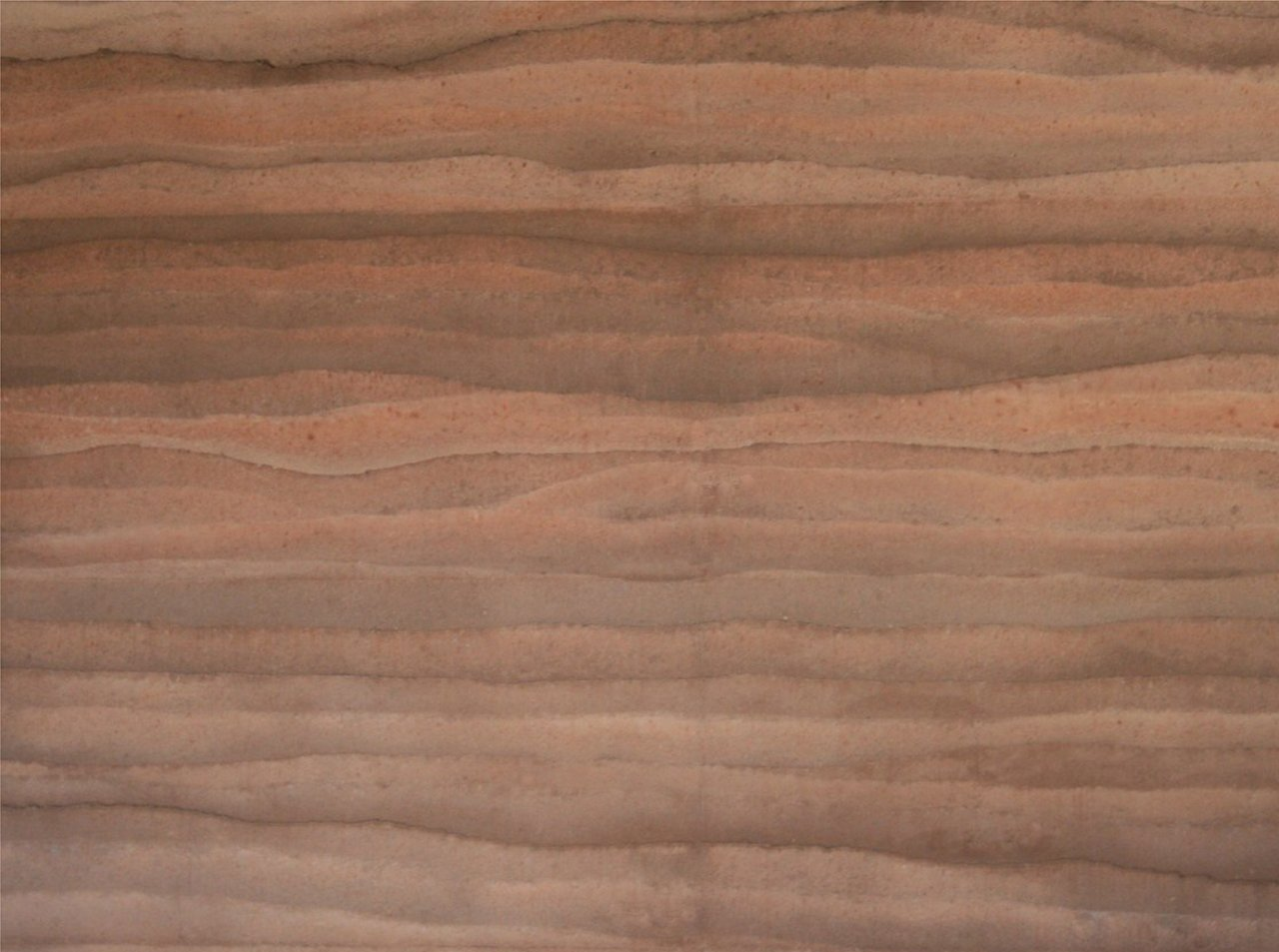
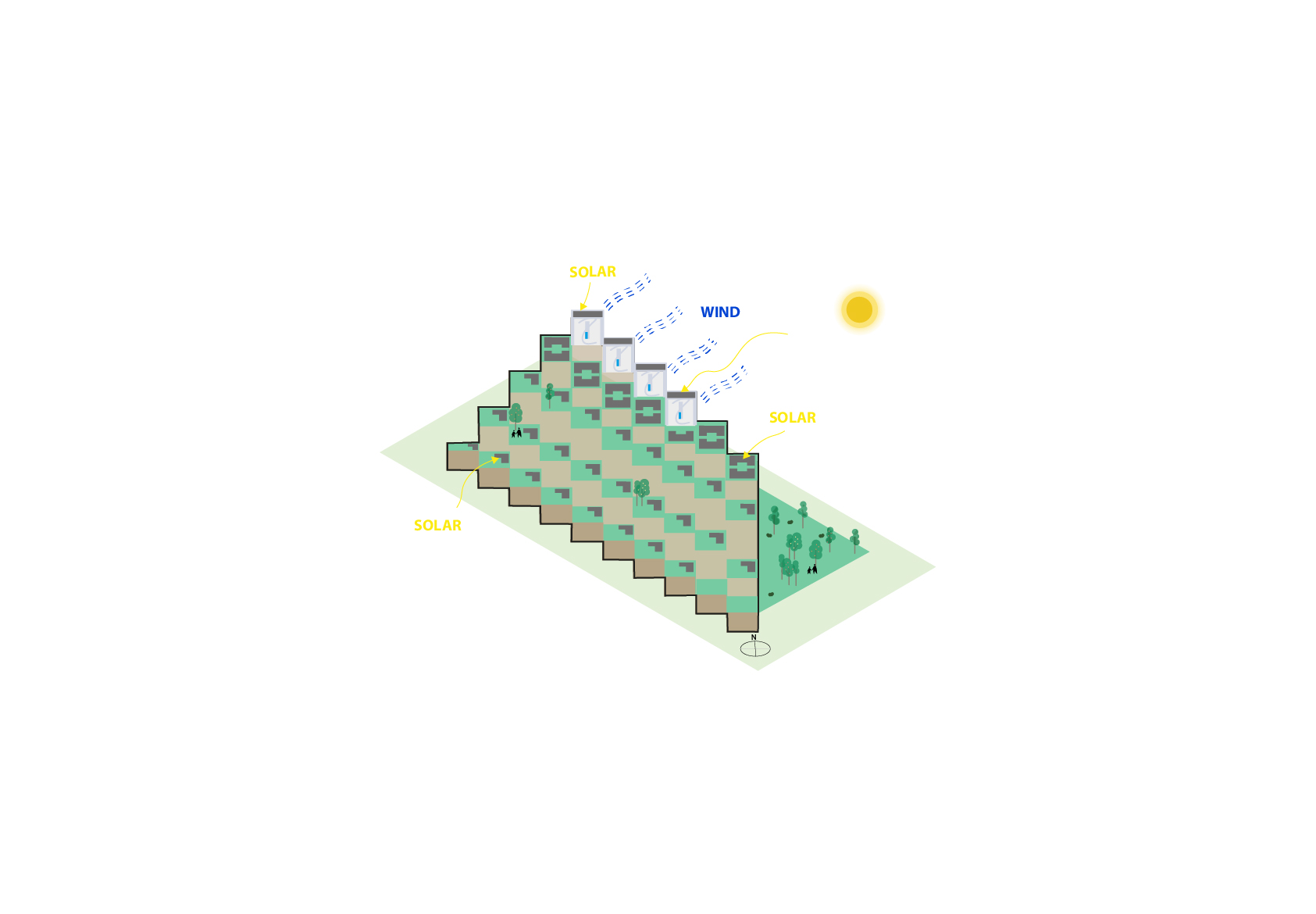
GAIA Plot 1. About. Urban Synthesis | Resilient Envelopes This course explores the design and construction of modern and sustainable building envelopes. These envelopes must be strong yet adaptable, capable of being disassembled, transported, and reused with minimal energy consumption. They should also withstand various environmental elements like air, wind, sun, water, and temperature changes. … Read more

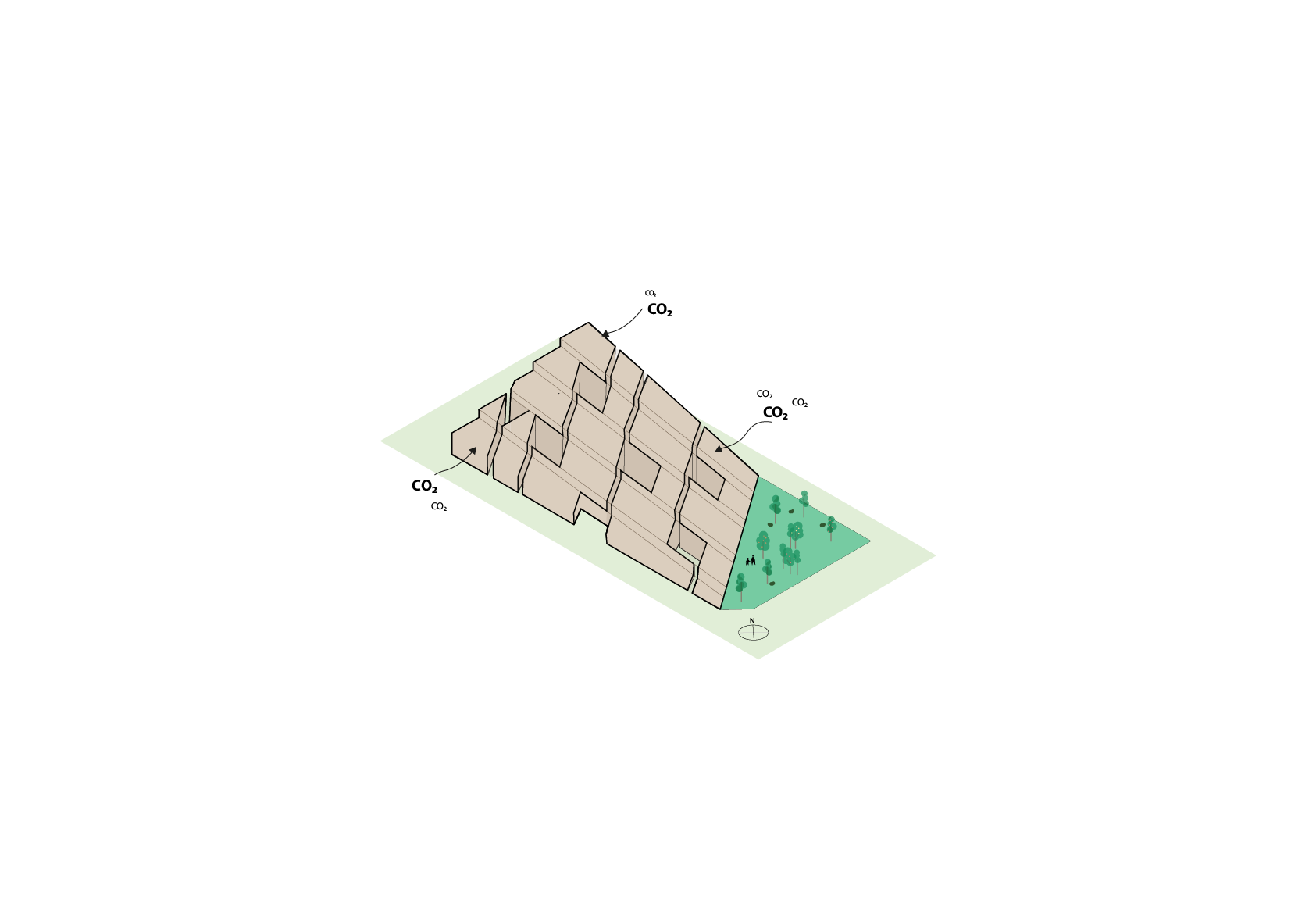
M16 // Ecological Intelligence

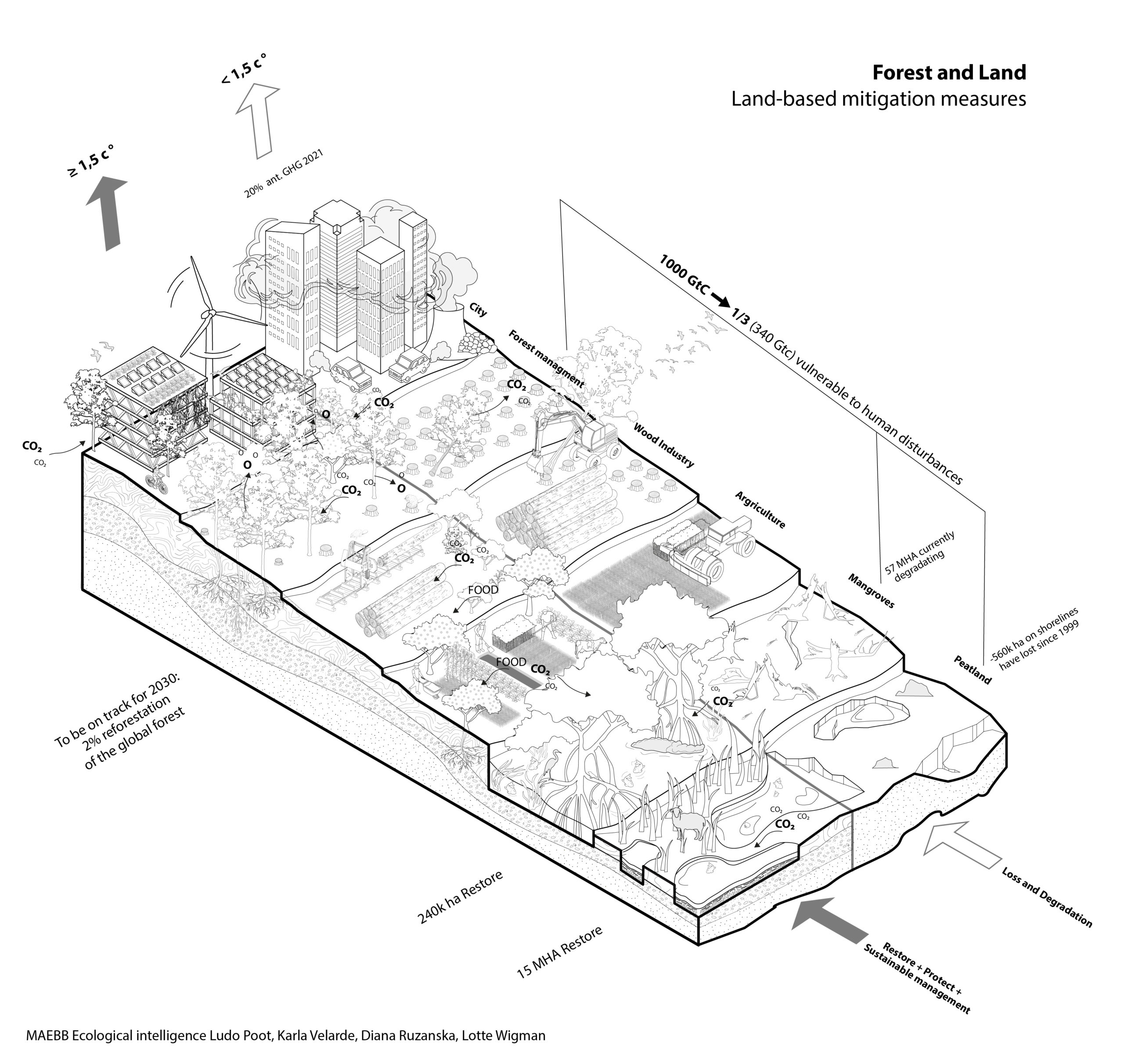
About. The Ecological Intelligence course focuses on teaching students about various aspects of designing the built environment in response to global climate change and the imperative to promote carbon neutrality, resource security, biodiversity, and ecological resilience, while also prioritizing human health and well-being. The Masters in Advanced Ecological Buildings and Biocities aims to cultivate a … Read more

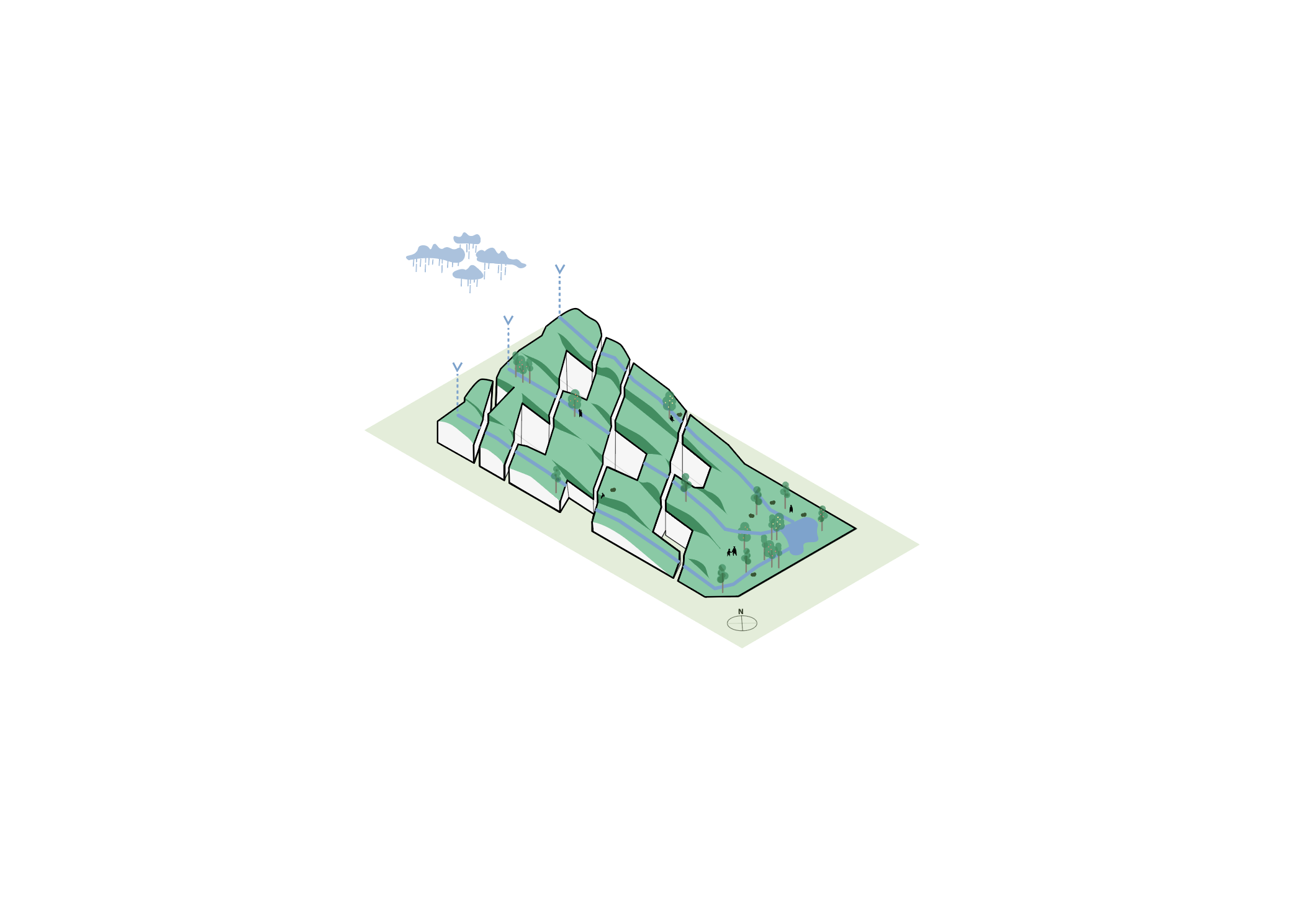
Urban Synthesis| Metabolic Systems: water| GAIA

GAIA Plot 1. About. Urban Synthesis | Metabolic Systems: water The goal of this course is to highlight the importance of implementing effective water management strategies early on in architectural projects, with a focus on minimizing ecological impact and enhancing infrastructure resilience. Throughout the course, students will explore innovative water management concepts and technologies that … Read more

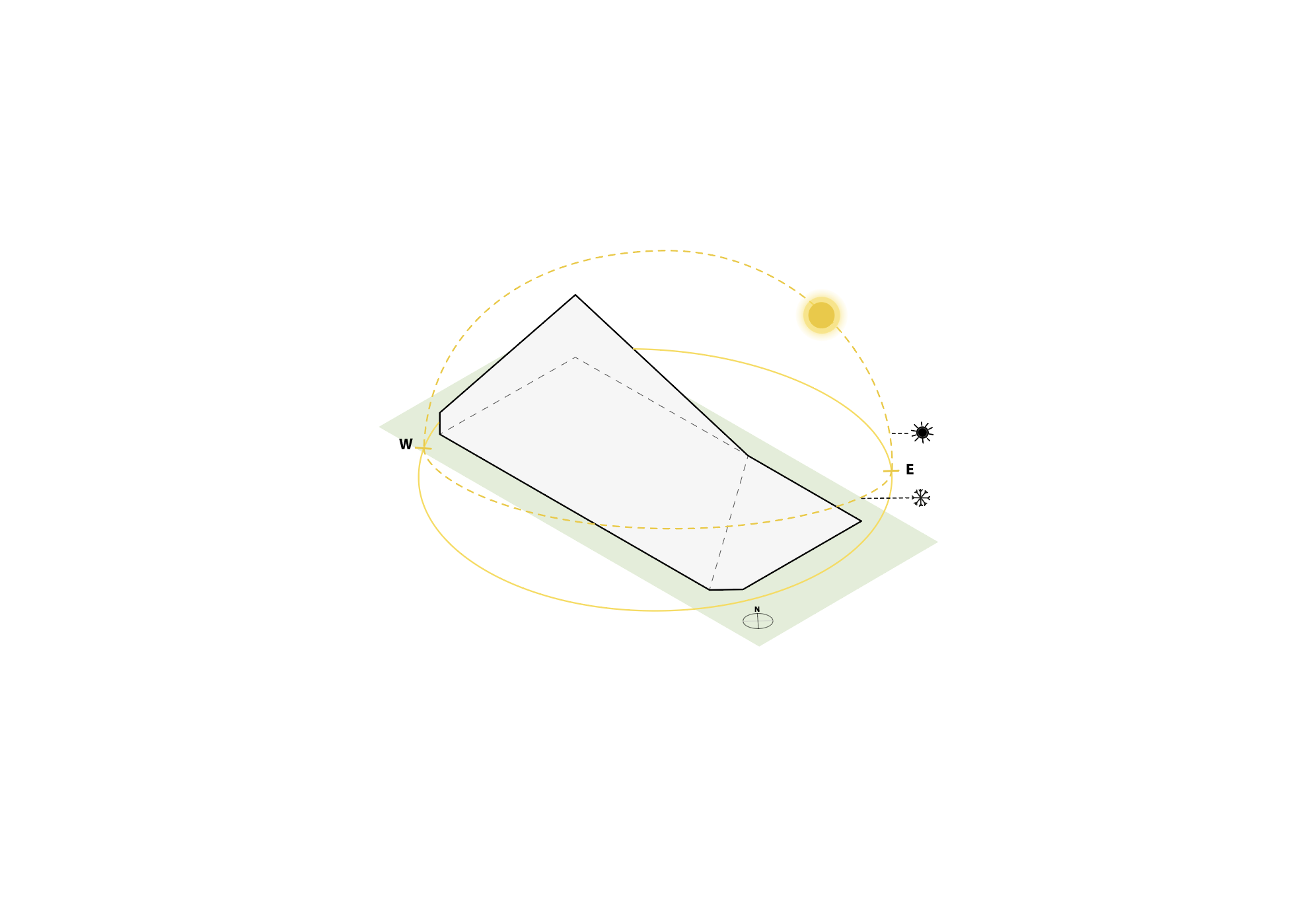
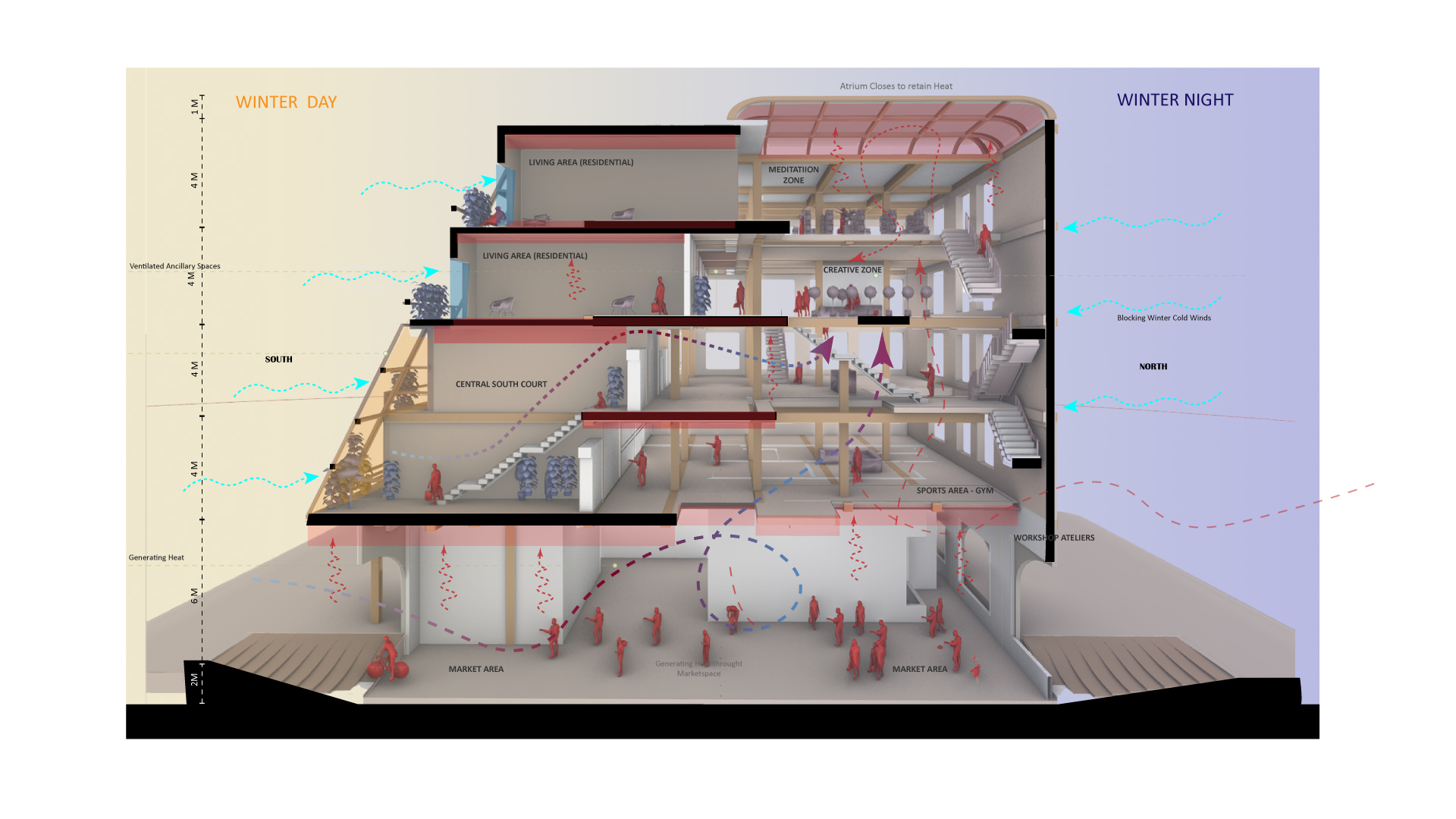
Urban Synthesis| Thermodynamic Fabrication| GAIA

GAIA Plot 1. About. Urban Synthesis | Thermodynamic Fabrication The “Thermodynamic Fabrications” workshop explores how thermodynamics, ecology, and architecture intersect. It goes beyond just considering climate’s role in design and aims to blend both numbers and feelings in designing buildings. It focuses on aspects often ignored in sustainability lessons, linking daily life with architectural ideas. … Read more

Tabrizian Tapestry: Resilient Envelopes

In terms of implementing the concept of Resilient envelopes in Tabrizian Tapestry, the envelopes have been developed, driven by specific sustainable constructive systems, and integrating materiality with specific origin and composition, as well as ample room for maneuver in terms of performativity, recyclability, bio-degradability, longevity. Advanced CLT balloon frame with Brick facade clad in north … Read more

BIOMIMICRY in ARCHITECTURE by Michael Pawlyn | Ecological Thinking II

This blog is a review of Michael Pawlyn’s book, Biomimicry in Architecture. “Biomimicry is a powerful innovation tool that allows architects to go beyond conventional approaches to sustainable design and deliver transformative solutions we need.”-Michael Pawlyn The book “Biomimicry in Architecture” by Michael Pawlyn introduces the term biomimicry and how it can impact architecture. The … Read more