ReWeave_3.0

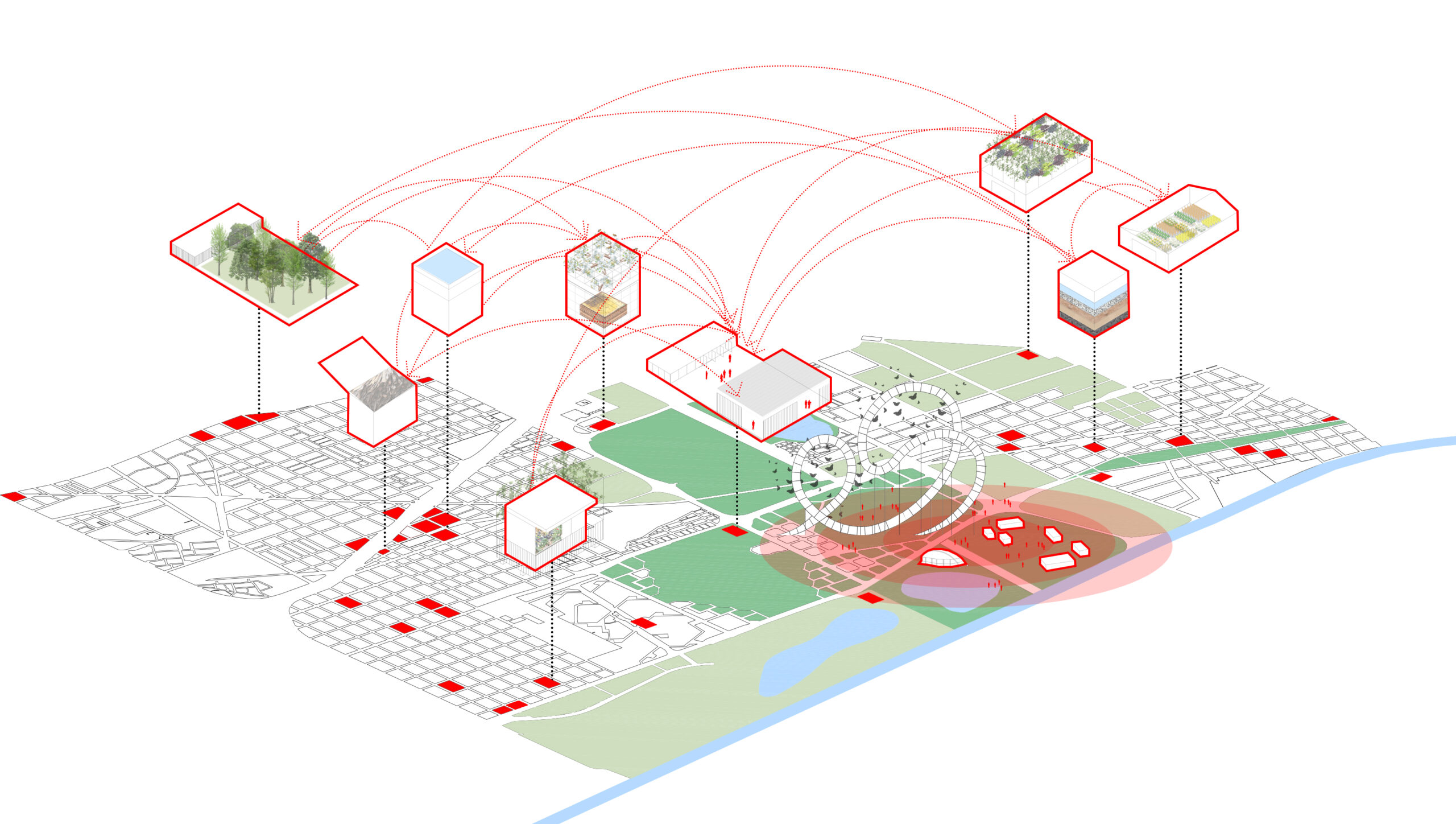
Abstract: The ReWeave project develops a robotic system to repurpose construction and demolition (C&D) waste into functional, attractive walls, enhancing human-robot collaboration. We created a database by scanning broken tiles to extract shape, size, and color information, then developed custom nesting algorithms to optimize tile arrangement. The workflow includes scanning tiles, exporting outlines via ROS, … Read more

100-Year Flood Risk Road Intersection Classification

Flood Risk Classification

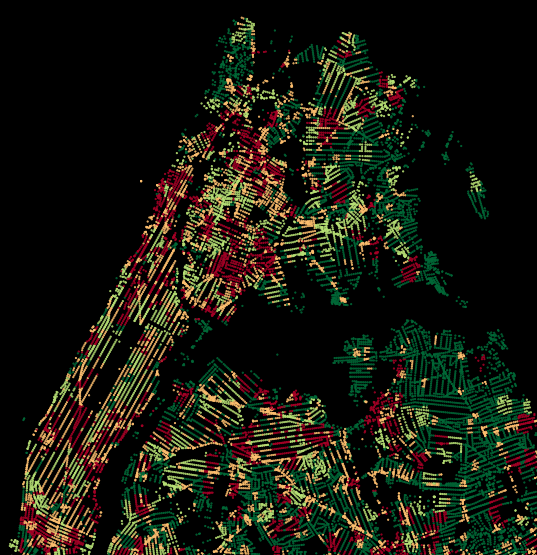
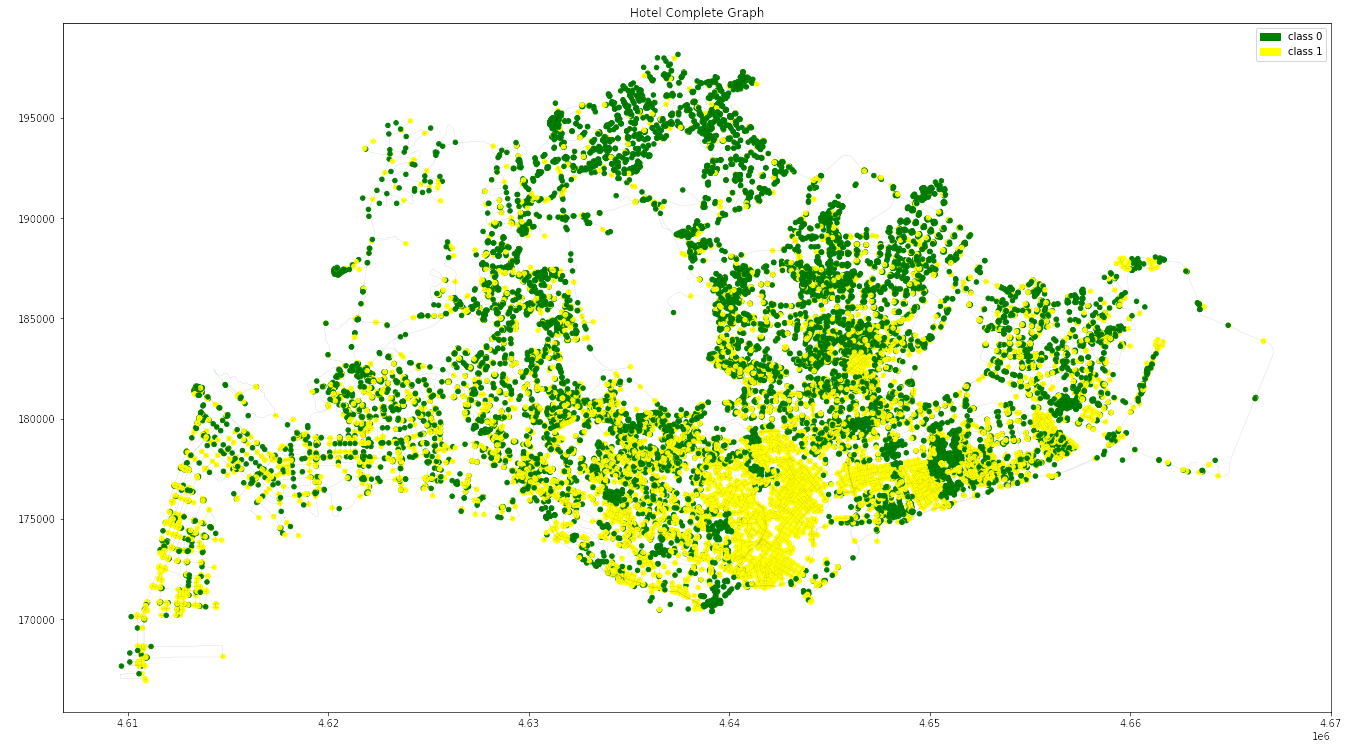
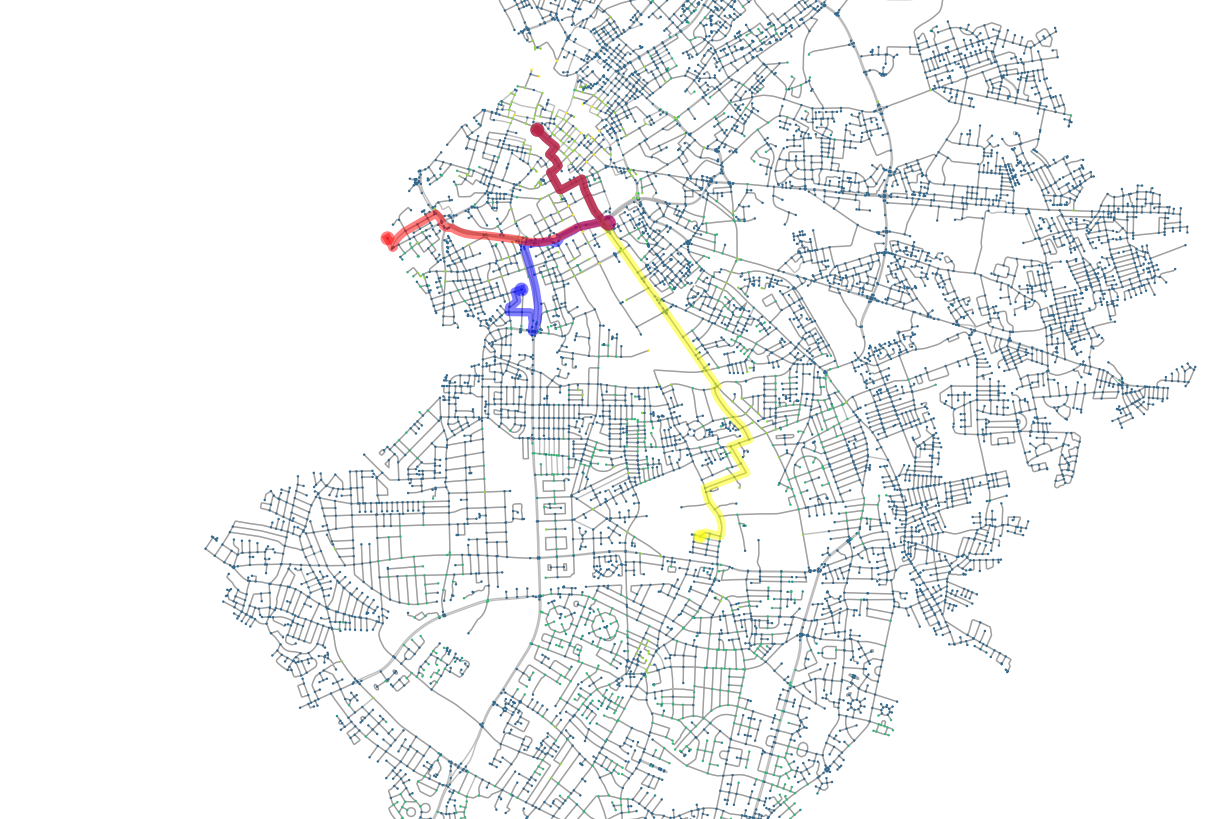
Beginnings Our project’s concept is to develop a classification model that identifies street intersections (graph nodes) in Stockholm, Sweden, susceptible to flooding during a 100-year flood event. Based on our initial research, we found that graph machine learning operates at three levels: the graph, its edges, and its nodes. With access to a 100-year flood … Read more

IS THE FUTURE REALLY AUTONOMOUS?

1. Introduction 1.1. Abstract Autonomous Vehicles are vehicles that employ driver assistance technologies to remove the need for a human operator within the vehicle. These new technologies into automation have been researched in contexts like the United States of America, Middle-Eastern Countries and some European Countries. Planners and architects are designing for these cities including … Read more

Ecologia Urbana en el área periurbana de São Paulo: Implantación de un Corredor Verde para Vincular el Crecimiento Urbano con la Naturaleza

Con más de la mitad de la población brasileña viviendo en áreas urbanas, la necesidad de integrar la naturaleza en la vida cotidiana se vuelve crucial. La urbanización desordenada alrededor de ríos y manantiales, como ocurre en la Represa Guarapiranga en São Paulo, compromete la cobertura vegetal, causando polución y amenazando la oferta de servicios … Read more

ReWeave_3.0_Gamified

Abstract The escalating challenge of managing construction and demolition waste necessitates innovative approaches to enhance sustainability in the construction industry. This research proposes an automated robotic workflow leveraging Multi Agent Systems (MAS) and computer vision to repurpose planar construction waste materials, such as tiles, into new construction elements like bricks or walls. The primary objective … Read more

Panoramic Vision: Computational Streetscape Analysis

“Can we understand urban environments and street characteristics from Google Street View panorama images using Machine Learning and Stable Diffusion techniques?” Project OverviewThis computational design project aims to develop a pipeline utilizing Grasshopper and Python to visualize clusters of panoramic streetscape images. The project leverages t-Distributed Stochastic Neighbor Embedding (t-SNE) for dimensionality reduction, facilitating the … Read more

Forms of Inadequacy in Dakar

Abstract Dakar is Senegal’s capital city and rapidly urbanizing economic center. Today, Dakar’s urban area is home to 3.54M people, half of Senegal’s population, and generates 55% of the Country’s GDP. This growth is artificially constrained by an urban growth boundary, where new homes are informally built, and due to the city’s topography, a peninsula … Read more

Dhaka City’s Urban Nexus

Dhaka, the bustling capital of Bangladesh is at a critical juncture in its urban development. With a population exceeding 10.4 million, the city faces significant challenges in housing, transportation, and environmental sustainability. This project is a part of a comparative analysis done by the students, understanding these challenges under the framework of SDG 11 – … Read more

Future city: Bangkok 2030

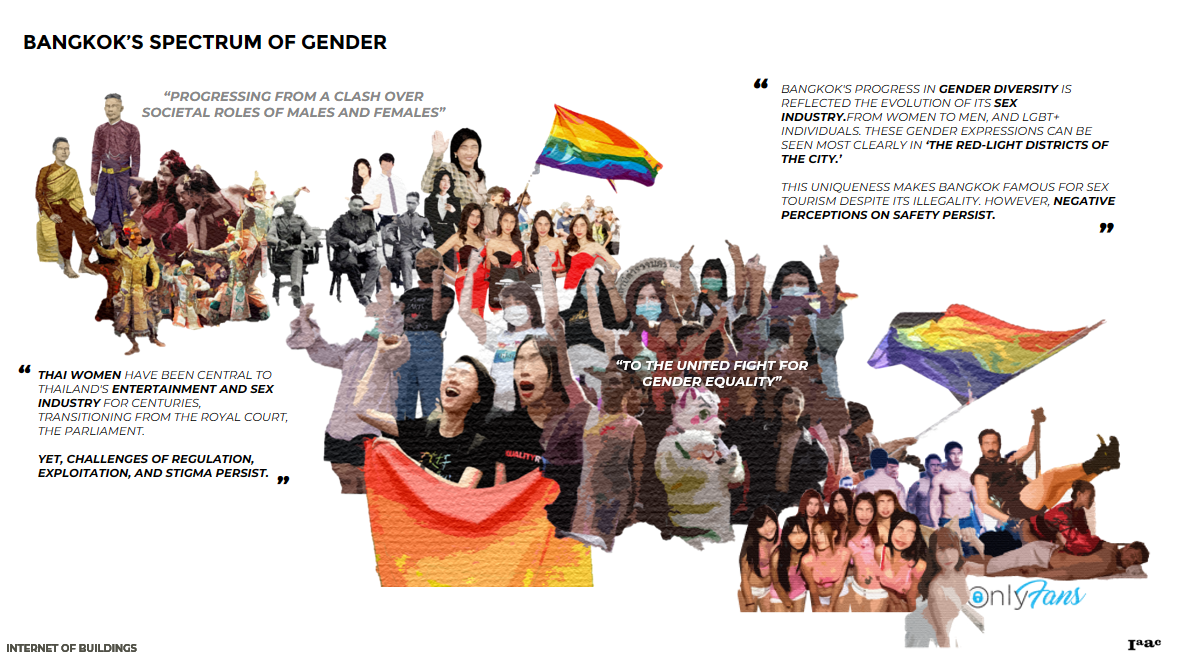
Introduction In the dynamic landscape of the “Global South,” cities are at the forefront of rapid urbanization, presenting both opportunities and challenges for sustainable development. Recognizing the urgency of addressing these issues, a consortium of experts and practitioners has embarked on a groundbreaking initiative to assess the nexus between urbanization and sustainability across diverse cities. … Read more

REAP WHAT YOU SOW

This is the site, Llobregat Delta area. You can see the map, Pink and Red area. Pink is exisitng Agriculture area and Red is Abundant area which is cultivated in the past.The number of abundant areas is increasing little by little in Llobregat. Our proposal, we think what we can design this area. These is … Read more

Thirst For Change

Abstract Latin America finds itself at a crossroads, facing a tightening grip from a seemingly paradoxical situation: a growing scarcity of water amidst regions prone to both droughts and floods. This foundational story explores the current and future drought conditions gripping the continent, highlighting the environmental, social, and economic challenges at play. Introduction Understanding the … Read more

Rising Waters

The year is 2100. Latin America is sinking. Due to global warming the polar icecaps have almost melted completely. In addition the increased temperature has caused the global water mass to expand by almost 1%. As a consequence sea levels are rising at unprecedented levels globally. The coastline in South America is hard-hit by these … Read more