Within the current global context of rapid change, integrated with the potentials of digital technologies, IAAC’s Master in Advanced Architecture (MAA) is committed to the generation of new ideas and applications for Urban Design, Self Sufficiency, Digital Manufacturing Techniques and Advanced Interaction.

In this context IAAC works with a multidisciplinary approach, facing the challenges posed by our environment and the future development of cities, architecture and buildings, through a virtuous combination of technology, biology, computational design, digital and robotic fabrication, pushing innovation beyond the boundaries of a more traditional architectural approach.

Filters
Course

Facade Energy Optimization

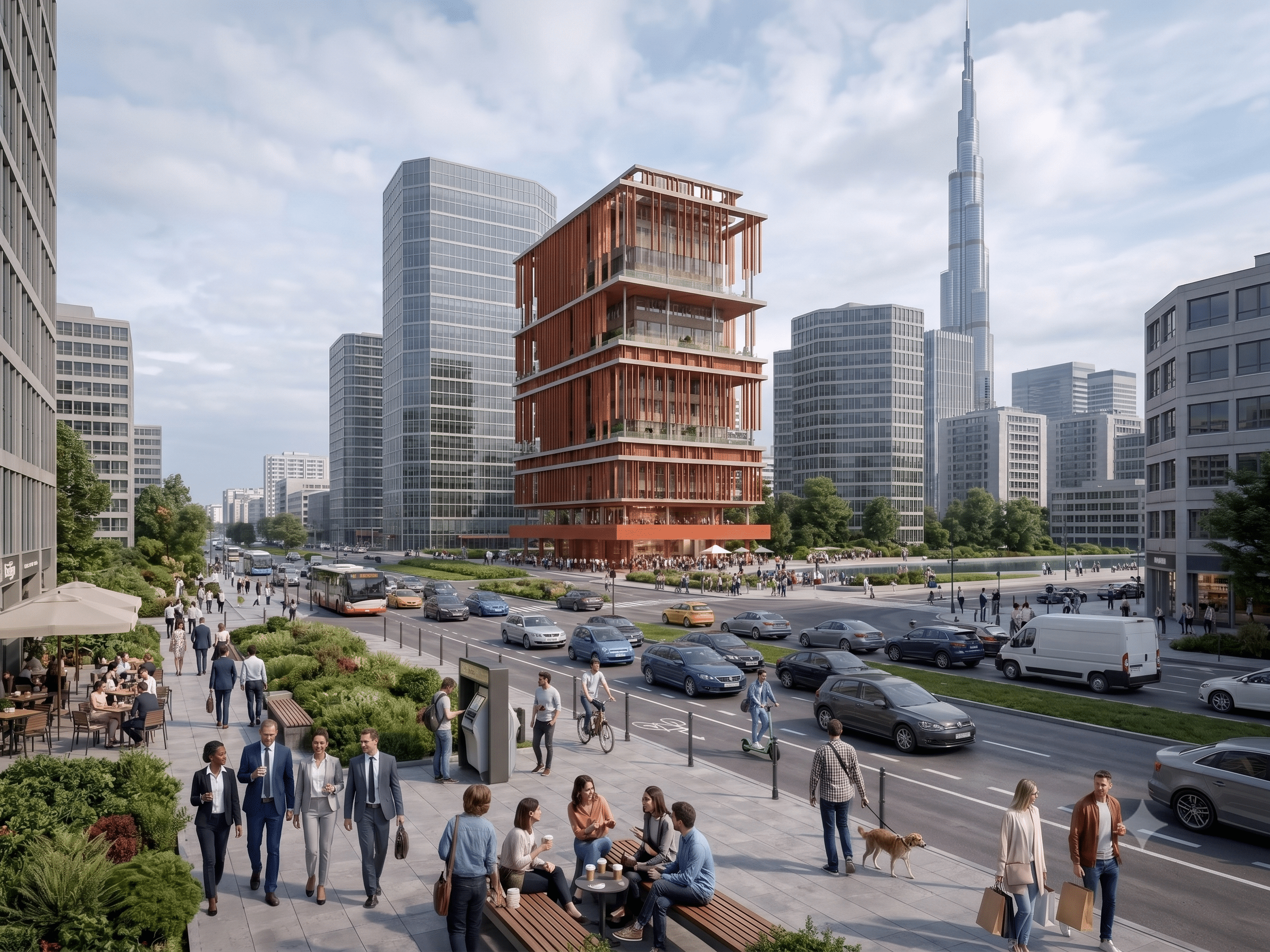
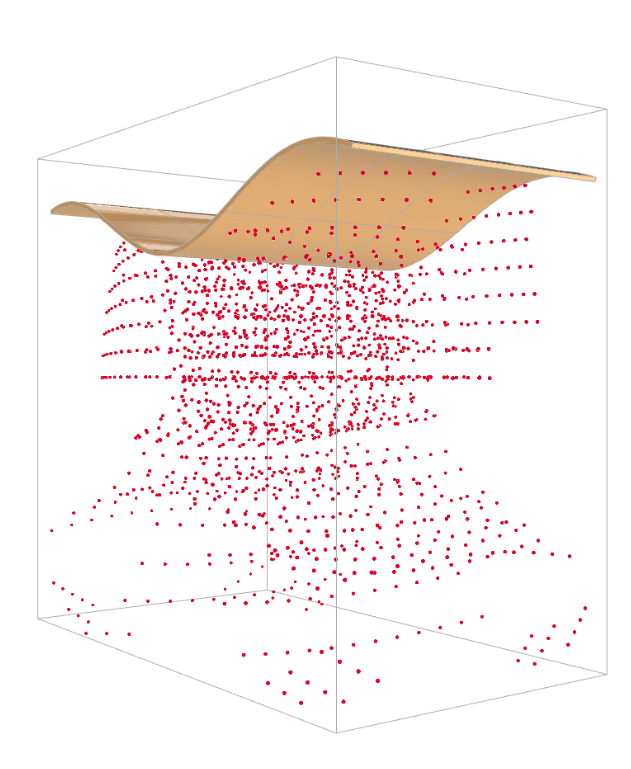
This research explores the use of Wallacei X to optimize a parametric facade for a site in Dubai, UAE. The study evaluates facade performance based on four objectives: maximizing sun hours, minimizing solar radiation, minimizing material consumption, and maximizing views. Through evolutionary optimization, hundreds of design variations were generated and assessed, revealing the trade-offs between … Read more

BIO FLOW

“ An AR-Driven Biomimetic Pavilion Generated Through Environmental Field Behavior “ Architectural pavilion design and fabrication often require complex digital workflows, technical expertise, and multiple visualization tools, making the process difficult for rapid concept development and real-world understanding. Designers also face challenges in translating organic, nature-inspired forms into fabrication-friendly structures.  BIOMIMICRY PAVILIONS Organic Geometry Biomimicry … Read more

Osteomorphic optimization

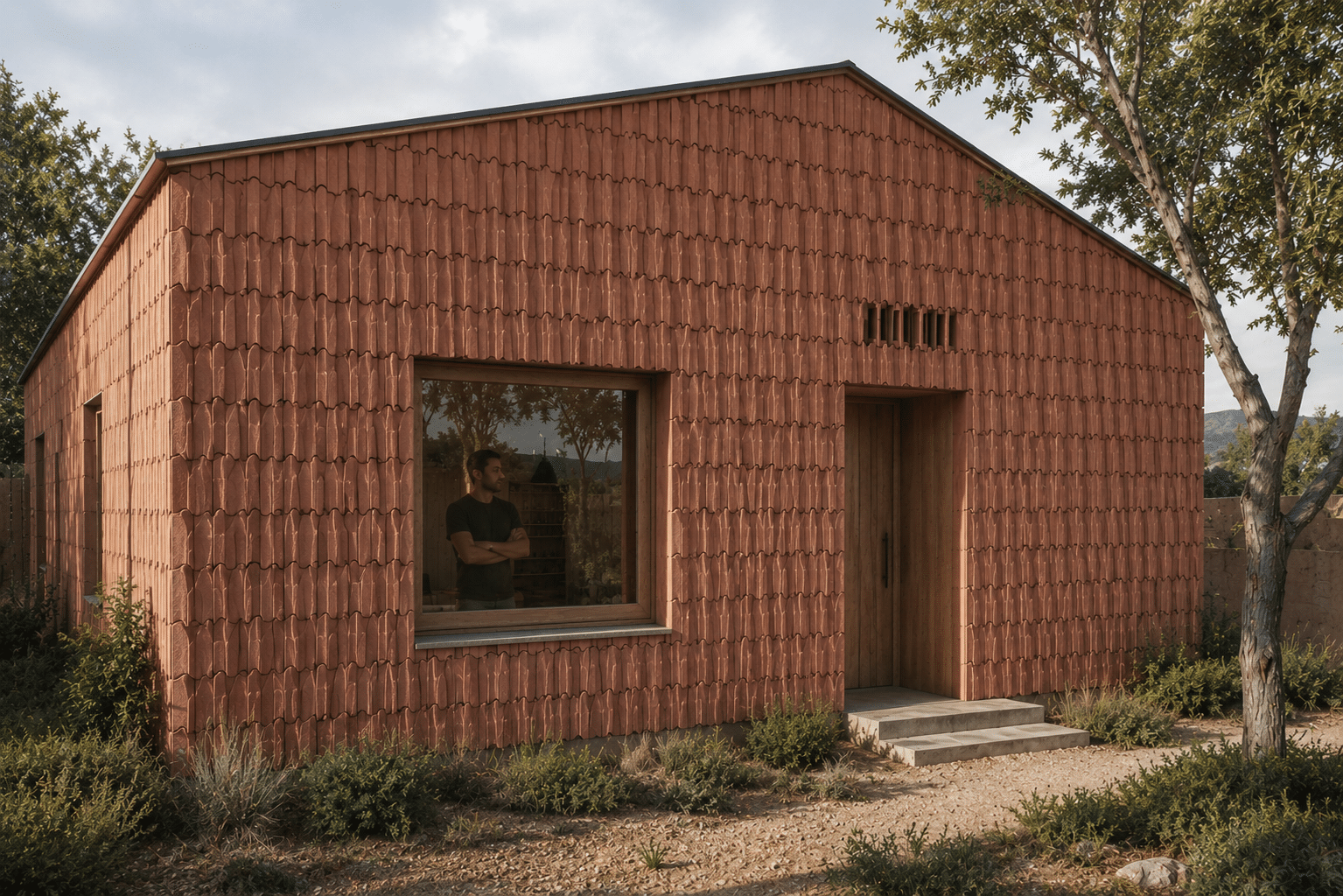
A TerraFormed production CONTEXT TerraFormed is an ongoing project developed within Digital Matter Studio 2026 that implements osteomorphic blocks as a standardizable and industry-compatible approach for producing a novel geopolymer material within a sustainable construction framework. DESIGN OBJECTIVES Osteomorphic blocks are primarily governed by the parameters of the sine curve that defines their geometry. This … Read more

Sunburn

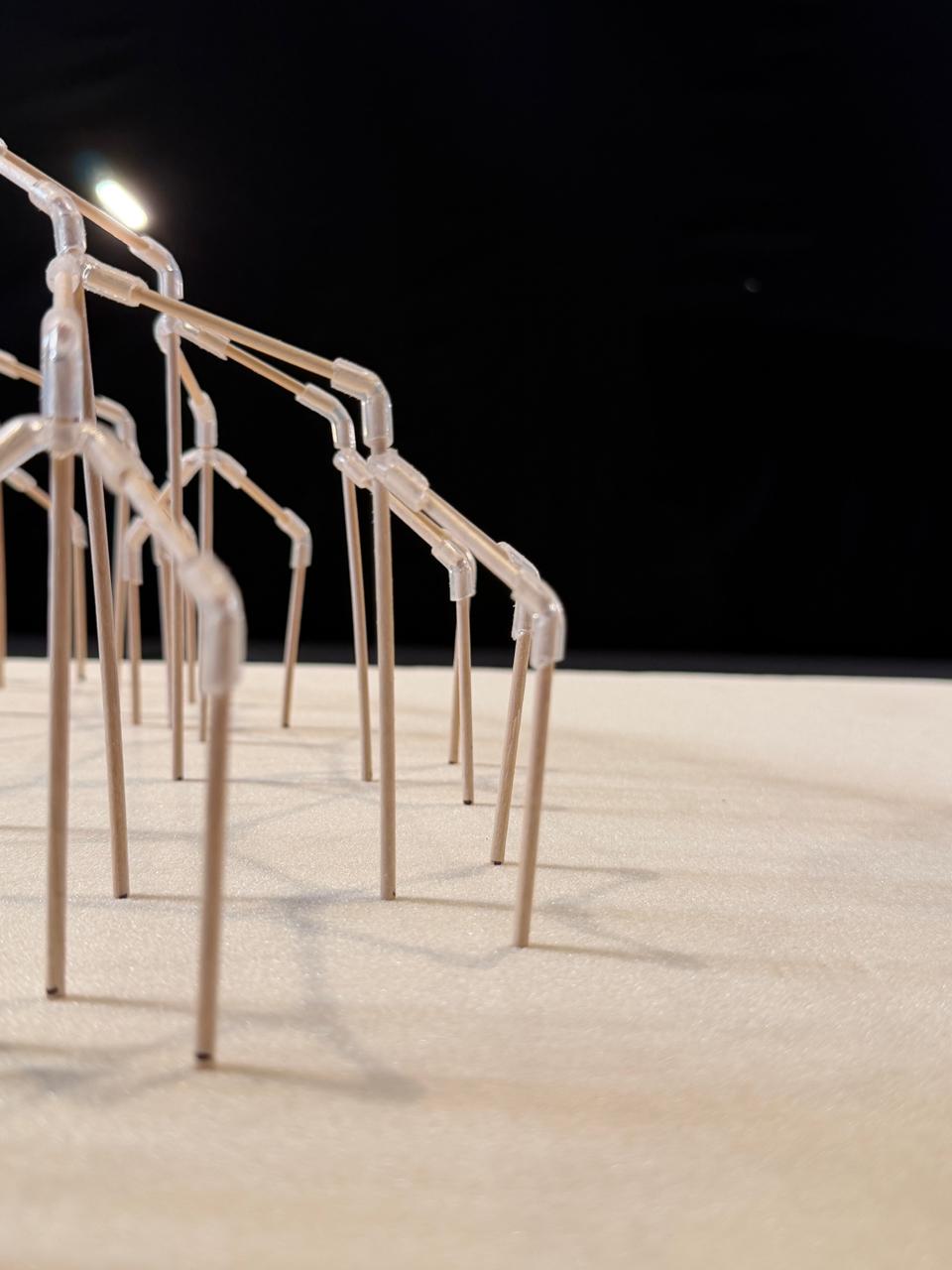
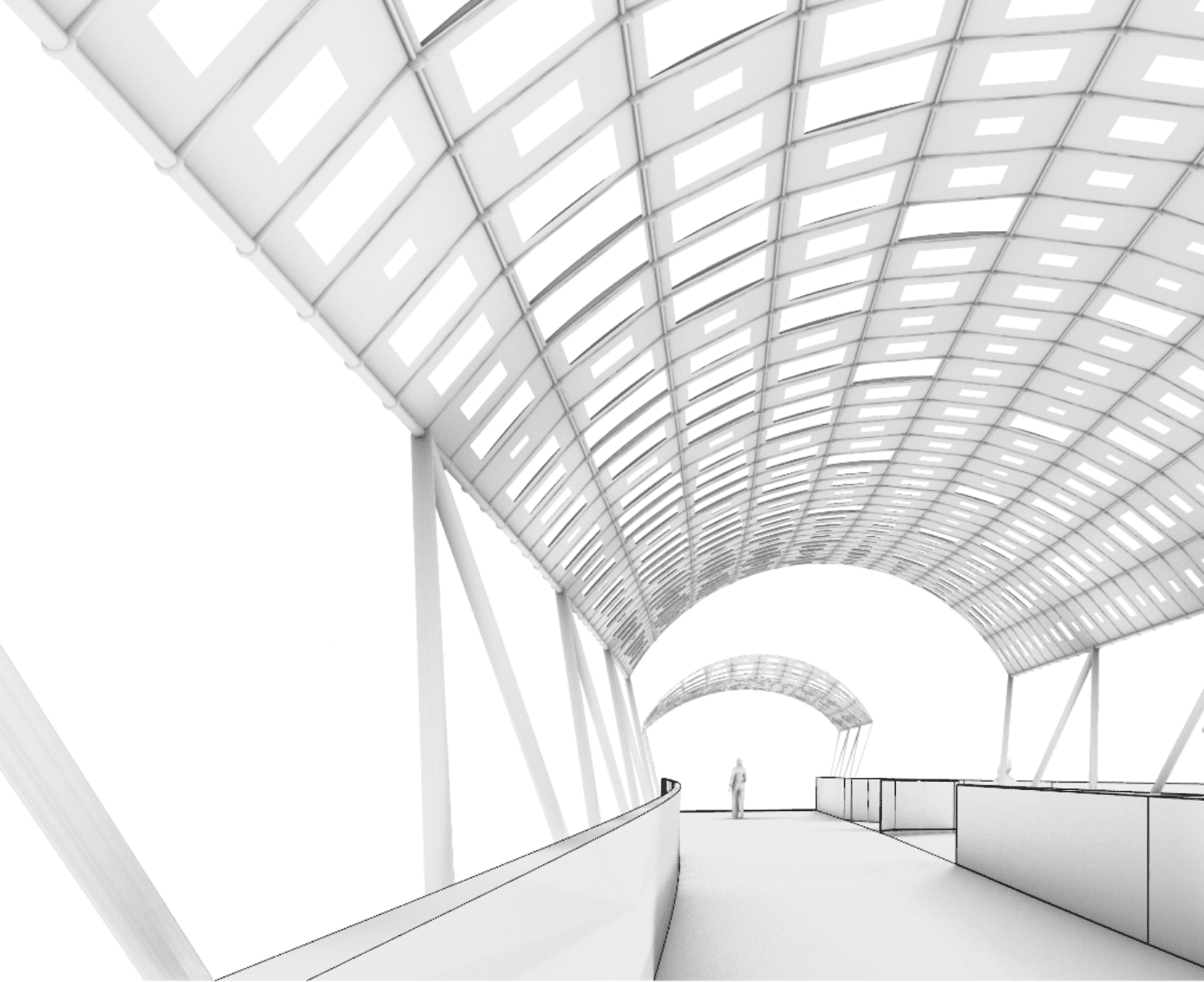
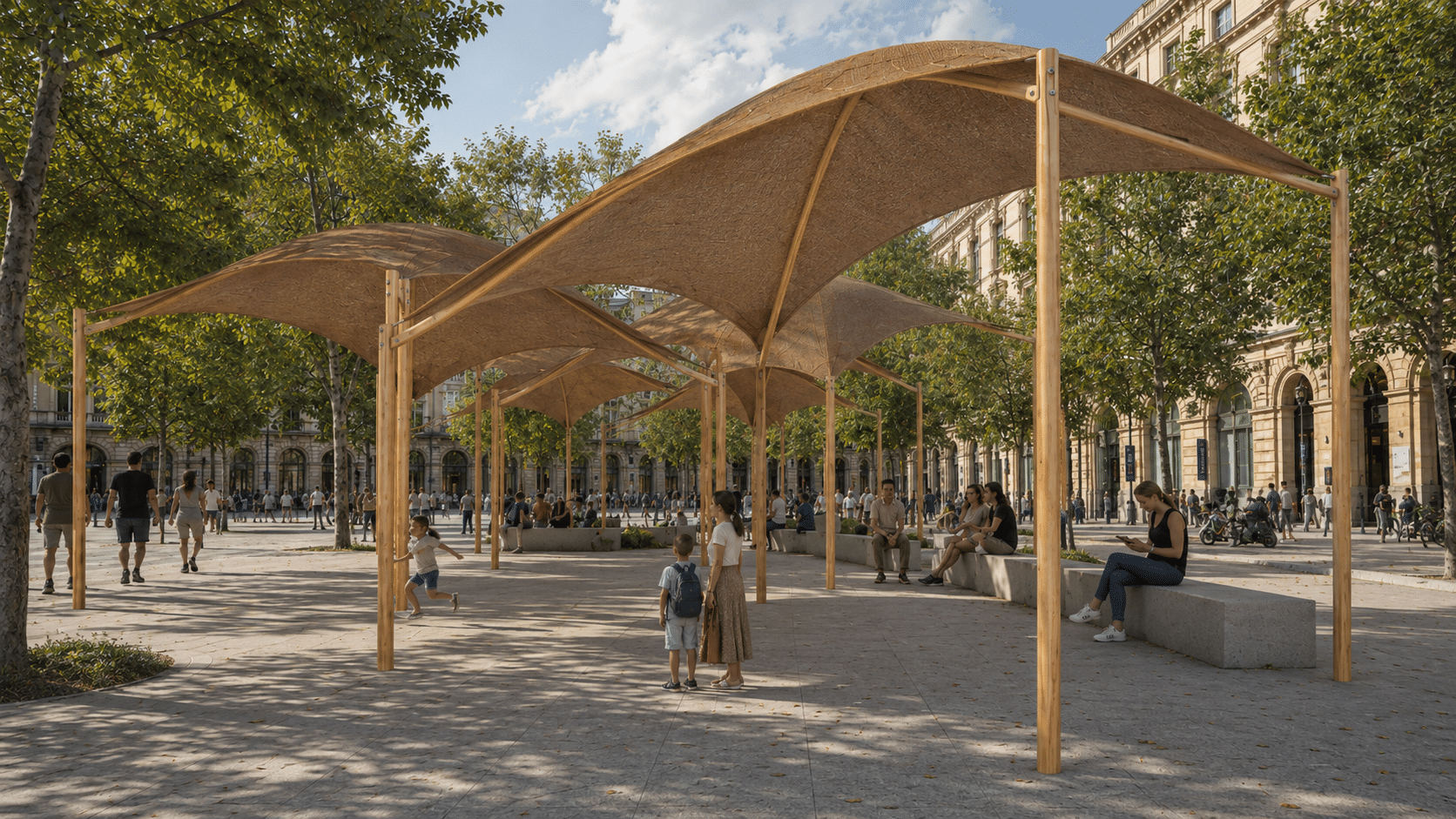
Sunburn is a computationally designed urban shading pavilion for Plaça Universitat in Barcelona. The project explores how lightweight canopy structures can improve comfort in public space while creating an inviting social environment. Using parametric column placement, Kangaroo surface generation, Ladybug solar analysis, and Galapagos optimization, the canopy geometry is tested across different sun-hour periods to … Read more

TerraFORMED Optimization

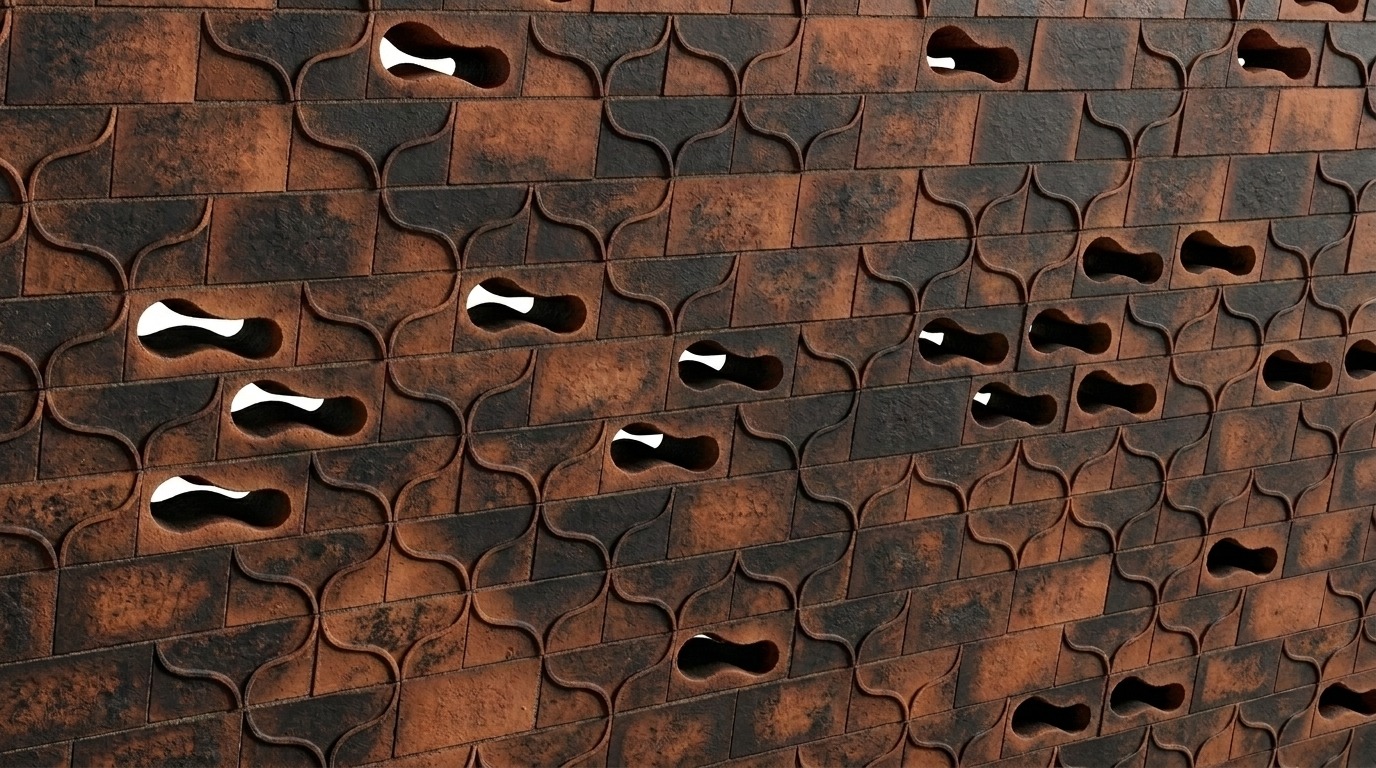
Abstract This project uses parametric design and multi-objective optimization to develop an interlocking masonry brick. A Grasshopper workflow generated brick geometries by varying sinusoidal width, depth, and cavity parameters. The designs were evaluated using structural and geometric performance criteria, including load transfer, web thickness, horizontal area, volume, and interlocking capacity. An evolutionary optimization process identified … Read more

Optimized Reciprocal

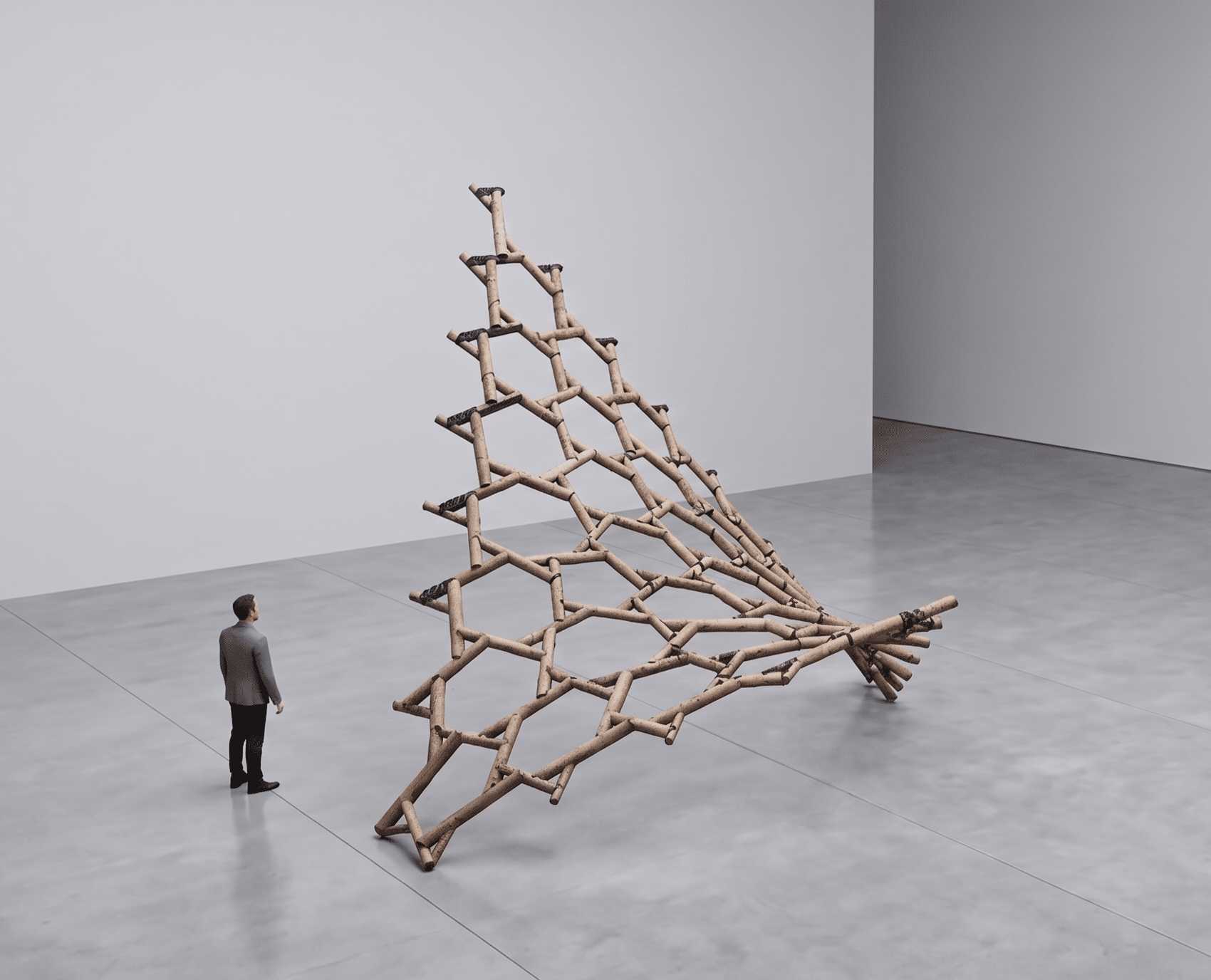
Reciprocal Frames Reciprocal frames are self-supporting 3D structures. They consist of three or more sloping beams arranged in a closed circuit. Each beam rests on the preceding one and supports the next, creating a completely interdependent grid. This design eliminates the need for a central pillar or column. Traditionally these frames were made of wood, … Read more

Galapogos Mold Designer

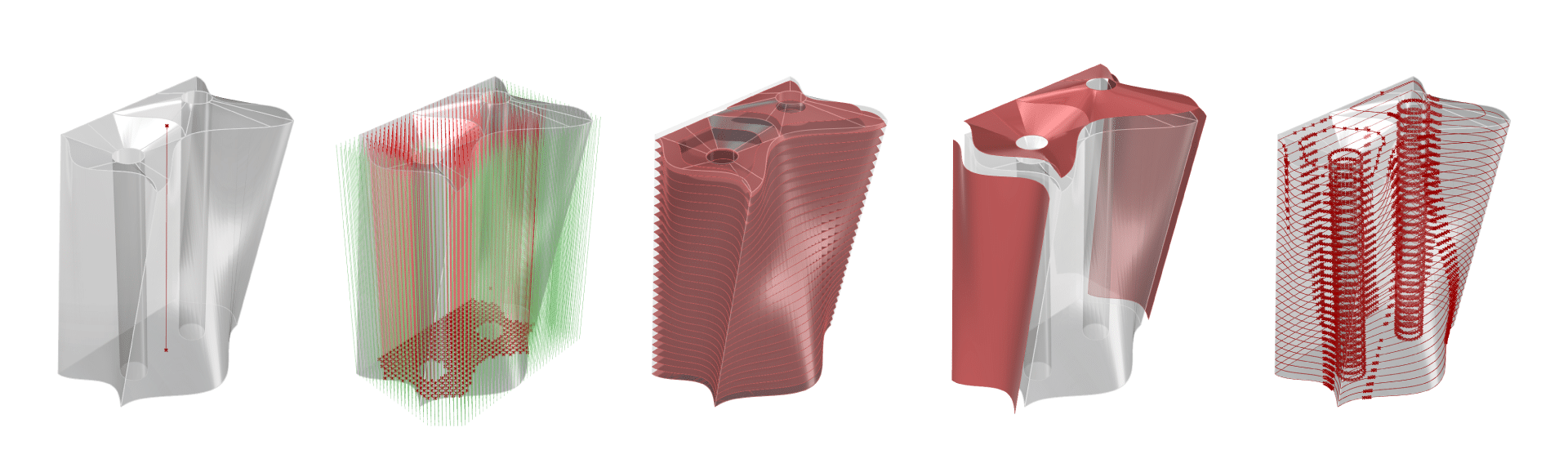
We identified the main problems while producing the roof of our Digital Matter studio, where we are making a system of bendable cork panels with jute and caesin, for that we needed molds to bend the panel according to curvature, To optimise the mold and reduce waste we used galapogos to define the bounding box … Read more

MORPHOLOGIES OF SHADE: A Computationally Optimized Pavilion for the IAAC Rooftop.

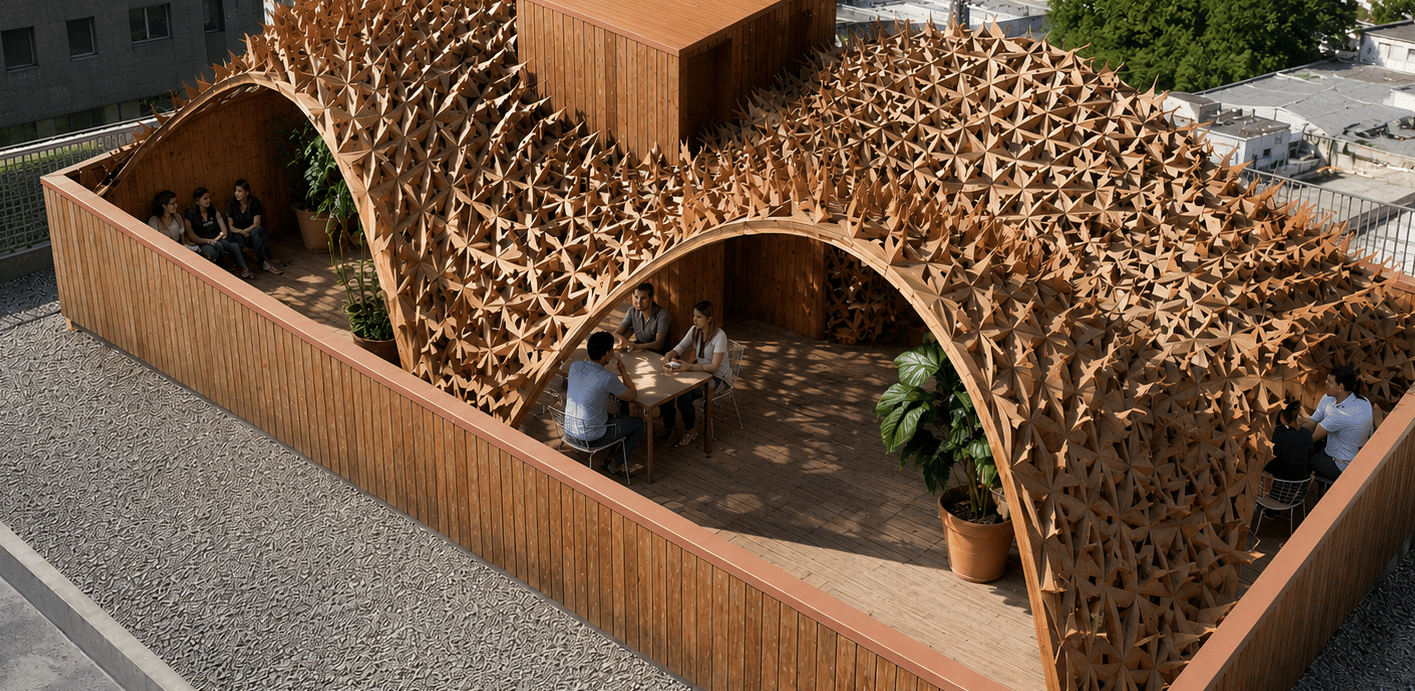
Abstract Morphologies of Shade explores the design of a computationally optimized pavilion for the rooftop of the Institute for Advanced Architecture of Catalonia (IAAC) in Barcelona. The project responds to the environmental challenges of excessive solar exposure and strong wind conditions that limit the usability of the rooftop throughout the day. Inspired by natural canopy … Read more

Project Michigan

Using climate clustering, vernacular precedent research, and evolutionary optimisation to create climate-responsive design typologies when no established local precedent exists Overview Lovingly named after the very first test location, Project Michigan is a tool that provides climate-responsive design guidelines when no local vernacular precedent exists. Through scraping climate data and global vernacular information, it helps … Read more

Timber Reuse Stacking Typologies

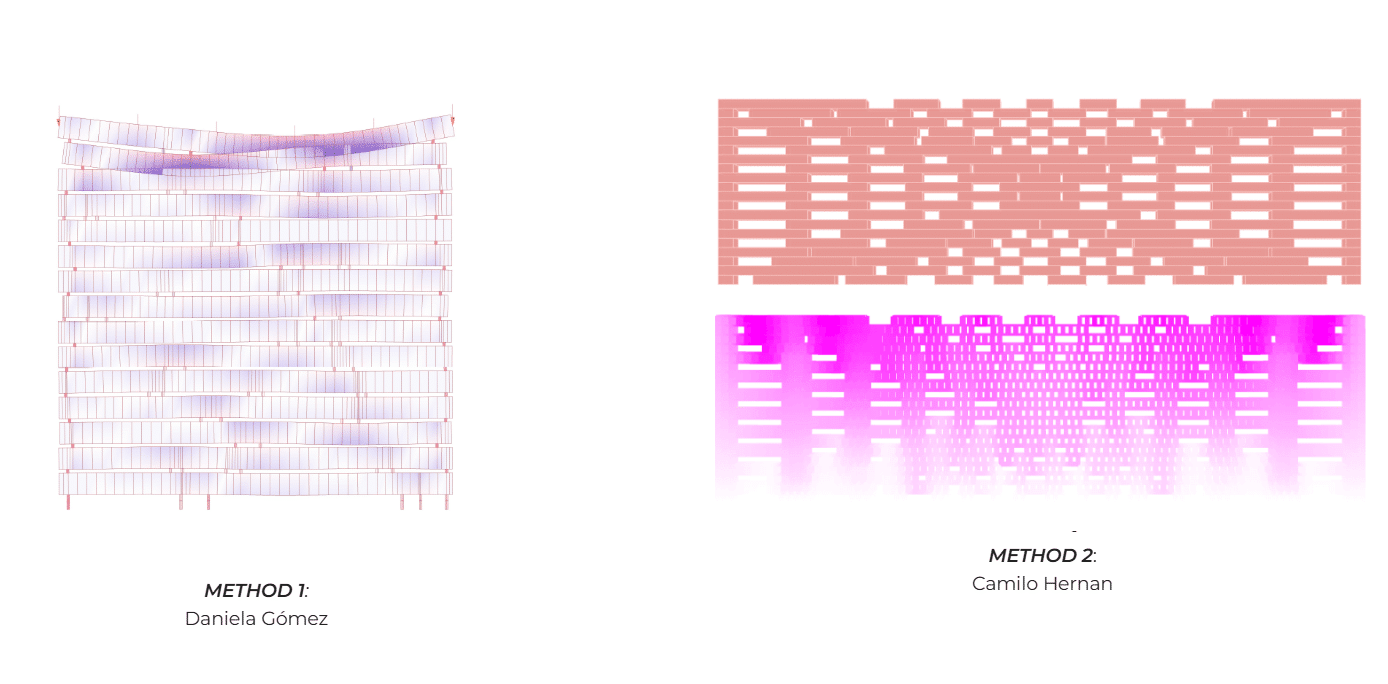
Using AI scripting in grasshopper to create and analyse reused timber stacked systems Two methods of creating panels made from an existing stocklist of reclaimed Timber using AI scripting integrated into Grasshopper. The first method explores the simple end to end stacking, by taking a random piece from the stock and placing it in a … Read more

PORTAL FRAME

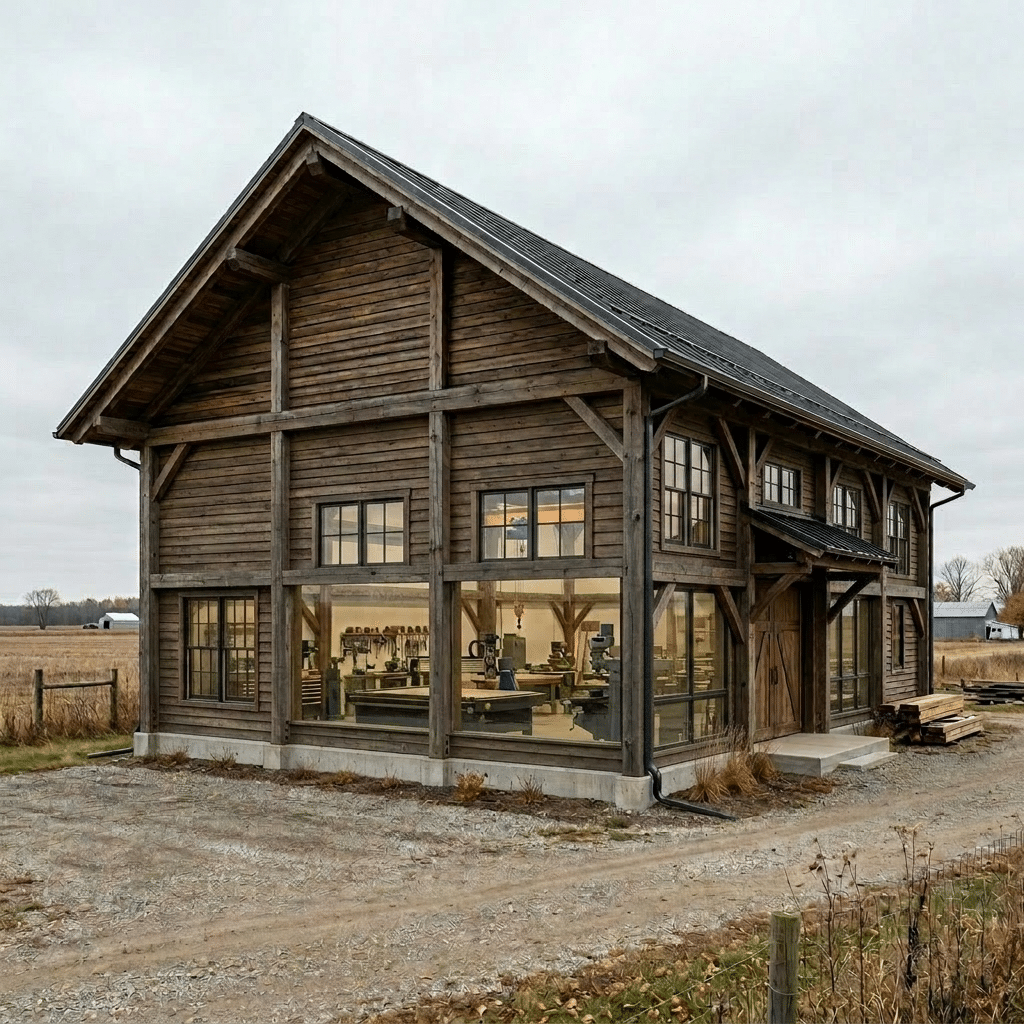
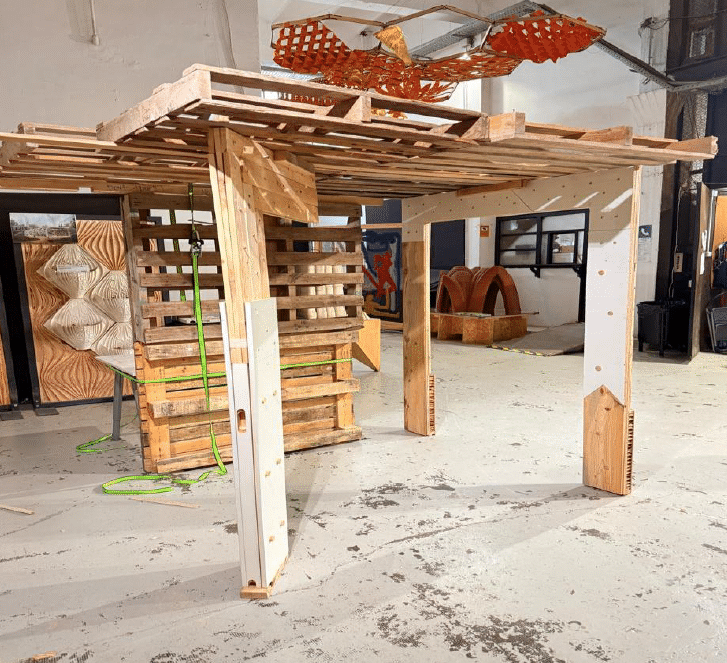
Introduction — Intent Building a portal frame from reclaimed timber, focusing on splicing and shuffling techniques to adapt irregular pieces into a stable, structurally working system. Material Intelligence — Understanding the Stock Structural Logic — Portal Frame System Methodology — Overlay & Splice Strategy FABRICATION — Digital vs Physical The workflow was driven by existing … Read more

After Gaudi – Facade ll

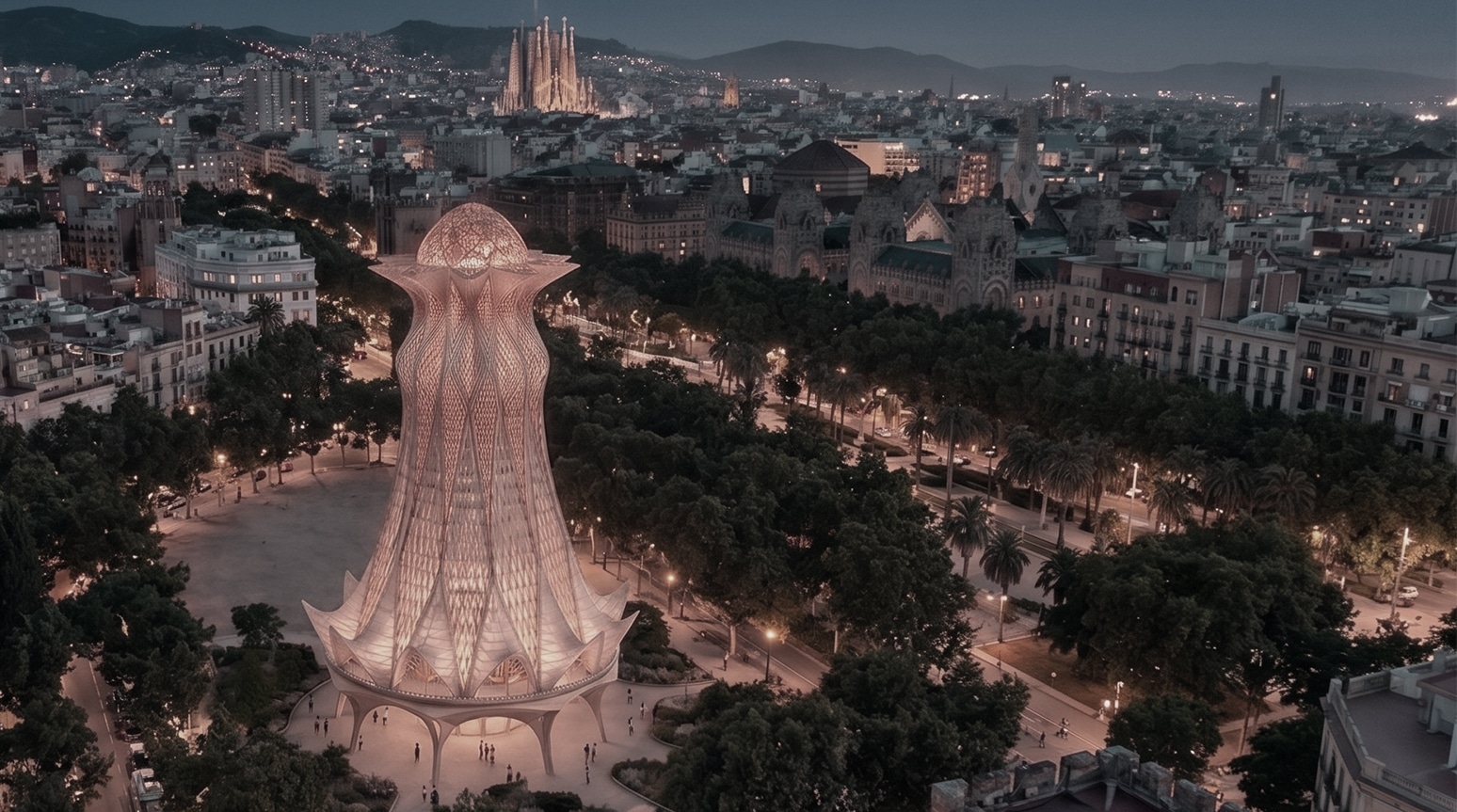
Site and Key Viewpoint Site and Key Viewpoint Core Project Keywords References FORM FINDING Final Form – Sketch Form Logic Variations and Catalog – Side Profile Form Finding Catalog Base Variation Catalog Convex concave Variation Catalogue Final Form – Levels OPENING & PLANTERS Opening’s Logic – Diamond Shape Opening’s Logics Catalog of Opening Opening Logic … Read more

BARA

Carbon Envelopes Toward Carbon-Sequestering Architectural Systems through Biochar-Concrete and Hybrid Fabrication The construction industry is one of the biggest contributors to climate change.We’re facing a paradox: The materials we use and how the construction industry works today are destroying our chance of having a future. Besides the emissions, there are other problems that we need to … Read more

HYGROHOUSE

Self Sufficient Buildings The project investigates esparto grass as a natural humidity moderator within urban student housing. By analyzing its hygroscopic response and recording relative humidity variations, a passive air filtration system is developed. Anchored in a double landscape strategy, the design links material cultivation, extraction, and environmental performance across urban and ecological contexts. Carrer de … Read more