Within the current global context of rapid change, integrated with the potentials of digital technologies, IAAC’s Master in Advanced Architecture (MAA) is committed to the generation of new ideas and applications for Urban Design, Self Sufficiency, Digital Manufacturing Techniques and Advanced Interaction.

In this context IAAC works with a multidisciplinary approach, facing the challenges posed by our environment and the future development of cities, architecture and buildings, through a virtuous combination of technology, biology, computational design, digital and robotic fabrication, pushing innovation beyond the boundaries of a more traditional architectural approach.

Filters
Course

Machine Thinking

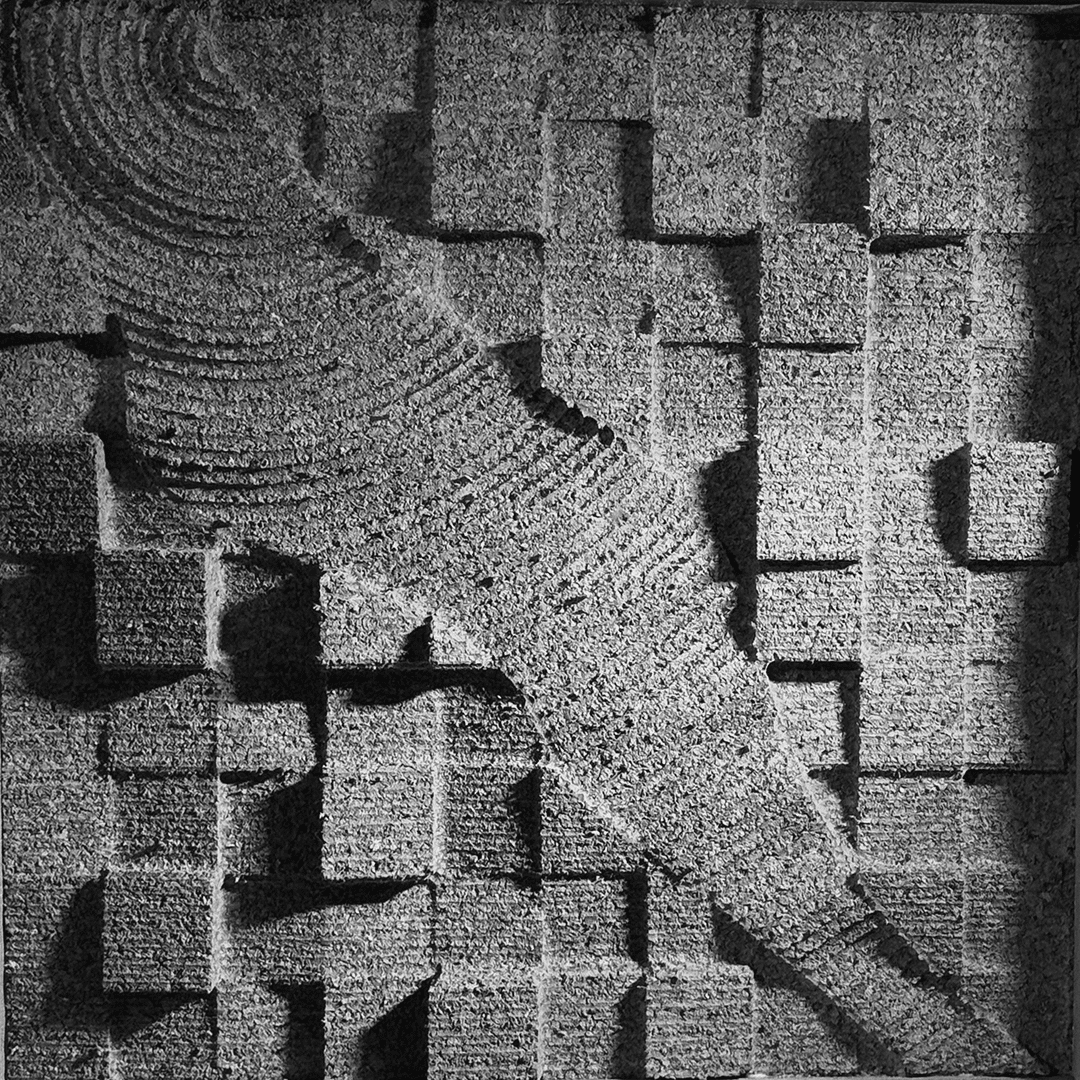
Introduction to Digital Fabrication Team : Sejin Park & Hasan Hirji CNC Milling During the CNC Milling process, RhinoCAM software automatically creates bridges; a necessary milling process outside of commands that one might use to manipulate material. We began with the idea of testing the frequency and depth of 2-axis bridging path movement presets to … Read more
Silent Light

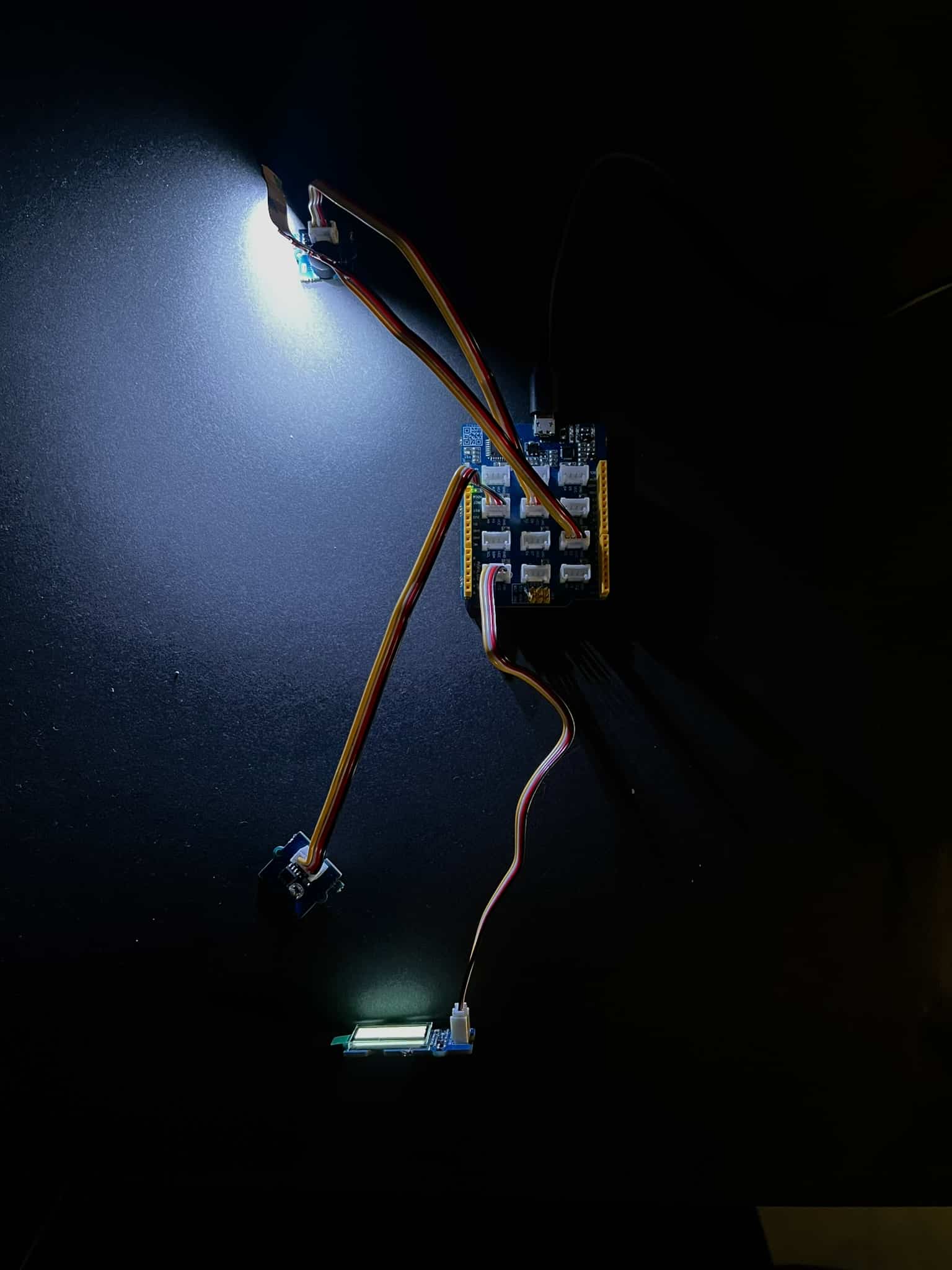
Introduction to Programming and Physical Computing Seminar Faculty: Daniel Mateos, Adai Suriñach, Antoine Jaunard Group Members: Amalia Anna Korgiala, Camilo Hernán Contreras Concept The project aims to design a sensor that can work with light or sound sensors, inspired by a library luminaire. The sensor can be placed in various areas and scales, such as … Read more

BioMatter: Four Experiments in Digital Fabrication

Introduction to Digital Fabrication Seminar Faculty: Ricardo Mayor, Hamid Peiro, Shyam Francesco ZoncaFaculty Assistant: Sheikh Rizvi Riaz, Federico Caldi, Vivek Venkateshappa In our Introduction to Digital Fabrication course we developed a small ecosystem of “bio” prototypes that test how code, machines and matter can co-evolve. Across four exercises we treated each fabrication tool as a … Read more

Choreographies of Making: Introduction to Digital Fabrication

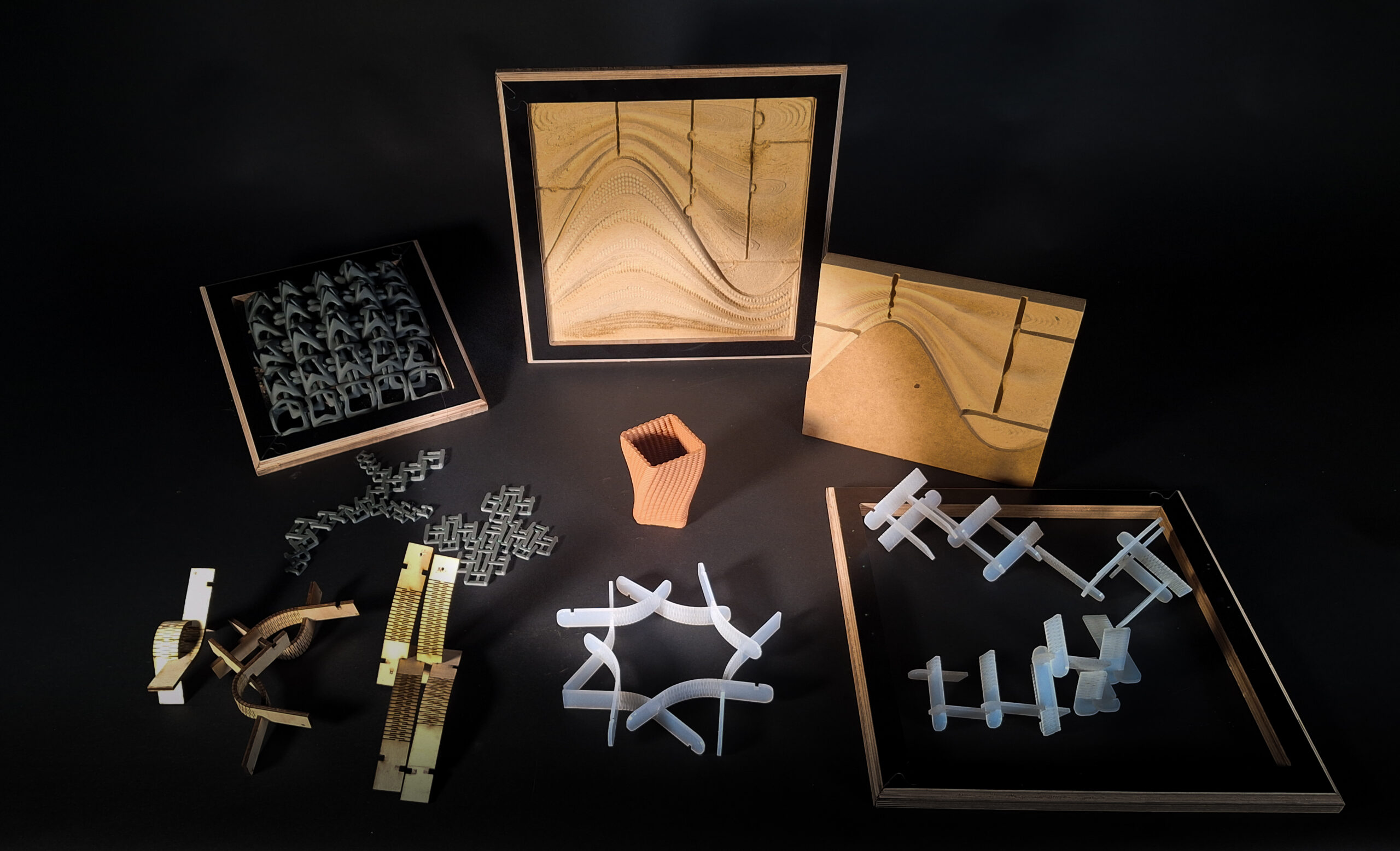
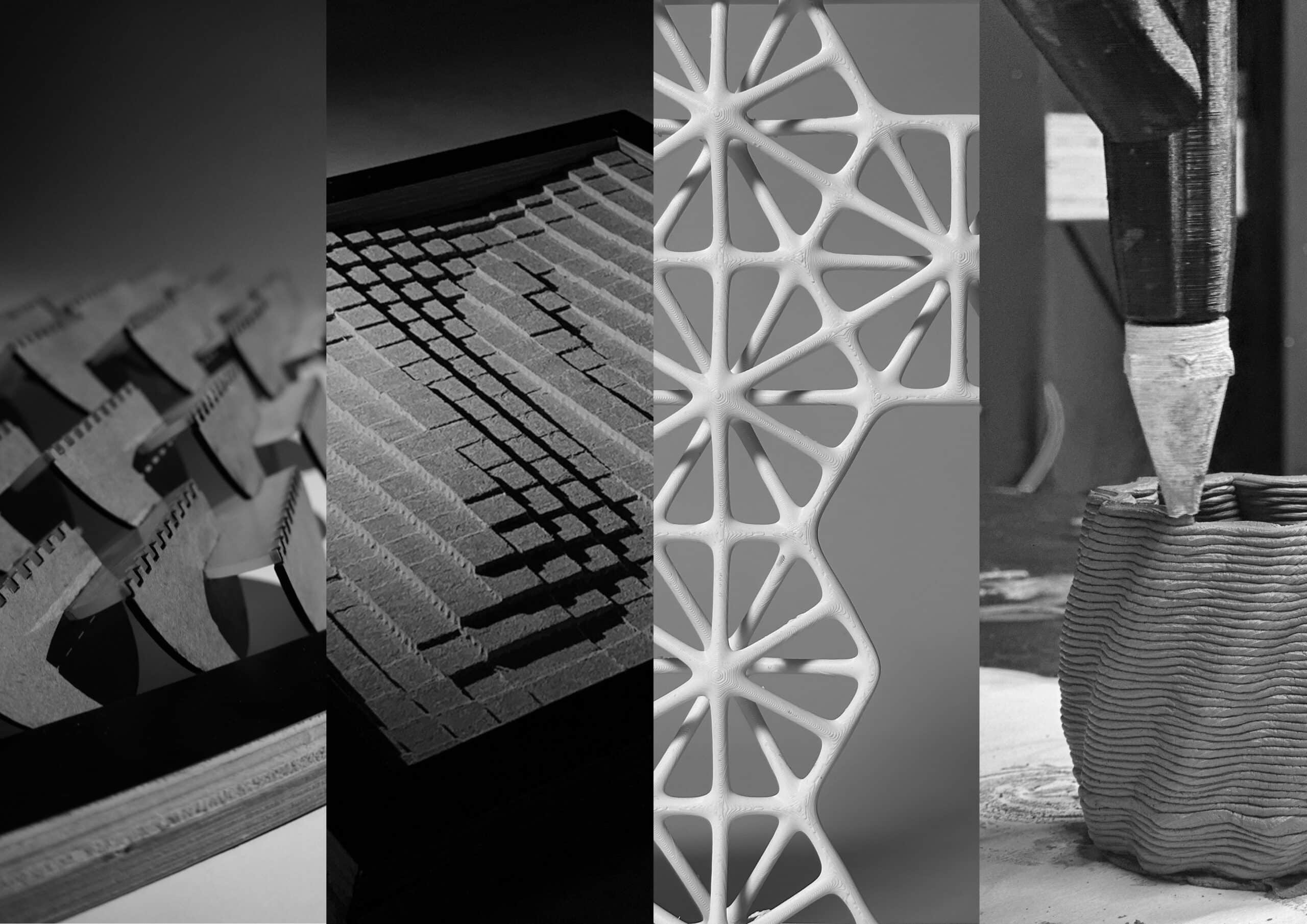
A collection of digital fabrication prototypes displayed on a dark background, including 3D-printed modular façade components, laser-cut bending assemblies, CNC-milled MDF panels with carved topographies, and a robotically 3D-printed clay vessel, all arranged within wooden frames and scattered test pieces.

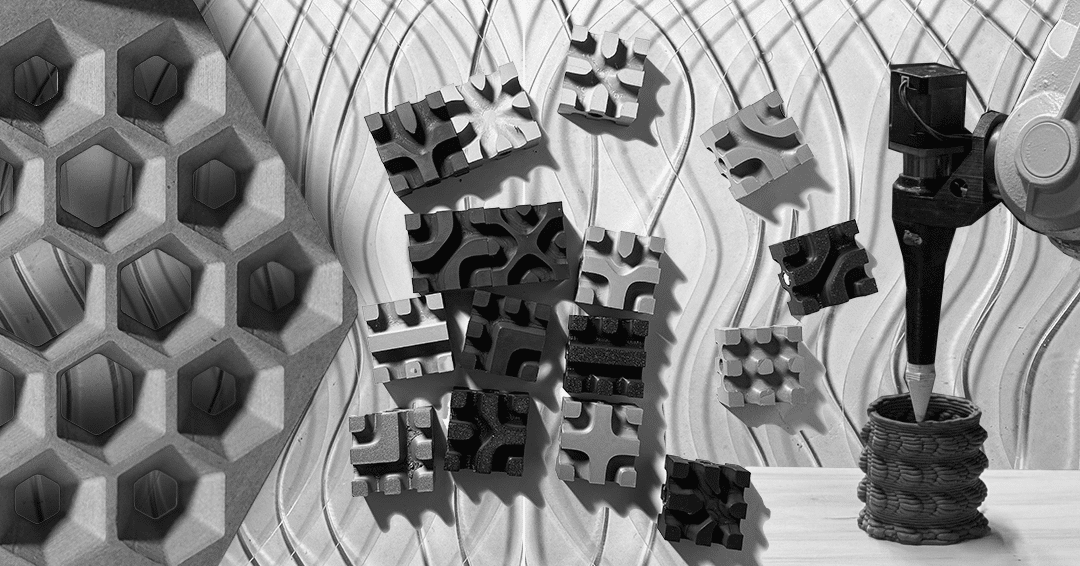
The evolution of digital fabrication has transitioned from rapid prototyping toward the sophisticated integration of multi-platform manufacturing workflows. This report examines the technical implementation of Additive Manufacturing (AM), Subtractive Computer Numerical Control (CNC), and Robotic Automation within a controlled laboratory environment. By synthesizing these diverse technologies, the project explores the precision, scalability, and material efficiency … Read more

Fabricated Motion

Introduction to Digital Fabrication In contemporary architectural practice, digital fabrication has opened new possibilities for designing and producing building components with precision, efficiency, and expressive complexity. Among the most widely used methods—laser cutting, CNC milling, 3D printing, and robotic fabrication, each offers unique material, geometric, and performative potentials. For this assignment, we explore these techniques … Read more

The Digital Fabrication Collection

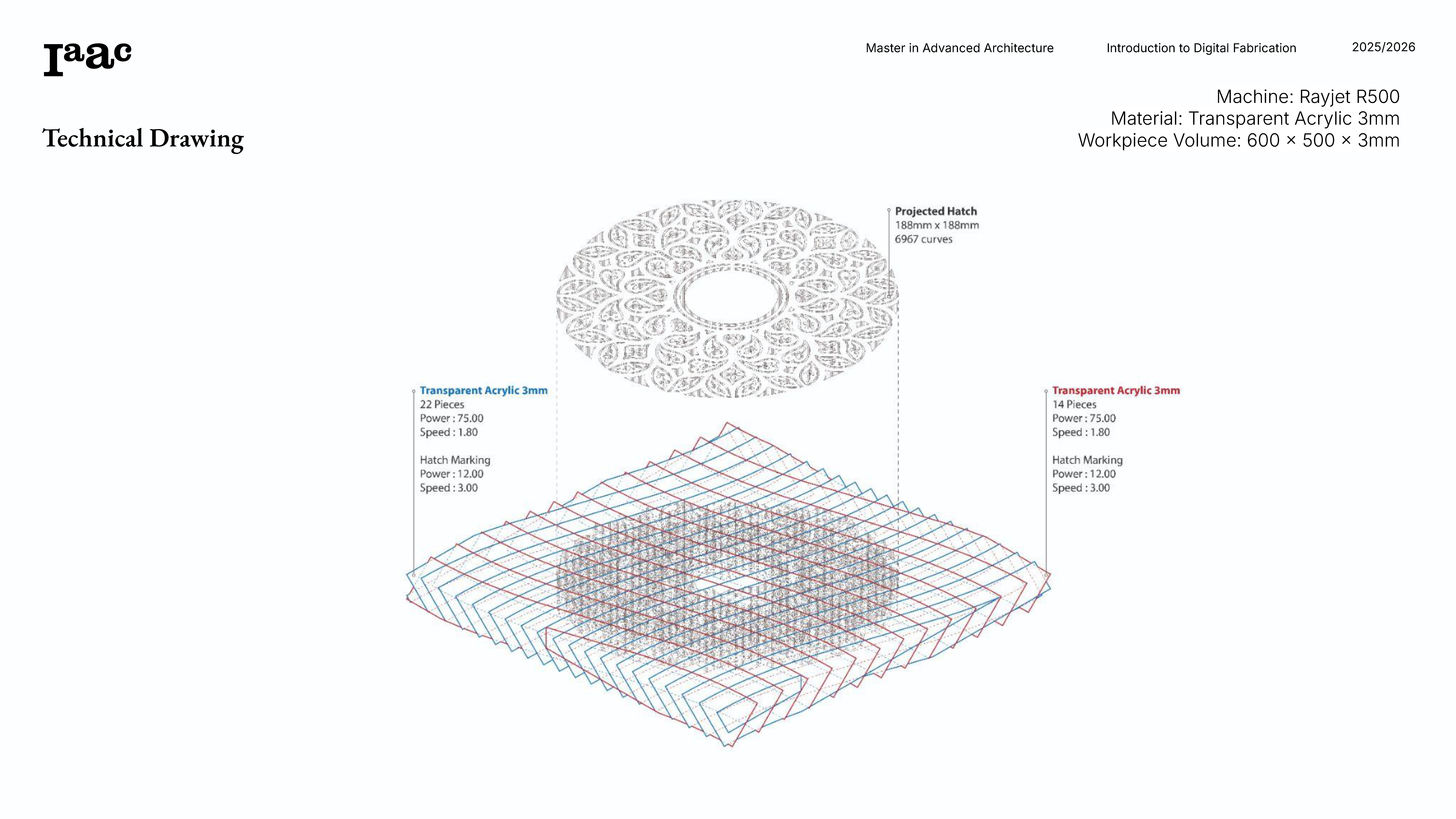
The Digital Fabrication Collection showcases four prototypes developed through distinct making techniques. Each project explores how form, material, and geometry respond to CNC milling, laser cutting, 3D printing, and robotic fabrication, highlighting the diverse possibilities of digitally driven design. Light Lattice The Light Lattice project explores how laser cutting can translate digital geometry into tangible … Read more

FACADE PROTOTYPING

Vertical elements shape how we experience architecture-defining boundaries, filtering light, and giving character to both interiors and facades. In this exercise, we explored their potential through hands-on digital fabrication, rotating between 3D printing, laser cutting, CNC milling, and robotic manufacturing. Working within a fixed wooden framework, each technique challenged us to rethink material behavior, structural … Read more

TriAxial Dynamics

3D Printing | Kinetic Facade | CONCEPT | The project draws its primary inspiration from the dynamic, sun-responsive mashrabiya system of the Al Bahr Towers in Abu Dhabi. What captivated me was the sharp visual contrast between conventional, static façade geometries often rectilinear or triangulated and the refined kinetic intelligence embedded in these triangular adaptive … Read more

Light Responsive Kinetic façade…

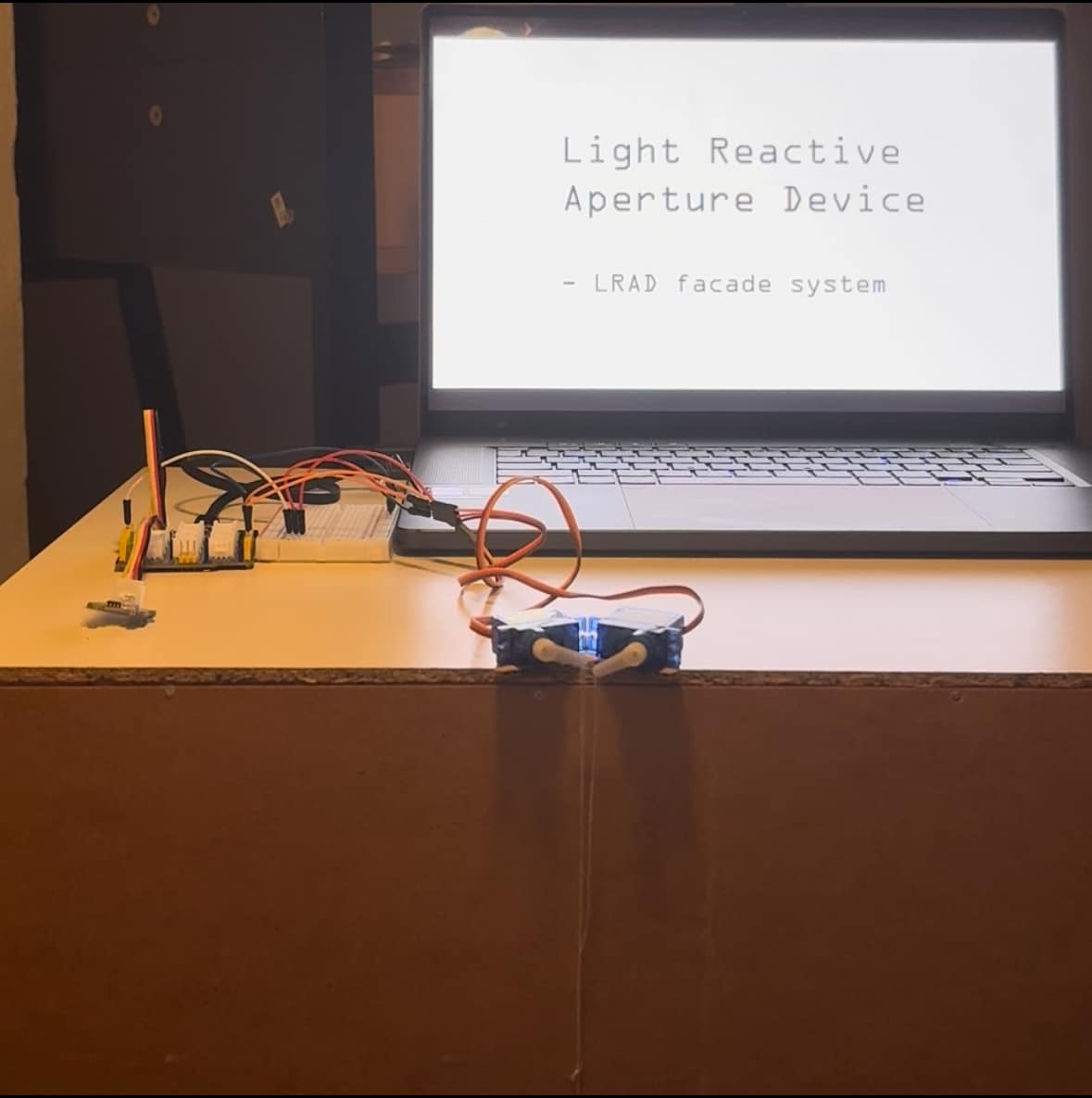
The kinetic façade dynamically responds to natural light through adaptive panels that modulate openness and shading, creating a living skin that breathes with the environment. As daylight fades, the integrated buzzer activates, signaling the transition from day to night transforming the façade into an expressive architectural interface between nature and technology.   Pin-mount suspension system The … Read more

Sunflower

An intelligent system inspired by the Sunflower.

A sun-chasing system is a mechanism that automatically tracks the movement of the sun across the sky to maintain the optimal angle for capturing sunlight. When applied to solar panels, this technology can increase energy efficiency by up to 30–40% compared to fixed panels, as it maximizes exposure throughout the day. Beyond energy generation, the … Read more

Sentinel Mesh

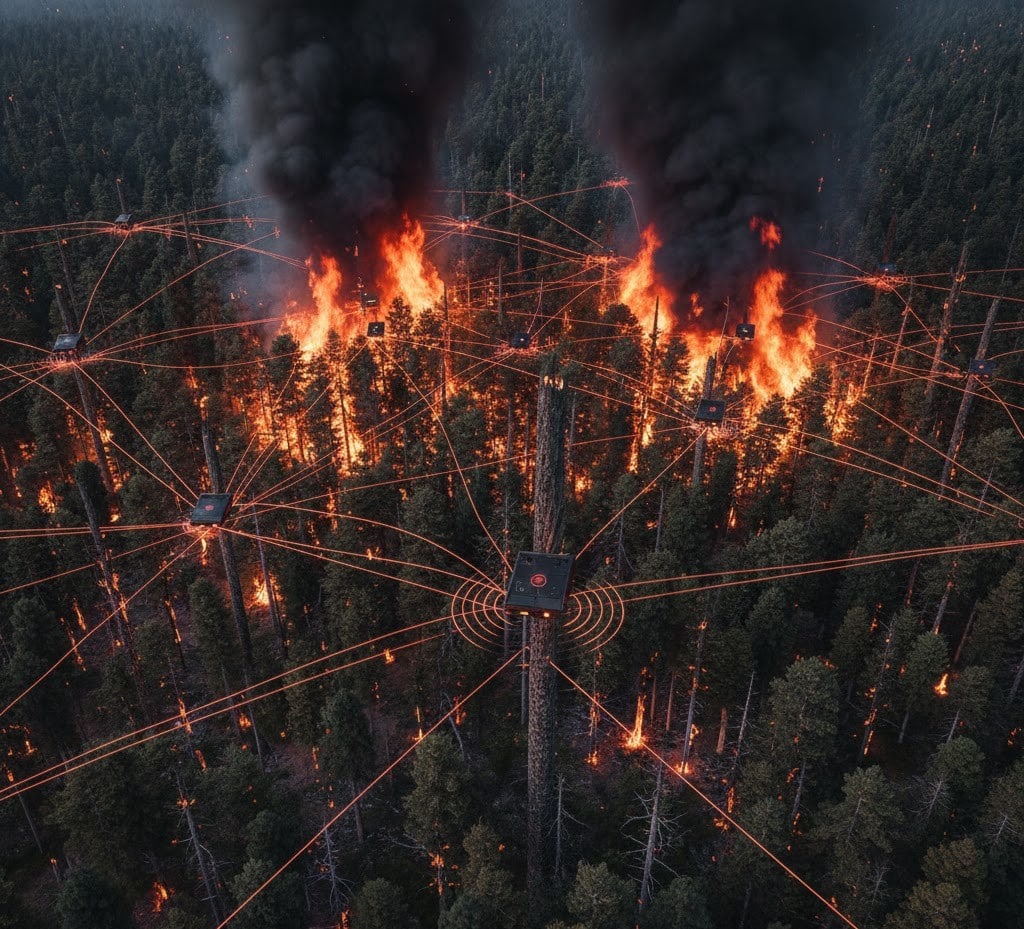
The rising incidence and intensity of wildfires represent a pressing issue. Driven by climate change, prolonged droughts, and poor land management, these fires are no longer isolated incidents but massive, destructive events that regularly surpass human control. Given the scale and speed of these megafires, traditional response methods are often too slow. We must shift … Read more

Robby Road

This project explores how human motion in space may be sensed, interpreted, and recorded with physical computing. The project integrates digital sensing with spatial interaction. With three ultrasonic sensors, LEDs, a servo motor, and an OLED display, the system not only senses but also displays directional flow — i.e., whether people are coming or going … Read more

Hoarder.data

Problem Tersa is a public company that runs a waste incineration plant in Sant Adrià del Besòs, serving much of the Barcelona metropolitan area. Over the years, local associations and residents have raised concerns that the plant may exceed emissions limits of toxic substances and caused pollution. Despite all the concerns, the investigating judge archived … Read more

LumiMaze

The goal of this project is to design a smart light maze that reacts to the movement or presence of people. In this system, the paths and walls of the maze are made of colorful LED strips (such as NeoPixel), which light up dynamically and interactively as participants move through the maze. When a person … Read more

AutoAdapt

All seats in public areas are typically uniform in height; however, individuals differ in stature. When a seat is elevated, a child may find it challenging to access, whereas a low seat could cause discomfort for a taller individual. The optimal proportion is that the chair’s seat height should be approximately 25% of your total … Read more