The MaCAD is a unique online programme training a new generation of architects, engineers and designers ready to develop skills into the latest softwares, computational tools, BIM technologies and AI towards innovation for the Architecture, Engineering and Construction (AEC) industry.

Filters
Course

Tree-Shaped Timber Structural System
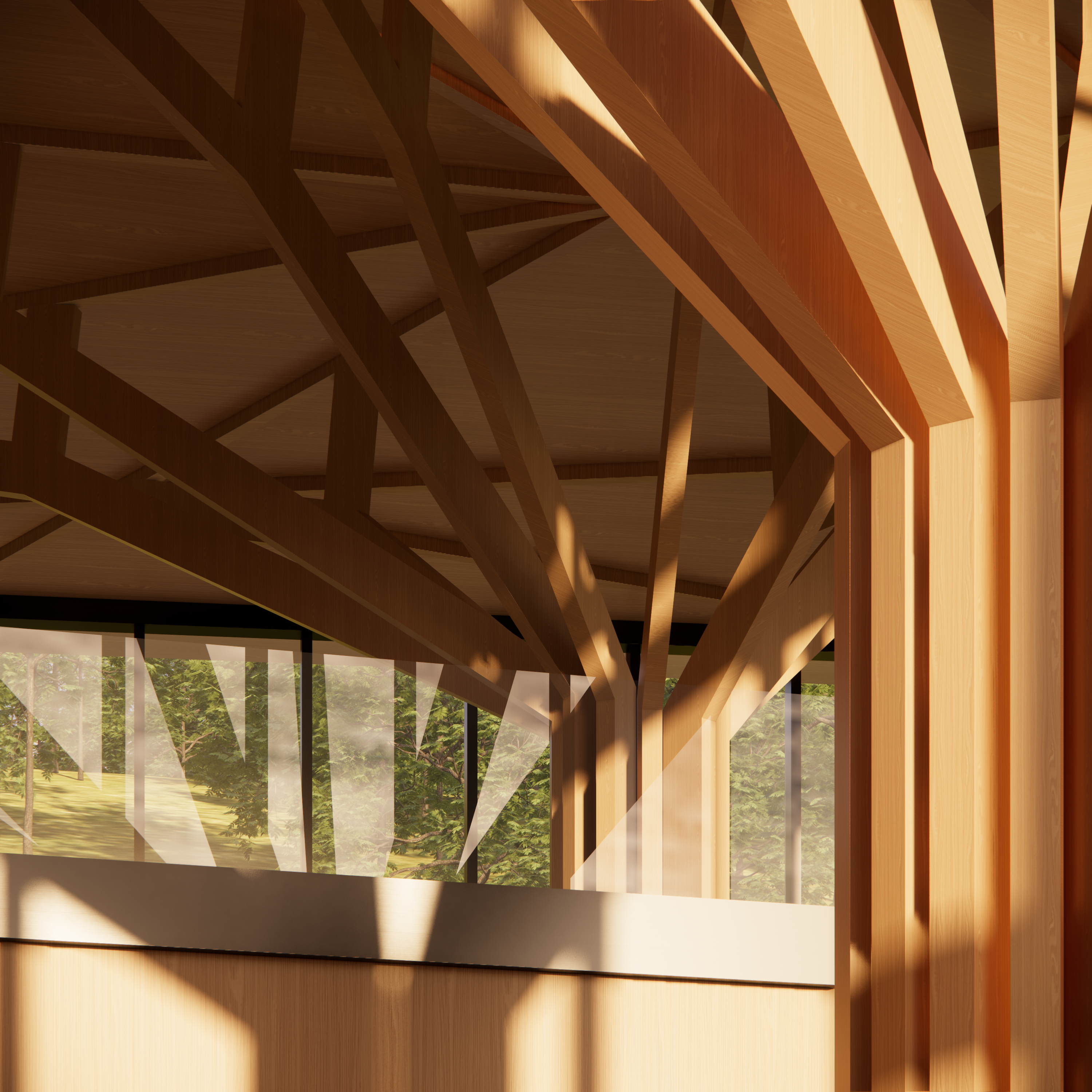
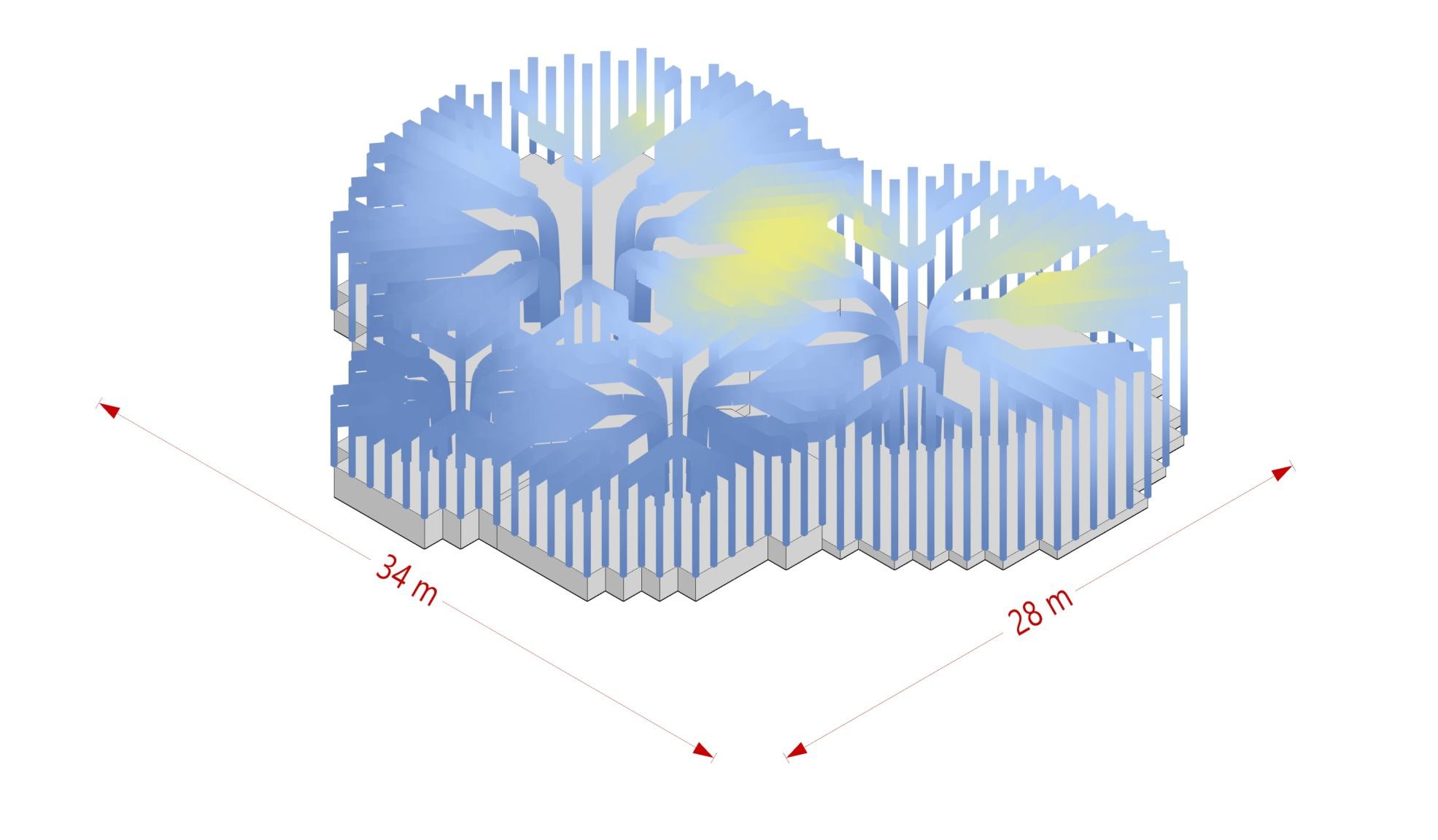
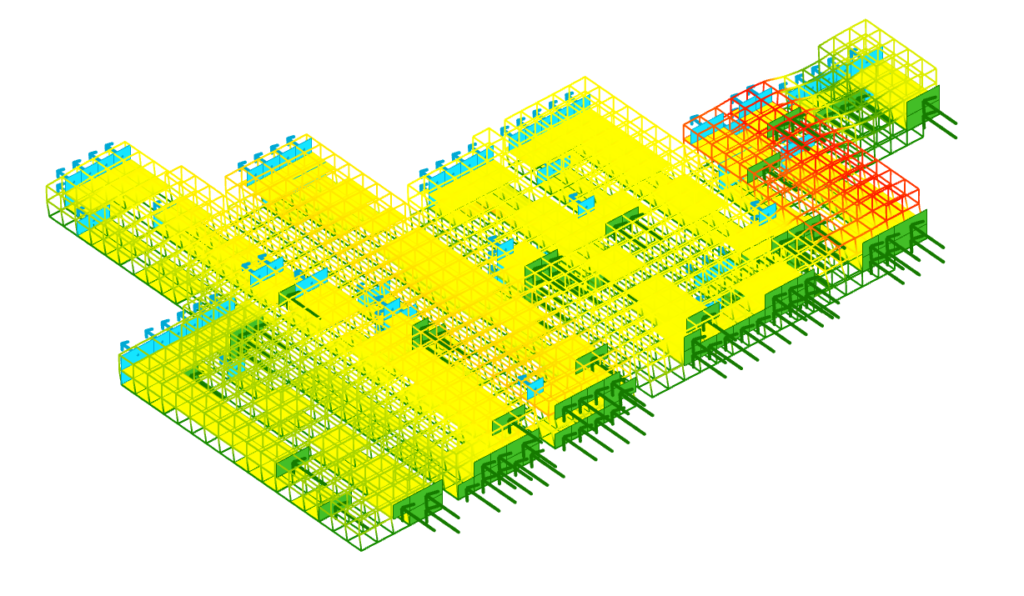
Architectural Concept Located in the northern part of Italy in Trento, famous for timber construction, our site is perched atop a cliff at the city’s highest point. We initiated our project by focusing on tree construction, leveraging the terrain to our advantage. Structural Design Explorations In our quest for the optimal structural form, we explored … Read more
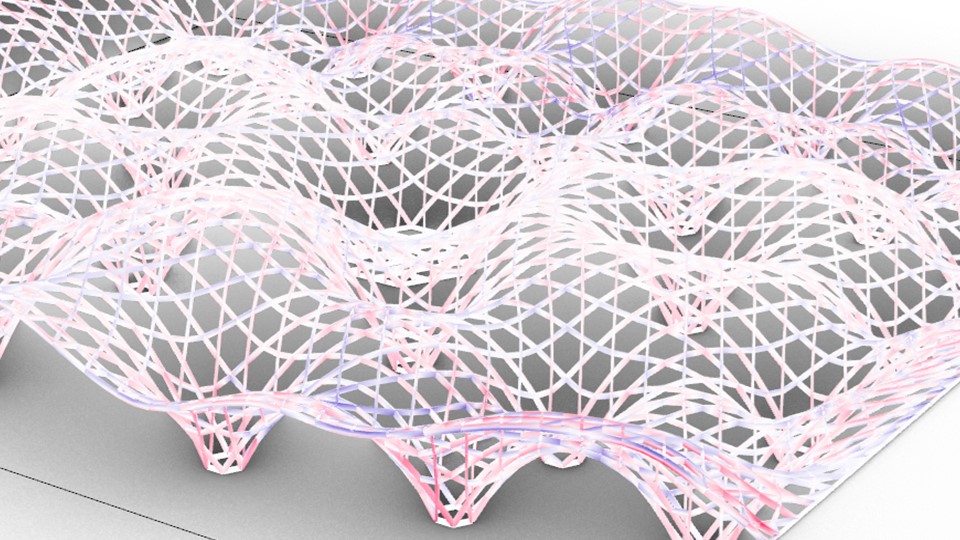
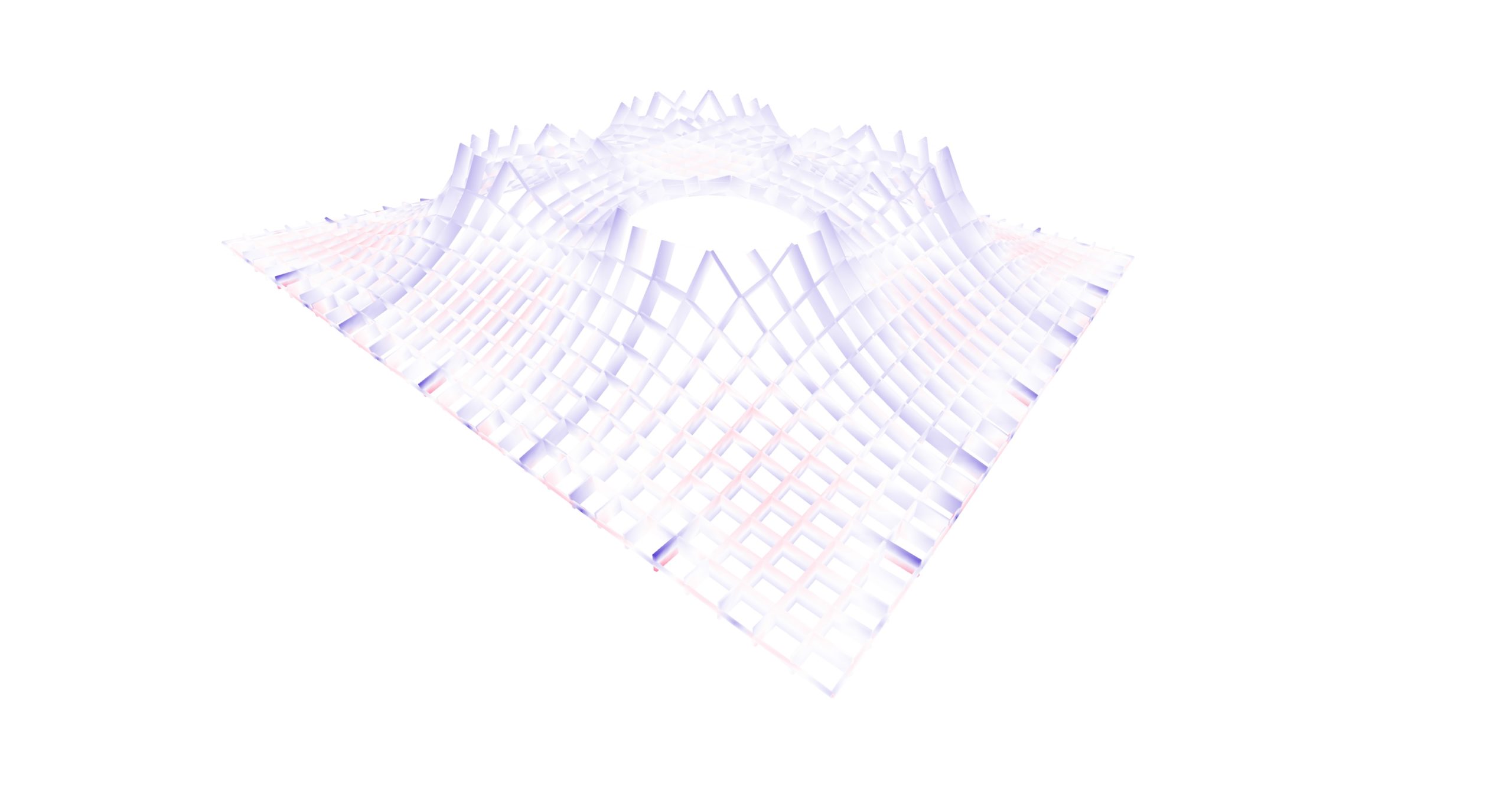
Minimal Surface Timber Gridshell – Structural Analysis

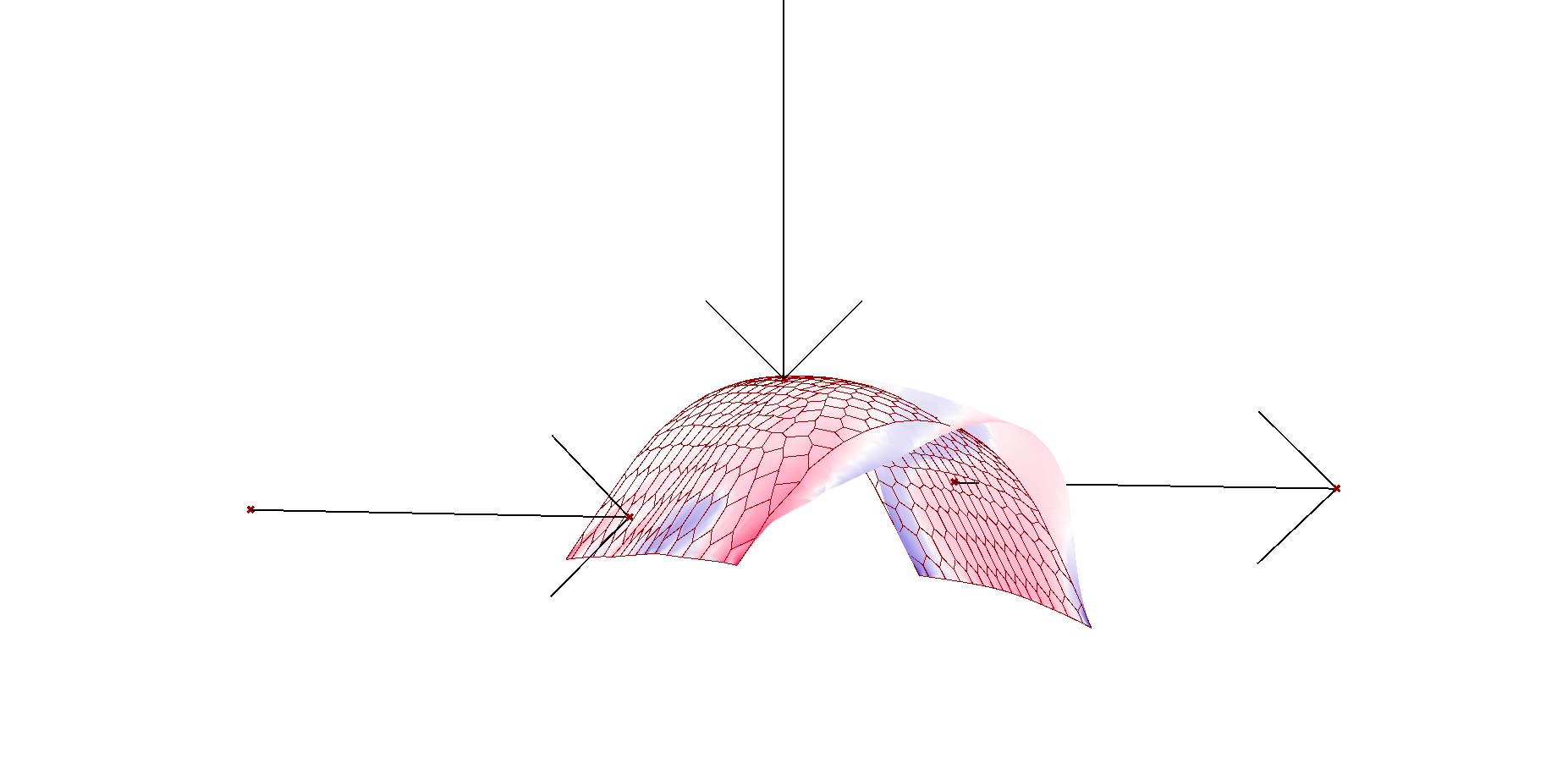
In the dynamic field of structural design, efficiency has emerged as a central theme driving innovative solutions. Our recent venture in the structural design and optimization seminar delves into the intriguing concept of minimal surfaces applied to timber gridshell structures. But what exactly do we mean by minimal surfaces? Defined as shapes that require the … Read more

The Aural Amplifier

Nestled within the crater of Agnano in Naples, Italy, this museum lies at the base of a dormant volcano. Spanning multiple floors, the collection unfolds the captivating narrative of the native species of Naples. Our project germinates from three distinct mathematical equations: A cartesian equation that produces a Clebsch diagonal cubic surface, a parametric equation … Read more

GRAPH MACHINE LEARNING TOWARDS ADAPTIVE CITIES: A data-driven approach to sea level rise problematics

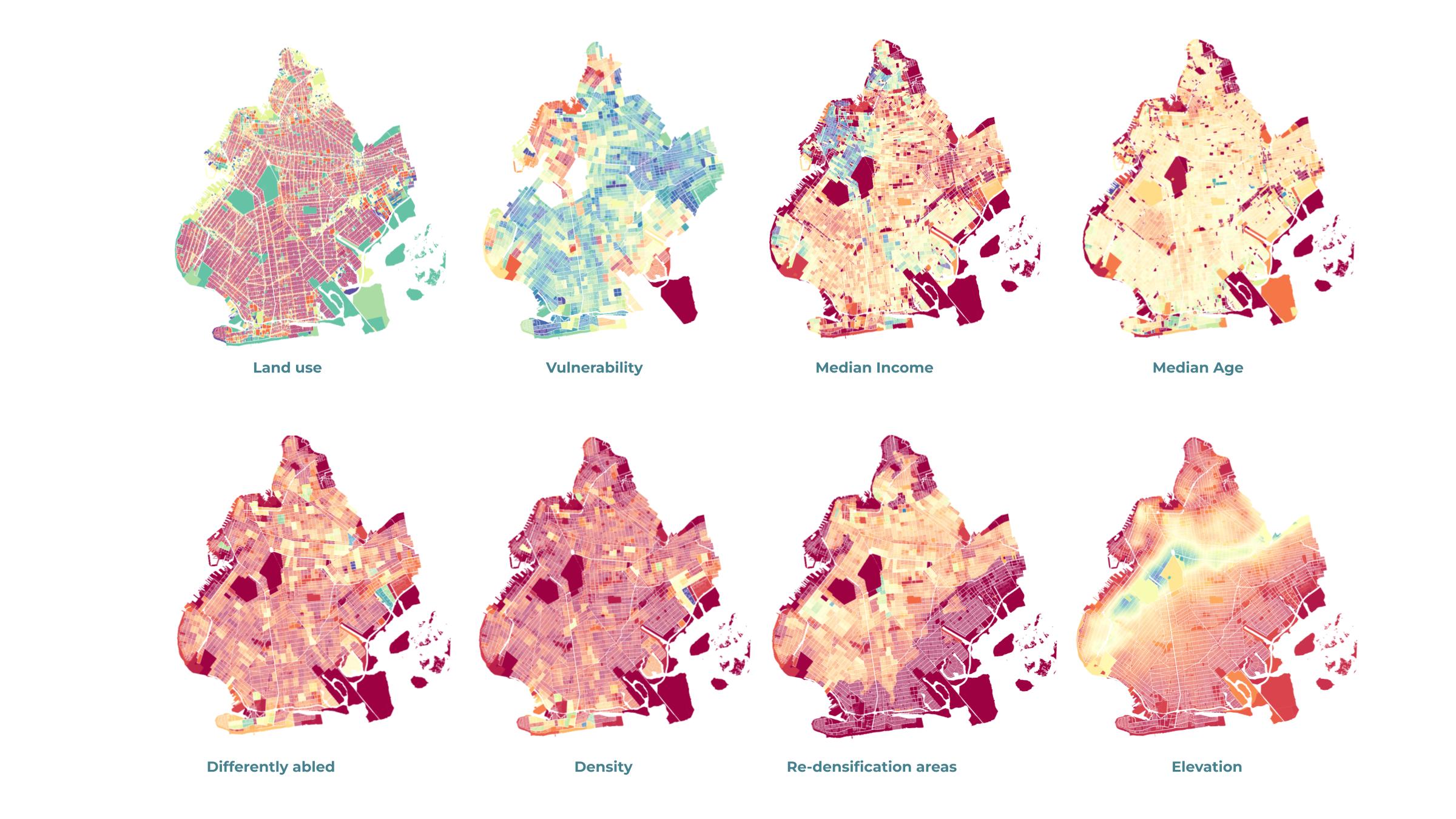
Abstract This thesis explores experimental approaches when addressing sea level rise challenges , the impacts of land loss due to sea rise and population growth. It delves into considerations associated with innovative approaches while emphasizing the integration of urban syntax and graph machine learning. Drawing upon case studies and open data, underscoring the importance of … Read more

Spatial.Revelations

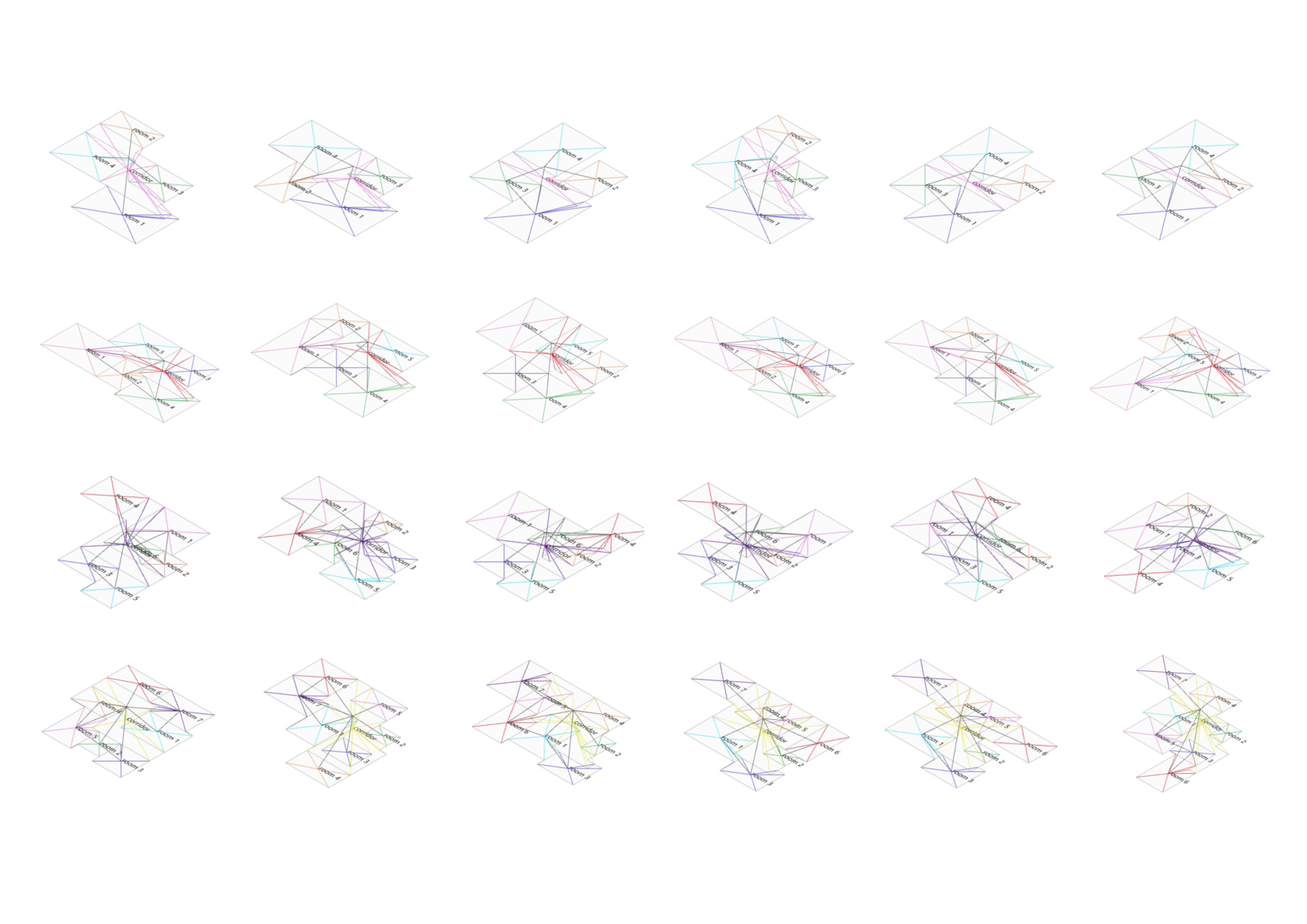
Abstract This study delves into the innovative fusion of graph theory with architectural design and planning, facilitated by a structured BIM to Graph workflow. By conceptualizing architectural elements as nodes and their interconnections as edges within a graph, architects gain an adaptable and multifunctional tool for representation, analysis, and strategic planning. The graph’s inherent scalability … Read more

WEB GRAPH MACHINE LEARNING

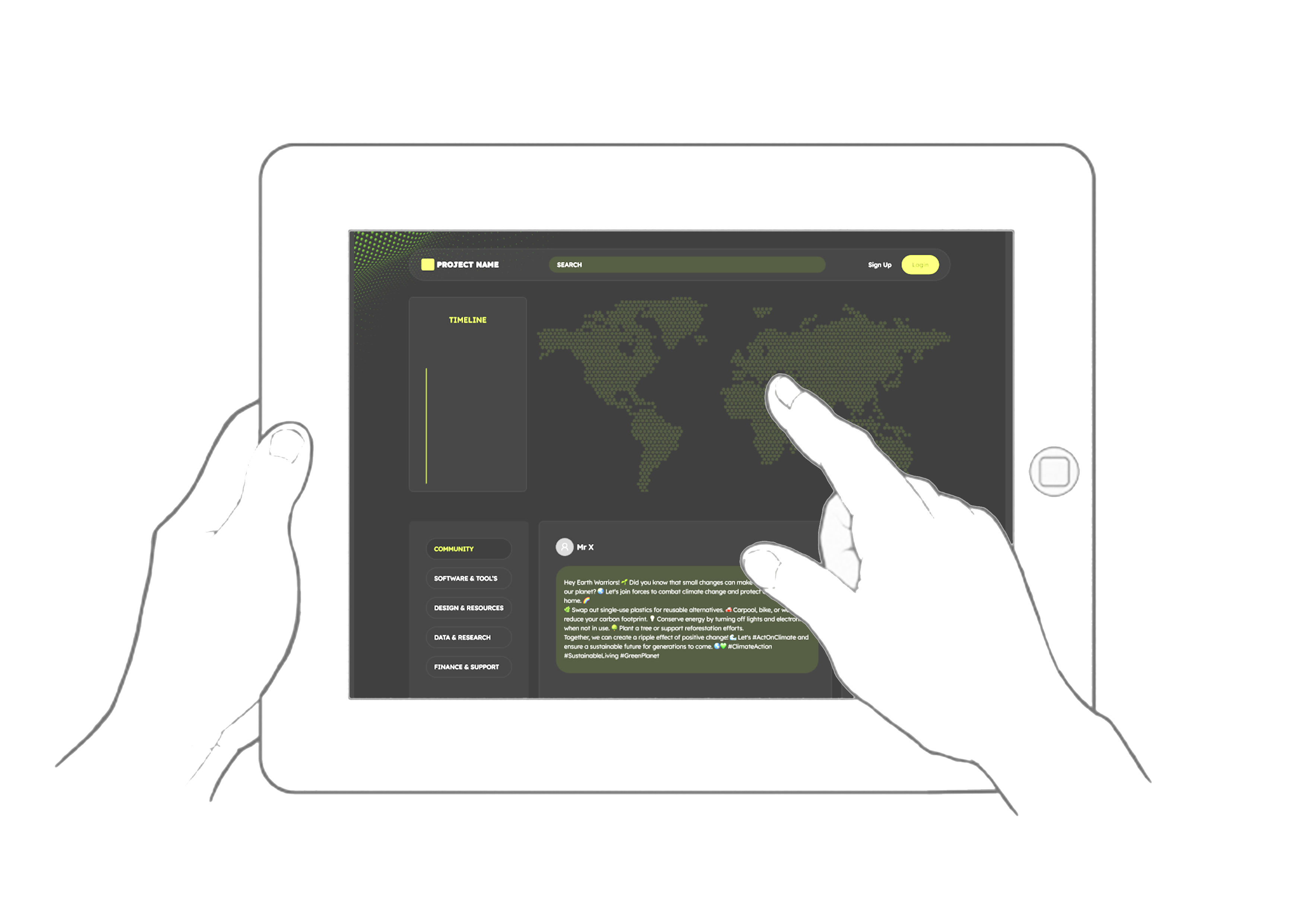
Our project website can be accessed at bit.ly/graphml Introduction Our research focused on hosting a machine learning model on the web that accesses Rhino.Compute. It receives an input of a polyline drawn on a Leaflet.js map by a user to indicate the central corridor spine of a building and returns a graph of that building … Read more

SOUND INTELLIGENCE

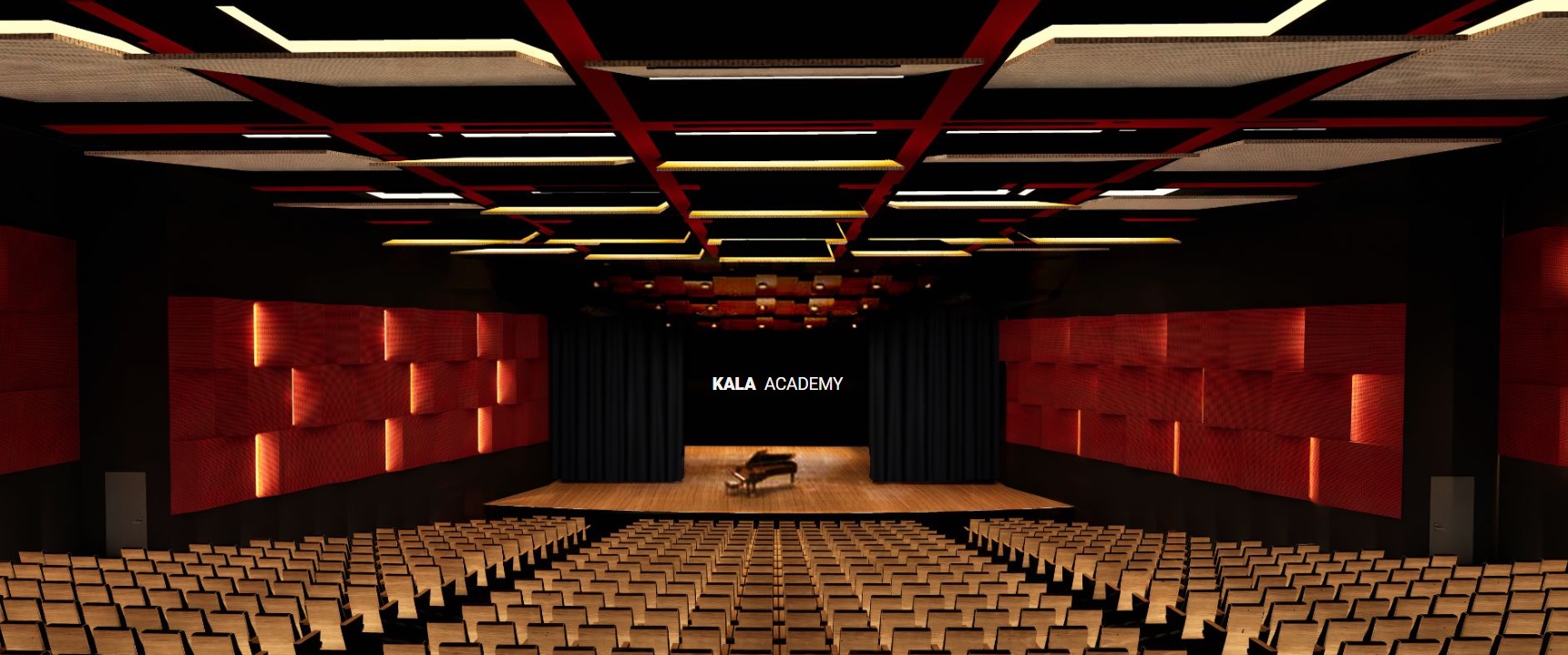
Kala Academy Auditorium Refurbishment – Using Genetic Algorithms I PROBLEM STATEMENT I STATE OF THE ART EMPAC The interior was treated with various wall patterns applied to the walls leaving no flat surfaces to increase sound diffusion and decrease reverberation time, This made it rank as one of the most acoustically perfect concert halls in the … Read more

Vastu in Graph Machine Learning

CONCEPT Vastu Shastra is a traditional Indian architectural science that provides a wide range of guidelines for design, layouts and construction of buildings. Vastu Shastra is based on the principles of ancient Indian texts and it aims to create harmonious and balanced living spaces that promote physical, mental and spiritual well being. WORKFLOW DESIGN PROCESS … Read more

Loneliness in Greater Melbourne

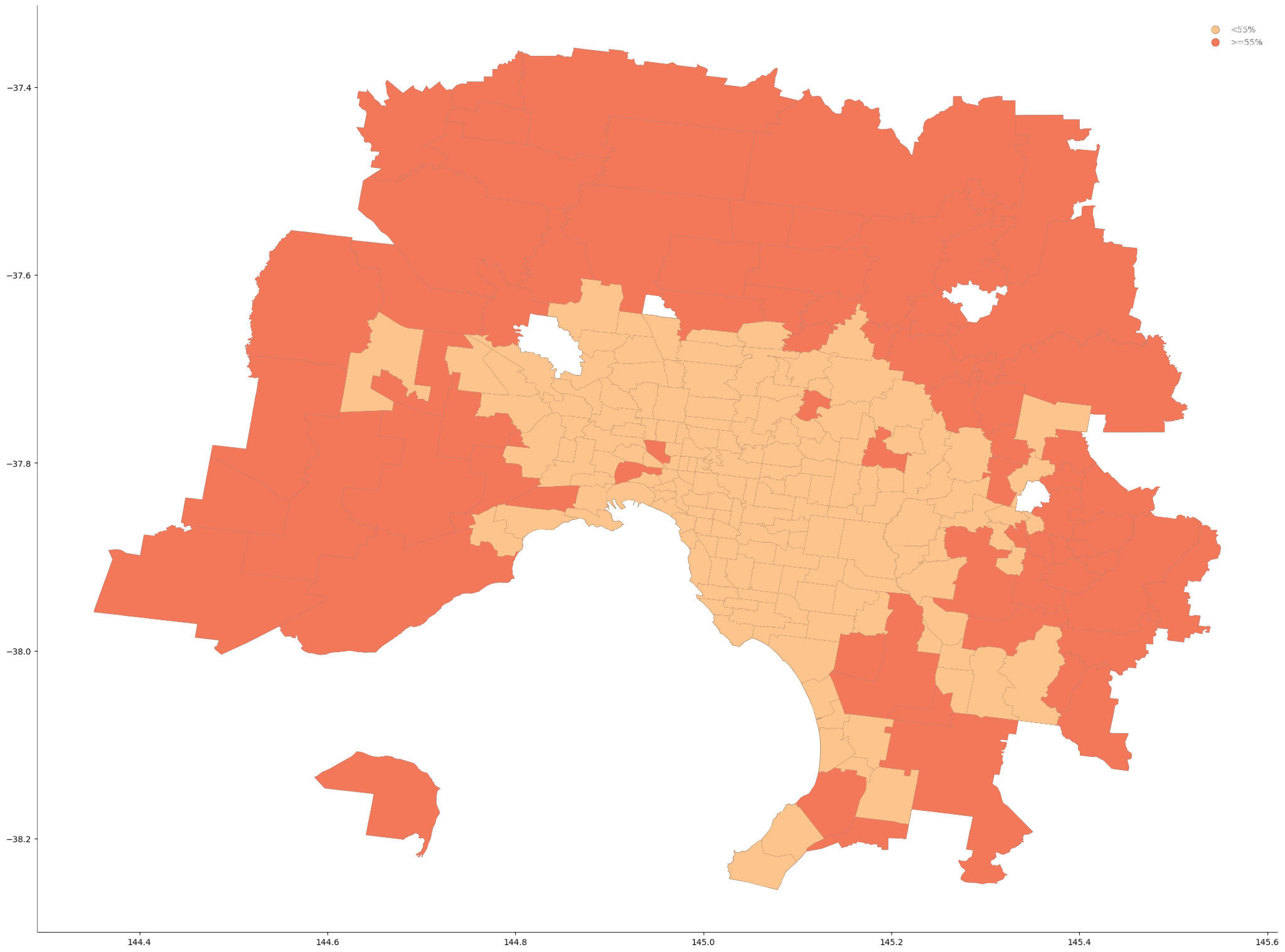
There are different types of loneliness and different causes for each type. The social media induced loneliness as described by Sherry Turkle in her book Alone Together: Why We Expect More from Technology and Less from Each Other (2012) is different from the loneliness of feeling alone in a crowd in a very large city … Read more

Wildlife Corridors

Our project focuses on modeling and predicting habitat fragmentation avoidance mechanisms using graphs. We investigate wildlife corridors in Australia, leveraging graph-based approaches to create coherent passages and connect forest areas. By analyzing satellite images, road data, and other metrics, we construct and evaluate graph models that incorporate forest containment, node characteristics, and connectivity. Our goal … Read more