The MaCAD is a unique online programme training a new generation of architects, engineers and designers ready to develop skills into the latest softwares, computational tools, BIM technologies and AI towards innovation for the Architecture, Engineering and Construction (AEC) industry.

Filters
Course

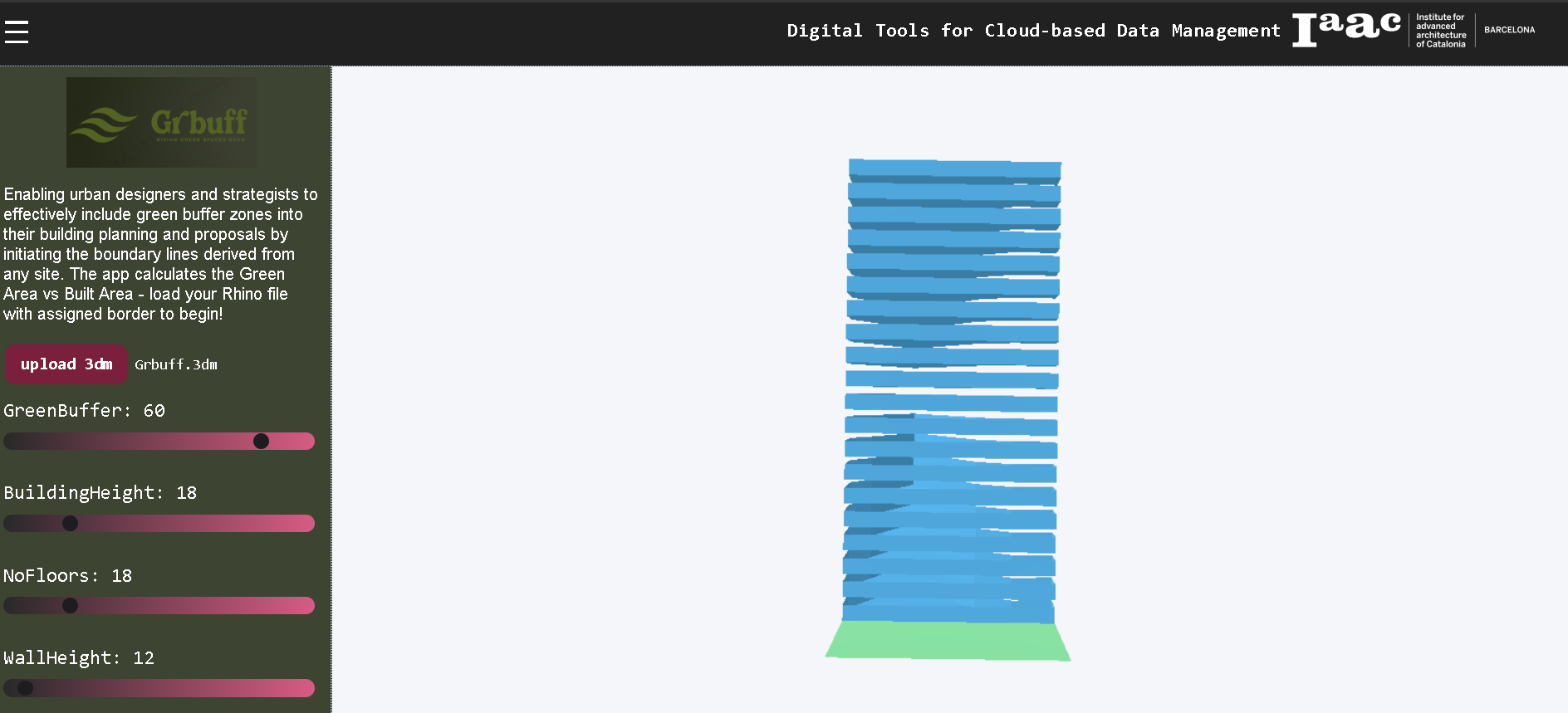
Urban Impact Analyzer

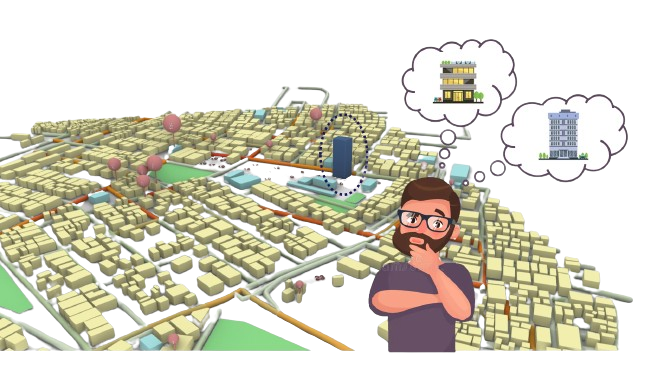
In the dynamic landscape of urbanization, migration towards cities is an undeniable trend. With this migration comes a myriad of challenges, notably the exponential rise in land costs and the often haphazard nature of urban development. As cities expand, there’s a pressing need for thoughtful and strategic construction that not only addresses the demands of … Read more

Machine Learning in Architectural Practice and BIM

We’ve witnessed a fascinating shift from conventional to computational approaches, responsive designs, and the era of automation. Machine Learning, a term buzzing everywhere these days, has made its mark in our industry as well. In architecture, ML, a subset of artificial intelligence, utilizes data to tackle challenges in computer-aided design by simulating various design alternatives … Read more

Metaphors of Transformation: Shaping Sustainable Architectural Paradigms in the Urban Era

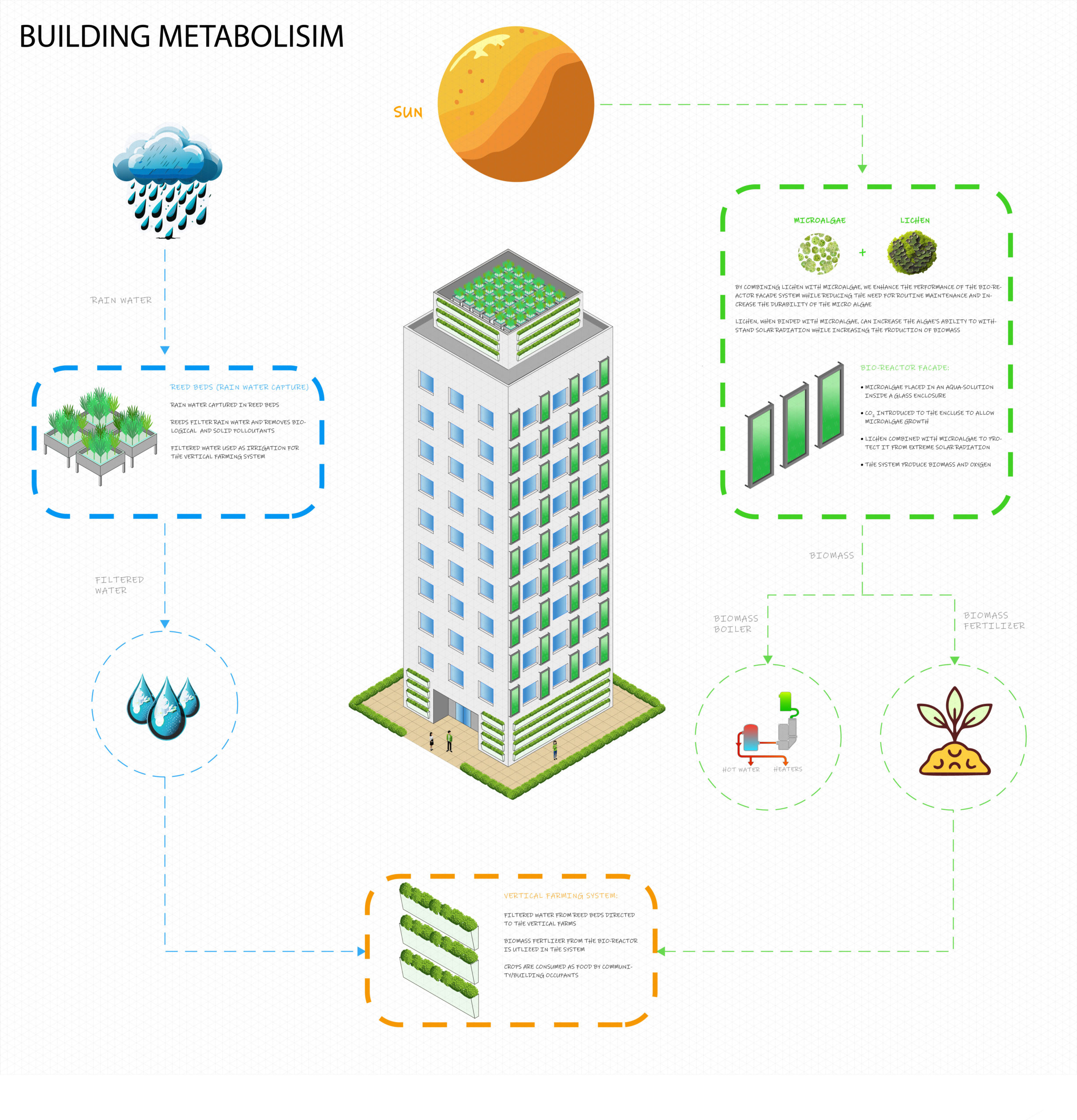
Introduction In the face of intensifying urbanization and the climate crisis, how can a paradigm shift in architecture, guided by the principles of building metabolism theory, offer a sustainable and regenerative solution to address the challenges of our rapidly evolving urban environments? Abstract In an era of intense urbanization there is an imperative need for … Read more

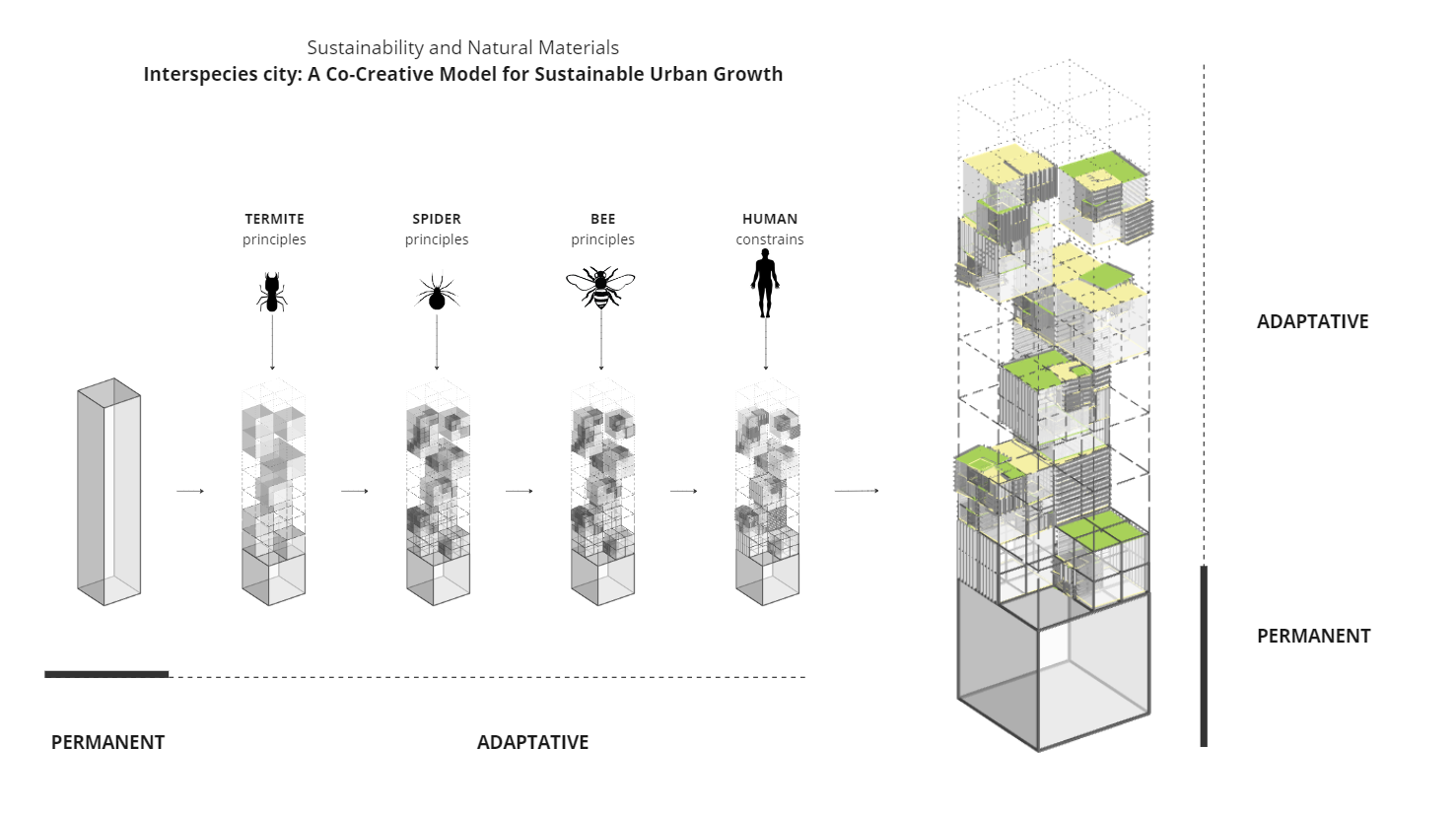
Interspecies city: A Co-Creative Model for Sustainable Urban Growth

INTRODUCTIONWhat is the difference between writing in ink and writing in pencil? Pencil can be easily deleted and re-written, while ink is permanent. In the realm of construction, the choice between writing in ink and pencil becomes a metaphor for permanence versus adaptability. Our cities face the urgent need for transformation in the face of … Read more

Symbiotic Metabolism

Problem Statement Modern buildings are fortresses holding nature at bay, reflecting Dualist philosophies separating humans from nature. Our current Anthropocentric notion of “nature” as something “out there” and separate from culture has created a metabolic rift1 within our urban and architectural landscapes, obscuring the ravaging of the earth. Resources are shipped from across the globe, … Read more

GRAPH MACHINE LEARNING TOWARDS ADAPTIVE CITIES: A data-driven approach to sea level rise problematics

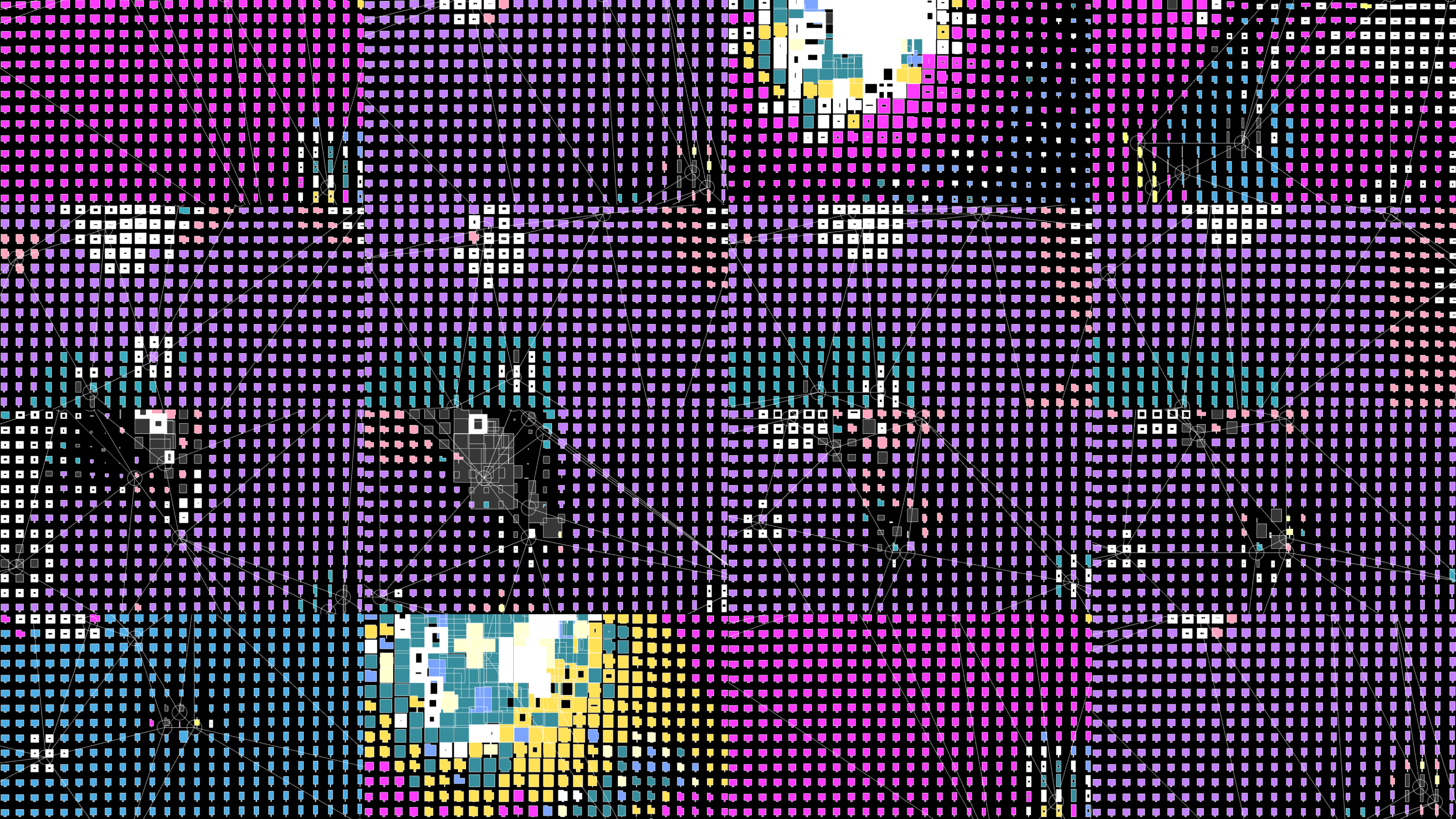
Abstract This thesis explores experimental approaches when addressing sea level rise challenges , the impacts of land loss due to sea rise and population growth. It delves into considerations associated with innovative approaches while emphasizing the integration of urban syntax and graph machine learning. Drawing upon case studies and open data, underscoring the importance of … Read more

Spatial.Revelations

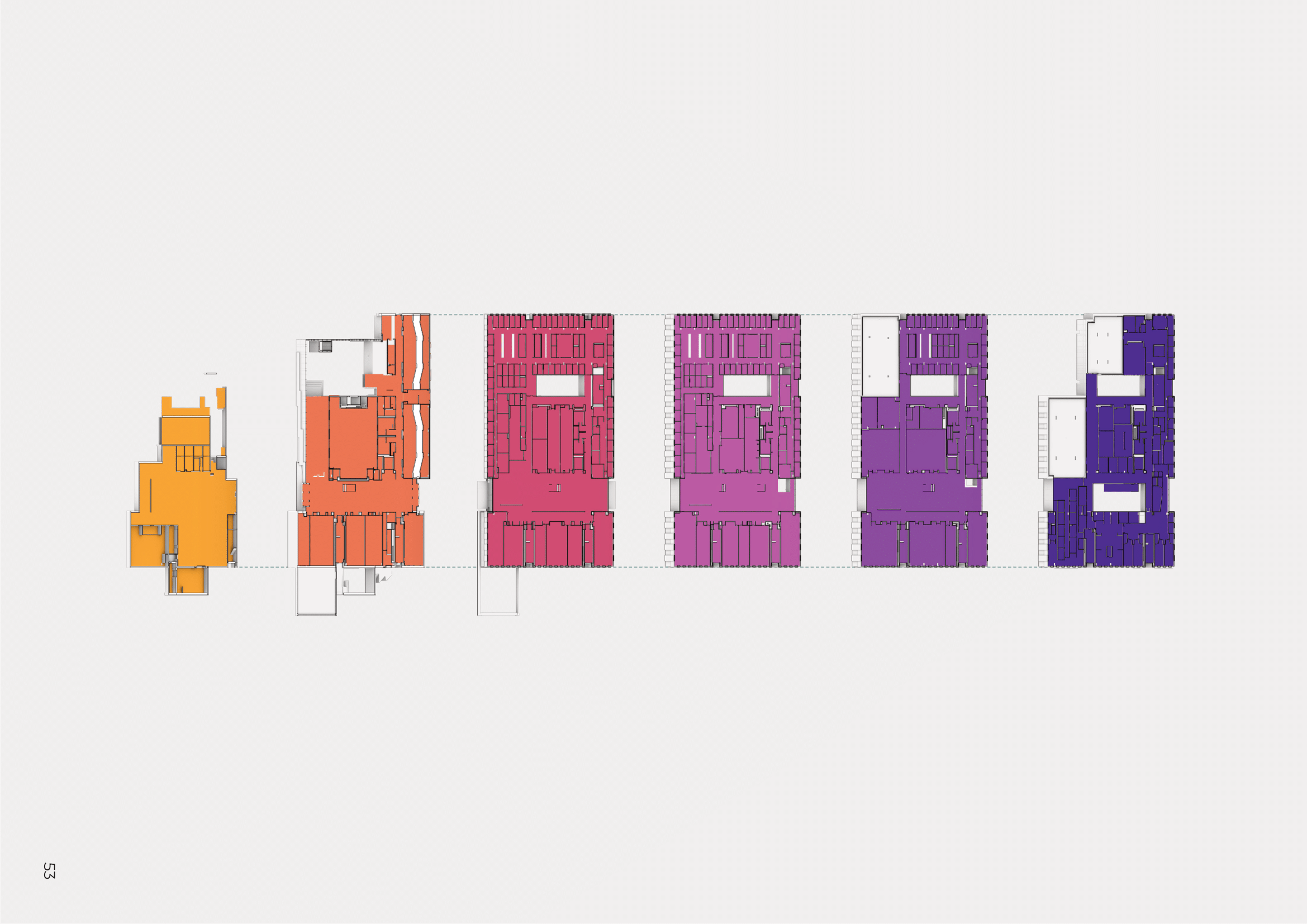
Abstract This study delves into the innovative fusion of graph theory with architectural design and planning, facilitated by a structured BIM to Graph workflow. By conceptualizing architectural elements as nodes and their interconnections as edges within a graph, architects gain an adaptable and multifunctional tool for representation, analysis, and strategic planning. The graph’s inherent scalability … Read more

SOUND INTELLIGENCE

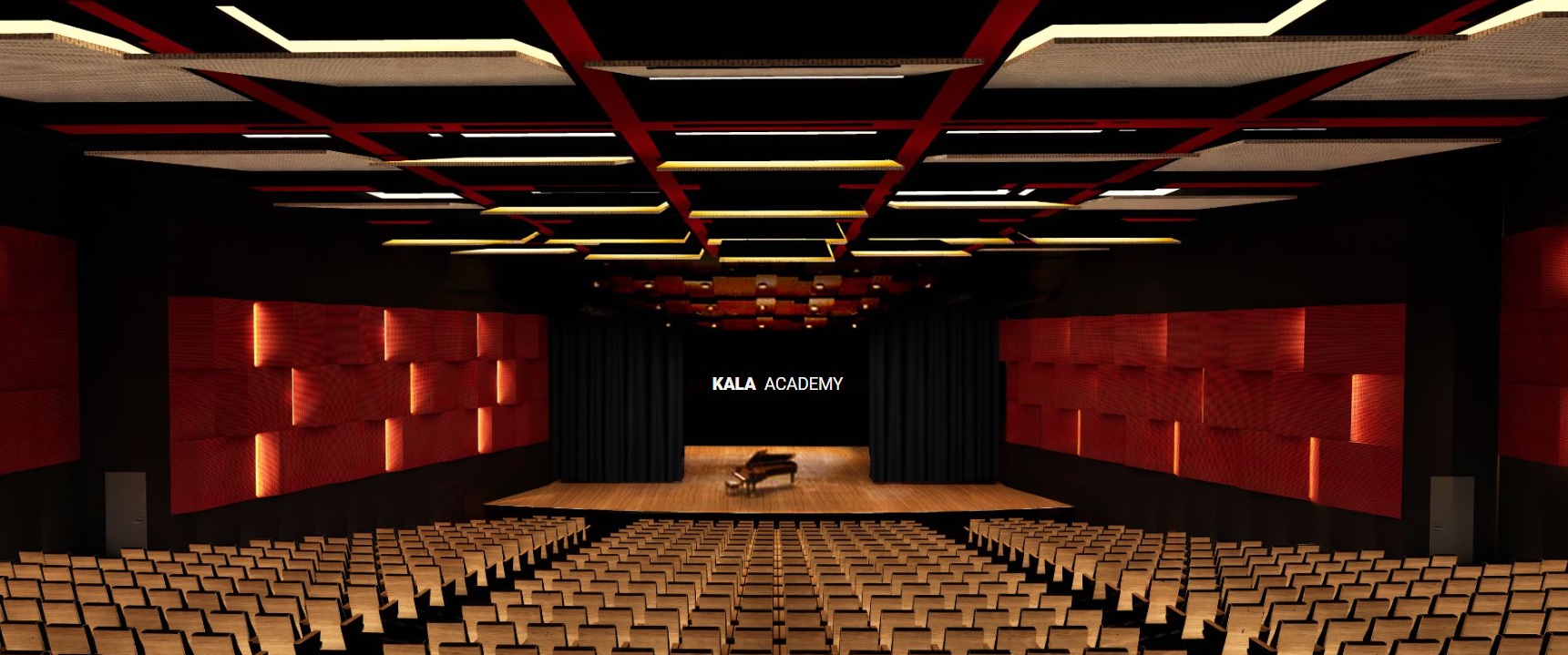
Kala Academy Auditorium Refurbishment – Using Genetic Algorithms I PROBLEM STATEMENT I STATE OF THE ART EMPAC The interior was treated with various wall patterns applied to the walls leaving no flat surfaces to increase sound diffusion and decrease reverberation time, This made it rank as one of the most acoustically perfect concert halls in the … Read more

Wildlife Corridors

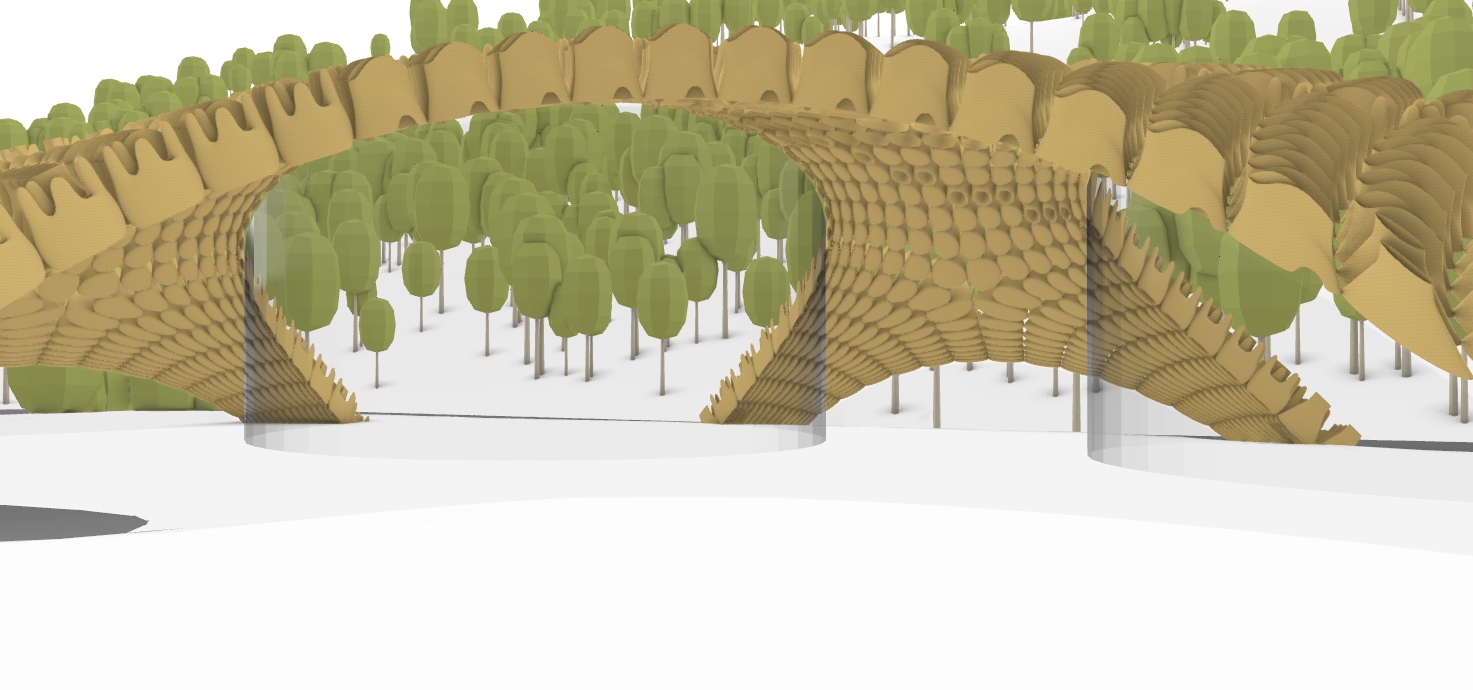
Our project focuses on modeling and predicting habitat fragmentation avoidance mechanisms using graphs. We investigate wildlife corridors in Australia, leveraging graph-based approaches to create coherent passages and connect forest areas. By analyzing satellite images, road data, and other metrics, we construct and evaluate graph models that incorporate forest containment, node characteristics, and connectivity. Our goal … Read more

Adappt

Challenge to solve The potential for a building to adapt to various uses is primarily determined during the initial stages of the design process. This feature is rarely considered by architects yet has a significant impact of a building’s sustainability. The intention is to provide an early-stage tool that architects can use to test adaptability … Read more

Martian Playground // Integrative

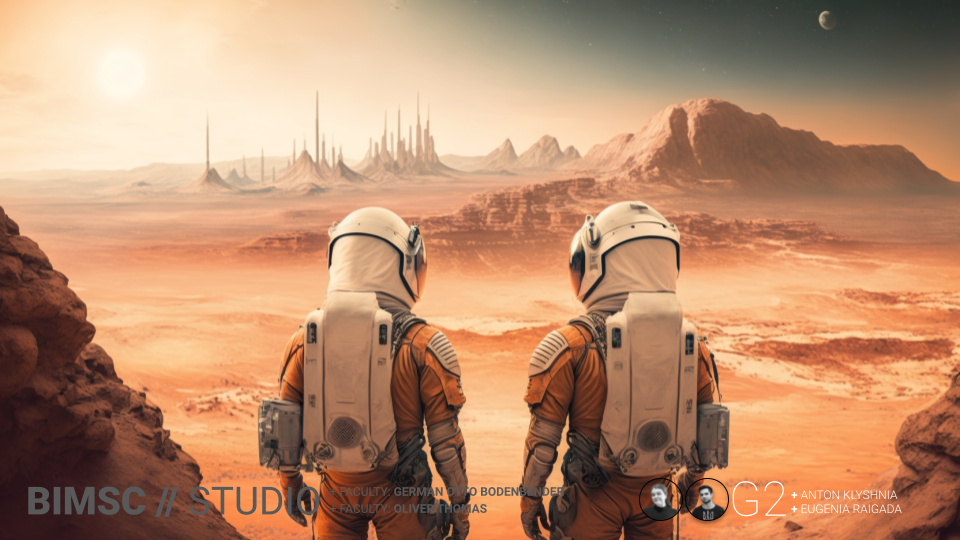

Overview: Rhino.Inside as a Revit Workflow Integrating the flexibility of designing Grasshopper into the enclosed and precise environment of Revit is an extremely powerful workflow. Main Aspects Challenges Workflow Description Concept The project is located on Mars and as for the nature of the location the project is very unconventional. The purpose of our group … Read more

Digital tools for Environmental Analysis

The project is located in Shanghai, China. The first is the basic climate analysis of Shanghai. The warmest month in Shanghai are 06,07,08, the coldest three months are 12,01,02. According to the UTCI comfort analysis, the outdoor environment is relatively uncomfortable in summer and winter. According to the analysis of the wind environment, wind direction … Read more