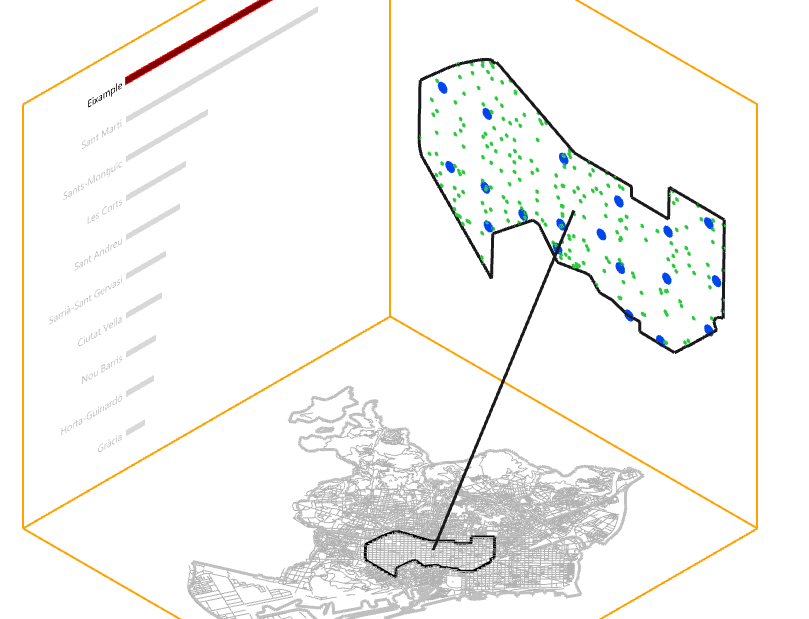
The Master in City & Technology’s academic structure is based on IAAC’s innovative, learn-by-doing and design-through-research methodology which focuses on the development of interdisciplinary skills. During the Master in City & Technology students will have the opportunity to be part of a highly international group, including faculty members, researchers, and lecturers, in which they are encouraged to develop collective decision-making processes and materialize their project ideas.

Filters
Course

‘Too Hot to Handle’

Miami cannot pay for its affordable housing without additional funding. Since 2020, the market has been scorching hot – with average rent rising at quadruple the pace of median income (Zillow, U.S. Census). New opportunities at the federal, state, and local levels will open budget to spend. But, conflicting federal and state geographies of interest … Read more
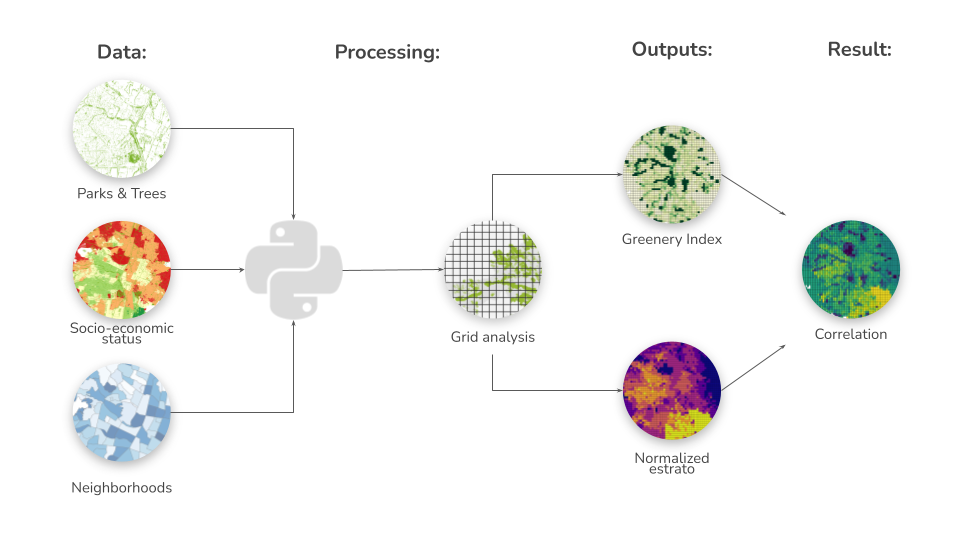
Unequal Blooms: Studying socioeconomic realities of Medellín’s “Eternal Spring”

Introduction In recent decades, the importance of urban green spaces and their potential impact on various aspects of urban life has gained significant attention from policymakers, urban planners, and researchers worldwide. The creation and maintenance of green spaces within urban environments have been associated with numerous benefits, including environmental sustainability, physical and mental health improvements, … Read more

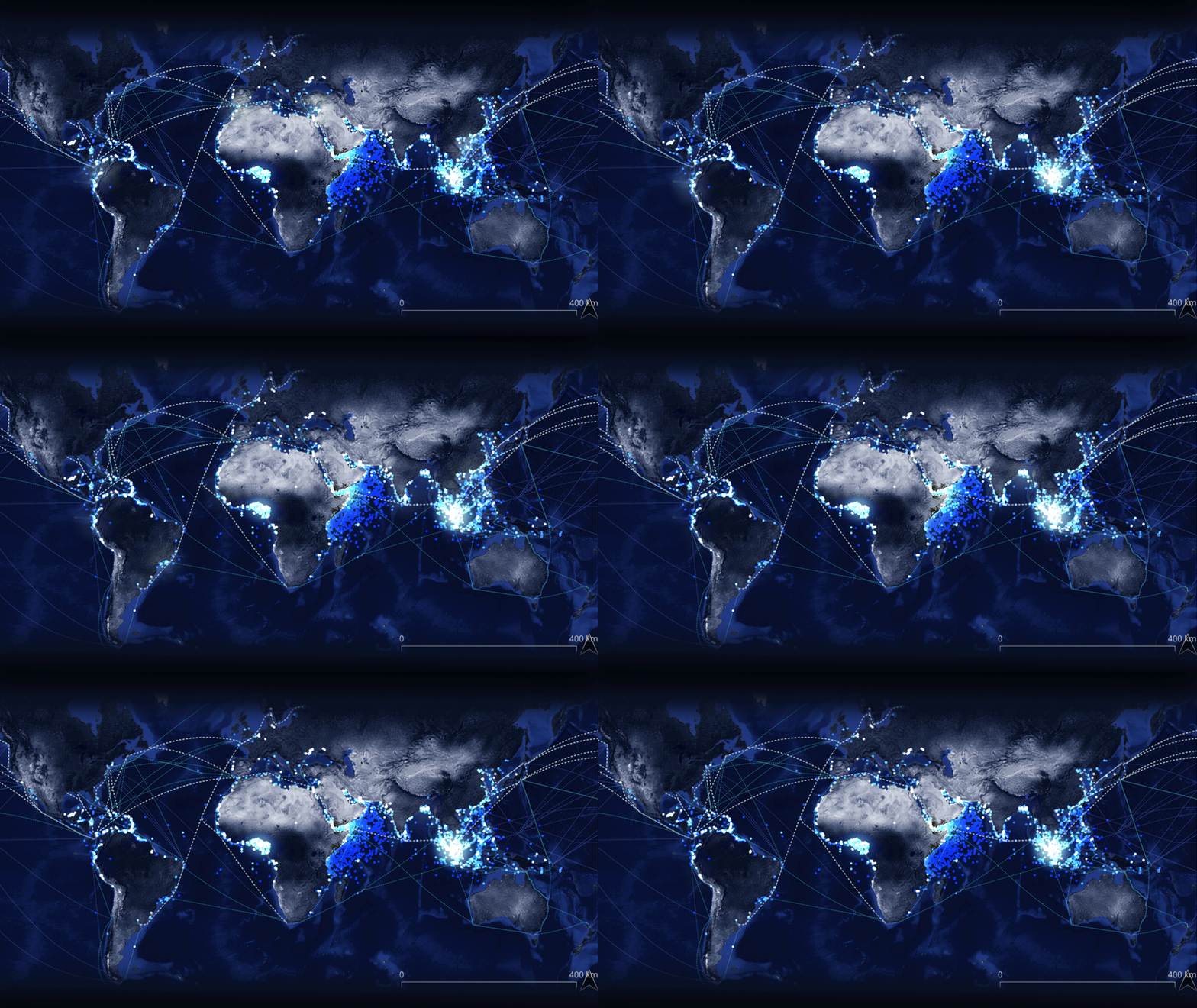
45 Years of Piracy: Strengthening Global Maritime Security through Non-Military Approaches

Our project embarked on a mission to tackle global shipping piracy without resorting to military action. We faced a major challenge: finding and using publicly available information to craft a proposal that countries and international organizations would support. 1. WHY SHIPPING PIRACY? Within the context of Networked Flows, our directive was to pinpoint potential disruptions … Read more

Unveiling the Great Innovation Barrier: Leaders and Followers in the EU

In the dynamic landscape of global innovation, understanding the intricacies of what drives or hinders progress is crucial. This post dives deeper into the innovation data concerning EU countries, aiming to decipher it visually for clearer insights. Leveraging the Global Innovation Index 2022, which assigns each nation an innovation score, this project set out to … Read more

‘Gotta Catch ’em All’

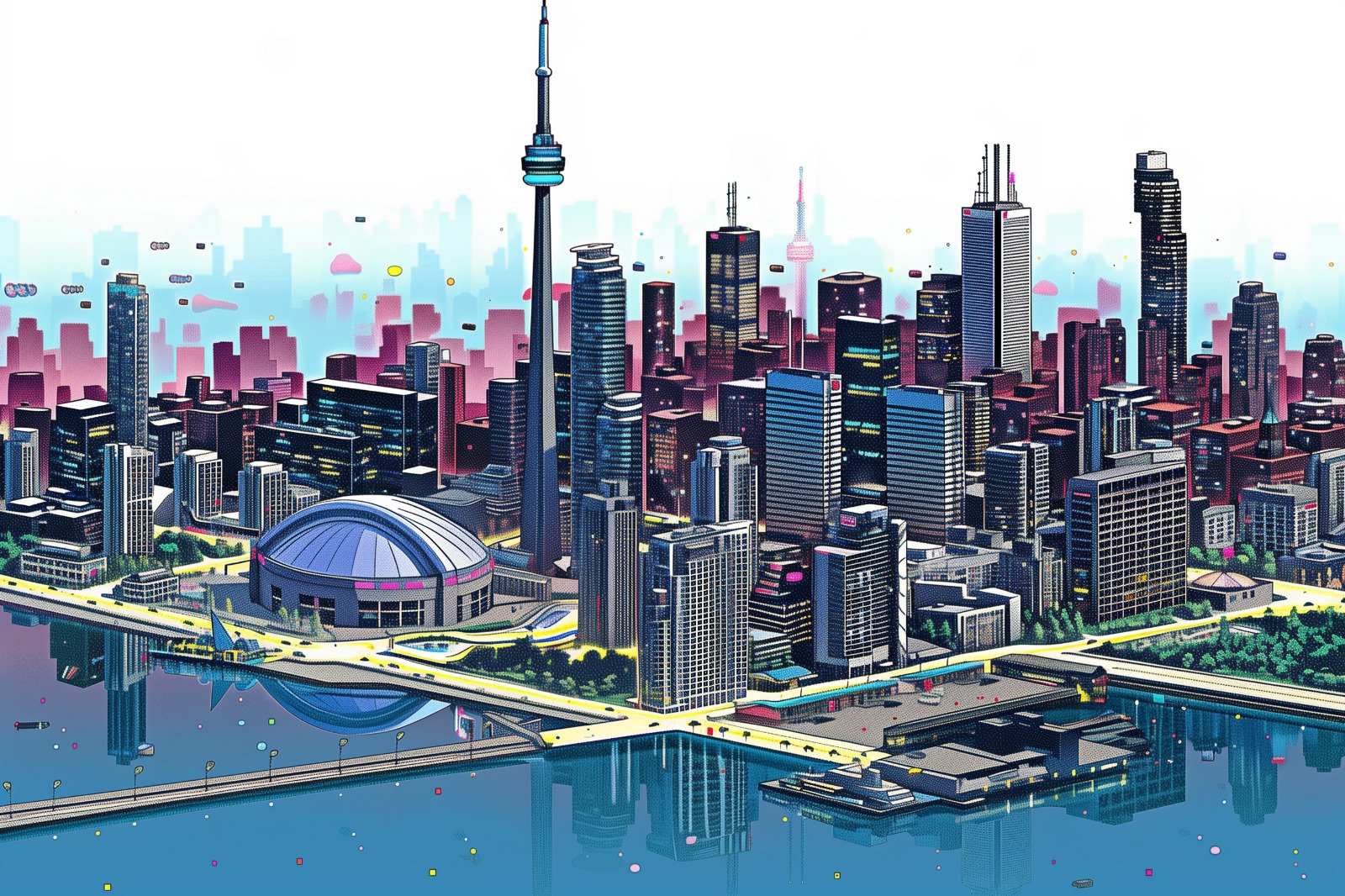
Co-design & Experience Platform for Public Art as part of Data, Art and the City (5-day workshop led by Leyla Saadi) Adapted from Pokemon-Go, we propose the development of a place-based app that pops the City of Toronto’s public art scene, drives interest and support for local public art and artists, and co-designs future public … Read more

The Future of Public Art

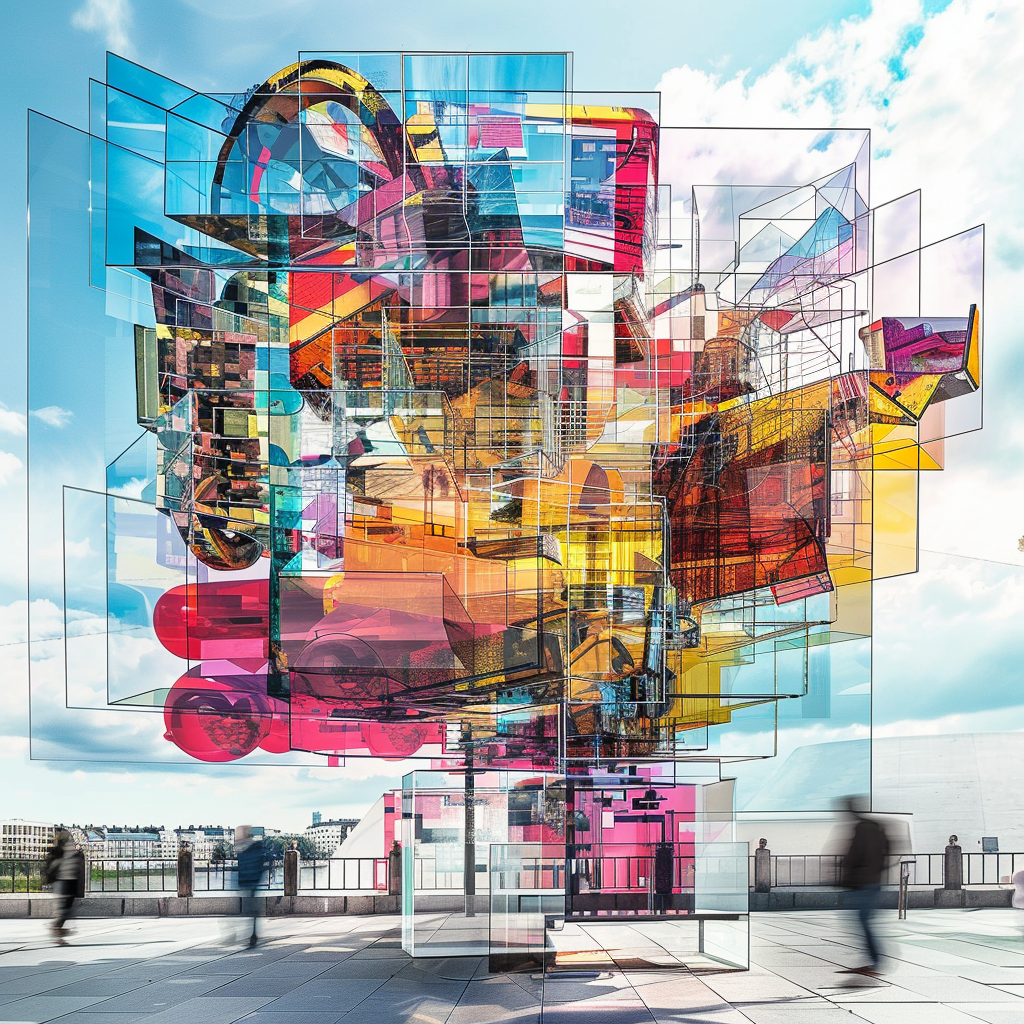
In the ever-evolving field of urban development, “The Future of Public Art” sets out to be a project that reimagines the role and impact of art in public spaces. At its core, the project seeks to quantify the value of public art through a systematic approach, anchored in three fundamental pillars: democracy, contextuality, and insightfulness. … Read more

The Arteries of Lombardy

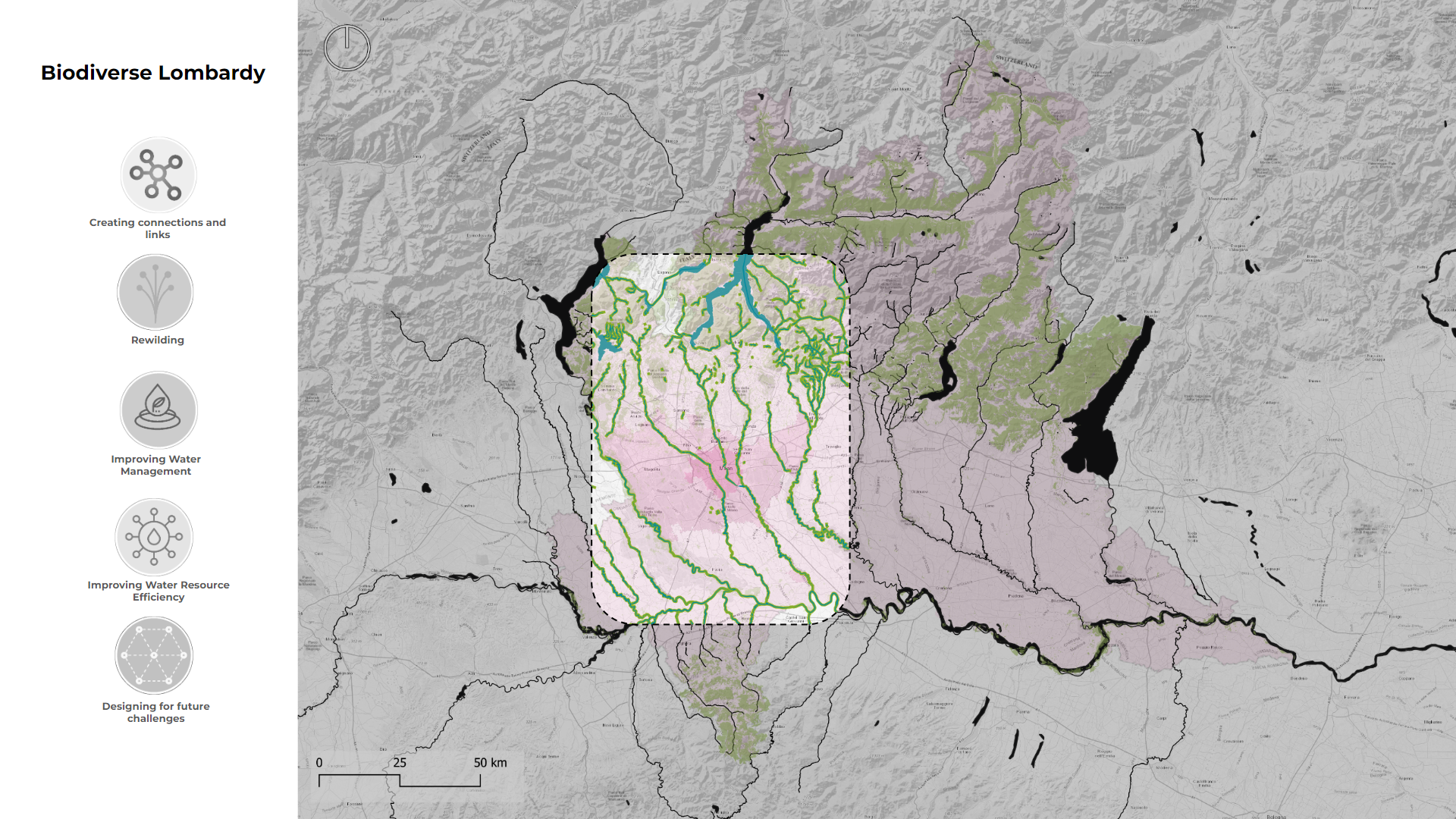
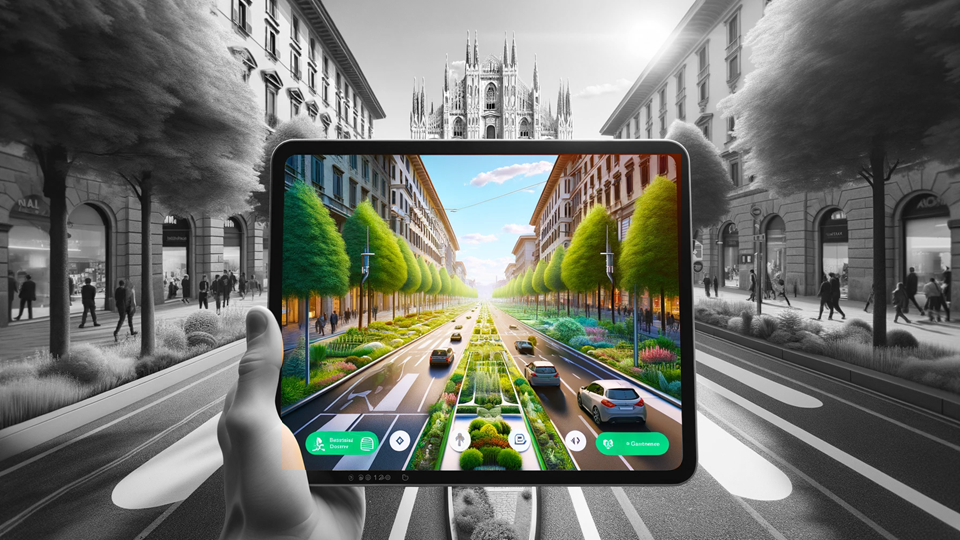
Introduction In the past centuries, Milan used to be perceived as a water-city, with an economy propelled by canals that extended throughout it. However, as the city evolved, those waterways were gradually buried beneath roads, and the aquatic arteries that once defined Milan are now relegated to the periphery of the urban fabric. This covering … Read more

Coltura

Introduction Milan, Northern Italy’s epicenter, confronts economic and environmental challenges rooted in a shift from agriculture to manufacturing. To secure its future, Milan invests in knowledge, tourism, and place-based innovation, relying on revenue from high-income foreigners, students, and the European Union. Strategic efforts to transition to a green economy focus on renewable energy, waste reduction, … Read more

From Pollution To Pollination

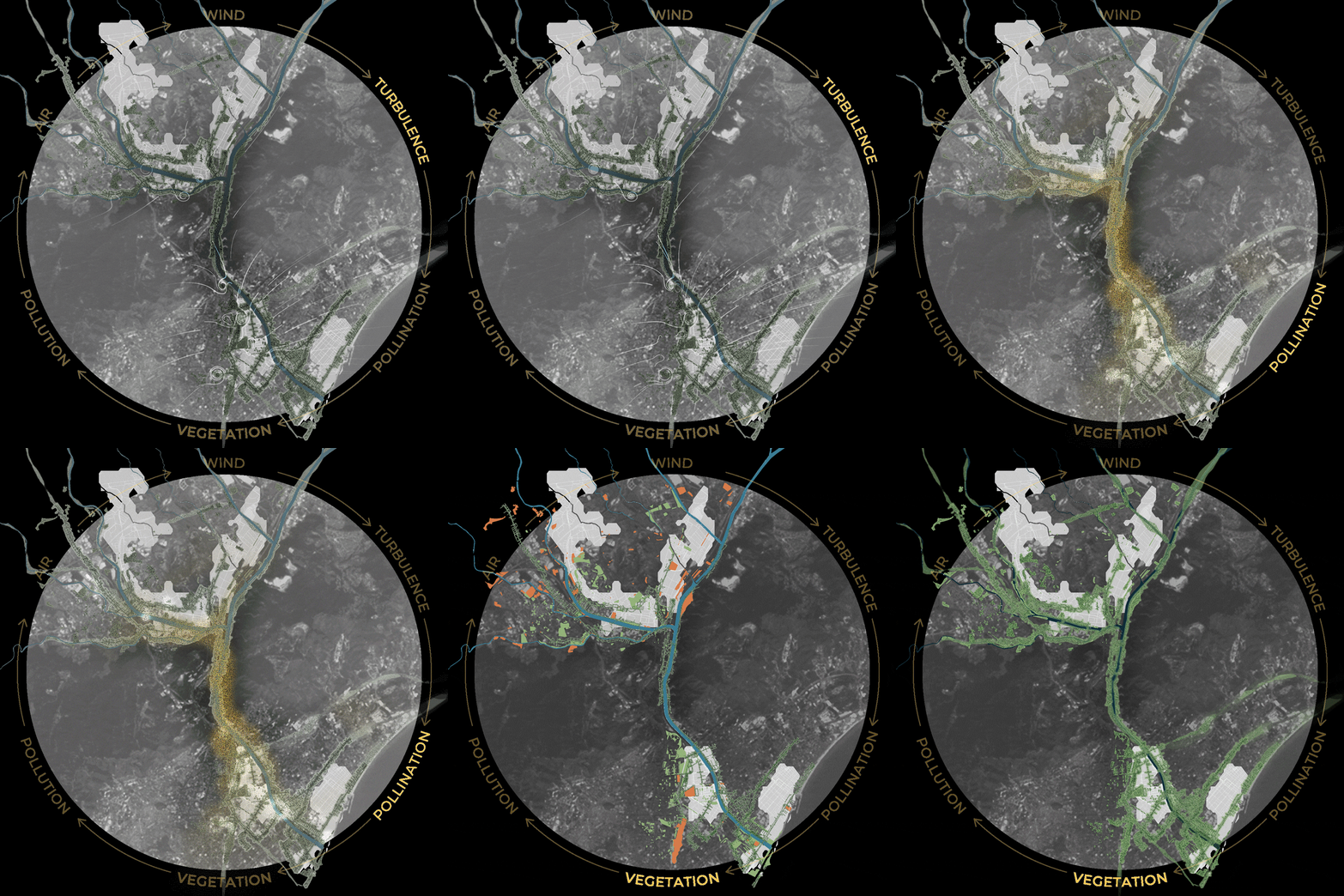
1. Introduction Urban air quality is a pressing concern,  being the result of both natural elements and human-induced pollutants. The city of Barcelona grapples with local pollutants like NOx and PM10, primarily  caused by ground transport and industrial activities. While current policies focus on mobility solutions, the project questions the need for complementary approaches. The … Read more

Towards a multi-performative soil

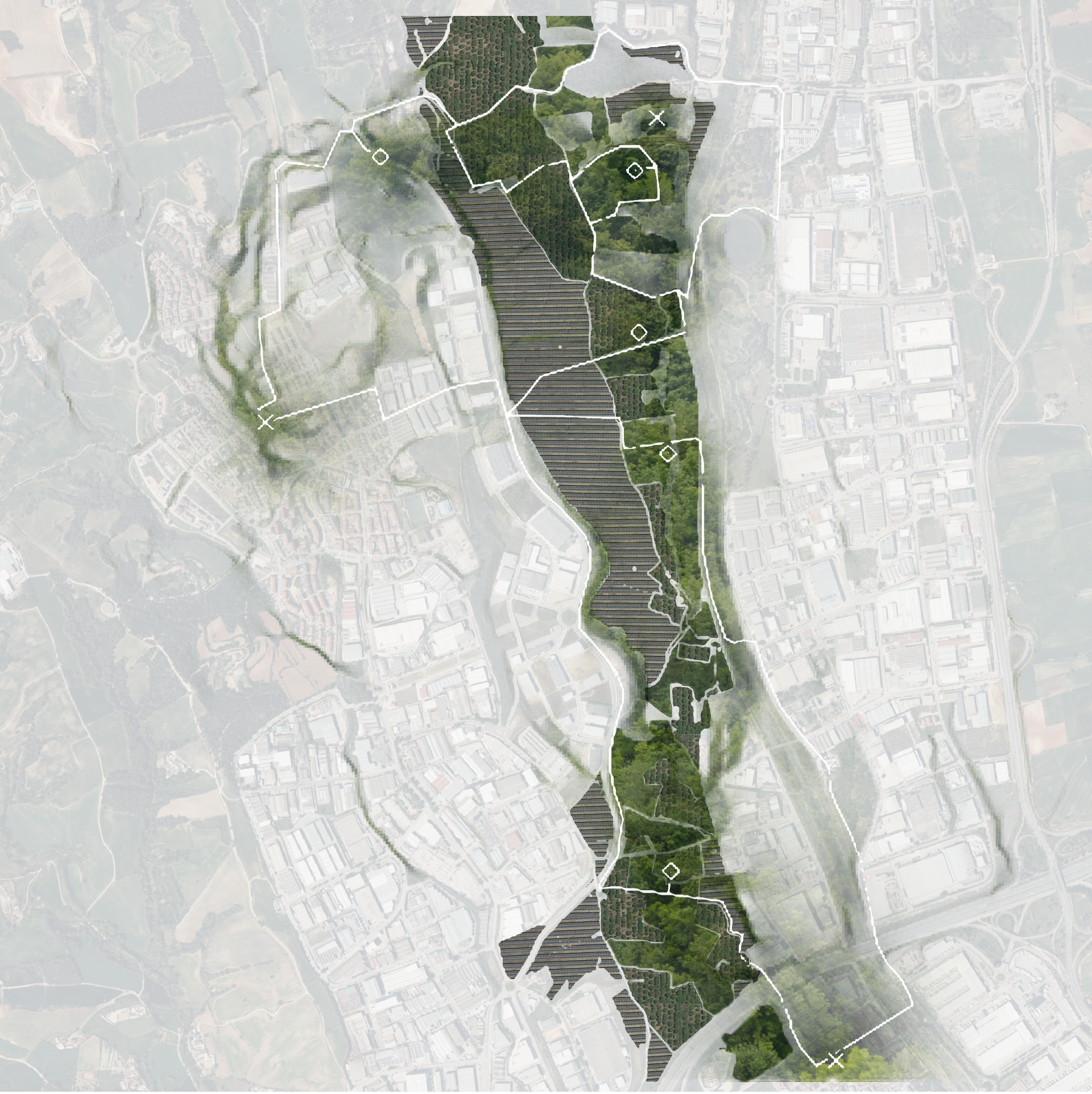
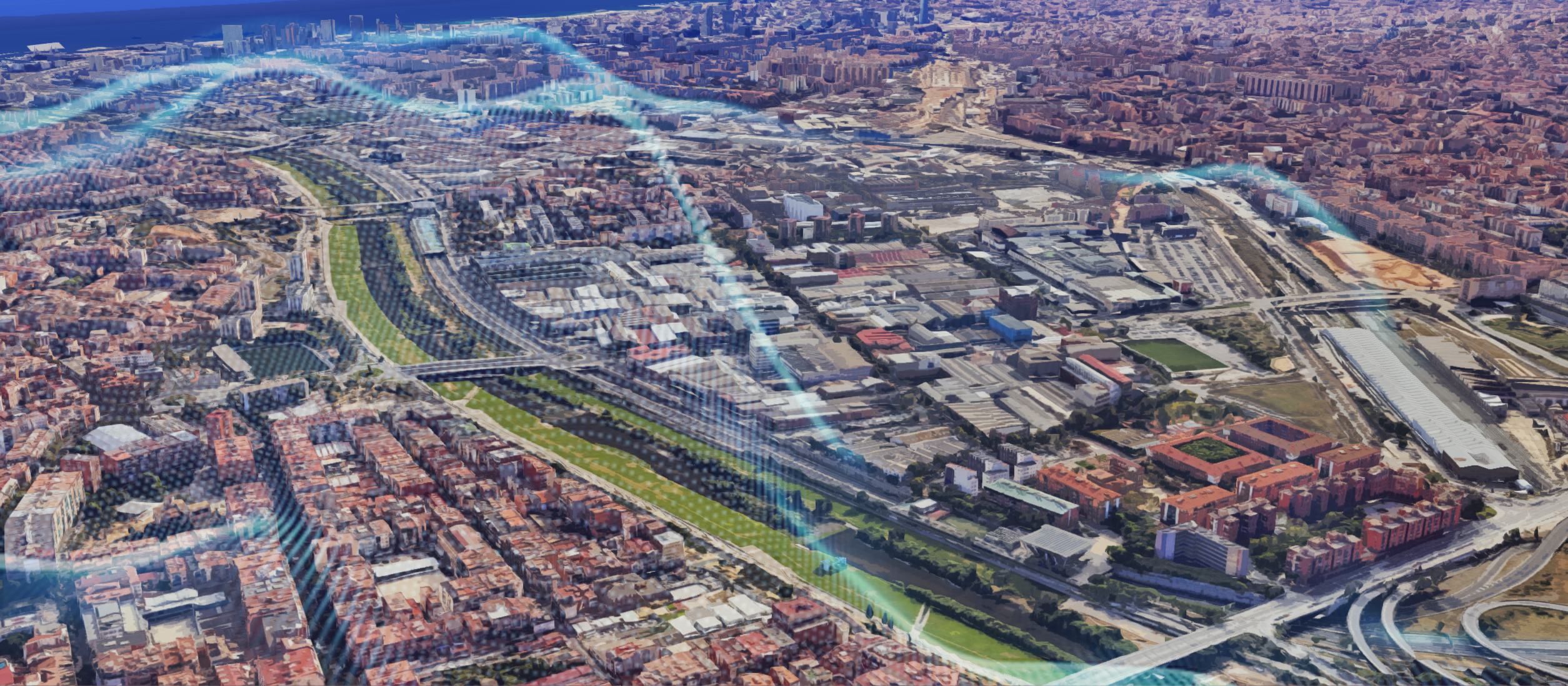
Introduction The contemporary postcard city of Barcelona is supported by a world wide web of hidden urbanization. One of the closest and most prominent hidden pieces of urbanization of Barcelona is found in the Besós Valley. When going on site, we encountered a fragmented urban landscape of logistical infrastructure, urban wasteland, scattered agriculture and haphazard … Read more

GreenScape – Milan

Introduction Known for its fashion, history, and culture, Milan also faces a pressing environmental issue: it stands as one of the most polluted cities in the World. The challenge of mitigating air pollution in Milan is complex, as it is shaped by a mix of geographical, meteorological, socio-economic, and cultural factors. From the city’s dense … Read more

Trencadís

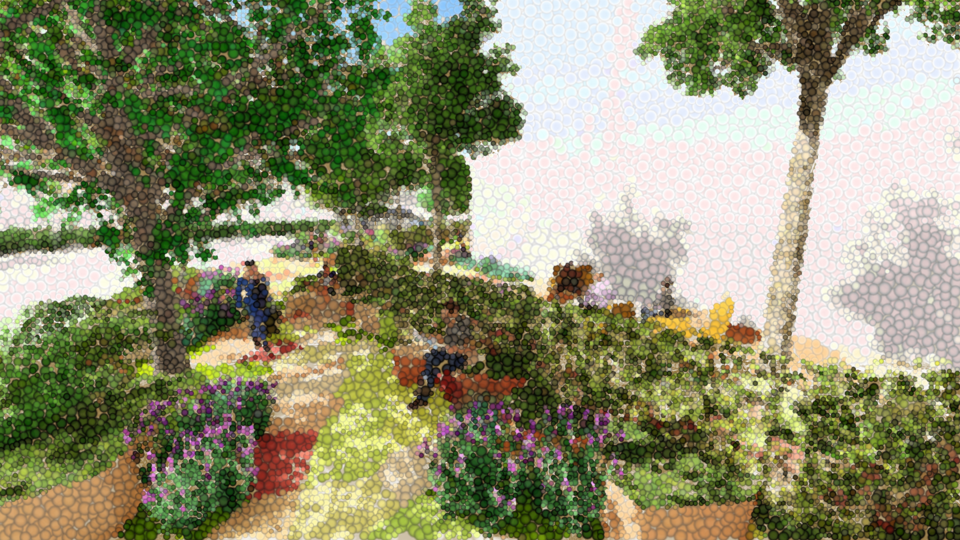
Abstract Trencadís transforms a transitory sidewalk to resident alcoves through the implementation of trencadís, a dynamic mosaic art form that responds to the distinctive needs and material preferences of its creators. The design approach is centered on understanding and reacting to resident preferences to resolve site challenges. Non-descript materiality is replaced with a parametric, pervious … Read more

FloodZone Analytics

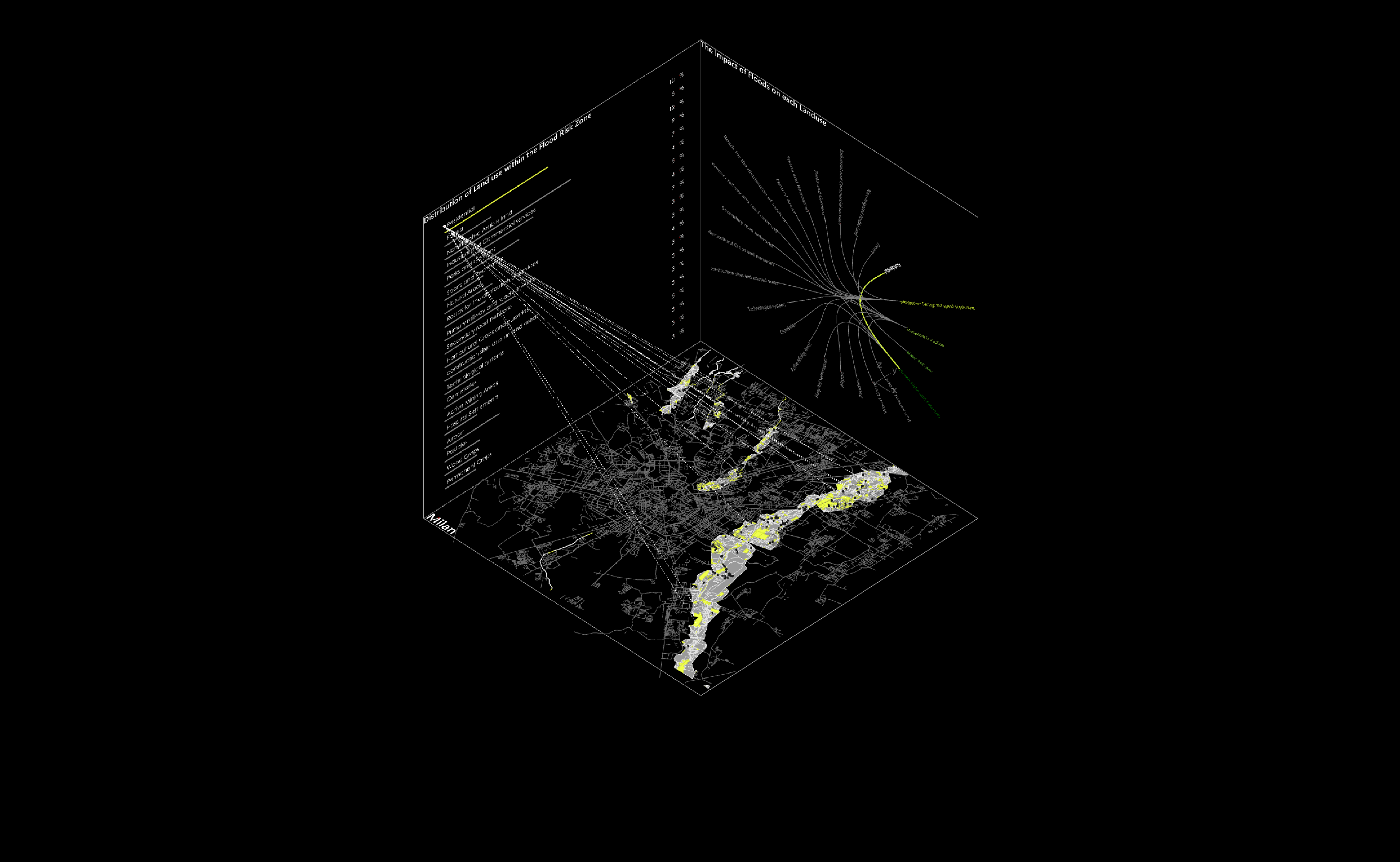
Introduction Water-related disasters, such as floods and droughts, have become increasingly frequent and severe due to climate change, representing significant global challenges. Urbanization and land use changes are contributing factors, with settlements in high flood-risk areas growing. In studying Milan and the Lambro river basin in Northern Italy, we observe increasing frequencies of floods, highlighting … Read more