The Master in City & Technology’s academic structure is based on IAAC’s innovative, learn-by-doing and design-through-research methodology which focuses on the development of interdisciplinary skills. During the Master in City & Technology students will have the opportunity to be part of a highly international group, including faculty members, researchers, and lecturers, in which they are encouraged to develop collective decision-making processes and materialize their project ideas.

Filters
Course

Reading Urban Planetary

This blog post reflects the lectures and exercises given by Professor Mariano Gomez-Luque, supported by readings from Katherine Hayles, Neil Brenner, David Harvey, and Benjamin Bratton. These texts provided a foundation for discussions on human cognition, social structures, ecological dynamics, and planetary computation. The lecture commenced with Katherine Hayles’ exploration of evolving reading practices, contrasting … Read more
Community Haven

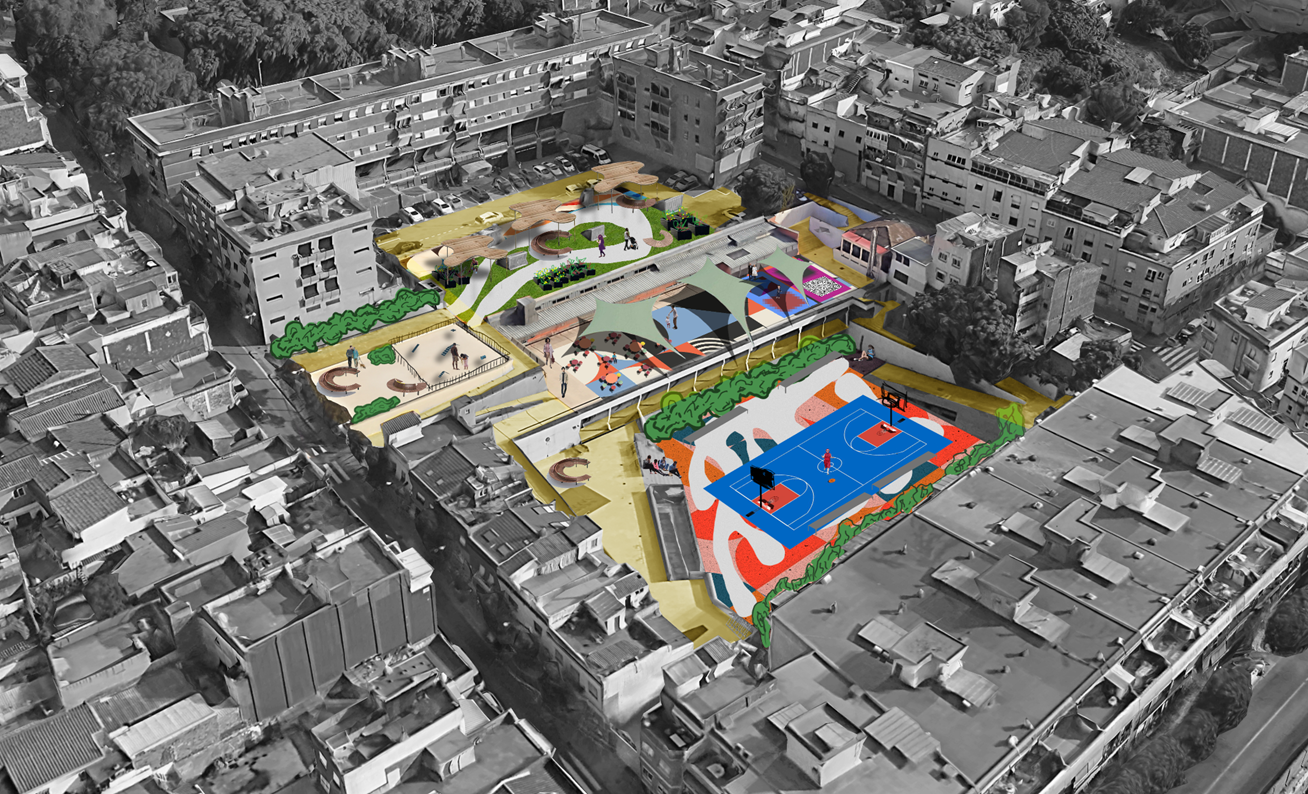
This project focuses on establishing a community-centered public space in Santa Coloma. Situated at Block Illa de Raval, a designated “green finger” of the Pinta Verde initiative, the project seeks to improve accessibility, enhance social engagement, and address infrastructural needs based on local context and community input. At the project start, several assumptions guided the … Read more

Fields at Play

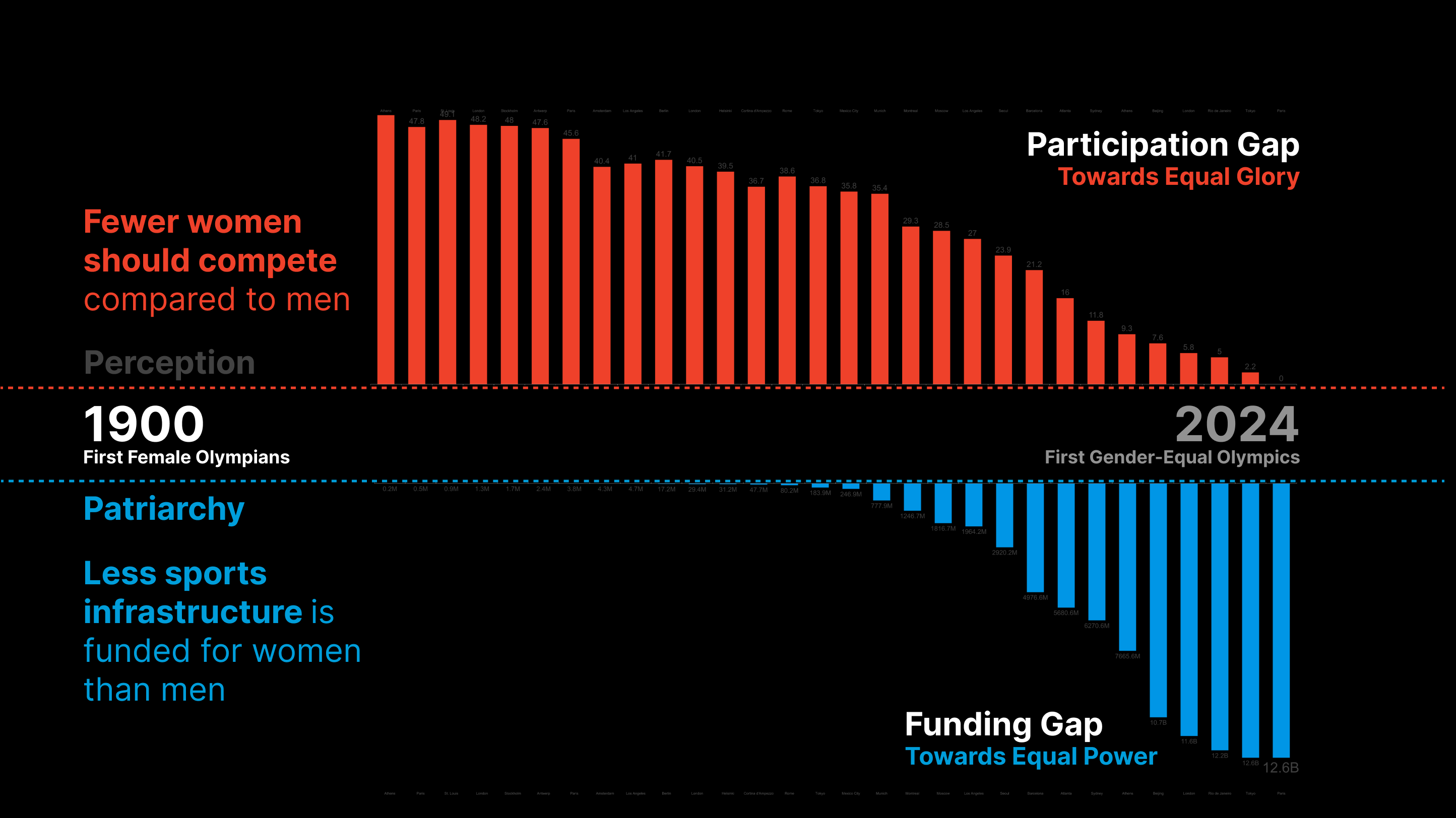
Fields at Play identifies the value of gender inequality in Olympic infrastructure and proposes to leverage the derived $12.6B Olympic gender gap in sports facilities to fund the revitalization and ongoing program of reliable, safe, and comfortable spaces for women at risk of gender-based violence. Understanding the purpose and outcomes of Olympic infrastructure strategies in … Read more

IS THE FUTURE REALLY AUTONOMOUS?

1. Introduction 1.1. Abstract Autonomous Vehicles are vehicles that employ driver assistance technologies to remove the need for a human operator within the vehicle. These new technologies into automation have been researched in contexts like the United States of America, Middle-Eastern Countries and some European Countries. Planners and architects are designing for these cities including … Read more

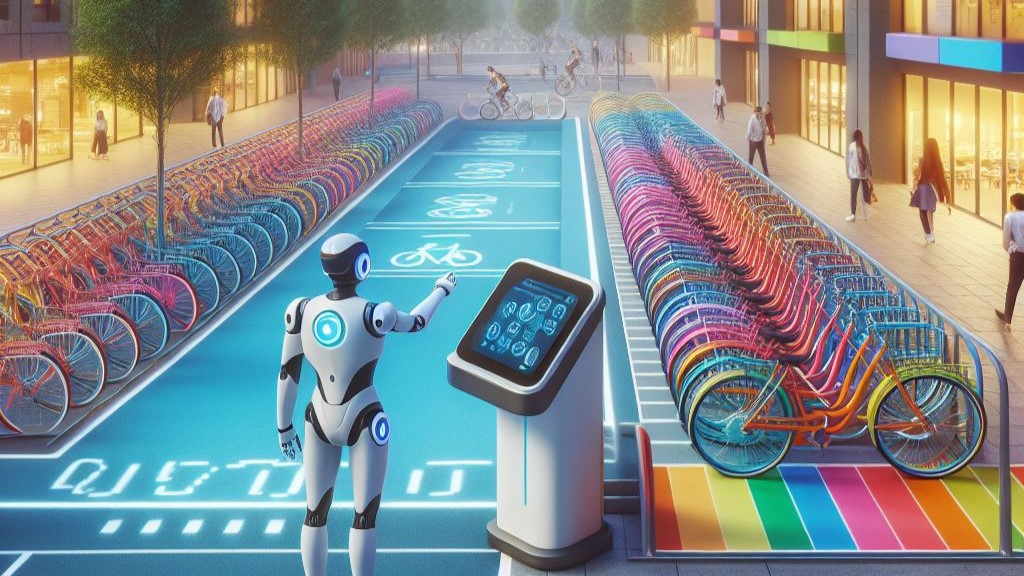
Predicting Biking Station Vacancy in Barcelona

Introduction Urban transportation planning relies on data science to explain the conditions driving mobility patterns. This exploration of bicing, Barcelona’s resident bike rental program, analyzes the actors impacting discrepancies in bicing data to select machine-learning strategies able to predict biking station vacancies across Barcelona for the year 2024 with an accuracy of 0.02387. With this … Read more

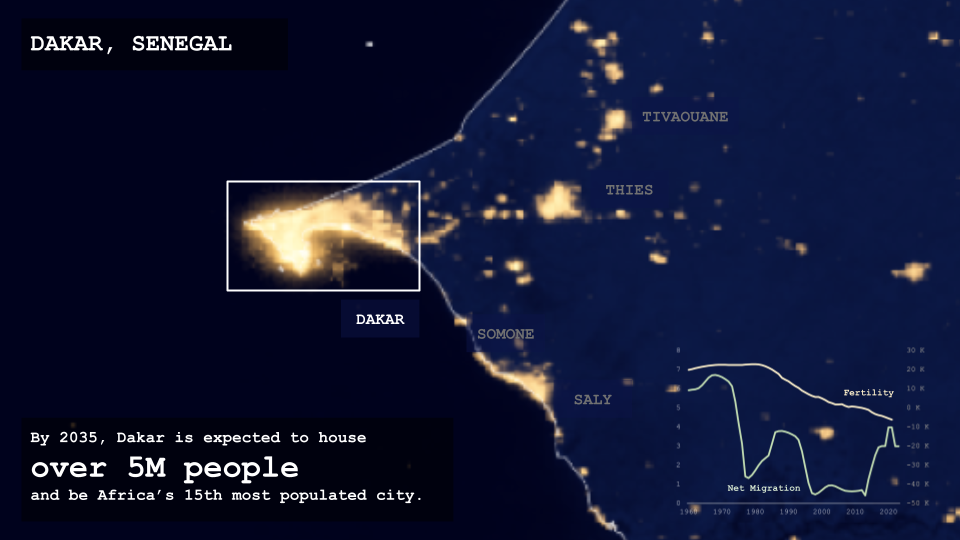
Forms of Inadequacy in Dakar

Abstract Dakar is Senegal’s capital city and rapidly urbanizing economic center. Today, Dakar’s urban area is home to 3.54M people, half of Senegal’s population, and generates 55% of the Country’s GDP. This growth is artificially constrained by an urban growth boundary, where new homes are informally built, and due to the city’s topography, a peninsula … Read more

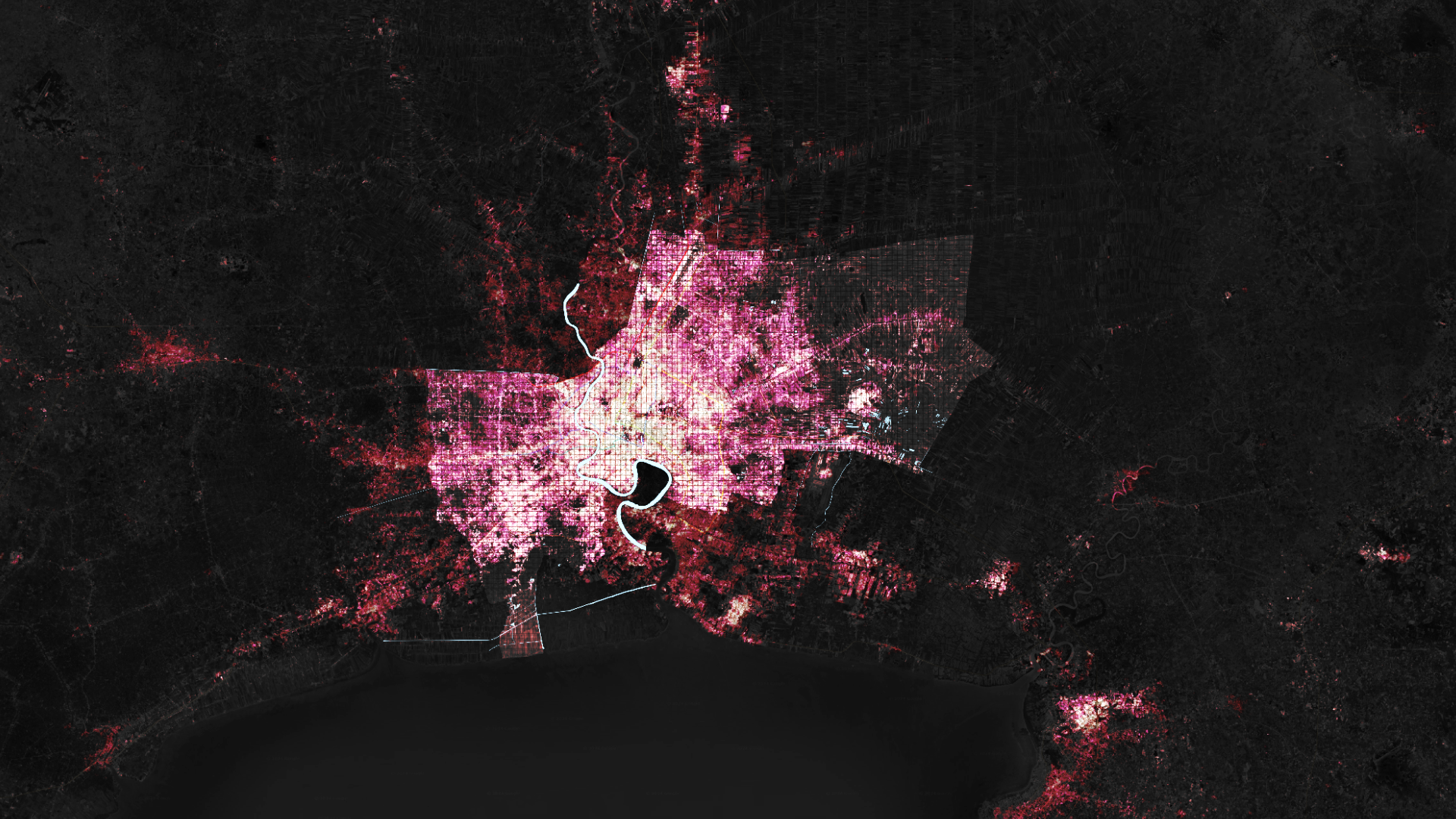
Future city: Bangkok 2030

Introduction In the dynamic landscape of the “Global South,” cities are at the forefront of rapid urbanization, presenting both opportunities and challenges for sustainable development. Recognizing the urgency of addressing these issues, a consortium of experts and practitioners has embarked on a groundbreaking initiative to assess the nexus between urbanization and sustainability across diverse cities. … Read more

Torrents of change

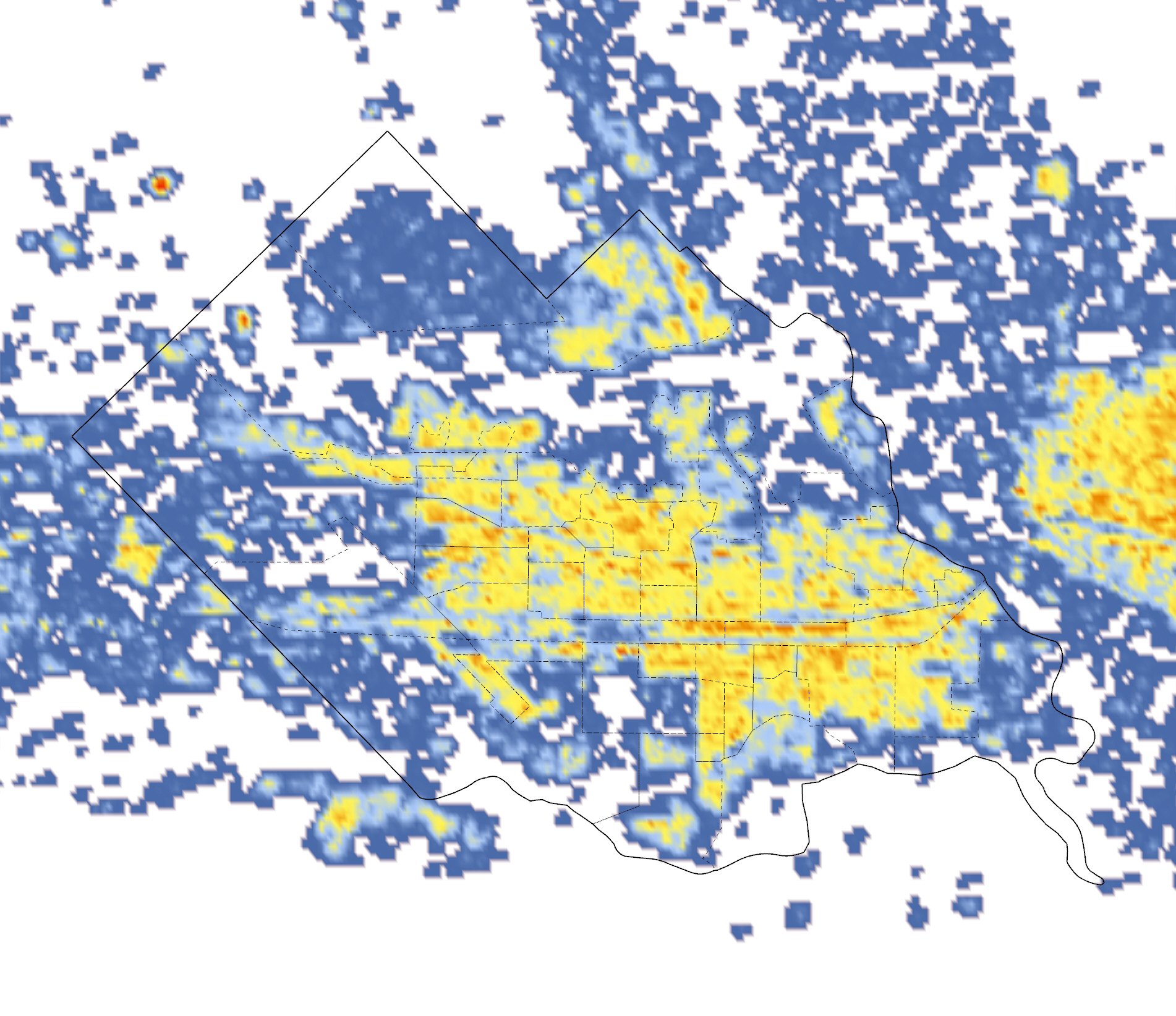
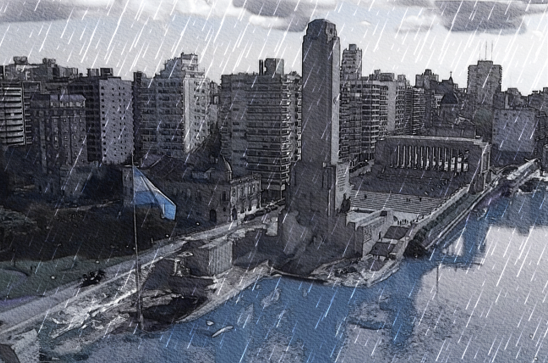
Introduction: Shorter & Sharper Events Imagine the persistent drumming of rain against your window. Not the comforting tapping of a spring shower, but a relentless torrent that seems to prolong for days. This isn’t science fiction, but a glimpse into the potential future of many Latin American cities. A staggering 40% of the region is … Read more

Rising Waters

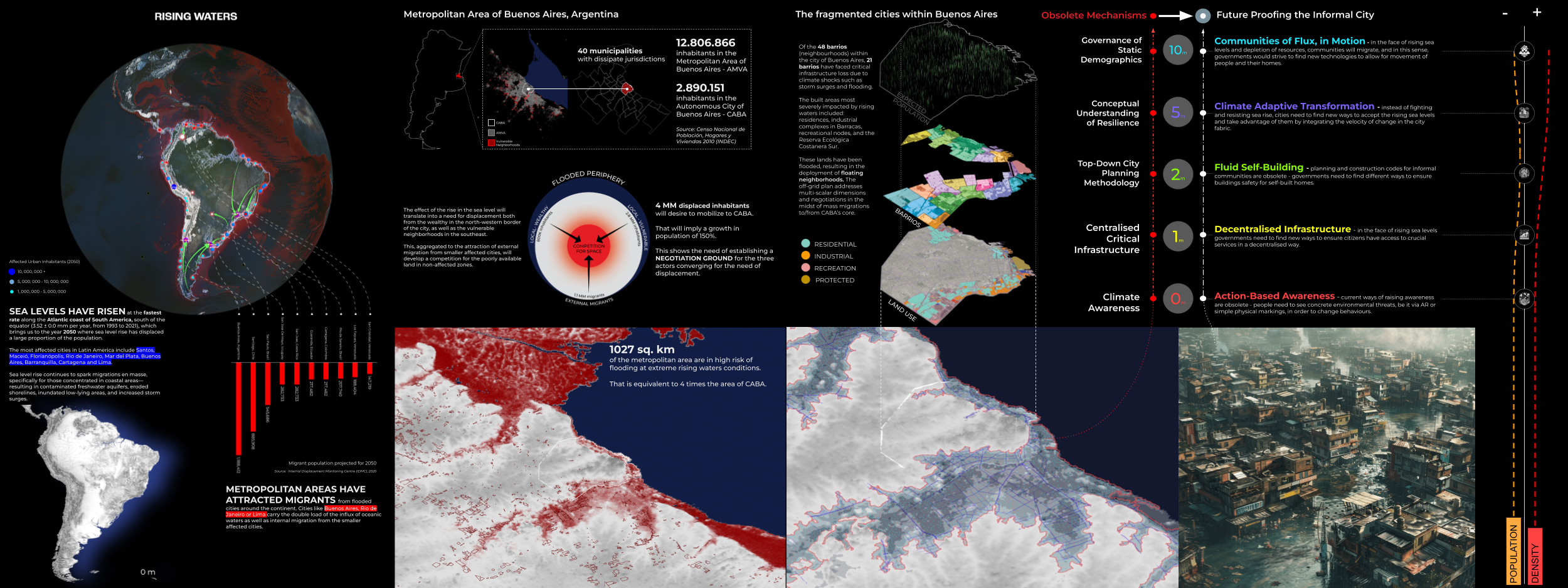
The year is 2100. Latin America is sinking. Due to global warming the polar icecaps have almost melted completely. In addition the increased temperature has caused the global water mass to expand by almost 1%. As a consequence sea levels are rising at unprecedented levels globally. The coastline in South America is hard-hit by these … Read more

‘ATTRACT•DEVELOP•KEEP’

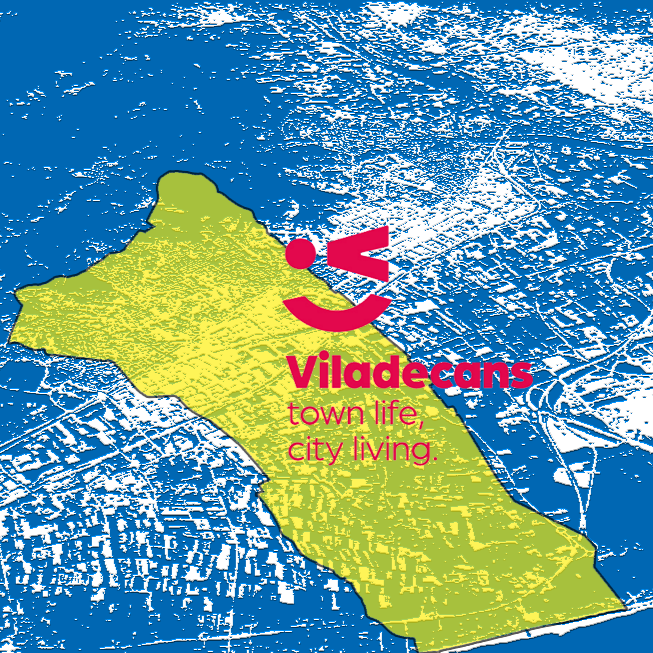
Tackling the Internet of People through Fortifying & Diversifying the economy in Viladecans, Spain Introduction Viladecans is a dynamic and thriving municipality with a rich history, diverse economy, and vibrant community life. Its strategic location, economic opportunities, and quality of life make it an attractive place to live, work, and visit in the Barcelona metropolitan … Read more

Theories of the Urban_II

Questioning the rhetoric. The brief In the epoch of the Anthropocene, characterized by humanity’s profound impact on the Earth’s geology and ecosystems, the discourse surrounding resilience to climate change has become increasingly prominent. As societies grapple with the consequences of human-induced environmental transformations, there is a growing recognition of the need to question and analyze … Read more

Darien: Closing the data Gap

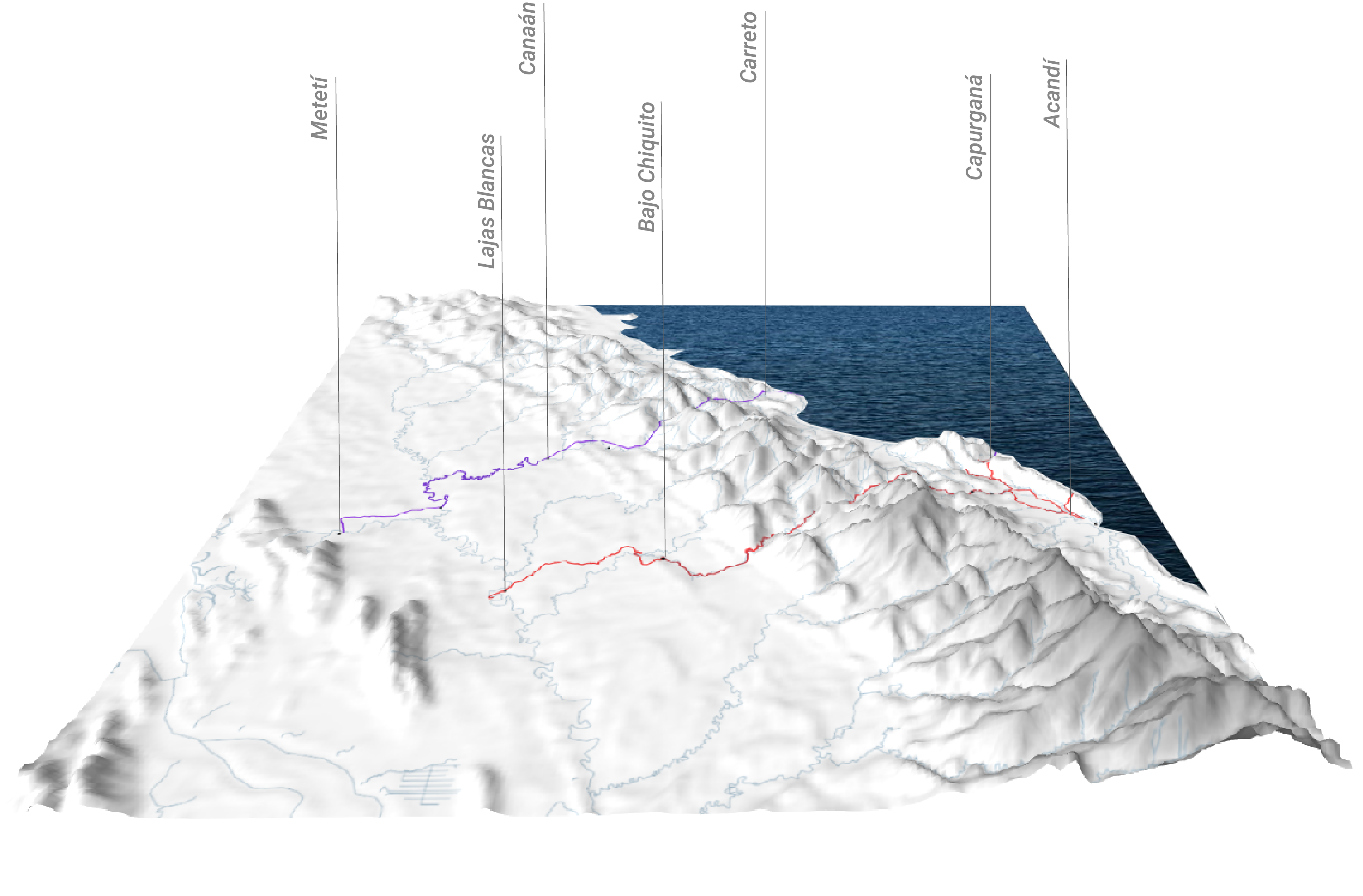
Imagine a massive highway stretching from Alaska all the way down to the tip of Argentina. That’s almost possible through the Pan-American Highway, except for one crucial interruption: the Darien Gap. The Darien Gap is a sprawling, dense jungle separating Panama and Colombia, an obstacle that breaks the otherwise continuous highway. But the Gap isn’t … Read more