BIOMIMICRY in ARCHITECTURE by Michael Pawlyn | Ecological Thinking II

This blog is a review of Michael Pawlyn’s book, Biomimicry in Architecture. “Biomimicry is a powerful innovation tool that allows architects to go beyond conventional approaches to sustainable design and deliver transformative solutions we need.”-Michael Pawlyn The book “Biomimicry in Architecture” by Michael Pawlyn introduces the term biomimicry and how it can impact architecture. The … Read more

Aguas Simbióticas

MODELO DE CIUDAD BASADO EN INTERACCIÓN CON LA HIDROGRAFÍA LOCAL Las ciudades pueden transformar su estructura, transporte, fuentes de energía o gobernanzas, sin embargo, no pueden existir sin agua. El agua es la fuente de toda la vida, y teniendo en cuenta que es un recurso extremadamente escaso, las ciudades tienen una responsabilidad por preservar … Read more

Forces of Nature

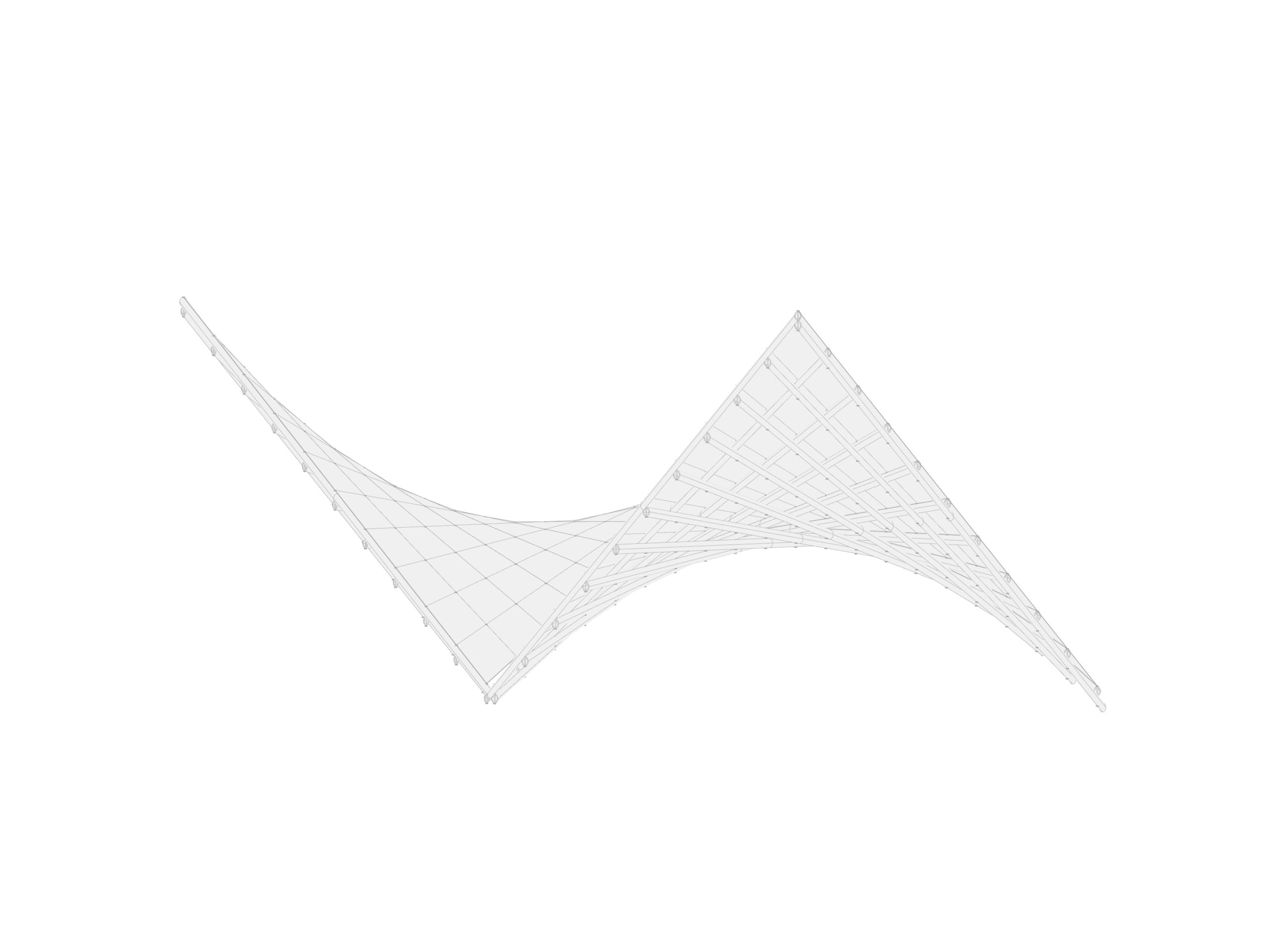
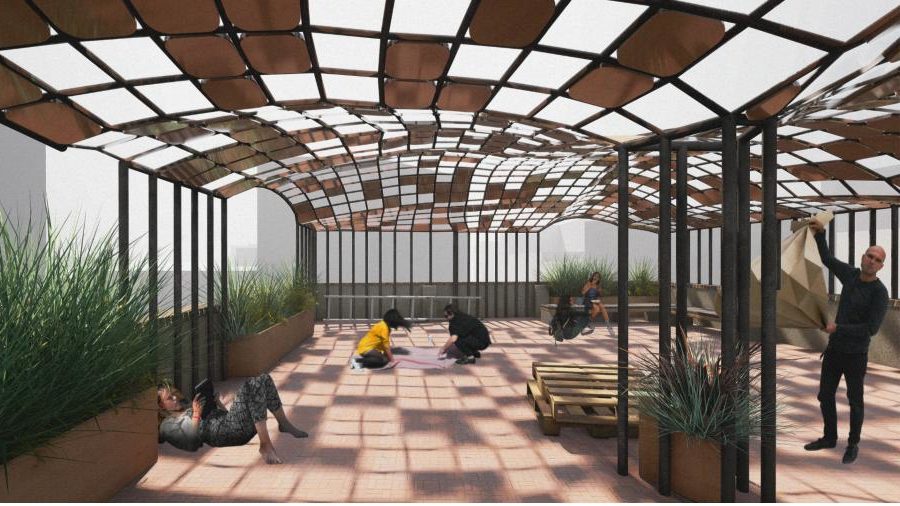
This project explores the use of various physics simulations using Kangaroo in order to reach a structurally viable design proposal for the IaaC rooftop. The design relies on a combination of specific behaviors (below) that have been calibrated to achieve the desired form.

Forces of Nature

HYPERBOLIC PARABOLOID ROOF This research project in the field of architecture aims to investigate the application of physics simulations in the form-finding process of designing live-interactive installations using Kangaroo, located in IAAC’s rooftop. The design strategy is creating a simple geometry based on forces in compression and tension on different points. The pavilion’s sail-like plane … Read more

THE NEST | Resilient Envelopes

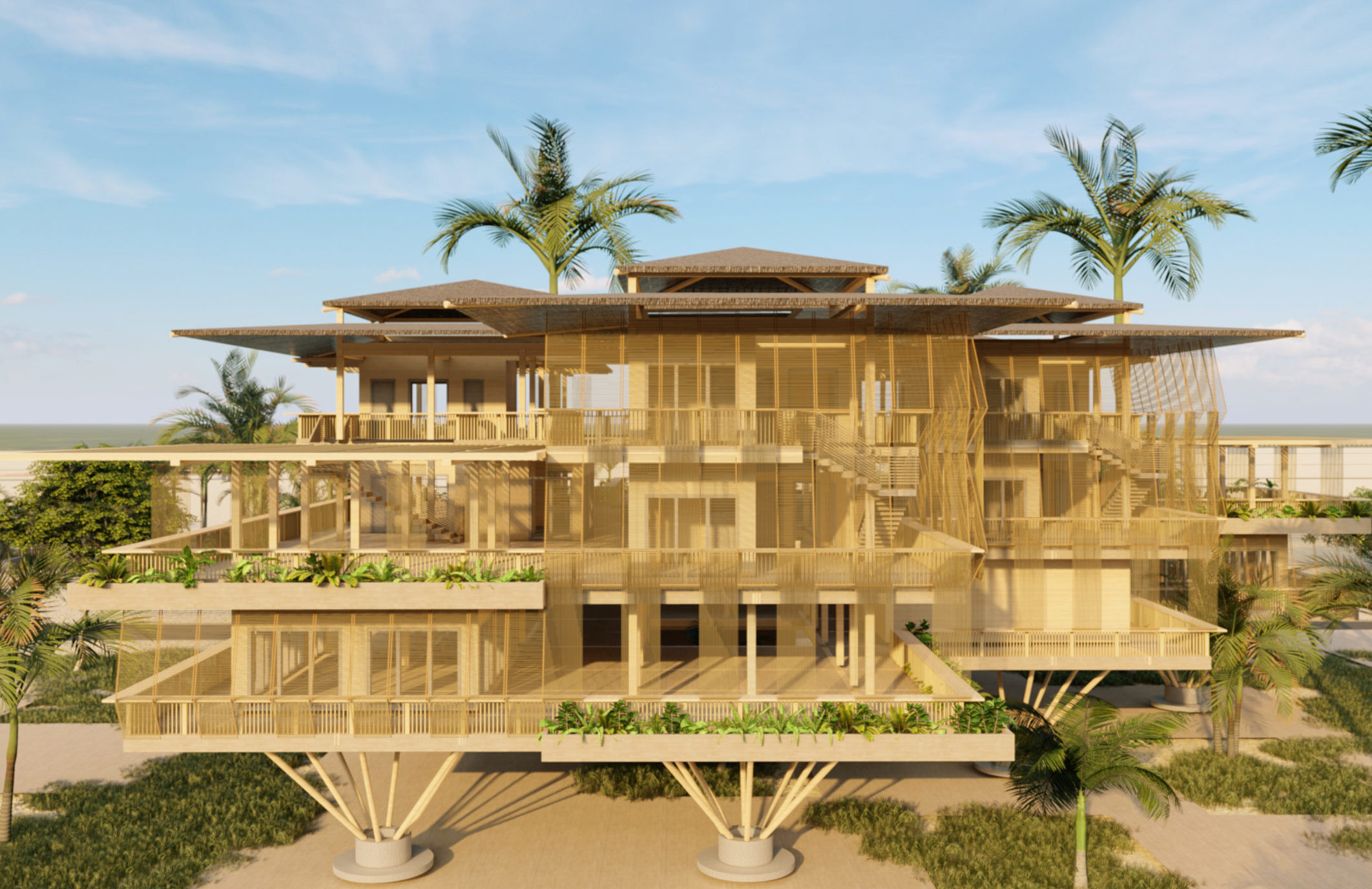
The design of the envelope plays a vital role in the design. The roof and the facade are part of the metabolic systems to aid with generating solar energy and collecting rainwater. The envelope is also efficiently designed keeping the thermodynamic analysis in mind. FACADE DESIGN: The facade is designed using a cane facade. The … Read more

Forces Of Nature

The Prismatic Pavilion Site Context ?The Institute of Advanced Architecture of Catalonia (IAAC) is located in the city of Barcelona, Spain. ?The institute is situated in the Poblenou neighborhood, which is known for its innovation and technology industries. ?The institute is easily accessible by public transportation, with several bus and metro lines running nearby.  ?The campus is also located close … Read more

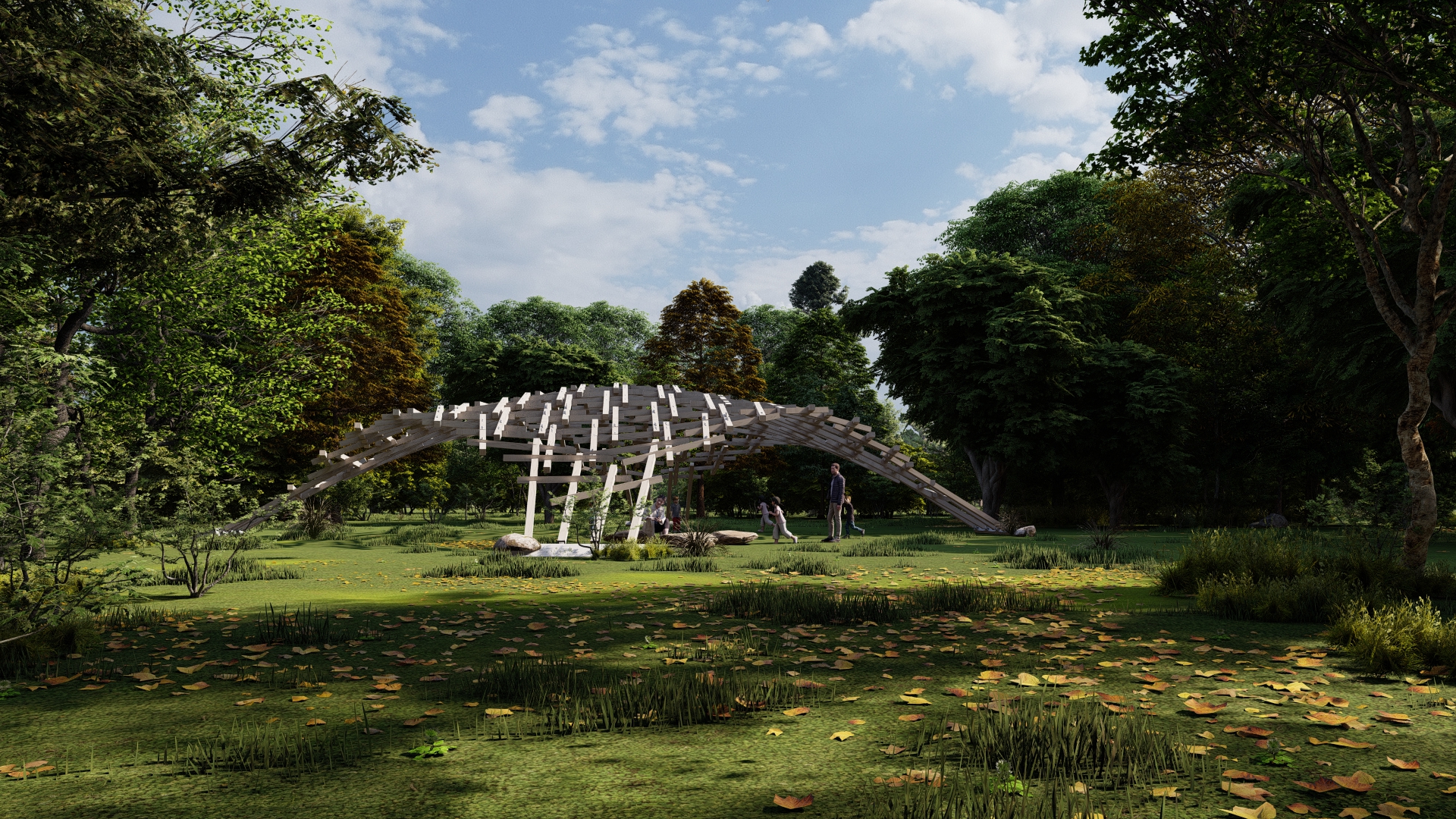
Forces of nature

Funicular canopy The aim pf the project is to design a funicular canopy on the IAAC rooftop using computational design tools. State of the art BUGA WOOD PAVILLIONICD/ITKEUNIVERSITY OF STUTTGART The BUGA Wood Pavilion celebrates a new approach to digital timber construction. Its segmented wood shell is based on biological principles found in the plate … Read more

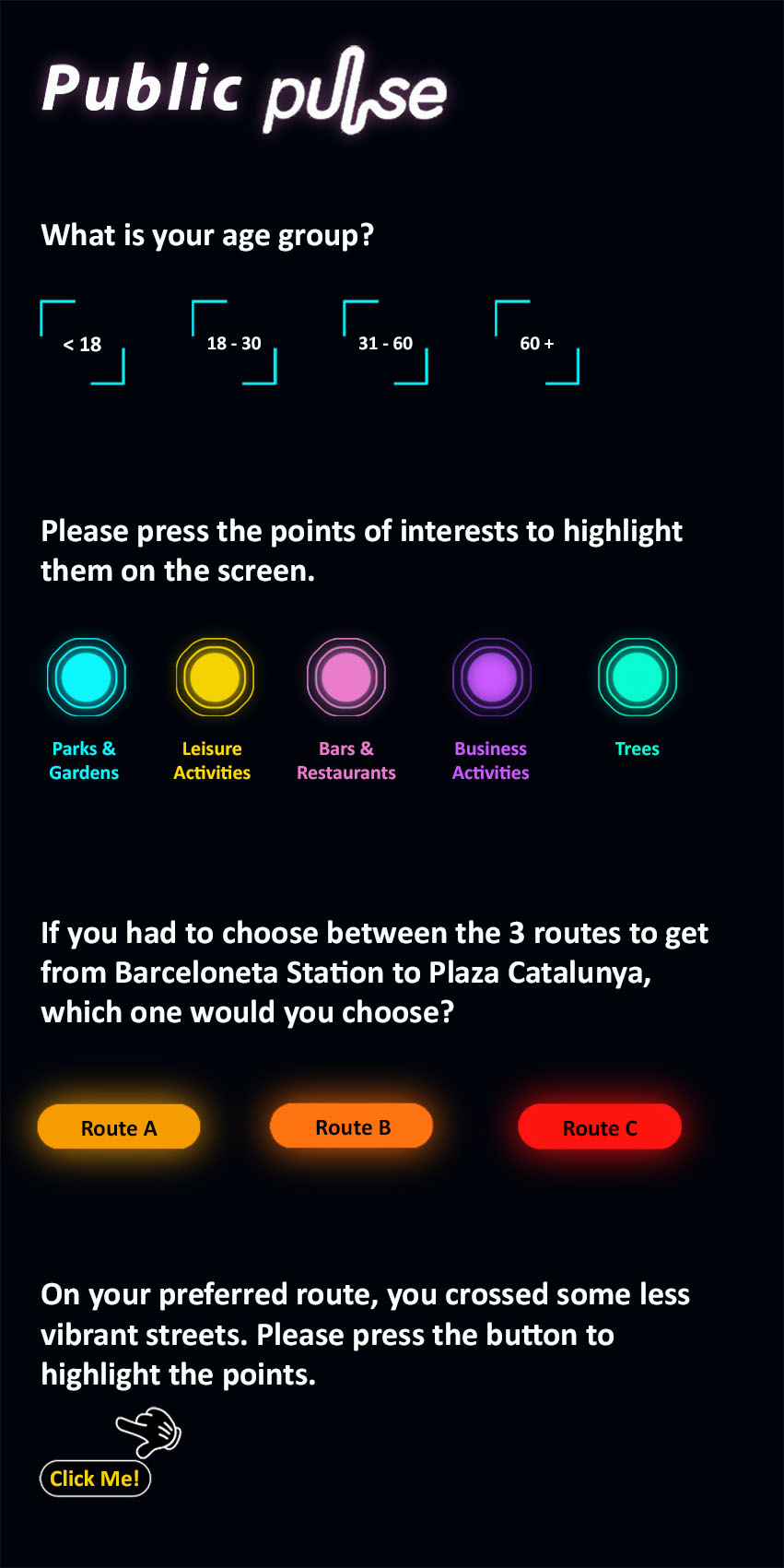
Public Pulse

PROBLEM A lack of activities and engagement in certain streets can lead to a decrease in their vibrancy and vitality. This can manifest in empty streets, dilapidated buildings, and a dearth of social and cultural events. Over time, these areas may become less desirable places to live or visit, perpetuating the cycle of neglect and … Read more

MOBILITY FOOTPRINT

Introducing the Mobility Footprint, an interactive dashboard designed to promote awareness about mobility in urban environments and its impact on CO2 emissions. By selecting your typical mode of transportation and choosing from eight pre-determined destinations, the dashboard will provide you with a recommended route, estimated travel time, and the CO2 emissions associated with your selected … Read more

Possibilities of Reciprocal Timber Structures in the Formation of Space

Possibilities of Reciprocal Timber Structures in the Formation of Space is a project that aimed to explore the potential of using reciprocal timber structures to create innovative and functional spaces. The projects main goal is to leverage both traditional artisanal technologies and modern digital tools to create structures that combine beauty, functionality and sustainability. The … Read more

Reviving the Derelict

Concept The project aims to translate movement/motion of people from the streets into kinetic/ light and sound installation on the building’s facade using metal pipes/ wind chimes. The main input into the project would be from ultrasonic sensors placed on the exterior wall in between the building’s boundary and the public. The input from these … Read more

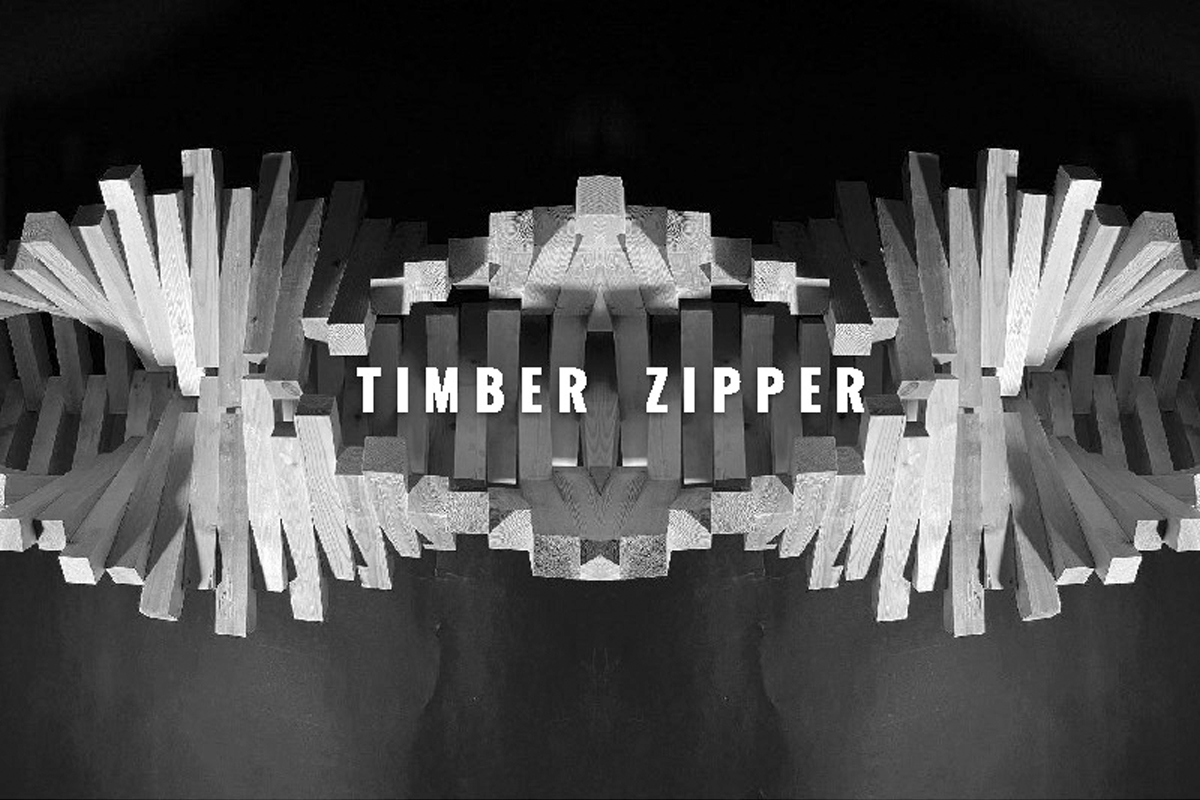
Timber Zipper

The goal of this project is to comprehend the pick-and-place robotic fabrication process using timber members and how to optimize the process using design choices. By experimenting with various twist, rotate, shift, mirror, and scale actions, column typologies that eventually took the form of a zipper-like column were created. The exercise helps us to understand … Read more