Project Sentinel: Predicative analysis of street lighting and safety

Greater Manchester, one of the largest and most vibrant urban centers in the UK, is characterized by its substantial student population and a dynamic economic landscape. With approximately 120,670 university students during the 2021/22 academic year and a significant number of these individuals studying at the University of Manchester and Manchester Metropolitan University, the region … Read more

THF // MICRO-CITY

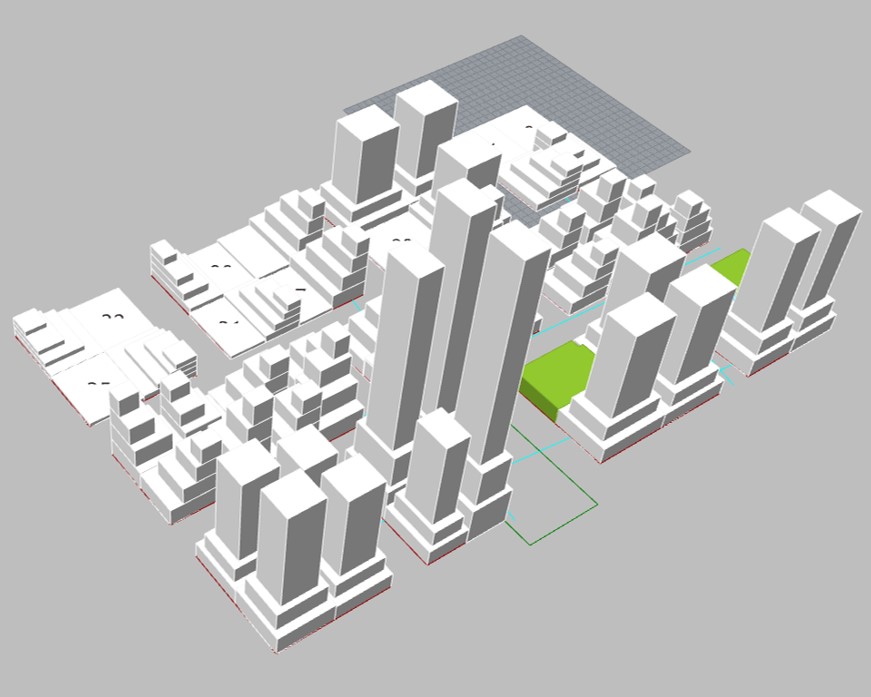
The proposed vision for Tempelhof is articulated as a ‘city within a city’ arranged along the two airstrips of the former airport, extending perpendicularly to emphasise a dual directionality. Buildings are conceived as flexible micro-communities built on organic/biodegradable materials, with the possibility of growing or ‘de-growing’ through time.The design strategy aims to trigger a need … Read more

GENDERED GEOGRAPHY​: A SILOM SAFETY INITIATIVE​

“WHAT IS THE FIRST THING THAT YOU THINK OF WHEN YOU HEAR THE WORDS:​ GENDER & BANGKOK? “ 1. BANGKOK’S SPECTRUM OF GENDER (INTRODUCTION)​ Historically, Thai society has grappled with rigid gender roles, which often saw Thai women facing significant challenges and being relegated to positions within the entertainment and sex industries. However, as Thai society … Read more

Guidebook on Urban Degrowth

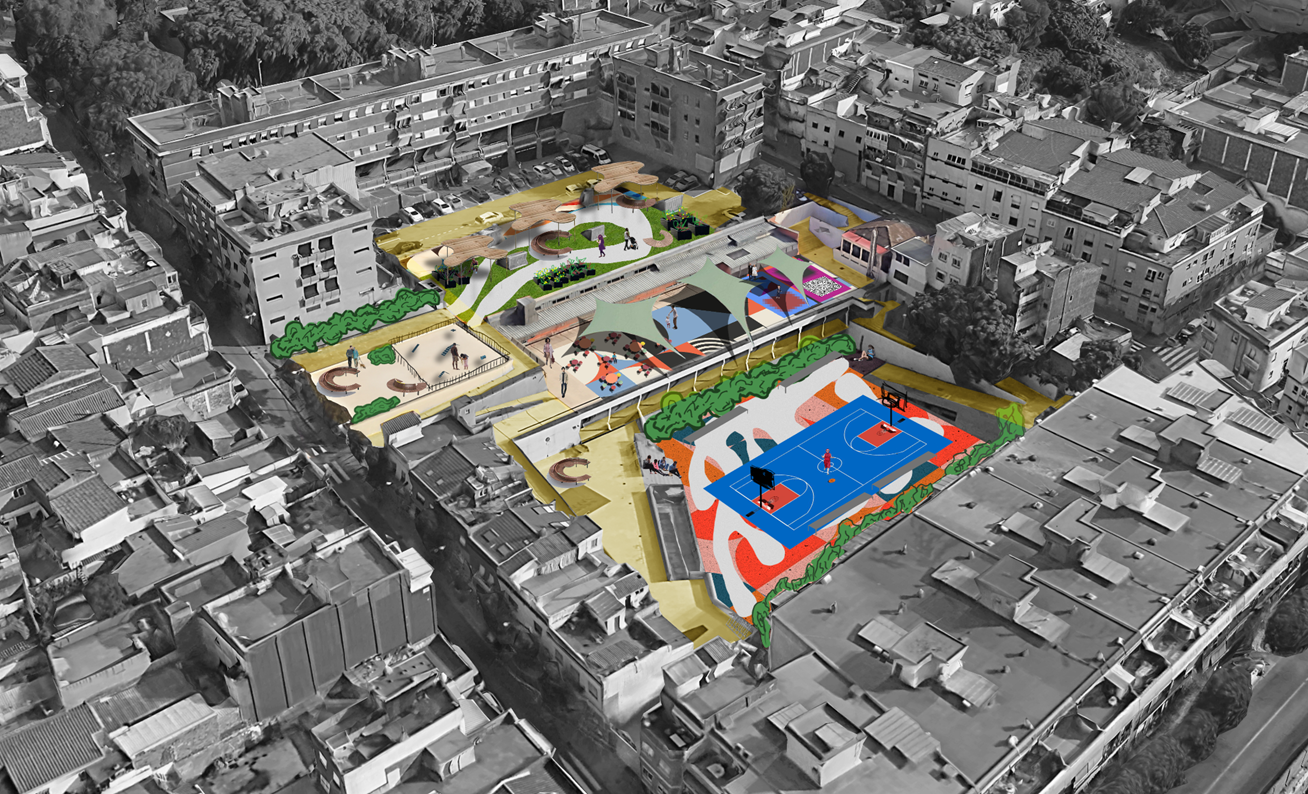
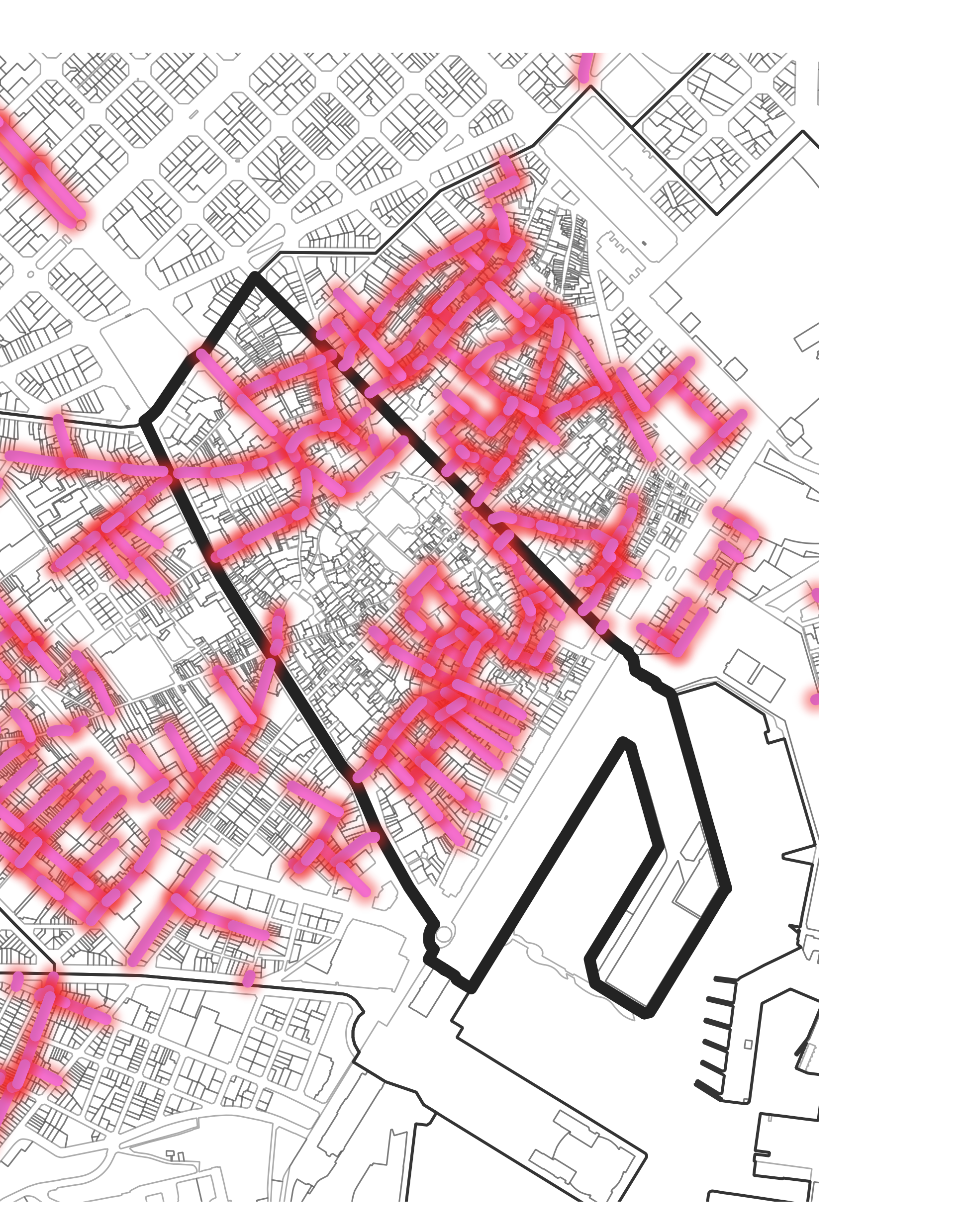
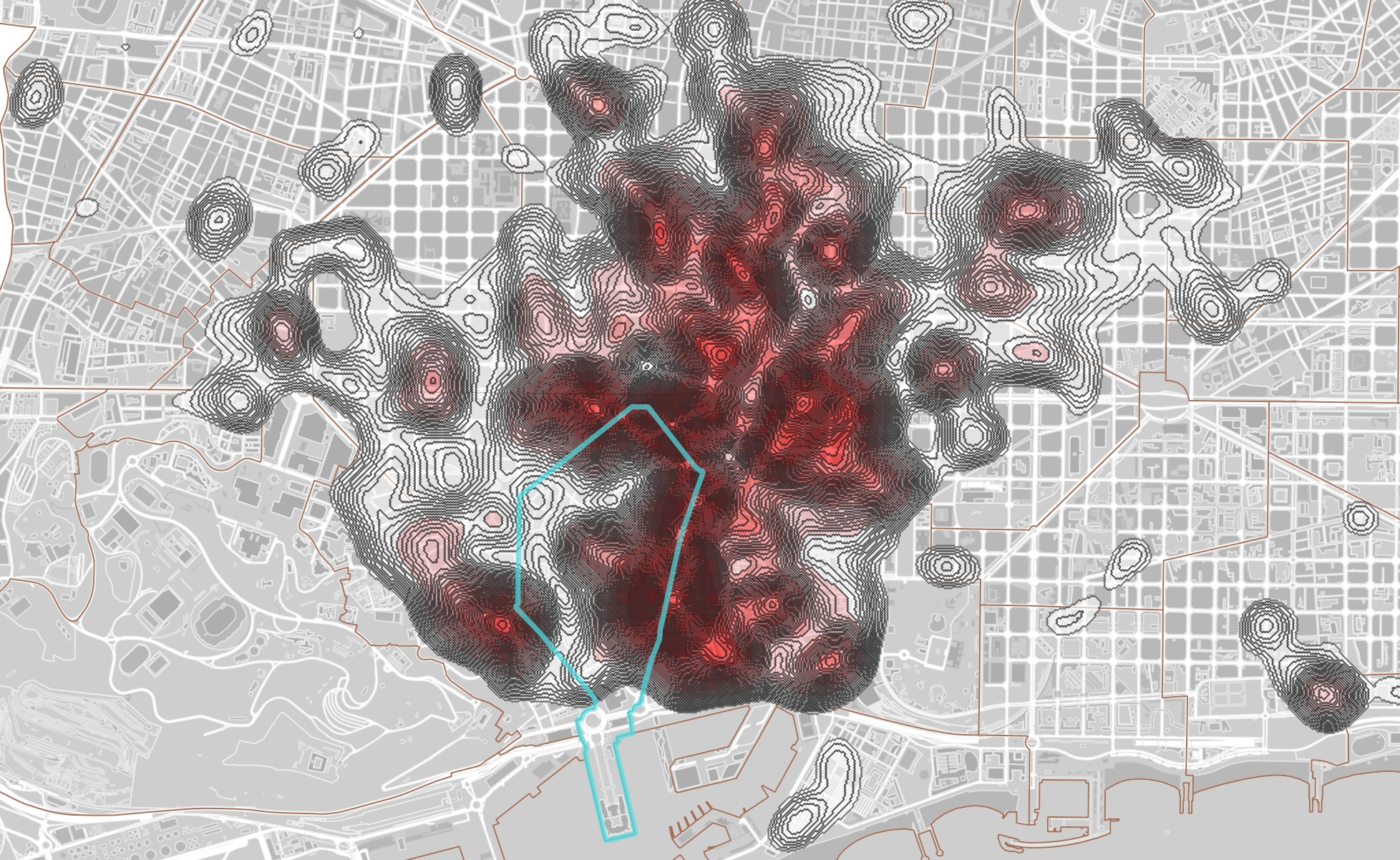
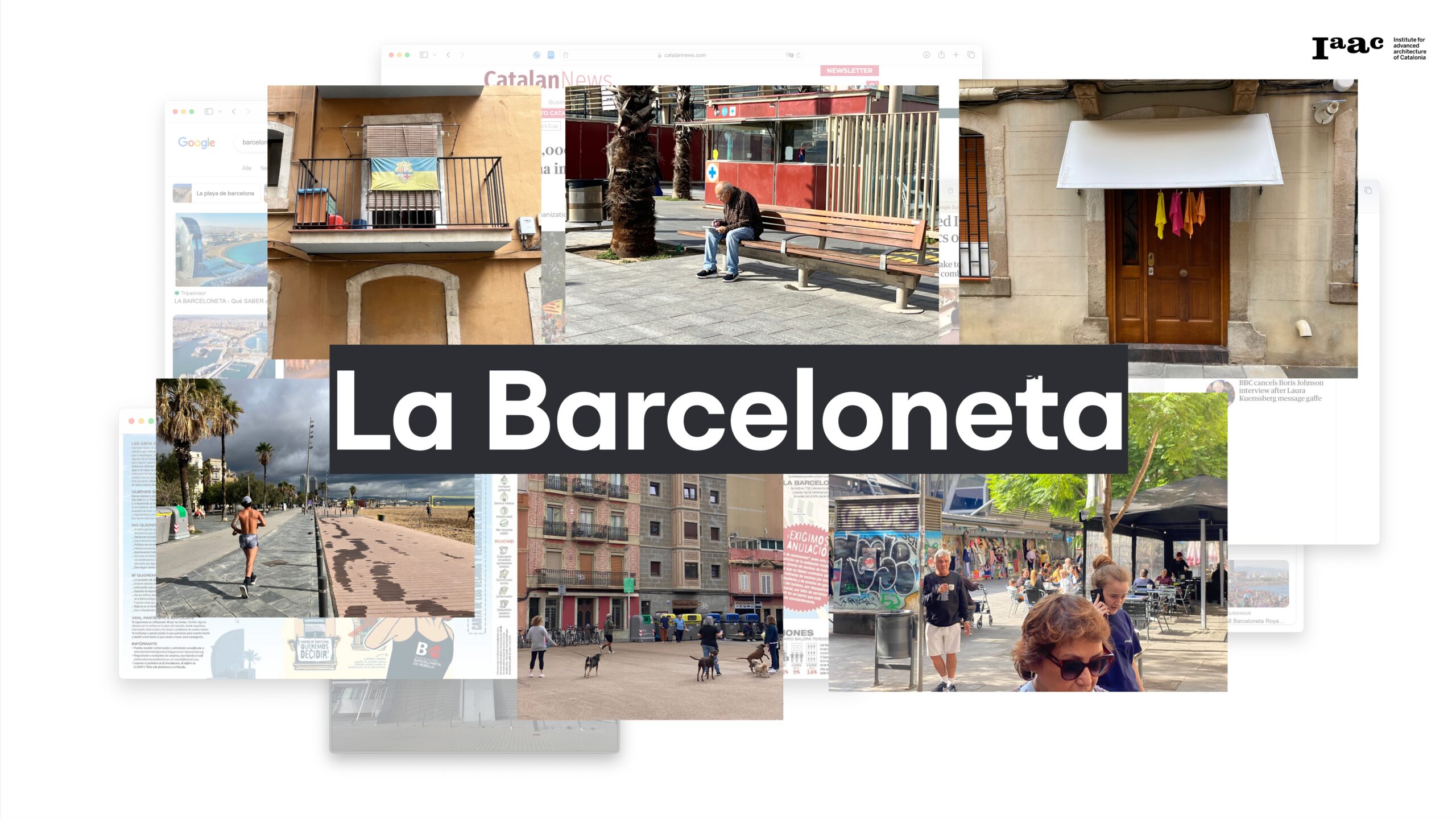
The Case of Tourism in Barcelona The “Guidebook on Urban Degrowth” explores applying degrowth principles in urban planning to promote social well-being and ecological equity in cities. This thesis develops guidelines to shift from high-consumption economic models to those that emphasize environmental balance and social equity. Focusing on Barcelona, it addresses the challenges of over-tourism, … Read more

PROJET TOKYO

Frist Research Mebolsim What is Metabolism? Building of Metabolsim Masterplan of Metabolism Comaprison, Masterplan Tokyo by Kenzo Tange vs Comptemporary Tokyo Comaprison1 Theory Comaprison2 City Plan Comparison3 Area plan Comparison4Building Comaprison Conclusion

LeCorbunisms

A conversation in which Jane Jacobs and Rem Koolhaas try to get LeCorbusier to think differently about the city… or the opposite! The Challenge We used Conversable Agents and Retrieval-Augmented Generation (RAG) to simulate a discussion between three influential architects: Jane Jacobs, Rem Koolhaas, and Le Corbusier. These theorists have shaped our understanding of the … Read more

Metro Station Prediction in Stockholm

This post describes the development of a method to predict metro station locations using Graph Neural Networks (GNNs). Our journey began with a challenge familiar to urban planners: how to strategically place new metro stations to optimize transportation networks. In this case the city of Stockholm was used as testbed. The Challenge of Data Imbalance: … Read more

WHAT IS ADVANCED AIR MOBILITY?

A multidimensional and multiscalar exploration of the emerging Vertical Urban Transportation landscape. [A] INTRODUCTION “Advanced Air Mobility (AAM) is a rapidly-emerging, new sector of the aerospace industry which aims to safely and efficiently integrate highly automated aircraft into the NAS. AAM is not a single technology, but rather a collection of new and emerging technologies … Read more

Re:New

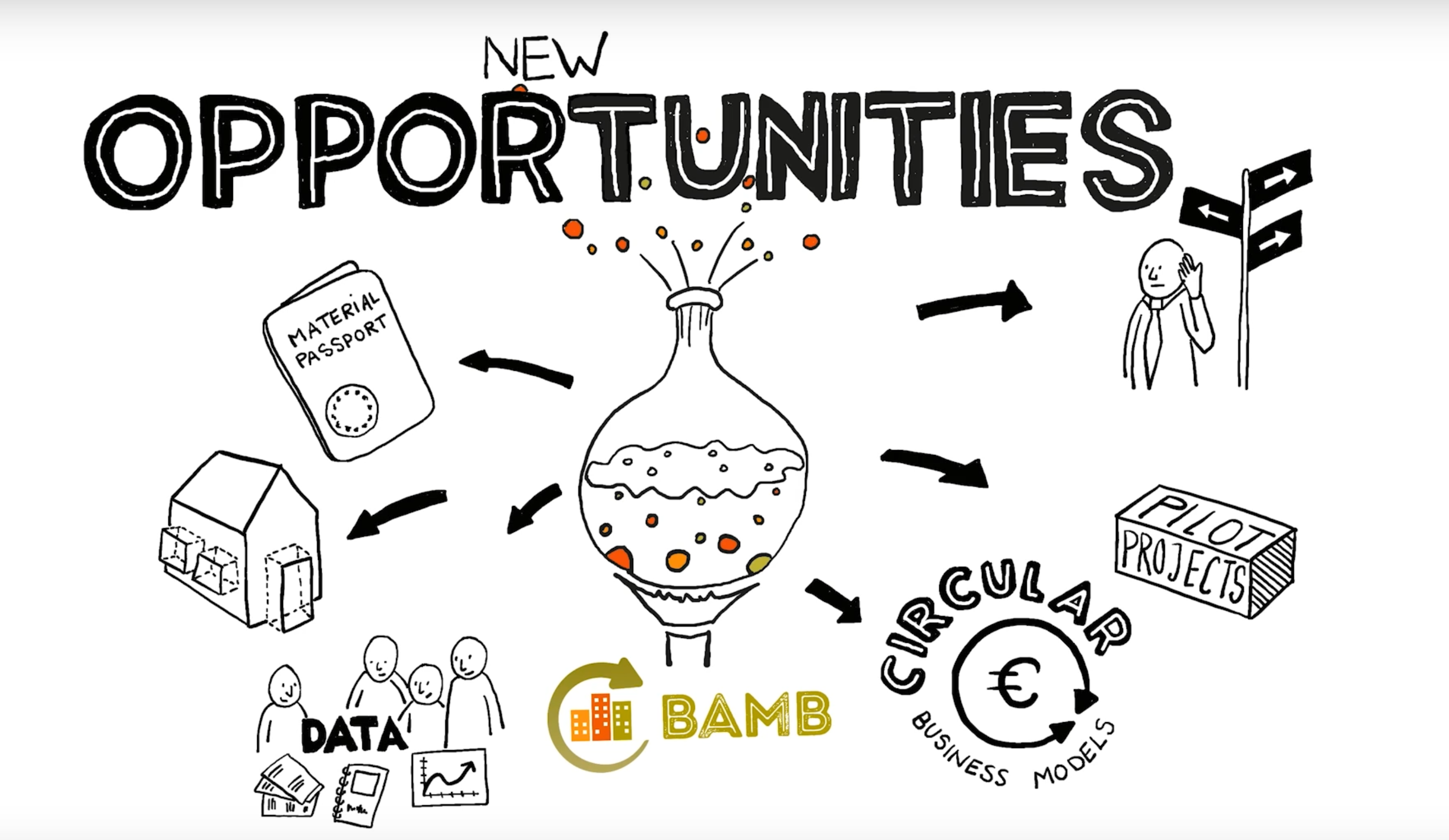
UP-CYCLING CDW THROUGH RAMMED EARTH TECHNIQUE The project promotes a circular economy for construction demolition waste (CDW), focusing on concrete and brick materials. It investigates the creation of a material system that integrates data-driven demolition mapping, innovative material reuse, robotic manufacturing and a meticulous approach to designing the life-cycle of the material. It uses the … Read more

100-Year Flood Risk Road Intersection Classification

Flood Risk Classification

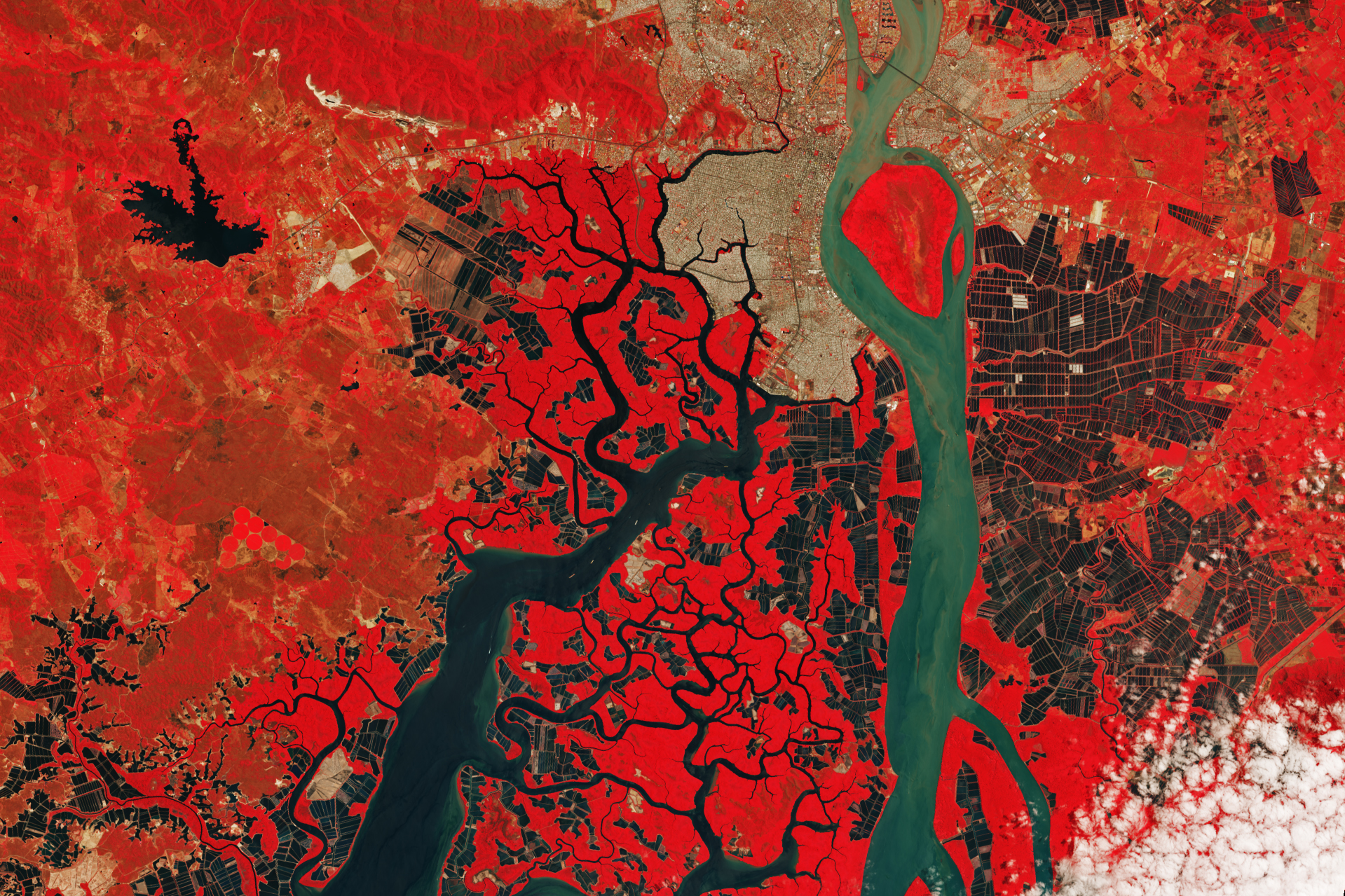
Beginnings Our project’s concept is to develop a classification model that identifies street intersections (graph nodes) in Stockholm, Sweden, susceptible to flooding during a 100-year flood event. Based on our initial research, we found that graph machine learning operates at three levels: the graph, its edges, and its nodes. With access to a 100-year flood … Read more

IS THE FUTURE REALLY AUTONOMOUS?

1. Introduction 1.1. Abstract Autonomous Vehicles are vehicles that employ driver assistance technologies to remove the need for a human operator within the vehicle. These new technologies into automation have been researched in contexts like the United States of America, Middle-Eastern Countries and some European Countries. Planners and architects are designing for these cities including … Read more