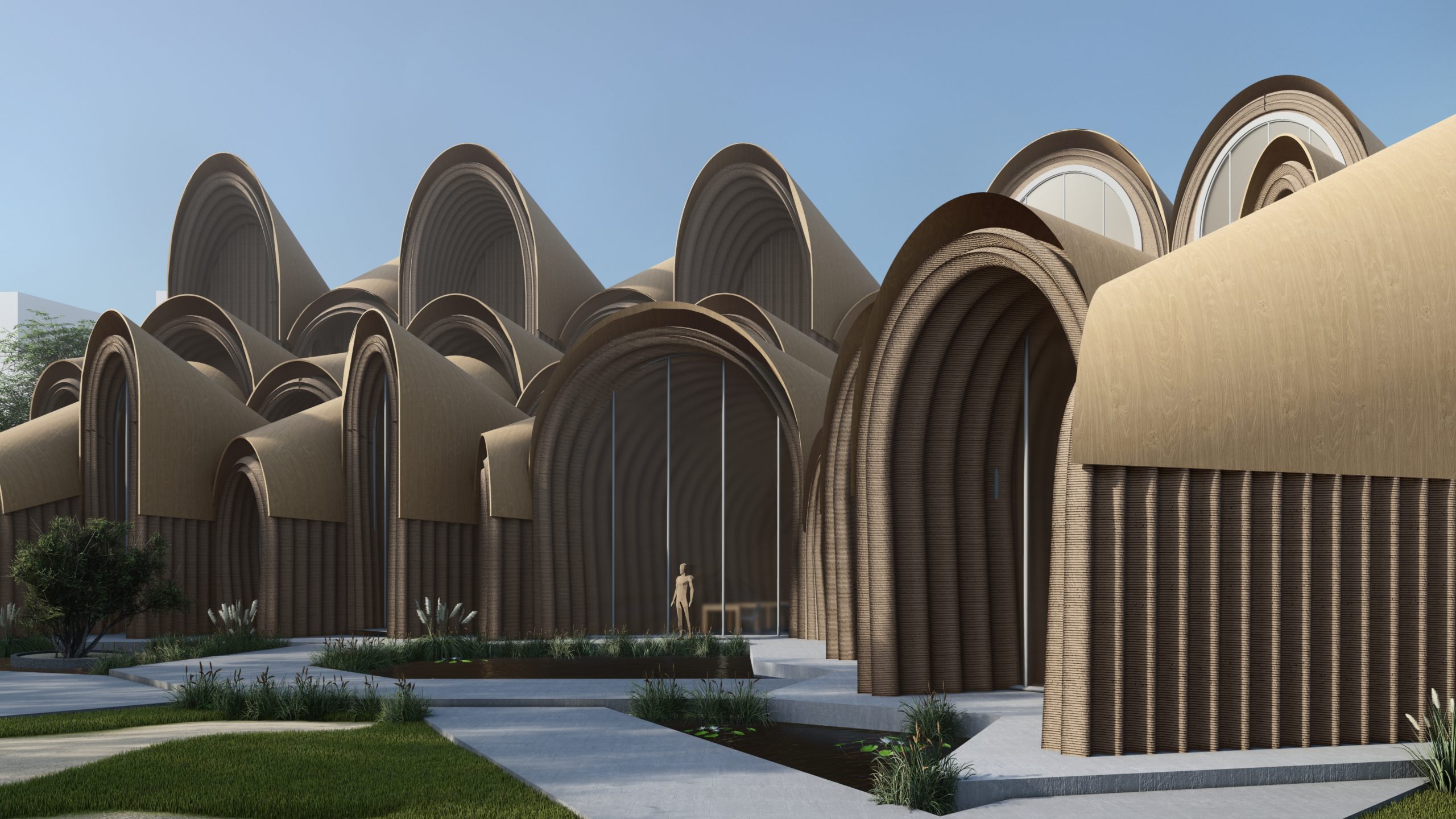

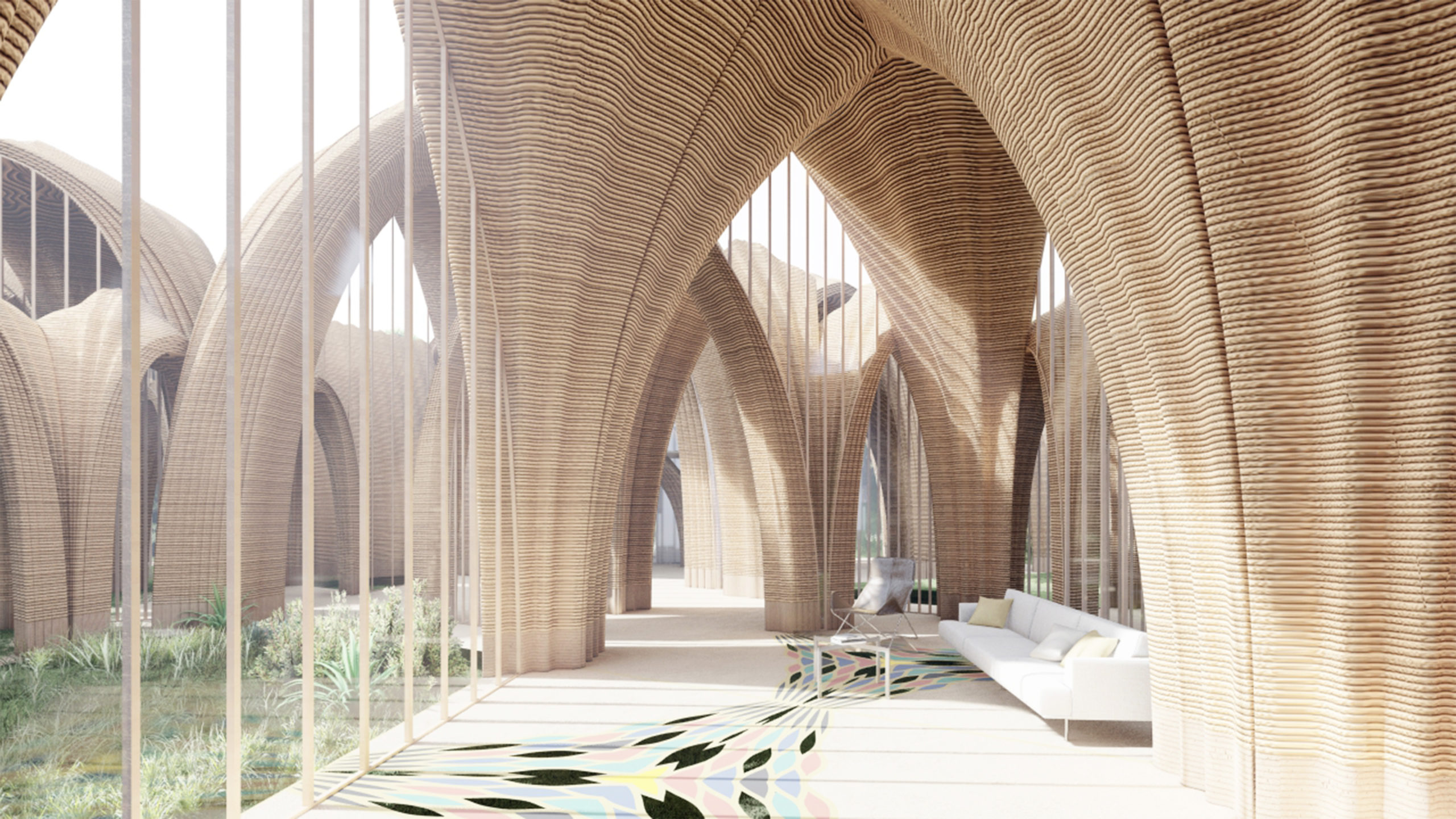
The Postgraduate in 3D Printing Architecture is a 6-month long intensive programme in the field of additive manufacturing of sustainable architecture. Between the use of advanced technology for construction and the desire to develop a holistic design approach to architecture, we engage with different areas of research that include robotic manufacturing, material research and performance-based design. The programme seeks to develop technological and architectural solutions in collaboration with Industry partners to answer the current needs and challenges of our habitat.
Vertical Openings
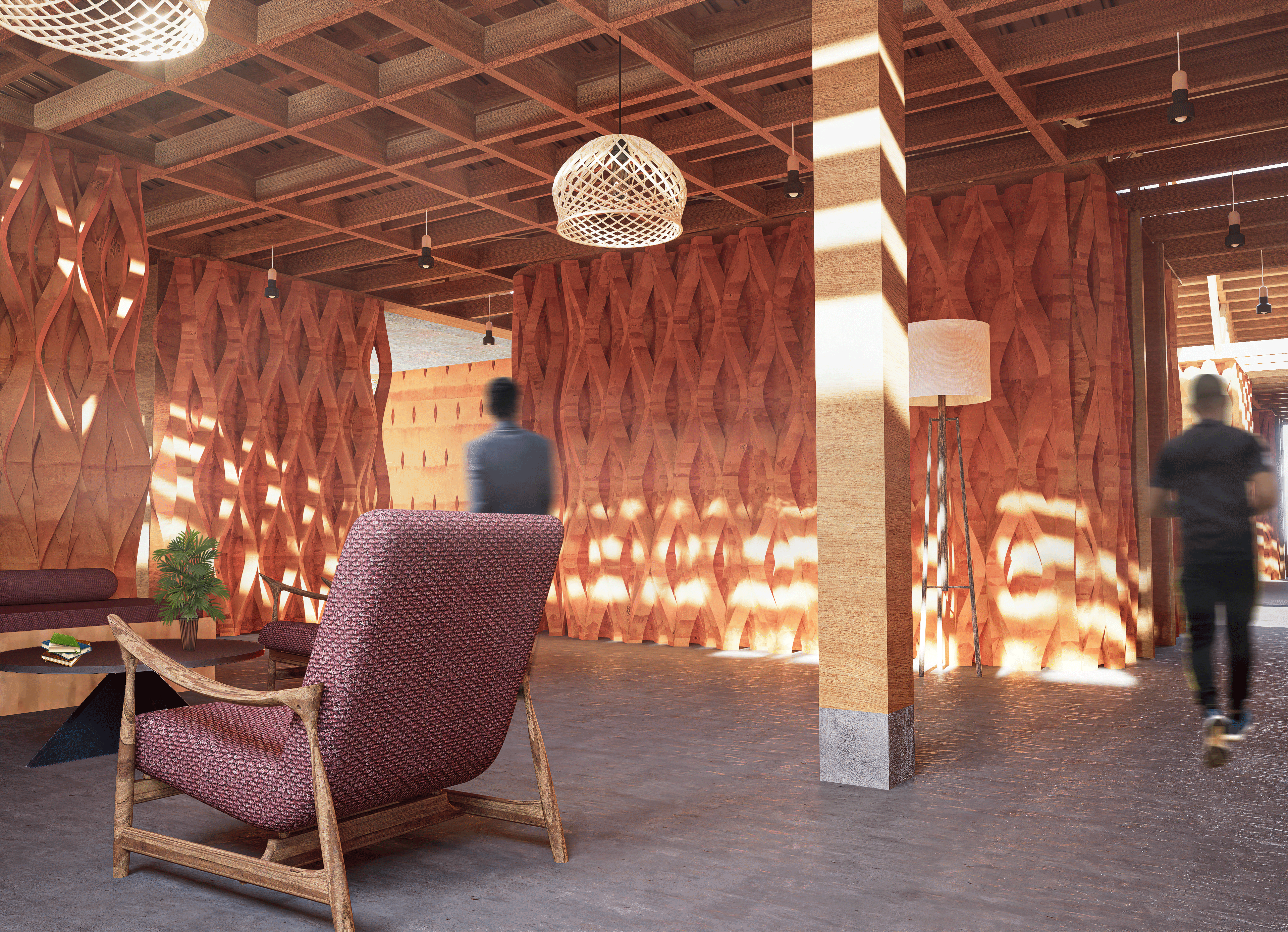
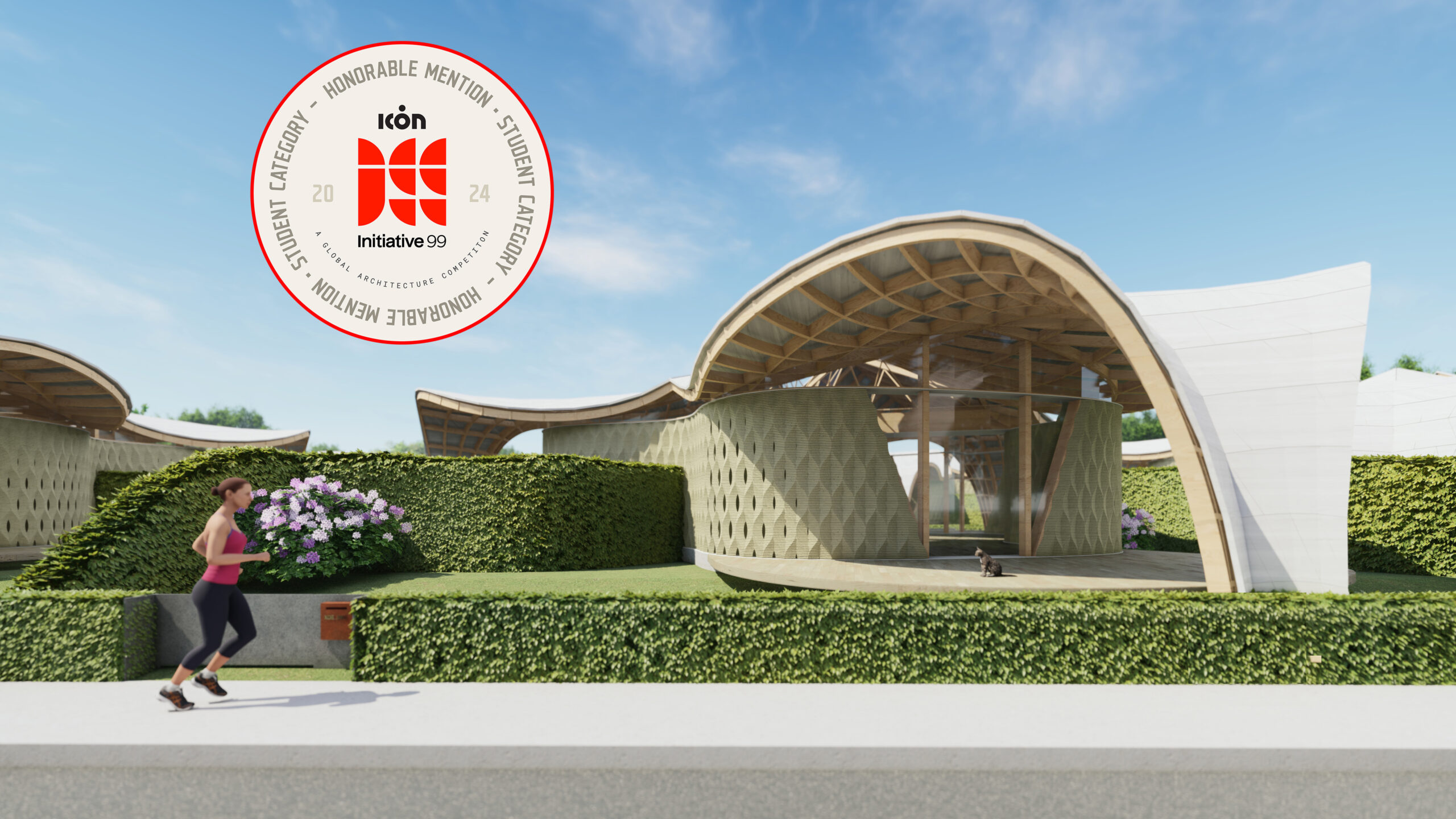
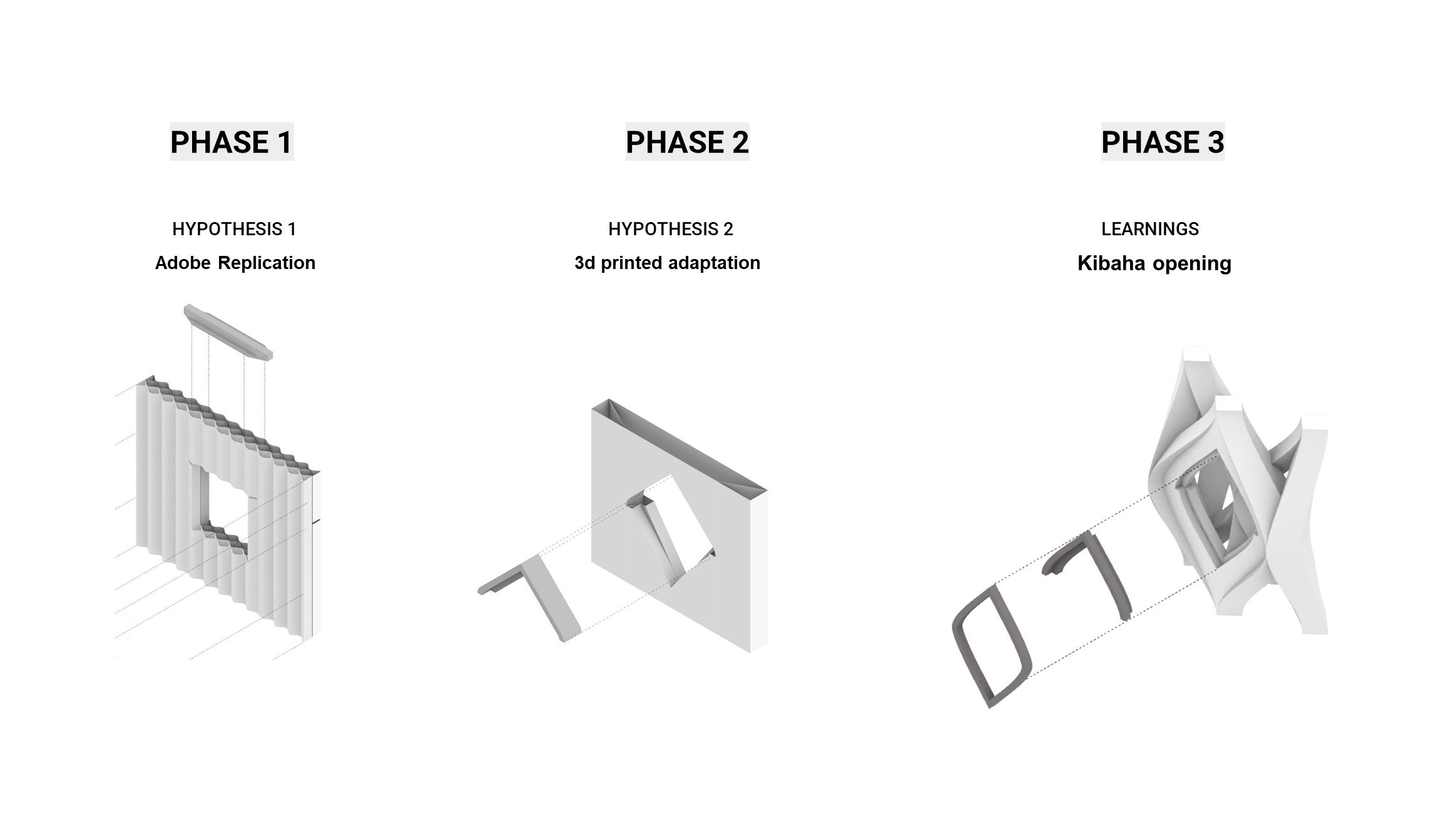
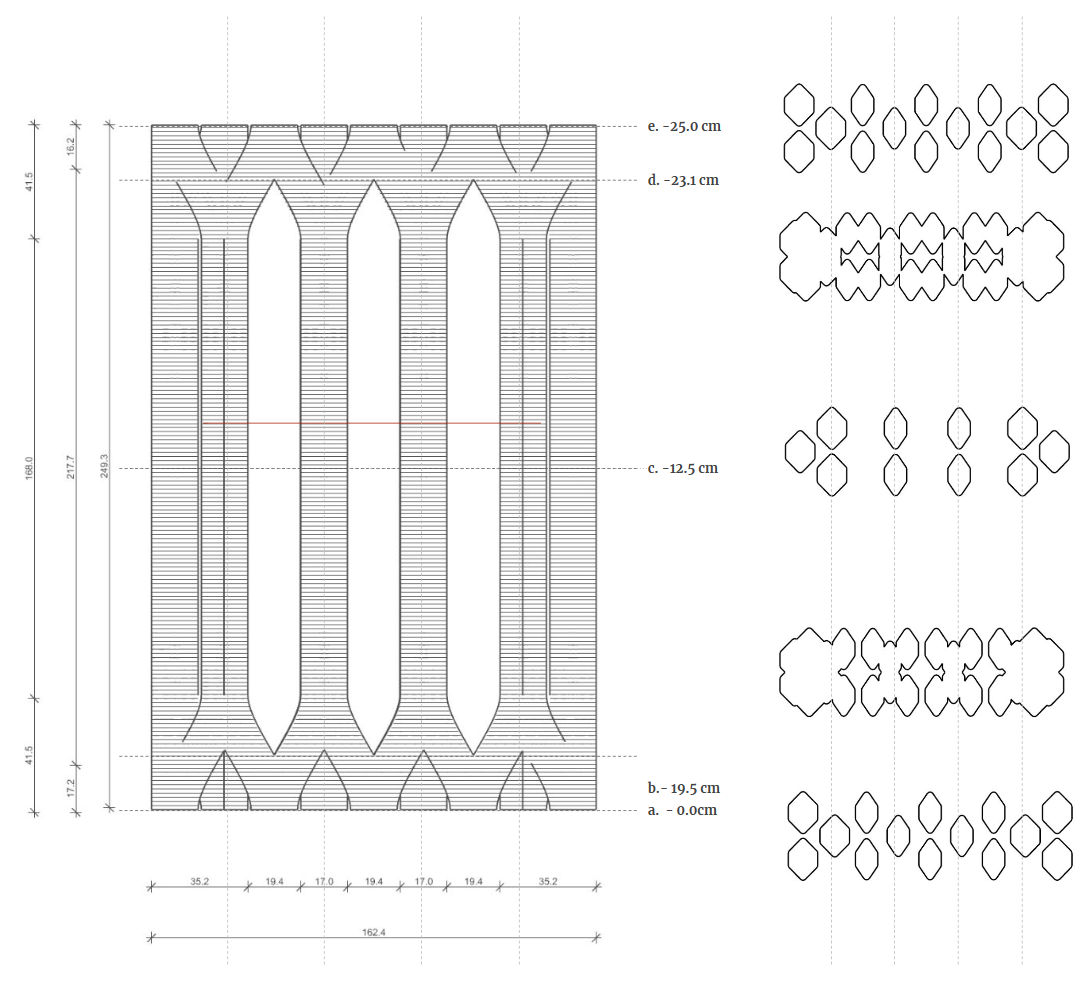
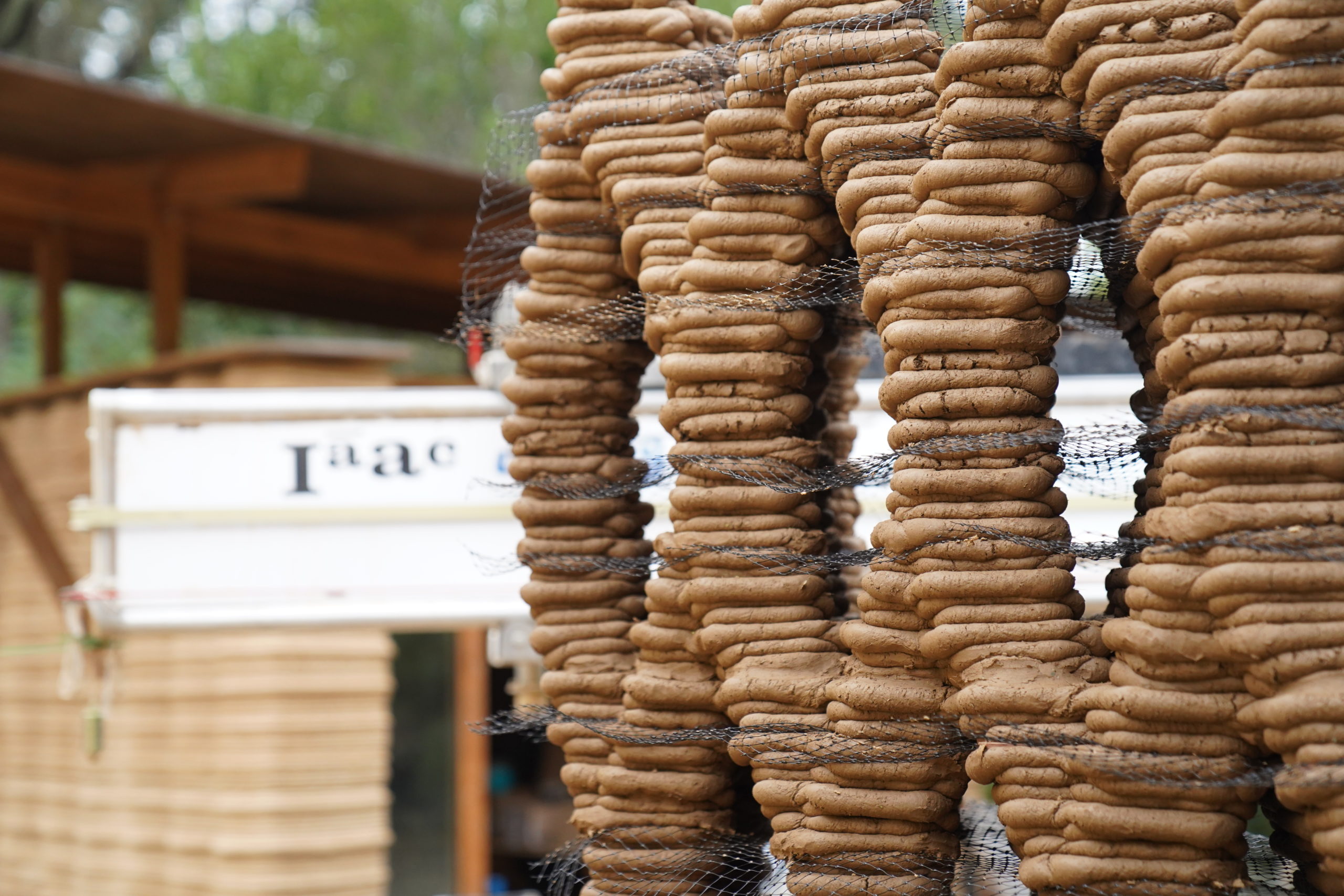
This research focuses on the exploration of vertical openings in 3D printed earthen walls. It seeks to answer the question: How to construct medium and large vertical openings in earth 3D printing, providing a maximum opening ratio while minimizing mass and material usage? The objectives of this research are:
Construction – Prototype for Kibaha
Table of Contents Abstract Design Previous Research : LIGHT [ AIR ] Tova vs Kibaha Porosity Compositional grid for Kibaha prototype Technical Challenges Material Recyclability Foundation & Cast Overhangs Edges condition Mesh grids Offsets Approach curves & curve order Ventilation Conclusion Abstract The relatively low mechanical strength of earth means that its use in traditional … Read more
Techne Week 6: Earth 3D Printing Architecture
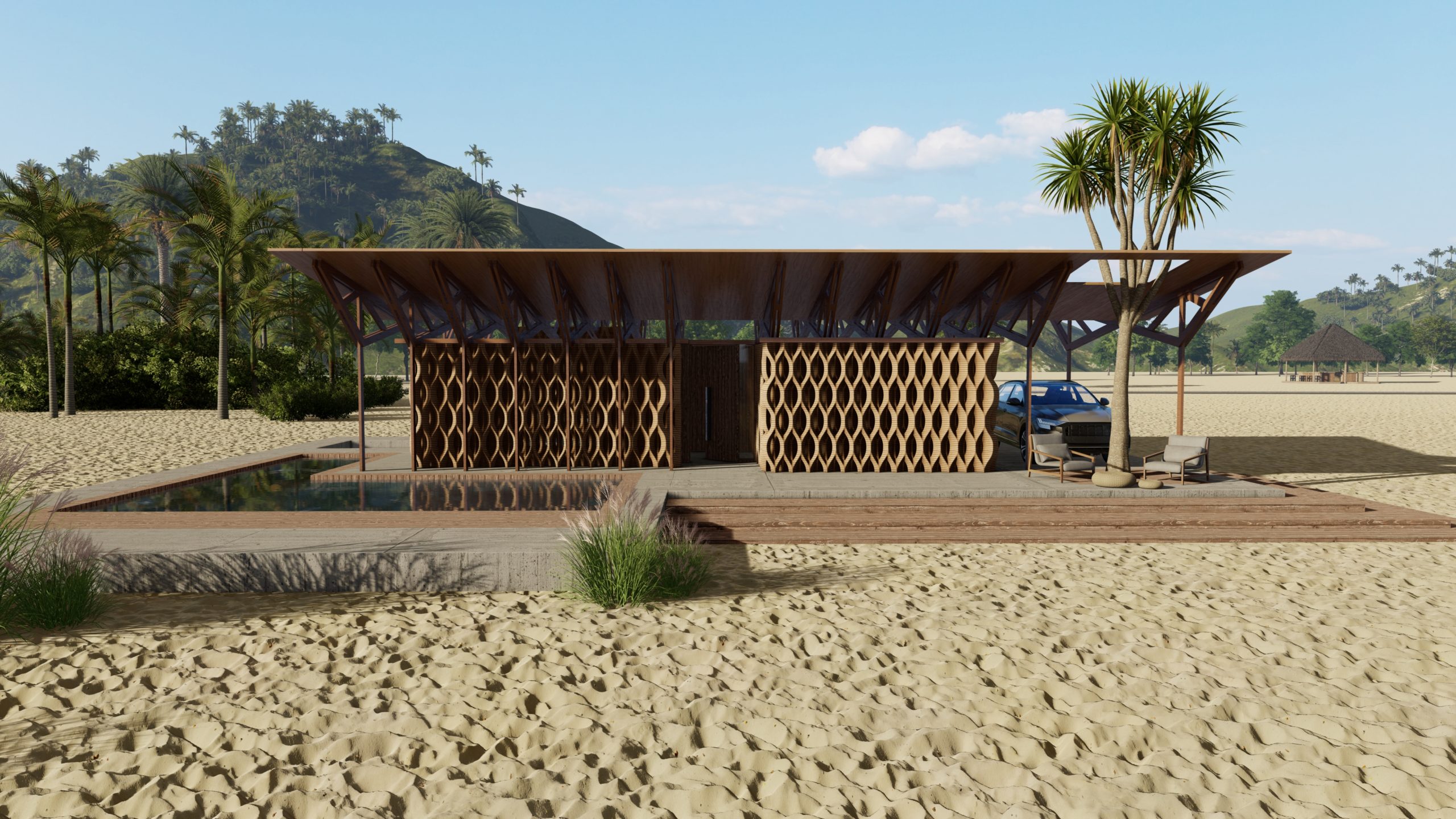
Overview In the last week of Phase One TECHNE, comes Architecture, where we used “The light wall”, an earth 3D printed wall that uses light as a performative element, in the design of an architecture project. By modifying the geometry of the wall and analyzing the performance of light going through, we develop a strategy … Read more
Structural Design for 3D Printing
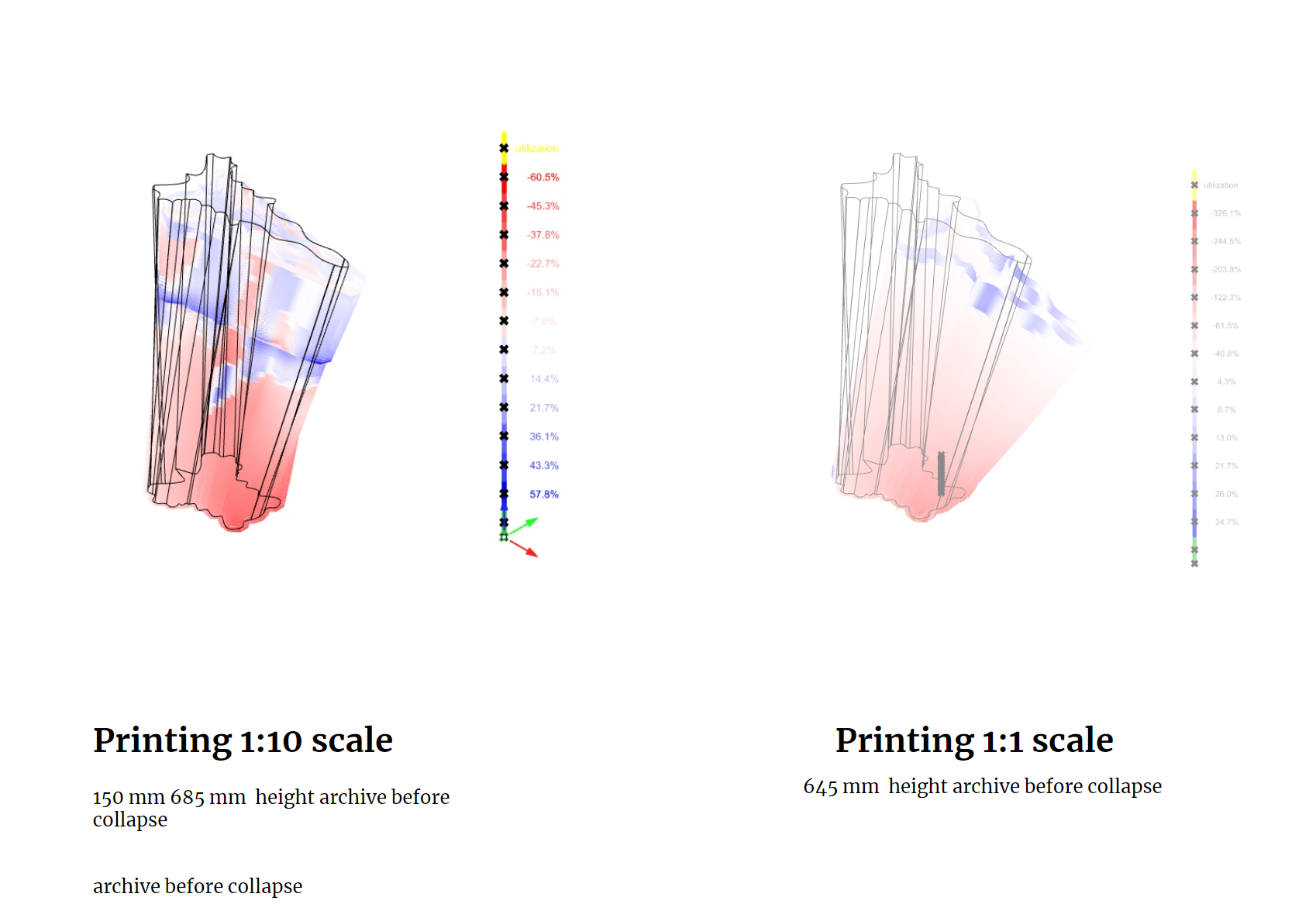
Exploring Boundaries and Breaking Limits: A Glimpse into the Structural Design for 3D Printing Introduction In the inspiring journey through the 3D Printing Architecture (3DPA) postgraduate program, we delved into the enigmatic world of structural design specific to 3D printing during our recent workshop. Grounded in the principles of architecture and pioneering the forefront of … Read more
Illuminating Earth
The TECHNE workshop of the 6th week was an exciting opportunity for 3DPA students to dive into the interaction between mass and lightness in earth-based construction. Traditionally, when we think of buildings made from earth, we imagine thick, heavy walls that don’t let much light through. With the introduction of 3D printing technologies, combined with … Read more
The Machine: From design to fabrication
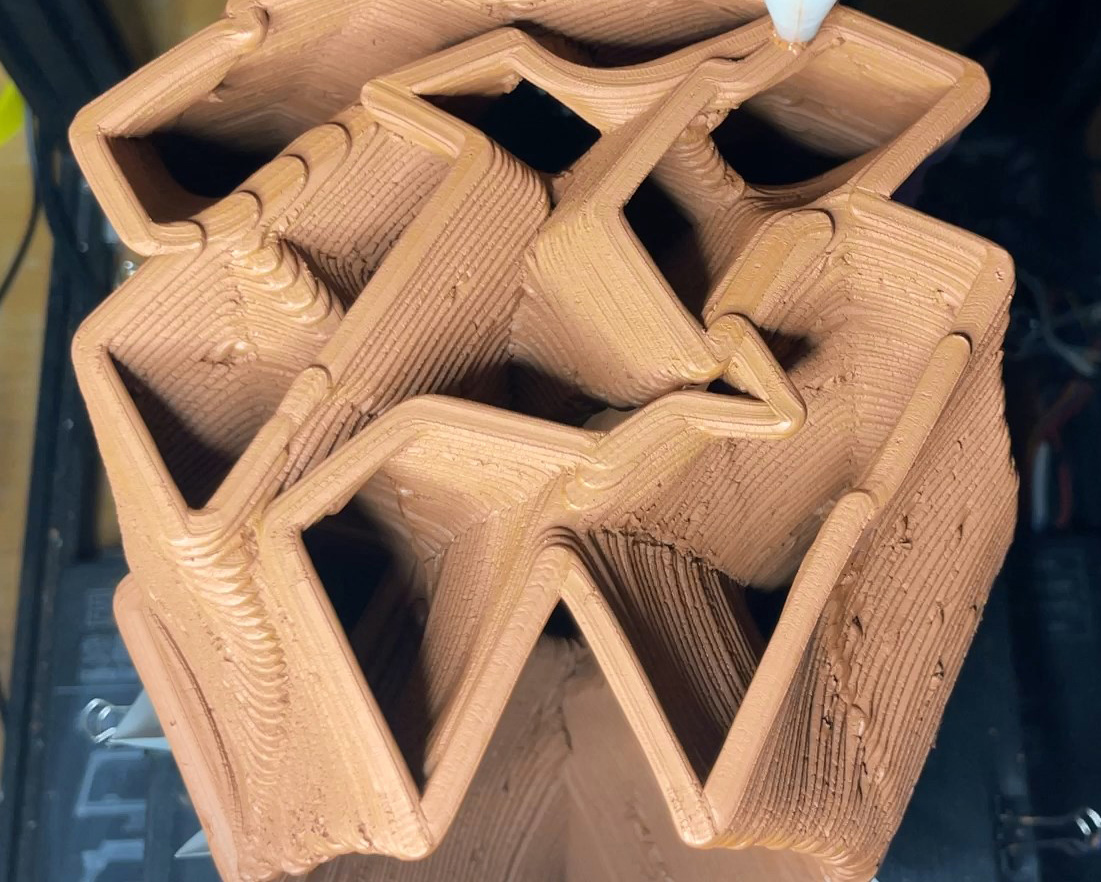
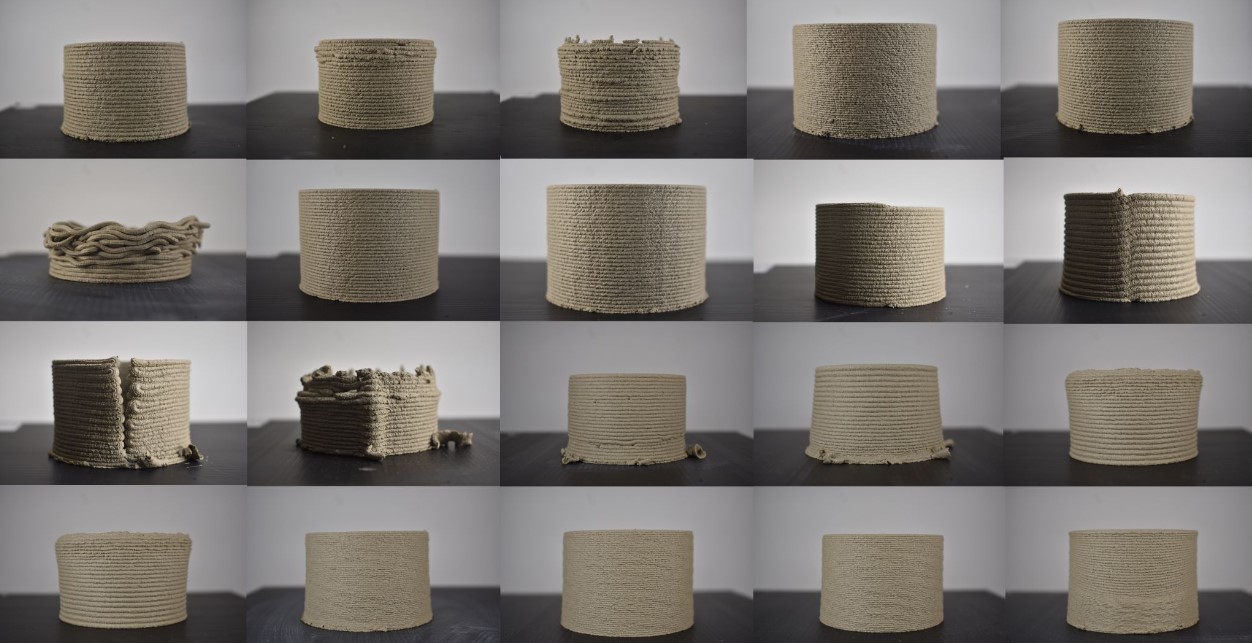
In this second Techne module we investigated the apparatus of fundamental shapes (such as a cylinder) to grasp the principles and processes of 3D printing with clay, and the parameters and the properties of both machine and materiality. Employing a standard framework that can manifest in variation of a cylinder, four research groups of 3DPA … Read more
Tension networks using natural fibers as support for 3D printing with earth
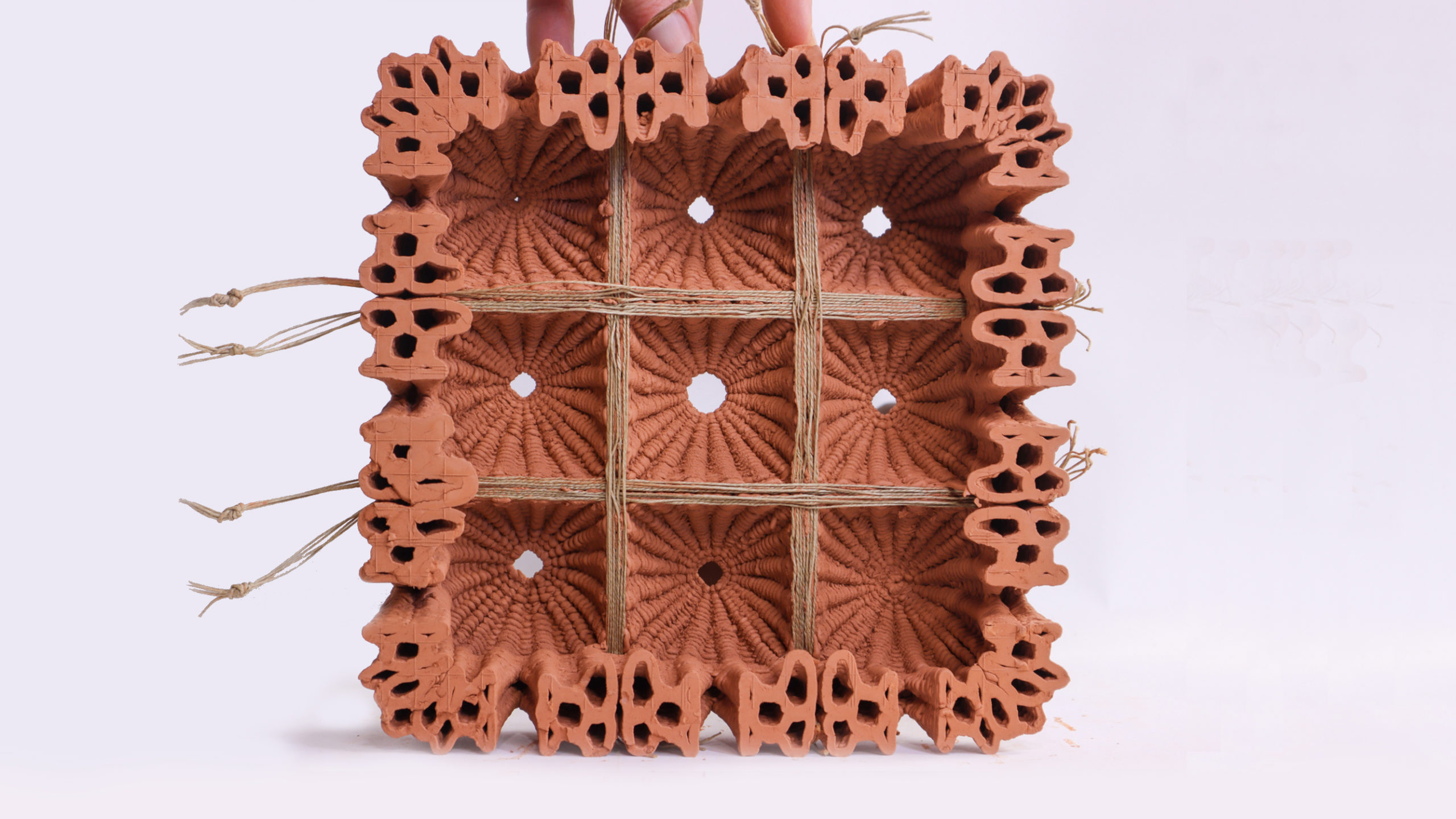
Table of Contents — ABSTRACT To deal with the fifth façade, vernacular earth construction introduces different materials to cover horizontal spans. This switch of materials allows the earth to work primarily under compression, avoiding altogether the need to work against gravity and the intrinsic tension that horizontal elements require to be supported. This research follows … Read more
Student Housing Built by Additive Manufacturing
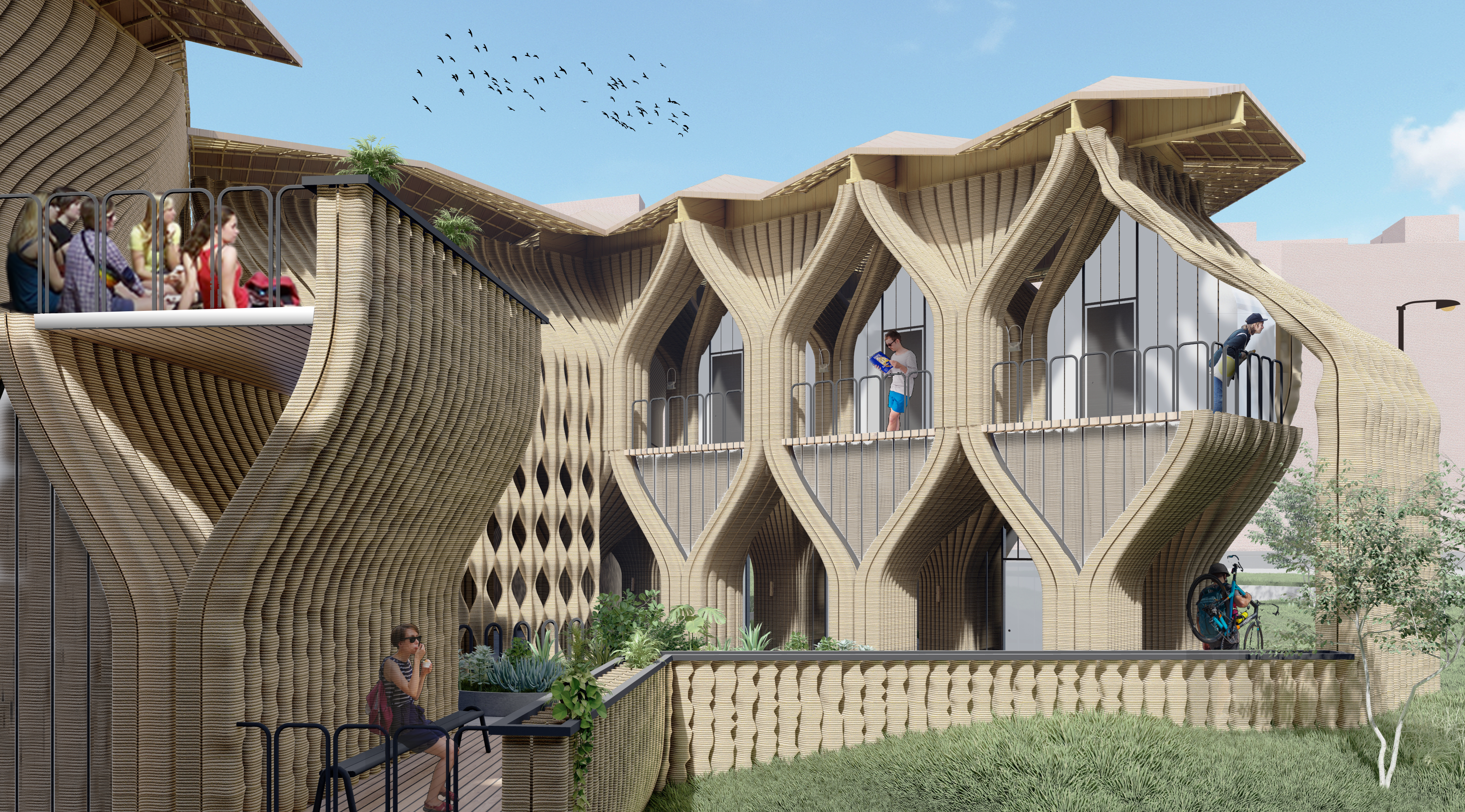
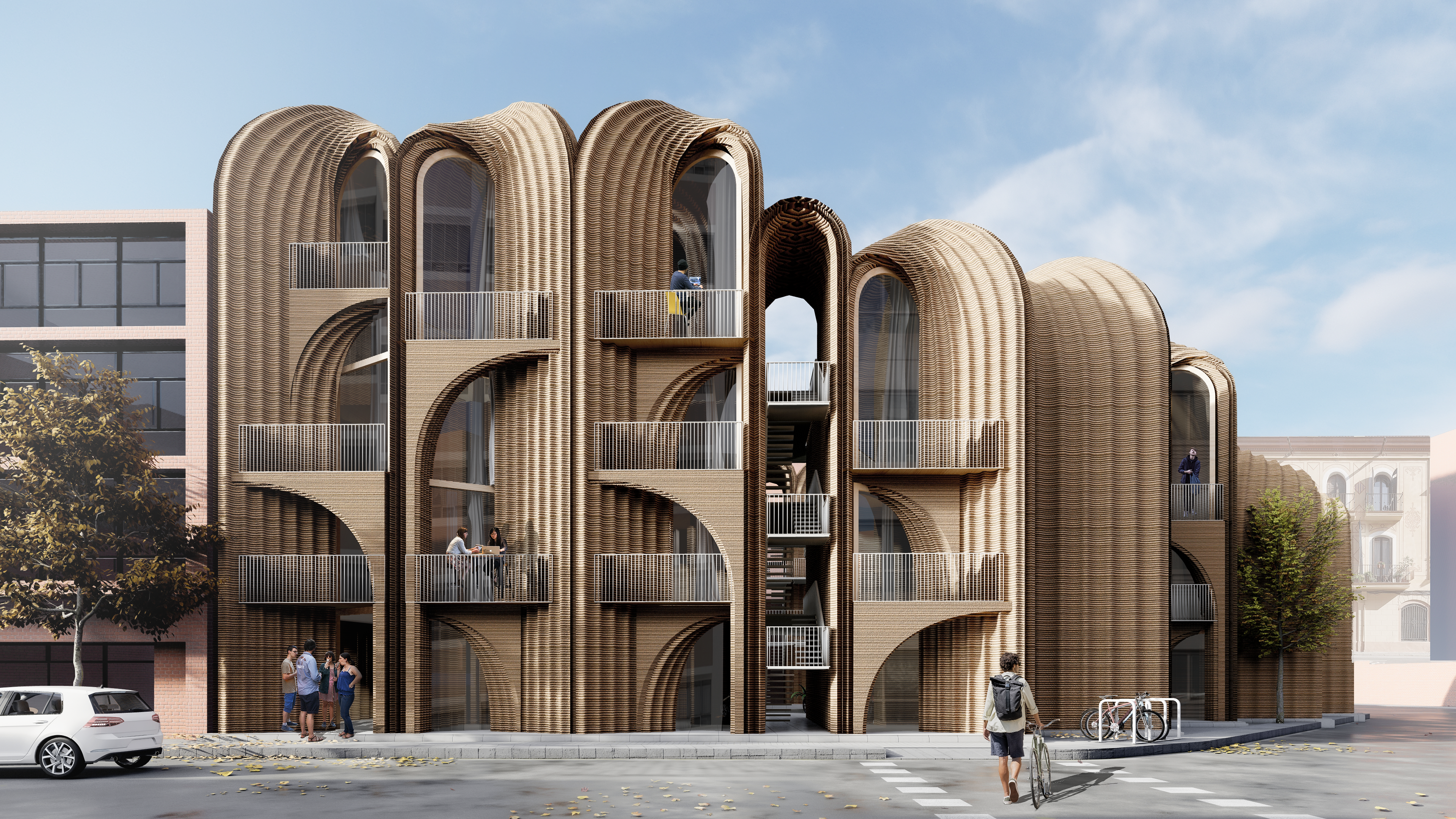
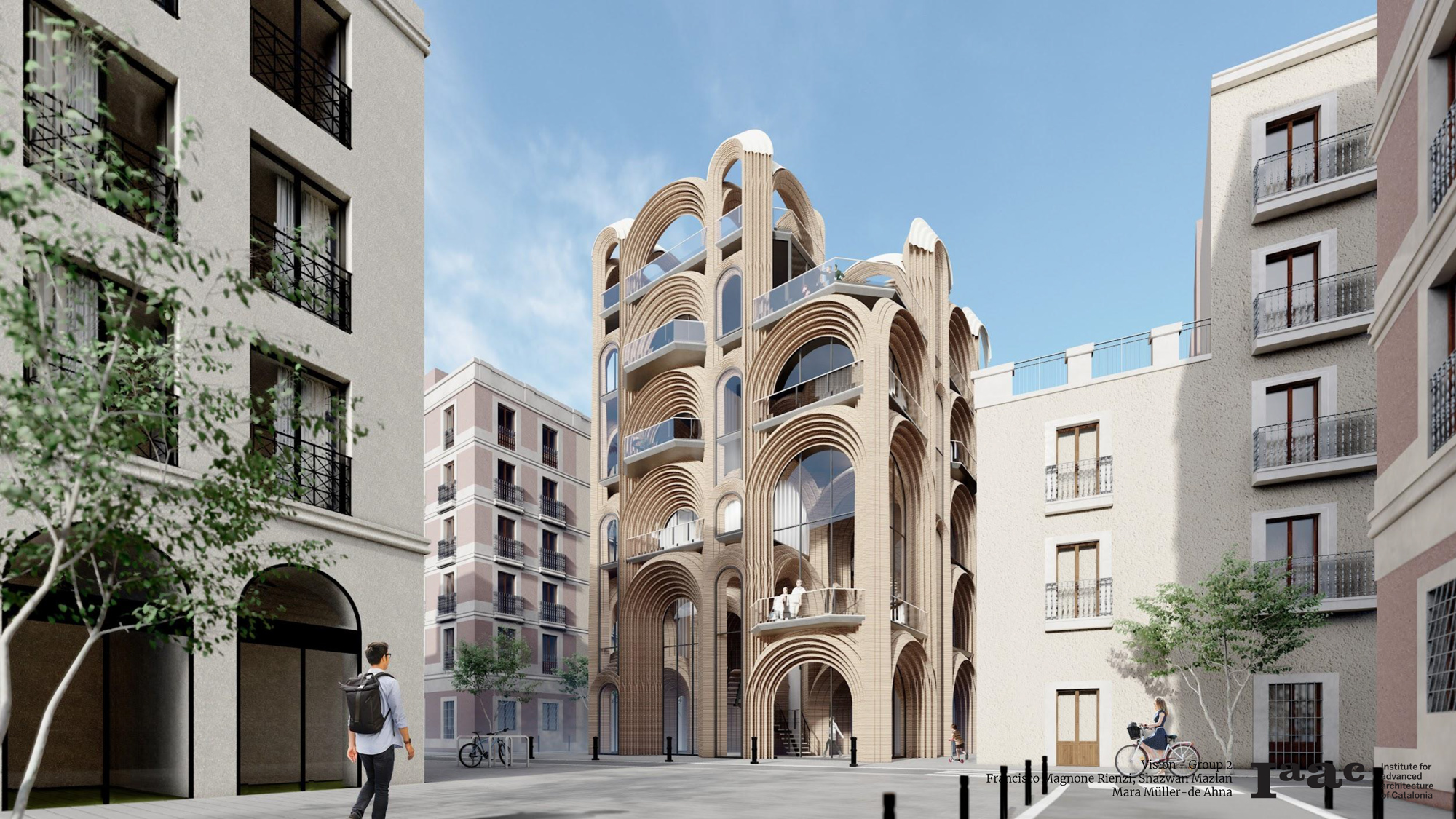
The brief asked for the design of a student housing facility in Barcelona, that would be 3D printed out of earth material. A previously studied module considered as a stand-alone pavilion was adapted, varied and proliferated in order to scale up the structure. Location Given the context of Barcelona and the required function for the … Read more
IAAC’s 3D Printed Student Housing
How can we print a multistory student housing facility using earth and what techniques should we use to cover the fifth facade? As 3dpa students studying in Barcelona, we found it quite difficult to find short-term housing in Poblenou with the amenities we required. Here is where we began, with the goal of providing accommodation for all short-term IAAC … Read more
The Bóveda: 3d Printed Earthen Housing
As the world progresses towards sustainable development, the use of 3D printing technology in construction is gaining momentum. One such application is the use of 3D printing to construct earthen buildings, which has several advantages over traditional construction methods. Earthen buildings have been used for thousands of years and are known for their durability, low … Read more
Large Scale 3D-Printing Experience with WASP Crane: Log Entries from Construction Site
The use of large-scale 3D printing in construction has been on the rise in recent years, with many architects and builders experimenting with different techniques and technologies. One such project is the final project for the 3DPA postgraduate program at the IAAC Institute for Advanced Architecture of Catalonia, which utilized the WASP Crane for printing … Read more
Milà Earth
Multiple-story 3d printed earth housing in Barcelona Introduction Milà Earth envisions an earth high-rise building located in Milà i Fontanals street on Vila de Gracia, a high-density neighborhood in Barcelona. An architectural proposal for student housing that aims for vertical densification of the central city. Focusing on using local materials and innovative cutting-edge building technologies, … Read more
Trinitat Mosalas
The proposed student housing is a result of a system, designed with bottom to top approach, where a module design is considered with variable parameters to proliferate into a building proposal which establishes the relationship between structural and spatial organizations. The site falls within the close proximity of some institutions and more importantly close to … Read more
PATI de la VILA: 3d Printed Earthen Housing
At a time when additive manufacturing using earth becomes commercial and available for large scale services, earthen housing becomes more possible without the heavy maintenance required for challenges like spanning, drying, heightening, printing, and durability. A student earthen housing project in Barcelona could vary in many capacities depending on its context of deployment, and in … Read more
1:1 Arched Vault Competition Proposal
The competition proposal of a 1:1 3d printed arched clay vault should be characterized by feasibility in construction. To achieve feasibility, the design of the vault uses bended sheets of wood to carry arches, dwells on strong connections in the infills, and complies by site printing restrictions [4,500 meters of print length alongside a maximum … Read more