IAAC’s Master in City & Technology (1 or 2-year program) is a unique program oriented towards redefining the analysis, planning, and design of twenty-first-century cities and beyond. The program offers expertise in the design of digitally enhanced, ecological and human-centered urban environments by intersecting the disciplines of urbanism and data science. Taking place in Barcelona, the capital of urbanism, the Master in City & Technology is training the professionals that city administrations, governments, industries, and communities need, to transform the urban environment in the era of big data.


Filters
Course

Beyond the Data Point: A Counter-Cartography of People on the Move through Mexico’s Vertical Border
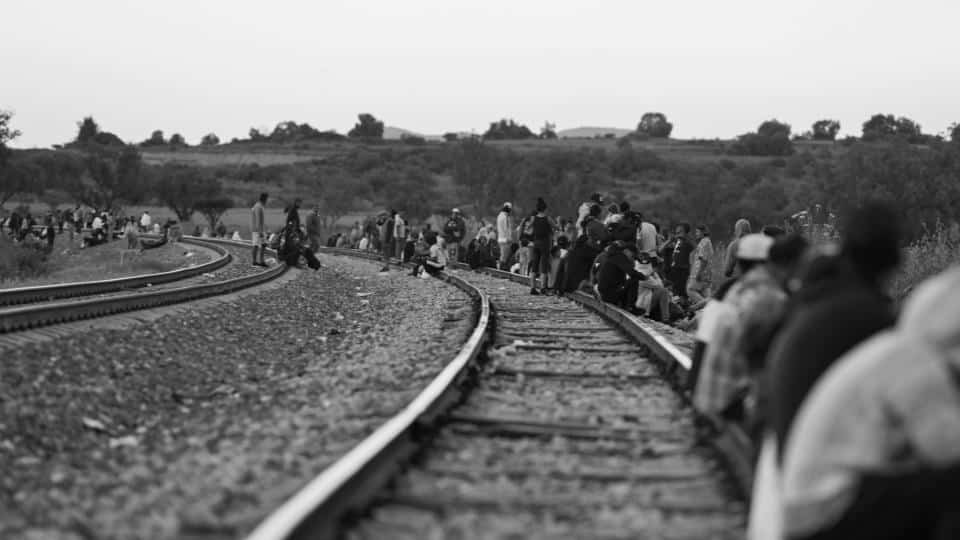
“Power is not something you possess, it is something you exercise”– Michel Foucault With this phrase by Michel Foucault, I would like to invite you, reader, to adopt a lens focused on power relations as you move through this blog post. The first power dynamic I would like to highlight is the asymmetrical relationship between … Read more
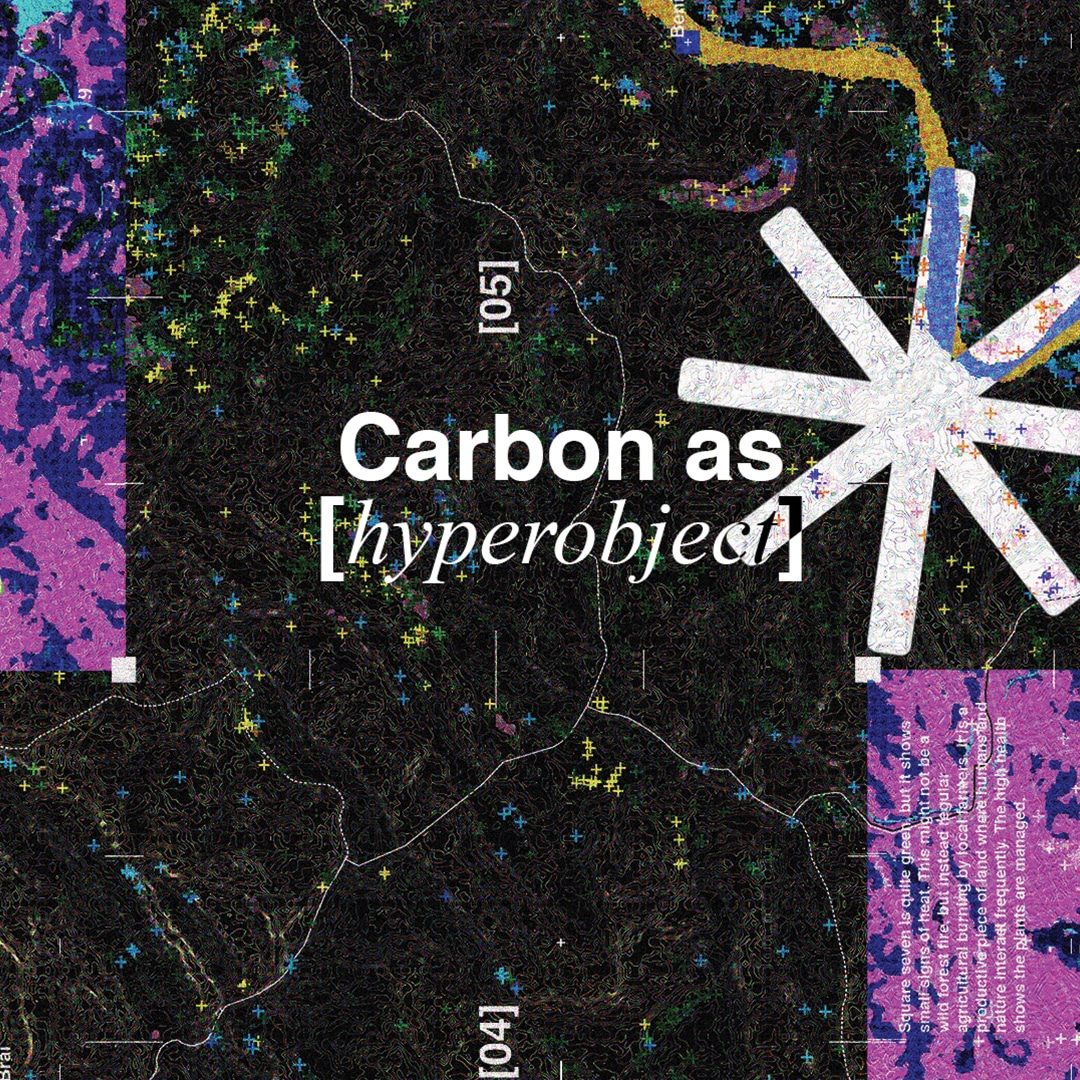
Carbon as [hyperobject]

Vulnerability-adjusted carbon sequestration for more [actionable land]. Current climate mitigation treats carbon sequestration as a static stock: it counts the biomass a landscape holds and rewards storing more. Yet under fire and drought, the densest biomass is lost first, turning a carbon sink into a source. This thesis develops vulnerability-adjusted carbon sequestration. Working across a … Read more

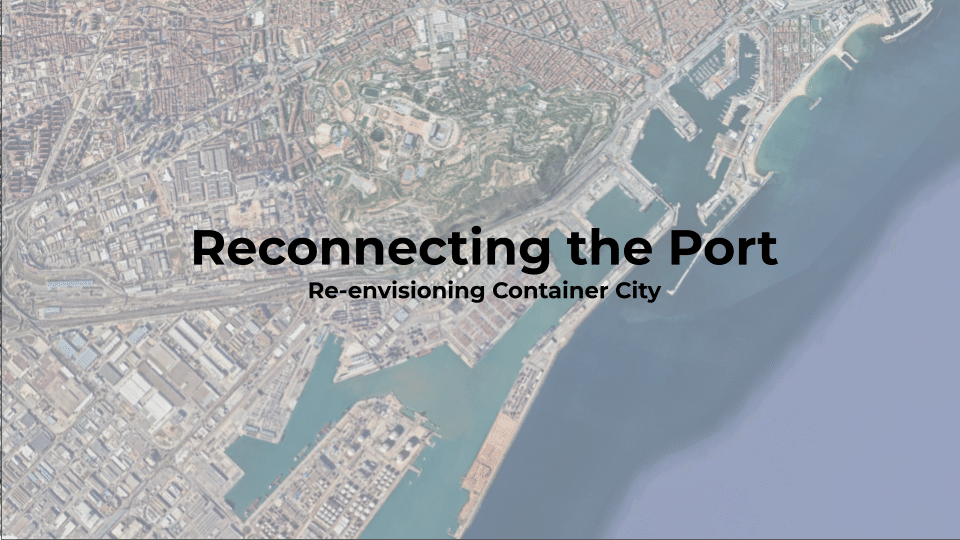
Reconnecting the Port

Satellite imagery of Barcelona with words in black "Reconnecting the Port"

Re-envisioning Container City One of Barcelona’s most strategically located waterfront areas, the container port south of Montjuïc, remains largely disconnected from the inner city. As the city explores the possibility of relocating portions of its container operations in this speculative project and transforming this industrial landscape into a mixed-use district, mobility becomes a more pertinent … Read more

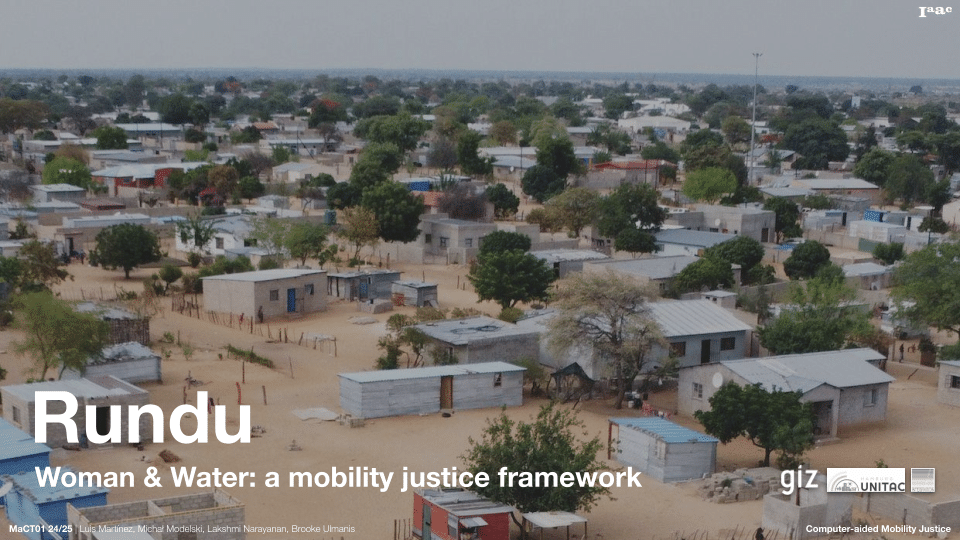
Woman & Water in Rundu: a mobility justice framework

Ndama, the fastest-growing informal settlement in Rundu, Namibia, faces critical challenges in water accessibility shaped by gender, age, income, and spatial isolation. With women disproportionately responsible for water collection under unsafe and inequitable conditions, our study combines interviews and spatial data to map intersectional vulnerabilities. We developed an interactive tool that simulates real-world constraints—heat, crime, … Read more

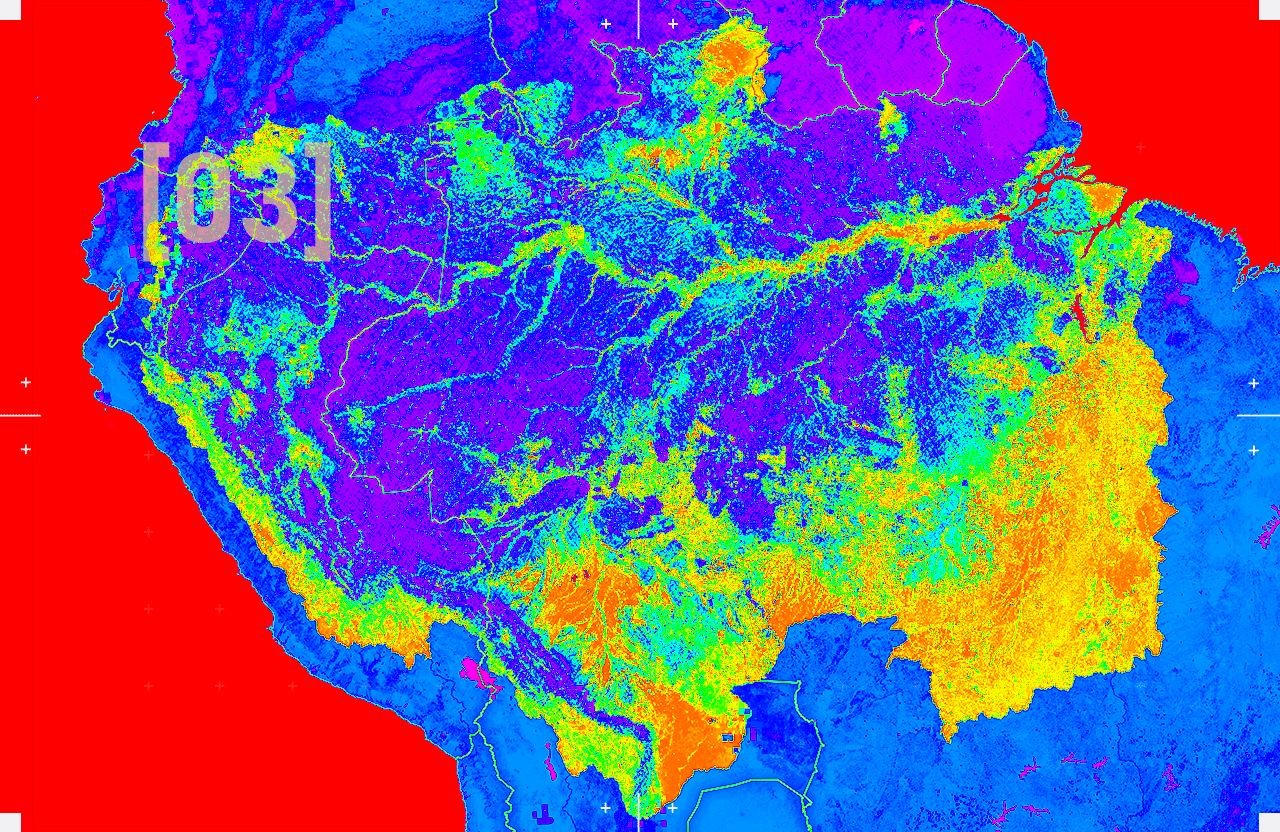
Investigating [Grain Farming] – Deforestation, and Political Conflict in the Amazon

“The Amazon rainforest, often called the ‘lungs of the Earth,’ is rapidly disappearing. But this isn’t just an environmental crisis—it’s a geopolitical and economic issue. In the heart of this transformation lies [Mato Grosso], Brazil’s largest soy-producing state. Its key location fuels both economic growth and ecological destruction, leading to tensions over land use, trade policies, and environmental governance.” … Read more

WildFires

January 7th marked the beginning of one of the most devastating wildfire events in California’s recent history. A series of fires struck the city of Los Angeles, and within just 24 hours of the first ignition, the city was already facing three major wildfires in Pacific Palisades, Eaton, and Hurst. At that point, two fatalities … Read more

URBAN MORPHOLOGY + INFRASTRUCTURE

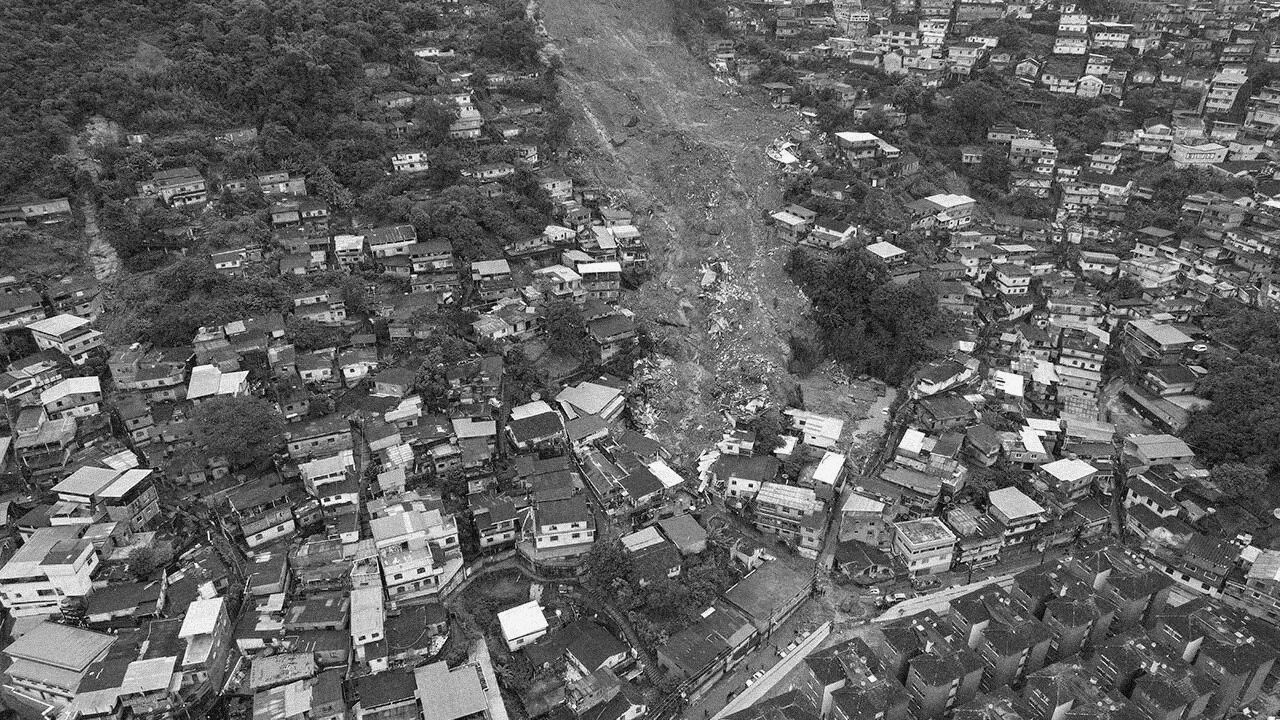
Petrópolis: Analysis & Strategic Responses for Flood-Vulnerable Contexts 1.1. History of the city Summary – 1.1. History of the City Petrópolis initially developed in valleys and along riverbeds, where construction was easier, but this laid the groundwork for future vulnerabilities. Located within the Atlantic Forest Biome, only 12.4% of its original forest remains due to … Read more

Topographical Risk + Geomorphology

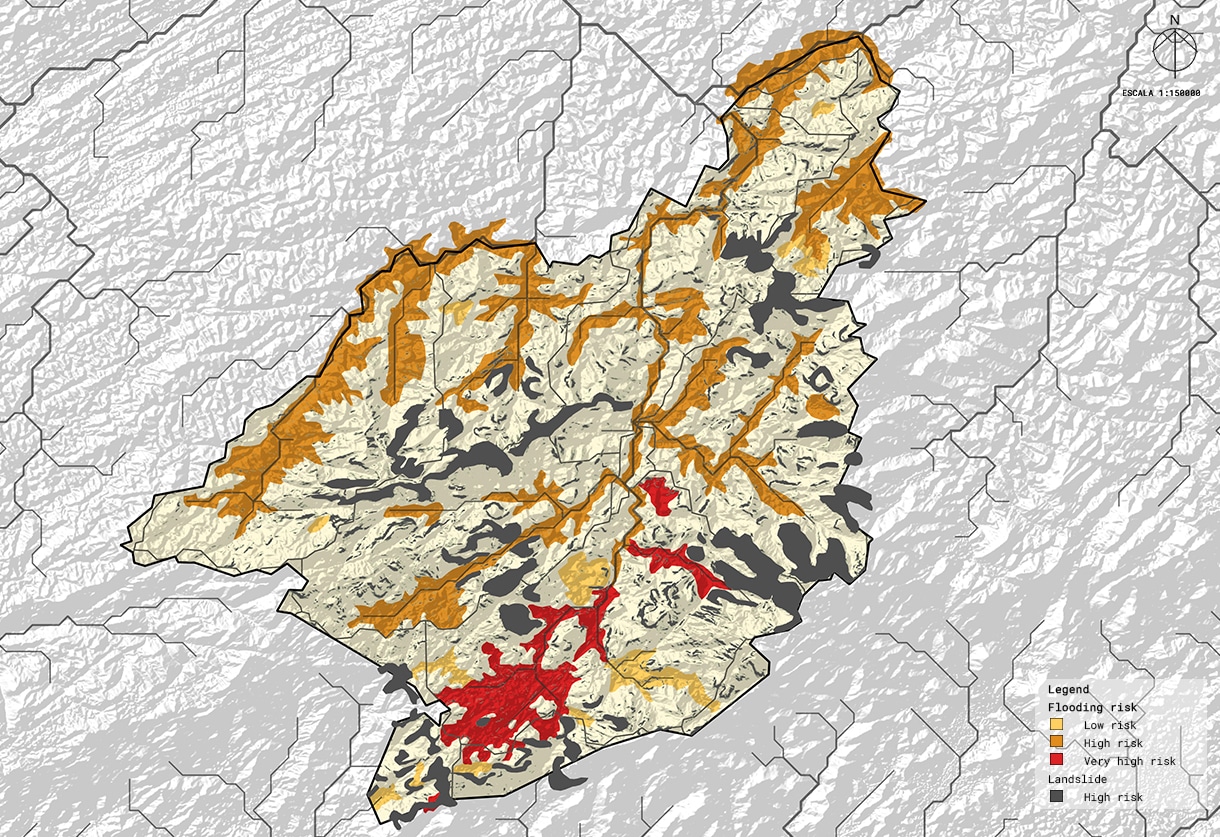
Understanding the complexity of urban flooding Across the globe, cities are facing the increasingly visible consequences of climate change, with floods and landslides ranking among the most destructive urban hazards. In Brazil, the city of Petrópolis offers a critical lens through which to study the layered vulnerabilities of urban settlements exposed to extreme rainfall, unstable … Read more

Fields at Play

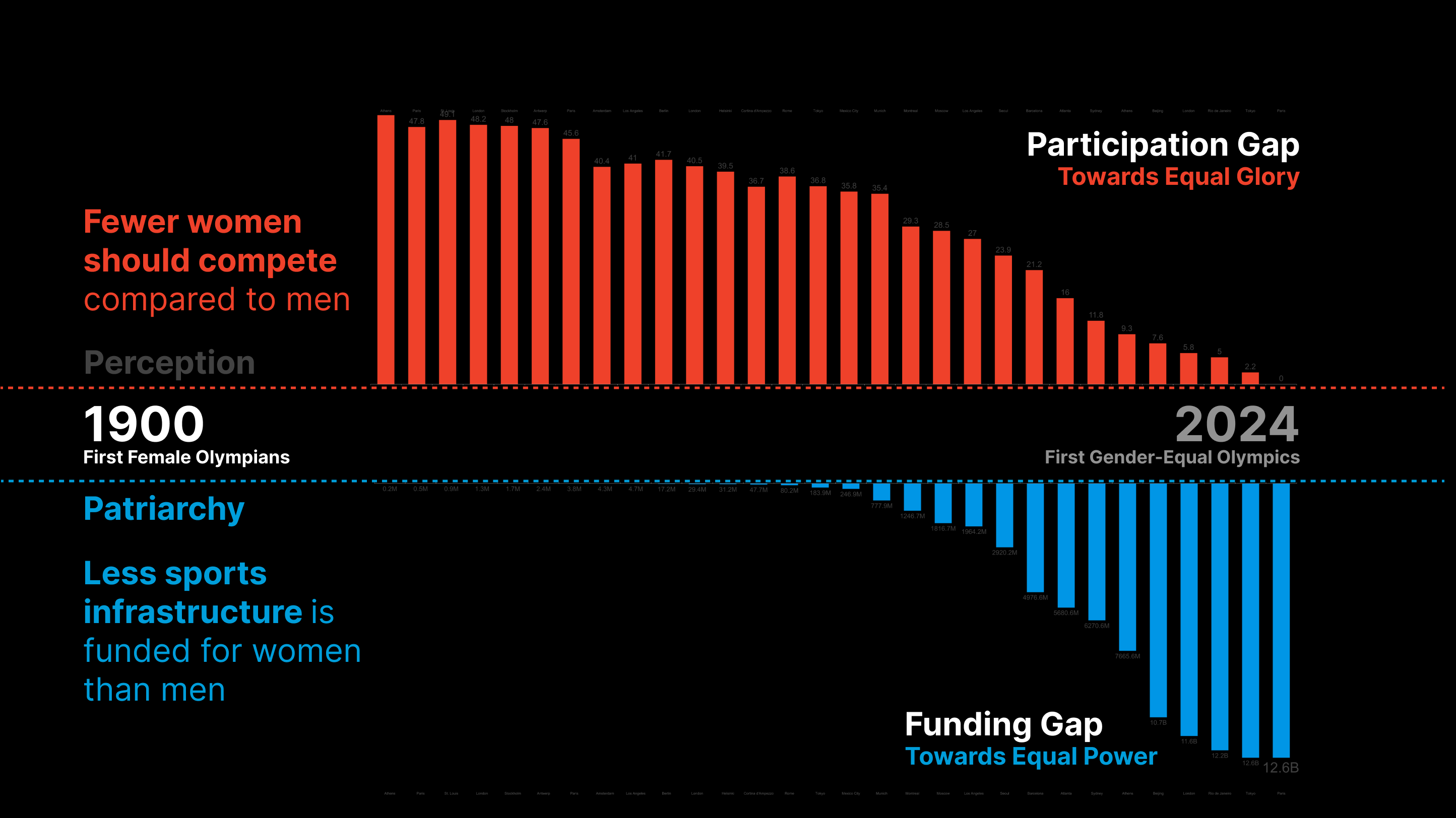
Fields at Play identifies the value of gender inequality in Olympic infrastructure and proposes to leverage the derived $12.6B Olympic gender gap in sports facilities to fund the revitalization and ongoing program of reliable, safe, and comfortable spaces for women at risk of gender-based violence. Understanding the purpose and outcomes of Olympic infrastructure strategies in … Read more

Riverine Alliances

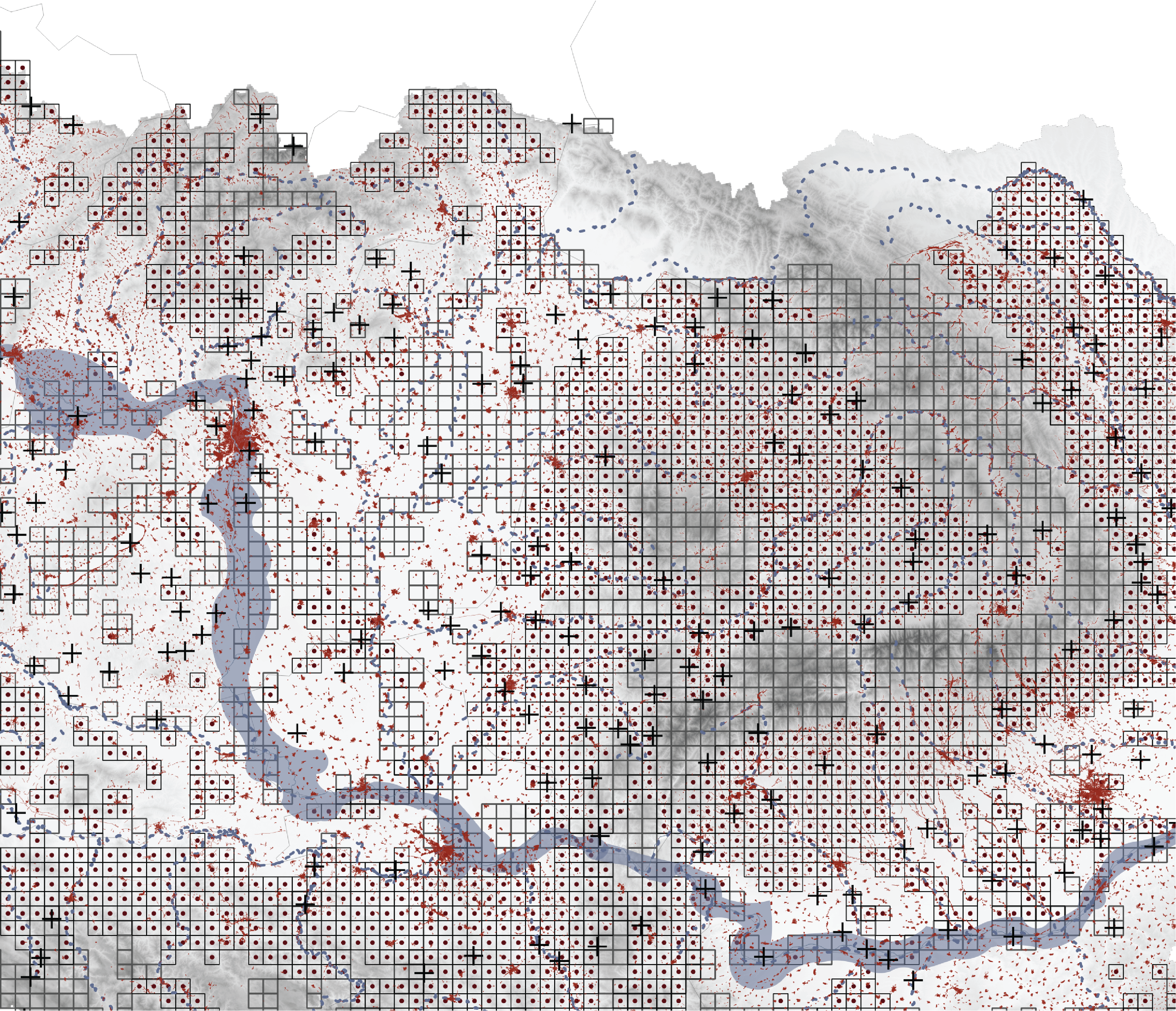
The intensification of human activities has transformed river basins, characterized by the loss of natural floodplains, an increase in impermeable surfaces, and the escalation of surface runoff. This thesis explores the importance of tailoring flood prevention strategies to upstream conditions to aid in flood risk management for downstream urban areas. Specifically, it presents an incentive-based, … Read more

Forms of Inadequacy in Dakar

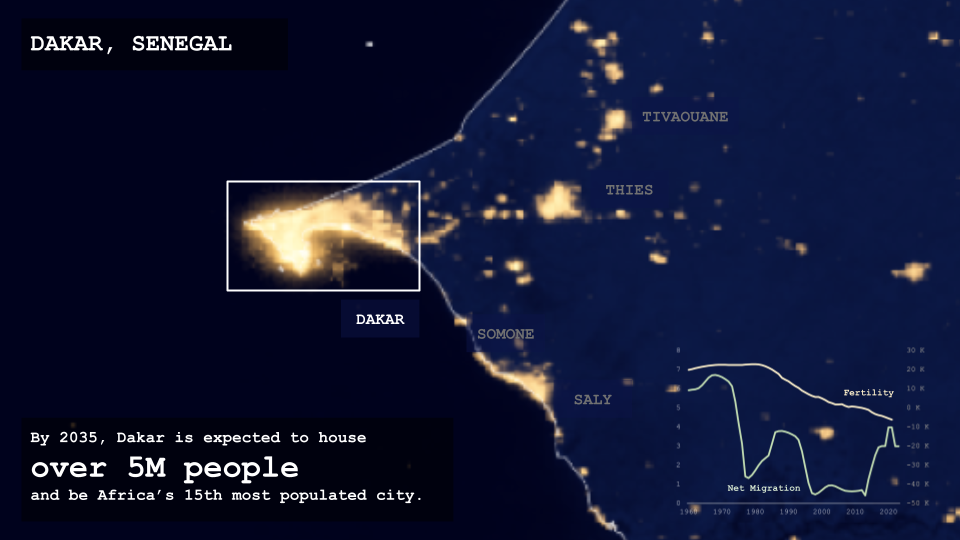
Abstract Dakar is Senegal’s capital city and rapidly urbanizing economic center. Today, Dakar’s urban area is home to 3.54M people, half of Senegal’s population, and generates 55% of the Country’s GDP. This growth is artificially constrained by an urban growth boundary, where new homes are informally built, and due to the city’s topography, a peninsula … Read more

Rising Waters

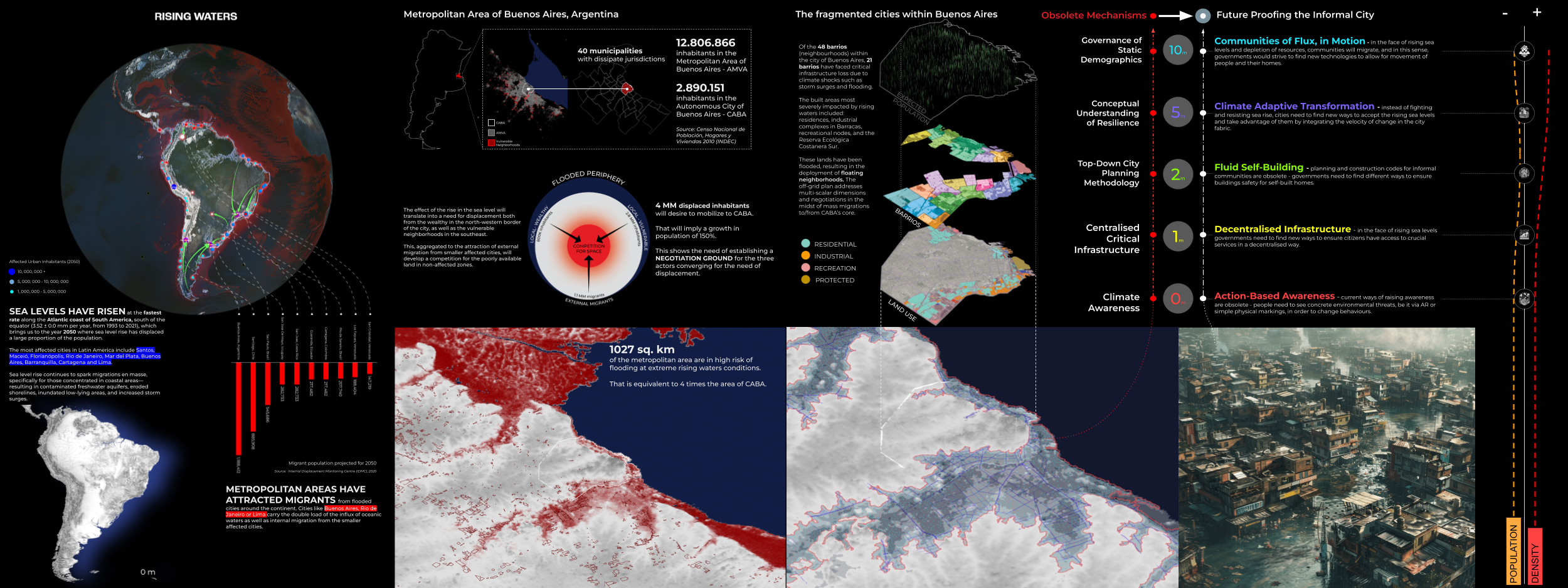
The year is 2100. Latin America is sinking. Due to global warming the polar icecaps have almost melted completely. In addition the increased temperature has caused the global water mass to expand by almost 1%. As a consequence sea levels are rising at unprecedented levels globally. The coastline in South America is hard-hit by these … Read more

GENDERED GEOGRAPHIES

Navigating Urban Realities through Women’s Perception of Safety Cities all over the world are being quantified and rated in terms of their livability and life quality for better understanding of citizen satisfaction.  Safety, including both the tangible aspects and the subjective perception of safety, is a critical component in assessing urban life quality. According to … Read more