The Master in City & Technology’s academic structure is based on IAAC’s innovative, learn-by-doing and design-through-research methodology which focuses on the development of interdisciplinary skills. During the Master in City & Technology students will have the opportunity to be part of a highly international group, including faculty members, researchers, and lecturers, in which they are encouraged to develop collective decision-making processes and materialize their project ideas.

Filters
Course

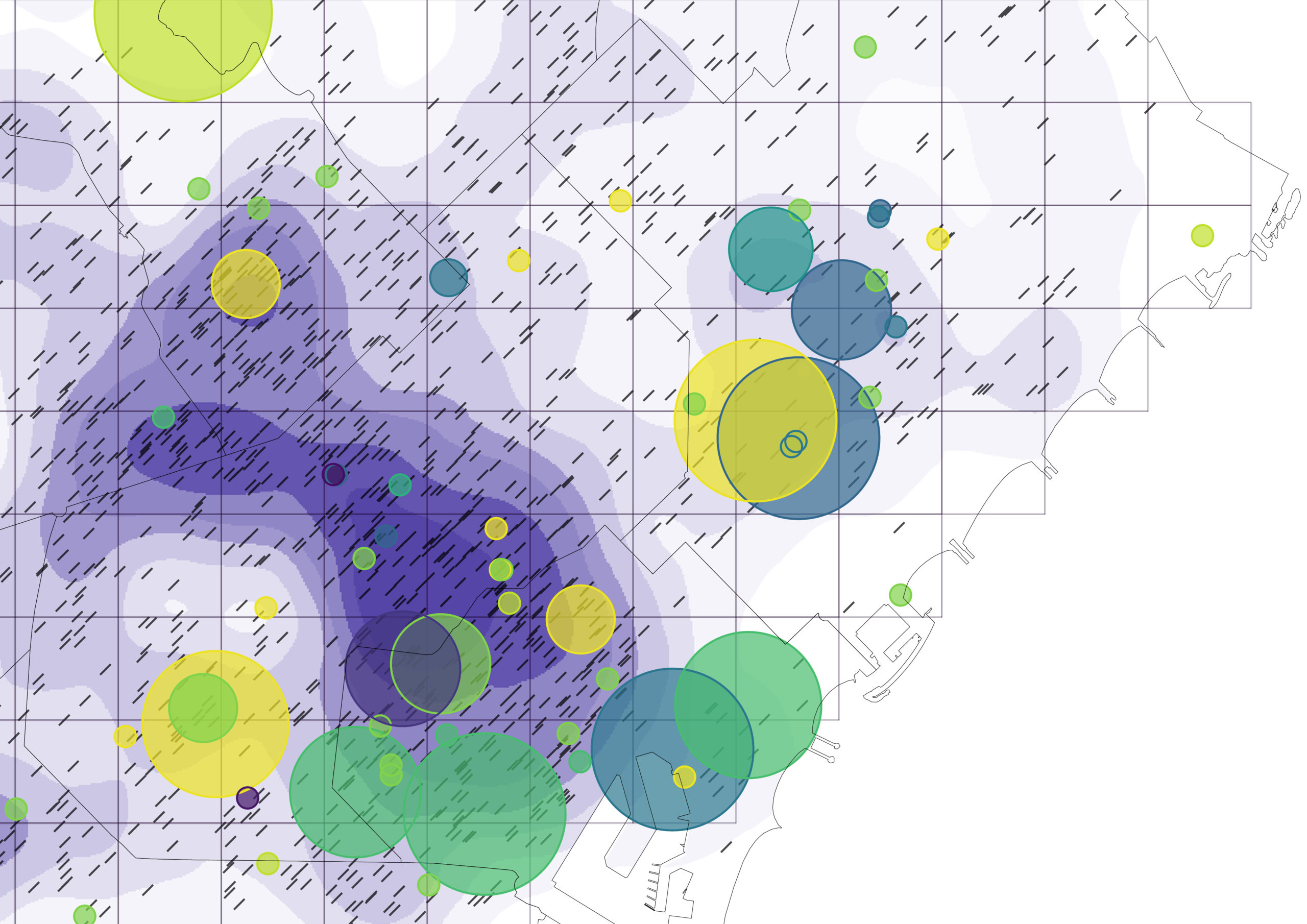
Identifying safe spaces
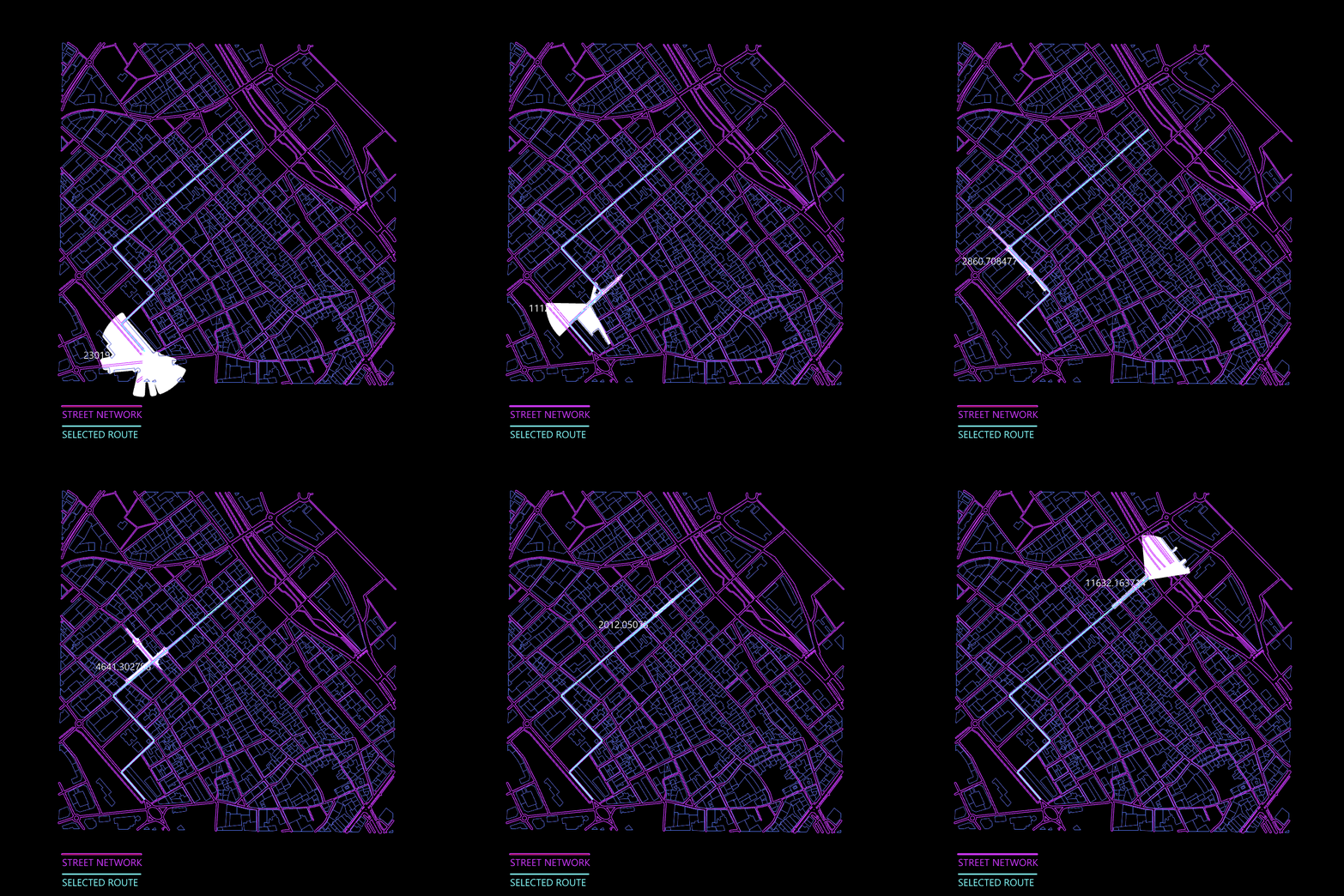
Using a visiblity map in the residential district of Montserratina in Viladecans, Catalunya, we aim to identify which junctions in the most popular route or routes are safe and what street typologies promote safety. VILADECANS We were working on a project that had as an objective to create healthy and safe spaces for the city … Read more
Digital CO2 ZERO

The rising problem of Digital Energy consumption Recent estimates put the contribution of the information and communications Technology, the (ICT) sector – which includes the data centers, devices and networks used for  at around 4 % of global Greenhouse gas emissions. A trend that is unlikely to stop, as the amount of data produced and … Read more

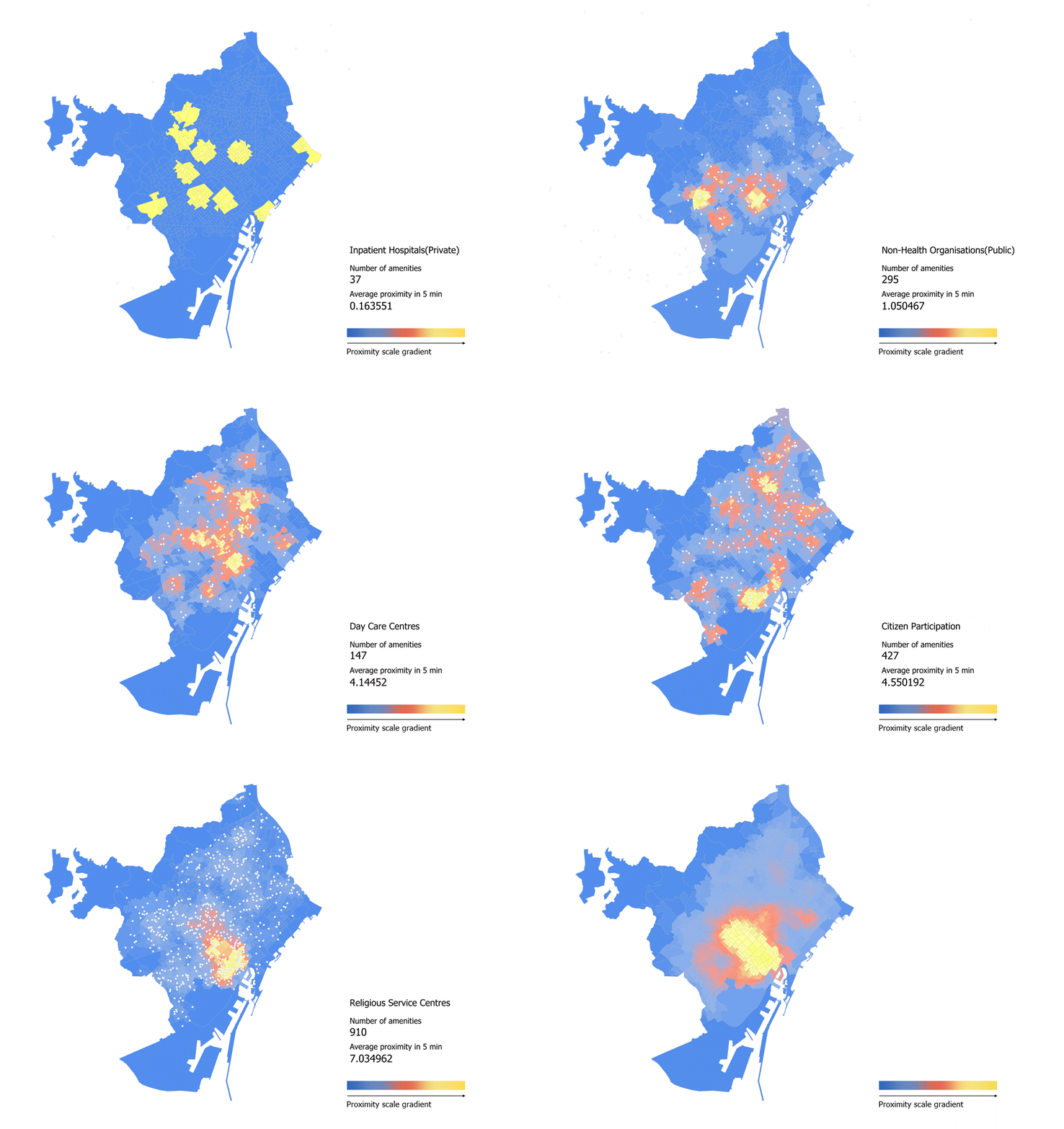
Active Ageing in Barcelona

The project focuses on promoting the physical, mental, and social well-being of older adults in the city of Barcelona through various initiatives, the goal is to empower older adults to remain active and engaged in their communities, and to promote healthy ageing and independence. Projected population aged 65+ What is Ageing? Health in the older … Read more

The Perks of Proximity

Clustering advanced industries to facilitate technology transfer in the Barcelona metropolitan region Spain has been at the forefront of pioneering research and innovation that have led to significant contributions to the world of technology. Technology Transfer Technology transfer from research to market seems like a straight-forward and linear process, but such is not the case. … Read more

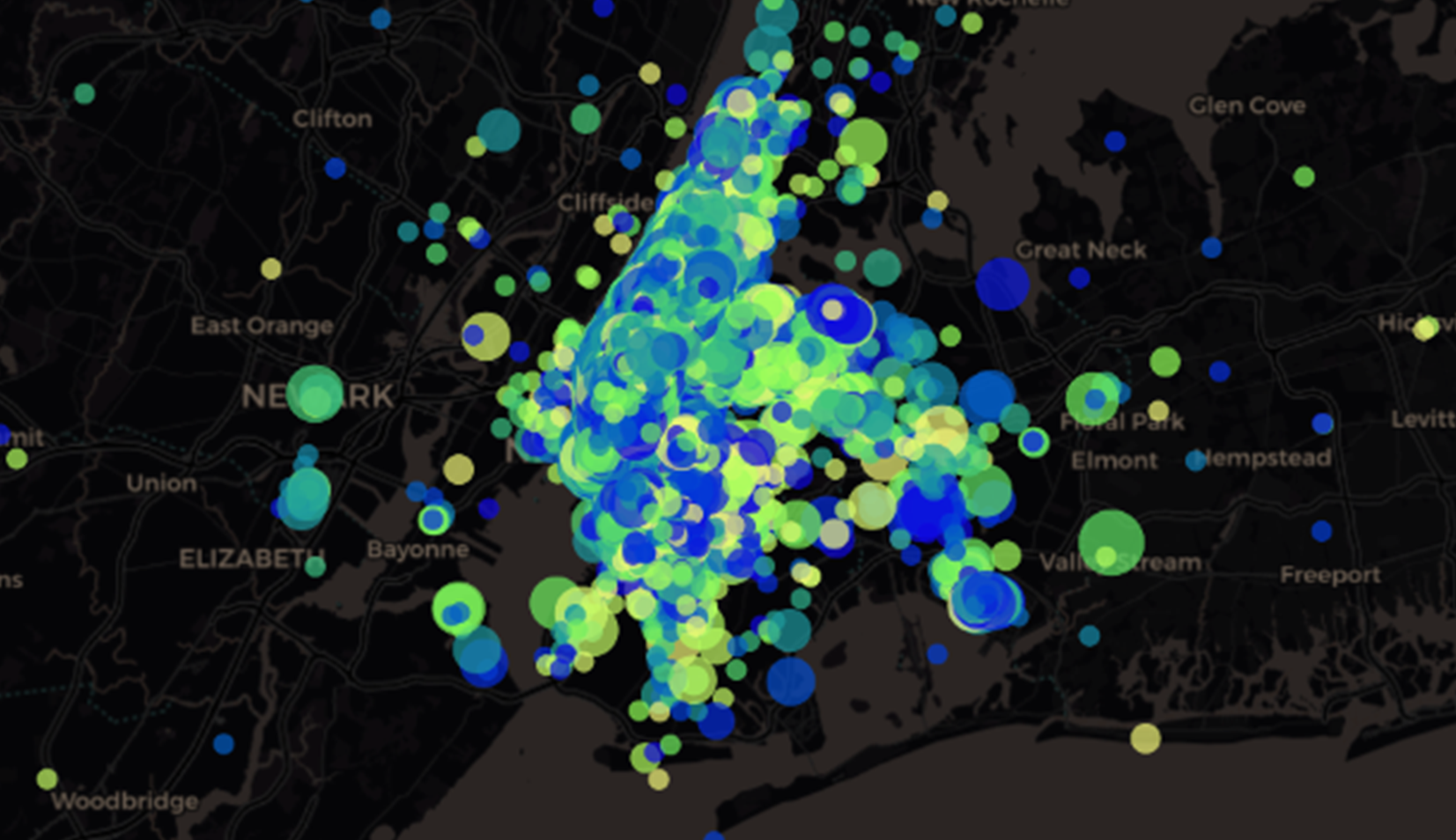
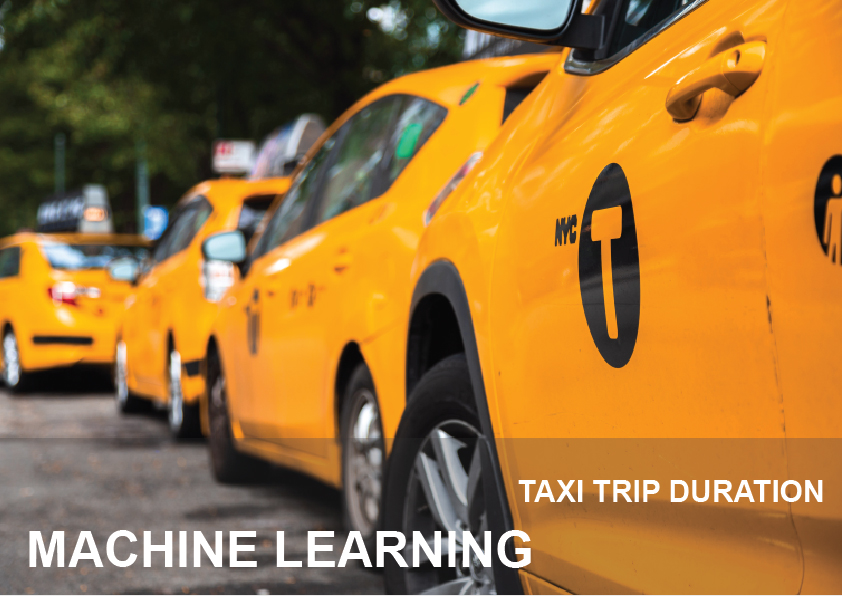
Predicting Taxi Trip Duration in New York City Using Machine Learning

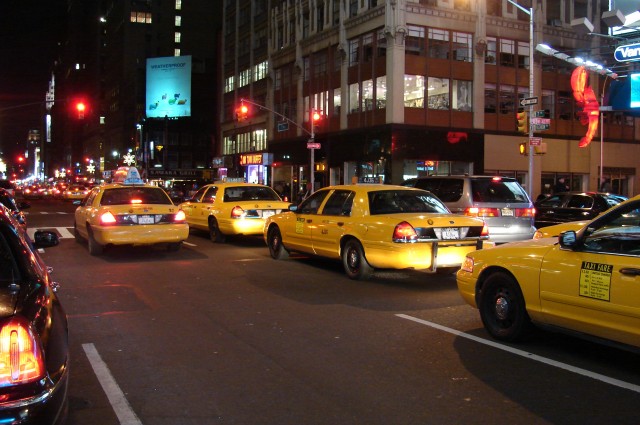
Machine learning has been applied to a wide range of domains, including transportation, to improve the accuracy of predictions and optimize systems. In the context of taxi services, predicting the trip duration is an essential task to optimize route planning and estimate arrival times. In this post, we present a machine learning approach using Python … Read more

Machine learning model to predict NYC cabs’ trip duration

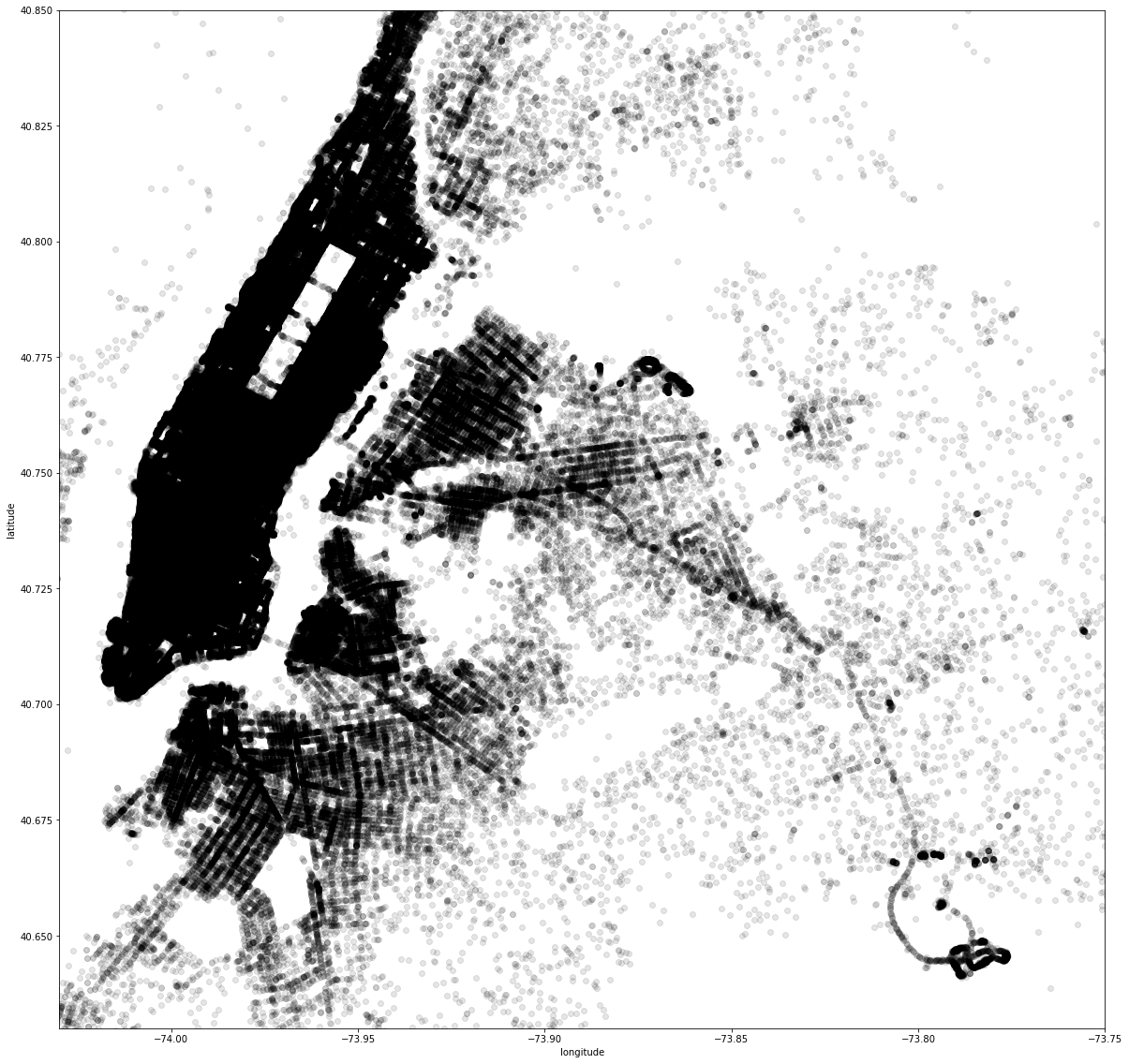
Goal: to predict trip duration of NYC cabs using machine learning models. Tools: Python + Nympy + Pandas + Datetime + Plotly.express + Matplotlib + Math + Seaborn + Bokeh + Sklearn Stages of project: data cleaning, data analysis, data preparation, data testing, evaluating prediction accuracy. Data cleaning The first dataset visualization with splitting datasets … Read more

Data-Driven Rides

Machine Learning-based Analysis of NYC Cab Trip Duration “Data-Driven Rides” is an entry for the first MaCT Machine Learning Competition that hosted on Kaggle which involves predicting the duration of taxi rides in New York City. The dataset provided for this competition is based on the 2016 NYC Yellow Cab trip record dataset and the … Read more

Predicting NYC Cab Ride Duration using ML

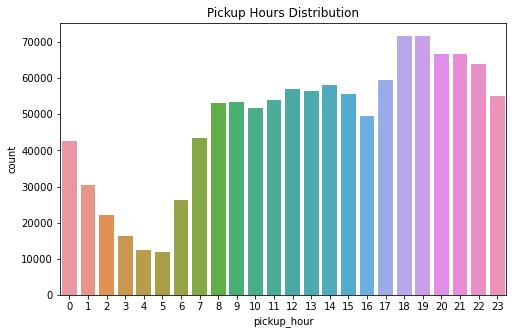
The MaCT01 students were tasked with training a model that would be used to predict NYC yellow taxi ride durations using machine learning. The dataset included pickup and drop-off datetimes, location coordinates and passenger count. Visualizing the data helped to understand the correlation between the columns and remove the highly correlated values Understanding the distribution … Read more

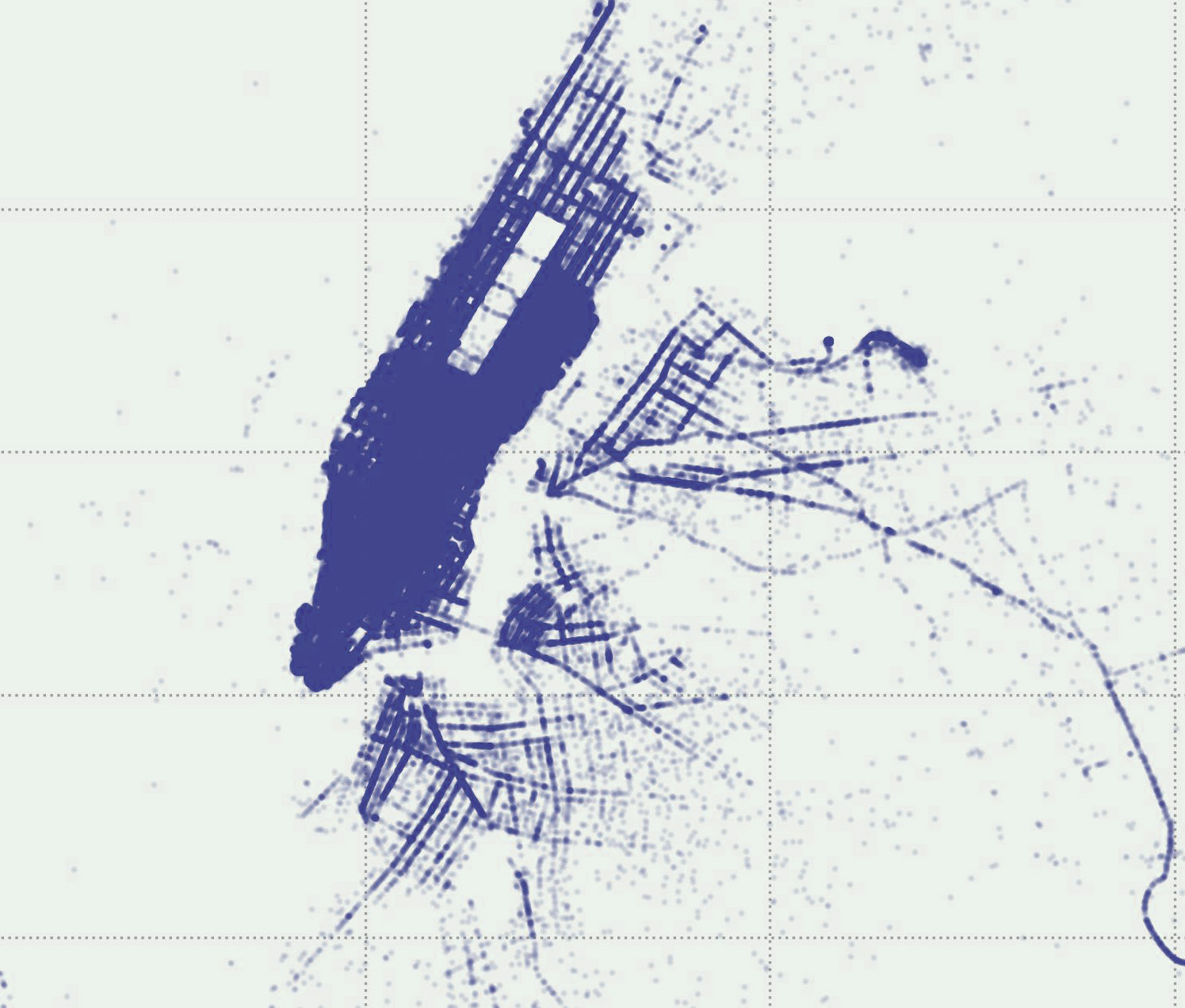
2016 NYC Yellow Cab trip

The source dataset provided for this project is derived from the 2016 NYC Yellow Cab trip records, which were made publicly available on the Big Query platform of the Google Cloud. The data was originally collected and published by the New York City Taxi and Limousine Commission (TLC). This dataset serves as the foundation for … Read more