
IAAC’s Master in City & Technology (1 or 2-year program) is a unique program oriented towards redefining the analysis, planning, and design of twenty-first-century cities and beyond. The program offers expertise in the design of digitally enhanced, ecological and human-centered urban environments by intersecting the disciplines of urbanism and data science. Taking place in Barcelona, the capital of urbanism, the Master in City & Technology is training the professionals that city administrations, governments, industries, and communities need, to transform the urban environment in the era of big data.
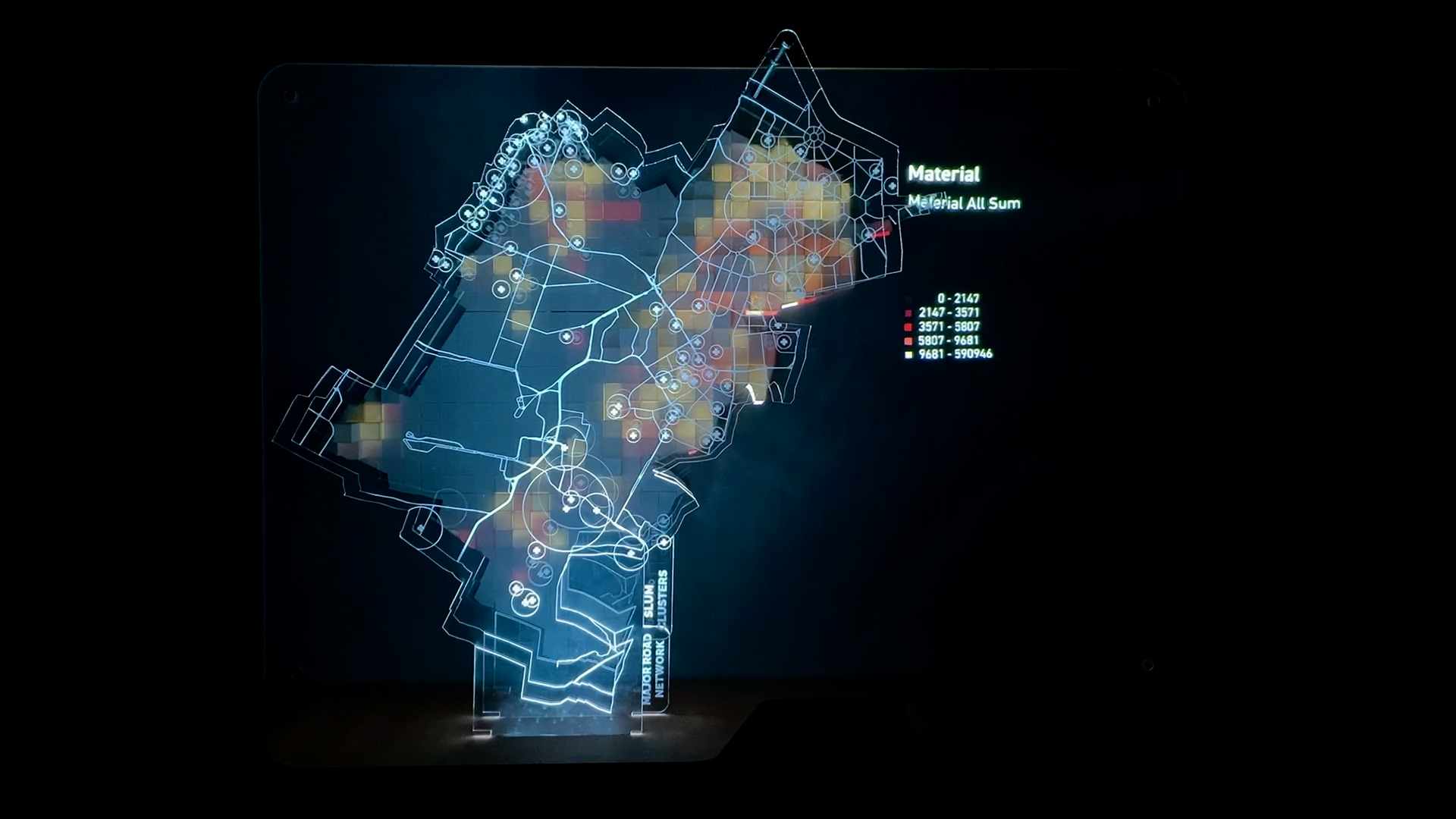
Art on air
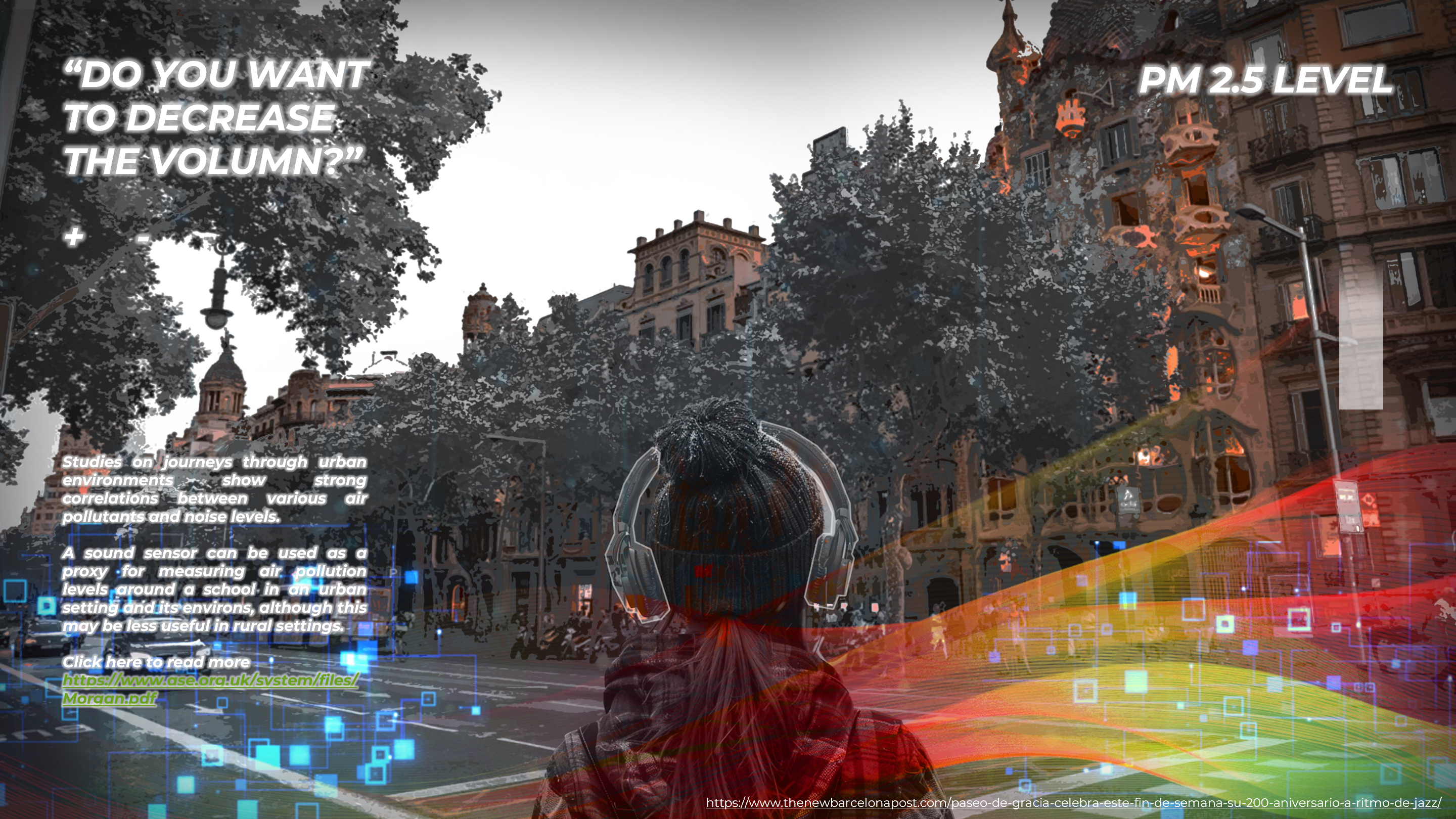
Introduction Air quality is a problem in many cities around the world, yet it remains largely invisible to the naked eye. This reality struck us deeply when the four of us, having lived in Barcelona, Lagos, Bangkok, and Medellin – our four cities of origin – came together. Amidst our diverse backgrounds and experiences, we … Read more
The Future of Public Art
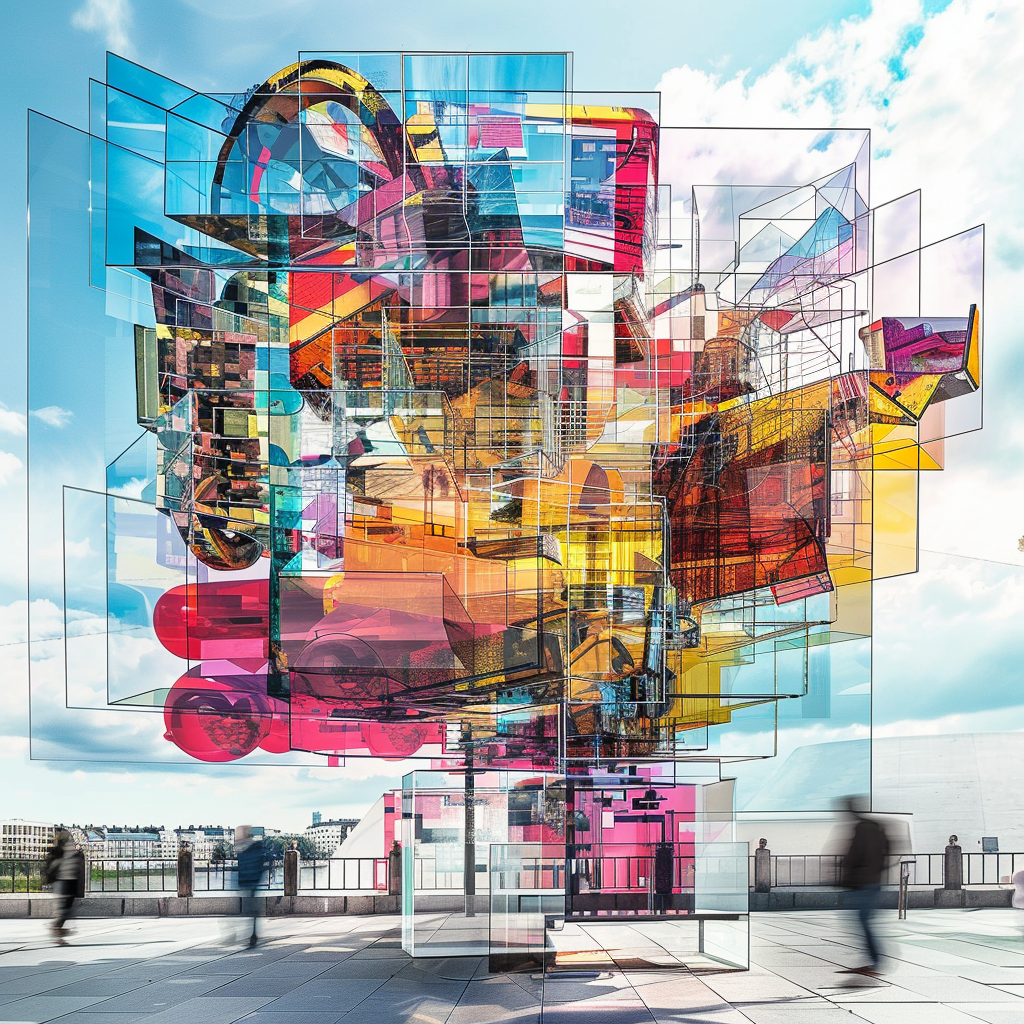
In the ever-evolving field of urban development, “The Future of Public Art” sets out to be a project that reimagines the role and impact of art in public spaces. At its core, the project seeks to quantify the value of public art through a systematic approach, anchored in three fundamental pillars: democracy, contextuality, and insightfulness. … Read more

Protected: What is Advanced Air Mobility? [VOL. I]
There is no excerpt because this is a protected post.
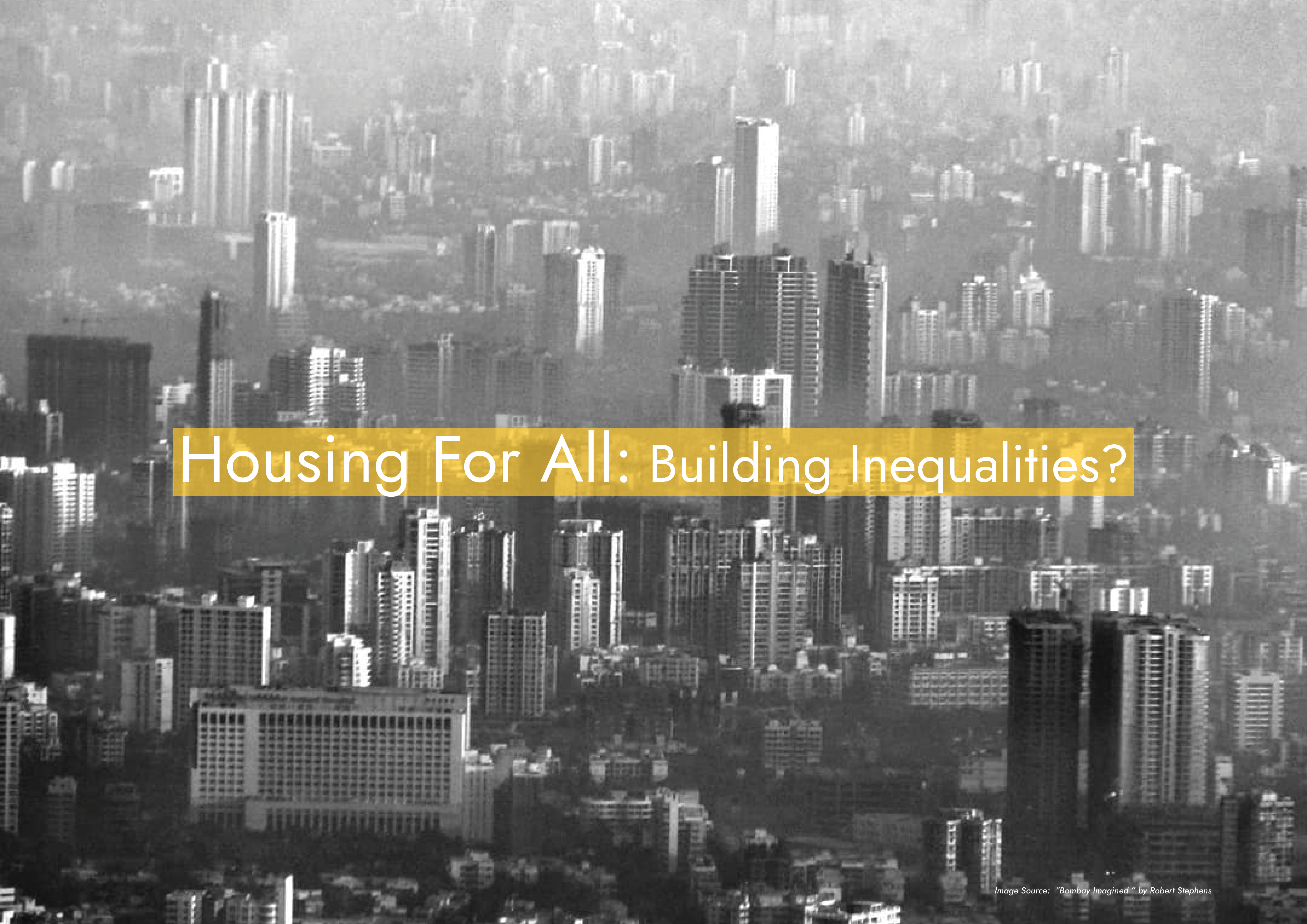
Protected: Housing For All – Building Inequalities?
There is no excerpt because this is a protected post.
The Arteries of Lombardy
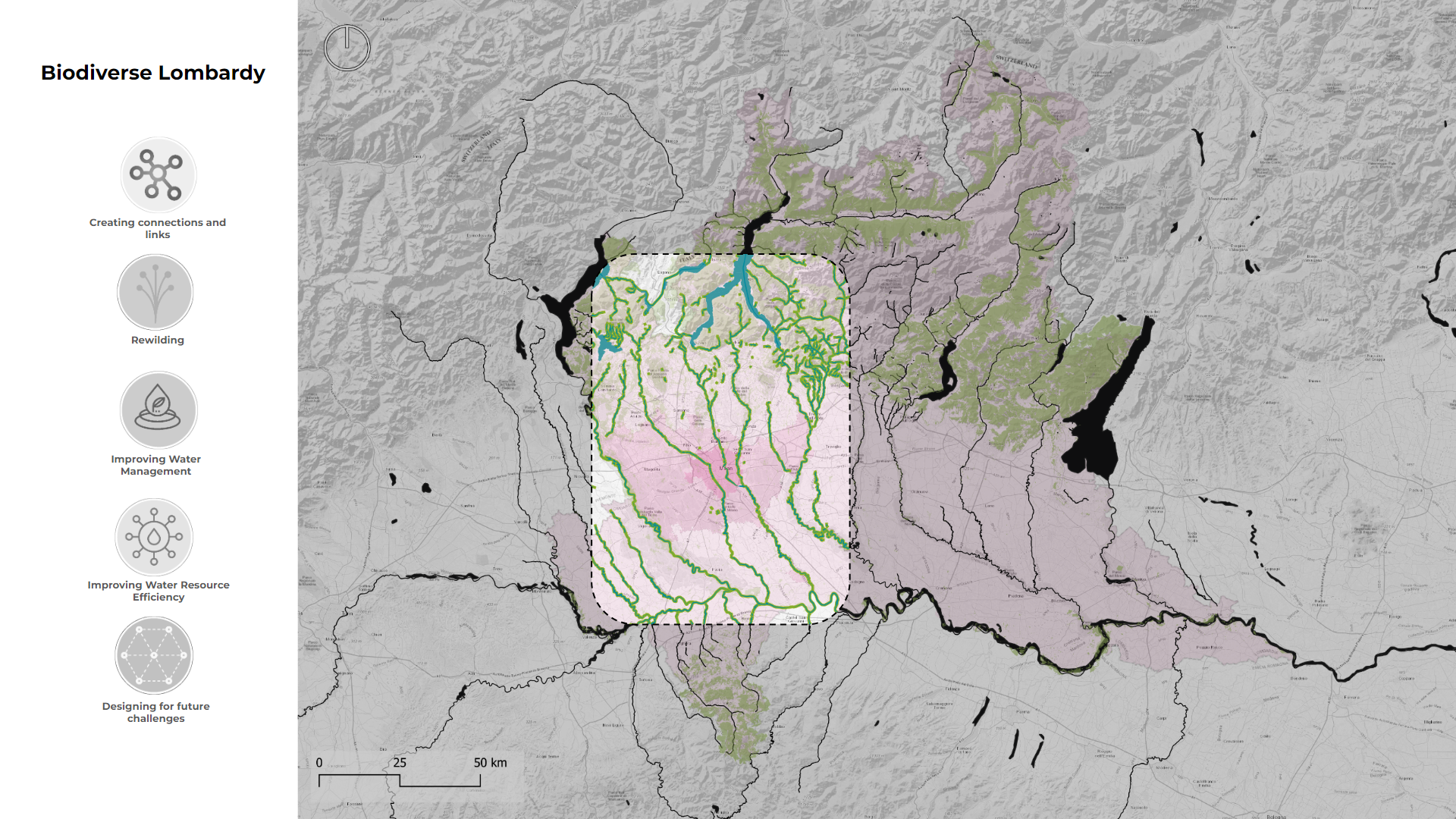
Introduction In the past centuries, Milan used to be perceived as a water-city, with an economy propelled by canals that extended throughout it. However, as the city evolved, those waterways were gradually buried beneath roads, and the aquatic arteries that once defined Milan are now relegated to the periphery of the urban fabric. This covering … Read more
From Pollution To Pollination
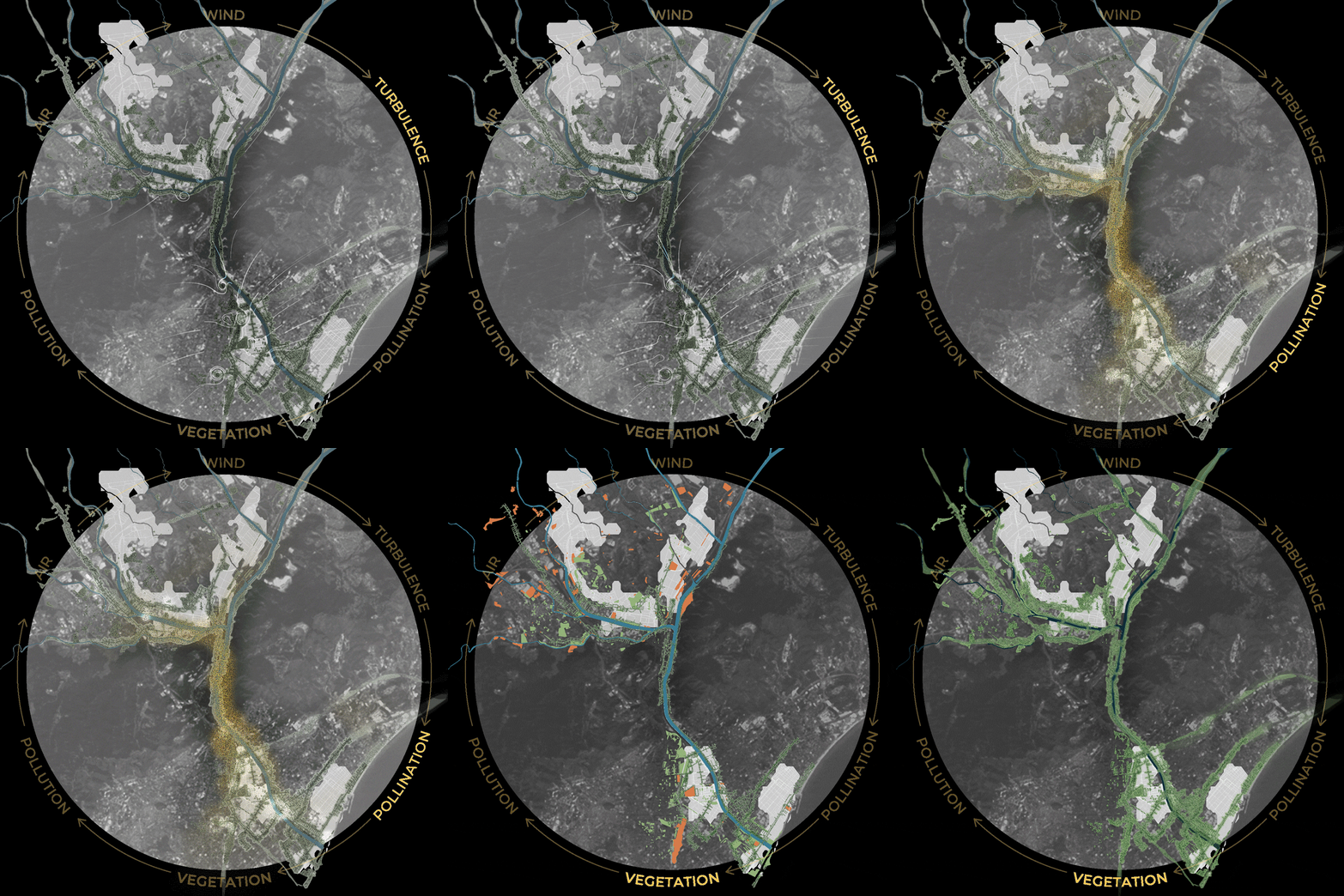
1. Introduction Urban air quality is a pressing concern, being the result of both natural elements and human-induced pollutants. The city of Barcelona grapples with local pollutants like NOx and PM10, primarily caused by ground transport and industrial activities. While current policies focus on mobility solutions, the project questions the need for complementary approaches. The … Read more
GreenScape – Milan
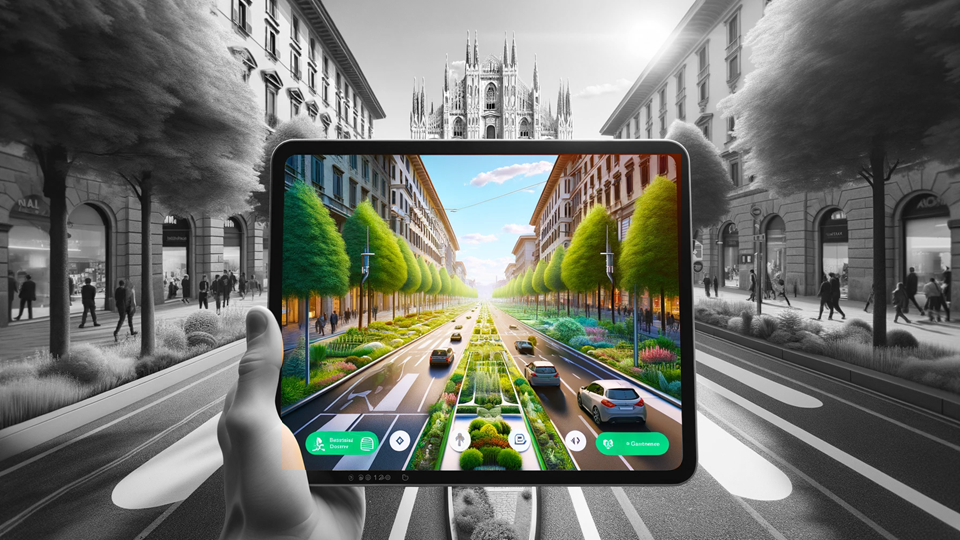
Introduction Known for its fashion, history, and culture, Milan also faces a pressing environmental issue: it stands as one of the most polluted cities in the World. The challenge of mitigating air pollution in Milan is complex, as it is shaped by a mix of geographical, meteorological, socio-economic, and cultural factors. From the city’s dense … Read more
Besòs reviving: Harmonizing Urban Landscapes and River Health through Nature
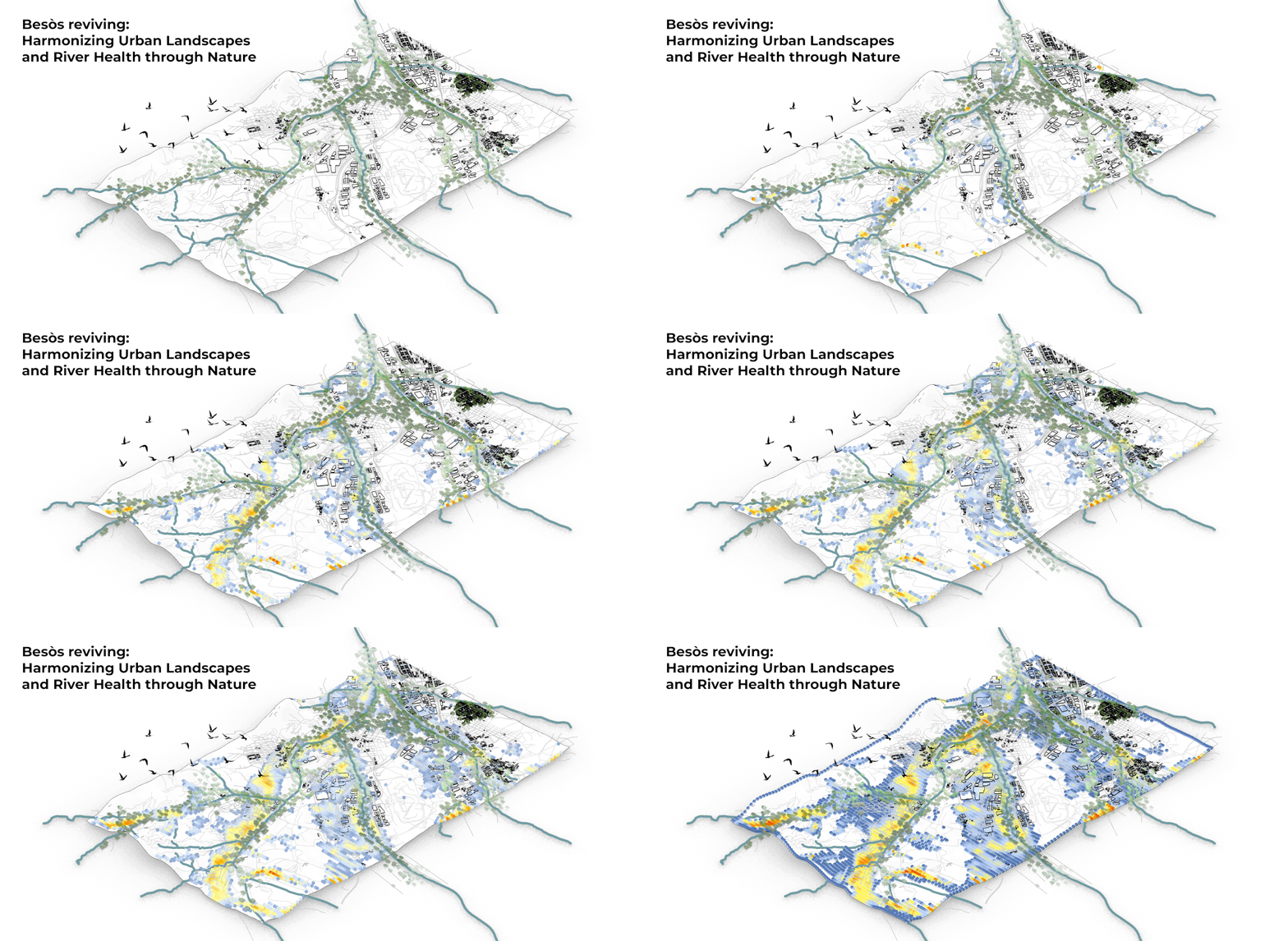
The Besòs River, an integral water source for Barcelona, encapsulates a narrative marked by both significance and environmental challenges. Since the 1970s, its crucial role has been overshadowed by persistent contamination, exacerbated by the rapid urban and industrial developments along its course. This study delves into the intricate correlation between Besòs River pollution, evolving land … Read more
LighTopia: Light up community space with participatory design
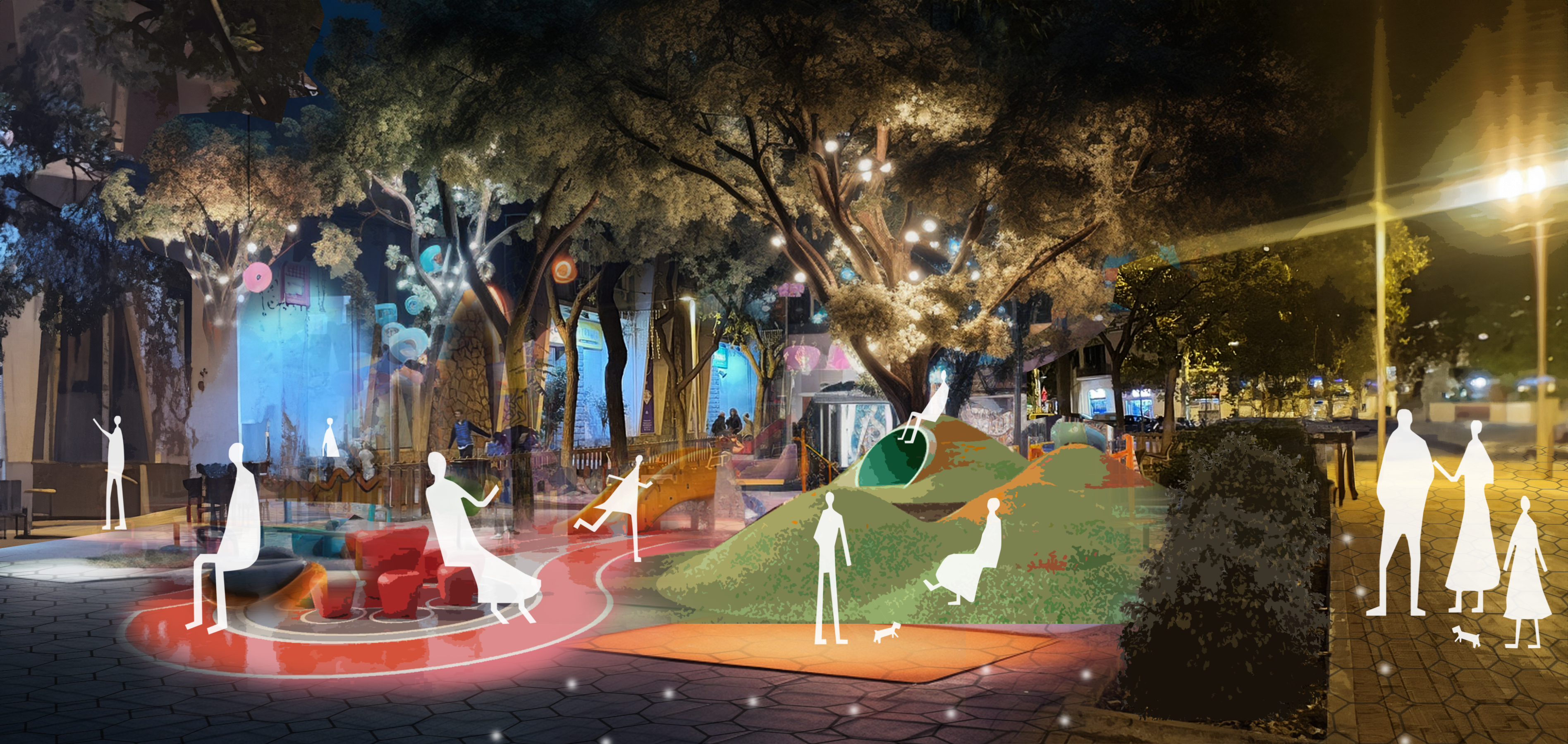
LighTopia, a transformative project where the community plays a pivotal role in shaping their public space through the lens of participatory design. In this immersive journey, we invite you to explore our comprehensive methodology, emphasizing collaboration, empathy, and the dynamic synergy between community insights and innovative design. 1. Site Context and Data Analysis: Our journey … Read more
Trencadís
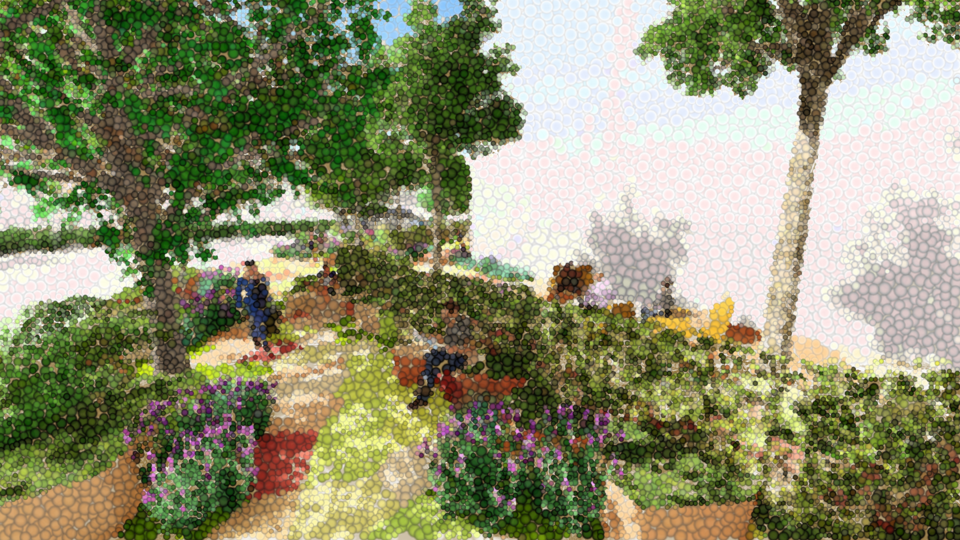
Abstract Trencadís transforms a transitory sidewalk to resident alcoves through the implementation of trencadís, a dynamic mosaic art form that responds to the distinctive needs and material preferences of its creators. The design approach is centered on understanding and reacting to resident preferences to resolve site challenges. Non-descript materiality is replaced with a parametric, pervious … Read more
An Encounter with a Passage
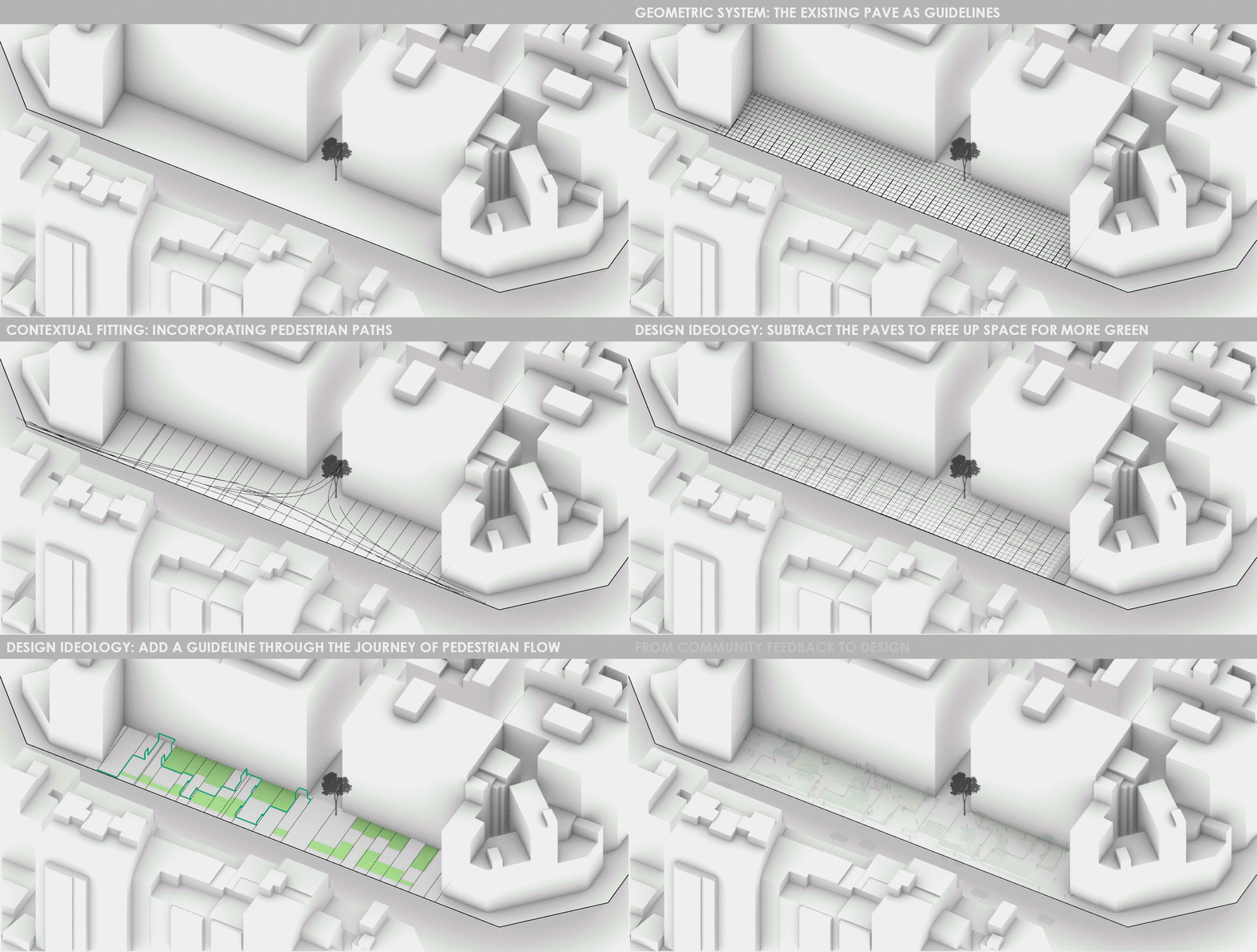
1. Introduction In the exploration of urban design and its impact on community well-being, “An Encounter with a Passage” delves into the heart of participatory design. This project revolves around the central question of integrating green spaces in urban settings, not just as an aesthetic feature but as a core element of community identity and … Read more
Reviving the Romance – A New Chapter for Plaça dels Enamorats
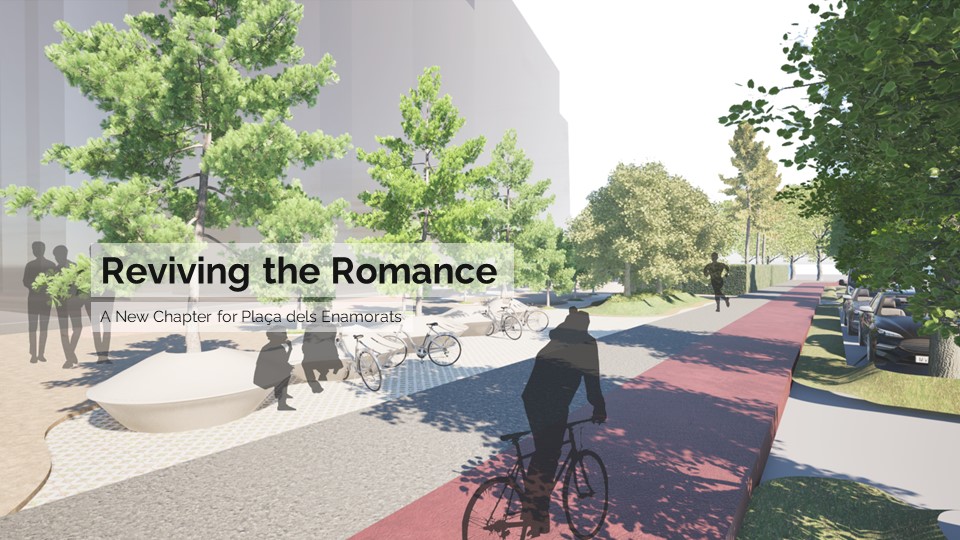
The aim of the project was to redesign the Placa dels Enamorats and achieve the desired objectives: To identify challenges as well as positive aspects on the site, but also have a framework on which to base any design decision, several methods for gathering data were used. These methods allowed us to capture the essence … Read more
