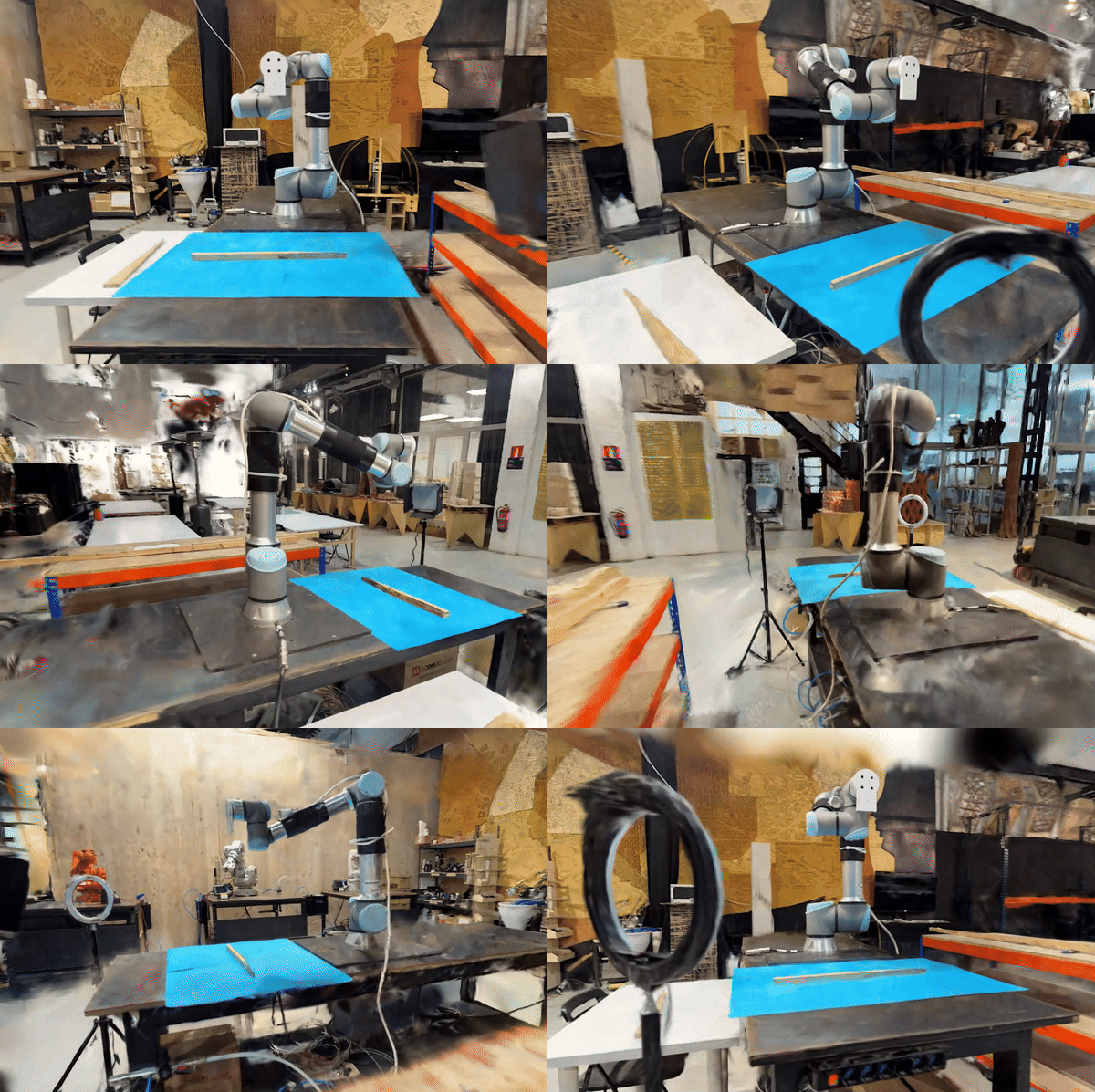
The Master Programme in Robotics and Advanced Construction is an innovative educational format that offers interdisciplinary skills and understanding through a series of class seminars that are put into practice through hands-on workshops. IAAC gives students the opportunity to create individual studio agendas and develop Pilot Thesis Projects based on the knowledge acquired during the seminars and workshops split into 3 Modules. In this way, IAAC puts together an experimental learning environment for the training of professionals with both theoretical and practical responses to the increasing complexity of the construction sector.

Filters
Course

PatchX

Aim The project was aimed to develop a methodology to detect damages in walls with the help of Yolo’s trained models furthering to gain the quantitative and economic analysis of the development any project. Workflow Initially, we conducted a site scan using an RGB camera of Dji drone the site was mapped section by section … Read more

Stylized Point Cloud

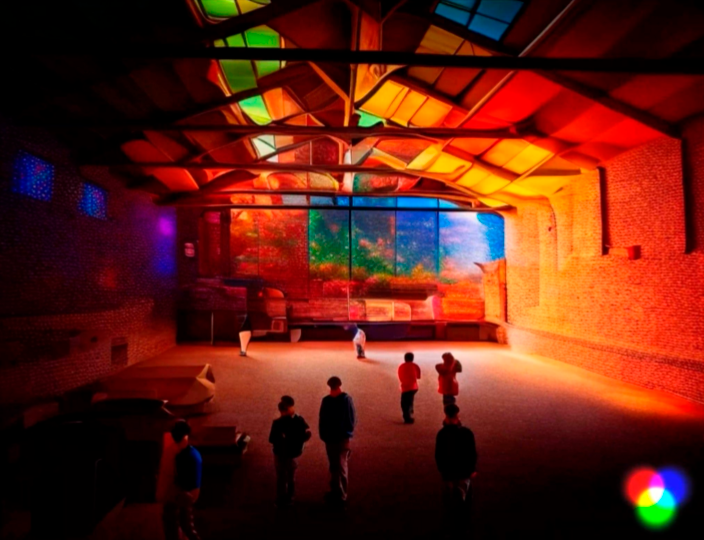
Aim The main objective is to generate a new formation of point cloud of the new IAAC building, that is inspired from a style (Artistic /Architectural) using  AI / Machine learning and change the existing point cloud with the the new stylized point cloud. State of The Art Image-to-image translation is a class of vision … Read more

Visualising Genres: Investigating the Combination of Acoustics and Art in Multi-Material 3D Printed Walls

Brief Our curiosity brought us to an intriguing investigation at the nexus of technology, craftsmanship, and acoustics in the quest to elevate spatial design. This blog shares the story of our journey, where we used a cutting-edge multi-material 3D printing technique to produce personalized sound-diffusing walls—a first for the industry. Our concept began with a … Read more

Building Instincts

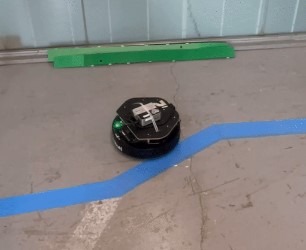
In this workshop, we collaborated all together to investigate the neuro-evolution (artificial evolution defining neural networks) as a strategy to develop autonomous behaviours of mobile robots (in this workshop we used Turtlebots) to perform given tasks. We used N.E.A.T. (NeuroEvolution of Augmenting Topologies) as a method framework for artificial evolution of these robot controllers and increased … Read more

Spidey Sensor

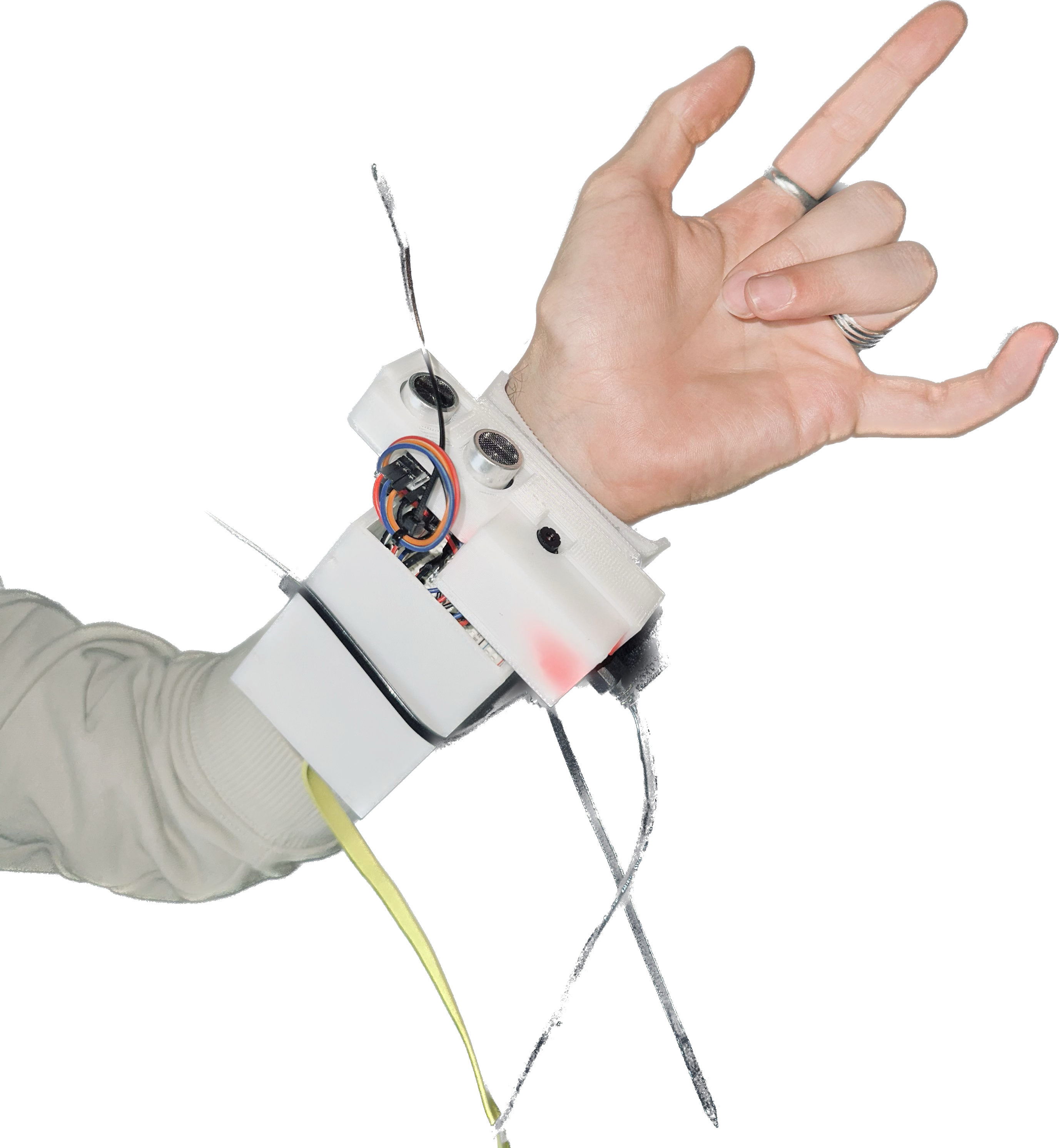
During this Hardware seminar, we were able to understand different types of sensors used in robotics and the techniques used to process the collected data. The aim of the seminar is to use the sensors to understand the environment and then expect the robot to take decisions (automation) and carry a specific task (actuation). For … Read more

ARUCO MARKER GUIDED AUTONOMOUS ROVERS

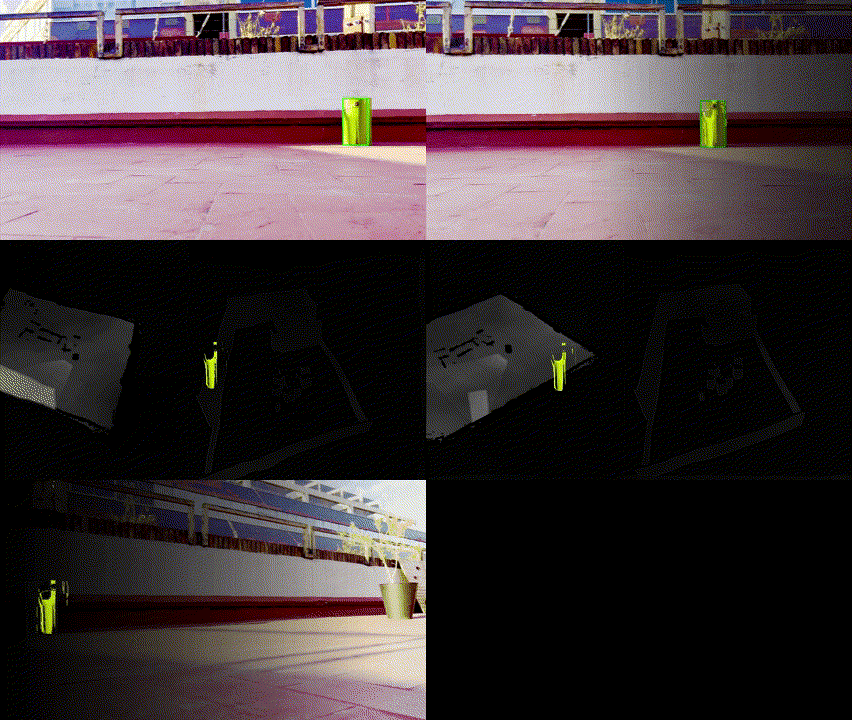
Aim Fiducial Markers Aruco fiducial markers were used for object detection and localization. Fiducial markers are black and white markers that can be detected and identified by computer vision algorithms, making them useful in a variety of applications. Here are some of the benefits of using Aruco fiducial markers: Localization & Mapping Workflow Node Graph … Read more

RTAOD

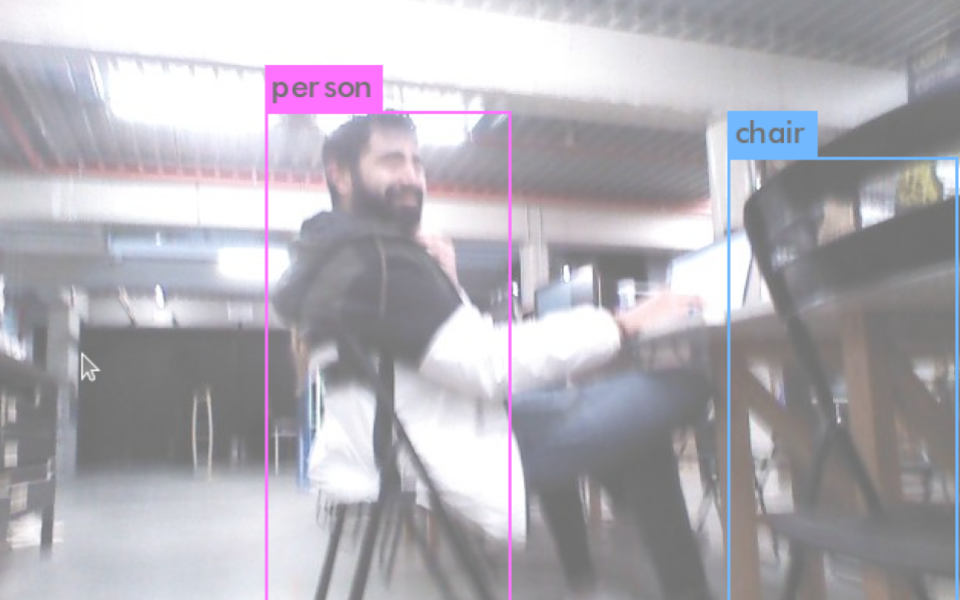
real-time autonomous object detection The project “RTAOD” in the workshop 2.1 was developed to navigate and localize a robot autonomously through room and create a map of the scanned area. In the meantime it collects data of detected objects and counts the quantity of them. Required tools This project got realized by the Software “ROS … Read more