Motion Pixels

Mapping out Spatial Intelligence Program: Master in AI for Architecture and the Built Environment (MaAI)Supervisor: Wassim Jabi Motion Pixels is a research project that explores how pedestrian movement can be transformed into spatial intelligence. By combining computer vision, trajectory analysis, behavioral mapping, and machine learning, the project converts video recordings of public spaces into spatial … Read more

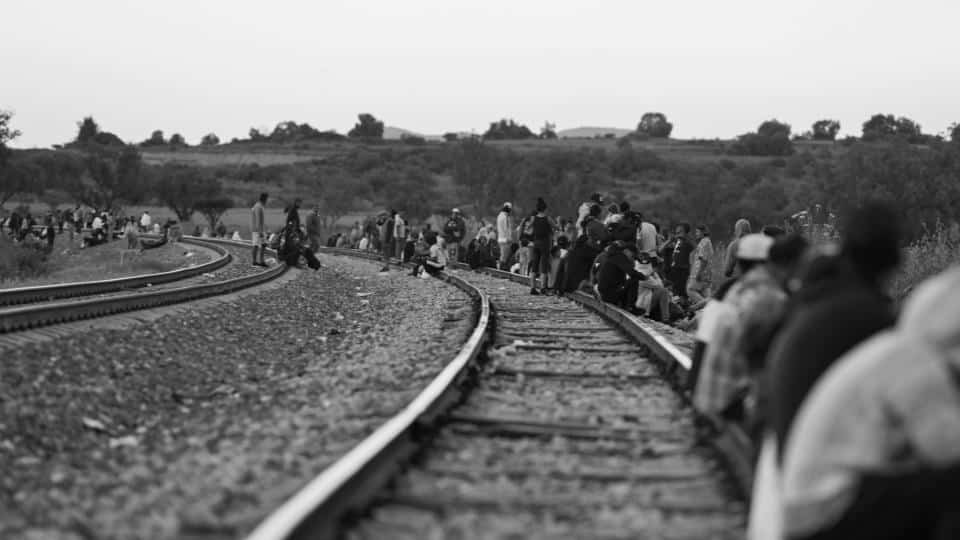
Beyond the Data Point: A Counter-Cartography of People on the Move through Mexico’s Vertical Border

“Power is not something you possess, it is something you exercise”– Michel Foucault With this phrase by Michel Foucault, I would like to invite you, reader, to adopt a lens focused on power relations as you move through this blog post. The first power dynamic I would like to highlight is the asymmetrical relationship between … Read more

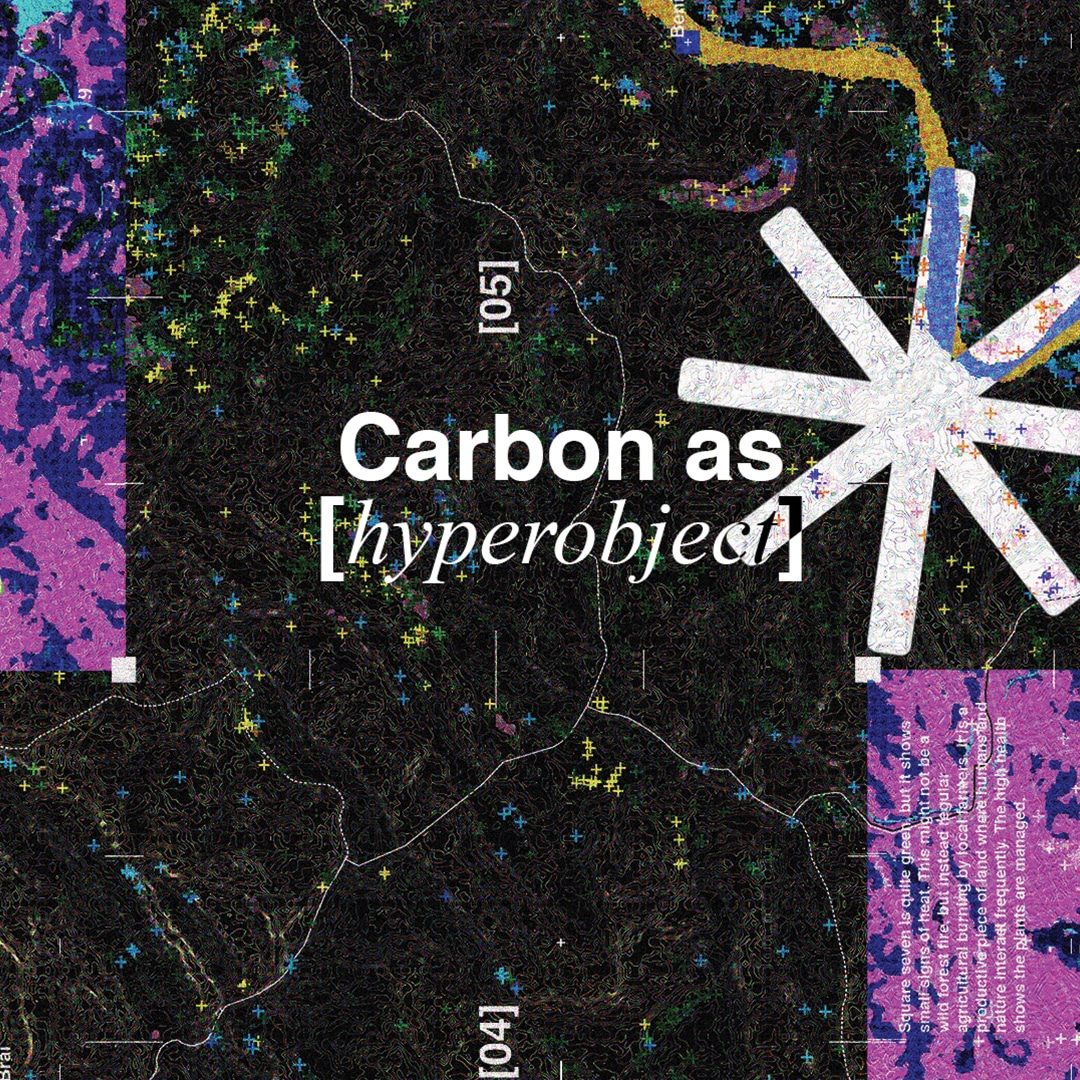
Carbon as [hyperobject]

Vulnerability-adjusted carbon sequestration for more [actionable land]. Current climate mitigation treats carbon sequestration as a static stock: it counts the biomass a landscape holds and rewards storing more. Yet under fire and drought, the densest biomass is lost first, turning a carbon sink into a source. This thesis develops vulnerability-adjusted carbon sequestration. Working across a … Read more

vo:id

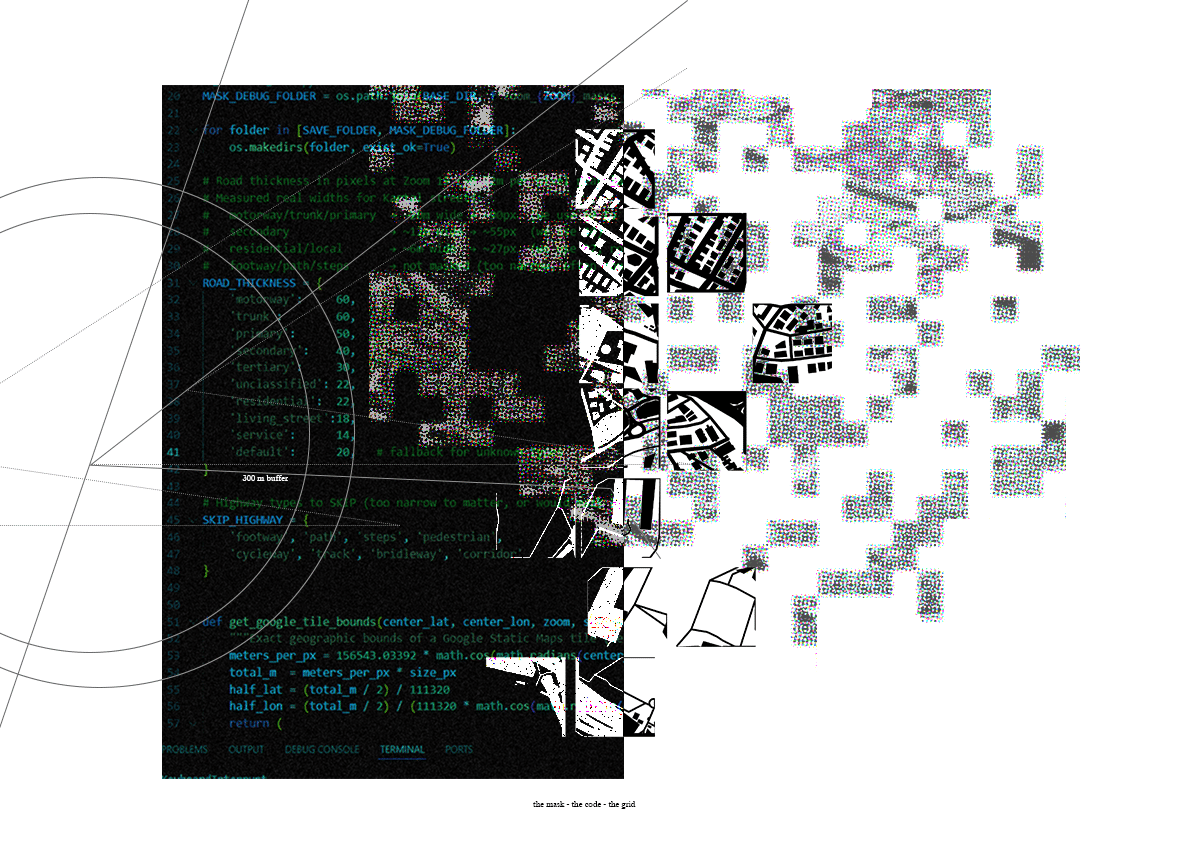
atlas of vacant spaces Urban vacant land in dense, post-industrial cities remains spatially invisible: absent from open datasets despite its potential to address chronic green space deficits. This thesis “vo:id” is a pipeline detecting, classifying, and prioritizing urban voids using only globally covered open data. Combining OSM-based negative masking, vision-language model classification, and human-in-the-loop validation, … Read more

NoiseXcape: Can Open Data Help Us Predict Urban Noise?

Introduction Noise is one of the most pervasive environmental stressors in cities. Long-term exposure has been linked to sleep disturbance, cardiovascular disease, reduced cognitive performance, and lower overall quality of life. Yet despite its importance, detailed noise maps are surprisingly difficult to obtain. Producing official noise maps requires measurements, traffic models, and considerable technical effort. … Read more

FloodPrint

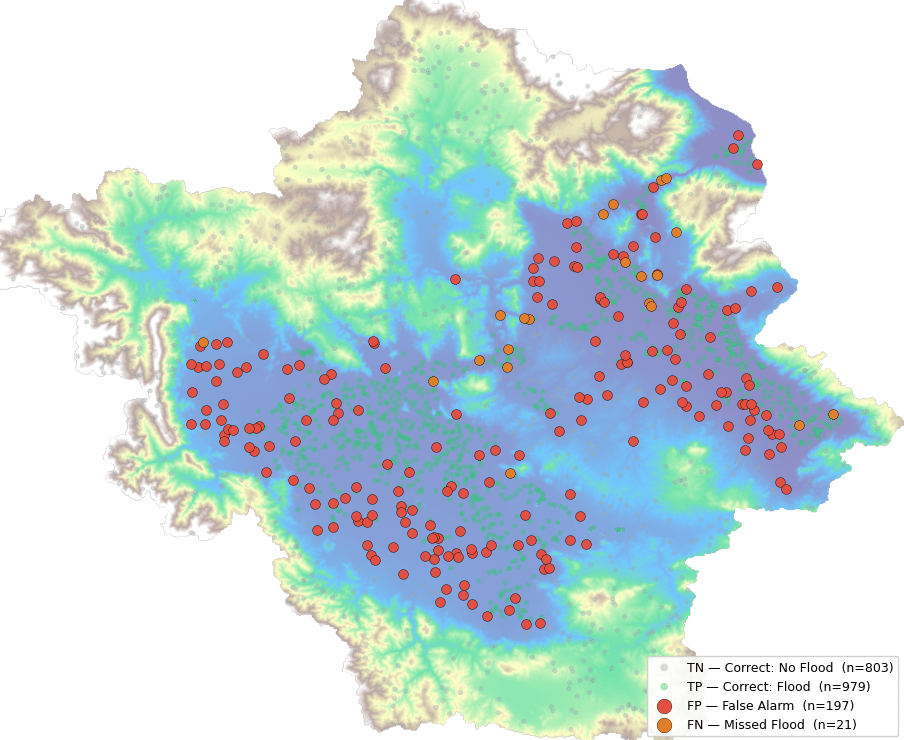
Objective Traditional flood risk maps take months to produce, are updated only every few years, and are too coarse, they might say a whole district is at risk without telling you which specific street or field will actually be underwater. “We are going to predict whether any given location in Thessaly, Greece is Flood-Prone or … Read more

Reconnecting the Port

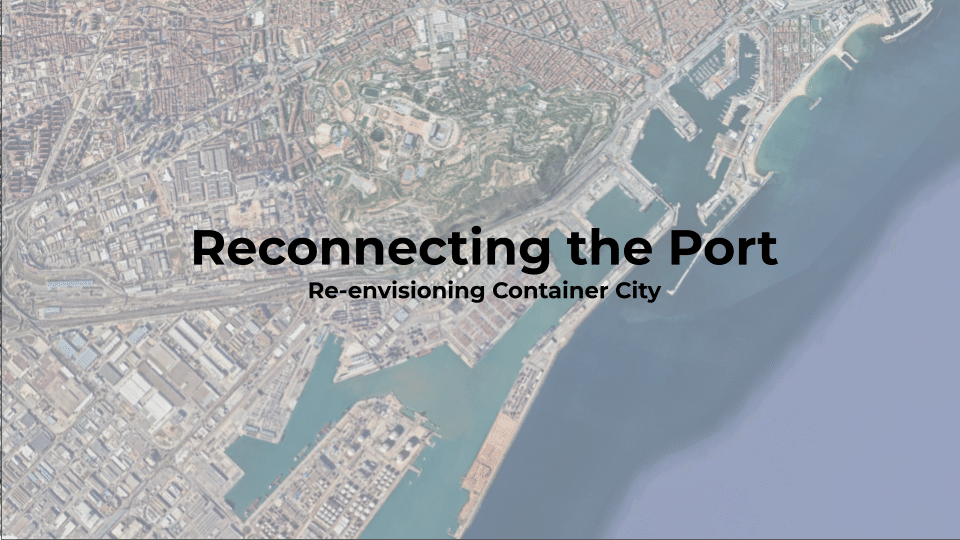
Satellite imagery of Barcelona with words in black "Reconnecting the Port"

Re-envisioning Container City One of Barcelona’s most strategically located waterfront areas, the container port south of Montjuïc, remains largely disconnected from the inner city. As the city explores the possibility of relocating portions of its container operations in this speculative project and transforming this industrial landscape into a mixed-use district, mobility becomes a more pertinent … Read more

Project Michigan

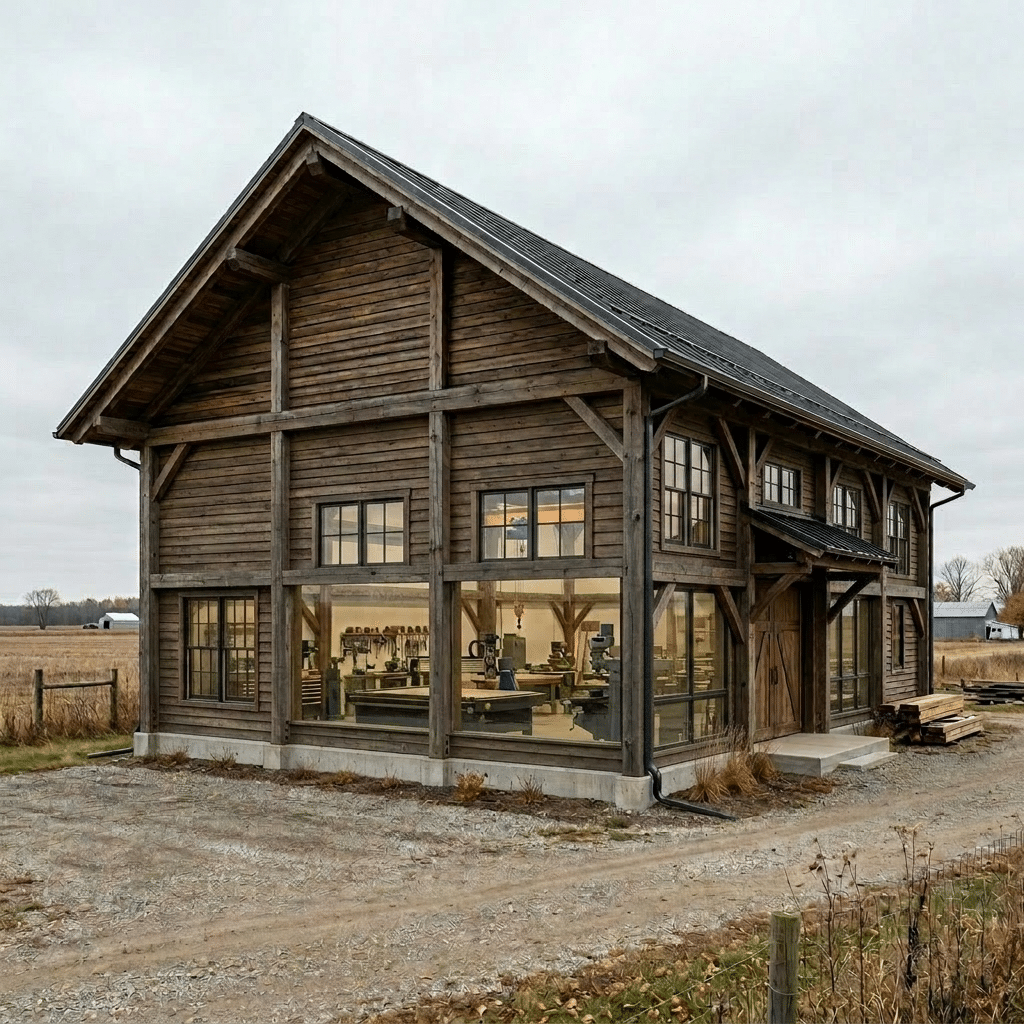
Using climate clustering, vernacular precedent research, and evolutionary optimisation to create climate-responsive design typologies when no established local precedent exists Overview Lovingly named after the very first test location, Project Michigan is a tool that provides climate-responsive design guidelines when no local vernacular precedent exists. Through scraping climate data and global vernacular information, it helps … Read more

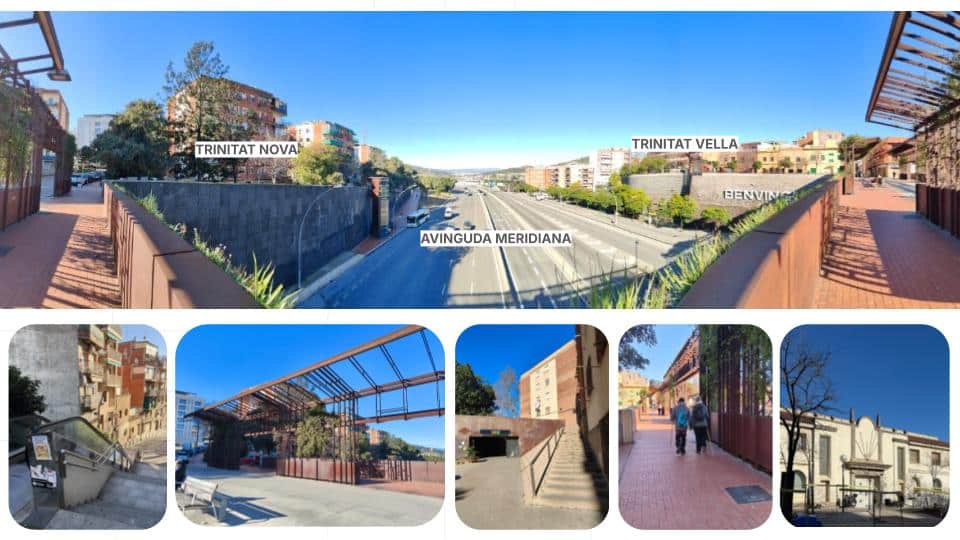
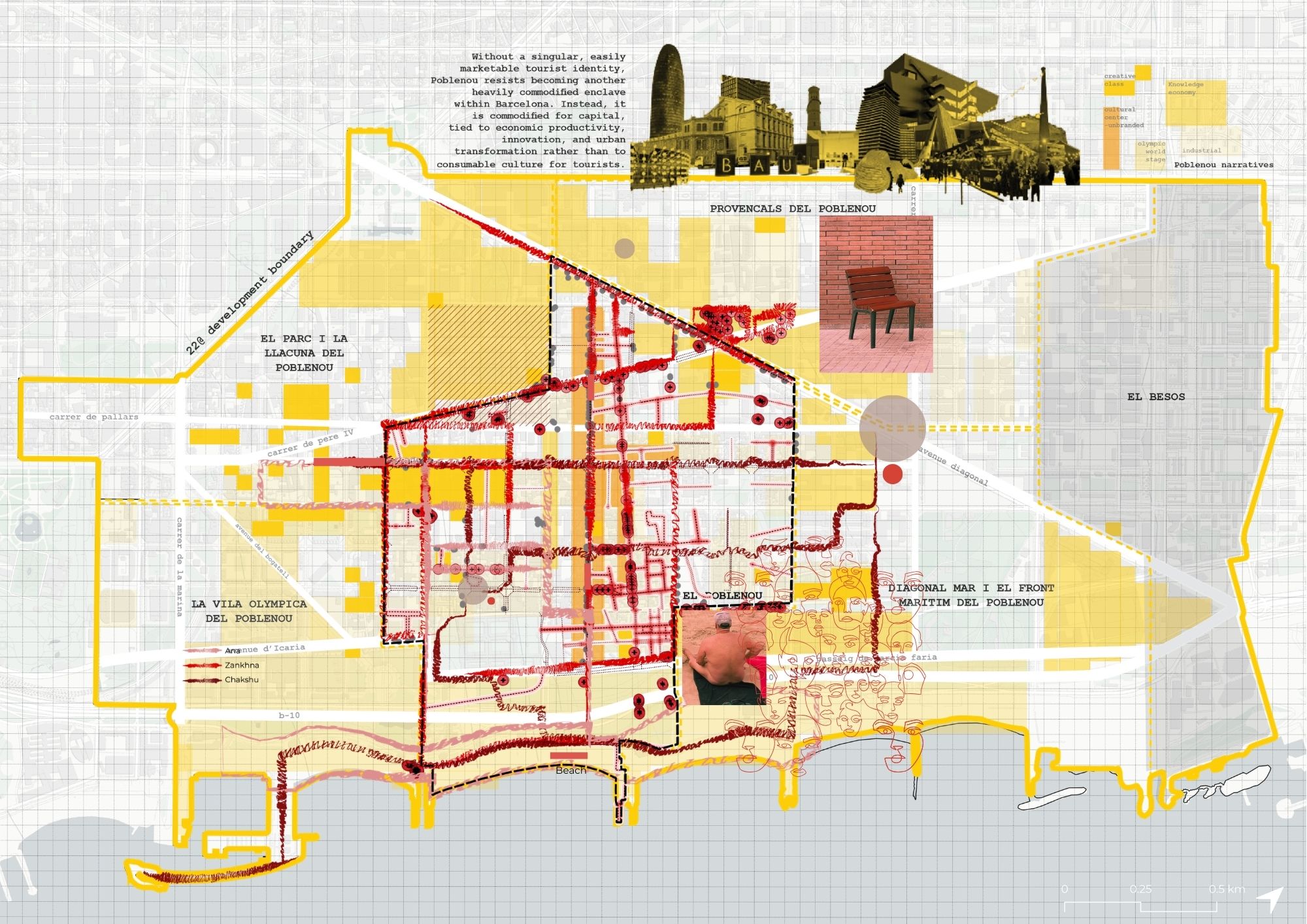
How does Power operate spatially in Poblenou?

This project explores how power operates spatially through counter-cartography and autoethnography in Poblenou, Barcelona. Combining observation, mapping, and self-tracking, the research examines how infrastructure, urban objects, rules, and rhythms shape behavior, movement, and perception. Benches, pedestrian streets, and smoking practices reveal how freedom, restriction, and permission are unevenly distributed. Findings show that movement is widely … Read more

ARCHAI – COMPLIANCE CHECKER

How AI Can Transform Compliance Checking in Architecture Compliance checking is one of the most essential parts of architectural design, yet it is also one of the most tedious and time-consuming. Research confirms this reality: The Foundation Before developing ARCHAI, we conducted a rigorous Proof of Concept to verify the feasibility of our vision. We … Read more

Deforestation, Land Cover, & Urbanization In Brasil – Dashboard

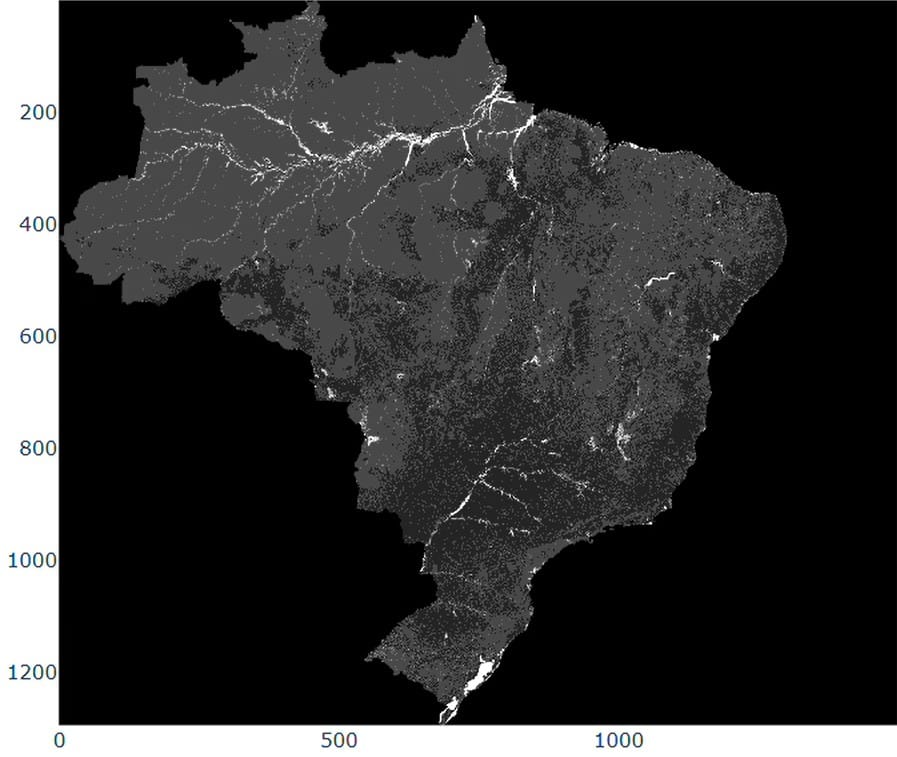
Deforestation Raster Map – 2024 The visualization depicts accumulated and annual deforestation patterns in Brazil from 1985 to 2024. The accumulated dataset shows a continuous rise in total deforested areas, reaching over 140 milllion hectares. Annual trends reveal strong fluctuations, with peaks in the late 1980’s and mid-2000’s, followed by decreases and renewed variability in … Read more

Make the Vulnerable, Less Vulnerable

Brazil Vulnerability Cartography Brazil, a vast and vibrant country, is renowned for its breathtaking landscapes from rolling highlands to expansive savannas. It’s known for iconic beaches and bustling urban centers where a dynamic blend of cultures and ethnicities come together. Its cities hum with energy, music, and art. Together, these diverse landscapes and rich social … Read more

Longevity Landscapes

Mapping Proximity to Wellbeing Amenities in Urban Areas “For most of us from now on, life and death will be an urban affair.”— World Health Organization As cities become the primary environments in which people age, longevity can no longer be understood as a rural or lifestyle-driven phenomenon alone. Inspired by — but critical of … Read more