Within the current global context of rapid change, integrated with the potentials of digital technologies, IAAC’s Master in Advanced Architecture (MAA) is committed to the generation of new ideas and applications for Urban Design, Self Sufficiency, Digital Manufacturing Techniques and Advanced Interaction.

In this context IAAC works with a multidisciplinary approach, facing the challenges posed by our environment and the future development of cities, architecture and buildings, through a virtuous combination of technology, biology, computational design, digital and robotic fabrication, pushing innovation beyond the boundaries of a more traditional architectural approach.

Filters
Course

Trumbull Park Homes – Chicago
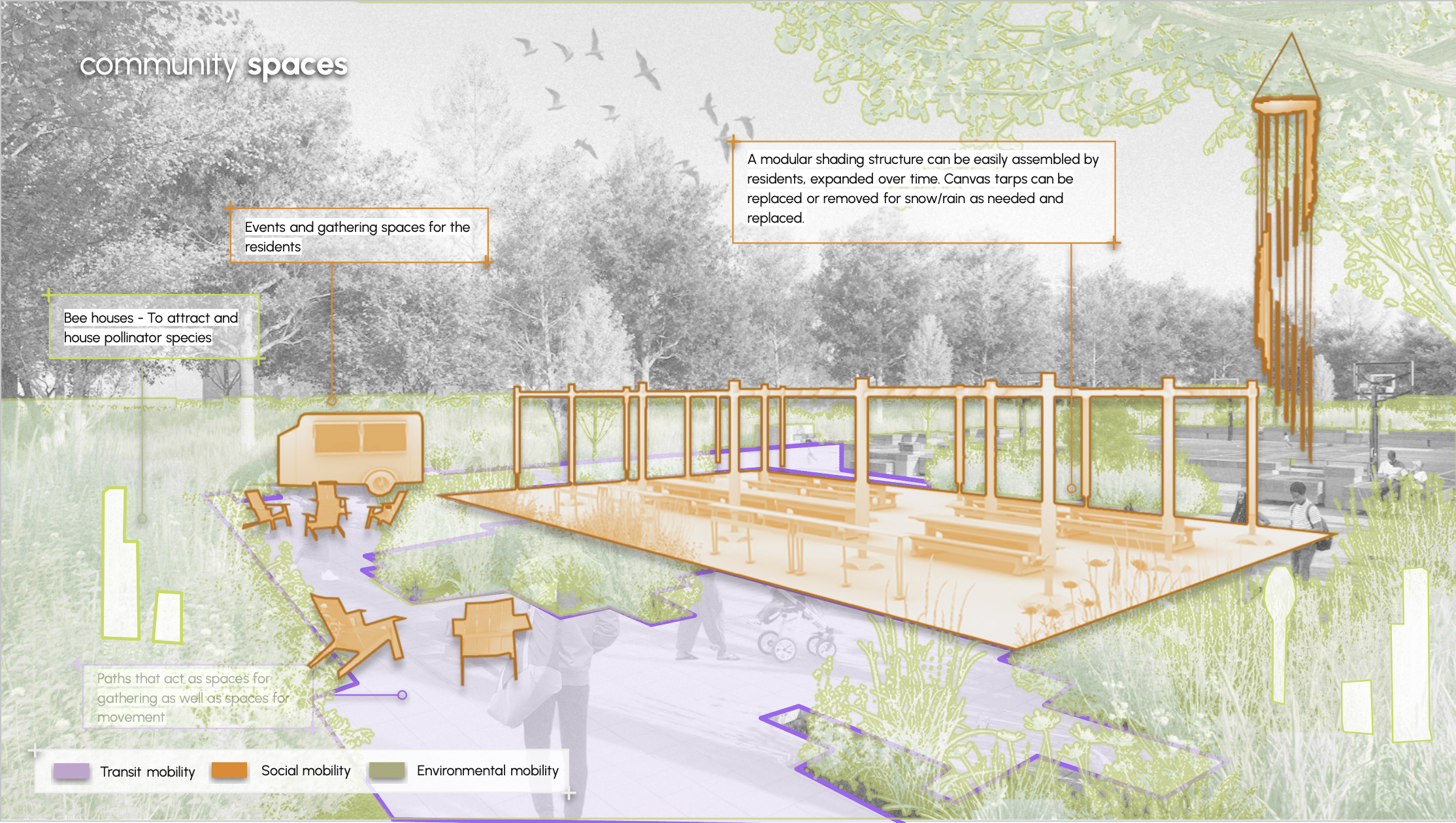
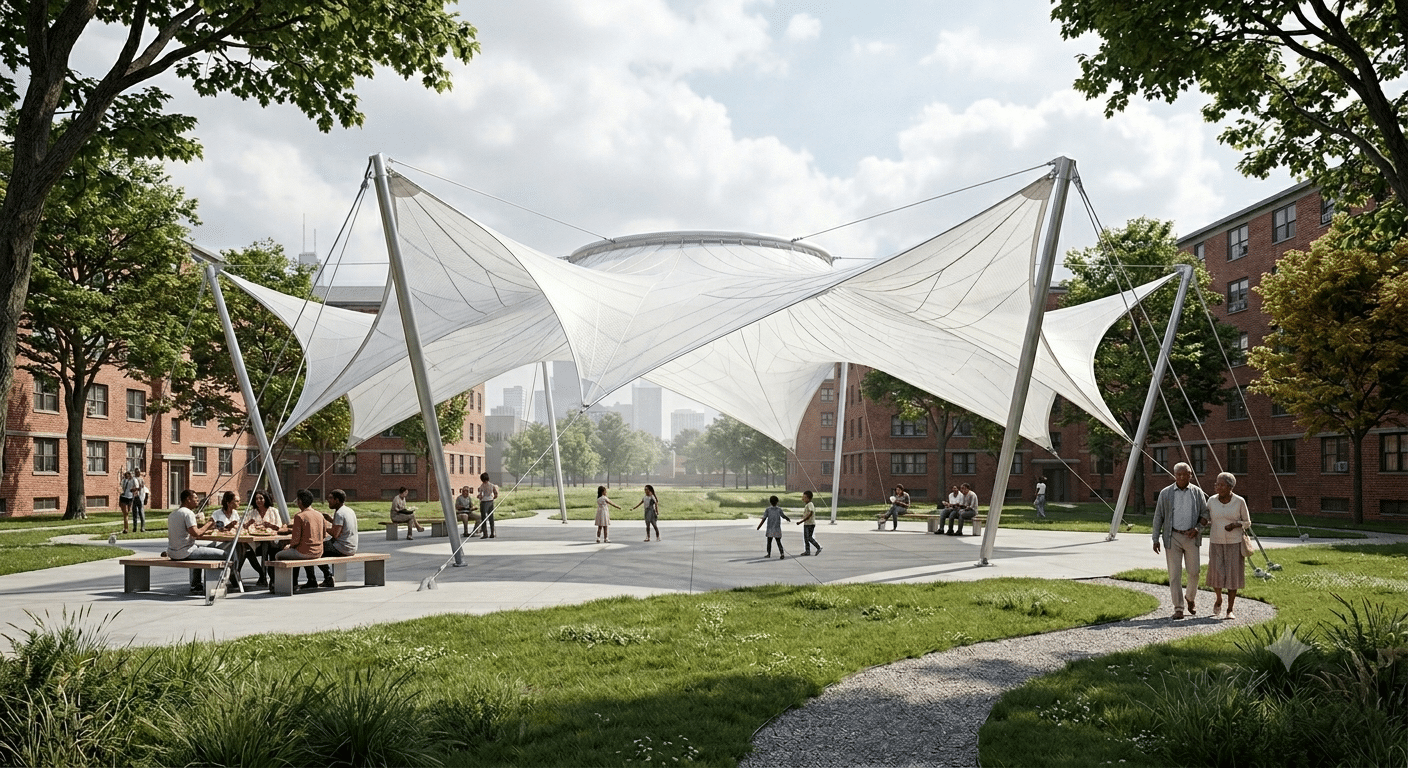
By Team – 41 Commons Introduction site context Built in 1938, Trumbull Park Homes (TPH) is a historic public housing development owned and managed by the Chicago Housing Authority (CHA). Images from Google show small brick row-homes among neatly manicured lawns and beautiful old-growth trees — but the development sits on Chicago’s Far Southeast Side, … Read more
Thermochar

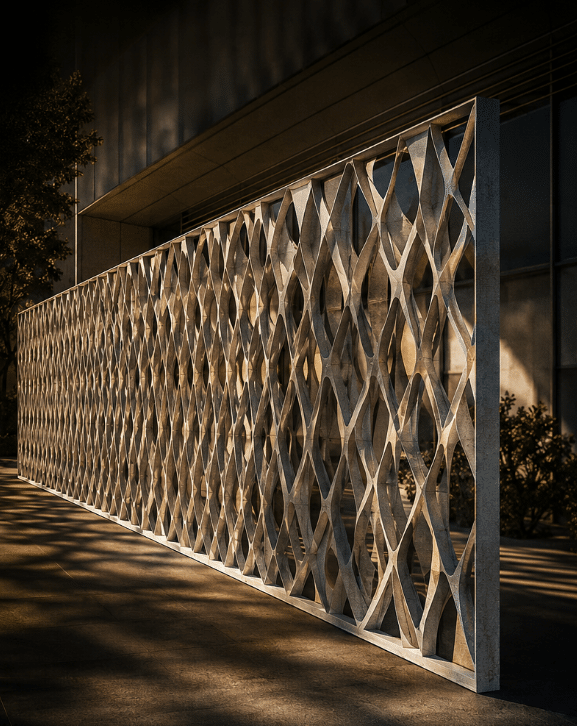
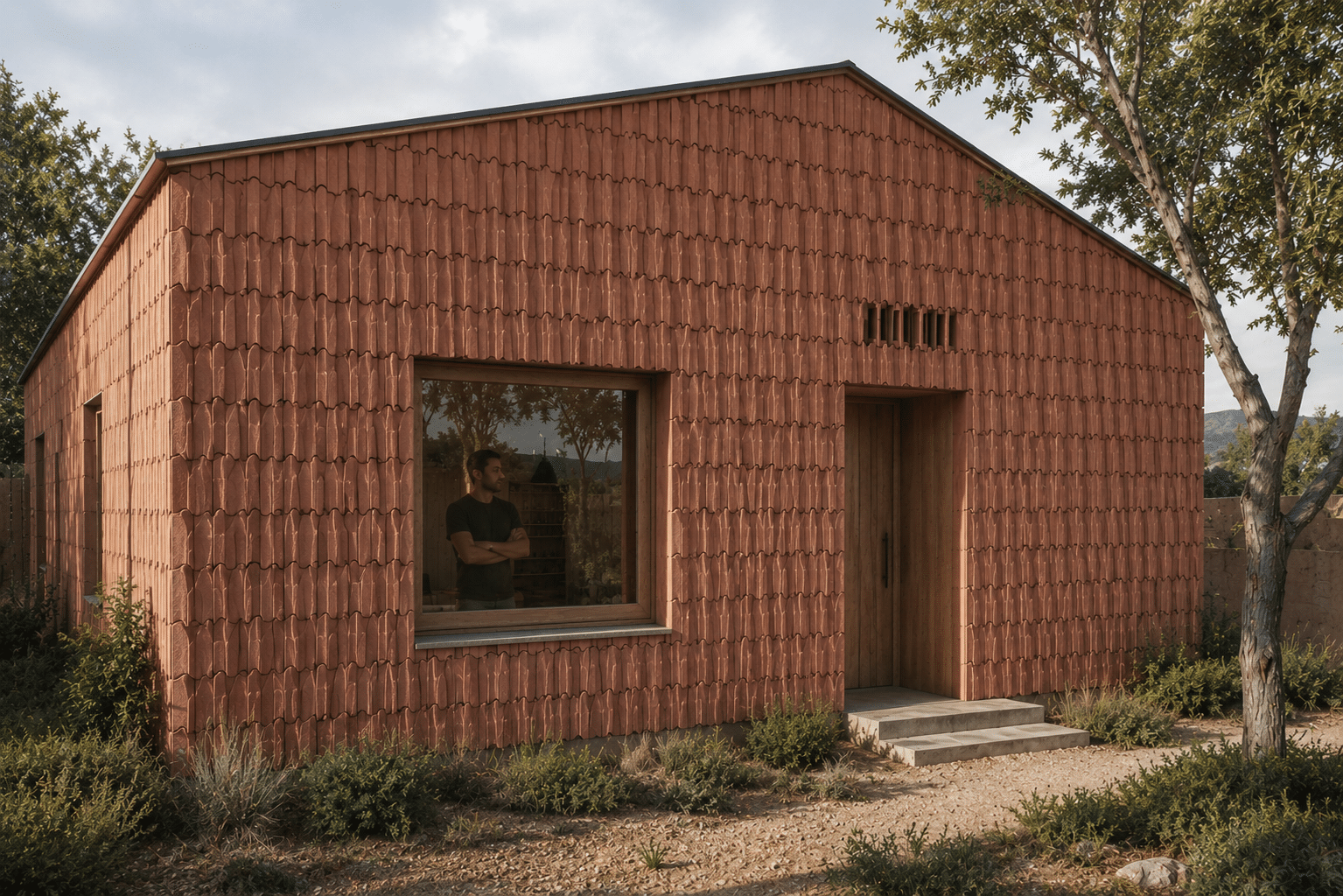
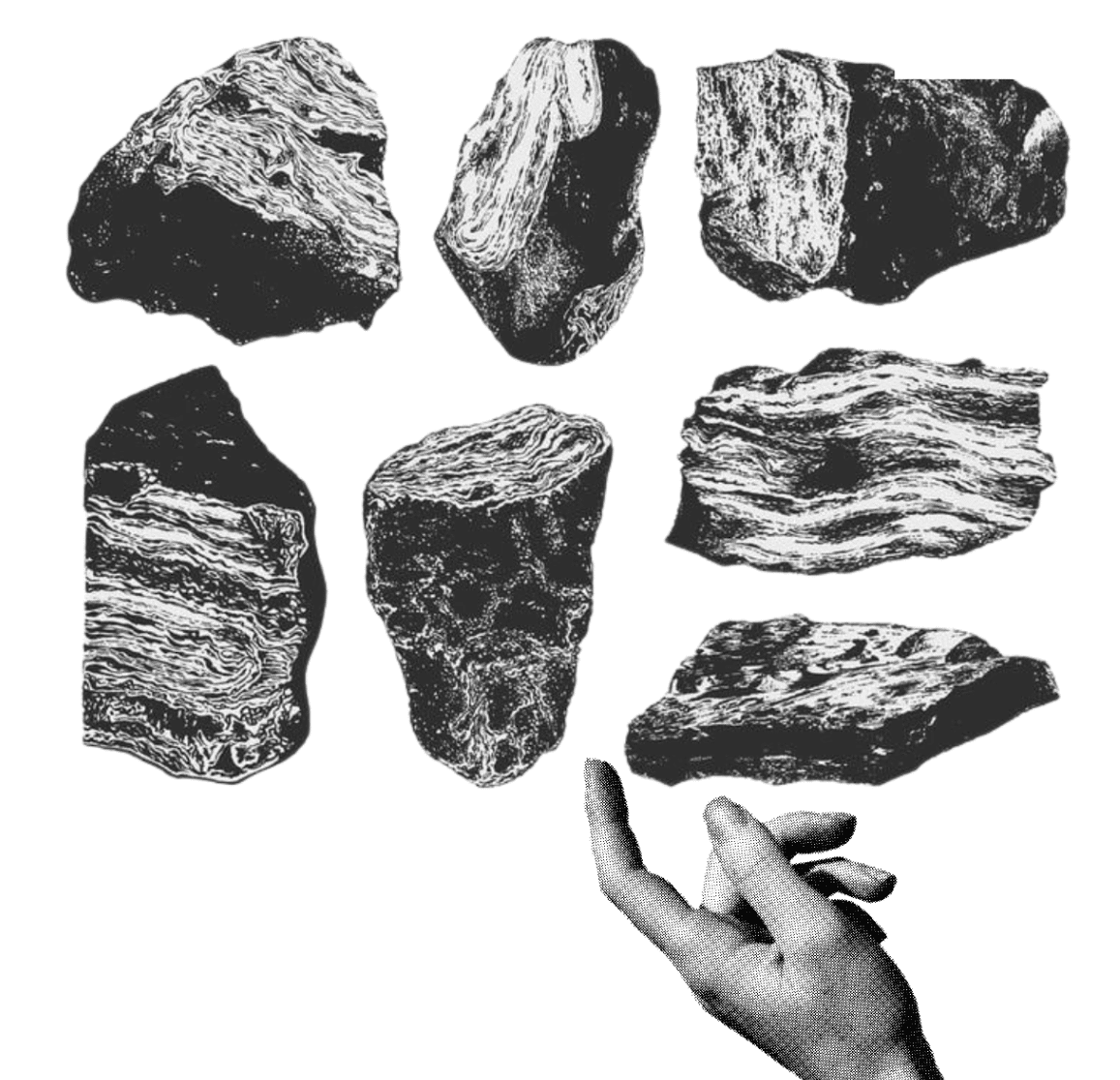
Reimagining the façade as an active environmental system rather than a passive building skin, this project develops a modular biochar–clay composite panel that integrates carbon storage, passive thermal regulation, and circular construction. By combining locally sourced clay with biochar, the material transforms atmospheric carbon into a long-term architectural resource while reducing embodied emissions. Computationally informed … Read more

BANANA MATTERS

Abstract Banana Matters transforms discarded banana pseudostem biomass into carbon-sequestering architectural panels through material research, bio-based binders, and digital fabrication. The project addresses the untapped potential of nearly 525 million tonnes of annual banana waste by developing lightweight, low-carbon composites with acoustic and structural applications. Through iterative material experimentation, heat-press manufacturing, and mechanical and physical … Read more

reCast II

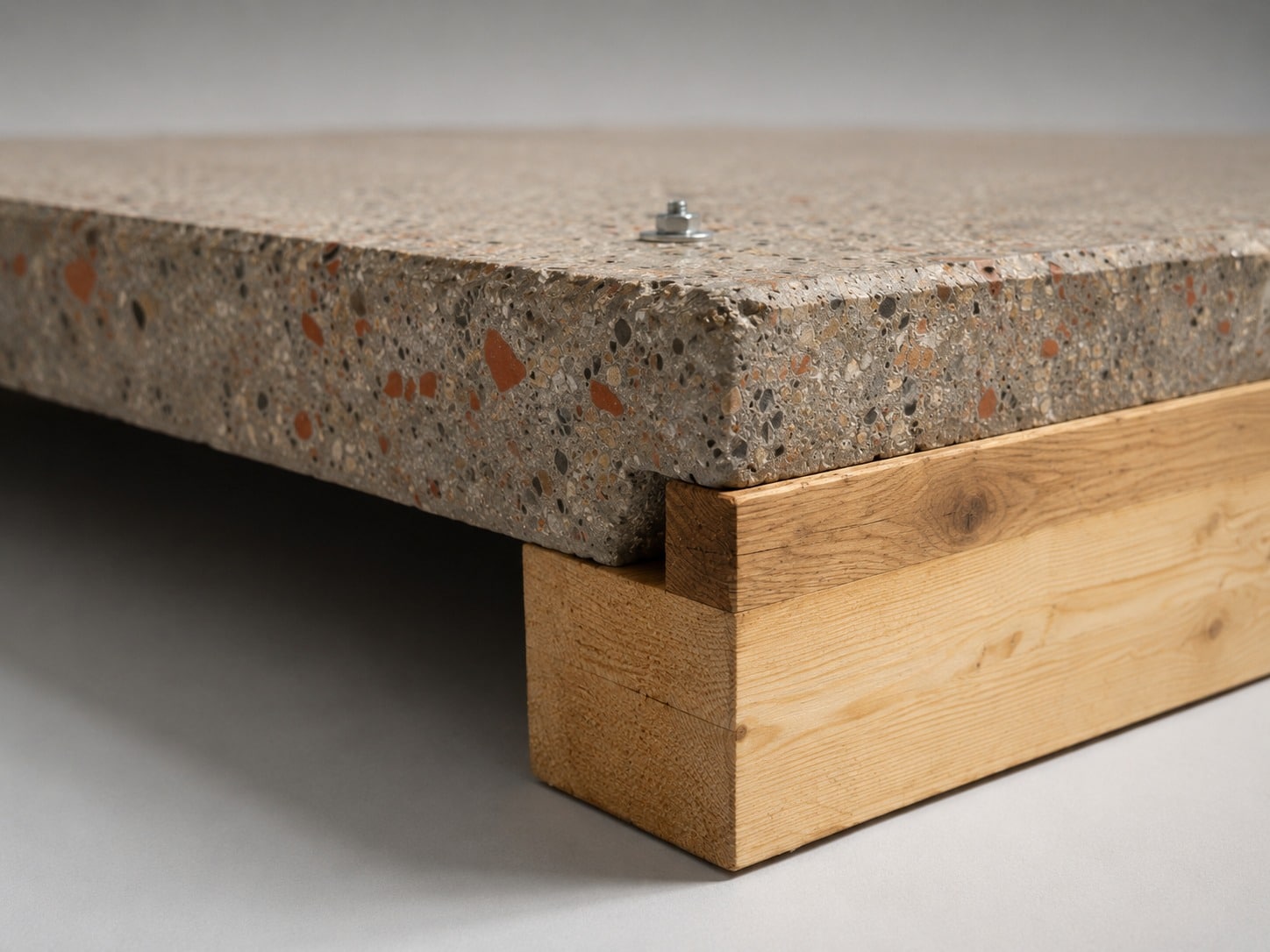
Abstract In the Anthropocene, the construction industry generates vast quantities of Construction and Demolition Waste (CDW), positioning cities as latent material reservoirs rather than endpoints of consumption. This research investigates CDW not as waste, but as a designed material system. Initial experiments explored rammed CDW composites, revealing strong compressive behavior but critical limitations under lateral … Read more

Living Fibers: Robotic Needle Felting as an Architectural Construction System

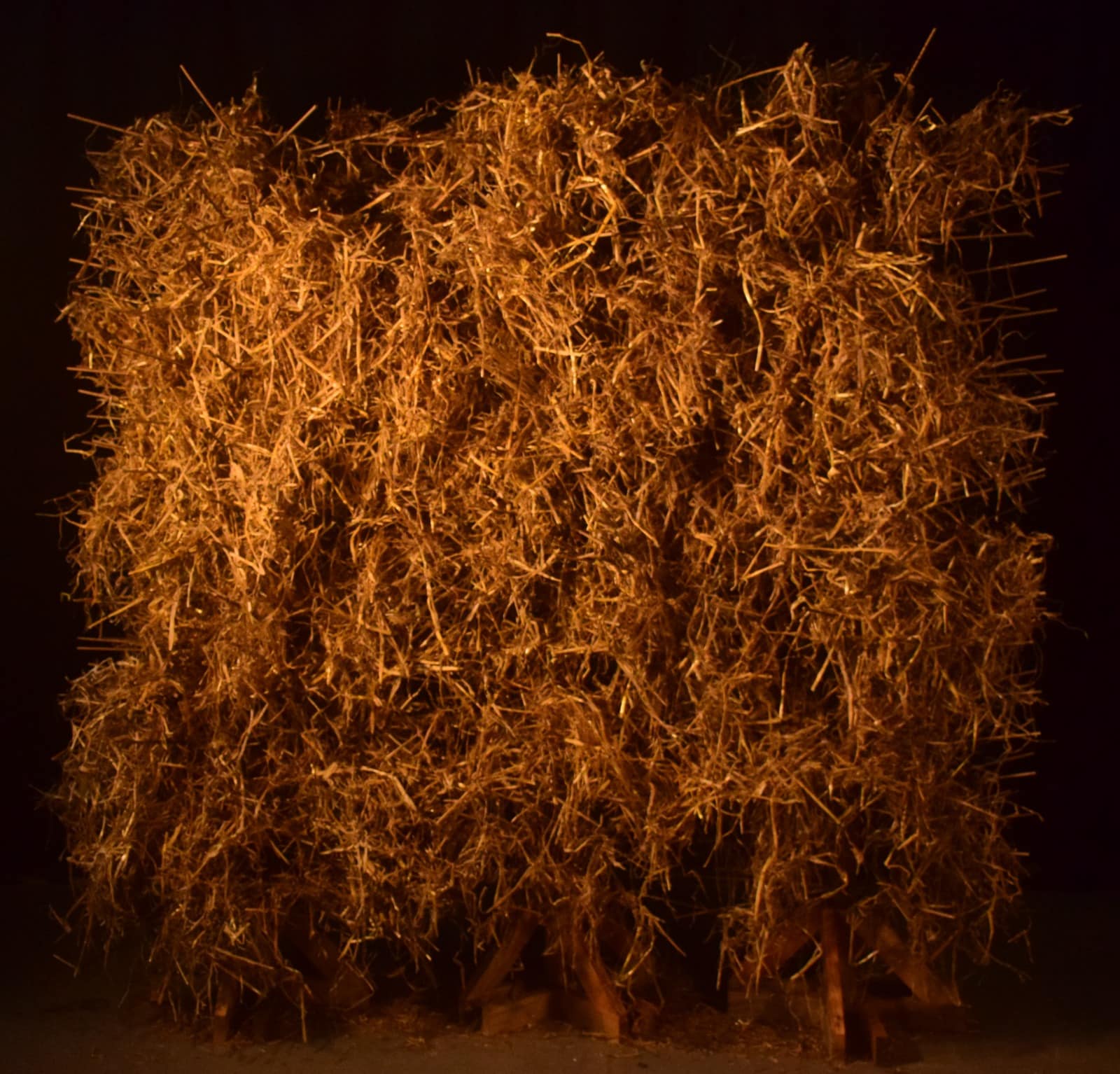
MAA/MRAC Studio Term 3 — 2025/2026 | Robotics for Ecological Building When you think of wool, construction probably isn’t the first thing that comes to mind. But wool has a longer history as a building material than most people realize, and it carries inherent properties that make it genuinely compelling for architecture: moisture regulation, thermal … Read more

Machine Learning Strategies for Adaptive Multi-Objective Optimization in Recursive Architecture

The objective of this project was to compare the effectiveness of different machine learning strategies applied into the exploration of a recursive model using the exercise worked on in the assembled architecture course as a proof of concept. .Recursive Processes in Architecture But this approach has left us with a question: is it possible to … Read more

Facade Energy Optimization

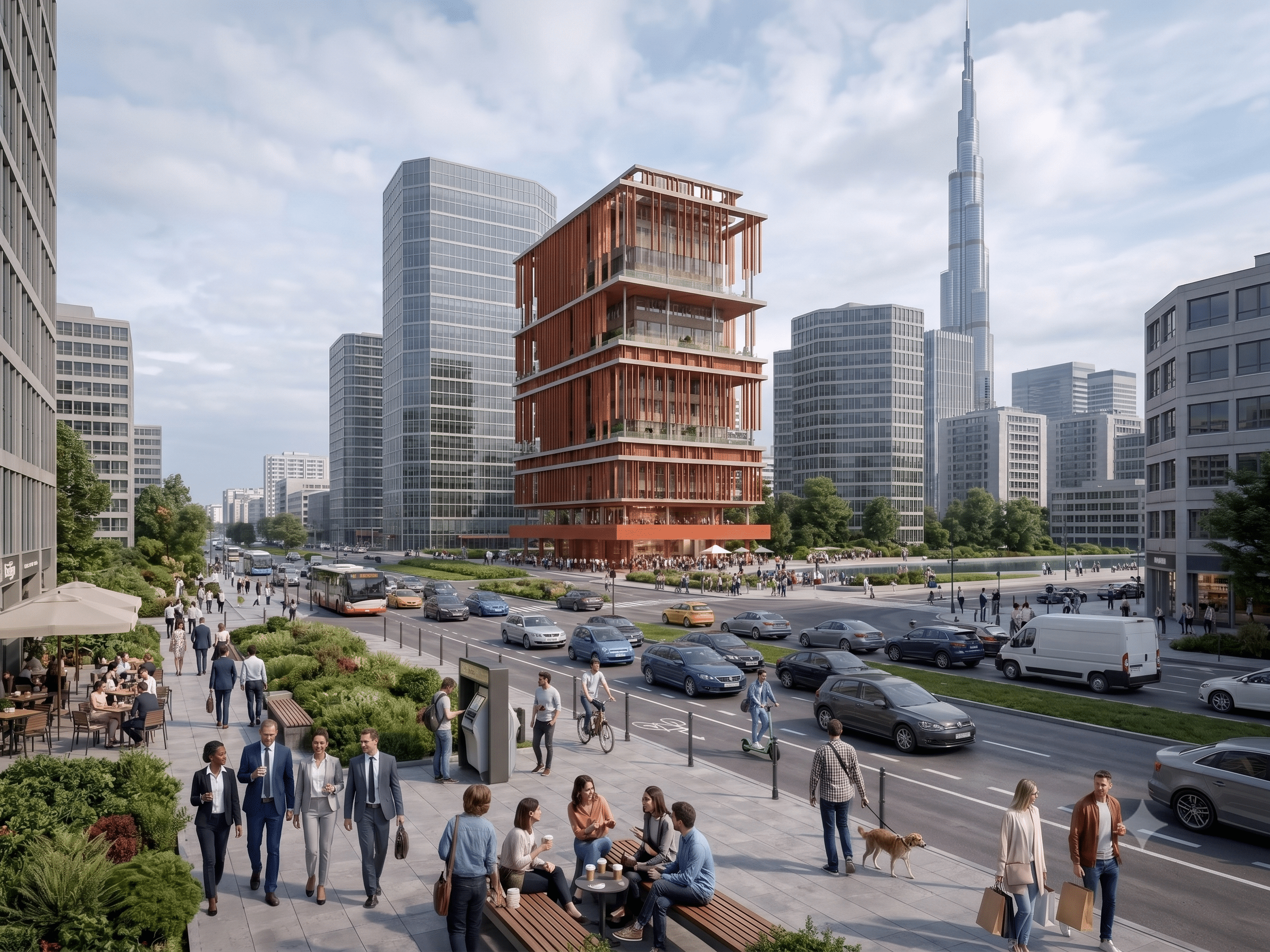
This research explores the use of Wallacei X to optimize a parametric facade for a site in Dubai, UAE. The study evaluates facade performance based on four objectives: maximizing sun hours, minimizing solar radiation, minimizing material consumption, and maximizing views. Through evolutionary optimization, hundreds of design variations were generated and assessed, revealing the trade-offs between … Read more

Weathered Form

This project turns wind and snow into design tools. Instead of starting with a fixed form, environmental forces drive the geometry, generating adaptive architectures that evolve through performance. Project Description The site spans 39 acres and consists of two adjacent properties: Trumbull Park Homes, established in 1938 and owned and operated by the Chicago Housing Authority (CHA), occupies 21 acres and contains 454 housing units; … Read more

BIO FLOW

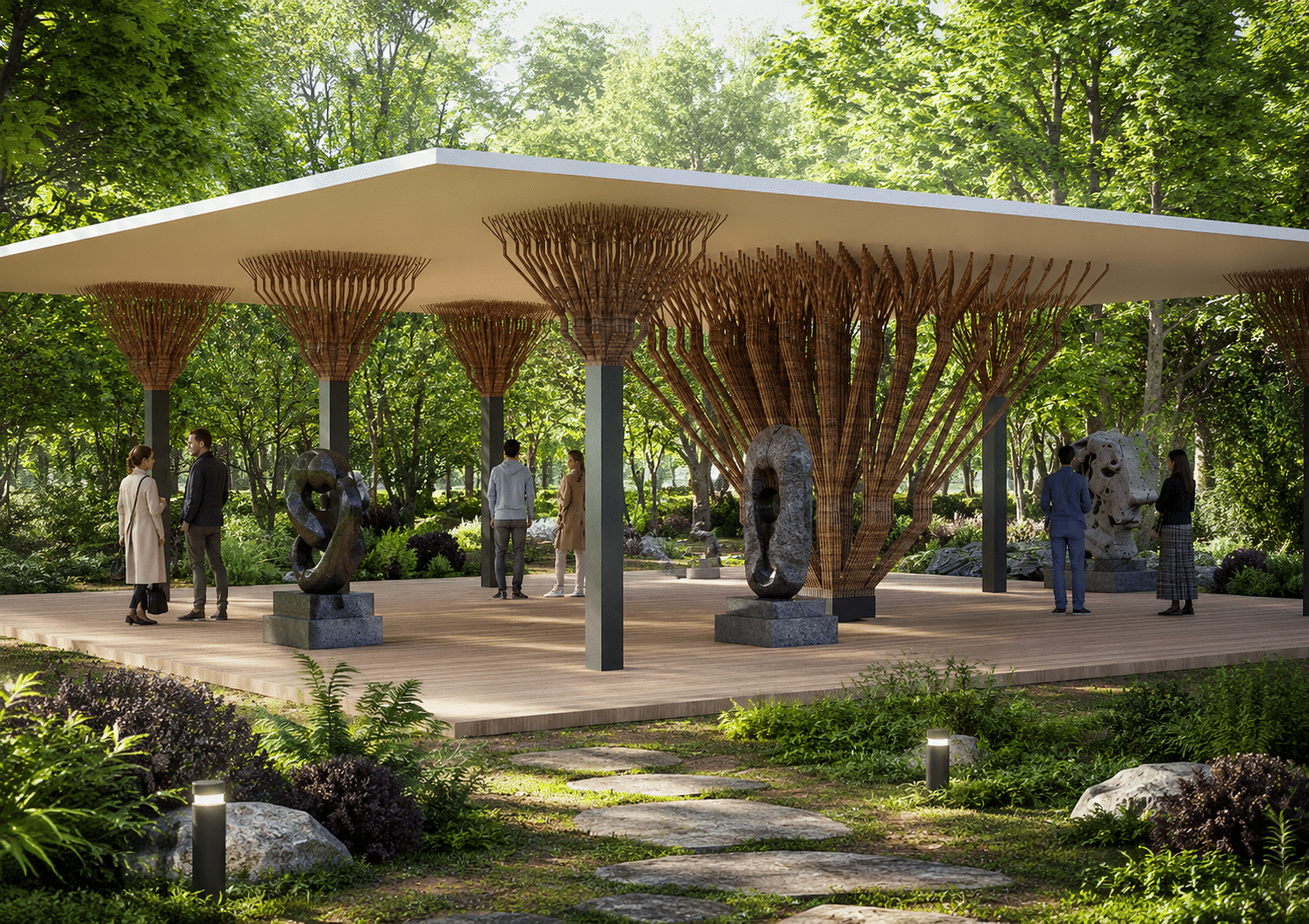
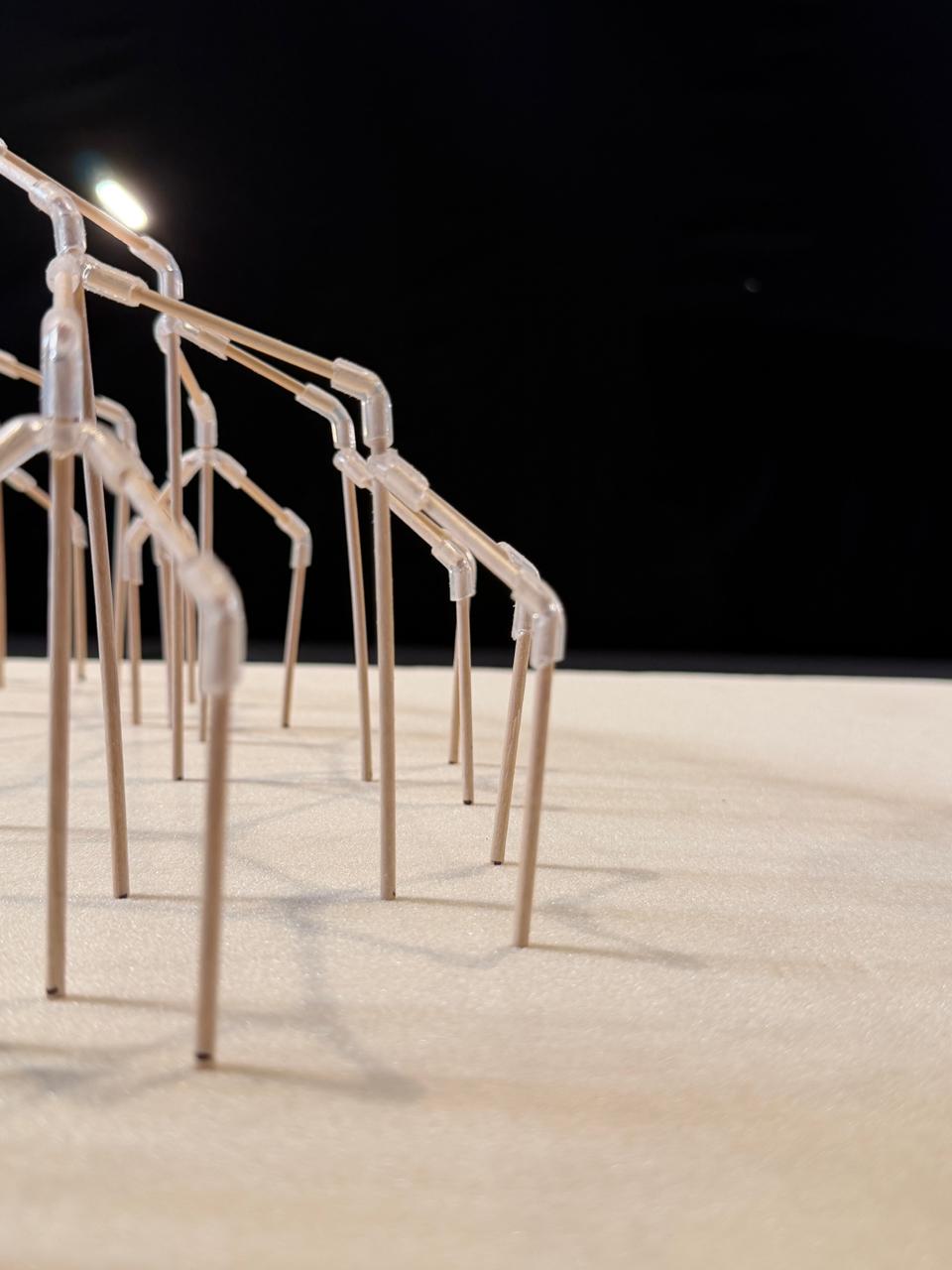
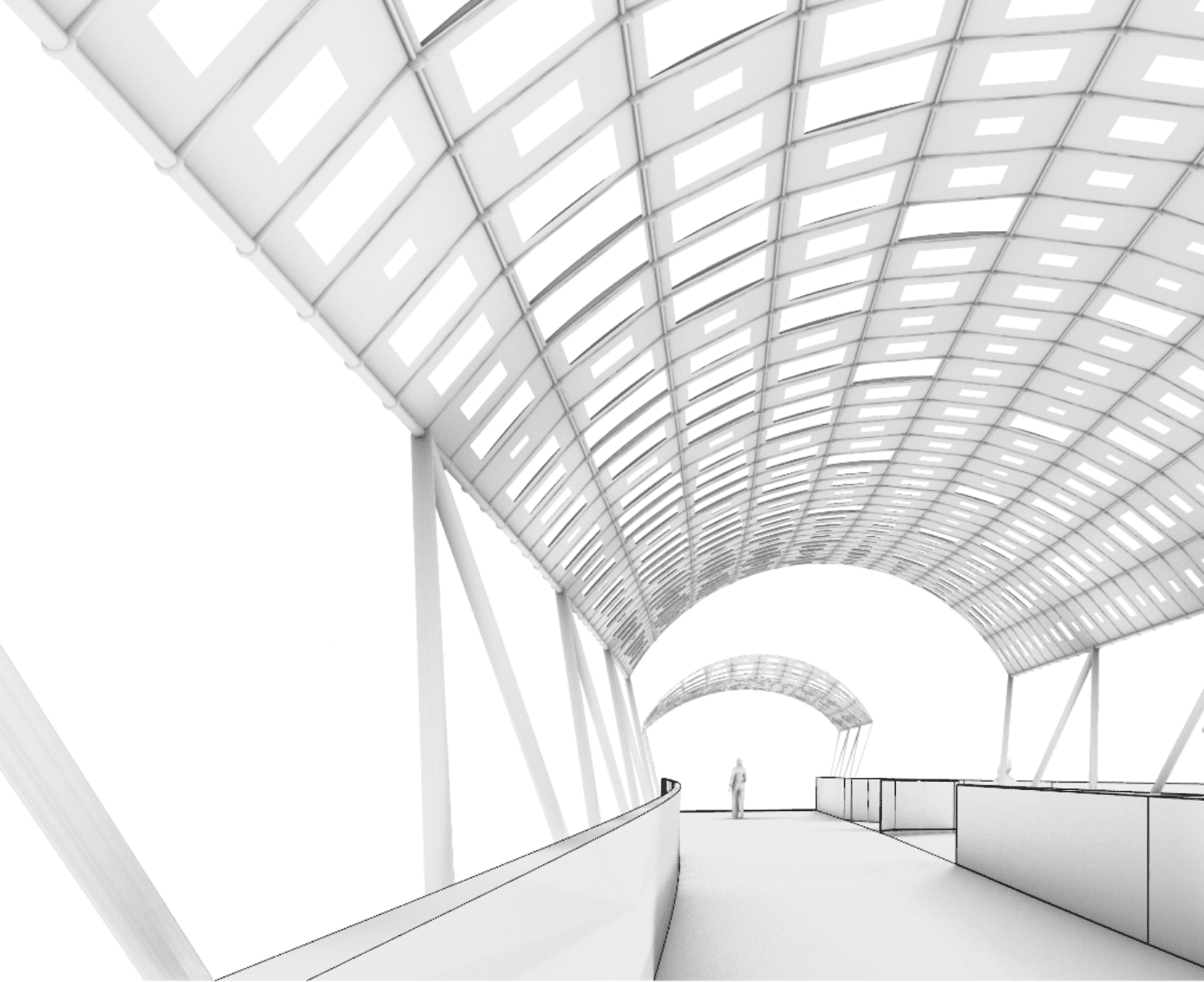
“ An AR-Driven Biomimetic Pavilion Generated Through Environmental Field Behavior “ Architectural pavilion design and fabrication often require complex digital workflows, technical expertise, and multiple visualization tools, making the process difficult for rapid concept development and real-world understanding. Designers also face challenges in translating organic, nature-inspired forms into fabrication-friendly structures.  BIOMIMICRY PAVILIONS Organic Geometry Biomimicry … Read more

L.O.O.P. Evolution 

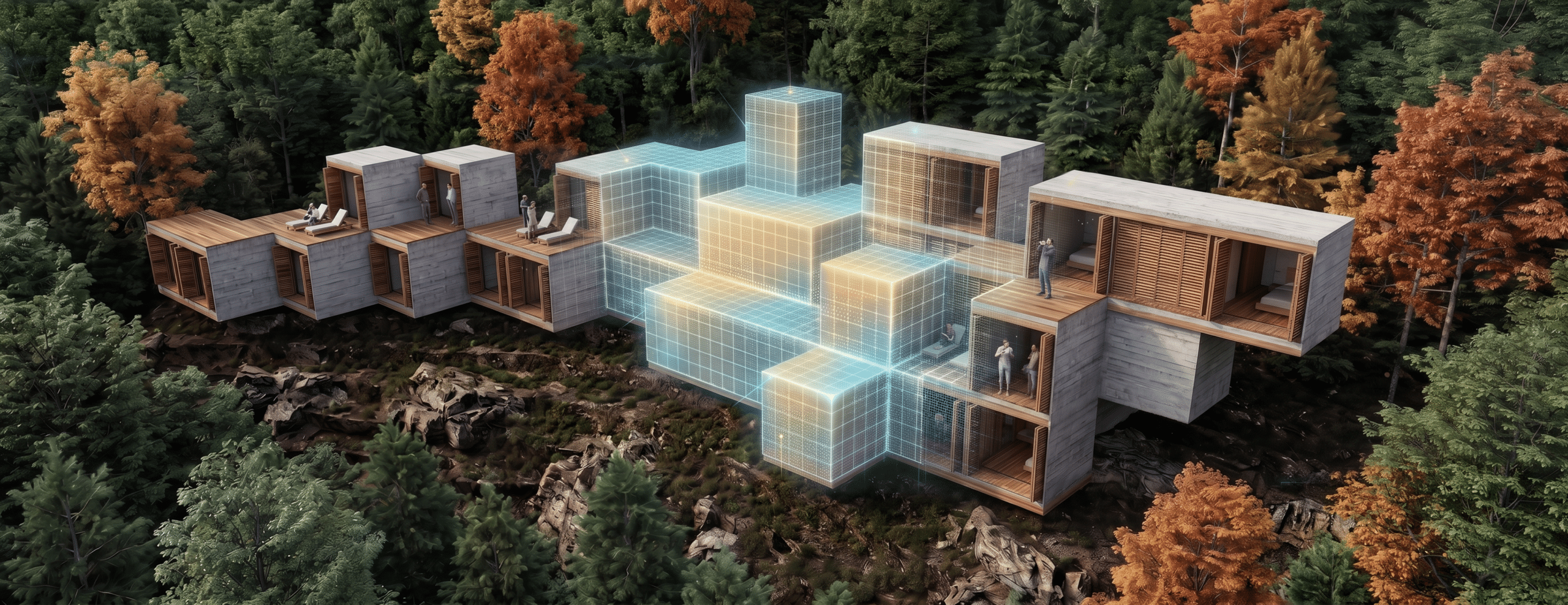
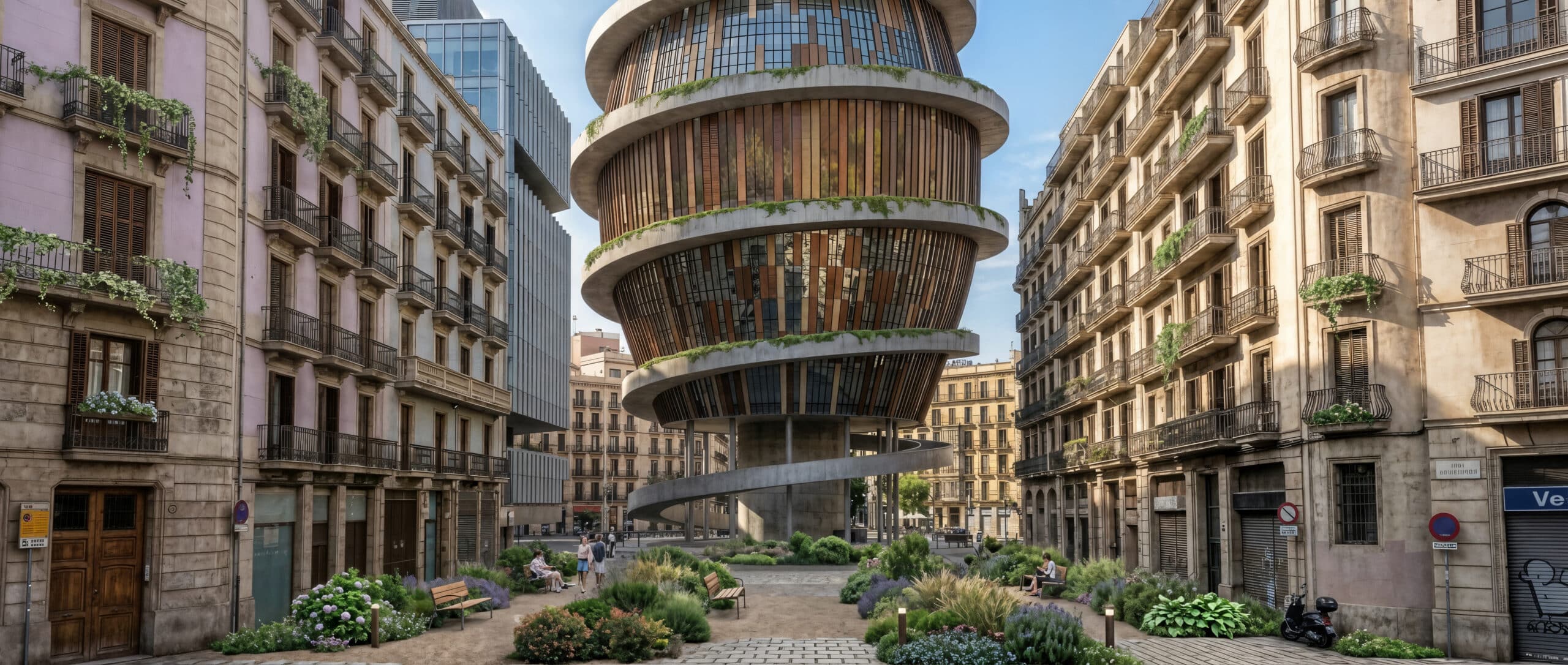
Project Selection L.O.O.P is a project developed in the Introductory Studio G1 with Carmelo Zappulla, Sebastian Amorelli and Amin Bigdeli.The project takes shape as a continuous green spiral that lifts both housing and public space off the sealed ground, freeing the courtyard and threading a biodiverse path vertically through the Eixample block.  Computational Method Parametric … Read more

Osteomorphic optimization

A TerraFormed production CONTEXT TerraFormed is an ongoing project developed within Digital Matter Studio 2026 that implements osteomorphic blocks as a standardizable and industry-compatible approach for producing a novel geopolymer material within a sustainable construction framework. DESIGN OBJECTIVES Osteomorphic blocks are primarily governed by the parameters of the sine curve that defines their geometry. This … Read more

Sunburn

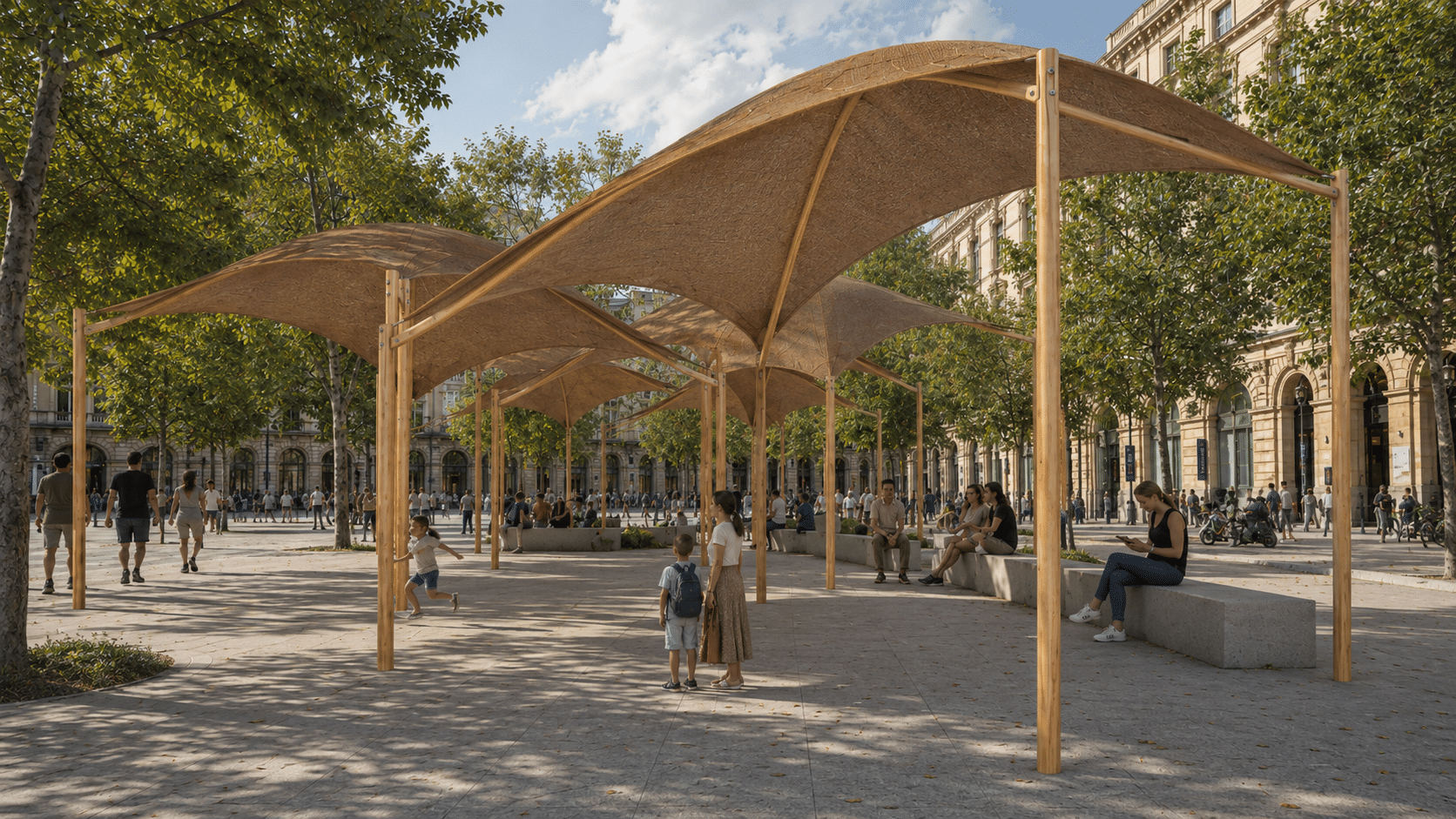
Sunburn is a computationally designed urban shading pavilion for Plaça Universitat in Barcelona. The project explores how lightweight canopy structures can improve comfort in public space while creating an inviting social environment. Using parametric column placement, Kangaroo surface generation, Ladybug solar analysis, and Galapagos optimization, the canopy geometry is tested across different sun-hour periods to … Read more