IAAC’s Master in City & Technology (1 or 2-year program) is a unique program oriented towards redefining the analysis, planning, and design of twenty-first-century cities and beyond. The program offers expertise in the design of digitally enhanced, ecological and human-centered urban environments by intersecting the disciplines of urbanism and data science. Taking place in Barcelona, the capital of urbanism, the Master in City & Technology is training the professionals that city administrations, governments, industries, and communities need, to transform the urban environment in the era of big data.


Filters
Course

WING IT – Microclimatic Corridor For Non Humans

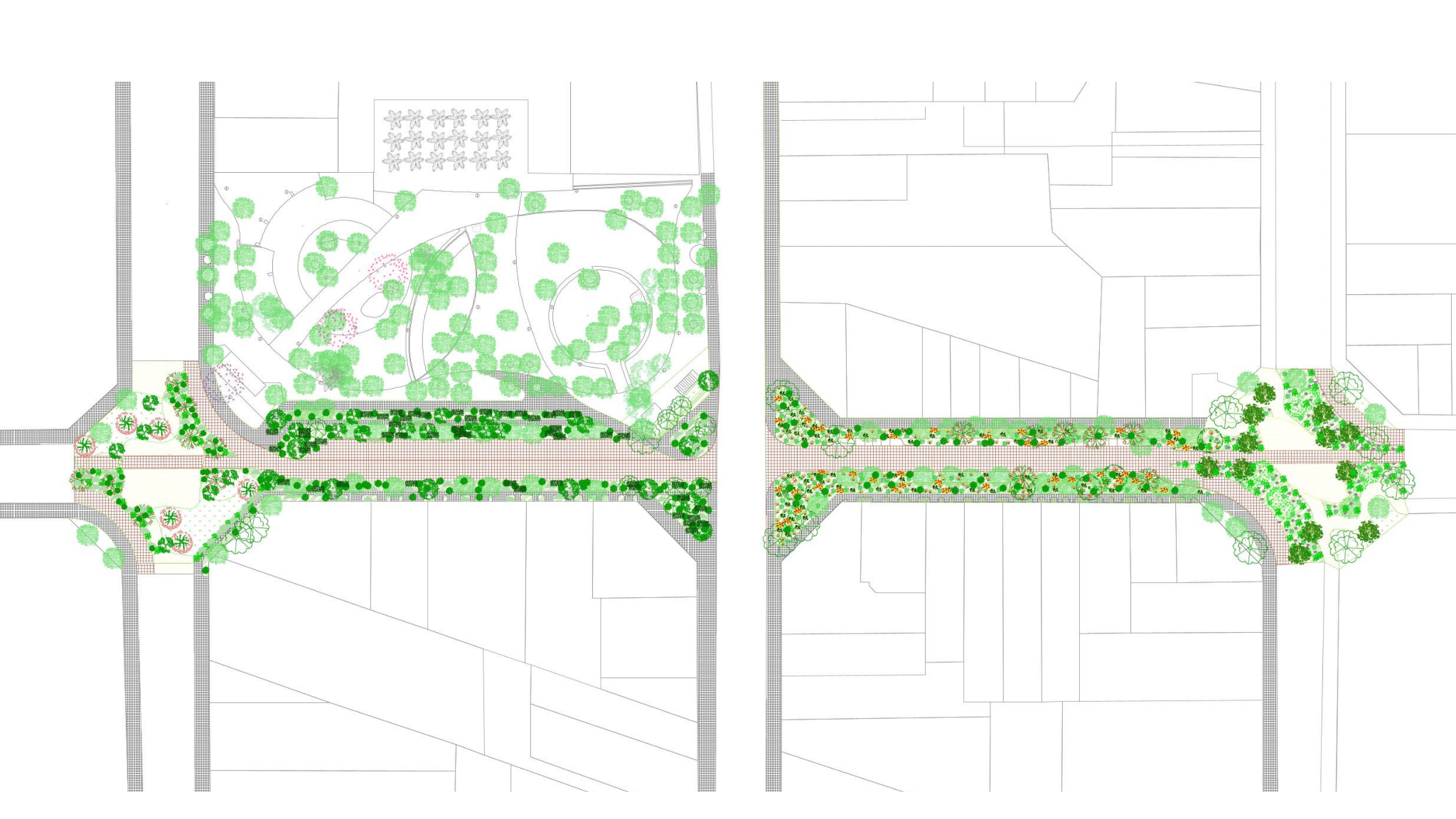
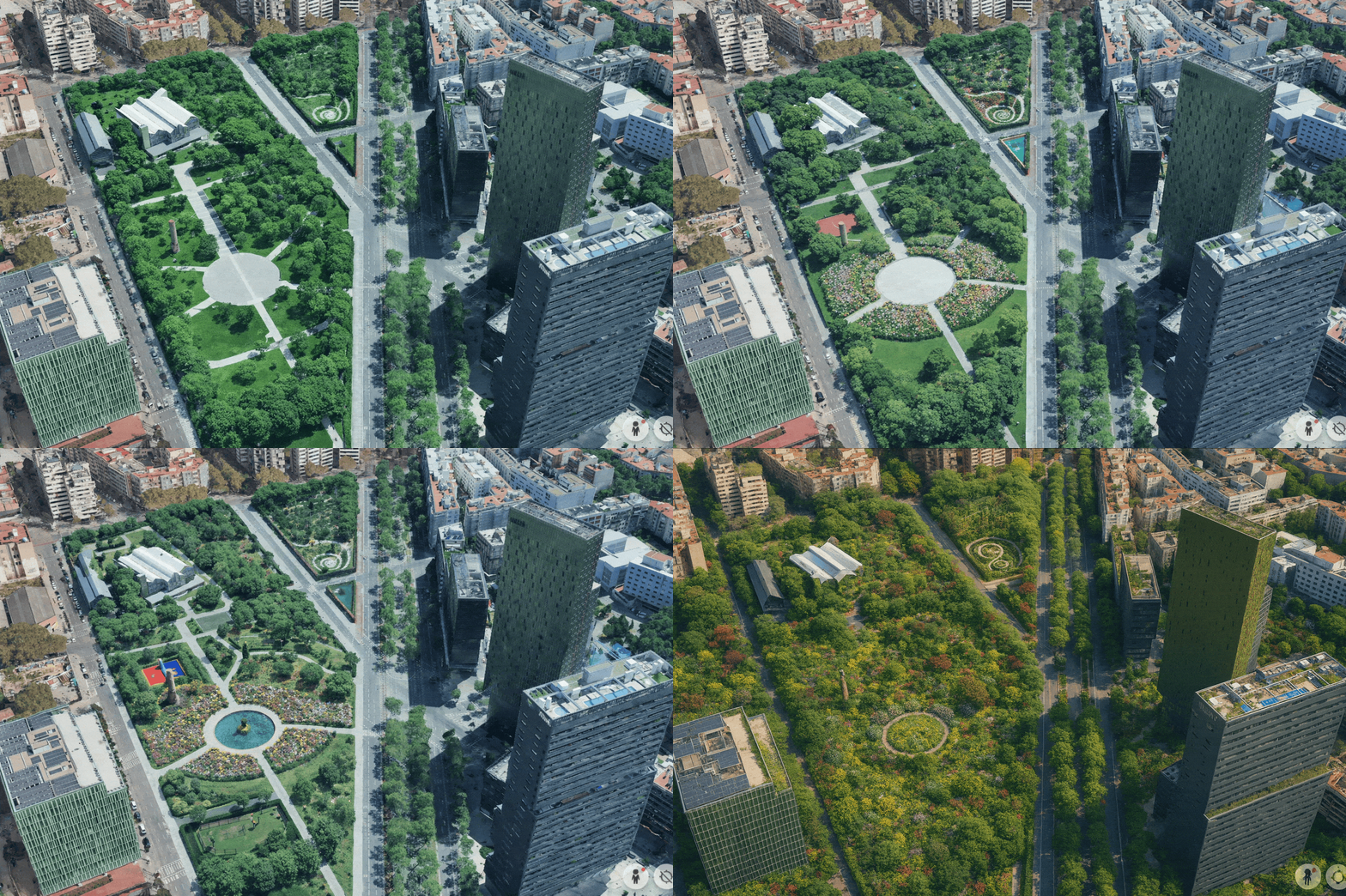
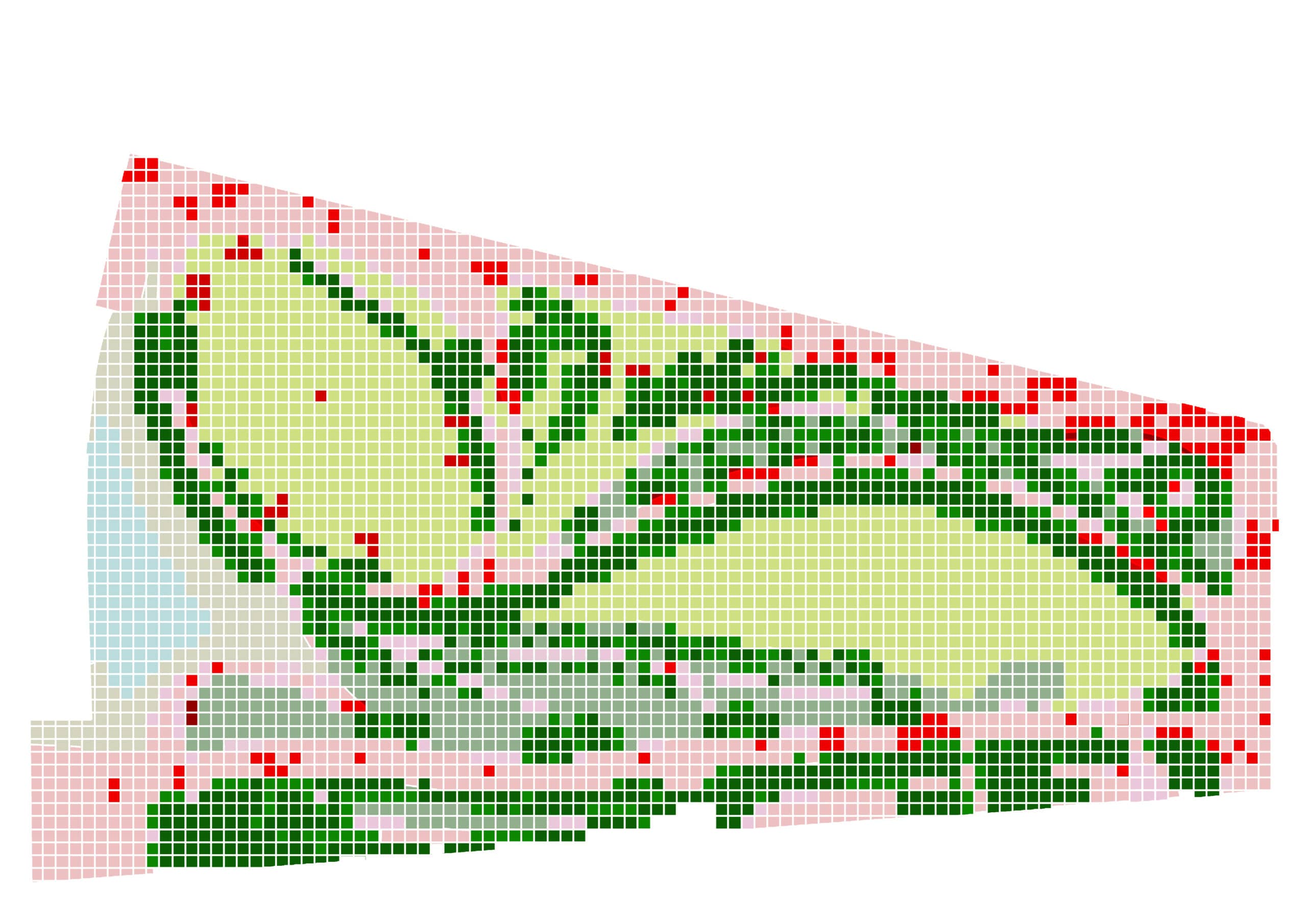
Microclimatic Corridor is a proposal for the transformation of Carrer de Rocafort into a climate shelter for non-human urban life. Responding to rising temperatures, biodiversity decline, and the urban heat island effect in Barcelona, the project extends the ecological and microclimatic performance of Jardins de Montserrat into the surrounding street network Climate change as a … Read more

Nature to Culture

What would happen if our landscapes got inspired in Culture, tradition and seasonality reflecting the core and inner Catalan escence? How could our landscapes being changed? but most important how could we do this? Introduction We began with a simple reframing: instead of adding nature on top of the streetscape, we asked how Catalan culture … Read more

Natural Lab Inside the City of Barcelona: Local Habitat with Native Planting

Design for More Than Humans Seminar | IAAC Understanding Local Habitats, Native and Exotic Species What is a Local Habitat? “A place where plants or animals normally live, characterized primarily by its physical features such as topography, plant or animal , soil characteristics, climate, water quality etc and secondarily by the species of plants and … Read more

Fish Tail Park, Nanchang – Case Study

Case Study of Ecological Restoration, Human Presence and Design of Co-Existence Introduction Fish Tail Park is located in the center of Nanchang City, a historic city in southeastern China with approximately 6.6 million residents, has experienced rapid urban growth and high-tech industrial expansion along the Gan River. Is a large-scale ecological restoration project designed by … Read more

Oerliker Park

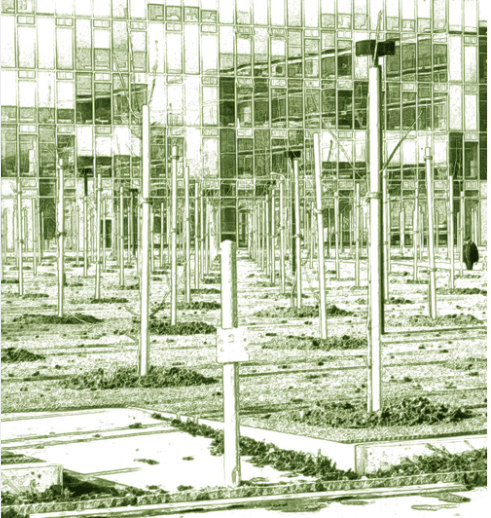
Oerliker Park in Zürich, Switzerland is not a natural forest that slowly emerged over time. It is a designed urban ecology: structured, calculated, and deliberately designed among buildings and former industrial sites. Even though the park may read as “natural” with its trees, parks like Oerliker are often designed primarily around human use. But parks … Read more

Parc del Centre del Poblenou

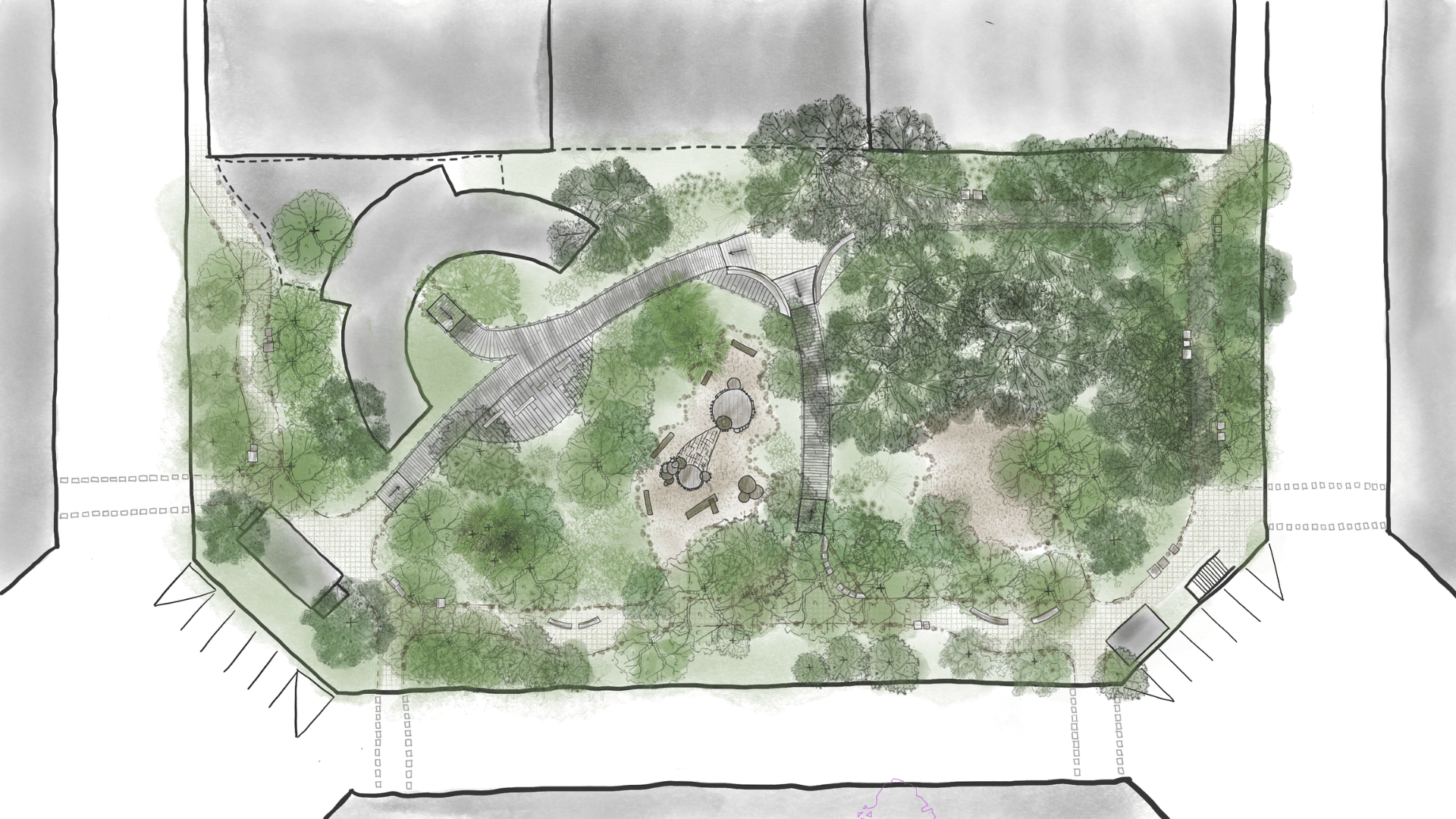
This project investigates Parc del Centre del Poblenou through the lens of Designing for More than Humans. The park, although permeable and vegetated, is spatially structured around human circulation and programmed activity. As a result, human occupation is continuous and dominant, while non-human life remains fragmented and residual. Through rule-based speculation, the project tests how … Read more

M.O.T.H @ Brooklyn Bridge park – New York, USA

The Brooklyn Bridge Park is located along the Brooklyn waterfront of the East River, between DUMBO and Atlantic Avenue, and it spans about 85 acres (0.34 km²), stretching roughly 2 kilometers along the shoreline. That alone makes it one of New York City’s most significant post-industrial waterfront transformations. The park was developed in phases between 2008 … Read more

The Wooded Circle

Started off in 1504 as a Renaissance-era fortification system, designed to resist cannon warfare. Over the years, it has undergone many reconstructions, with the latest turning it into a managed heritage park in the early 2000s (Planted rows of trees) . Ecology has played an important role in each of its eras, as we’ll see … Read more