IAAC’s Master in City & Technology (1 or 2-year program) is a unique program oriented towards redefining the analysis, planning, and design of twenty-first-century cities and beyond. The program offers expertise in the design of digitally enhanced, ecological and human-centered urban environments by intersecting the disciplines of urbanism and data science. Taking place in Barcelona, the capital of urbanism, the Master in City & Technology is training the professionals that city administrations, governments, industries, and communities need, to transform the urban environment in the era of big data.


Filters
Course

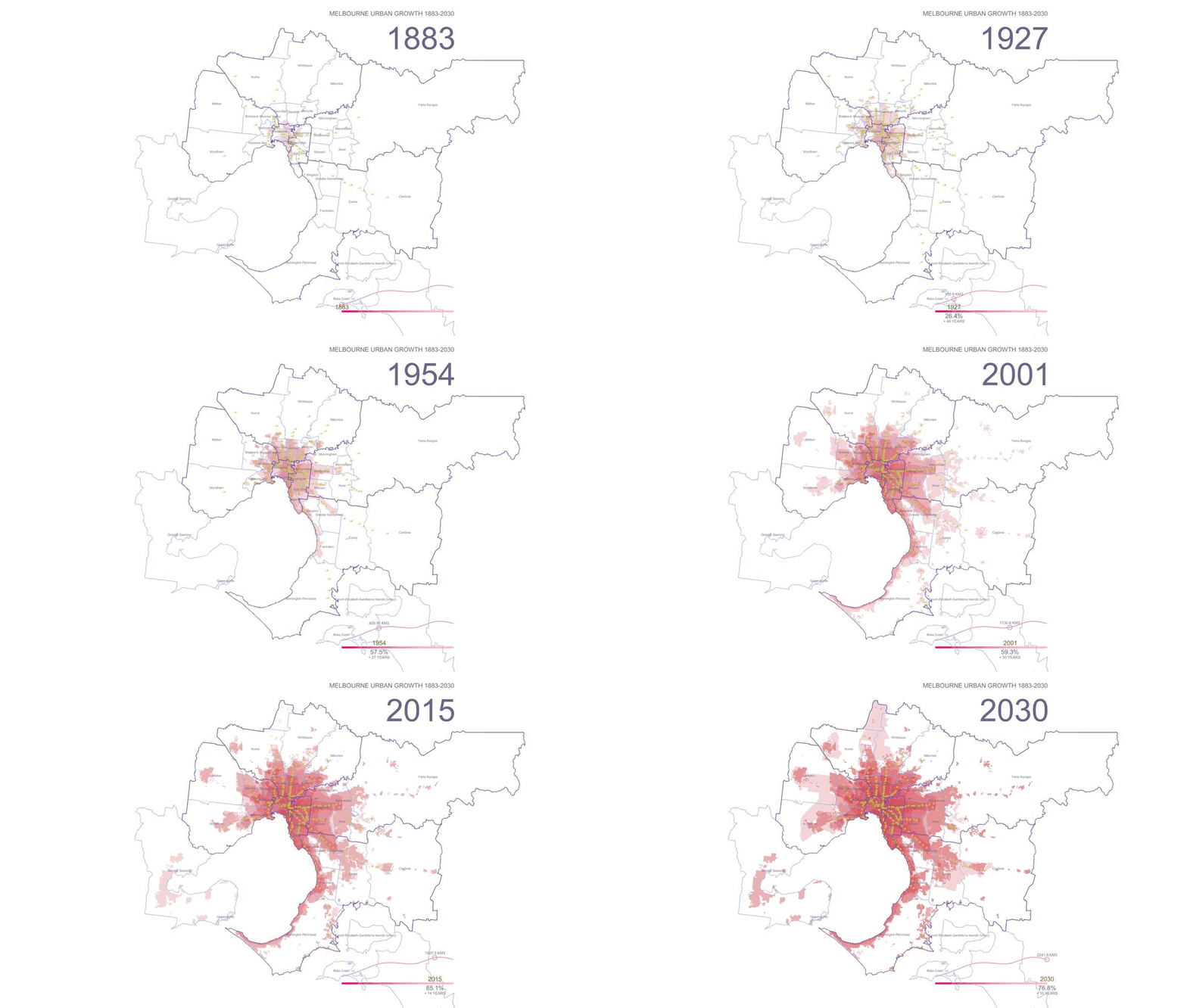
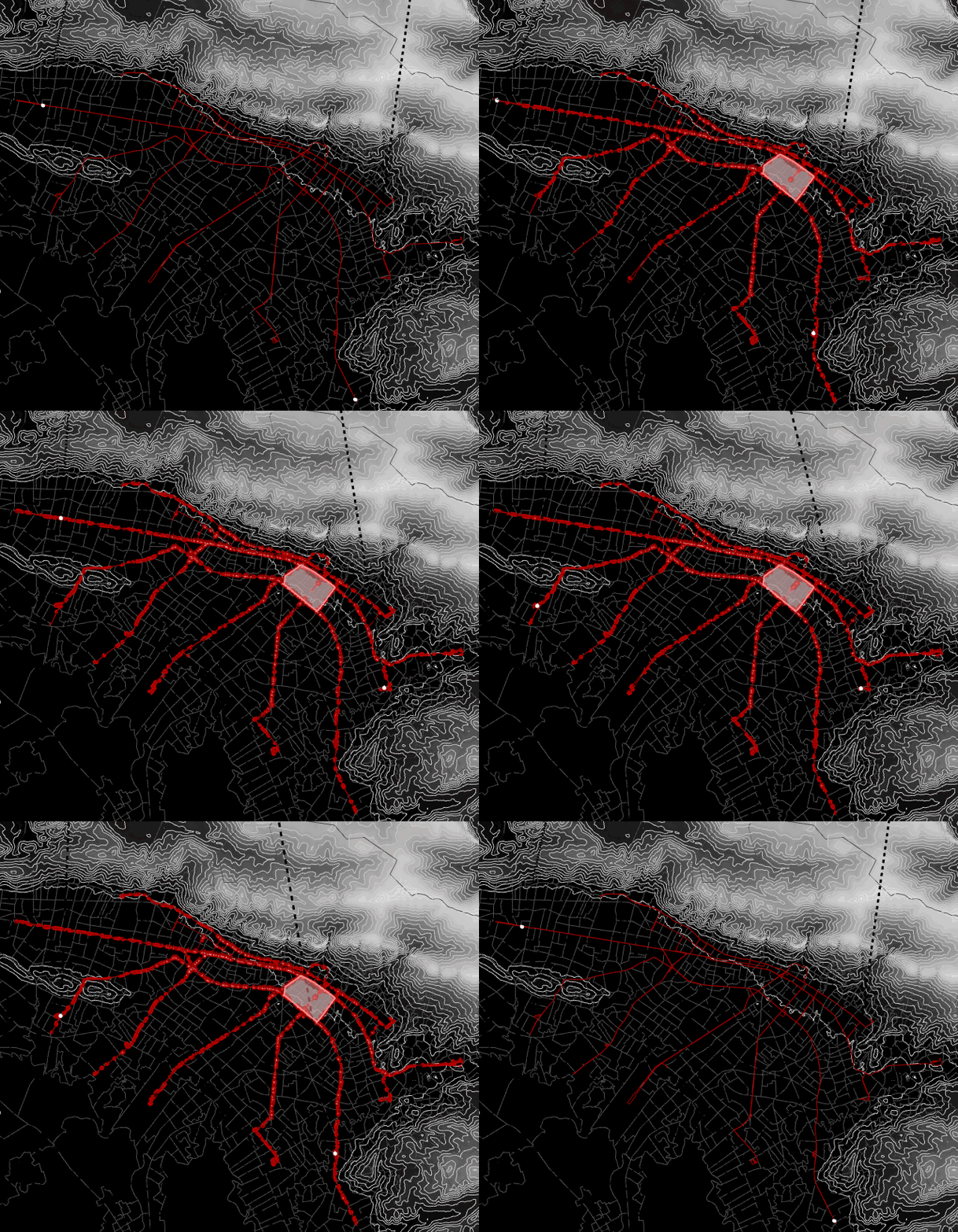
Remote sensing of the urban sprawl’s pace of Melbourne

urban growth Melbourne

Starting in 2015 urban development spread beyond the administratively defined Melbourne metropolitan area, into Greater Geelong and the Shire of Mitchell. The Melbourne Metropolitan Region or Greater Melbourne comprises 31 Local Authority Governments (LGA, municipalities and shires) aggregated in 6 metropolitan partnerships. Two of them, Inner and Inner South-East allocate the metropolitan core. This project … Read more

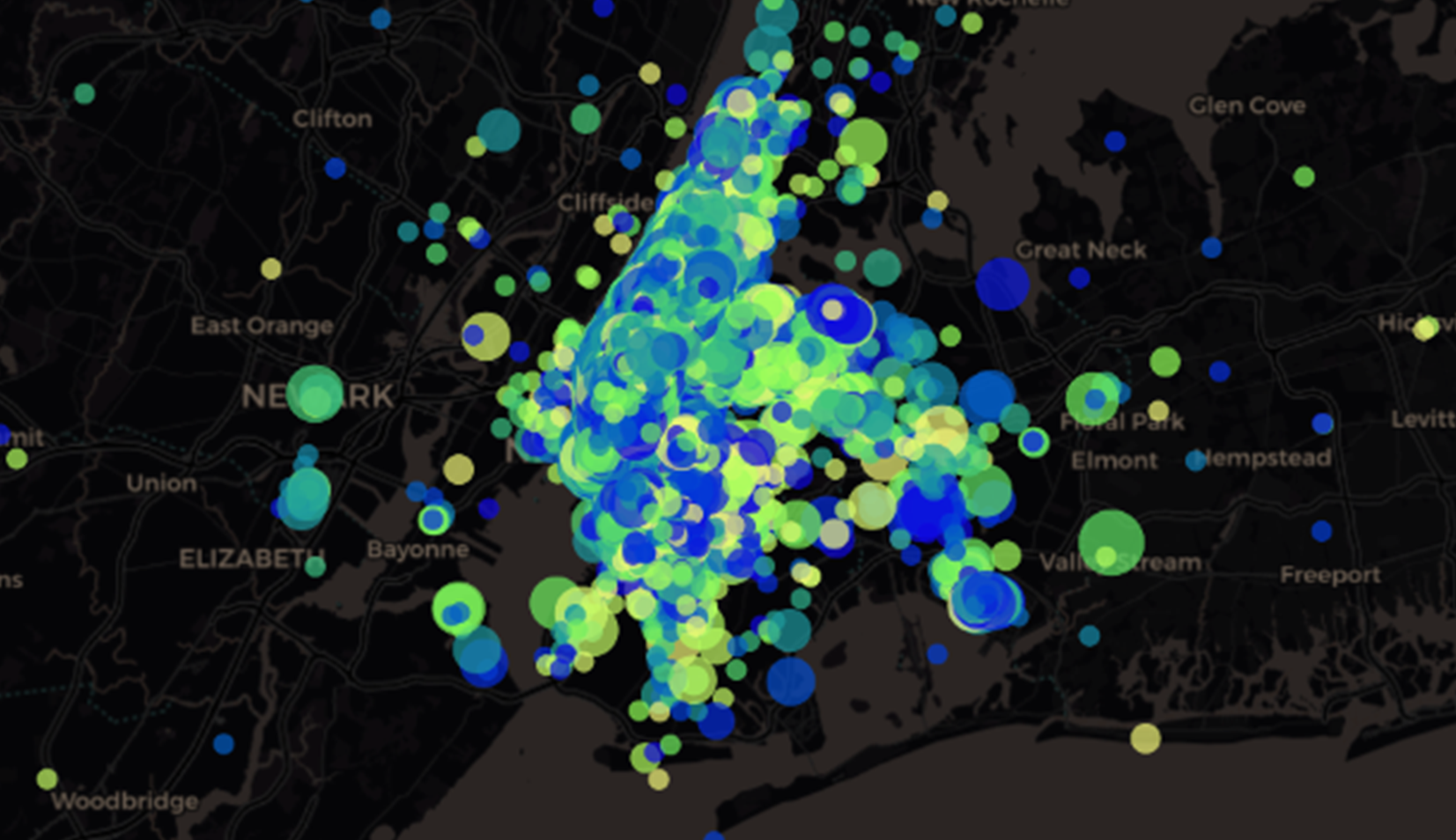
Predicting Taxi Trip Duration in New York City Using Machine Learning

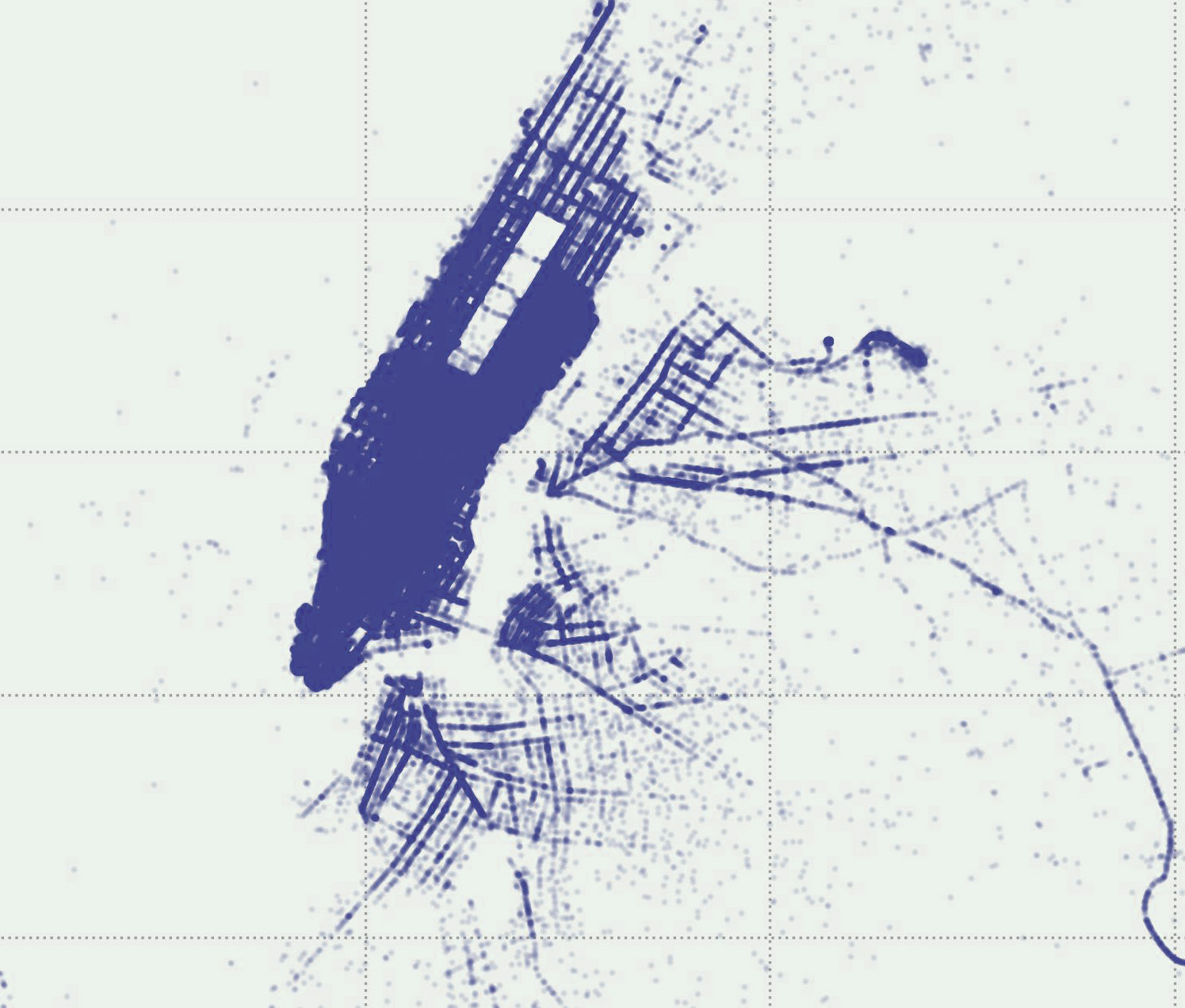
Machine learning has been applied to a wide range of domains, including transportation, to improve the accuracy of predictions and optimize systems. In the context of taxi services, predicting the trip duration is an essential task to optimize route planning and estimate arrival times. In this post, we present a machine learning approach using Python … Read more

Machine learning model to predict NYC cabs’ trip duration

Goal: to predict trip duration of NYC cabs using machine learning models. Tools: Python + Nympy + Pandas + Datetime + Plotly.express + Matplotlib + Math + Seaborn + Bokeh + Sklearn Stages of project: data cleaning, data analysis, data preparation, data testing, evaluating prediction accuracy. Data cleaning The first dataset visualization with splitting datasets … Read more

Data-Driven Rides

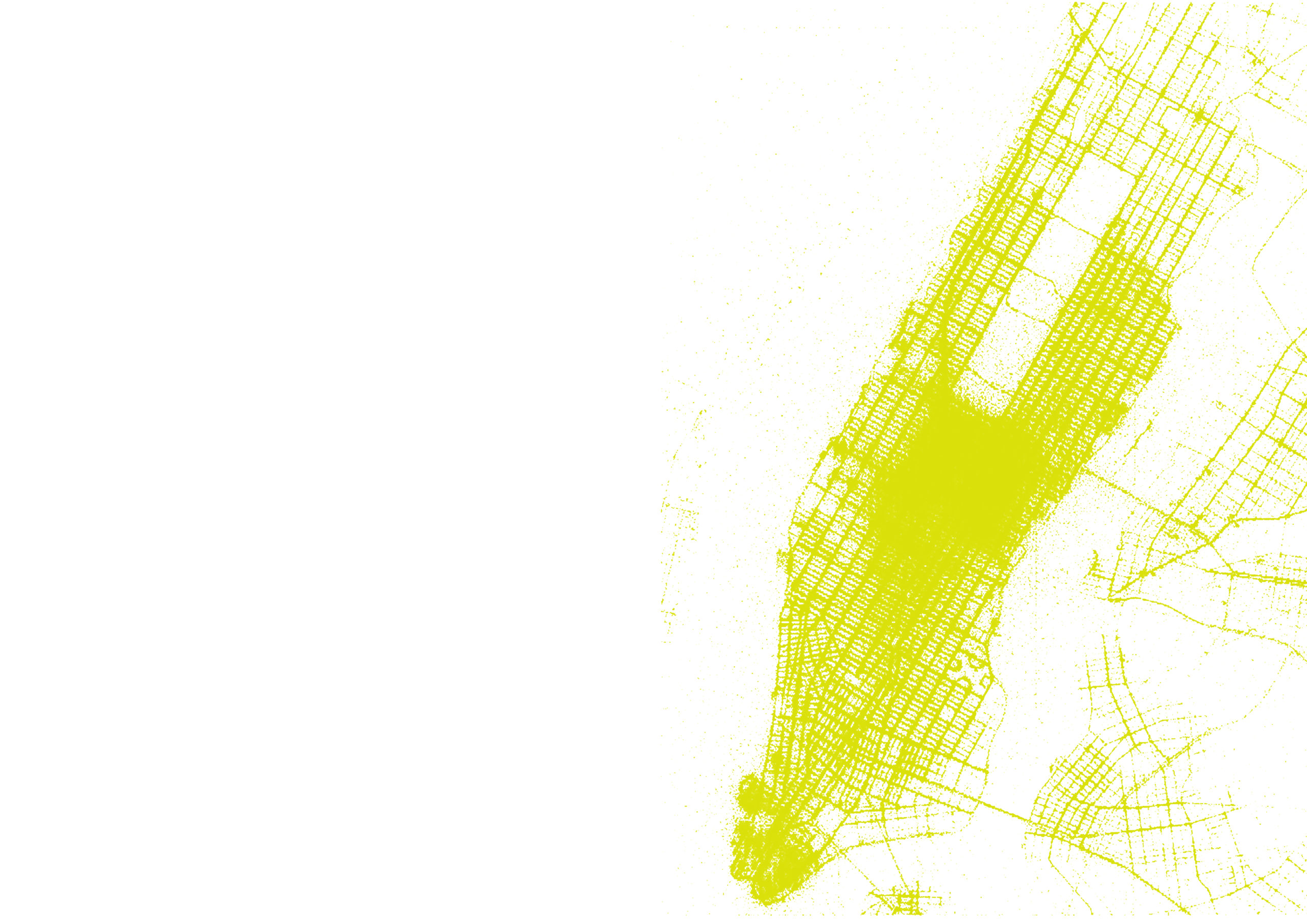
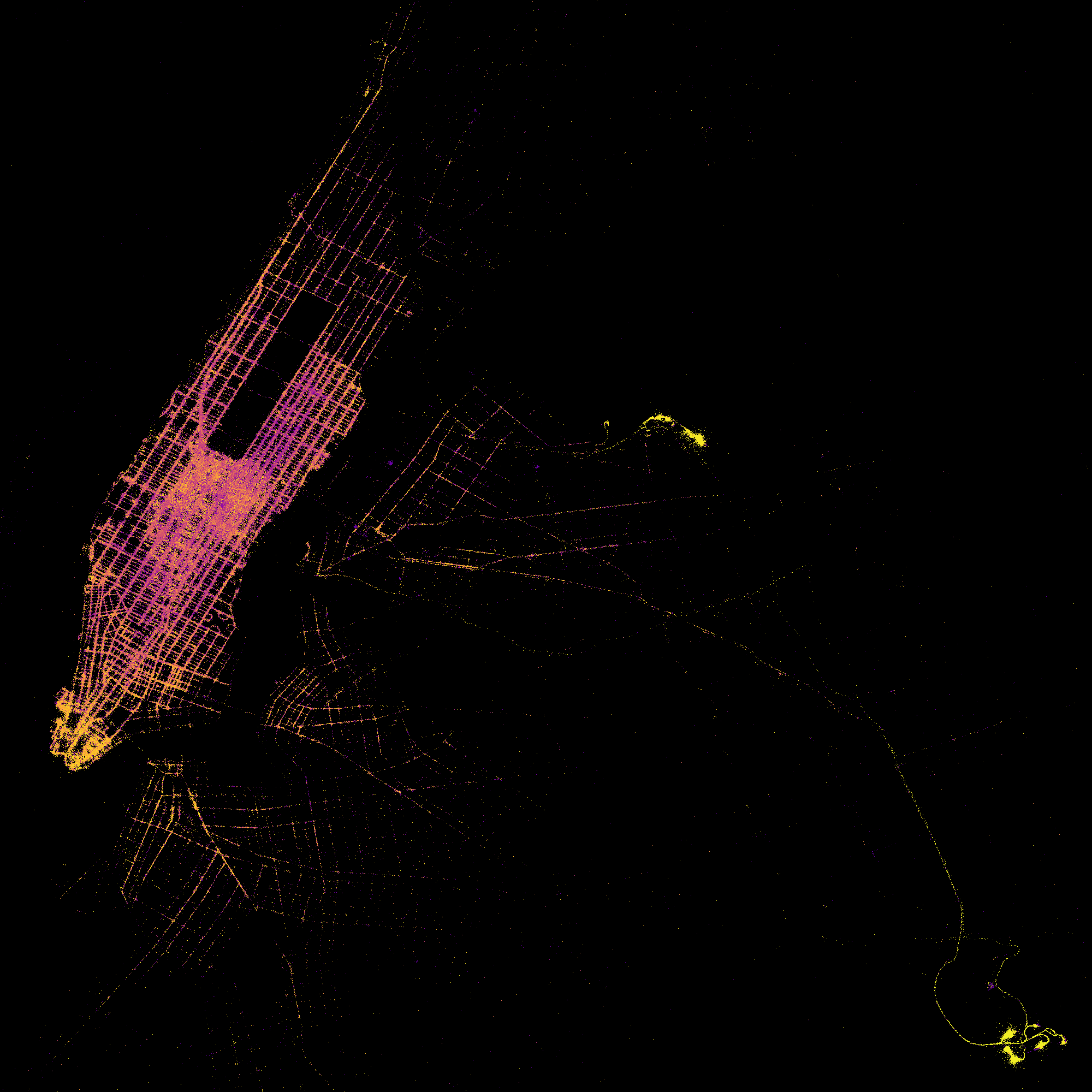
Machine Learning-based Analysis of NYC Cab Trip Duration “Data-Driven Rides” is an entry for the first MaCT Machine Learning Competition that hosted on Kaggle which involves predicting the duration of taxi rides in New York City. The dataset provided for this competition is based on the 2016 NYC Yellow Cab trip record dataset and the … Read more

1st Traditional IAAC MaCT ML Competition

#Objective #A Kaggle Competition to MaCT01 students to show their knowledge, designing an end-to-end machine learning project to predict the “Trip Duration” of NYC Taxi trips. #Workflow #First of all a workflow hast do be developed, which represents a classic approach for training machine learning models, analysing the provided training data provided by the submission, … Read more

BullerbyNet

The Core challenges of urban childhood As cities grow and develop, there is often a lack of safe and child-friendly spaces for children to play, walk or bike alone. The increase in traffic and air pollution makes it challenging and unsafe for children to travel on foot or by bicycle. Crime and social fear also … Read more

MOBILITY FOOTPRINT

Introducing the Mobility Footprint, an interactive dashboard designed to promote awareness about mobility in urban environments and its impact on CO2 emissions. By selecting your typical mode of transportation and choosing from eight pre-determined destinations, the dashboard will provide you with a recommended route, estimated travel time, and the CO2 emissions associated with your selected … Read more

Mumbai Dabbawala

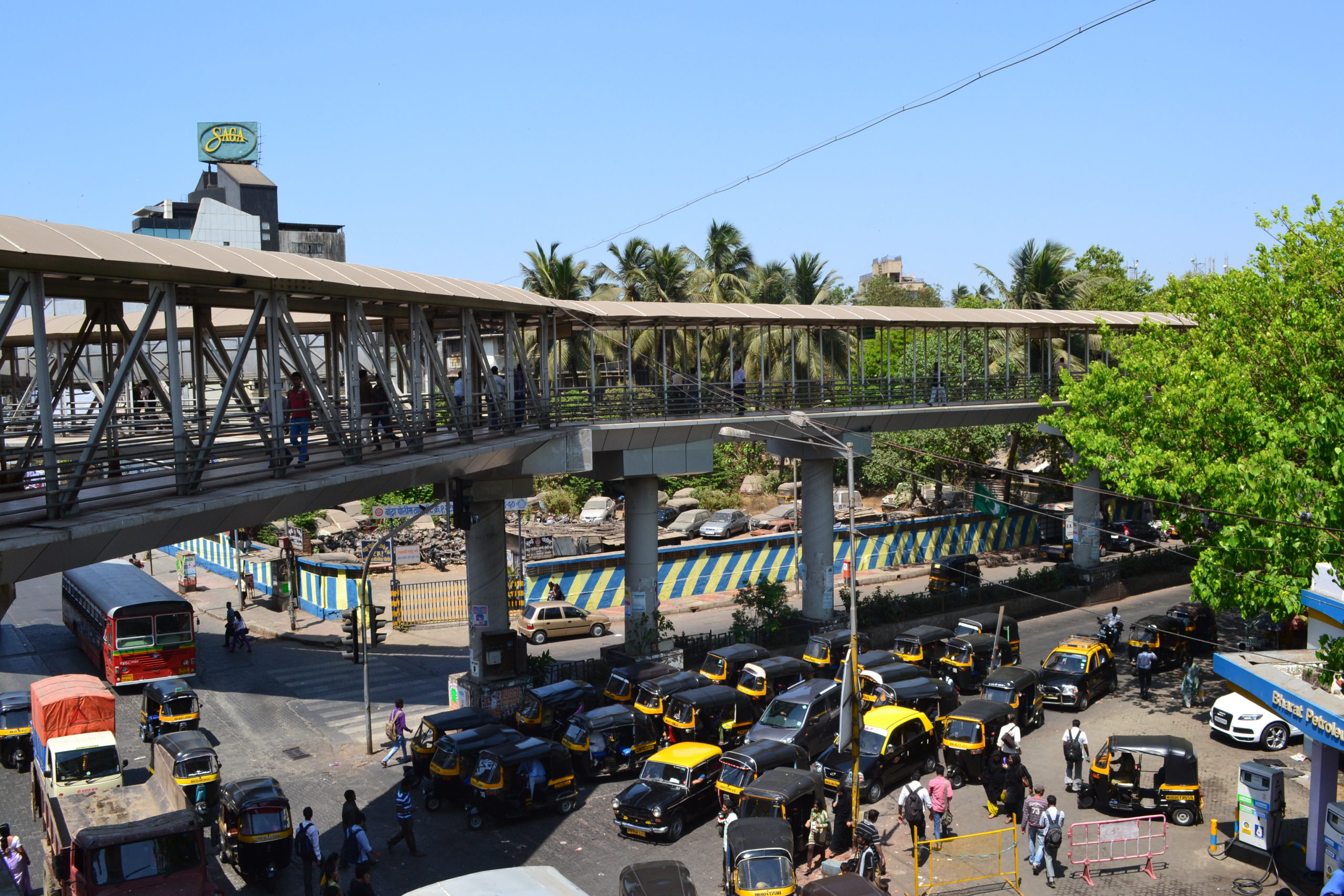
Do you nip out to get your lunch from your favourite café, or perhaps use the Uber Eats app to get your lunch delivered to your office? In India, lunch is a whole different ball game. It’s people-powered – made at home that morning and delivered straight to you, all absent of any technology in time. … Read more

The Scenic Route

Finding the greenest bicycle path that connects all the parks in Barcelona The shortest walk connecting all the parks was computed based on the road map. The existing bicycle lane does not connect all the parks in Barcelona. Hence, a second shortest path was created by pulling points from the road map to the bicycle … Read more

Safer City Streets: Urban Mobility in Barcelona

Introduction As of 2021, the city of Barcelona has around 3.8 million vehicles (from cars to buses, cars, vans, etc.) circulating on its streets. Despite the efforts of the city council to better balance the motor urban mobility with the pedestrian flow throughout an urbanism model that puts people at the center, street accidents continue … Read more

Urban Data Visualisation – Barcelona and Brazil

The aim of this studio was to explore the design opportunities arising from three common digital fabrication processes: Laser Cutting, CNC milling and 3D Printing. These exercises were supported by an interactive exploration of each technology and material, while also understanding conceptual and prototyping process of design. 1. Laser Cutting The first digital fabrication exercise … Read more