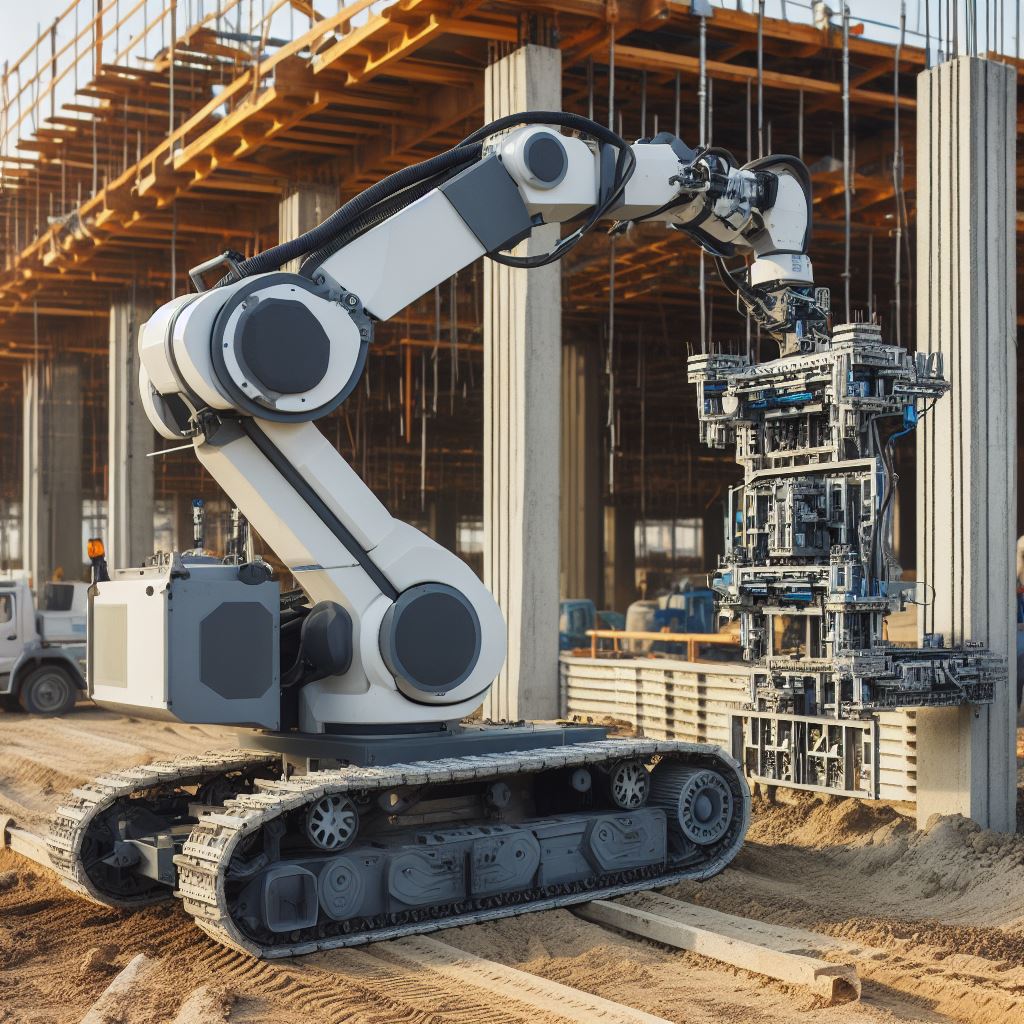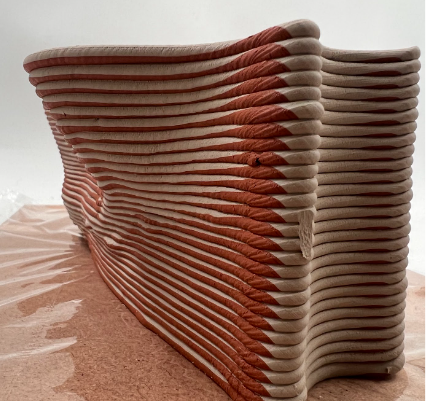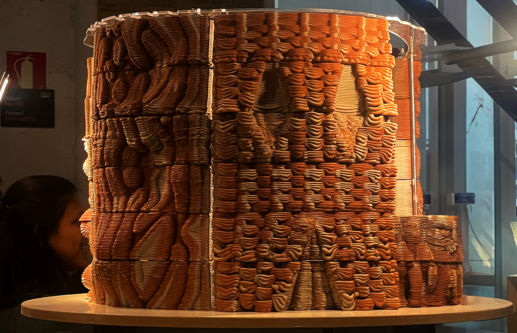
The Master in Robotics and Advanced Construction (MRAC) seeks to train a new generation of interdisciplinary professionals who are capable of facing our growing need for a more sustainable and optimised construction ecosystem. The Master is focused on the emerging design and market opportunities arising from novel robotic and advanced manufacturing systems.

Through a mixture of seminars, workshops, and studio projects, the master programme challenges the traditional processes in the Construction Sector. It investigates how advances in robotics and digital fabrication tools change the way we build and develop processes and design tools for such new production methods.


Filters
Course

“Timber Narratives”

Aim To develop a modular system for seamless automated assembly and disassembly, specifically tailored for the reclamation and repurposing of planar, semi-standardized waste materials ,and also to foster circularity by maximizing resource efficiency and ensuring a sustainable end-of-life use for products within the system. Context State of the art Methodology Assembly and disassembly process by … Read more
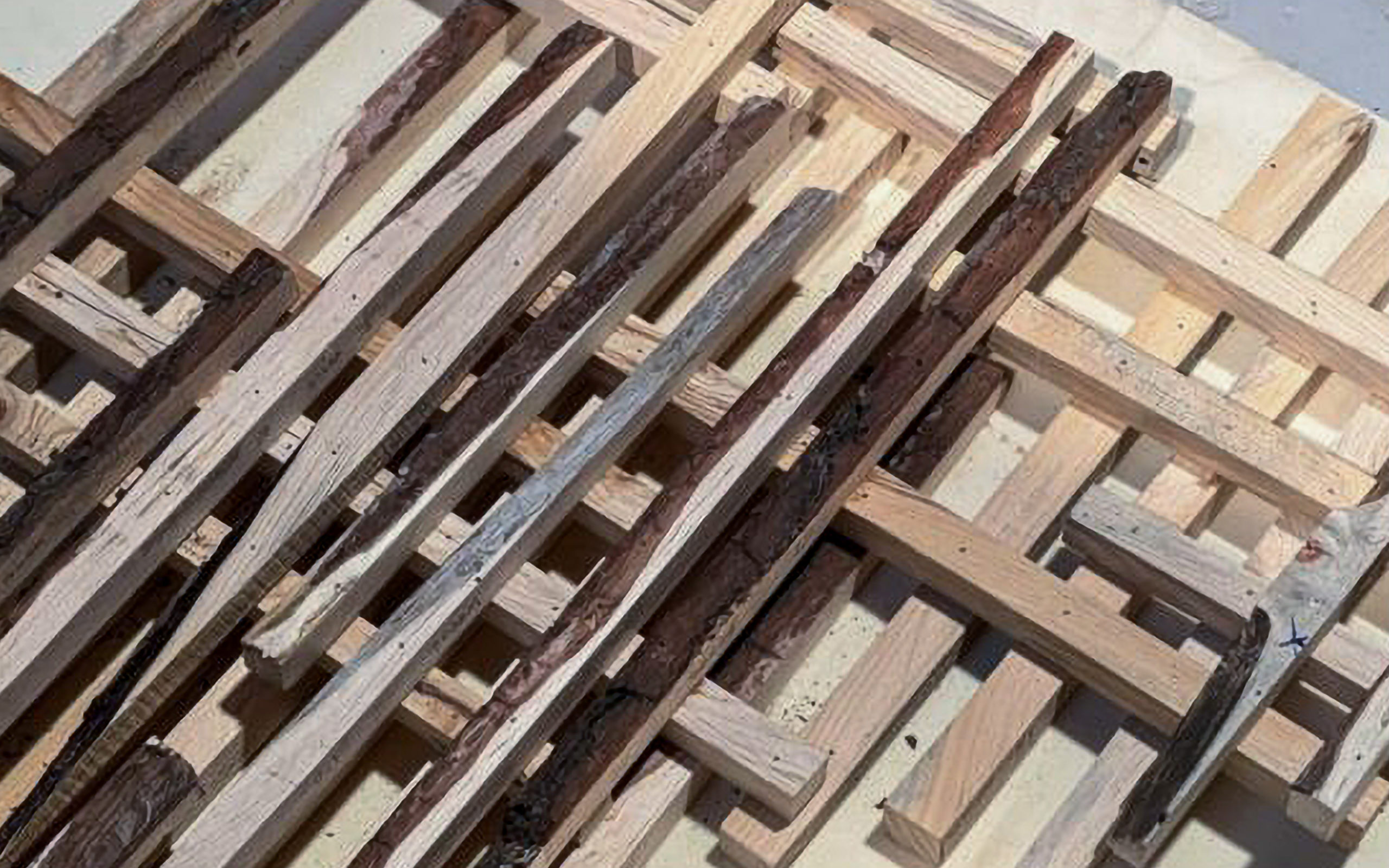
PRINT-SCAN-ADAPT

Context Is additive manufacturing going to change the way we fabricate? Certainly it is, additive manufacturing has an immense growth potential with a 22% annual growth as it has offers mass customization and reduced waste. One of the challenges in additive manufacturing is to improve the precision and reliability of the manufacturing process. This can … Read more

STICKS SYSTEMS

Our Aim Is To Design a Robotic Manufacturing System using Wood Offcuts for Prefabricated and Customized Self Shading Facades CONTEXT In the realm of mass timber production, a staggering 40% of a wooden log goes to waste, with an additional 25% arising from trimming and edging processes. Despite this substantial waste, innovative approaches have emerged … Read more

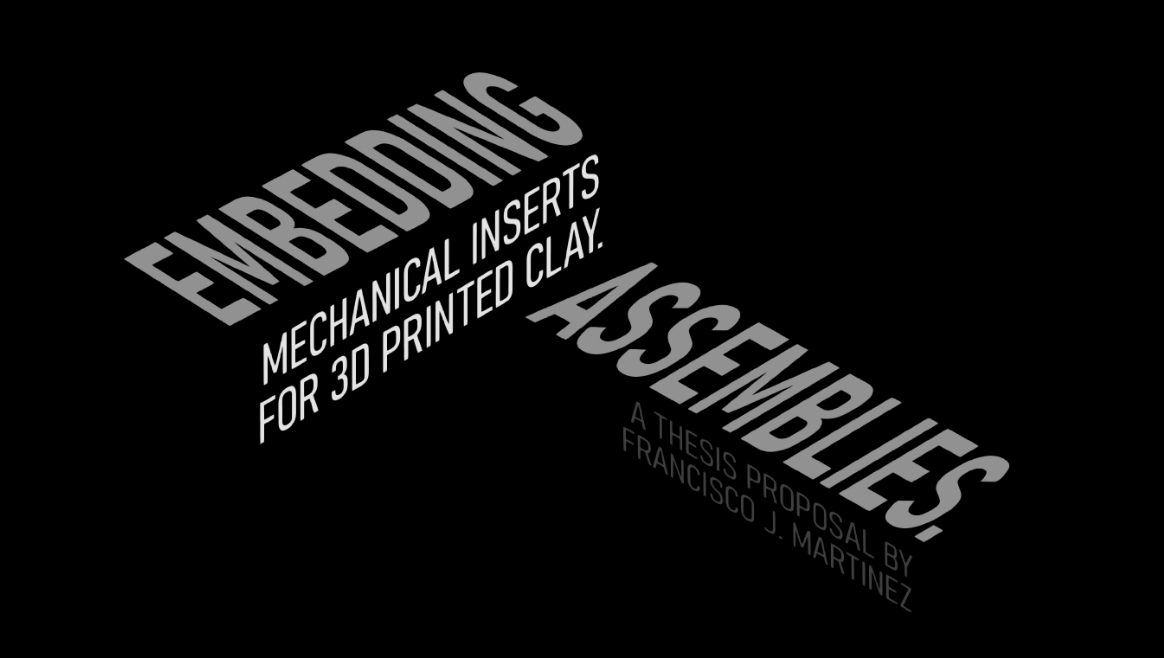
EMBEDDING ASSEMBLIES

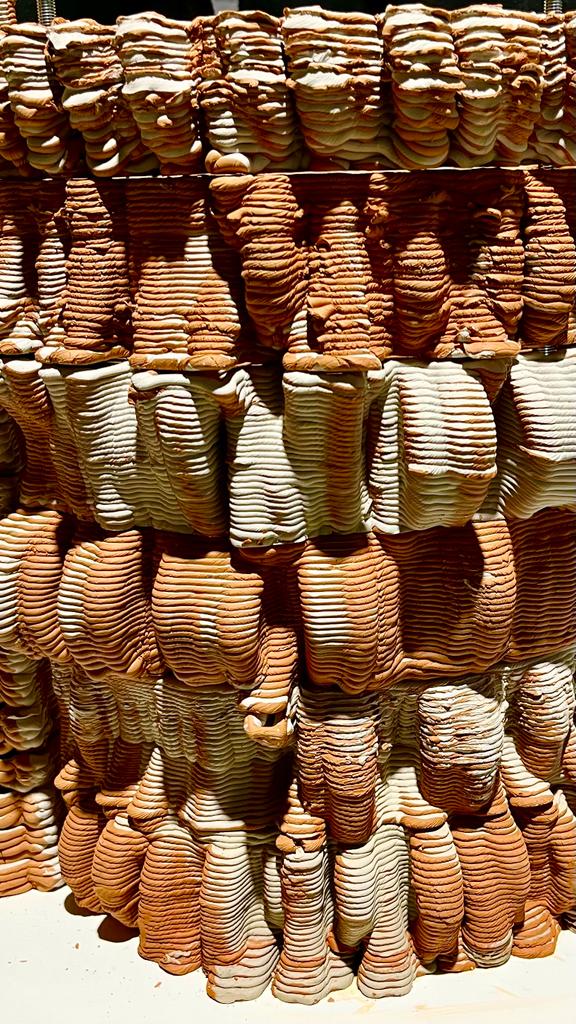
Mechanical Inserts for 3D printed Clay Due to land scarcity, the construction industry pushes architecture to shift its focus towards the entire life cycle of the final construction, considering its various phases, from its sourced material and manufacture, to its utilization and eventual end of life. Minimizing material usage and construction time has provoked the … Read more

IMPACT ROULLETE

The objective of this project is to expand the capabilities of specific robotic processes in additive manufacturing, known as impact printing, Impact Printing, a novel additive manufacturing  Robotic technique that consolidates pliable soft particles through a robotic shooting process. The cohesion among these soft particles arises from the conversion of kinetic energy, acquired during acceleration, … Read more

MULTIPLE ROTATIONS END-EFFECTOR

PROJESCT INTRODUCTION This project is a robot end-effector solution that can carry multiple objects and rotate them at different angles and displacements during a single pick and place motion. The solution solves the efficiency problem of current robotics applications in architectural masonry by outputting the robot’s spatial motion through a grasshopper and picking and placing … Read more

Airbrush End-Effector

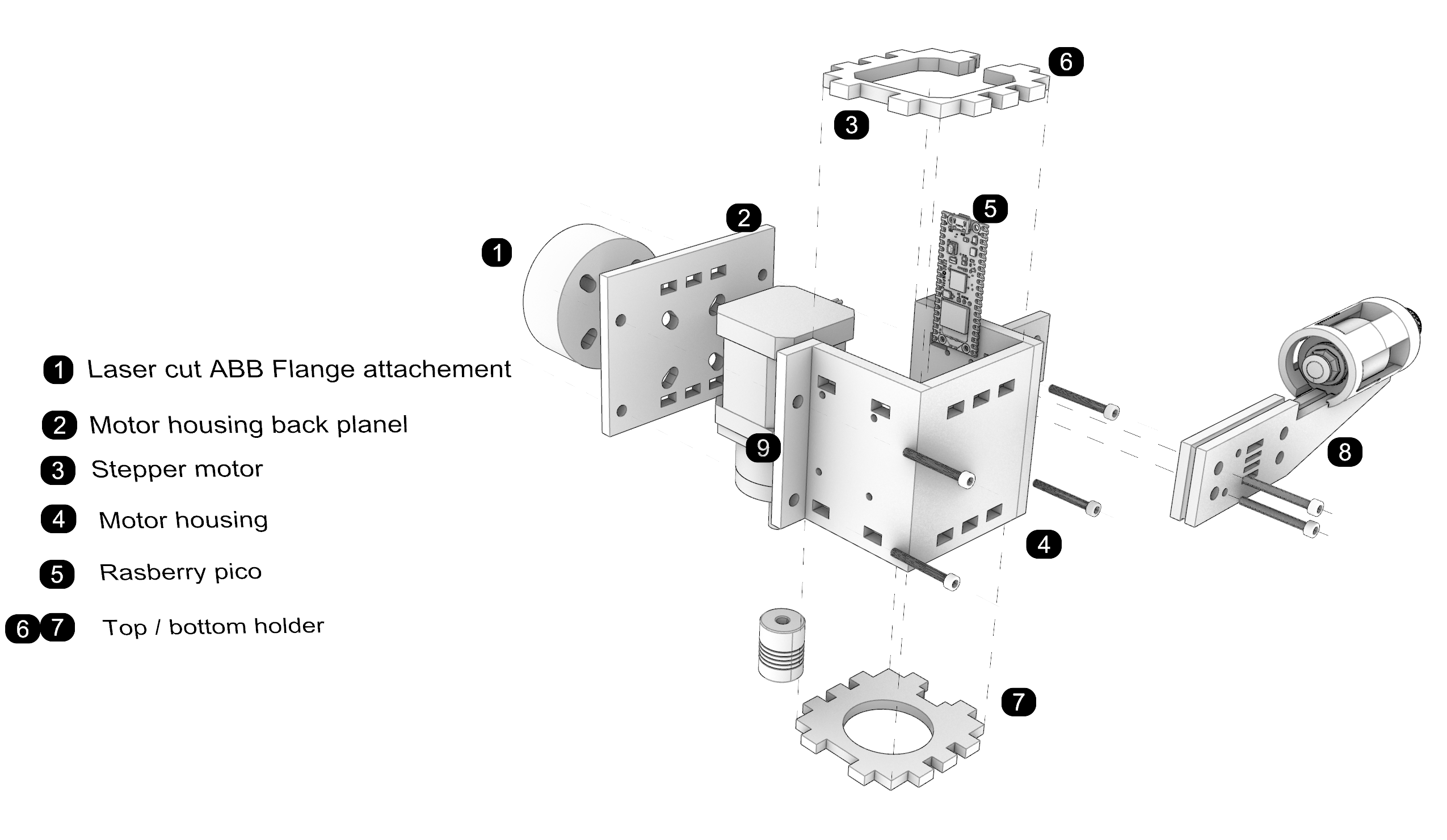
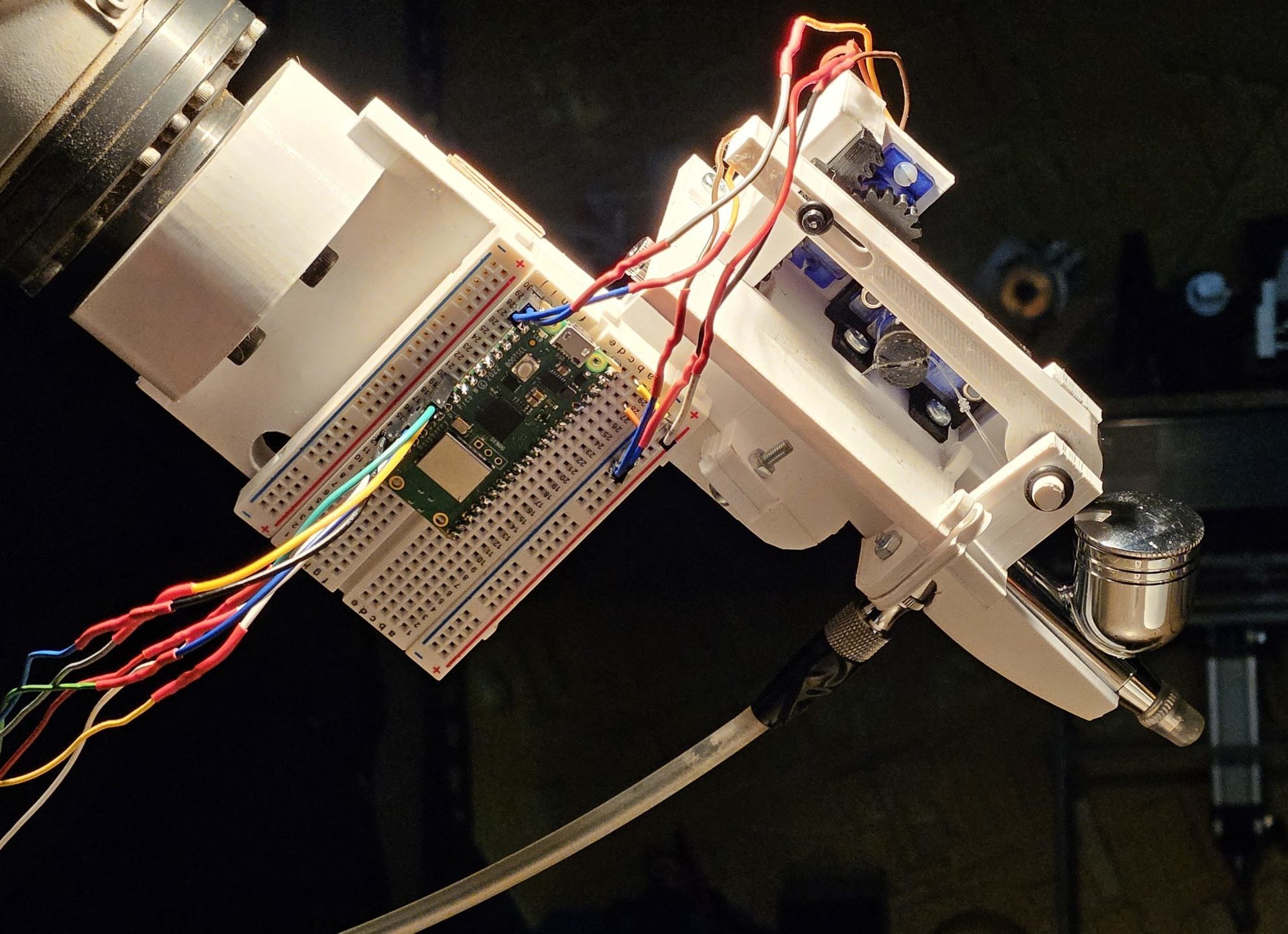
The primary goal of this project is to design and fabricate a custom end-effector that can be attached to an ABB robot. The system that our group decided to explore involves the idea of utilizing an airbrush and robotically controlling it. This system will utilize a Raspberry Pi Pico for control and Grasshopper for generating … Read more

The Pearl

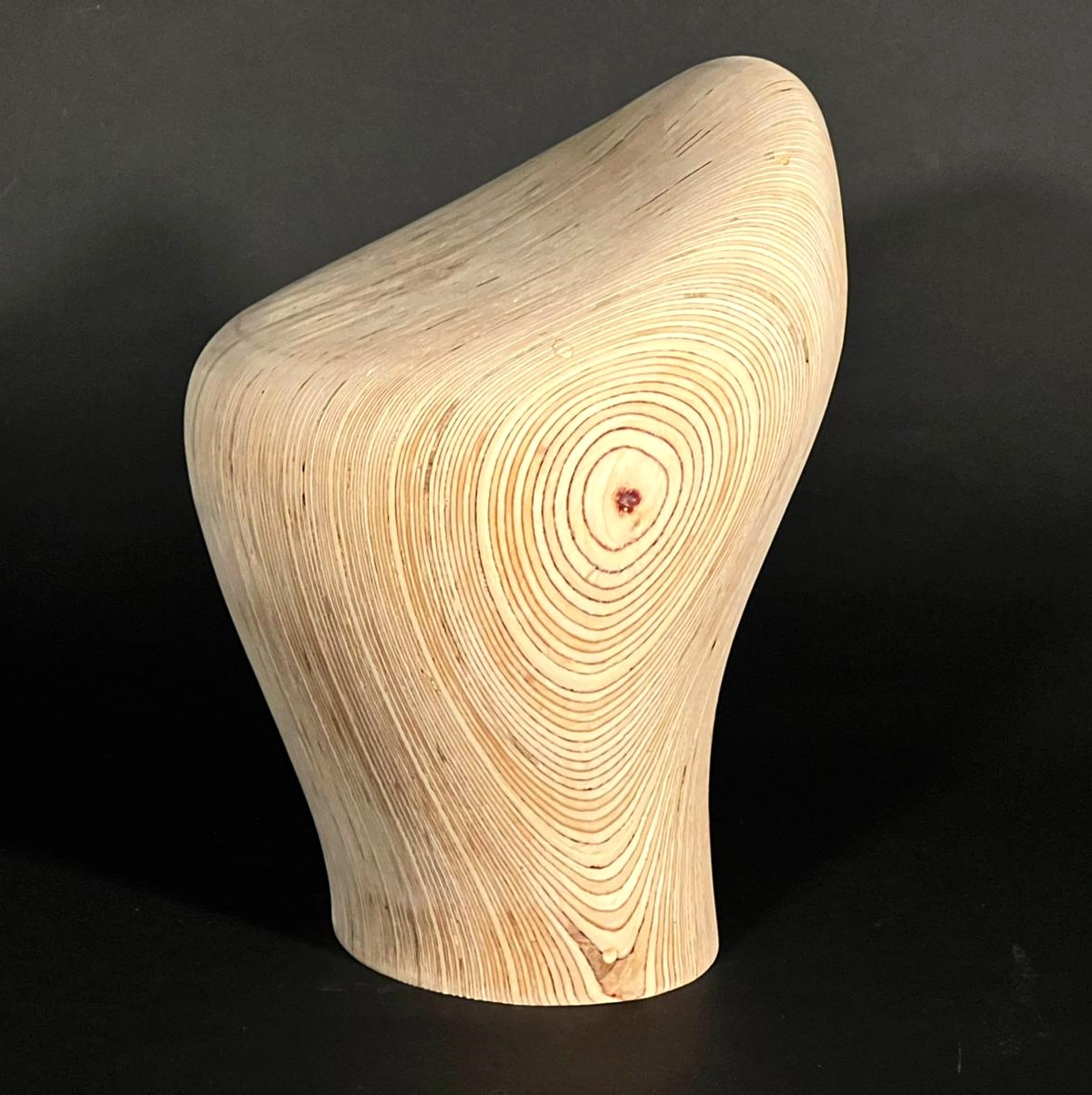
Stack Lamination: Exploring the Intersection of Subtractive and Additive Manufacturing Brief: This workshop was conceived with the aim of familiarizing participants with the procedural intricacies of Stack Lamination milling, employing an Industrial KUKA robot arm. The methodology encompassed the integration of both digital and conventional fabrication approaches. We engaged in practical applications of 3-axis CNC … Read more

Topographic Chair

During this one week workshop we explored the combination of stack lamination and 5 axis robotic milling for the speculative production of furniture for the new IAAC cafe. As a group we conceptualized and developed 3 items of furniture that could be produced using stack lamination. Each design was rationalized to make use of a … Read more

Visualising Genres: Investigating the Combination of Acoustics and Art in Multi-Material 3D Printed Walls

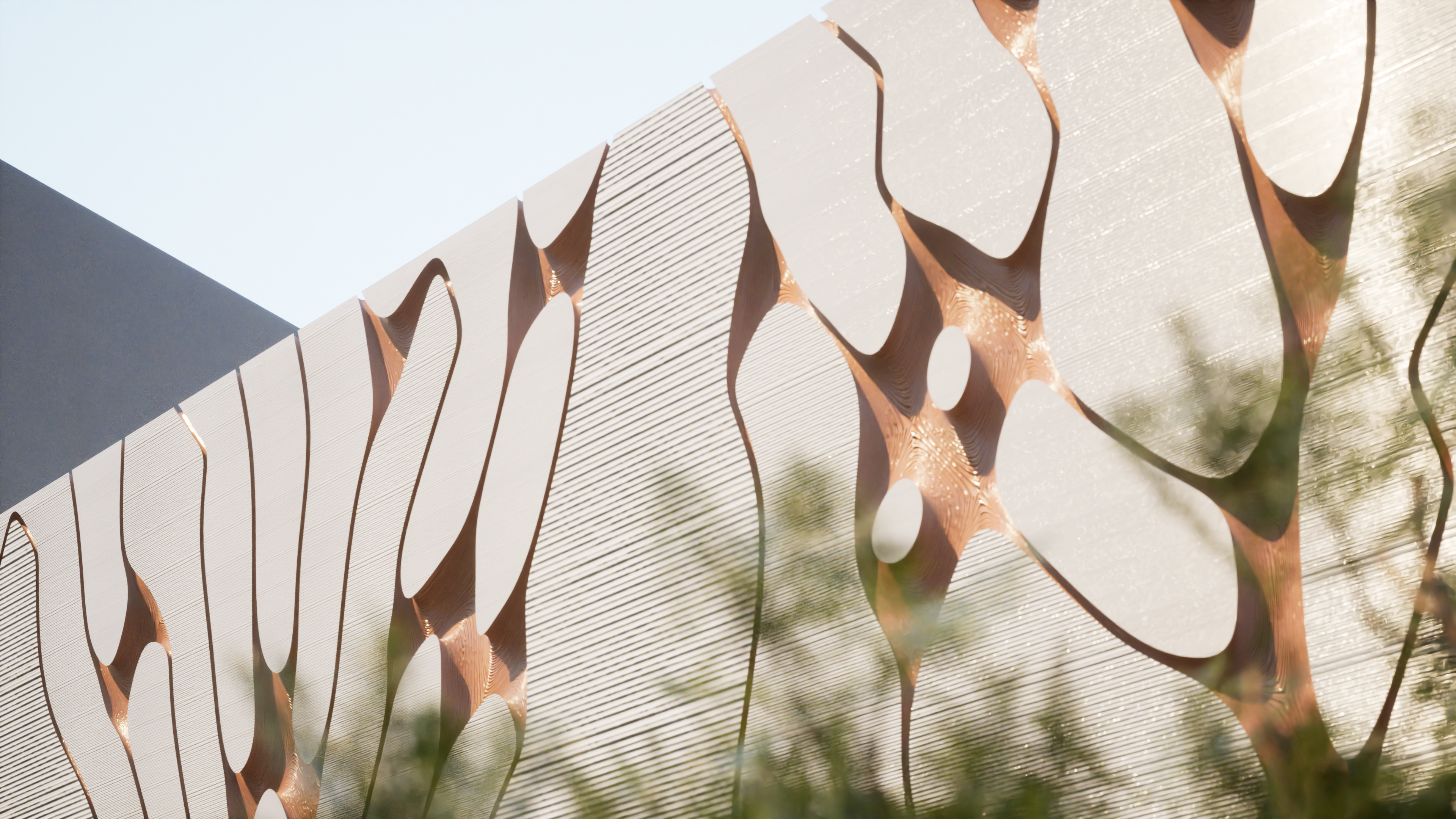
Brief Our curiosity brought us to an intriguing investigation at the nexus of technology, craftsmanship, and acoustics in the quest to elevate spatial design. This blog shares the story of our journey, where we used a cutting-edge multi-material 3D printing technique to produce personalized sound-diffusing walls—a first for the industry. Our concept began with a … Read more

S H A D E S C U L P T

The emergence of additive manufacturing has expanded the horizon for developing designs that are not only more environmentally sustainable but also commercially viable, addressing critical issues in our surroundings. In the field of architecture, multi-material 3D printing opens up a compelling opportunity to imbue intelligence into the surfaces of our built environment by thoughtfully selecting … Read more

TerraCool

State of the Art In the quest for sustainable and energy-efficient cooling solutions, the TerraCool project endeavors to harness the natural properties of clay through the innovative application of multi-material 3D printing technology. This research project aims to develop an advanced evaporative cooling system utilizing seashell ceramic. “TerraCool” is not only a testament to the … Read more

Symbiosis

State Of The Art Utilization of robotics within the additive manufacturing world is becoming more and more standardized as the needs of people and the environment are changing. The construction industry itself has to produce more efficient structures with very little to no waste, and the capabilities of robots to do this are very apparent. … Read more

Heatwave

Additive manufacturing has opened up a vast array of possibilities to the creation of more sustainable but also salable designs that can address critical issues in our environment. In the context of architecture, multi-material 3D printing opens the door for an opportunity to embed intelligence into the surfaces in our built environment through material selection … Read more

Limitless Project

The industry of construction creates most of the waste in the world. By 2025 we expect to reach 2.2 billion tons globally. As a solution of this problem, industry 4.0 proposed  the Additive manufacturing process, which is looking for the optimization of fabrication and construction adding layer by layer different materials; this process started being … Read more