Internet of ME (term2)

The data we engage with everyday is growing rapidly, and our digital footprint is increasing! With the cyber-physical convergence and the fast expansion of the Internet, Volume of information created, copied, captured, and consumed worldwide went form 33 zettabytes in 2018 to an expected 175 zettabytes in 2051! That’s close 500% increase in 5 years. … Read more

Thermal Sensing for Advanced Cork Manufacturing

This research study delves into the realm of advanced robotics and semi-automated manufacturing processes that take into account the material properties of cork. Specifically, it explores the design and fabrication of a surface system that is optimized for both aesthetic appeal and functional performance. Building on the knowledge gained in a previous term on robotic … Read more

The Perks of Proximity

Clustering advanced industries to facilitate technology transfer in the Barcelona metropolitan region Spain has been at the forefront of pioneering research and innovation that have led to significant contributions to the world of technology. Technology Transfer Technology transfer from research to market seems like a straight-forward and linear process, but such is not the case. … Read more

Predicting Taxi Trip Duration in New York City Using Machine Learning

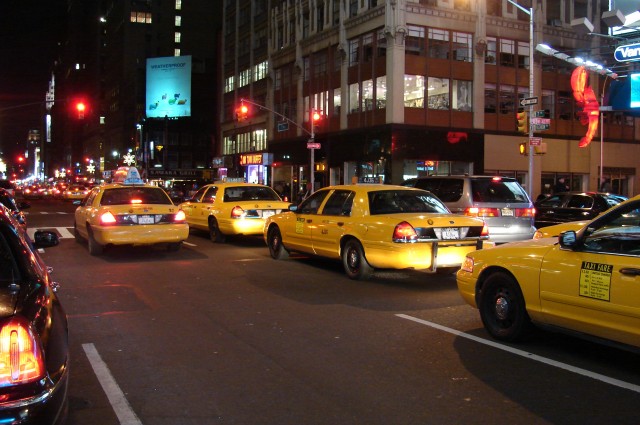
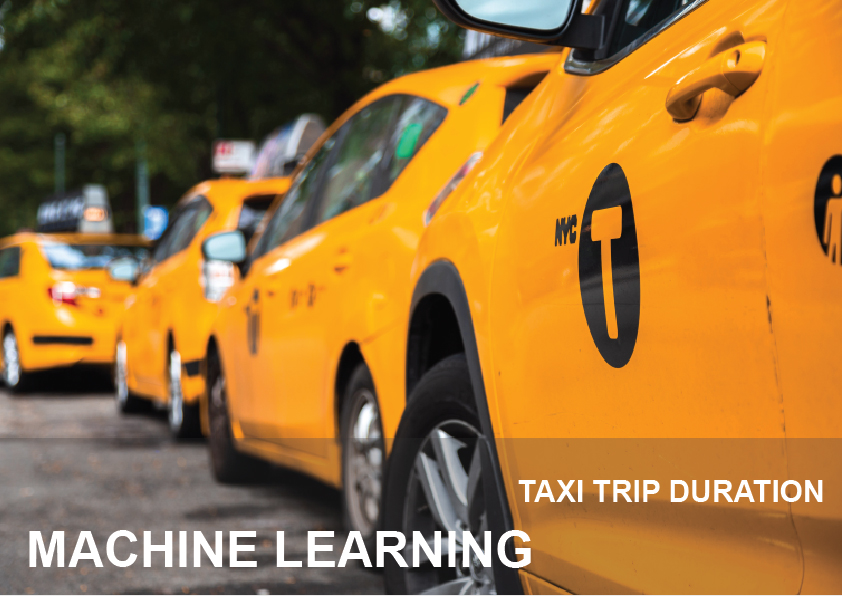
Machine learning has been applied to a wide range of domains, including transportation, to improve the accuracy of predictions and optimize systems. In the context of taxi services, predicting the trip duration is an essential task to optimize route planning and estimate arrival times. In this post, we present a machine learning approach using Python … Read more

Adaptive AM in Robotics

Context Additive manufacturing is growing exponentially in many industries at many levels, pushing towards new upgrades as a competitive alternative by reducing its logistic and production costs and increasing its flexibility and adaptability to the market’s demand. However, there is still an important challenge that it is facing: a gap on matching references between physical … Read more

Limitless Project

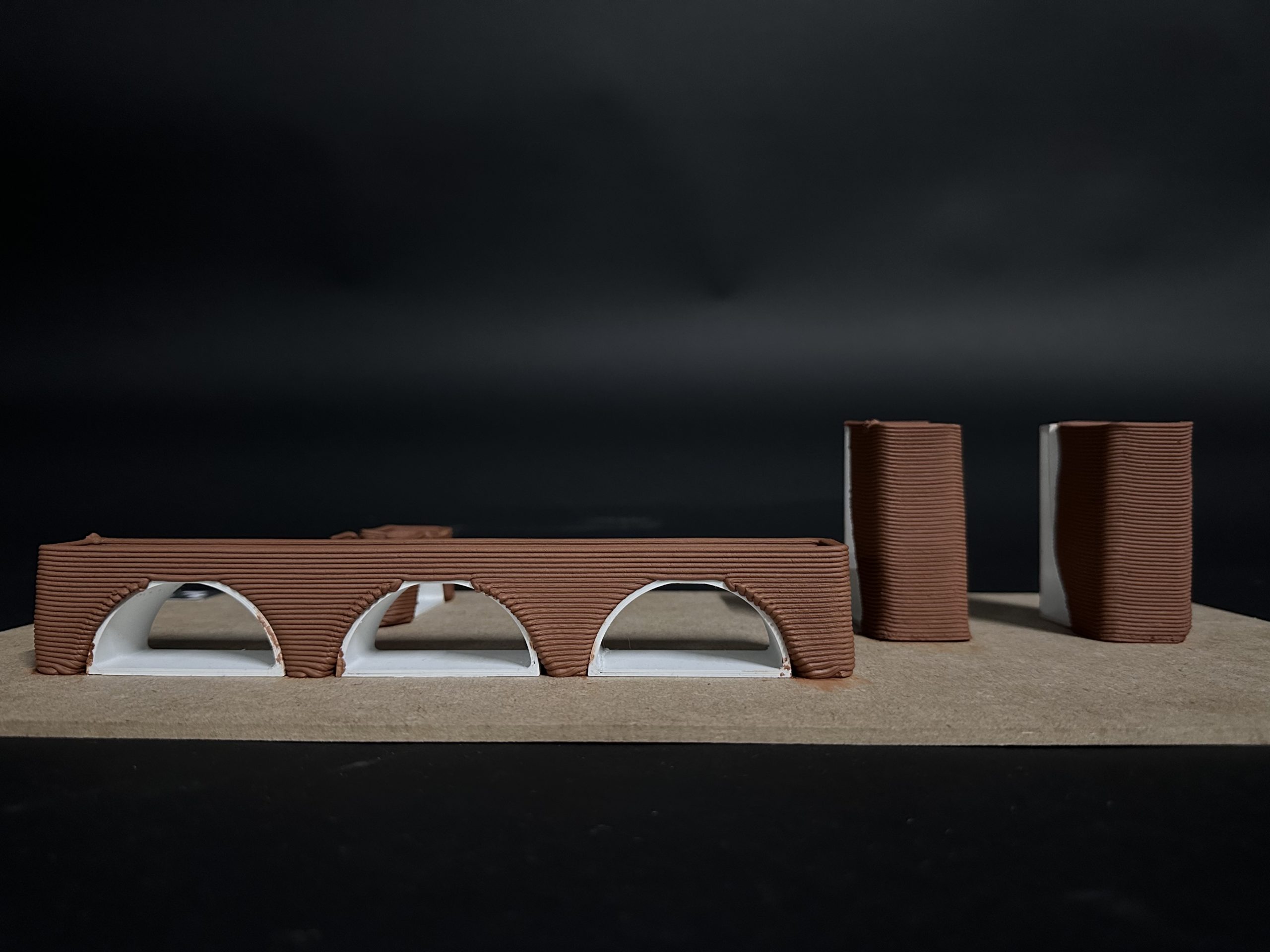
The construction industry creates a waste that is expected to reach 2.2 billion tons globally by 2025 (Transparency market research). Because of this  the market started trying different new techniques to construct with less waste, that is how with the 4.0 industrial revolution came the Additive manufacturing process, that fabricates physical 3D objects layer by … Read more

Machine learning model to predict NYC cabs’ trip duration

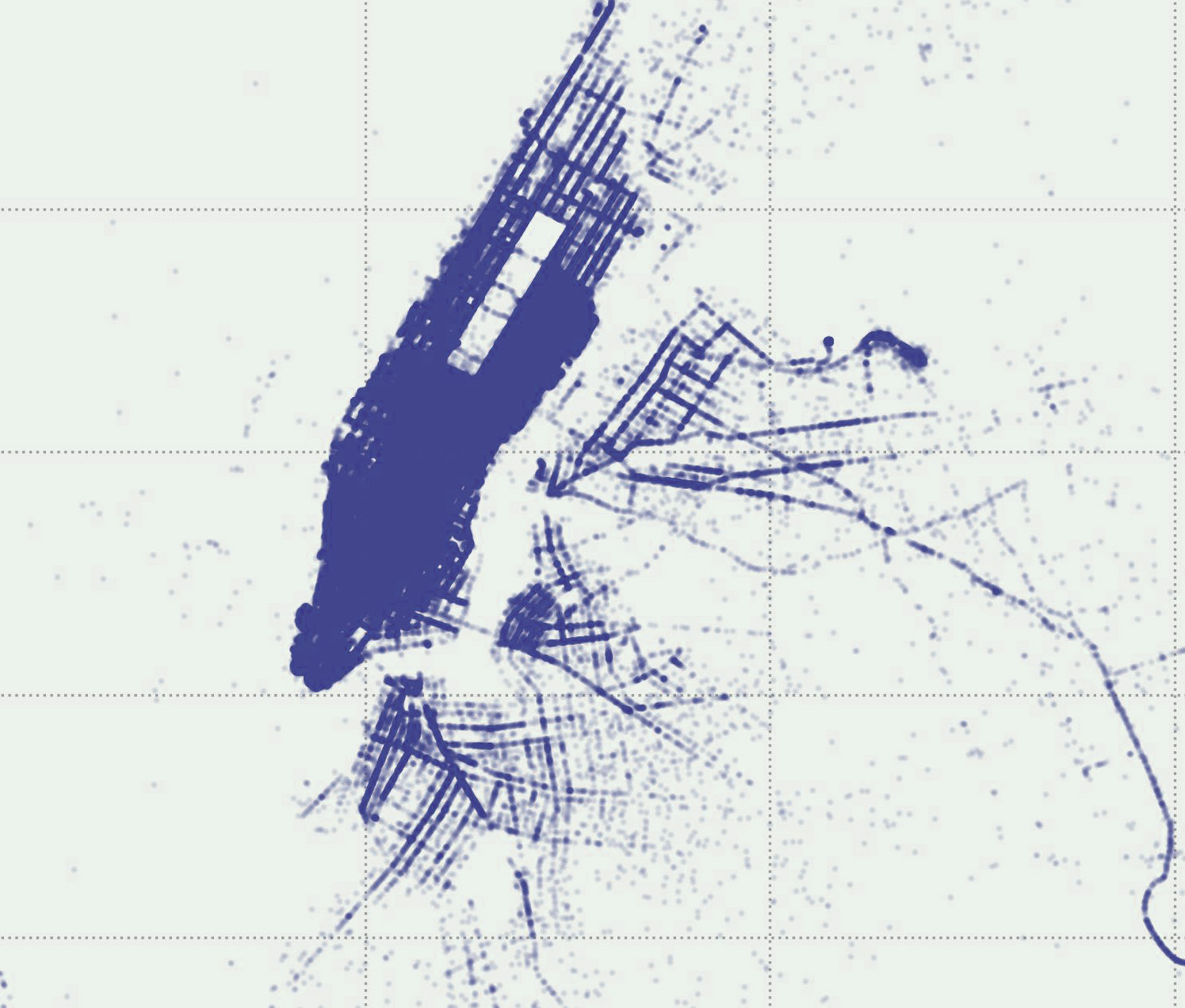
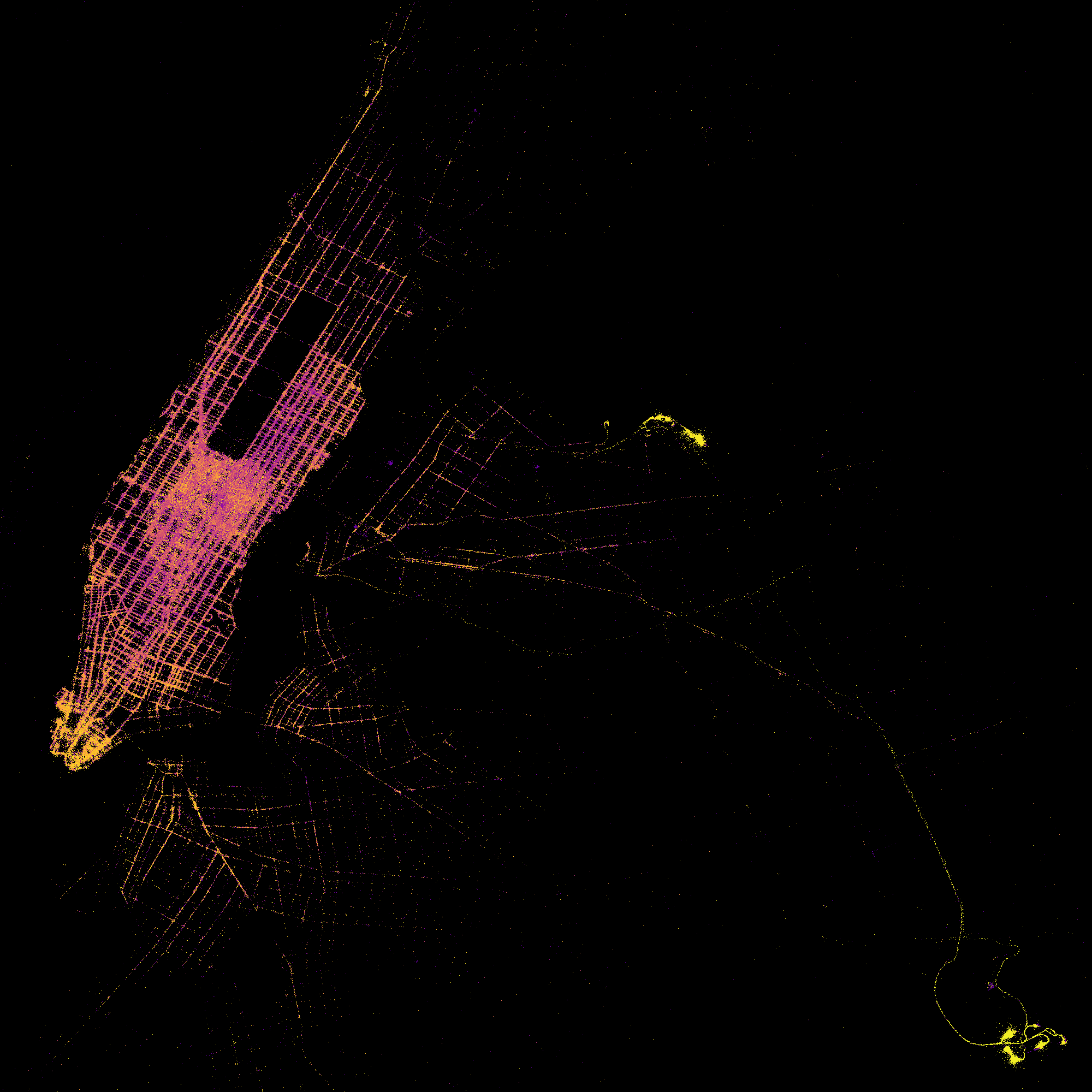
Goal: to predict trip duration of NYC cabs using machine learning models. Tools: Python + Nympy + Pandas + Datetime + Plotly.express + Matplotlib + Math + Seaborn + Bokeh + Sklearn Stages of project: data cleaning, data analysis, data preparation, data testing, evaluating prediction accuracy. Data cleaning The first dataset visualization with splitting datasets … Read more

Data-Driven Rides

Machine Learning-based Analysis of NYC Cab Trip Duration “Data-Driven Rides” is an entry for the first MaCT Machine Learning Competition that hosted on Kaggle which involves predicting the duration of taxi rides in New York City. The dataset provided for this competition is based on the 2016 NYC Yellow Cab trip record dataset and the … Read more

Predicting NYC Cab Ride Duration using ML

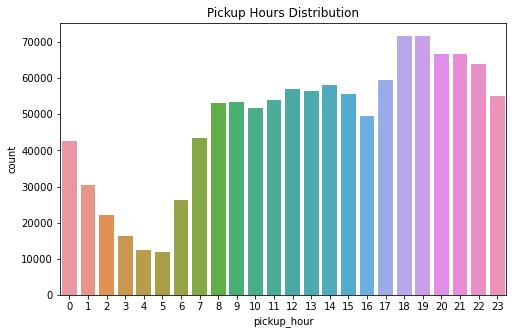
The MaCT01 students were tasked with training a model that would be used to predict NYC yellow taxi ride durations using machine learning. The dataset included pickup and drop-off datetimes, location coordinates and passenger count. Visualizing the data helped to understand the correlation between the columns and remove the highly correlated values Understanding the distribution … Read more

1st Traditional IAAC MaCT ML Competition

#Objective #A Kaggle Competition to MaCT01 students to show their knowledge, designing an end-to-end machine learning project to predict the “Trip Duration” of NYC Taxi trips. #Workflow #First of all a workflow hast do be developed, which represents a classic approach for training machine learning models, analysing the provided training data provided by the submission, … Read more

Gridscape.ai

INTRODUCTION Urban planning decisions have a significant impact on the development of cities, and using machine learning can provide decision-makers with valuable insights to make informed decisions. By clustering urban areas based on various factors such as population density, built density, POI density, green cover, and build diversity, we can reveal spatial patterns that can … Read more