During the Master in City & Technology + Thesis Project, students have the unique opportunity to work for an additional time of 9 months on an Individual Thesis Project, focused on the development of one research or pilot project based on the student’s interest. IAAC supports the student in selecting their Thesis Project topic in order to better orient them according to their future career interests and opportunities. Each student is assigned one or more Thesis Advisors that follow the development of the work throughout the year.

Filters
Course

ONE MUMBAI CITIZEN TOOL
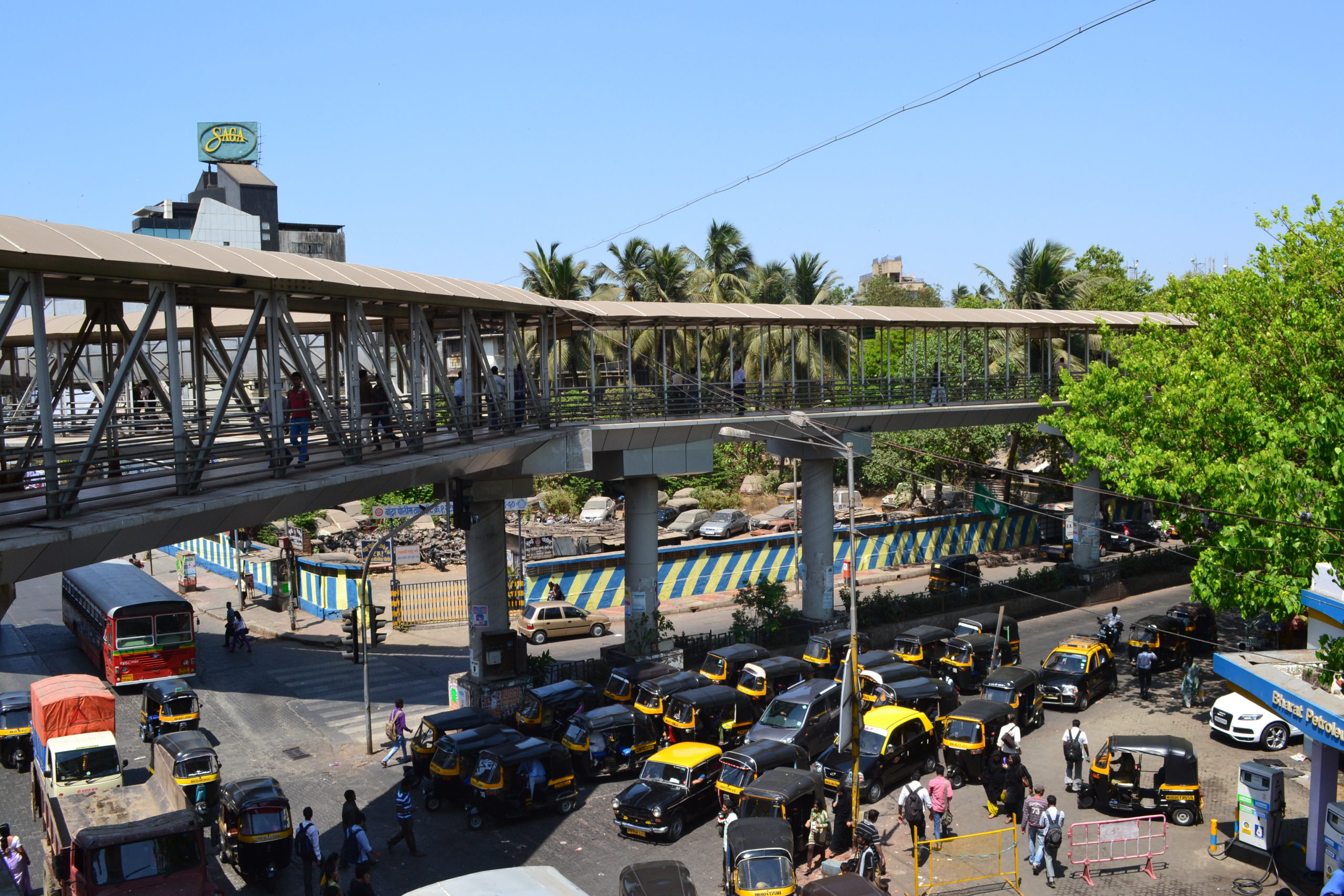
INTRODUCTION Urbanization poses escalating threats to ecological systems, necessitating the creation of urban ecological commons. This exercise focuses on Mumbai’s metro network, comprising 357 kilometres, 16 lines, and 38 interchanges, as a context for enhancing neighbourhood biodiversity through strategic environment plugins. By leveraging NDVI mapping from Google Earth Engine, areas with high ecological threats and … Read more

SKY COMPUTE

INTRODUCTION Climate change is an imperative global concern demanding meticulous attention. Its ramifications encompass an array of profound consequences, necessitating urgent action. Rooted in anthropogenic greenhouse gas emissions, this phenomenon engenders a persistent alteration in Earth’s climate patterns, characterized by escalating temperatures, heightened incidence of extreme weather events, and encroaching sea-levels. In this context, comprehending … Read more

GenCity – An intervention enabler for Co-creating Urban Designs

Alejandro Aravena, renowned for his role in facilitating the recovery of a city struck by an earthquake and a tsunami, asserts that Participatory design transcends mere inclusivity and offers enhanced efficiency. Despite recognizing the significance of public participation in urban planning, we delve into the persisting factors that hinder its optimal efficiency. Conventional methods may … Read more

P a r c o     d e     M ä

Parco de mä was developed by Matteo Piccoloto, Yohan Wadia, Amélie Roy, Lisa Guglielmi, Pushkar Runwal, Koen Kool, Juan Felipe Casses, Dimitris Athanasiou, with the support of trainers from the Vienna University of Economics and Business, the Institute for Advanced Architecture of Catalonia, the University of Genoa and ALDA, during the Green Skills for Cities … Read more

4-DIMENSIONAL URBAN ECOLOGICAL LIVING STRATEGY

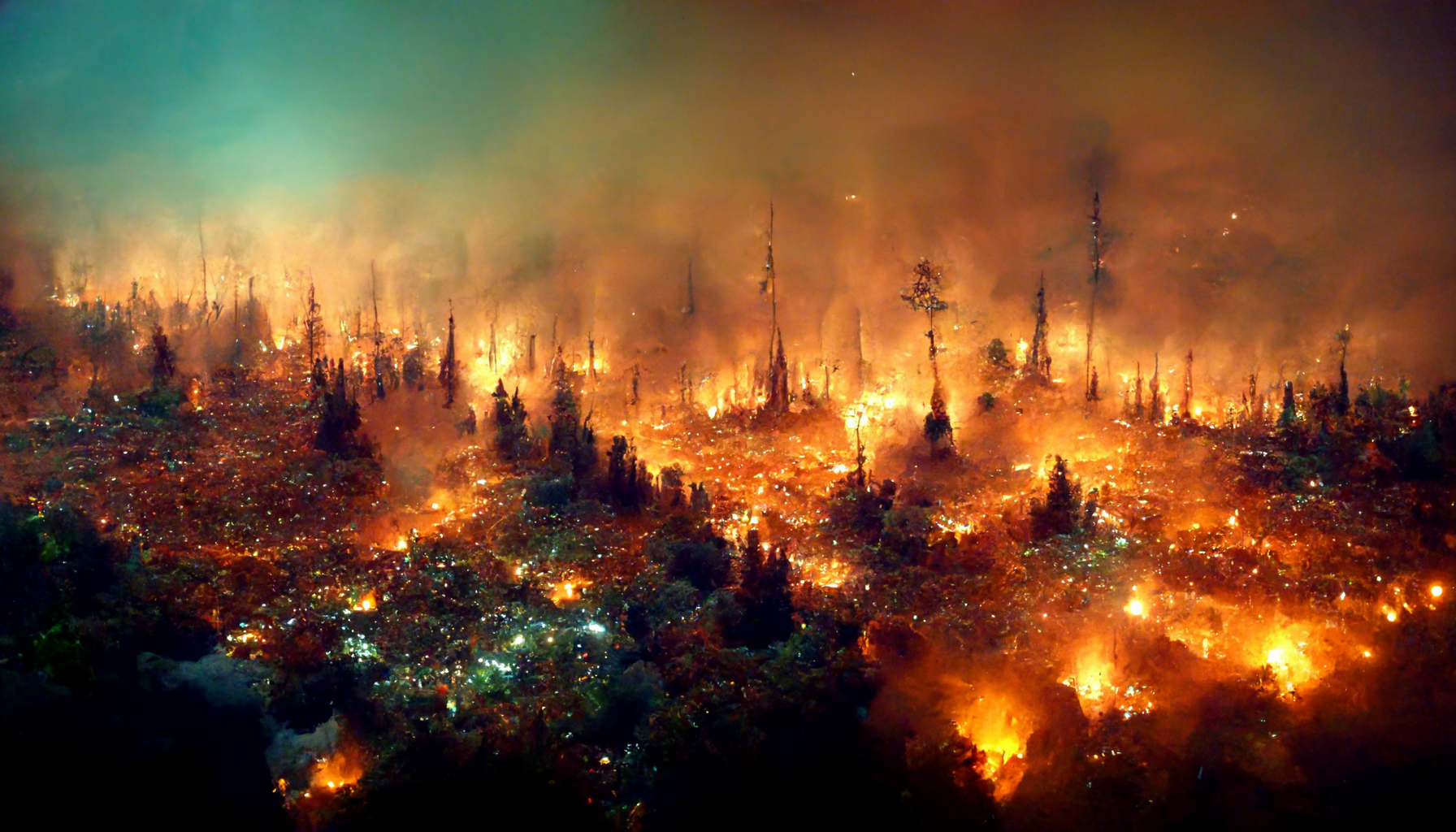
ABSTRACT With a focus on Spain, this study explores the potential of urban-ecological corridors and bio-cultural landscapes in enhancing wildfire resilience and reversing biodiversity loss in the Mediterranean region. It proposes a 4-dimensional urban-ecological living strategy that integrates burnt areas, ecological connectivity, and sustainable agriculture for improved adaptive resilience. The study employs a multidisciplinary approach, … Read more

Park it Up!

Park it Up! was developed by Joseph Bou Saleh, Gayatri Agrawal,  Flavia Vallarino, Giacomo Canale, Clara Conte, Paula Stammen, Jacob Mader,Thomas-Xavier Rousseau, with the support of trainers from the Vienna University of Economics and Business, the Institute for Advanced Architecture of Catalonia, the University of Genoa and ALDA, during the Green Skills for Cities project, … Read more

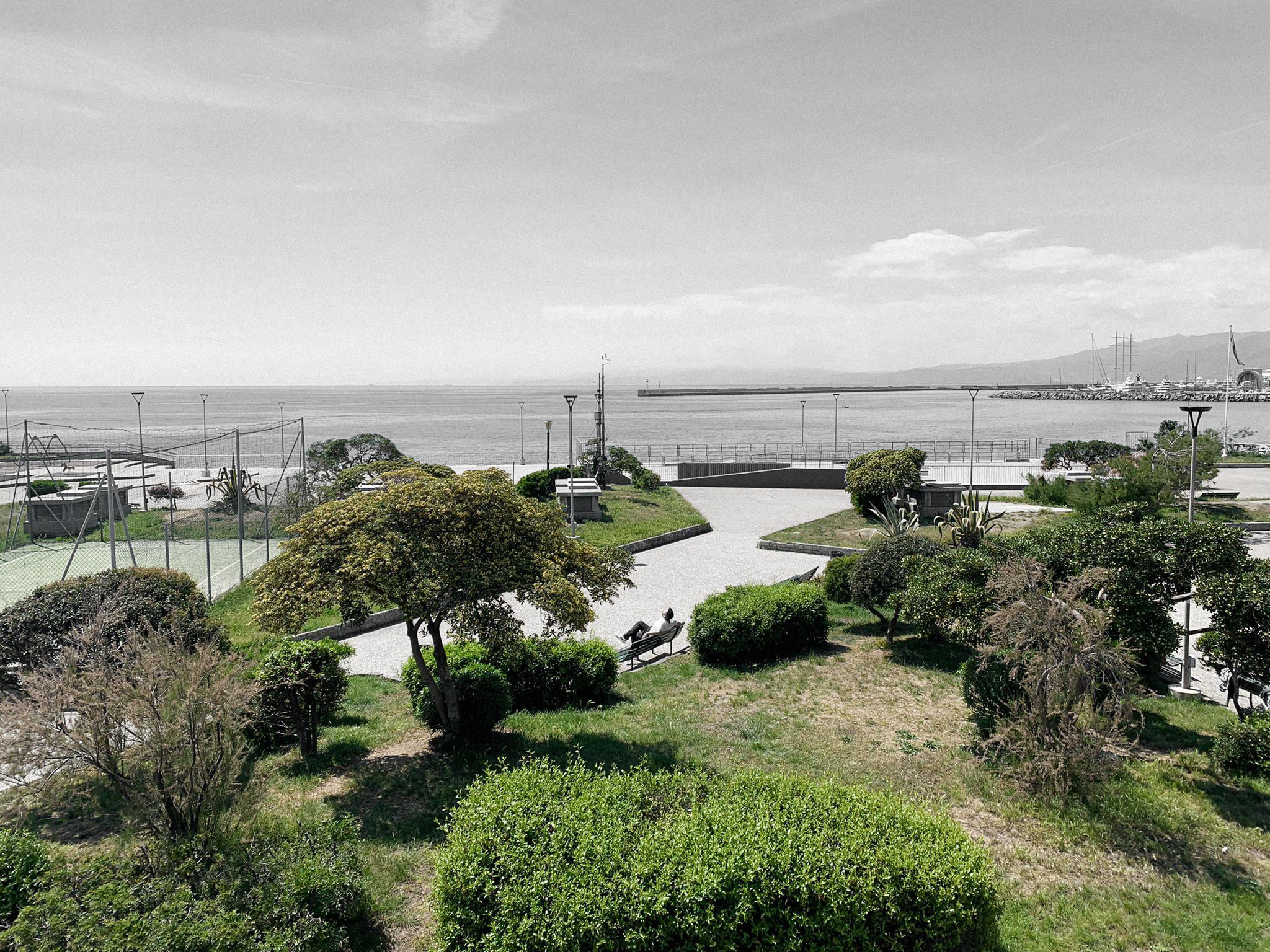
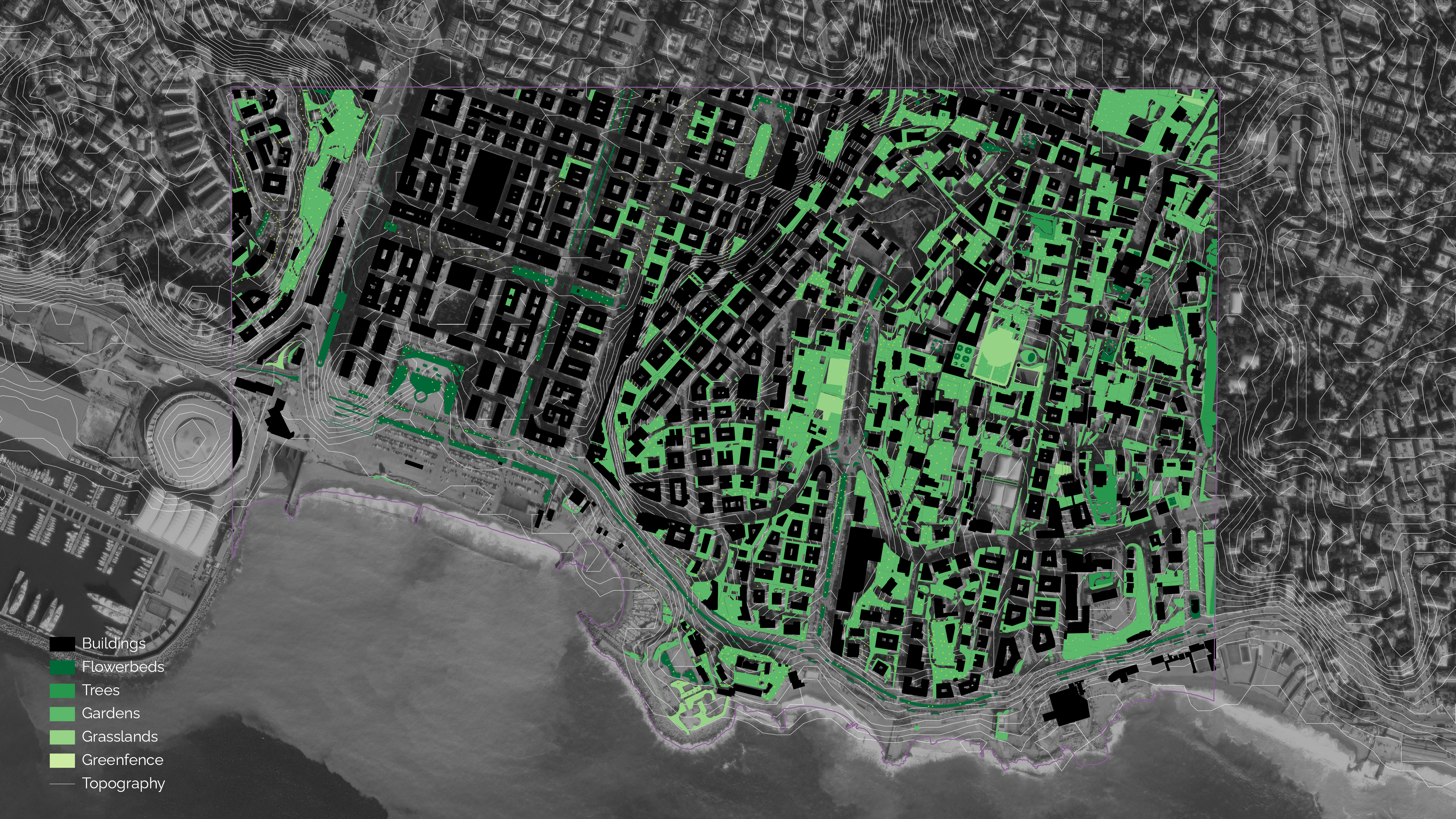
Punta Vagno

Punta Vagno! was developed by Kriti Bhavesh Nirmal, Maddalena Caviglia, Noé Guérin, Sophie Köcher-Schulz, Maria Augusta Kroetz, Étienne Lajoie-Asselin, Joshua Mingers, Marta Pianta, with the support of trainers from the Vienna University of Economics and Business, the Institute for Advanced Architecture of Catalonia, the University of Genoa and ALDA, during the Green Skills for Cities … Read more

GREENOVA

GREENOVA was developed by Dominik Sawallisch, Karim Abillama, Andrea Gnaccarini, Manuel Harm, Maria Magkavali, Moritz Knappinger, Moritz Dahlmanns, Davide Casalino, with the support of trainers from the Vienna University of Economics and Business, the Institute for Advanced Architecture of Catalonia, the University of Genoa and ALDA, during the Green Skills for Cities project, co-funded by … Read more

GREENWAVE

GREENWAVE!

SUSTAINABLE DESIGN FOR CIRCULAR CO-PRODUCTION OF ECOLOGICAL SERVICES. GREENWAVE was developed by Ben Bello, Can Xu, Erum Khaled, Manuel Beca, Lucia Mack, Parshav Sheth, Zerihun Tassano, with the support of trainers from the Vienna University of Economics and Business, the Institute for Advanced Architecture of Catalonia, the University of Genoa and ALDA, during the Green … Read more

From Diversity to Sustainability

Tackling Food Waste in Barcelona’s Multicultural Culinary Scene Introduction Within the framework of the circularity in the built environment, where Material Flow Analysis (MFA) and system maps have played a crucial role, Barcelona’s multicultural culinary scene emerges as a fascinating case study. In this dynamic city, the convergence of diverse culinary traditions is not only a … Read more

[RE]CONSTRUCT

This research project aims to investigate the lifecycle of commonly used construction materials in Barcelona, analyse the materials being demolished in the city, and explore the waste management practices employed by Barcelona for construction and demolition waste. The primary objective is to provide valuable insights into the environmental impact and sustainability of construction materials, identify … Read more

Gridscape.ai

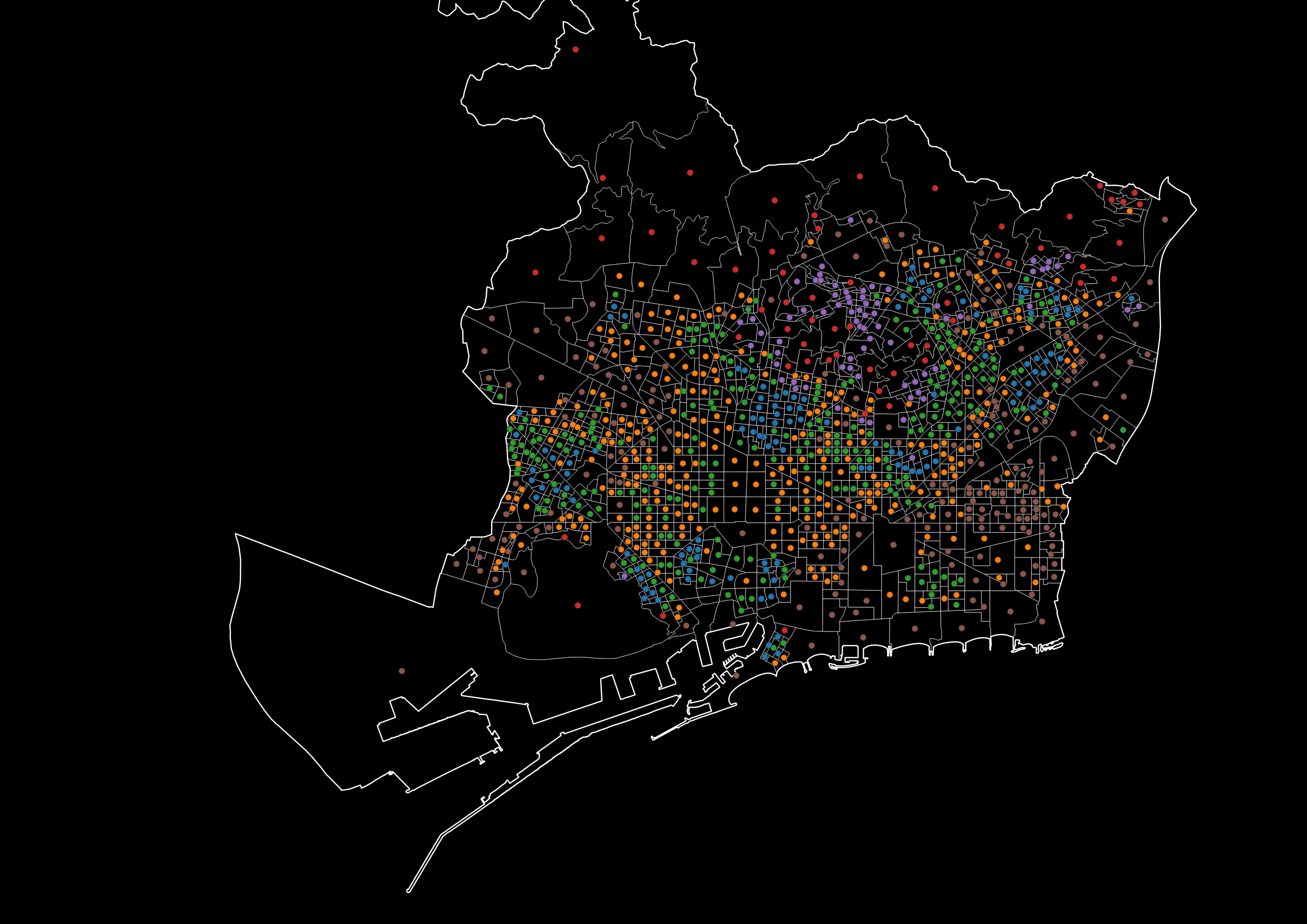
INTRODUCTION Urban planning decisions have a significant impact on the development of cities, and using machine learning can provide decision-makers with valuable insights to make informed decisions. By clustering urban areas based on various factors such as population density, built density, POI density, green cover, and build diversity, we can reveal spatial patterns that can … Read more

BullerbyNet

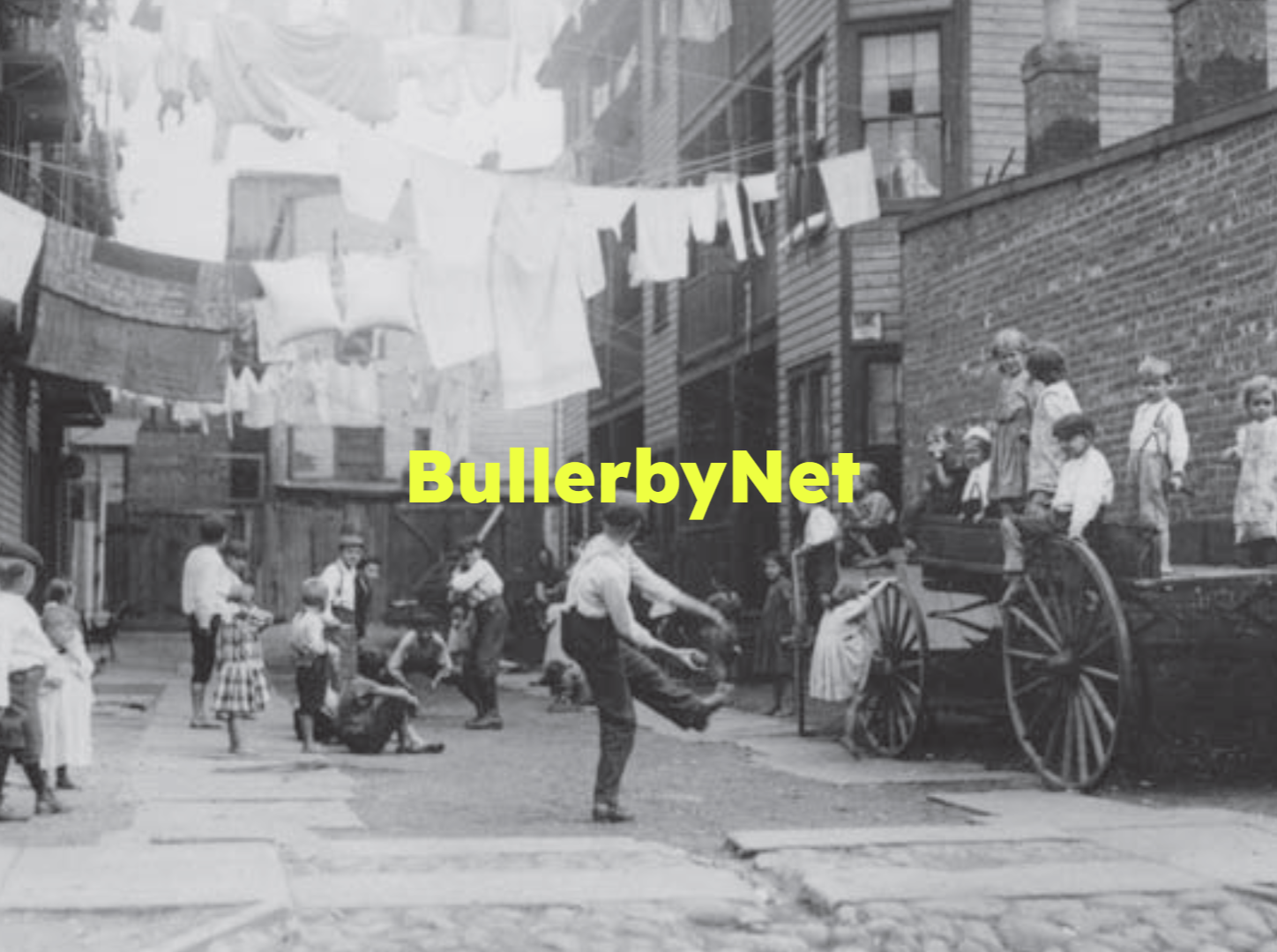
The Core challenges of urban childhood As cities grow and develop, there is often a lack of safe and child-friendly spaces for children to play, walk or bike alone. The increase in traffic and air pollution makes it challenging and unsafe for children to travel on foot or by bicycle. Crime and social fear also … Read more

BEYlink

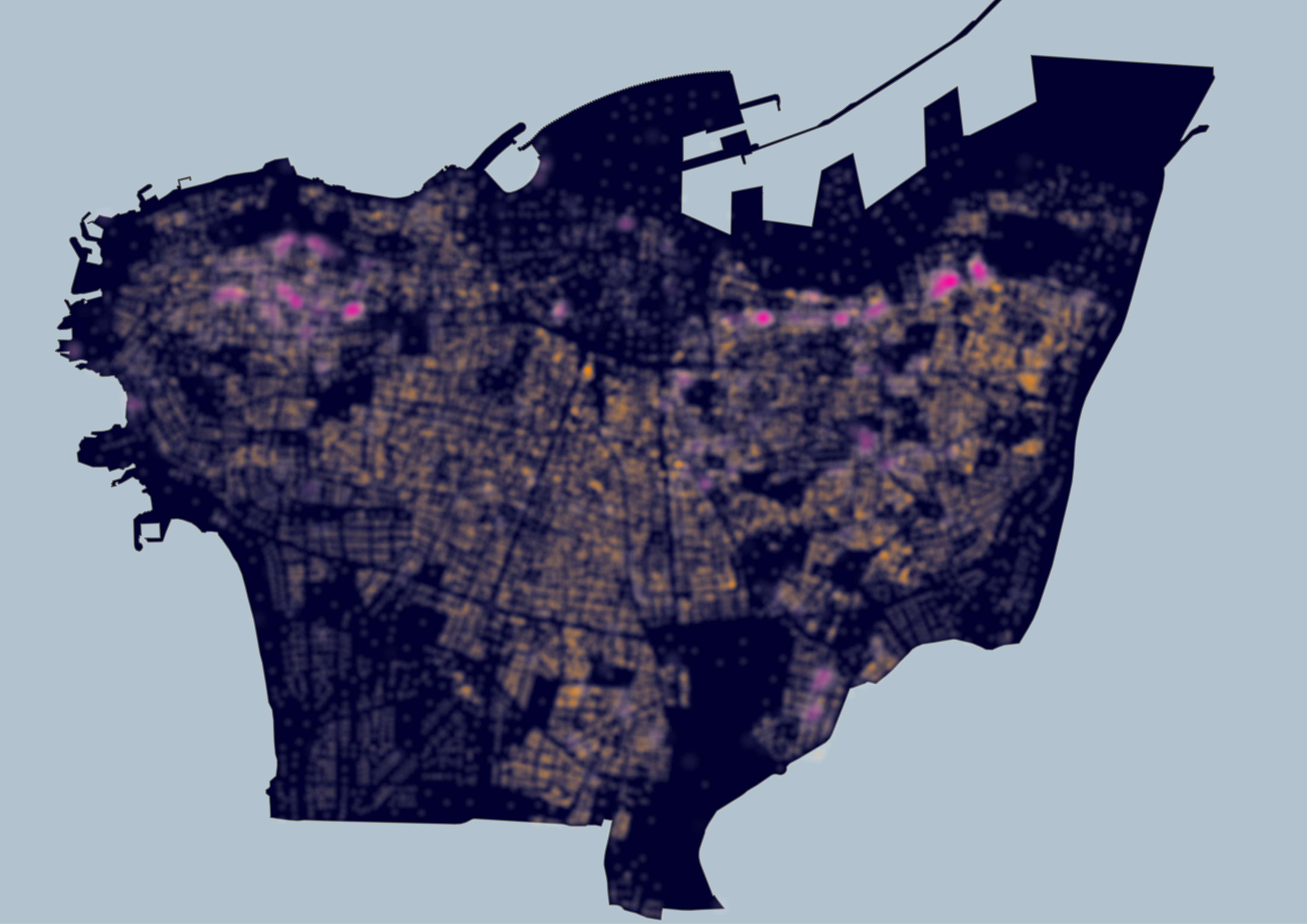
RE-frame and Connect Public spaces in a city, such as pathways and non-constructible parcels, are not utilized to their full potential. As a result, they create voids and detachment of citizens from their city and do not provide any meaningful benefits to the community. Using machine learning algorithms as a tool for public organizations to … Read more